J-9 avant le Black Friday 2026. À la veille du coup d’envoi de la Black Friday Week d’Amazon, jeudi 19 novembre, les marchands multiplient les baisses de prix. Ce live recense les meilleures promos tech du jour, triées et vérifiées par la rédaction.
HexOS Gets Some Big Updates – Is It Worth $299 Yet? HexOS has reached another important milestone, with a set of updates that make the NAS operating system feel less like a thin setup layer and more like a day-to-day storage platform. The latest changes focus on the parts buyers have repeatedly asked about: better […]
J-10 avant le Black Friday 2026. Avant même le coup d’envoi de la Black Friday Week d’Amazon, jeudi 19 novembre, les marchands multiplient les baisses de prix. Ce live recense les meilleures promos du jour, triées et vérifiées par la rédaction.
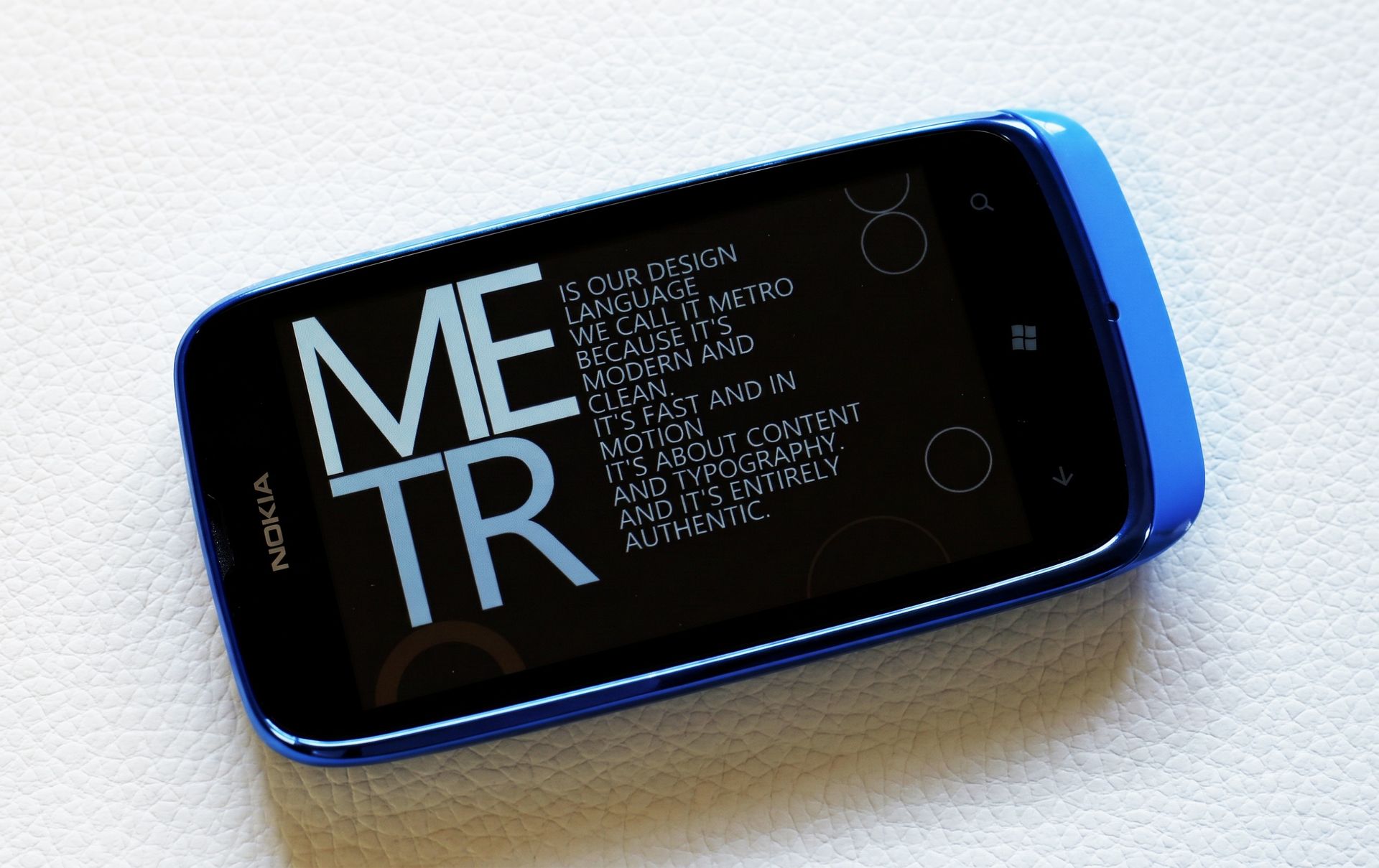
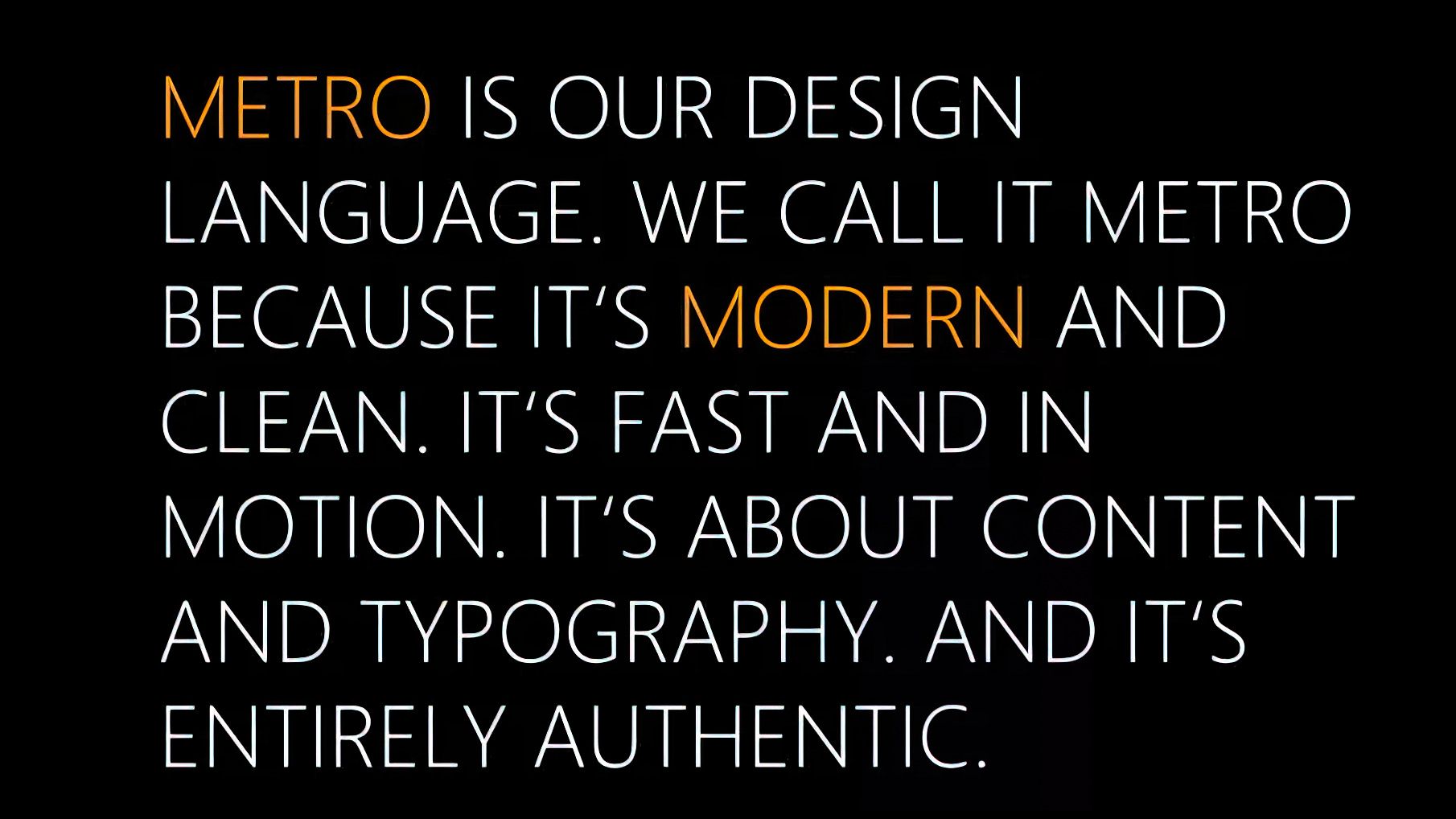
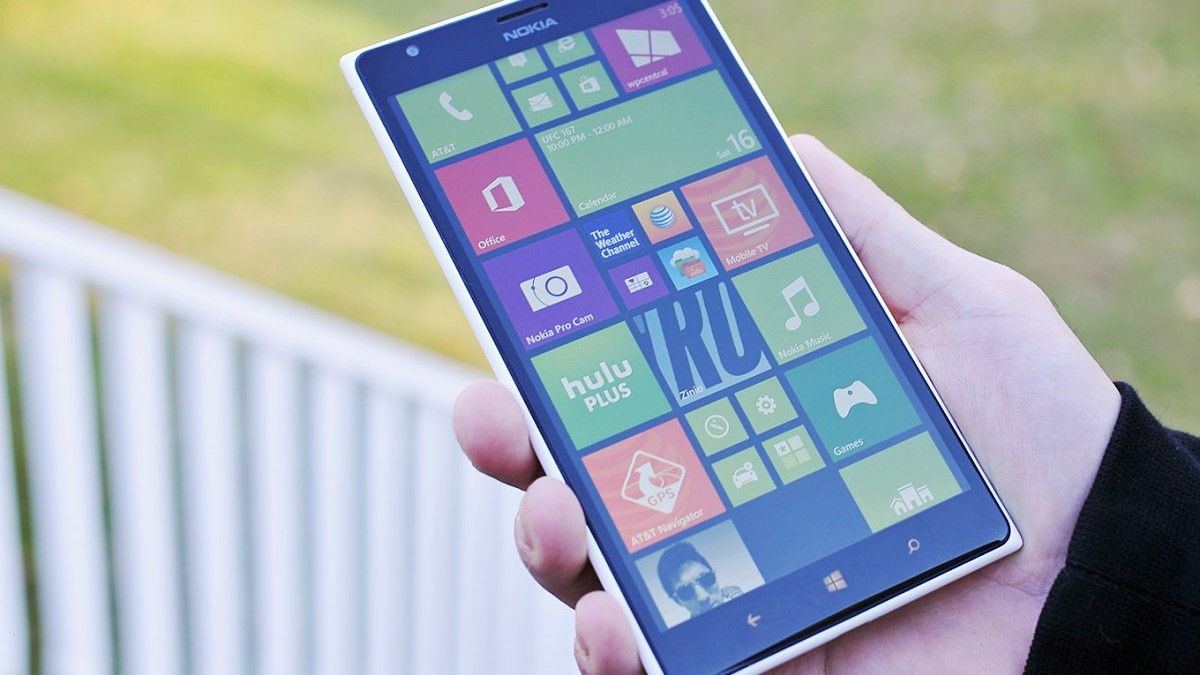
For anyone who lived through the Windows Phone era, Metro (later called Modern UI) was more than Microsoft's latest design language. It was a statement.
Microsoft spent years being accused of following the rest of the technology industry, but with Metro, the company took a very different path. Typography became part of the interface. Content pushed aside ornamental chrome. Motion wasn't simply decoration. Even the edges of the screen became part of the experience, with text and imagery deliberately disappearing beyond them to suggest that there was more waiting for you.
It was bold, occasionally divisive, and absolutely Microsoft.
Now, nearly two decades after some of those ideas started taking shape, my longtime acquaintance David V. Kimball has made what I believe may be the first truly definitive documentary about where Metro came from, the people responsible for it, and how its influence spread across Microsoft.
And after watching the teaser and following this project as David has worked on it over the years, I think it finally gives this fascinating era of Microsoft history something it has never really had: closure.
The story of Metro, told by the people who built it
As noted in the video description, the documentary traces Microsoft's evolving design ambitions from Encarta and Media Center through Zune, Windows Phone, Windows 8, Xbox, and beyond.
More importantly, David went directly to the people who were there.
The documentary includes conversations with Bill Flora, Thamer Abanami, Joe Belfiore, J Allard, Thomas Markert, Ben Rudolph, Laura Butler, Alfred Astort-Tubert, Bill Buxton, Jez Corden, and Rob Tiffany, among others, and I think that's a huge deal.
Metro's history has often been told backward, through the commercial failure of Windows Phone and the backlash surrounding Windows 8. It's easy to look at how everything ended and reduce the entire movement to Live Tiles, a Start screen people argued about, and Microsoft's ultimately unsuccessful attempt to build a third mobile ecosystem.
But that's an incomplete version of what happened.
Metro represented something much larger inside Microsoft. It was an attempt to establish a distinct design philosophy that could stretch across devices and experiences, influencing Zune, Windows Phone, Xbox, Windows 8 and, eventually, products such as Microsoft Band and HoloLens.
For a while, Microsoft actually had something exceedingly rare in technology: a design language you could recognize almost immediately without seeing a logo.
Six years of digging through Microsoft's design history
(Image credit: Daniel Rubino)
I've known David going all the way back to the Windows Phone days, which makes seeing this documentary finally come together particularly satisfying.
This has been an on-again, off-again passion project for him for roughly six years. More than simply collecting memories about Windows Phone, he has spent that time assembling the larger story and tracking down material from Microsoft's design history that most of us have never seen.
David tells me he has early concept material for Zune, Media Center, and Windows Phone that he isn't sure has ever been made public, alongside the interviews that form the backbone of the documentary.
That archival material could make the documentary particularly special.
Tech history has a habit of preserving finished products while losing the messy creative process that produced them. We remember what shipped. We don't necessarily get to see the experiments, discarded concepts, arguments, influences, and people behind those decisions.
Metro deserves that treatment because, successful or not, Microsoft's designers were taking a genuine risk.
Finally, some closure
(Image credit: Microsoft)
That's ultimately what makes David's documentary so compelling to me.
Nearly 90 minutes devoted to Metro might sound excessive to anyone who wasn't there. For those of us who watched this design language spread across Microsoft's products, saw the excitement surrounding Windows Phone, and then watched much of it come crashing down, it feels overdue.
There are plenty of stories about why Windows Phone failed and why Windows 8 became so controversial.
There have been far fewer opportunities to hear the story from the passionate designers and product people who actually tried to build Microsoft's alternative vision of what modern computing should look like.
They deserve credit for taking that chance.
And almost two decades after those ideas began coalescing inside Microsoft, I'm glad someone finally took the time to preserve their story.
David V. Kimball's Metro UI documentary premieres on YouTube on Friday, November 20, at 1 p.m. Pacific / 4 p.m. Eastern / 9 p.m. UK.
Join us on Reddit at r/WindowsCentral to share your insights and discuss our latest news, reviews, and more.
Ce samedi 21 novembre 2026, la sonde européano-japonaise BepiColombo doit entrer en orbite autour de Mercure, après 8 ans de voyage et près d'un an de retard sur le planning prévu initialement.
À onze jours du Black Friday 2026, le rythme s’accélère : Amazon lance sa Black Friday Week dès jeudi, la Fnac, Darty et Boulanger enchaînent les remises. Suivez en direct les meilleures promos.
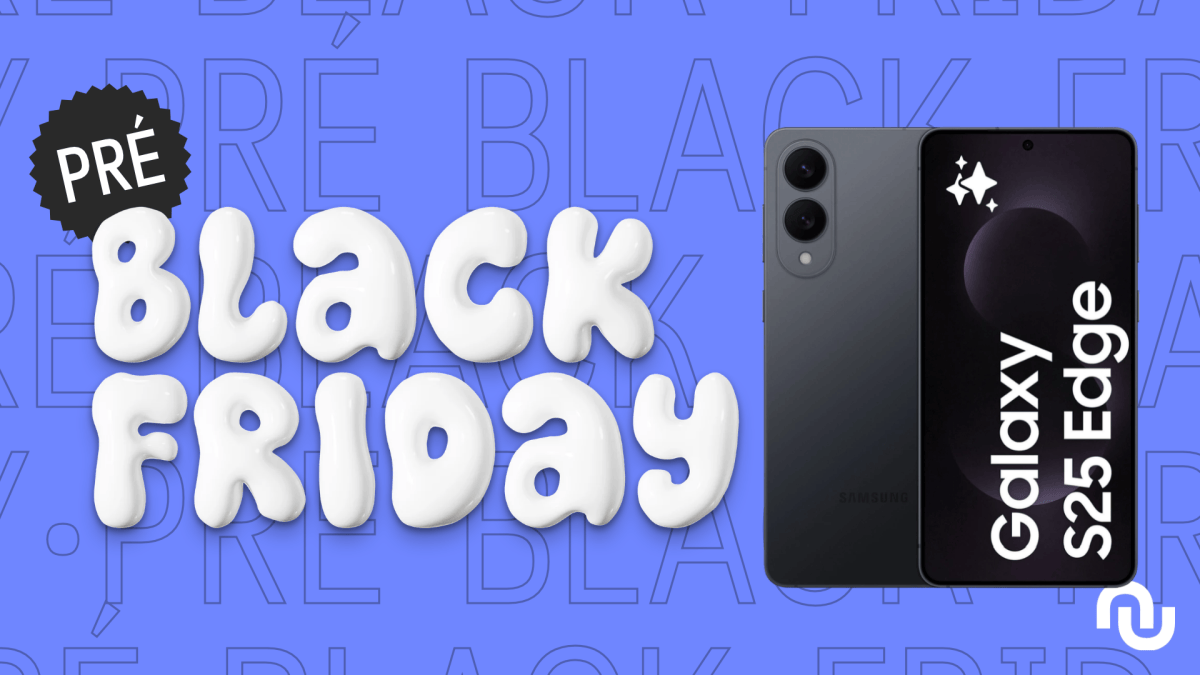
[Deal du jour] Le Black Friday chez Darty permet de mettre la main sur le Galaxy S25 Edge de Samsung, le plus fin des Galaxy S25 à 599 € au lieu de 1 299 €. Il vient en prime avec un casque Bluetooth à réduction de bruit active.
Le Minisforum T5 Max-388 à 1 679 € a été mis à l'épreuve. Sa Radeon 8060S tient la comparaison dans plusieurs tests, avec des écarts sous forte charge.
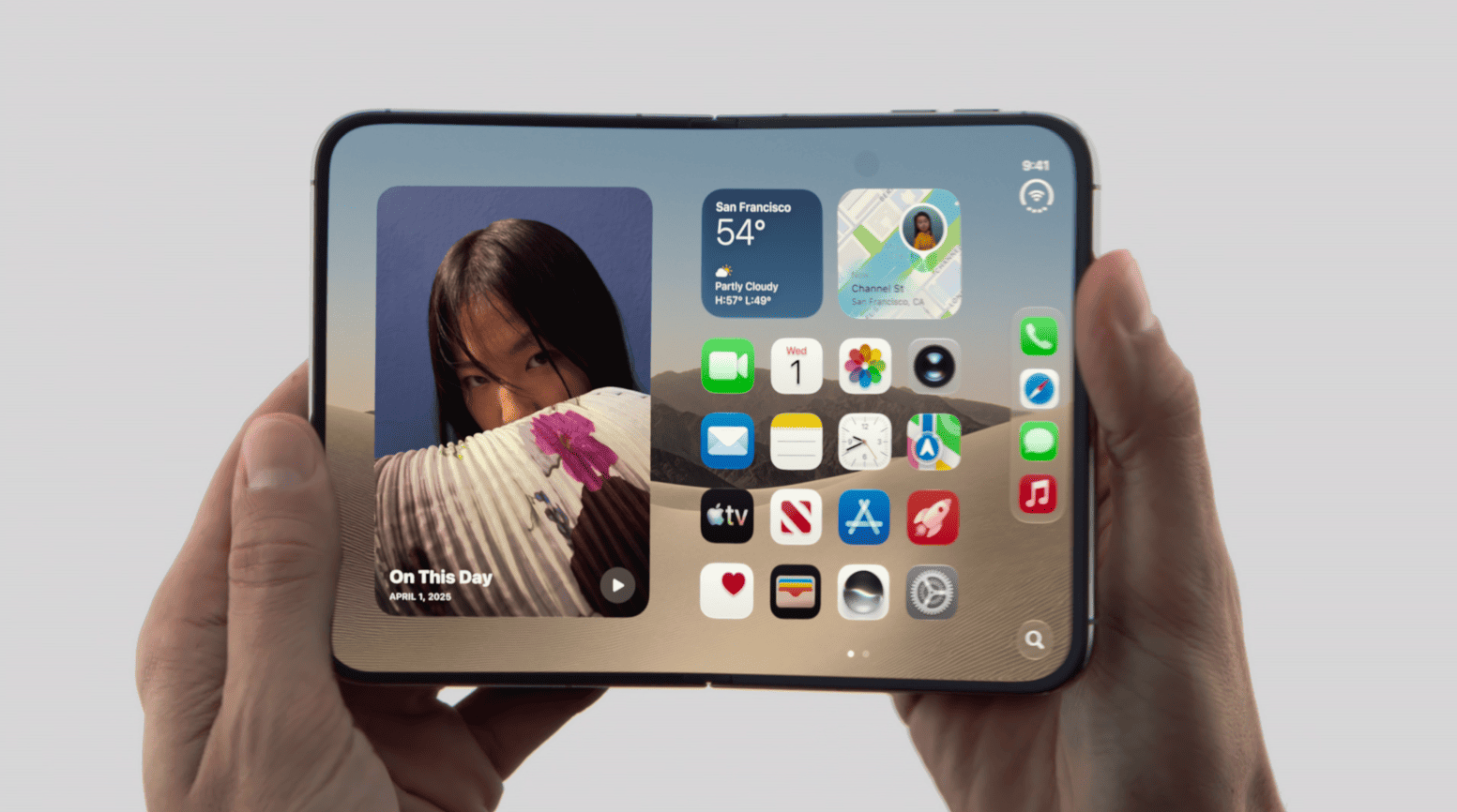
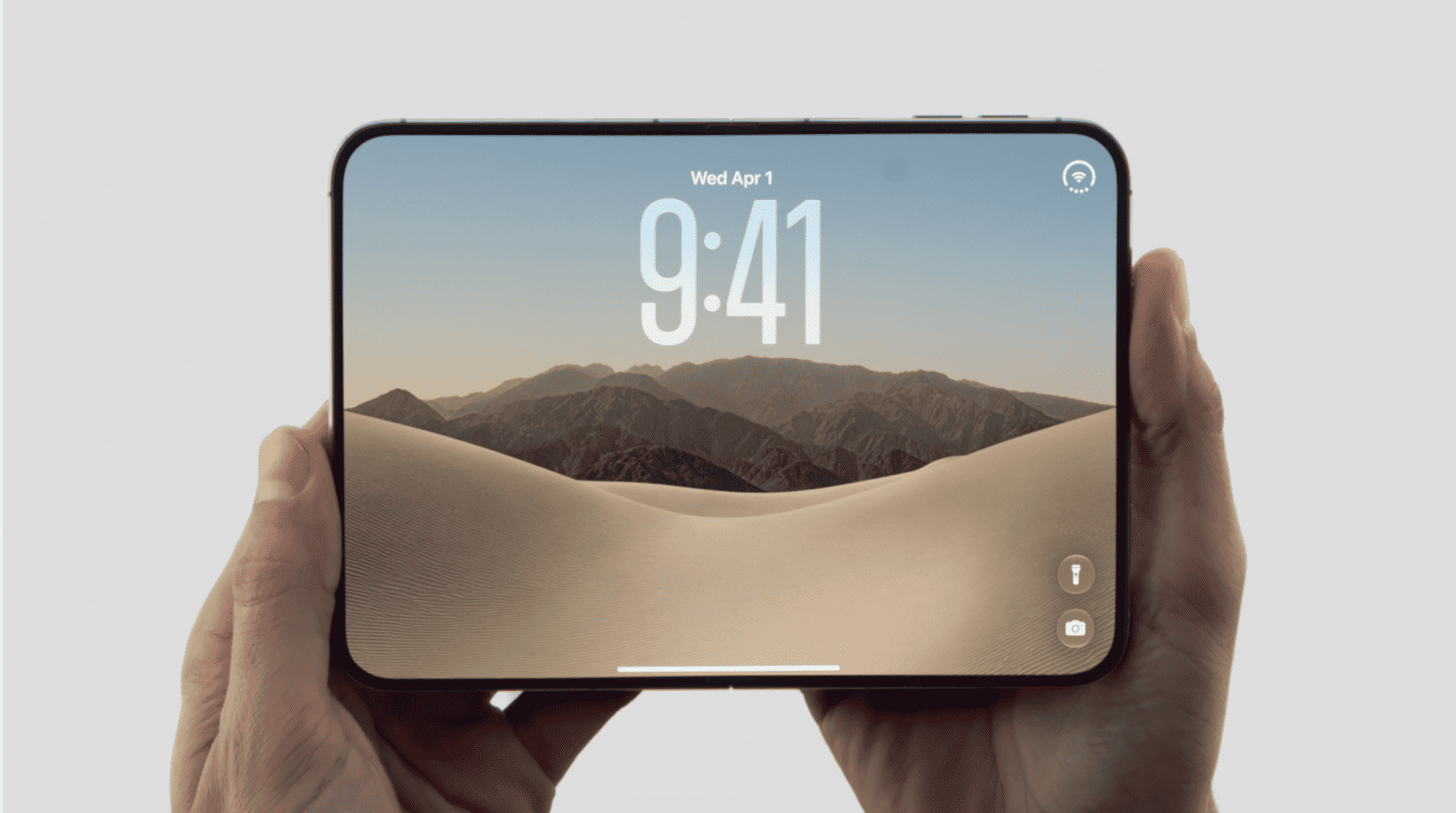
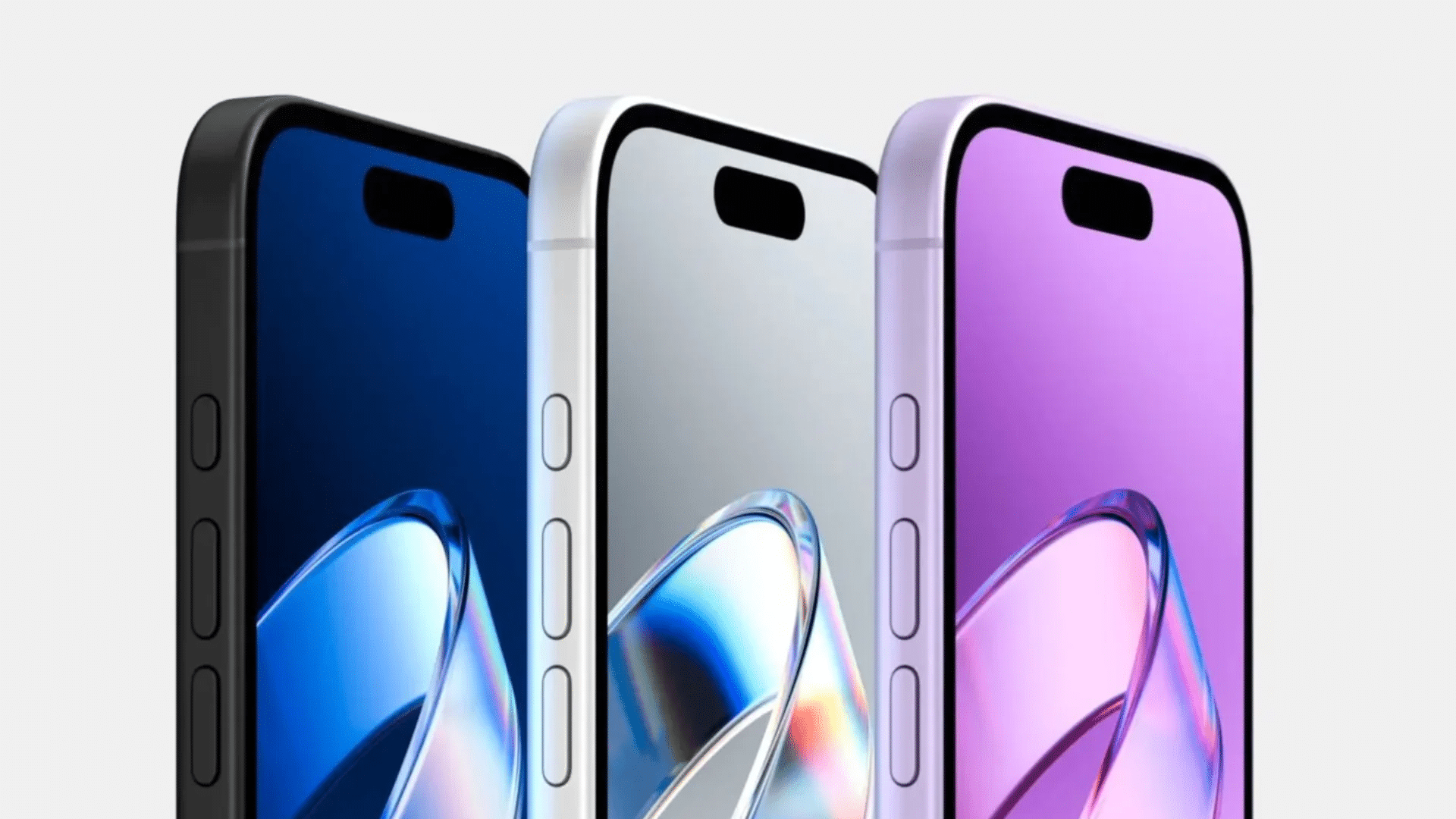
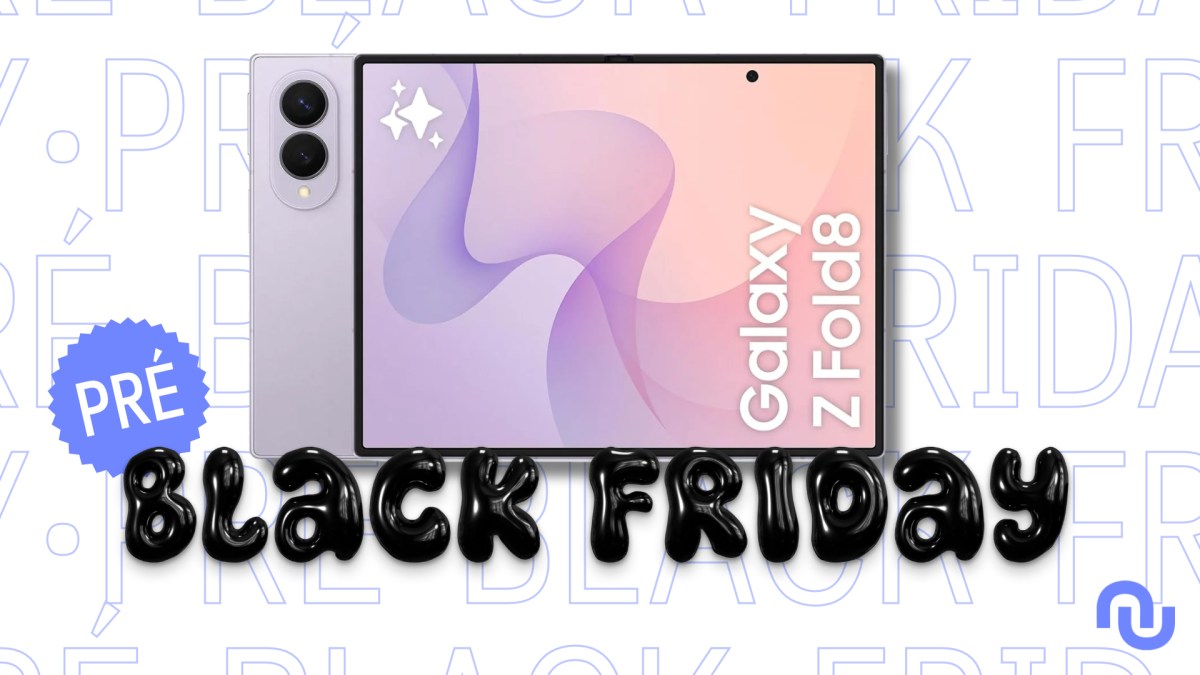
[Deal du jour] L’iPhone Duo coûte 2 339 € en 256 Go. À capacité égale, le Galaxy Z Fold8 de Samsung revient à 1 119 € sur Amazon grâce à une nouvelle offre de remboursement de 300 €, contre 1 999 € à sa sortie. Il coûte ainsi moins de la moitié du prix du pliable d’Apple.
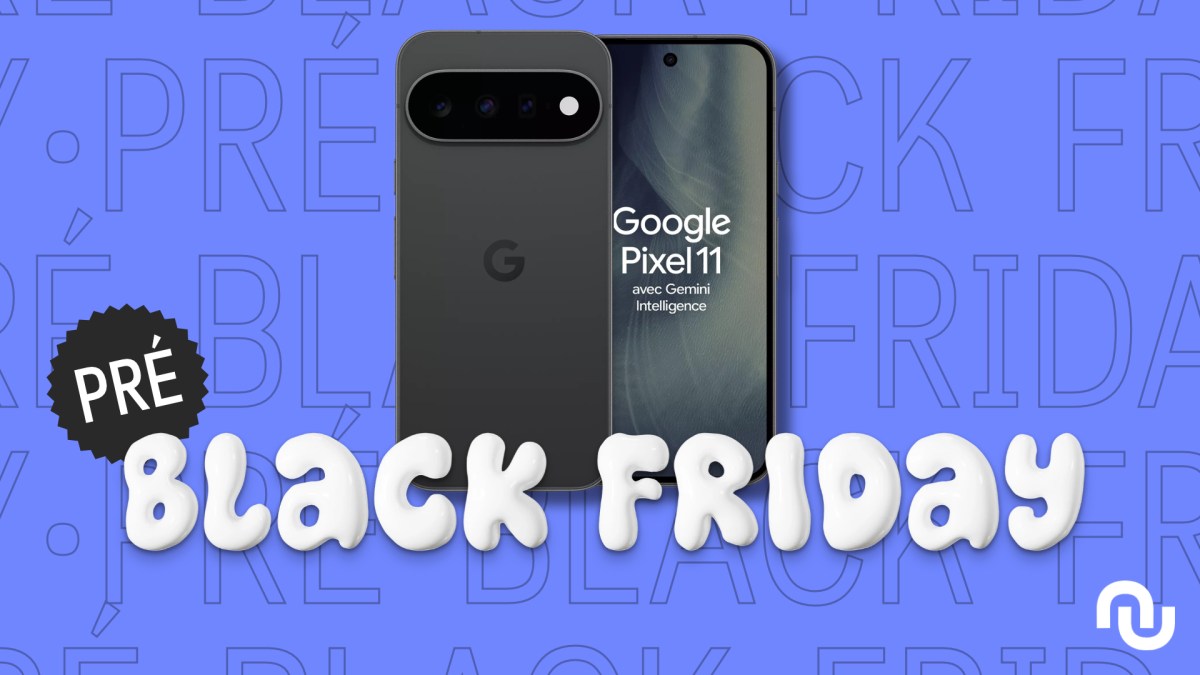
[Deal du jour] Trois mois après sa sortie, le Google Pixel 11 profite déjà de l'opération Black Friday de Boulanger. Le smartphone de Google passe à 649 € au lieu de 999 €.
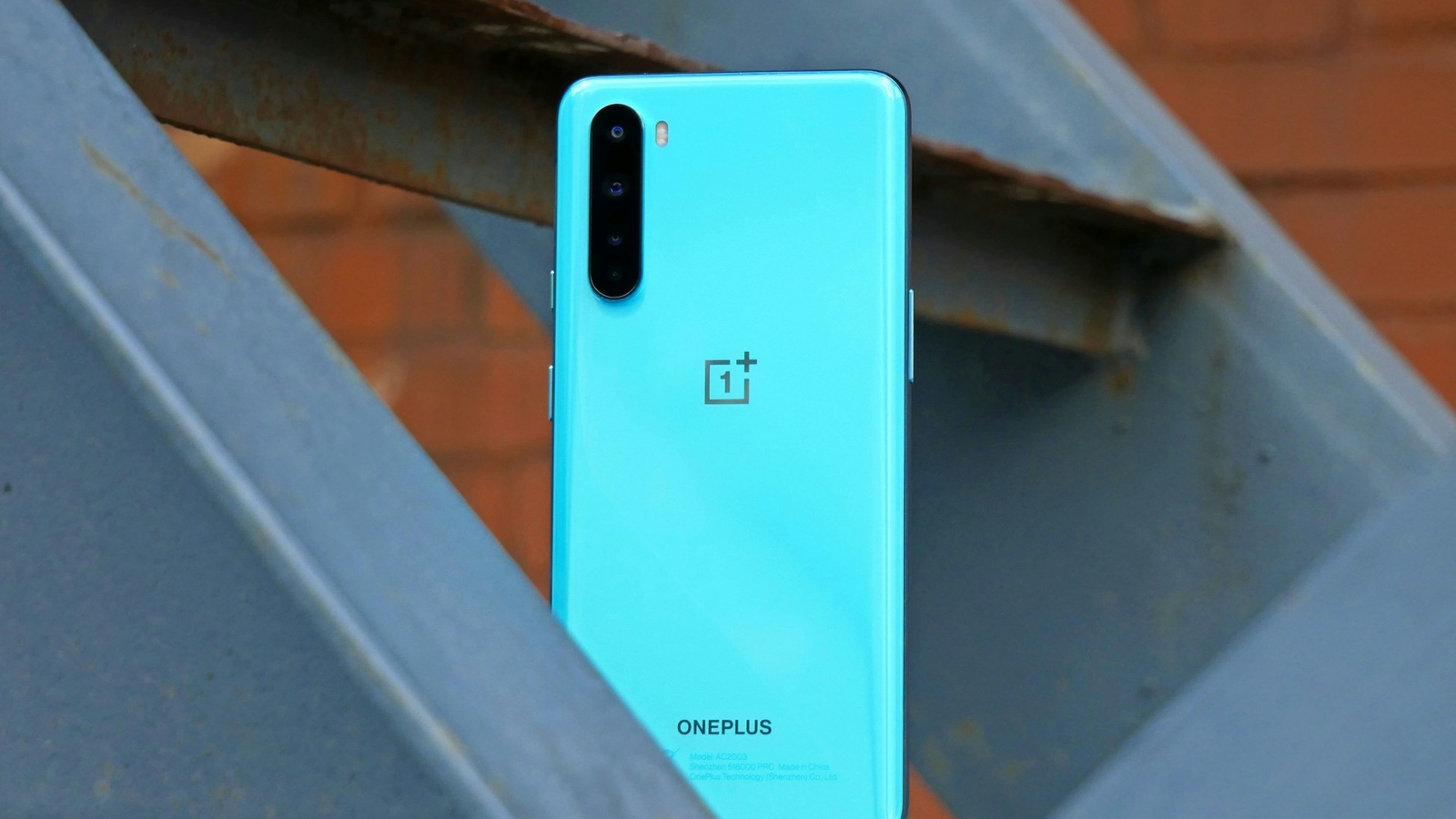
Malgré son retrait des marchés européen et américain, OnePlus continue d'améliorer ses smartphones et tablettes. Sa mise à jour de novembre introduit notamment une fonction permettant de déverrouiller automatiquement un PC à distance.
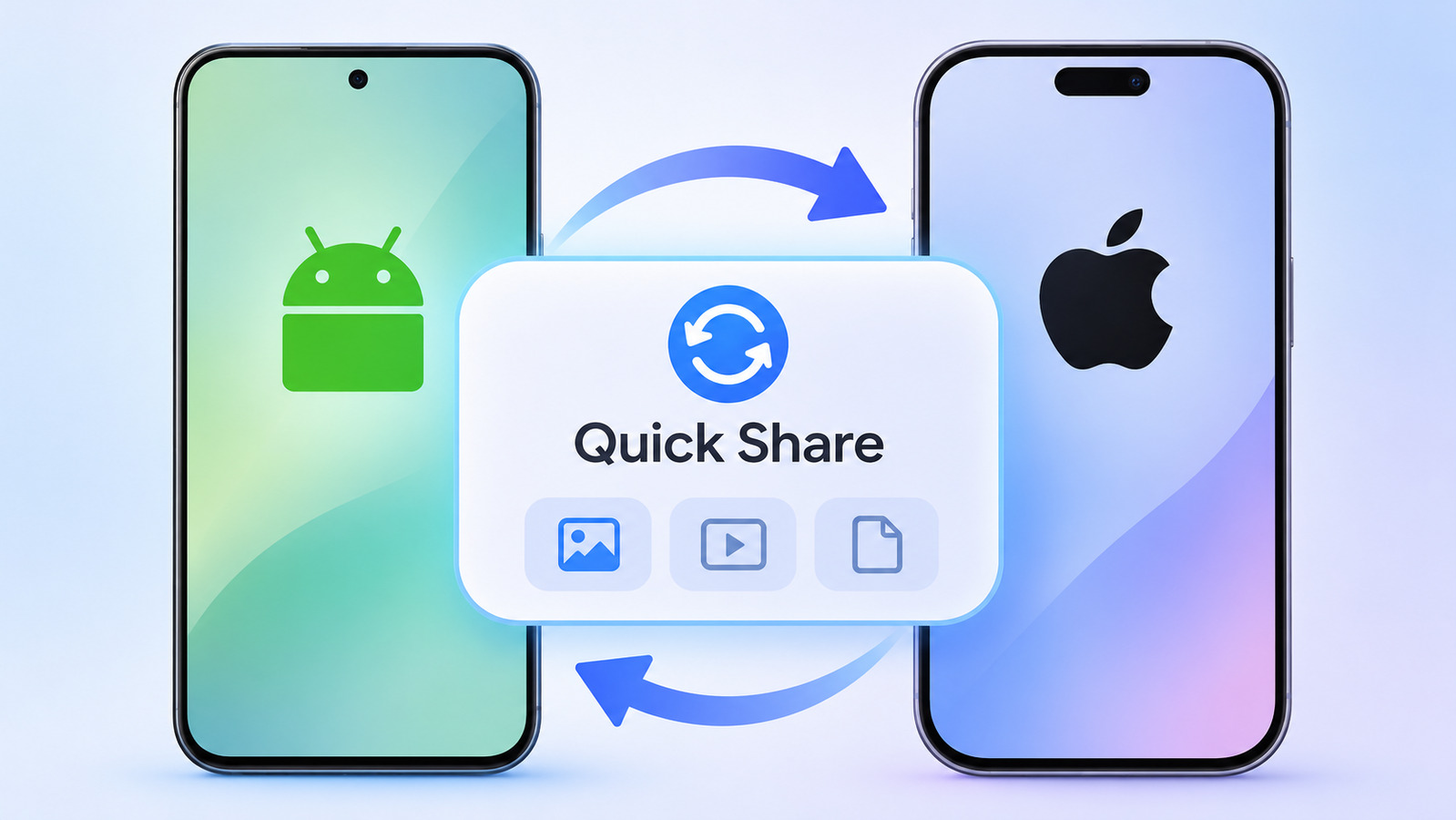
Partager des photos ou des vidéos entre Android et iPhone pourrait bientôt demander beaucoup moins de manipulations. Google développe un outil pour intégrer Quick Share directement aux applications, mais son arrivée dépendra aussi des développeurs.
System76 annonce le Thelio Prime, un PC Linux de 11 litres avec Ryzen 9000, jusqu’à 96 Go de DDR5 et un lancement le 18 novembre à partir de 1 599 dollars.
Regarder Netflix, jouer ou travailler sur un iPhone pliable : Apple veut donner une nouvelle dimension aux applications du quotidien. Plus de 50 d’entre elles seront adaptées à l’iPhone Duo dès sa commercialisation, avec des fonctionnalités pensées pour son grand écran.
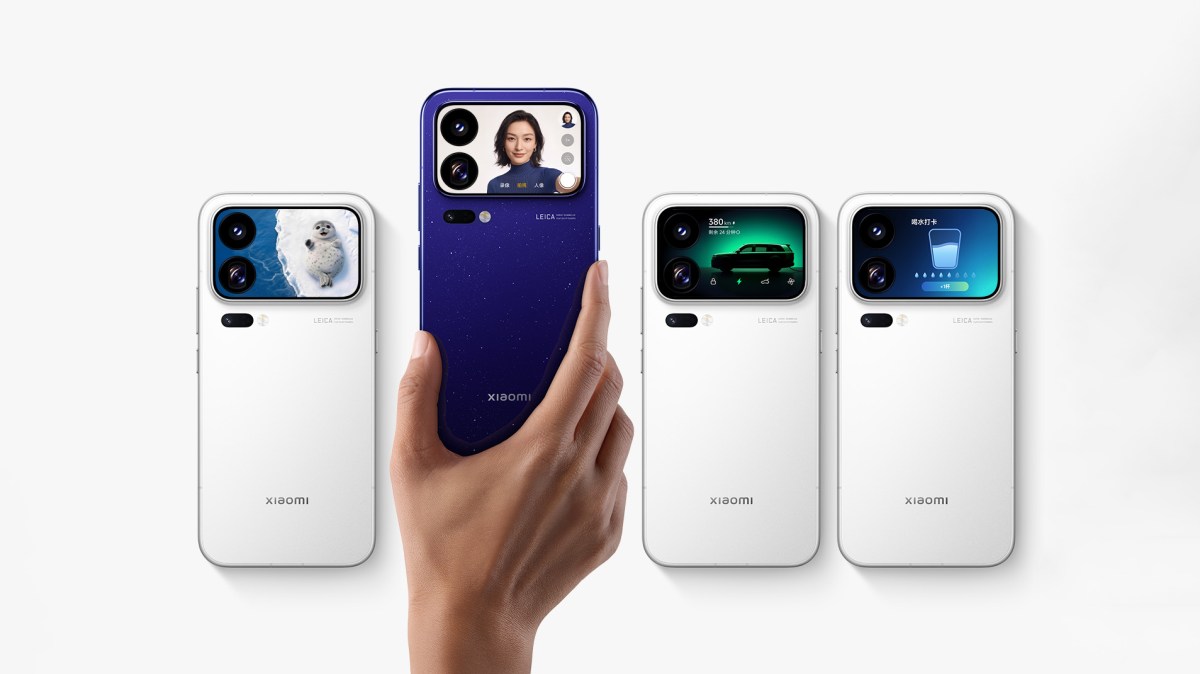
Les futurs Xiaomi 18 Pro et 18 Pro Max s'annoncent particulièrement coûteux en Europe, mais leur prix ne serait pas leur seule surprise. De nouvelles informations révèlent des différences importantes de capacité de batterie entre les modèles européens et chinois.
Vous comptiez avoir un iPhone Duo sous le sapin ? Ça va être compliqué, les quelques modèles en vente sont déjà partis lors des précommandes, et les prochaines livraisons ne sont pas pour tout de suite.
Si la marque à la pomme semble ne pas avoir vendu autant d'iPhone 18 Pro et Pro Max qu'escompté, l'iPhone 18 pourrait en revanche venir changer la donne.
Alors que le marché des smartphones s'effondre sous le poids de la crise des composants, un fabricant parvient à tirer son épingle du jeu. Apple signe une performance historique au troisième trimestre 2026, malgré des ventes elles aussi en recul.

 Connexion

 Le Minisforum T5 Max-388 à 1 679 € a été mis à l'épreuve. Sa Radeon 8060S tient la comparaison dans plusieurs tests, avec des écarts sous forte charge.


 System76 annonce le Thelio Prime, un PC Linux de 11 litres avec Ryzen 9000, jusqu’à 96 Go de DDR5 et un lancement le 18 novembre à partir de 1 599 dollars.