UGREEN vend depuis quelques semaines un chargeur un peu particulier, le
Nexode Pro 160W
, dont l'argument principal n'est pas la puissance (pourtant bien là) mais le câble USB-C rétractable intégré au boîtier, un enrouleur qui se déroule sur 70 cm avec huit crans d'arrêt et qui revient se loger dans le bloc tout aussi simplement.
L'idée est toute bête. Le câble est donc en permanence dans le chargeur, donc plus rien à transporter ni à oublier.
Ce câble délivre jusqu'à 140 W, tout comme le premier port USB-C du bloc, alors que le deuxième s'arrête à 100 W et que l'USB-A de service dépasse à peine les 20 W, le tout dans la limite des 160 W que le chargeur répartit de lui-même entre les prises occupées quand vous branchez plusieurs appareils.
La densité de l'appareil, comme toujours désormais, vient du nitrure de gallium, ce semi-conducteur qui a remplacé le silicium dans les chargeurs puissants de ces dernières années et qui permet de caser tout ça, écran compris, dans un format tour d'un peu plus de 300 grammes.
Parce qu'il y a un écran, oui. La petite dalle couleur de la face avant affiche en continu la puissance, la tension et la température de chaque port, de quoi voir d'un coup d'oeil si l'iPhone tire bien ses watts ou si un vieux câble bride la charge, et l'application Ugreen Connect ajoute le suivi à distance en Bluetooth ou en Wi-Fi, la coupure d'un port et la mise à jour du logiciel interne. Pour le coup ça n'est pas indispensable, mais on va dire que ça fait partie du jeu en 2026.
Je n'ai relevé aucune surchauffe avec quatre appareils branchés, et mon MacBook Pro 14 pouces récupère plus de la moitié de sa batterie en à peu près 20-25 minutes minutes sur le câble intégré.
Pour le tarif, UGREEN demandait 130 euros au lancement et affiche une centaine d'euros en ce moment. C'est cher, mais pas tant que ça si on considère la puissance et le servie rendu. Si vos journées se partagent entre un Mac, un iPhone et une tablette, je ne vois pas de chargeur de bureau mieux pensé en ce moment.
Il est disponible par ici sur Amazon
.
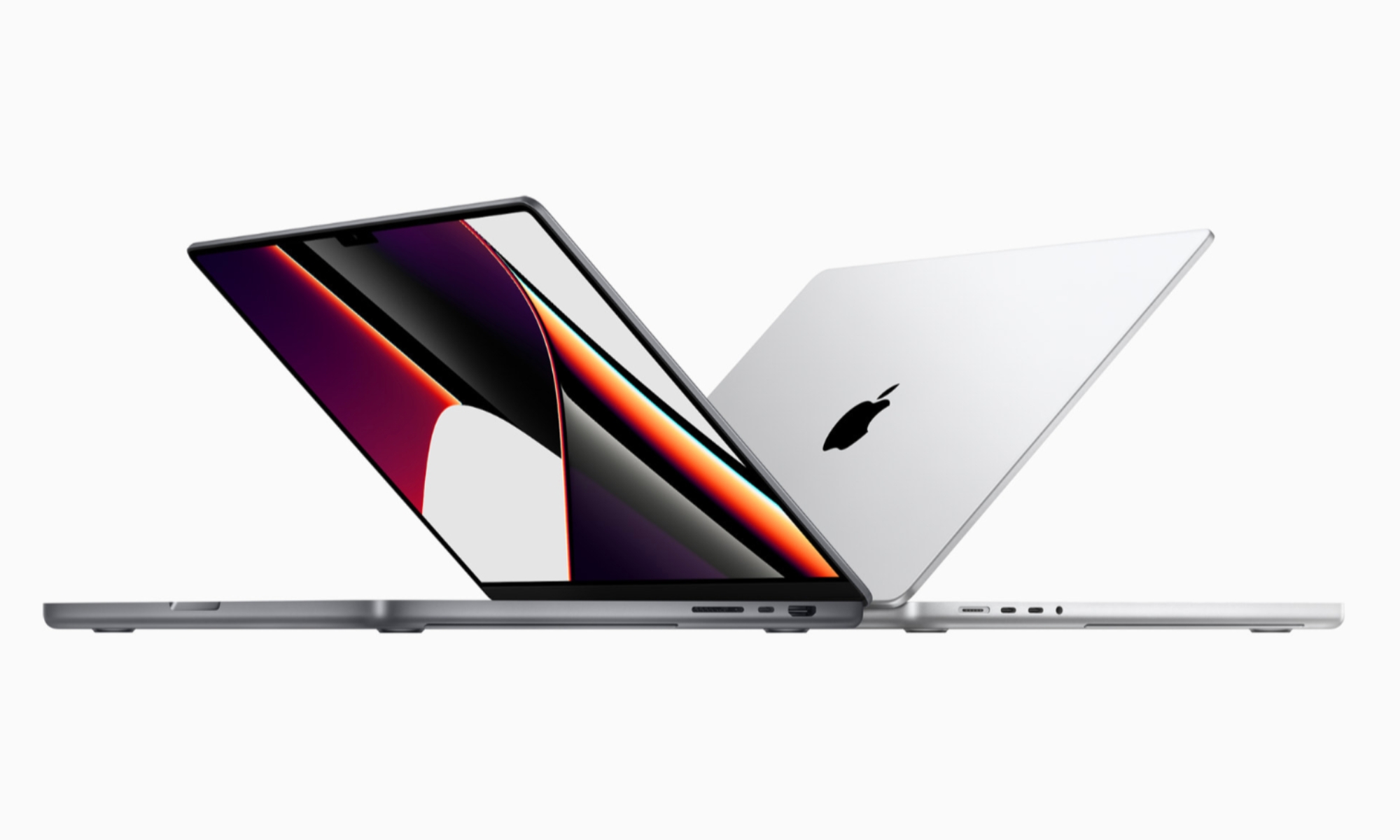
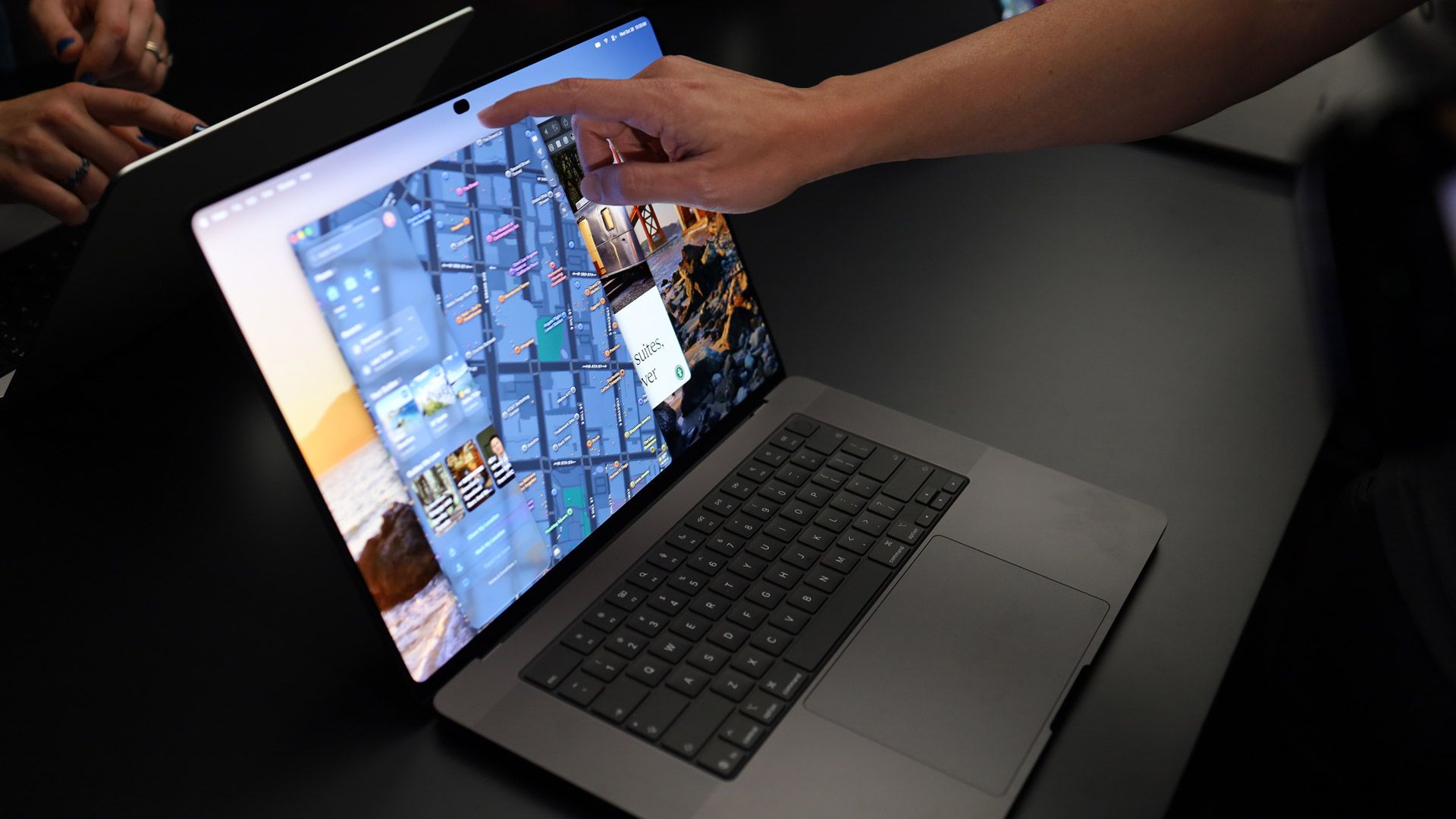
Apple has finally made a touchscreen MacBook Pro, and you know what? Good.
I’ve been using touchscreen Windows laptops for well over a decade. Microsoft made touch central to Windows with Windows 8 in 2012, and PC makers have spent the years since experimenting with convertibles, detachable keyboards, pens, dual-screen PCs, foldable displays, and nearly every combination of those ideas imaginable.
Now Apple has decided touch belongs on a Mac, too.
There’s an obvious temptation here to point and laugh, particularly given how long Apple spent telling everyone that touchscreen laptops were a bad idea. But I don’t think Apple adopting touch in 2026 is really the problem. Technology improves. Consumer behavior changes. Companies reconsider old assumptions. Ideas that didn't make sense 15 years ago can make considerably more sense today.
Companies should be allowed to change their minds. In fact, I wish more of them would.
What bothers me is the corporate absolutism that so often comes before the reversal, and how readily consumers absorb those talking points and repeat them as though they were established technological truths.
Your favorite company is not your friend
(Image credit: Lance Ulanoff / Future)
Steve Jobs didn't merely say that Apple wasn't interested in making a touchscreen Mac. In 2010, he argued that vertical touch surfaces were “ergonomically terrible” and that after using one for an extended period, “your arm wants to fall off.”
Apple continued defending that philosophy long after Jobs. Craig Federighi argued that reaching up to touch a screen was fatiguing, while John Ternus explained Apple's position in 2021 by saying the iPad was optimized for touch and the Mac for indirect input.
And now we have a touchscreen MacBook Pro.
Apparently, our arms have recovered.
I mean, Windows 10 came out 11 years ago and abandoned the Windows 8 approach you're criticizing.More importantly, what exactly is Apple doing here that Windows 10/11 haven't already done conceptually?The article praises Apple for keeping the familiar desktop UI while making elements more touch-friendly, adding touch gestures, increasing spacing between controls, and supporting things like pinch-to-zoom.That's essentially the post-Windows 8 approach Microsoft has been using for years: keep the desktop, accommodate touch where useful, and dynamically adjust parts of the UI for touch input.Windows 8 deserves plenty of criticism, but using it as the comparison in 2026 sidesteps 11 years of Windows development.If there's something fundamentally new about Apple's approach here, I'm genuinely curious what it is.October 28, 2026
But there was never anything inherently ridiculous about occasionally touching your laptop screen! You don't use a touchscreen PC by spending eight hours with your arm suspended in front of you like you're directing traffic. You type. You use the touchpad. You use a mouse. And sometimes a button is sitting right there on the screen, so you reach up and tap it.
That's it. Nobody needed a grand philosophical argument for why that was useful.
Microsoft certainly got plenty wrong with Windows 8, especially its attempt to aggressively redesign a desktop operating system around touch. But the underlying idea that a computer could accommodate a keyboard, mouse, pen and your fingers was perfectly reasonable. Windows laptop makers proved that years ago.
Yet because Apple didn't want to make that computer, the company's decision somehow became evidence among some of its most devoted followers that these computers shouldn't exist at all.
That's the part I think is worth remembering.
We've watched this happen before
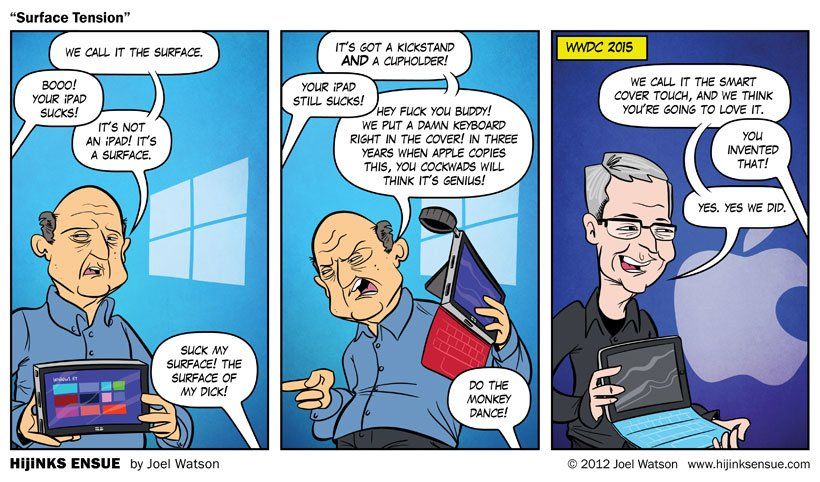
This 2012 comic by Joel Watson proves the point. (Image credit: Hijinks Ensue/Joel Watson (2012))
And touch isn't an isolated example.
When Microsoft was trying to blur the line between tablets and PCs with Surface, Tim Cook famously compared converging products to combining a toaster and a refrigerator. Years later, Apple built the iPad Pro and paired it with increasingly sophisticated keyboard and trackpad accessories. The implementation is Apple's own, but the supposedly absurd idea of a tablet increasingly behaving like a laptop doesn't seem quite so absurd anymore.
I've seen the same attitude around foldables and devices like Surface Duo. Years ago, I found myself explaining to Apple fans, practically like children, why someone might find value in a large display that folds into something much smaller and more pocketable. The response inevitably centered on all the reasons folding phones were unnecessary, compromised, gimmicky, or "solving a problem that didn't exist" (the line always used by people with no imagination).
Now Apple is making foldable devices too.
And again, good. I want Apple to make these products. Competition drives improvement, and Apple entering a category can push everyone else forward. I recently discussed on Schwab Network (above) how strategically important the iPhone Duo is, and its growing pains—or whether it’s the perfect $2,000 phone—are less of a concern in the long term.
This isn't an admonishment of Apple for adopting ideas that competitors got to first. It's an admonishment of the corporate theater that often precedes those reversals, and especially of consumers who willingly participate in it.
Stop turning corporate PR into your personality
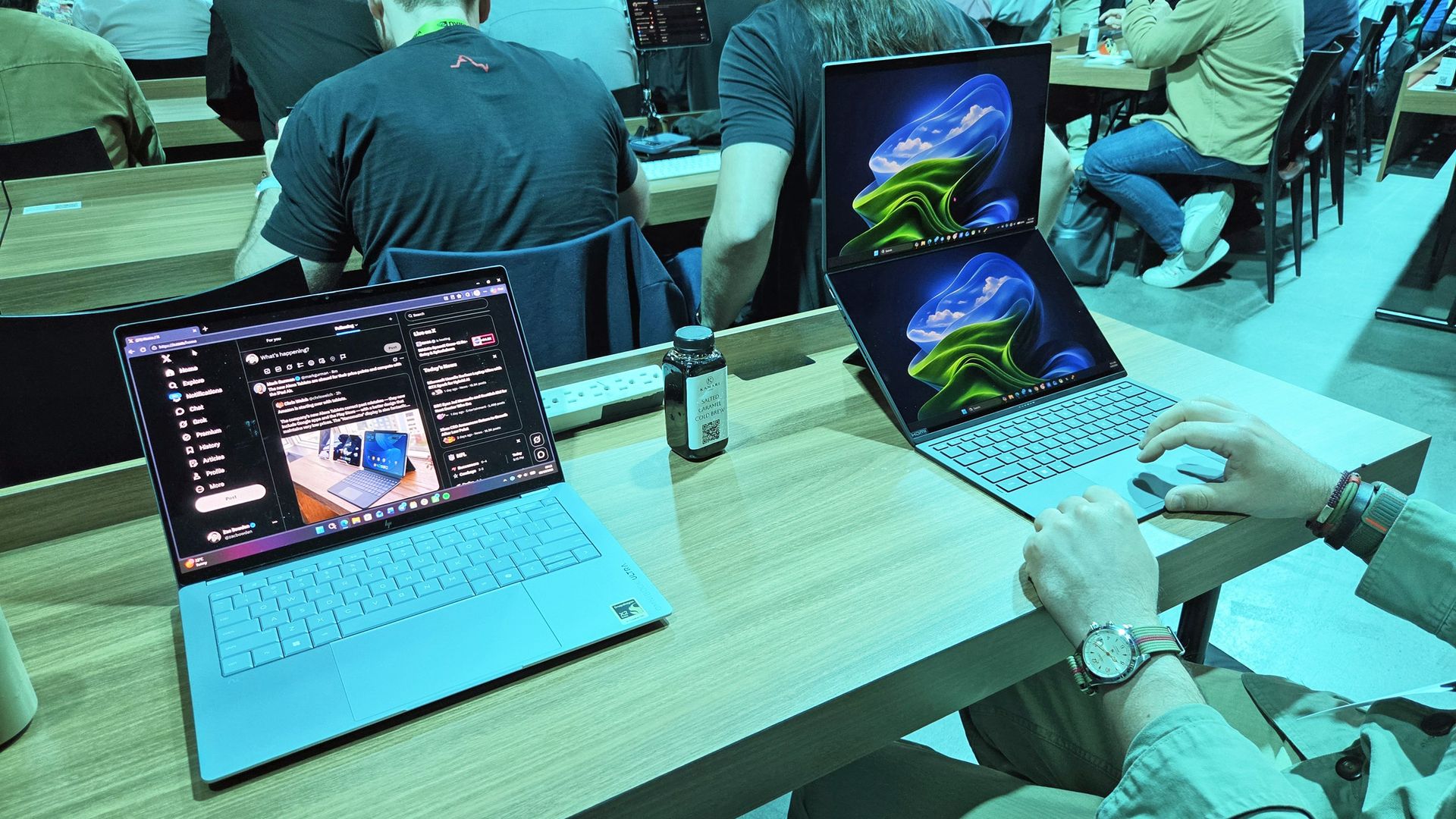
Me using the ASUS ZenBook Duo dual-screen laptop at an NVIDIA event on October 8th, 2026. (Image credit: Zac Bowden)
Every technology company does some version of this. Microsoft does it. Google does it. Samsung does it. Apple does it.
I've interviewed enough executives over the years to know the standard response when you ask why a product doesn't have some particular piece of technology. You usually get something along the lines of: We're watching the technology, we're talking to our customers, and when we think the experience is right, we'll consider it.
That's corporate PR, but it's also a perfectly respectable answer.
What companies shouldn't do, and what consumers absolutely shouldn't help them do, is transform today's product limitation into some grand design philosophy explaining why the missing technology is actually stupid.
(Anyone else remember Apple not making large iPhones because your thumb couldn't reach across the screen? yeaaahh...)
Companies have roadmaps. They have price targets, manufacturing constraints, engineering limitations, internal politics, and products they aren't ready to announce. Sometimes they haven't figured something out yet. Sometimes a competitor simply got there first.
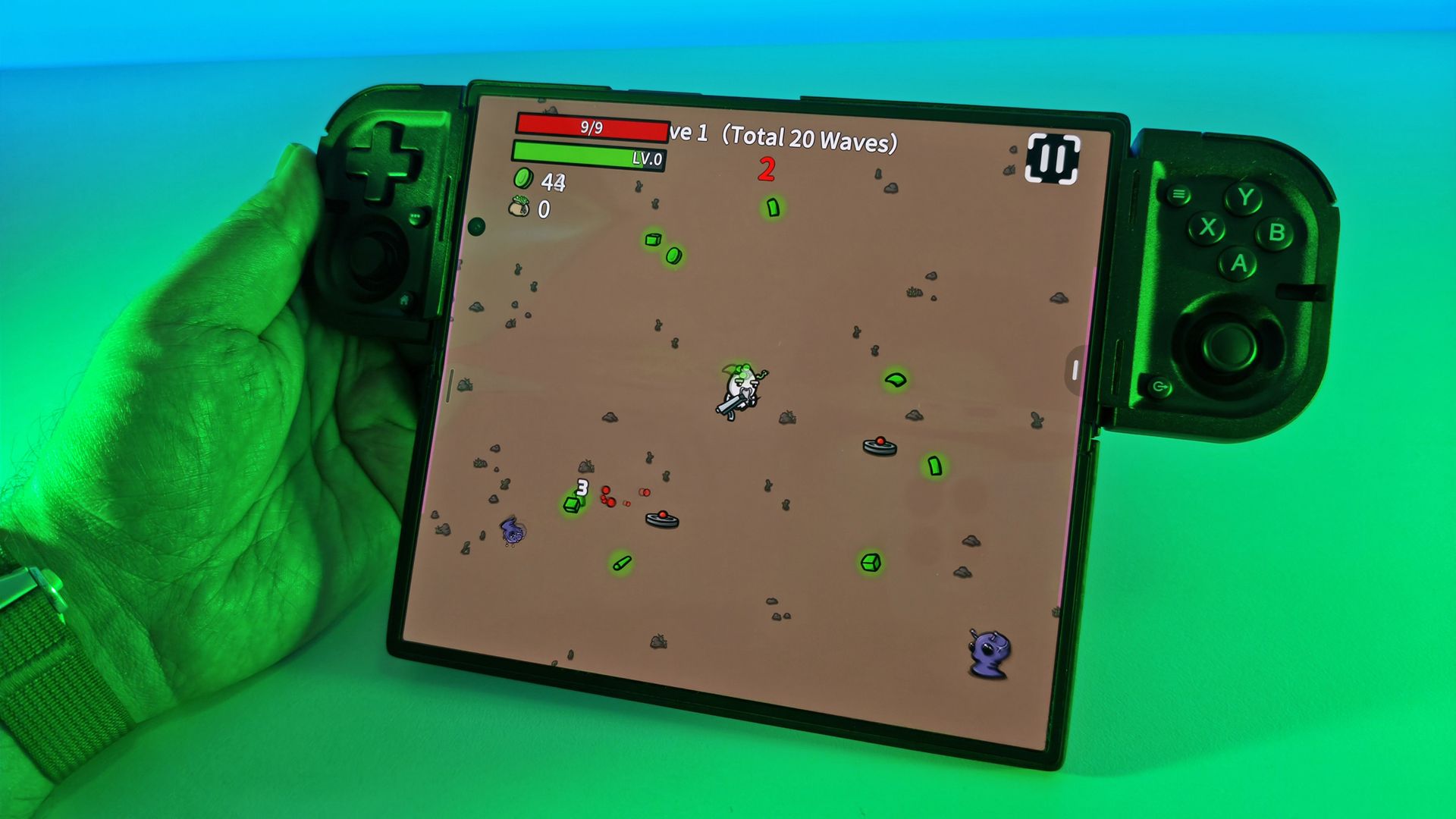
Turns out, foldable devices are fun. Seen here: Samsung Galaxy Z Fold7 and Razer Prio controller. (Image credit: Daniel Rubino)
And sometimes they're just wrong. Steve Jobs, Tim Cook, and Craig Federighi were wrong. And it wasn't the tech that changed; it was the opinion.
Consumers and the technology press shouldn't turn those temporary business realities into articles of faith.
Apple is particularly good at controlling the language around its products, which makes resisting this tendency even more important. When Apple doesn't offer something, there's often an impulse among its most ardent supporters to rationalize the omission and explain why nobody really needs it anyway.
Then Apple ships it, and suddenly it's useful.
That's why the lesson of the touchscreen MacBook Pro isn't that Apple lost, and Windows won. Frankly, that kind of platform-war thinking is just another version of the same problem.
@OABlanchard @TheRichWoods "He wouldn't be saying it today."Speaking for the dead now are we?October 28, 2026
The lesson is much simpler: stop putting corporations on pedestals.
You don't work for these companies. You don't owe them ideological consistency. Buy the products you like. Praise them when they're good. Criticize them when they're bad. And when an executive explains why a technology their competitors already offer is unnecessary, ridiculous, inelegant, or something customers don't want, maybe don't adopt that argument as part of your identity.
Because a few years from now, they may be standing onstage trying to sell it to you.
And when that happens, changing their mind is perfectly fine. Pretending they never told you otherwise is something else entirely.
But tell me, am I wrong or missing something? What do you think about Apple suddenly being interested in foldables and touchscreen laptops in 2026? Let me know in the comments.
Join us on Reddit at r/WindowsCentral to share your insights and discuss our latest news, reviews, and more.
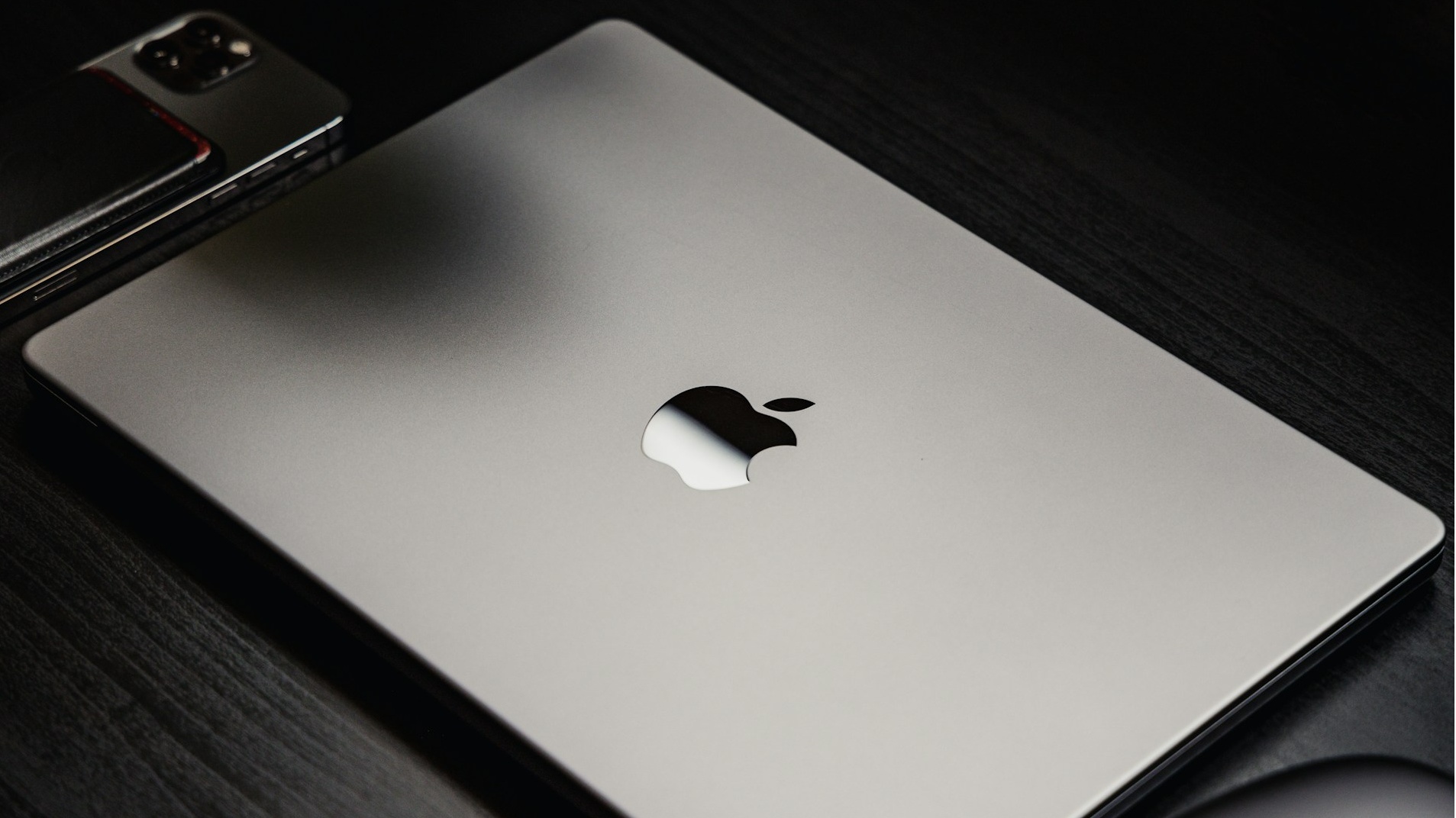
Après des années de résistance, Apple équipe enfin l'un de ses ordinateurs portables d'un écran tactile. Le MacBook Pro se réinvente avec un nouveau design, un écran OLED et plusieurs nouveautés. Numerama est sur place et vous proposera dans les prochaines heures une prise en main.
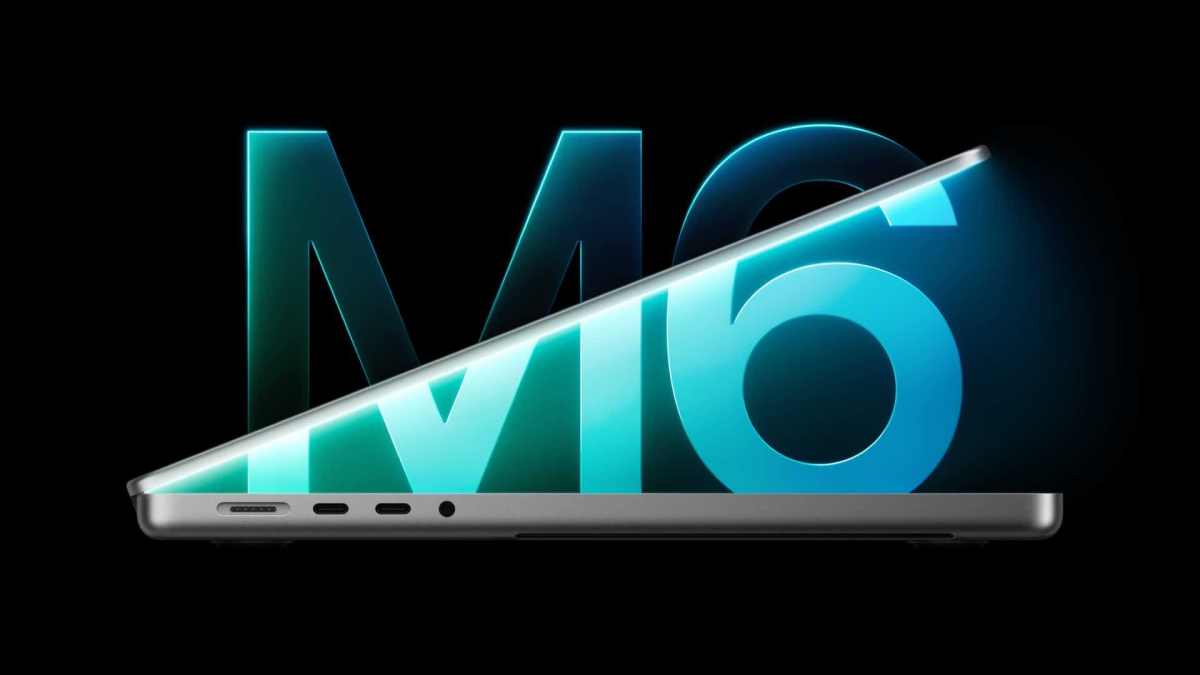
Après l'iPad mini lundi et les Mac M6 mardi, Apple s'apprête à dévoiler ce qui devrait être le premier ordinateur à écran tactile de son histoire. Numerama est à Los Angeles et vous proposera une prise en main du nouveau MacBook Pro dans les prochaines heures, avec des images exclusives.
Un jour après l'iPad mini, Apple dévoile par communiqué de presse un nouveau MacBook Pro et un nouvel iMac, tous les deux équipés de la puce M6. Le très attendu MacBook Pro à écran tactile n'est pas encore là : il devrait être dévoilé mercredi à Los Angeles. Numerama est sur place.
Apple has backported security patches released last month to older iPhones and iPads, addressing a zero-day bug exploited in "extremely sophisticated" targeted attacks on iOS devices. [...]
Apple pourrait enfin se décider à mettre des écrans tactiles sur ses MacBook Pro, une révolution que la concurrence propose depuis des années. Mais entre des ordinateurs à plus de 3 000 dollars et un iPad mini vendu 759 euros avec un écran 60 Hz, la véritable innovation risque surtout de se trouver sur la facture.
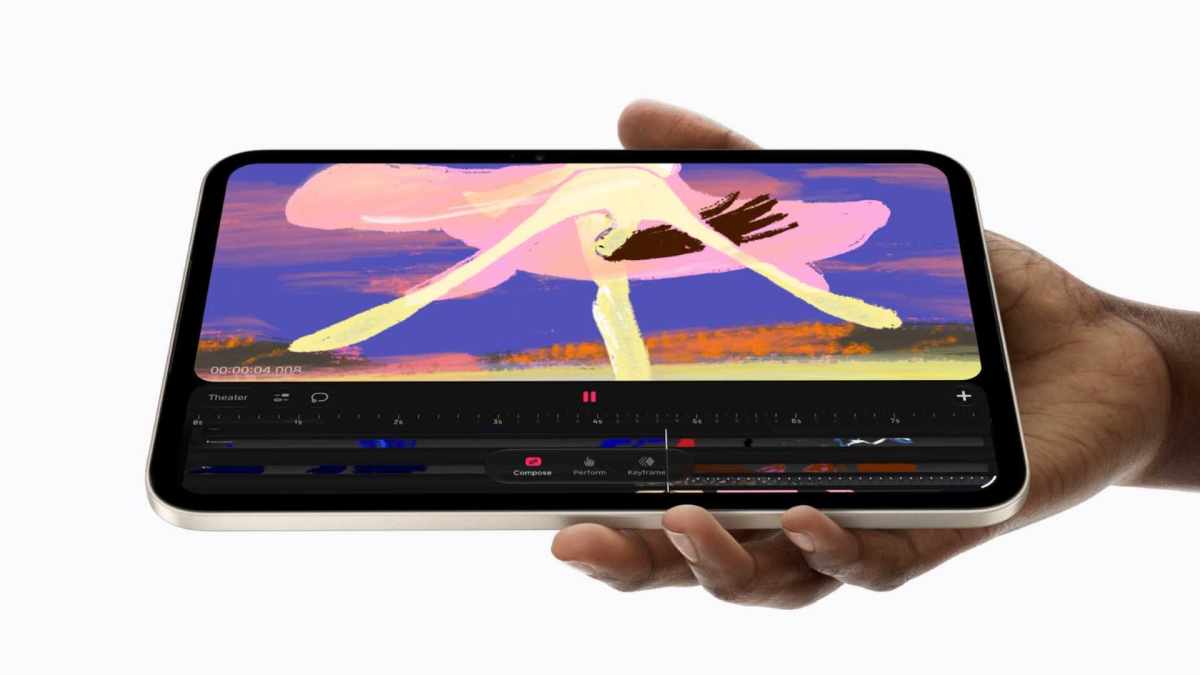
Encore vendu 609 euros en juin, l'iPad mini débute désormais à 759 euros. Une augmentation de prix qui s'accompagne d'une vraie montée en gamme : Apple ajoute un écran OLED à sa petite tablette, la puce A20 Pro, une certification IP67 et un nouveau système de haut-parleurs.
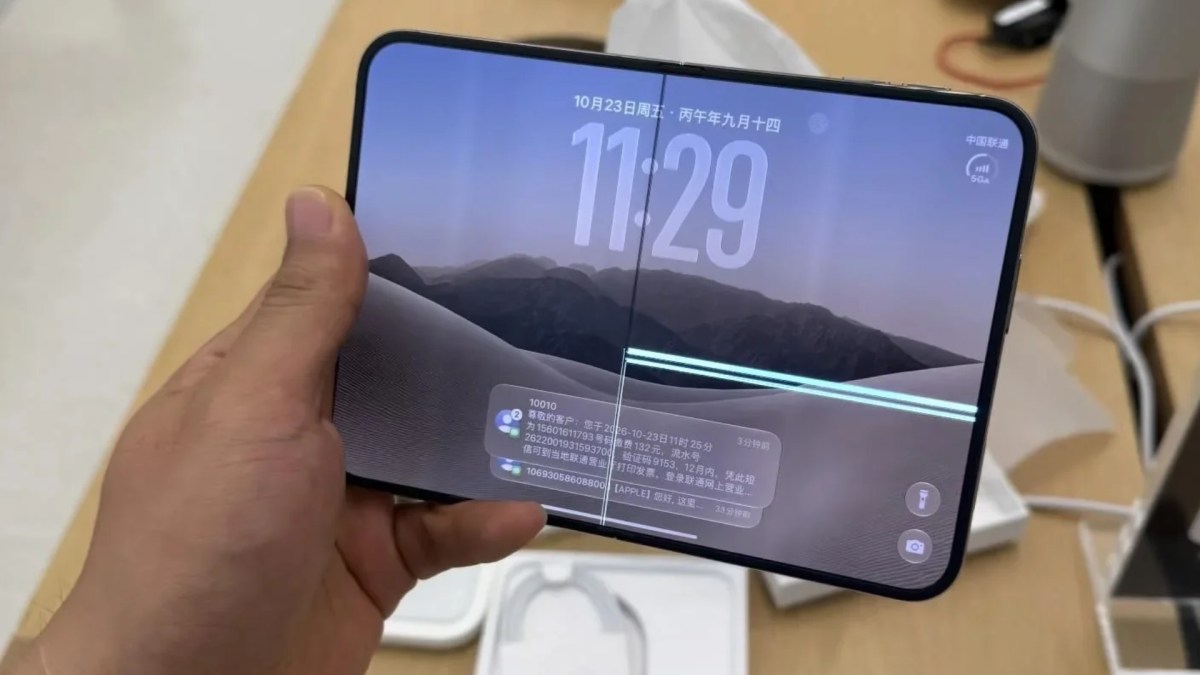
Alors que des images d’iPhone Duo à l’écran cassé circulent sur fond de « crackgate », voici combien Apple facture la réparation de l’iPhone le plus cher de l’histoire s’il vous arrive une mésaventure.
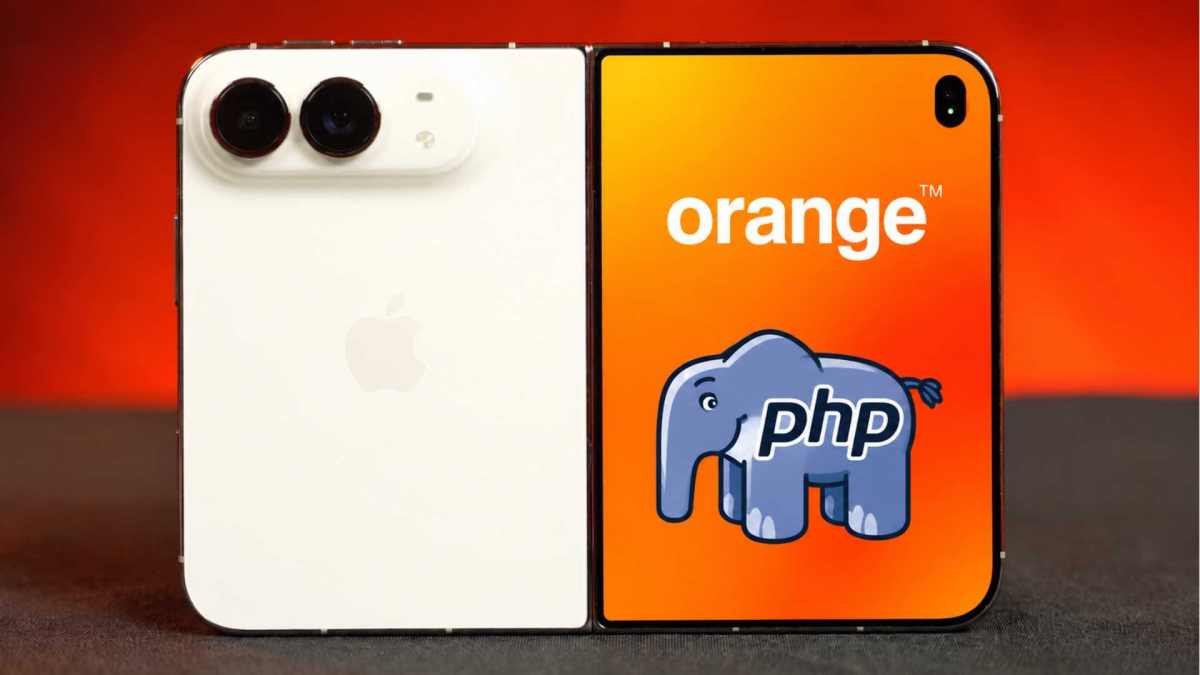
Cette semaine, la France a connu plusieurs pannes majeures avec le réseau Orange coupé pendant 10 heures et la banque Revolut victime d'un bug Google Cloud. La découverte de deux failles PHP a aussi plongé une partie du web dans le noir, avec un risque pour la sécurité des infrastructures. Dans le même temps, Apple a lancé son smartphone le plus différent depuis 19 ans : l'iPhone Duo.
Utsuro annonce faire tourner des jeux Xbox One sur les appareils Apple. Trois titres fonctionnent sur Mac, mais la situation est moins claire sur iPhone.
Regarder Netflix, jouer ou travailler sur un iPhone pliable : Apple veut donner une nouvelle dimension aux applications du quotidien. Plus de 50 d’entre elles seront adaptées à l’iPhone Duo dès sa commercialisation, avec des fonctionnalités pensées pour son grand écran.
Après les ruptures du 16 octobre, vous comptiez passer en Apple Store ce vendredi 23 octobre pour acheter l’iPhone Duo ? Le lancement s’annonce moins simple que prévu en France, mais il reste une piste à surveiller pour espérer l’obtenir avant 2027.
Pour vous éviter la frustration des écouteurs qui grésillent (et de jeter votre argent par la fenêtre), nous avons fait le tri : voici les seuls modèles sans fil de 2026 que nous recommandons les yeux fermés et que nous portons nous-mêmes au quotidien.
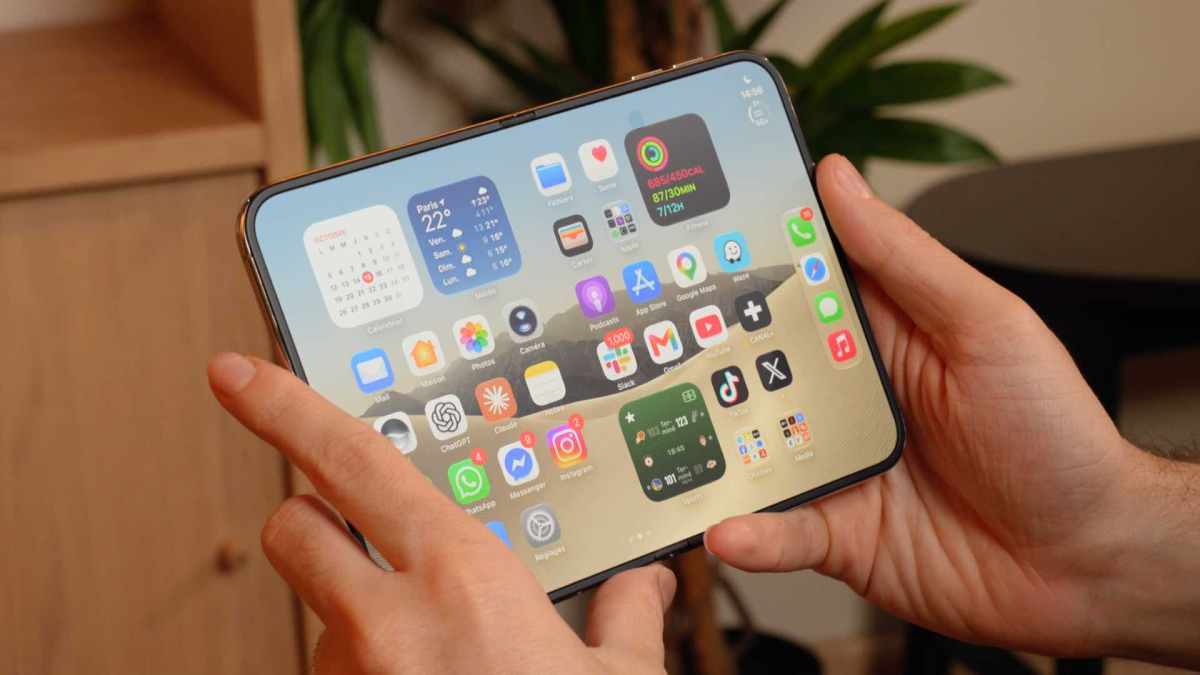
Après une semaine avec l'iPhone Duo, le retour à un iPhone traditionnel donne l'impression de revenir en arrière. L'écran mat du smartphone pliant, son format passeport et le très grand nombre de bonnes idées logicielles imaginées par Apple en font un des produits les plus séduisants de la décennie. Cela ne veut pas dire que ce premier essai est parfait : l'iPhone Duo souffre d'un grand nombre d'applications non optimisées et, plus rare, de bugs logiciels qui laissent supposer qu'iOS n'est pas encore parfaitement prêt pour le format.
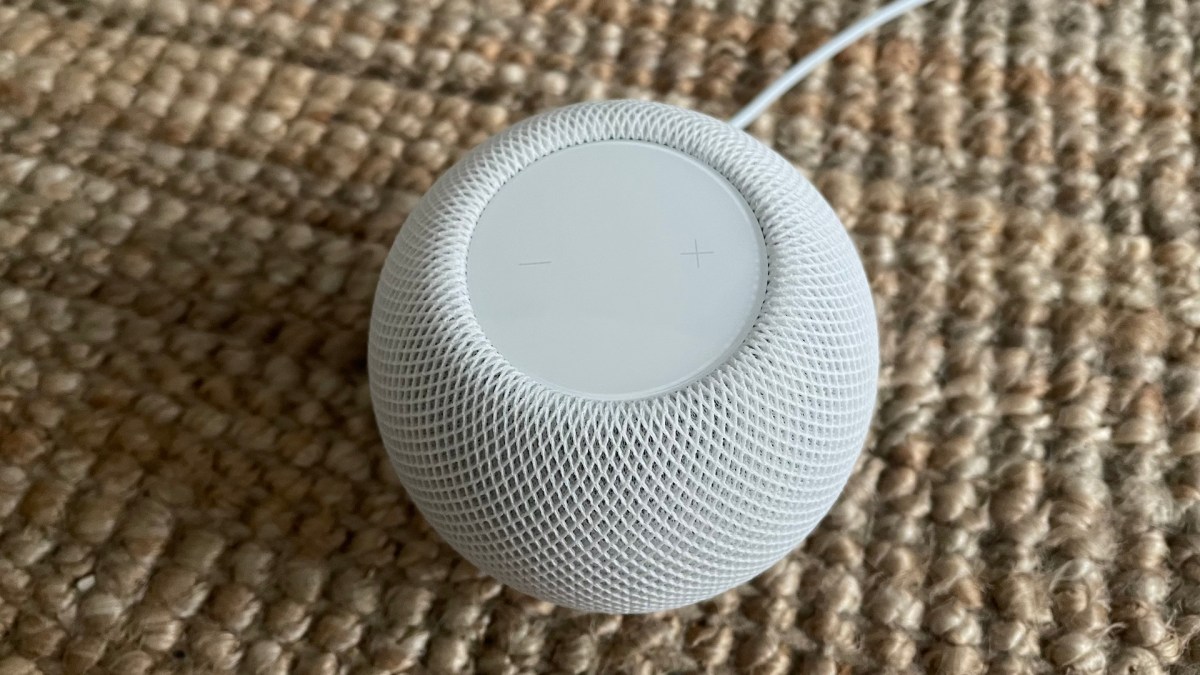
Avec iOS 27.2, dont la version finale est attendue la semaine prochaine, Apple ajoute une option « Verrouiller les commandes » qui désactive la surface tactile des HomePod. C'est la réponse logicielle au « ghost touch » que les propriétaires de HomePod défaillants attendent depuis des années. Ce défaut poussait de nombreux HomePod et HomePod mini à lancer de la musique en pleine nuit, voire à faire parler Siri.
Apple donne rendez-vous à la presse le 28 octobre pour un événement baptisé « Pro and Tell ». Derrière cette annonce se cacheraient plusieurs nouveautés très attendues, dont un MacBook inédit qui pourrait bouleverser les habitudes des utilisateurs.
Apple Watch Series 12, Ultra 4 ou SE 3 ? Entre les écarts de prix et les nombreuses fonctions, le choix n’a rien d’évident. Notre comparatif des montres connectées d'Apple vous aide à trouver la montre adaptée à vos usages et à votre budget en 2026.

 Connexion




 Apple ouvre les précommandes de son nouvel iMac M6 en France. Entre les deux configurations de base voici ce qui change afin de faire le bon choix
 Utsuro annonce faire tourner des jeux Xbox One sur les appareils Apple. Trois titres fonctionnent sur Mac, mais la situation est moins claire sur iPhone.