Finally, after almost a decade, I've replaced my battered Astro A50 headset. The Arctis Nova Pro Omni ticks every single box for multiplatform gamers, in an option far more affordable than its Elite cousin.
The Razer Barracuda Pro is a special premium headset that elevates the sound of music and video games with great sound and the ability to connect to devices simultaneously, and it's now on offer for a 44% discount.
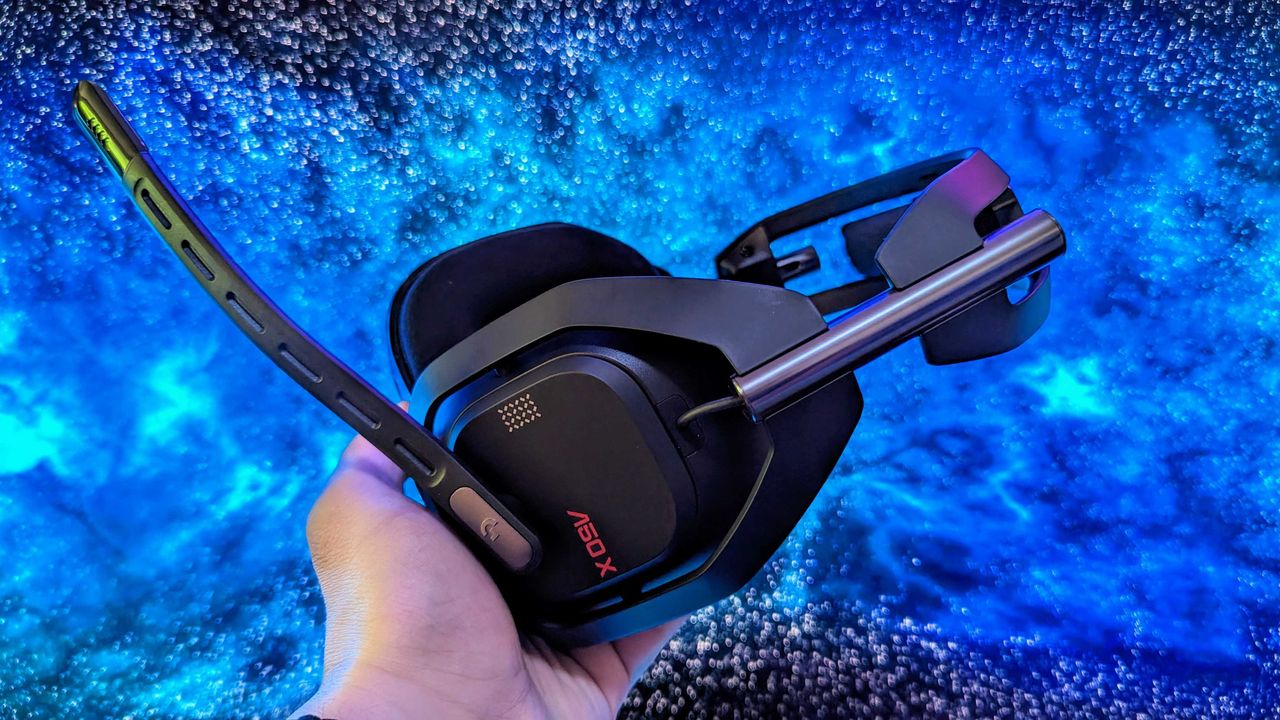
The Logitech Astro A50 X is an extremely expensive item that can connect to multiple platforms and provide immensely satisfying sound quality, and now people have a better chance at owning one with this 25% discount.
SteelSeries has unveiled the Arctis Nova Pro Omni, offering feature-rich audiophile-quality performance in a wireless, platform-agnostic gaming headset.
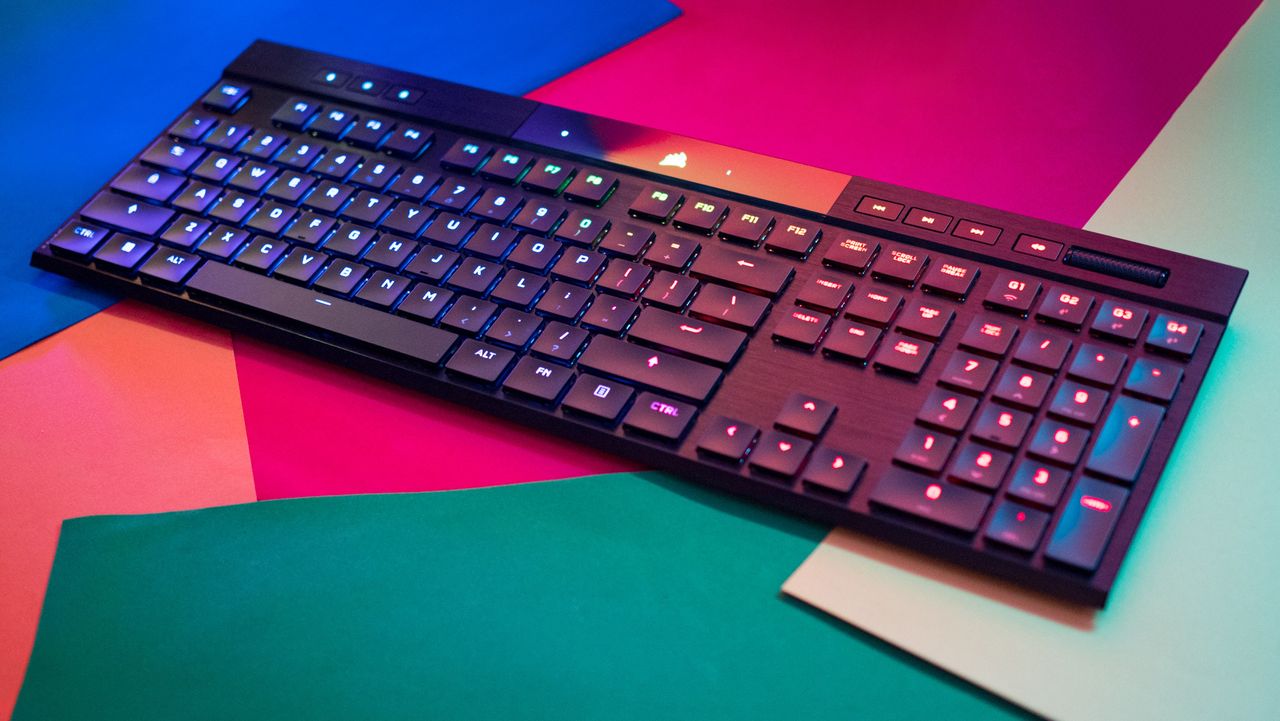
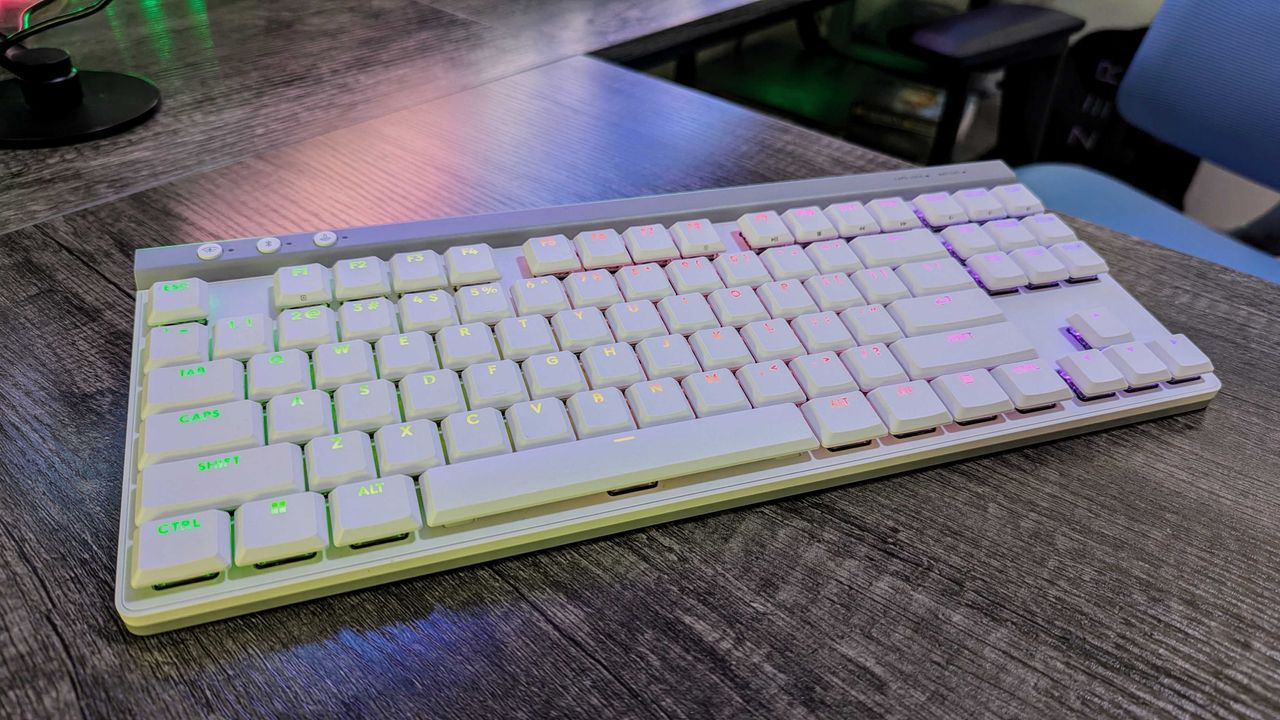
A 44% discount has been spotted for the Logitech G515 Lightspeed, a ten-keyless, wireless gaming keyboard we highly recommend for its superb battery life, responsive controls, low-profile design, and more.
Sharge Go Back to the Drawing Board, with the Disk Pro 2
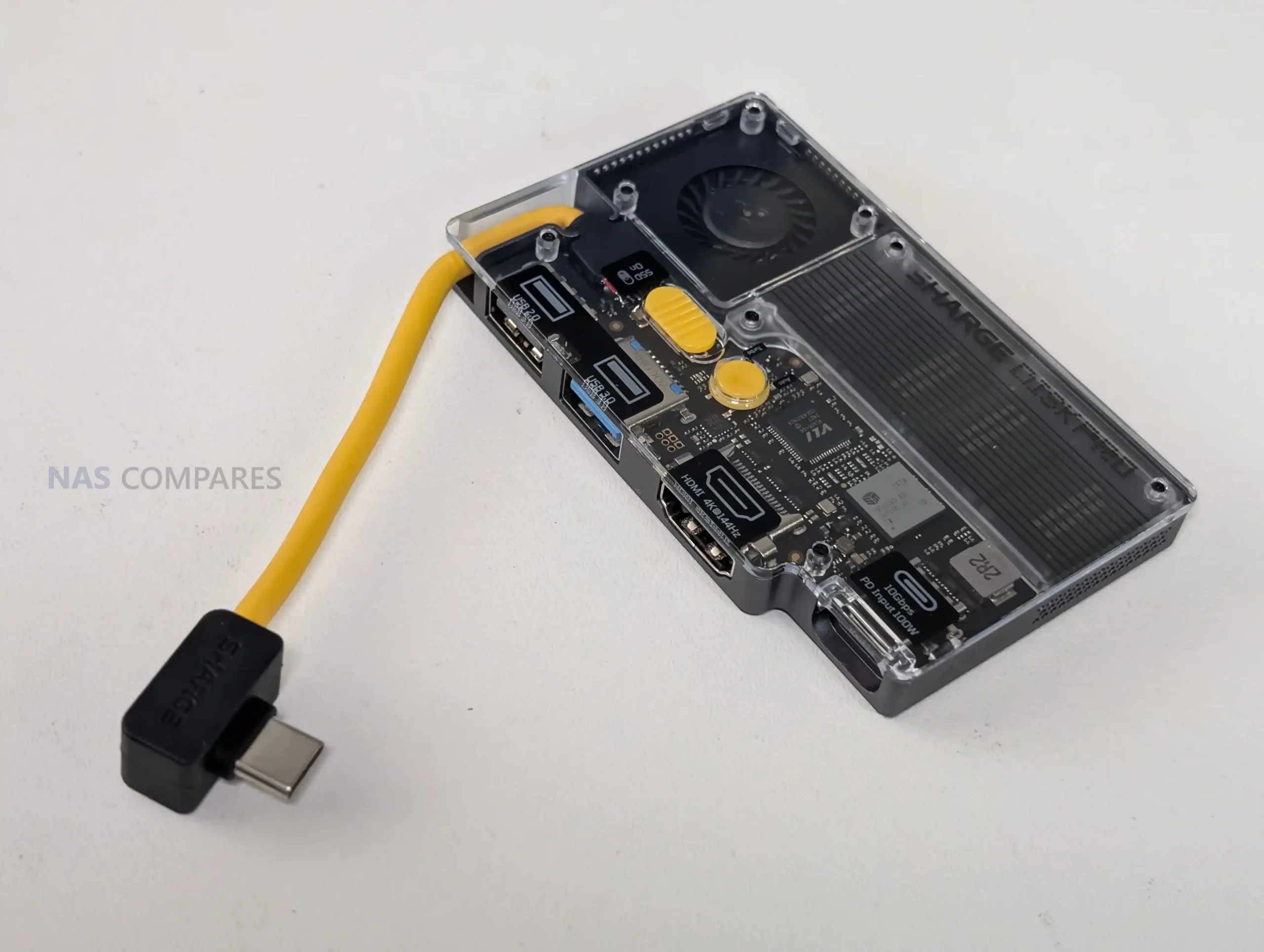
The Sharge Disk Pro 2 is an upcoming portable storage and connectivity device that combines the functionality of a USB hub with external SSD support in a compact, credit card-sized form factor. Developed by Sharge, the device is designed to address the increasing demand for high-speed data access, external storage expansion, and multi-port connectivity across mobile and desktop platforms. Unlike conventional USB-C hubs or portable SSDs, the Disk Pro 2 merges both roles into a single unit, while also incorporating active cooling to maintain consistent performance under sustained workloads. At launch, it will be available in two variants, Lite and Ultra, which differ in display capability and power efficiency, introducing a tiered approach not seen in the previous model.
Positioned as a follow-up to the earlier Sharge Disk Pro, this new iteration shifts away from fixed internal storage and instead introduces support for user-installed SSDs in multiple M.2 form factors. Alongside this change, the device retains key characteristics such as 10Gbps data throughput, integrated power delivery, and video output capabilities, while adding refinements including magnetic attachment and a lanyard-style data cable. The Lite version features HDMI 2.0 and a higher power draw of around 4W, while the Ultra version includes HDMI 2.1 and operates at approximately 1W, providing a more efficient option with expanded display support. The Disk Pro 2 is scheduled to launch via Kickstarter, continuing the company’s established approach of introducing new hardware through crowdfunding platforms.
Sharge Disk Pro 2 – Design & Storage
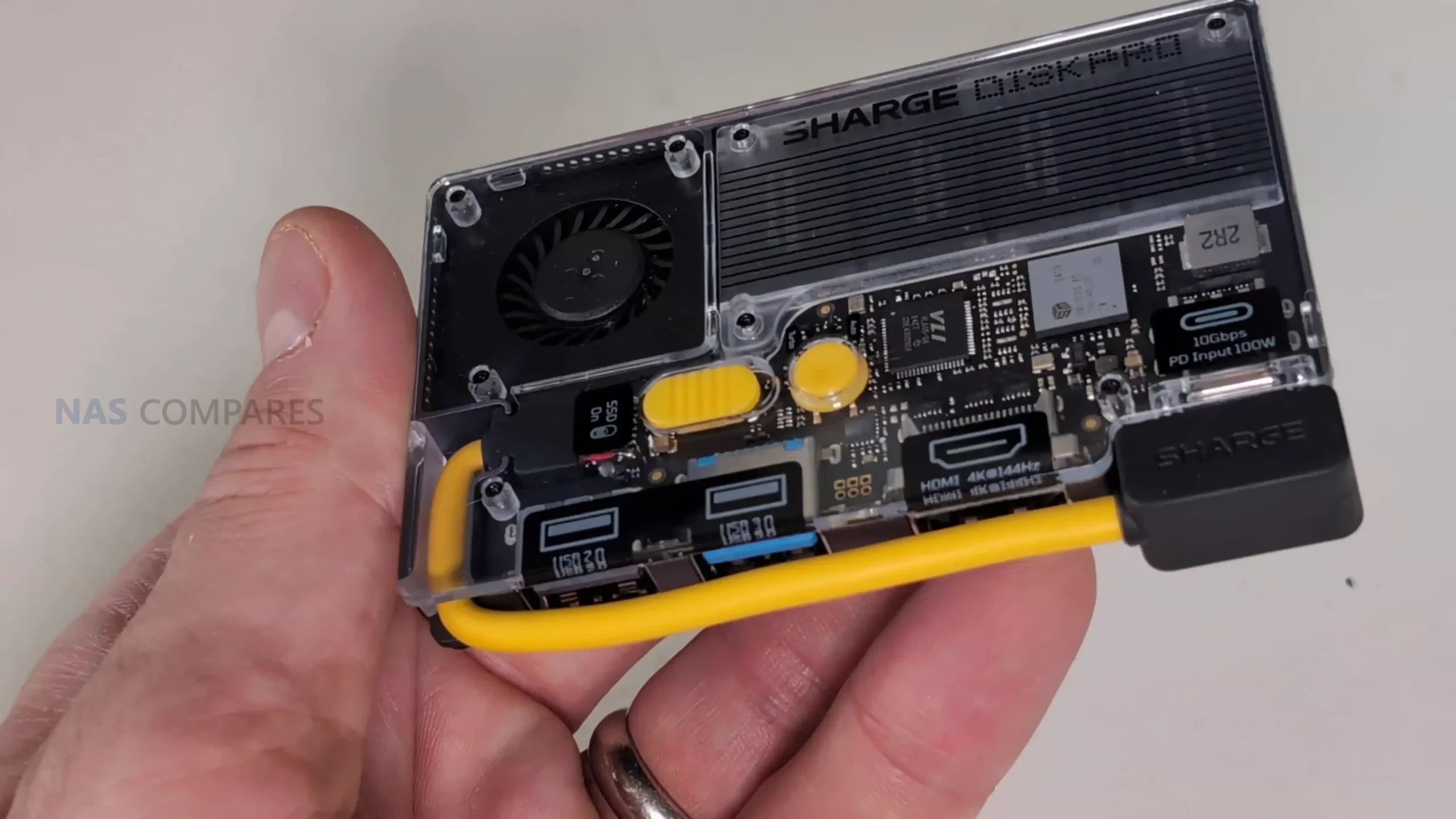
The Sharge Disk Pro 2 maintains a compact footprint, measuring approximately 90 × 61 × 11 mm, aligning closely with the dimensions of a standard credit card. This size places it firmly in the category of ultra-portable accessories, designed to be carried alongside a smartphone or laptop without requiring additional space typically associated with external drives or docking stations. The chassis follows a flat, rectangular layout with integrated components distributed to maximize internal efficiency while preserving a slim profile. A defining aspect of the design is its transparent enclosure, which exposes internal components in a style often associated with “cyberpunk” aesthetics. This approach is not purely cosmetic, as it also highlights the inclusion of active cooling hardware within a device of this size. The visible fan and internal layout reinforce the product’s positioning as a performance-oriented device rather than a passive accessory, distinguishing it from more conventional sealed USB hubs. The external design remains consistent across both Lite and Ultra variants, with no physical differentiation beyond internal configuration.
The Disk Pro 2 introduces a magnetic mounting system intended for direct attachment to compatible devices. This includes native support for MagSafe-enabled smartphones, as well as the option to use included magnetic rings for broader compatibility with non-MagSafe hardware. The goal is to reduce cable strain and improve portability by allowing the hub and connected device to function as a single unit during use, particularly in mobile workflows such as handheld video capture or on-the-go file transfers. Another physical design element is the inclusion of a detachable lanyard-style cable that supports both data and power delivery. This integrated approach removes the need for users to carry separate cables for connectivity, while also doubling as a carrying mechanism. The included cable is specified as a 24-pin pure copper design, supporting up to 10Gbps data transfer, power delivery, and DisplayPort signal passthrough.
In terms of storage, the Disk Pro 2 departs from the fixed-capacity approach of the earlier Sharge Disk Pro. Instead of pre-installed flash memory, it supports user-installed M.2 SSDs in 2230, 2242, and 2280 form factors, with a maximum supported capacity of up to 8TB. This change introduces flexibility in both capacity selection and potential future upgrades, allowing users to tailor storage based on their requirements rather than being limited to predefined configurations. The choice between Lite and Ultra models does not affect storage compatibility, with both versions offering the same SSD support and expansion capabilities.
Sharge Disk Pro 2 – Internal Hardware
At the core of the Sharge Disk Pro 2 is a multi-controller architecture described as an independent 4-chip control system. Each major function, including storage access, USB expansion, video output, and power delivery, is handled by a dedicated controller. This separation is intended to improve stability and reduce bandwidth contention when multiple ports are in use simultaneously, particularly under sustained workloads such as file transfers while outputting video and supplying power. A central feature of the internal design is the active cooling system, referred to as the “Ice-storm” fan. Operating at speeds of up to 10,000 RPM, the fan is designed to maintain consistent thermal conditions during extended data transfers. The system includes three operational modes: OFF, Auto, and Turbo. In Auto mode, fan speed adjusts based on internal temperatures, while Turbo maintains maximum cooling performance. This approach addresses a common limitation in compact hubs and SSD enclosures, where passive cooling can lead to thermal throttling under load. The cooling system is consistent across both Lite and Ultra variants, with no differentiation in thermal hardware between the two models.
The storage interface supports M.2 NVMe SSDs across multiple physical formats, with a maximum capacity of up to 8TB. Data transfer is handled over a 10Gbps USB interface, setting an upper limit on throughput but aligning with typical USB 3.2 Gen 2 performance expectations. The combination of active cooling and dedicated controllers is intended to sustain transfer speeds closer to this ceiling over longer periods, rather than allowing performance to degrade as temperatures increase. Differences between the Lite and Ultra versions are not related to storage or controller design, but instead focus on power efficiency and display output, meaning internal data handling performance should remain consistent regardless of variant selection.
Sharge Disk Pro 2 – Ports & Connections
The Sharge Disk Pro 2 integrates a total of 6 ports, combining data transfer, display output, and power delivery within a single device. These include 2 USB-C ports, 1 USB-A port, 1 HDMI output, and dual card reader slots for SD and microSD media. This configuration positions the device as a compact alternative to larger desktop docking stations, while maintaining compatibility with a wide range of peripherals and storage formats. The primary USB-C interface (USB-C1) supports 10Gbps data transfer alongside up to 100W power input, allowing the connected host device to be charged while the hub is in use. A secondary USB-C port (USB-C2) provides up to 80W power output, enabling downstream charging for connected devices. The inclusion of both input and output power delivery allows the hub to function as an intermediary between a power source and multiple connected devices without interrupting data throughput. This overall port layout remains consistent across both Lite and Ultra variants.
Video output capabilities differ between the two versions. The Ultra model includes HDMI 2.1, supporting resolutions up to 4K at 144Hz or 8K at 30Hz, depending on the host system and display compatibility. In contrast, the Lite version is equipped with HDMI 2.0, which reduces maximum output capabilities accordingly. Outside of this distinction, additional connectivity is provided through a USB-A 3.0 port operating at up to 5Gbps, alongside SD and microSD card slots with rated read speeds up to 180MB/s and write speeds up to 120MB/s. The included lanyard cable also functions as a full-featured USB-C connection, supporting 10Gbps data transfer, up to 100W power input, and DisplayPort signal transmission, reducing reliance on separate cables during use.
Sharge Disk Pro vs Sharge Disk Pro 2
The transition from the original Sharge Disk Pro to the Sharge Disk Pro 2 represents a shift in both hardware architecture and product segmentation. The Disk Pro is fundamentally an all-in-one device, combining fixed internal NVMe storage with a compact multi-port hub and active cooling, positioned as a self-contained solution for users who want storage and connectivity without additional components. It integrates storage capacities up to 4TB and was originally sold in tiered pricing depending on capacity . In contrast, the Disk Pro 2 removes onboard storage entirely and instead supports user-installed M.2 SSDs up to 8TB, changing the device into a modular enclosure and hub hybrid rather than a pre-configured storage product. This also alters the pricing structure significantly, as the Disk Pro 2 is sold as a standalone unit starting at $49 for the Lite version and $69 for the Ultra version, separating the cost of storage from the hardware itself.
Beyond storage, the Disk Pro 2 introduces clearer product tiering with Lite and Ultra variants, something not present in the original model. The Lite version reduces cost by using HDMI 2.0 and operating at a higher power draw of around 4W, while the Ultra version includes HDMI 2.1 and lowers power consumption to approximately 1W. Both retain the same core concept of combining data transfer, display output, and power delivery into a compact device, but the newer model expands connectivity with additional ports, including SD and microSD slots. Both generations maintain active cooling as a central feature, designed to prevent thermal throttling during sustained transfers, a capability that has been demonstrated in testing of the original device where performance remained stable under load . Physically, both devices share a similar credit card-sized footprint and transparent design, but the Disk Pro 2 refines usability with a detachable lanyard cable and broader magnetic compatibility. Overall, the original model prioritizes simplicity and integration, while the newer version emphasizes flexibility, lower entry cost, and configurable storage.
Attribute
Sharge Disk Pro
Sharge Disk Pro 2
Storage Type
Built-in NVMe SSD
User-installed M.2 NVMe SSD
Max Capacity
Up to 4TB
Up to 8TB
Upgradeable Storage
No
Yes (2230/2242/2280)
Interface
USB 3.2 Gen2 (10Gbps)
USB 3.2 Gen2 (10Gbps)
Cooling System
Active cooling fan
Active cooling fan
Ports
5-in-1 hub
6 ports (adds SD + microSD)
HDMI Version
HDMI 2.1
HDMI 2.0 (Lite) / 2.1 (Ultra)
Power Consumption
—
~4W (Lite) / ~1W (Ultra)
Power Delivery
Up to 100W input / 80W output
Up to 100W input / 80W output
Cable Design
Integrated USB-C cable
Detachable lanyard USB-C cable
Magnetic Mounting
Yes
Yes (expanded compatibility)
Launch Pricing
From ~$189 with storage
$49 (Lite) / $69 (Ultra)
Product Approach
All-in-one storage + hub
Modular hub + enclosure
Sharge Disk Pro 2 – Launch Date and Price?
The Sharge Disk Pro 2 is scheduled to launch via a crowdfunding campaign on Kickstarter, with the campaign planned to go live on June 9. As with previous releases from Sharge, this approach places the product in an early-access phase prior to wider retail availability, meaning final specifications and delivery timelines may still be subject to change. The device will be offered in two distinct variants, allowing users to choose between different feature sets and efficiency profiles at launch. The entry-level Lite version is priced at $49 and features HDMI 2.0 output with a higher reported power consumption of around 4W. The higher-tier Ultra version is priced at $69 and includes HDMI 2.1 support, alongside a lower power draw of approximately 1W. Both versions are expected to ship with a 24-pin pure copper lanyard-style cable that supports data transfer, charging, and DisplayPort signal transmission. This tiered pricing structure introduces a lower entry point compared to earlier expectations, while still separating features such as display capability and power efficiency between the two models.
This description contains links to Amazon. These links will take you to some of the products mentioned in today's content. As an Amazon Associate, I earn from qualifying purchases. Visit the NASCompares Deal Finder to find the best place to buy this device in your region, based on Service, Support and Reputation - Just Search for your NAS Drive in the Box Below
Need Advice on Data Storage from an Expert?
Finally, for free advice about your setup, just leave a message in the comments below here at NASCompares.com and we will get back to you.Need Help?
Where possible (and where appropriate) please provide as much information about your requirements, as then I can arrange the best answer and solution to your needs. Do not worry about your e-mail address being required, it will NOT be used in a mailing list and will NOT be used in any way other than to respond to your enquiry.
[contact-form-7]
TRY CHAT Terms and Conditions
If you like this service, please consider supporting us.
We use affiliate links on the blog allowing NAScompares information and advice service to be free of charge to you.Anything you purchase on the day you click on our links will generate a small commission which isused to run the website. Here is a link for Amazon and B&H.You can also get me a Ko-fi or old school Paypal. Thanks!To find out more about how to support this advice service checkHEREIf you need to fix or configure a NAS, check FiverHave you thought about helping others with your knowledge? Find Instructions Here
Or support us by using our affiliate links on Amazon UK and Amazon US
Alternatively, why not ask me on the ASK NASCompares forum, by clicking the button below. This is a community hub that serves as a place that I can answer your question, chew the fat, share new release information and even get corrections posted. I will always get around to answering ALL queries, but as a one-man operation, I cannot promise speed! So by sharing your query in the ASK NASCompares section below, you can get a better range of solutions and suggestions, alongside my own.
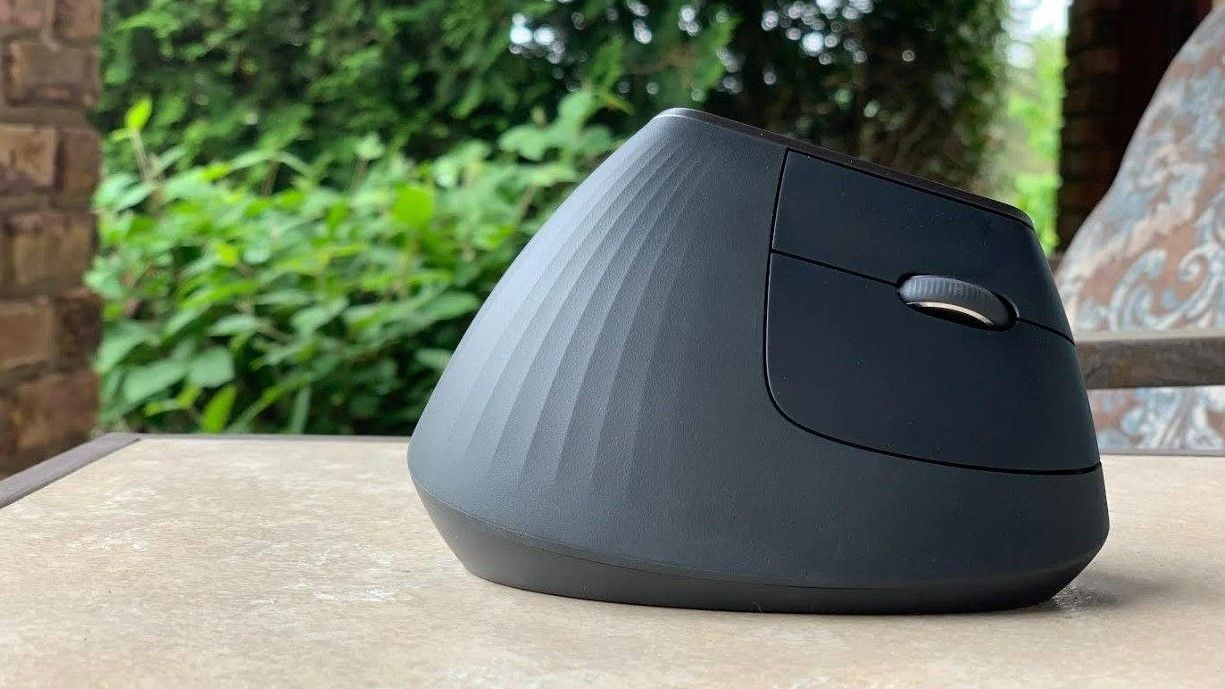
The Logitech MX Vertical is $45 off at Amazon and remains the ergonomic mouse I rely on for long workdays. Its vertical design keeps your wrist in a natural position, which makes a noticeable difference if you deal with stiffness or strain.
The Razer Raiju V3 Pro is an expertly crafted gamepad for PC and PlayStation 5 with fast and responsive controls, wide customizability, and a lightweight yet sturdy build. If you fancy this high-end controller, Amazon's currently selling it for a 23% discount for Amazon Gaming Week.
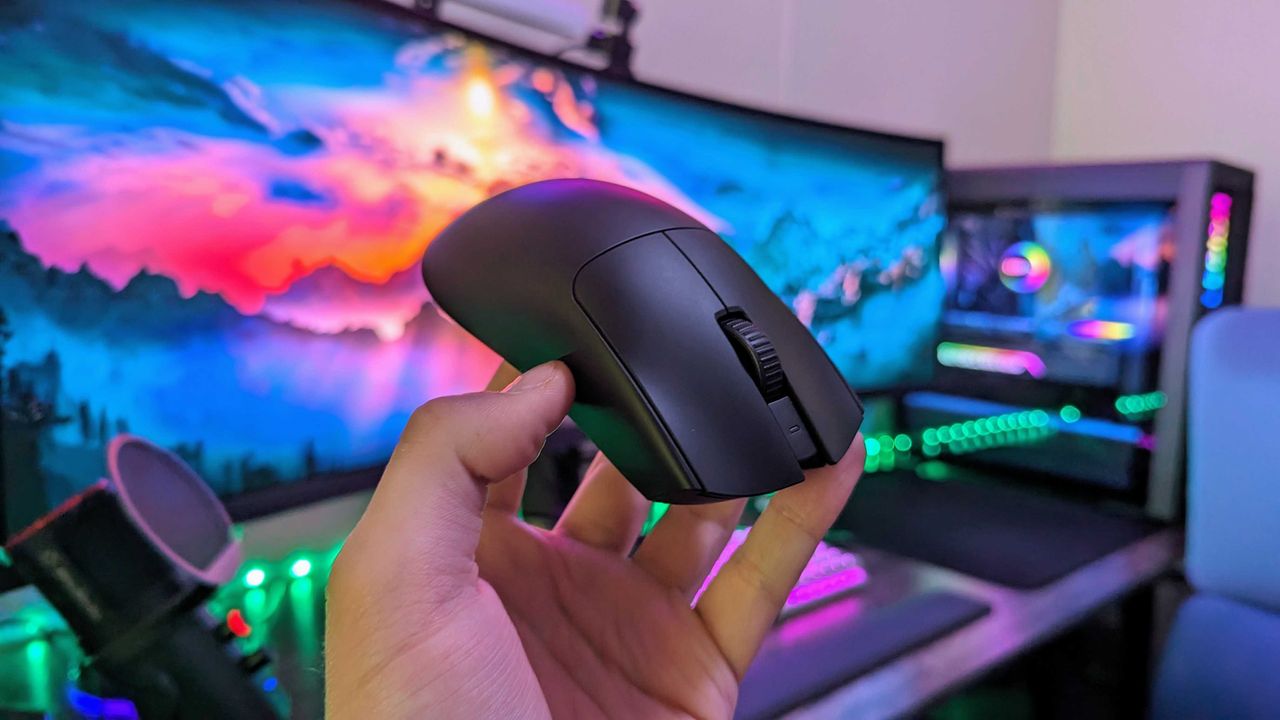
Amazon Gaming Week has a PC gamer's special discount for the Razer Viper V3 Pro gaming mouse. For just this week, you will be able to get your hands on this stellar accessory with 8K polling, 35,000 DPI, and comfy ergonomics at a 31% discount.
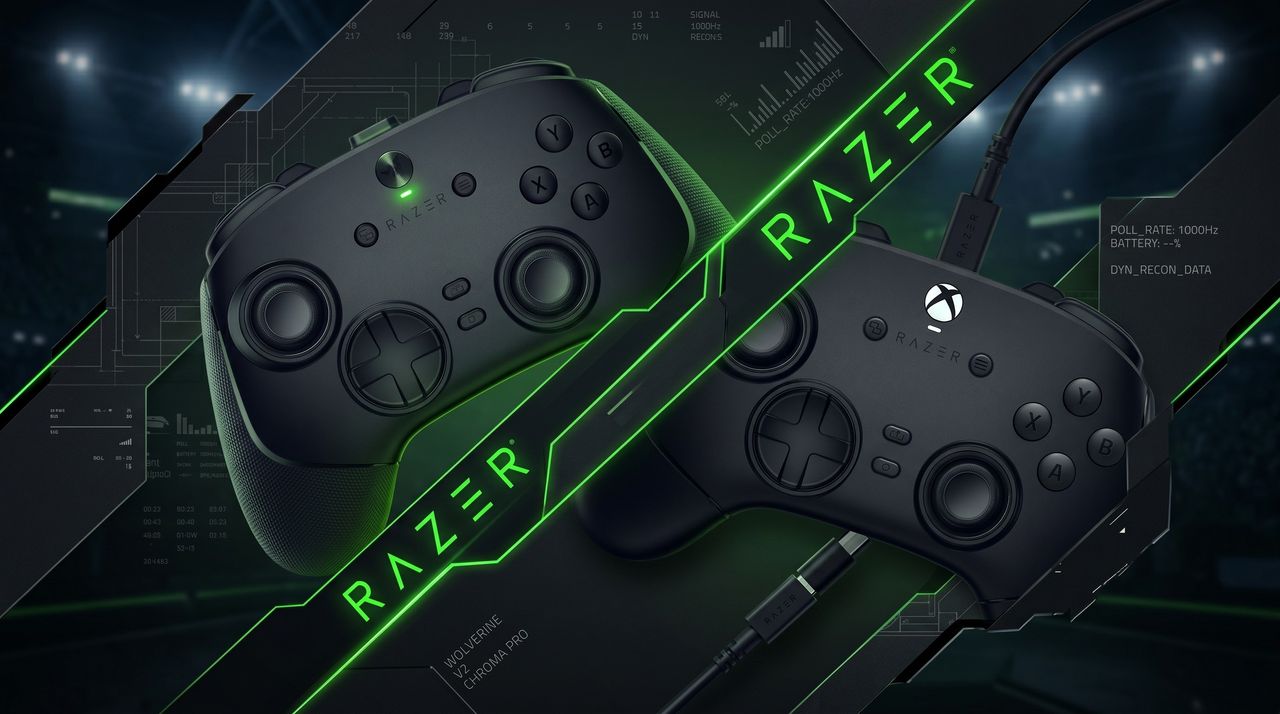
Amazon Gaming Week's second day has given 25% discounts on the critically-acclaimed Razer Wolverine V3 Pro and Wolverine V3 Tournament Edition controllers for a limited time.
The Corsair K100 Air Wireless, the first-ever keyboard to use Cherry's MX Ultra Low Profile switch, is having a gigantic 63% discount for a limited time during Amazon Gaming Week.
The Razer BlackShark V2 Hyperspeed is a PC gaming headset that won our hearts for its premium-grade sound and wireless performance, and it's pricey has taken a massive 46% discount
The already affordable GameSir G7 SE Wired controller for Xbox just got even more inexpensive with this 15%, giving folks a chance to enjoy its rich features and responsive controls for dirt cheap.
Seagate Shows Off It’s 44TB Hard Drive at NAB 2026
At the 2026 NAB Show 2026, Seagate Technology formally introduced its latest generation of high-capacity enterprise hard drives built on the Mozaic 4+ platform. These drives, (model ID ST4400NM002M) reaching up to 44TB, represent the current peak of commercially deployed hard disk capacity and are already being shipped to select hyperscale cloud providers. The announcement reflects ongoing demand for higher-density storage as data generation continues to accelerate, particularly in artificial intelligence and large-scale cloud environments.
Rather than targeting general consumers, these drives are designed specifically for hyperscale data centres where efficiency, density, and cost per terabyte are critical considerations. The Mozaic 4+ platform is also notable for its reliance on heat-assisted magnetic recording (HAMR), a technology that has moved from experimental development into production-scale deployment. With broader qualification underway, the 44TB model serves as both a milestone in current storage capabilities and a step toward projected capacities approaching 100TB in future generations.
Everything we know about the Seagate 44TB Hard Drives
The 44TB drives are built on Seagate’s Mozaic 4+ platform, which represents the company’s production-ready implementation of heat-assisted magnetic recording (HAMR). Unlike earlier perpendicular magnetic recording approaches, HAMR uses localized heating via a nanophotonic laser to temporarily reduce the coercivity of the disk surface, allowing data to be written at much higher densities. This enables significantly greater areal density without requiring a complete redesign of the underlying hard drive architecture, allowing Seagate to scale capacity incrementally across generations.
At a physical level, the drives use a multi-platter design, widely understood to consist of 10 platters, each delivering over 4TB of capacity. This results in the total 44TB figure within a standard 3.5-inch enterprise form factor. The spindle speed is expected to remain at 7200 RPM, consistent with other enterprise-capacity drives, balancing throughput, reliability, and power consumption. Early estimates suggest sustained transfer rates in the region of 300 MB/s, though final performance characteristics depend on deployment conditions and firmware tuning. I think we are likely much more liekly to hit 280MB/s or so, such as you find in the 30TBs.
A key aspect of the Mozaic 4+ design is its vertically integrated photonics system. Seagate has developed its own laser components in-house, embedding them directly into the recording head. This allows precise, nanosecond-scale heating during write operations, which is critical for maintaining data integrity at such high densities. Vertical integration also gives Seagate tighter control over manufacturing consistency, yield, and long-term reliability, all of which are essential when deploying drives at hyperscale volumes.
The recording stack itself incorporates several advanced components. These include a Gen 2 superlattice platinum-alloy media designed for improved magnetic stability, a Gen 2 plasmonic writer responsible for delivering the heat-assisted write process, and a Gen 8 spintronic reader that improves read accuracy from increasingly smaller data bits. Together, these components enable higher density while maintaining error rates and durability within enterprise requirements.
Supporting these physical advancements is a 7nm integrated controller, which manages drive operations with improved precision. This controller enhances servo control, allowing the read/write heads to maintain accurate positioning over narrower tracks. It also contributes to improved power efficiency, reducing watts per terabyte and helping data centres optimize energy usage at scale. These gains are particularly relevant in large deployments where power and cooling costs scale with capacity.
From a manufacturing perspective, the Mozaic platform is designed to scale without requiring disruptive architectural changes between generations. Each iteration builds on existing processes, allowing Seagate to increase per-platter capacity over time. The company has indicated a roadmap toward 10TB per platter, which would enable drives approaching 100TB within a similar physical footprint. This approach prioritizes continuity in deployment while steadily increasing storage density.
Specification
Details
Platform
Mozaic 4+
Recording Technology
HAMR (Heat-Assisted Magnetic Recording)
Maximum Capacity
44TB
Form Factor
3.5-inch
Number of Platters
10
Capacity per Platter
4TB+
Spindle Speed
7200 RPM (expected)
Recording Method
CMR
Estimated Throughput
~300 MB/s (speculative)
Target Market
Hyperscale data centres
Controller
7nm integrated SoC
Seagate 44TB HDDs – SMR or CMR?
Despite the push toward higher capacities, the 44TB drives based on the Mozaic 4+ platform use conventional magnetic recording (CMR) rather than shingled magnetic recording (SMR). This distinction is relevant because SMR typically achieves higher capacities by overlapping data tracks, which can negatively impact rewrite performance and latency in certain workloads. By retaining CMR, Seagate is prioritising predictable performance characteristics, particularly for enterprise environments where consistent throughput and low latency are required.
This approach also differentiates Seagate’s offering from competing high-capacity drives, such as those being developed by Western Digital, which have explored SMR and related technologies like UltraSMR to reach similar capacity points. While SMR can be effective for archival or sequential workloads, CMR remains better suited to mixed or write-intensive applications commonly found in hyperscale deployments. In this context, the use of HAMR allows Seagate to increase density without relying on SMR trade-offs, maintaining compatibility with existing data centre workloads and software stacks.
The introduction of 44TB hard drives based on the Mozaic 4+ platform reflects a continued focus on increasing storage density within the constraints of existing data centre infrastructure. By combining HAMR with incremental architectural improvements, Seagate Technology has demonstrated that higher capacities can be achieved without fundamental changes to form factor or deployment models. The emphasis remains on scaling capacity per rack and per watt, which aligns with the operational priorities of hyperscale environments.
At the same time, these drives remain firmly positioned within enterprise and cloud use cases, with limited relevance to consumer or small-scale storage in the near term. Factors such as cost, workload requirements, and integration complexity restrict their adoption outside large data centres. However, as with previous generations, advancements at this level are likely to influence broader storage markets over time, particularly as manufacturing scales and newer technologies mature.
This description contains links to Amazon. These links will take you to some of the products mentioned in today's content. As an Amazon Associate, I earn from qualifying purchases. Visit the NASCompares Deal Finder to find the best place to buy this device in your region, based on Service, Support and Reputation - Just Search for your NAS Drive in the Box Below
Need Advice on Data Storage from an Expert?
Finally, for free advice about your setup, just leave a message in the comments below here at NASCompares.com and we will get back to you.Need Help?
Where possible (and where appropriate) please provide as much information about your requirements, as then I can arrange the best answer and solution to your needs. Do not worry about your e-mail address being required, it will NOT be used in a mailing list and will NOT be used in any way other than to respond to your enquiry.
[contact-form-7]
TRY CHAT Terms and Conditions
If you like this service, please consider supporting us.
We use affiliate links on the blog allowing NAScompares information and advice service to be free of charge to you.Anything you purchase on the day you click on our links will generate a small commission which isused to run the website. Here is a link for Amazon and B&H.You can also get me a Ko-fi or old school Paypal. Thanks!To find out more about how to support this advice service checkHEREIf you need to fix or configure a NAS, check FiverHave you thought about helping others with your knowledge? Find Instructions Here
Or support us by using our affiliate links on Amazon UK and Amazon US
Alternatively, why not ask me on the ASK NASCompares forum, by clicking the button below. This is a community hub that serves as a place that I can answer your question, chew the fat, share new release information and even get corrections posted. I will always get around to answering ALL queries, but as a one-man operation, I cannot promise speed! So by sharing your query in the ASK NASCompares section below, you can get a better range of solutions and suggestions, alongside my own.
New Cost-Effective USB4, M.2 and PCIe Adapters from IOCREST/Lekuo for 2026 Revealed
IOCREST, also marketed under the Lekuo name for consumer channels, is preparing a broader range of USB4, M.2, and PCIe expansion products aimed at users who need higher speed networking, storage expansion, or more flexible external PCIe connectivity. Based on the product information provided and the accompanying interview material, the current lineup combines shipping devices with several products still in development or not yet formally listed on the company’s official product pages, reflecting a portfolio that spans compact 10GbE adapters, SFP+ connectivity, multi-drive enclosures, and USB4 based PCIe breakout designs.
The Lekuo DTB3R61 is a compact USB4 hub that combines 10GbE networking with basic peripheral and removable media expansion in a single enclosure. It is built around a USB4 upstream connection and is intended for hosts that support USB4 or Thunderbolt 3/4/5, rather than older USB 3.x only systems. In practical terms, this positions it as a multi function dock for users who need wired 10GbE, a small number of USB ports, and SD or TF card access without moving to a larger desktop class dock.
The port layout is relatively simple, consisting of 1x 10GbE RJ45 port, 3x 5Gbps USB Type A ports, and a TF/SD 3.0 card reader. The supplied specifications list a 40Gbps host link, support for Windows, macOS, and Linux, and a compact metal chassis. Although your transcript refers to a fanless design, the specification sheet provided here states an aluminum alloy casing with fan assisted cooling, so that distinction should be treated carefully in the article unless you want to frame it as pre release versus final spec variation.
This unreleased Lekuo adapter is one of the more bandwidth focused products discussed in the interview material, built around a USB4 host connection and 2x 25GbE network ports. Based on the information provided, the design uses an SFP based approach rather than RJ45, which is consistent with the higher thermal and signal demands of 25GbE. It is positioned as a compact external network adapter for systems that need significantly more throughput than 10GbE, while still relying on USB4 as the host side connection.
The transcript also indicates several design details that help distinguish this unit from more common USB or Thunderbolt network adapters. It is described as a silent design with no active fan, includes an external barrel power input, and features a physical power button on the enclosure. The company indicated that the product was expected around Q2 and priced below $200 at the time of filming, but as it is not yet listed on the official product page, those details should be treated as pre release guidance rather than final retail specification.
The Lekuo DTB3F21 is a dual port USB4 network adapter designed around 2x 10GbE SFP+ connections. Unlike simpler USB to Ethernet devices that target single port RJ45 connectivity, this model is positioned for users who need higher density fibre or DAC based networking from a single external enclosure. The supplied specifications identify the Intel 82599 controller, placing it closer to a traditional server class 10GbE design than a lower cost USB NIC.
From the product information and transcript, this adapter is part of Lekuo’s broader push into USB4 based external networking, especially for systems that lack internal expansion but still need multi port high speed network access. The enclosure is described as compact and externally connected over USB Type C, with support across Windows, Windows Server, Linux distributions, and several enterprise networking features such as VLAN support, jumbo frames, interrupt moderation, and virtual machine queue support. In the transcript, a dual 10GbE version is also discussed alongside the dual 25GbE model as part of the same general product family.
Specification
Details
Product Name
Lekuo USB4 to Dual 10Gb Fiber SFP+ Ports Network Adapter
Lekuo is also developing an M.2 to 10G SFP+ adapter, extending the same general idea seen in its M.2 to 10GbE RJ45 products toward fibre based networking. In the transcript, this product is described as a refined version of an existing concept rather than a completely new direction, aimed at compact systems that only have an M.2 slot available for expansion. That makes it relevant for small servers, mini PCs, and embedded platforms where a full PCIe slot is not available but higher speed network connectivity is still required.
The main distinction here is the move from copper 10GbE to SFP+, which allows use of fibre modules or DAC cabling depending on deployment requirements. That gives the adapter a different role from the RJ45 version, particularly in longer distance links or environments already using SFP+ switching infrastructure. Based on your notes, this product is not yet available on the official product page, so the current information is limited to what was shown and discussed during the visit rather than a finalized retail specification sheet.
Specification
Details
Product Name
Lekuo M.2 to 10G SFP+ Adapter
Model
Not provided in supplied materials
Host Interface
M.2
Network Interface
1x 10G SFP+
Port Type
SFP+
Intended Use
Adds 10GbE fibre connectivity to systems with available M.2 slot
This unreleased Lekuo USB4 expansion box is designed to expose 2x PCIe slots from a single external USB4 connection, using the same basic enclosure approach shown on the company’s 8x 1GbE adapter. In the transcript, the unit is described as a small PCIe dock originally used internally for testing, with the USB4 connection bridging to 2 separate PCIe paths inside the enclosure. The concept is straightforward: rather than delivering fixed networking or storage, it provides a more flexible external PCIe breakout for users who want to install their own cards.
That flexibility is the main point of interest here. The transcript suggests use cases such as network cards, SATA cards, and other compact PCIe devices, with bus power available over USB4 and a barrel power input included for cards that need more power than the host connection can provide on its own. Since this product is not yet listed on the official product page, the available information is still limited and some details remain unconfirmed. The requested naming of this section as a PCIe Gen4 x1 slot box reflects the intended lane configuration you provided, but that specific wording was not fully documented in the supplied official specification text, so it should be treated as based on your product notes.
Lekuo is also preparing a multi drive USB4 enclosure that combines 4 HDD bays with a single PCIe Gen4 M.2 NVMe slot in the same chassis. Based on the transcript, this is a DAS rather than a NAS, so it is intended to provide direct attached storage expansion over USB4 instead of functioning as a self contained network appliance. The inclusion of the M.2 slot adds a layer of flexibility beyond a standard 4 bay enclosure, allowing for SSD caching, a dedicated fast volume, or a separate high speed workspace alongside the hard drive array.
The product is described as relying on software RAID rather than including a hardware RAID controller, and the transcript also notes a dual port TB4 style design for daisy chaining. At the same time, the core concept is clear: this is an external storage enclosure aimed at users who want a mix of larger capacity HDD storage and faster NVMe storage within a single USB4 connected device. As with several of the other products shown during the visit, this unit does not yet appear on the official product page, so the available details should be treated as pre release rather than final retail specifications.
Specification
Details
Product Name
Lekuo USB4 to 4 HDD and 1x Gen4 M.2 Box
Model
Not provided in supplied materials
Host Interface
USB4
Drive Bays
4x HDD bays
SSD Slot
1x PCIe Gen4 M.2 NVMe slot
Product Type
DAS
RAID
Software RAID
Hardware RAID Controller
No
Daisy Chain Support
Dual port TB4 style connectivity mentioned in transcript
Intended Use
Direct attached storage expansion with mixed HDD and NVMe storage
Lekuo is also developing a PCIe expansion card that combines USB and storage connectivity on a single board, aimed at systems where slot space is limited and adding multiple separate controller cards is not practical. In the transcript, the card is shown with 2x USB Type C ports, 1x USB Type A port, 4x SATA ports, and an integrated 2.5GbE network connection. Rather than focusing on a single function, it is intended as a compact multi purpose expansion card for small form factor systems, embedded builds, or storage focused PCs that still need additional external connectivity.
The card is described as operating over a PCIe Gen4 x1 connection, giving it a total host side bandwidth of 20Gbps to allocate across its various controllers. That does not mean every port can run at maximum speed simultaneously, but it does make the board suitable for mixed duty use where SATA connectivity, modest USB expansion, and basic 2.5GbE networking need to be consolidated into one slot. Based on the material you provided, this product was shown during the visit rather than backed by a full standalone specification sheet, so some lower level details remain unspecified.
Specification
Details
Product Name
Lekuo USB Expansion PCIe Card
Model
Not provided in supplied materials
Host Interface
PCIe
PCIe Link
PCIe Gen4 x1
Total Host Bandwidth
20Gbps
USB Ports
2x USB Type C, 1x USB Type A
Storage Ports
4x SATA
Network Port
1x 2.5GbE
Intended Use
Multi function expansion for compact systems
Example Deployments
Small servers, small form factor PCs, embedded systems
Additional Connectivity
Extra output cable mentioned for further USB expansion depending on case layout
Official Product Page Status
Not specified in supplied materials
Retail Status
Shown in transcript / development status not fully confirmed
Lekuo is also expanding its external 10GbE range with a USB4 to 10G SFP+ adapter, offering an alternative to the more common RJ45 based 10GbE designs already associated with the brand. In the transcript, this model is presented as a silent SFP based version of the company’s existing copper 10GbE adapter, intended for users who want fibre or DAC connectivity instead of 10GBASE T. That makes it more relevant for rackmount environments, structured fibre deployments, and users already working with SFP+ switching infrastructure.
The product appears to share the same broader design language as the other newer USB4 network adapters shown during the visit, including a compact metal enclosure, ventilation at each end, and an external power option. The transcript also notes a physical power button on this family of devices, which is relatively uncommon on compact external network adapters. As this specific single port USB4 to 10G SFP+ model is not included in the supplied formal product specification sheets, the current information is based on what was shown and described in the video rather than a final retail listing.
Specification
Details
Product Name
Lekuo USB4 to 10G SFP+ Adapter
Model
Not provided in supplied materials
Host Interface
USB4
Host Compatibility
USB4 / Thunderbolt host systems
Network Interface
1x 10G SFP+
Port Type
SFP+
Cooling
Passive / silent design, based on transcript
Chassis
Metal enclosure with ventilation at each end
Power Input
Barrel power input mentioned in transcript
Power Control
Physical on/off button mentioned in transcript
Intended Use
External 10GbE fibre or DAC connectivity over USB4
Official Product Page Status
Not yet listed in supplied materials
Retail Status
Shown during visit / pre release context
Who Are IOCREST/Lekuo?
IOCREST and Lekuo are effectively 2 market facing identities used by the same company. Based on the interview material, the business was founded in 2000 and has operated for more than 20 years in adapter, connectivity, and expansion hardware design. IOCREST appears more closely associated with the company’s long standing OEM and B2B activity, while Lekuo is the branding now being pushed more directly toward end users and consumer retail channels.
A key point from the interview is that the company states that most of its products are designed in house, including the internal engineering and development work behind its USB, USB4, M.2, and PCIe based solutions. It also describes its product planning as being driven by practical gaps in the market, particularly in compact systems where users need to add networking, storage, or expansion features that are not available on the base hardware. That helps explain why many of its products focus on niche but increasingly relevant use cases such as M.2 to 10GbE, USB4 to multi port networking, and external PCIe breakout designs.
The other defining part of the company’s position is that much of its historical business has been behind the scenes. In the interview, Lekuo states that before its more recent consumer push, most of its sales were B2B, with products often sold through partners, distributors, or other companies without prominent IOCREST or Lekuo branding on the product listing itself. The current shift appears to be less about changing what it makes and more about putting its own name in front of products that were previously sold in a more anonymous OEM style model.
This description contains links to Amazon. These links will take you to some of the products mentioned in today's content. As an Amazon Associate, I earn from qualifying purchases. Visit the NASCompares Deal Finder to find the best place to buy this device in your region, based on Service, Support and Reputation - Just Search for your NAS Drive in the Box Below
Need Advice on Data Storage from an Expert?
Finally, for free advice about your setup, just leave a message in the comments below here at NASCompares.com and we will get back to you.Need Help?
Where possible (and where appropriate) please provide as much information about your requirements, as then I can arrange the best answer and solution to your needs. Do not worry about your e-mail address being required, it will NOT be used in a mailing list and will NOT be used in any way other than to respond to your enquiry.
[contact-form-7]
TRY CHAT Terms and Conditions
If you like this service, please consider supporting us.
We use affiliate links on the blog allowing NAScompares information and advice service to be free of charge to you.Anything you purchase on the day you click on our links will generate a small commission which isused to run the website. Here is a link for Amazon and B&H.You can also get me a Ko-fi or old school Paypal. Thanks!To find out more about how to support this advice service checkHEREIf you need to fix or configure a NAS, check FiverHave you thought about helping others with your knowledge? Find Instructions Here
Or support us by using our affiliate links on Amazon UK and Amazon US
Alternatively, why not ask me on the ASK NASCompares forum, by clicking the button below. This is a community hub that serves as a place that I can answer your question, chew the fat, share new release information and even get corrections posted. I will always get around to answering ALL queries, but as a one-man operation, I cannot promise speed! So by sharing your query in the ASK NASCompares section below, you can get a better range of solutions and suggestions, alongside my own.

 Connexion





 SUBSCRIBE TO OUR NEWSLETTER


 TRY CHAT