 Connexion
Asustor Lockerstor 4 Gen 2+ NAS Review
Asustor AS6704T v2 Lockerstor 4 Gen2+ NAS Hardware Review, Worth Your Data?
Asustor has always sat slightly off to one side of the mainstream NAS conversation. It does not chase the same marketing angles as the bigger names, but it has consistently tried to combine features that other brands often keep separated by model tier. The Lockerstor series is a good example of that approach, mixing prosumer hardware touches such as a metal chassis, HDMI output and multiple SSD bays with a fairly traditional four bay NAS layout. The Lockerstor 4 Gen2+ is not a clean-slate redesign. Instead, it is a mid-range refresh of the existing Lockerstor 4 Gen2, built on the same underlying platform. The CPU remains the Intel Celeron N5095, memory starts at 4 GB of DDR4, the four internal M.2 NVMe slots are unchanged, and the chassis and physical layout are effectively identical. The meaningful update in this revision is networking, with the Gen2+ moving from dual 2.5GbE ports to dual 5GbE. That change is intended to raise the usable network headroom for single users and small teams, particularly where SSD caching or multiple clients are involved, without forcing buyers straight into 10GbE. At the same time, the broader market has moved on since the original Gen2 launched. 2.5GbE is now common at this price point, and the N5095, while still stable and capable, is no longer the standout CPU it was in 2022 and 2023, with newer low power Intel platforms offering better efficiency and raw performance. Taken as a whole, the Lockerstor 4 Gen2+ is best viewed as a targeted update designed to keep the existing Lockerstor platform relevant for longer. It does not attempt to redefine what a mid-range four bay NAS should be, but instead focuses on addressing network performance as storage media and workflows continue to push beyond the limits of 2.5GbE.
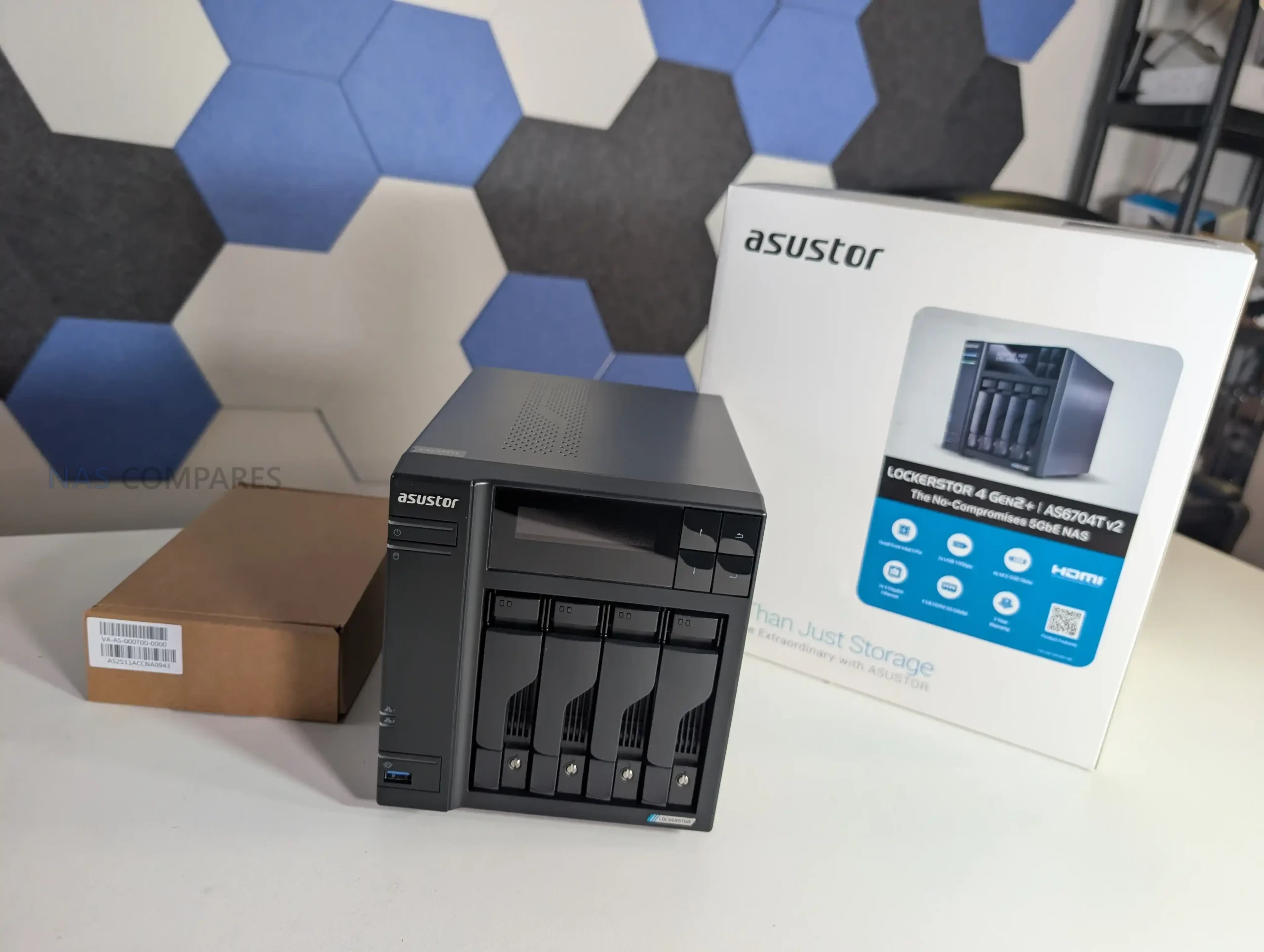
Asustor AS6704T v2 Lockerstor 4 Gen2+ NAS Review, Quick Conclusion
The Lockerstor 4 Gen2+ is a competent and largely familiar system. From a hardware perspective, it remains solid, well built and flexible, with few outright weaknesses in isolation. The metal chassis, internal expandability and feature set still compare well against many competing four bay NAS systems. However, this revision does not materially change the overall character or capability of the platform beyond networking. The move from dual 2.5GbE to dual 5GbE is the defining update. For users who already have compatible network infrastructure, or who are working close to the limits of 2.5GbE with multiple clients, SSD caching or larger hard drives, this upgrade does provide tangible benefits. For others, particularly those still on gigabit or mixed networks, the improvement may be largely theoretical in day to day use. At the same time, the unchanged use of the Intel Celeron N5095 is more noticeable now than it was at the original Gen2 launch. While it remains stable and well supported, it no longer stands out in a market where newer low power Intel CPUs offer better efficiency and performance at similar price points. Combined with pricing that now faces stronger competition, the Gen2+ feels more like a stopgap refresh than a forward looking update. Overall, the Lockerstor 4 Gen2+ is a capable NAS that makes sense primarily for users who value its physical design, internal expandability and Asustor’s flexible hardware policy, and who can take advantage of 5GbE networking today. It is less compelling as a general upgrade for existing Gen2 owners, or as a default recommendation in a crowded mid-range market.

6.6
 Dual 5GbE networking provides higher aggregate and single client throughput than 2.5GbE when supported by the surrounding networkFour internal M.2 NVMe slots allow SSD caching, SSD storage pools, or mixed configurations without sacrificing SATA baysSolid metal chassis and metal drive trays provide durability and assist passive heat dissipationHDMI output with Asustor Portal enables direct media playback, VM interaction and local management without a client PCSupports both EXT4 and Btrfs, including snapshot functionality for basic data protection and recoveryPCIe expansion slot allows future upgrade to 10GbE, extending the usable lifespan of the systemFlexible storage configuration, including use of NVMe drives as independent storage pools rather than cache onlyHardware warranty remains valid when installing third party NAS operating systems, supporting advanced and DIY users
 Intel Celeron N5095 is now dated relative to newer low power CPUs available at similar price points (eg N100, N150, N355, etc) right nowADM software is stable but lacks the depth, automation and flagship features found on some competing platformsPCIe slot is shared between NVMe carrier and expansion cards, forcing a choice without a compatible combo cardPricing faces stronger competition in 2026, reducing its appeal as a default mid range NAS option
| Where to Buy a Product | |||
 |
    
|
  
|
VISIT RETAILER ➤ |
 |
|
|
VISIT RETAILER ➤ |
| Amazon in Your Region | B&H NAS Shop |
 |
 |
Asustor AS6704T v2 Lockerstor 4 Gen2+ NAS Review, Design
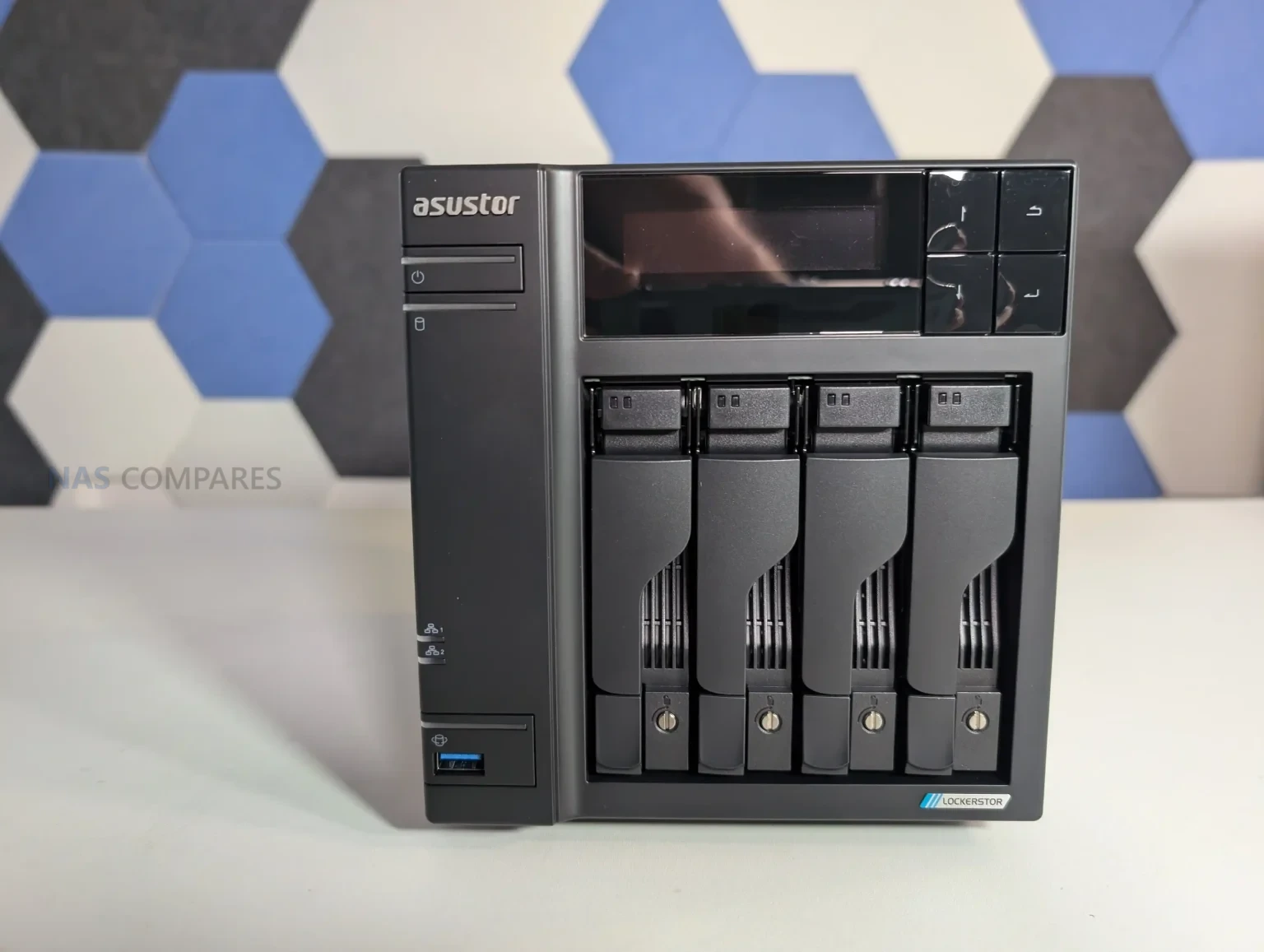
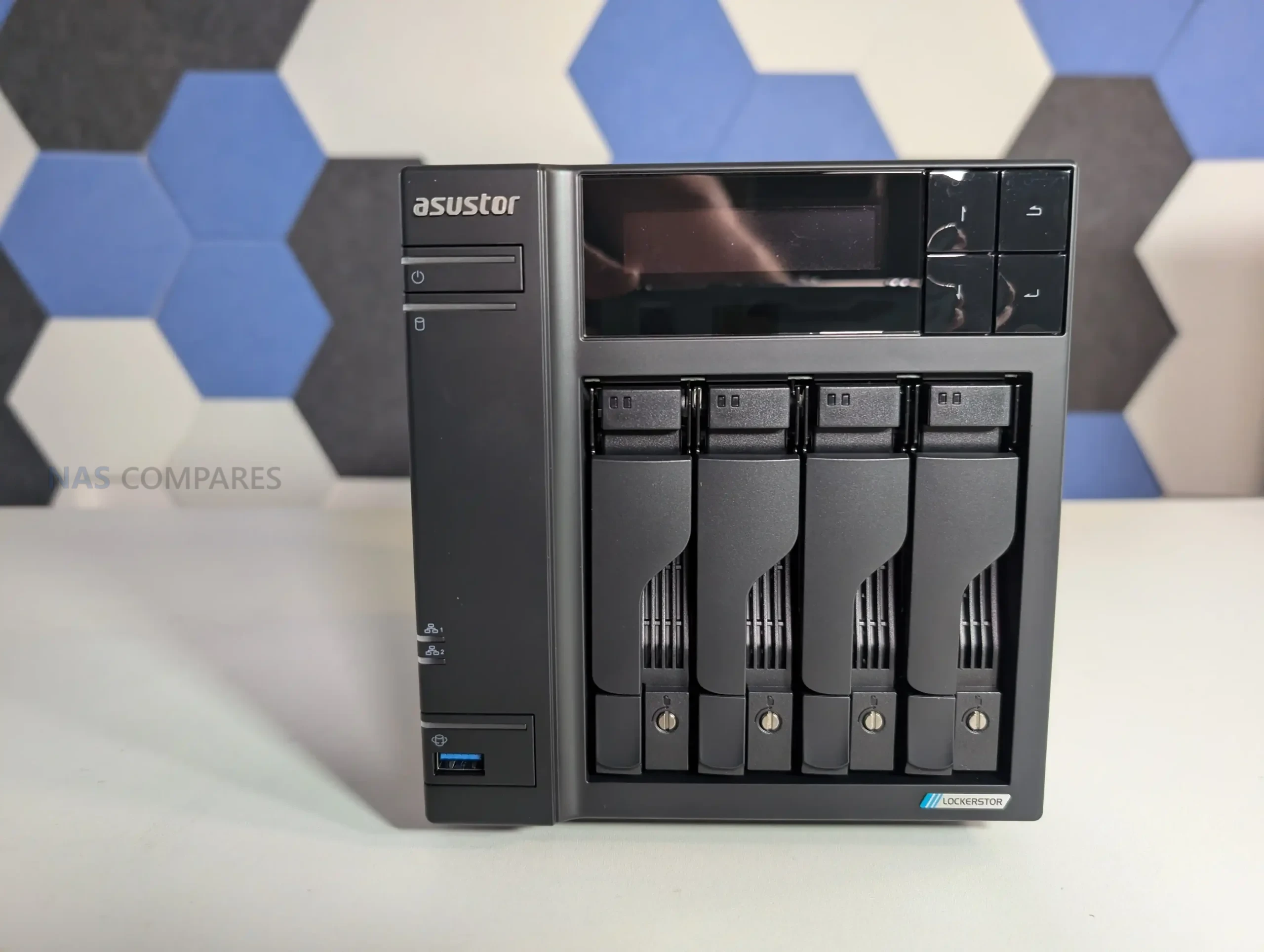
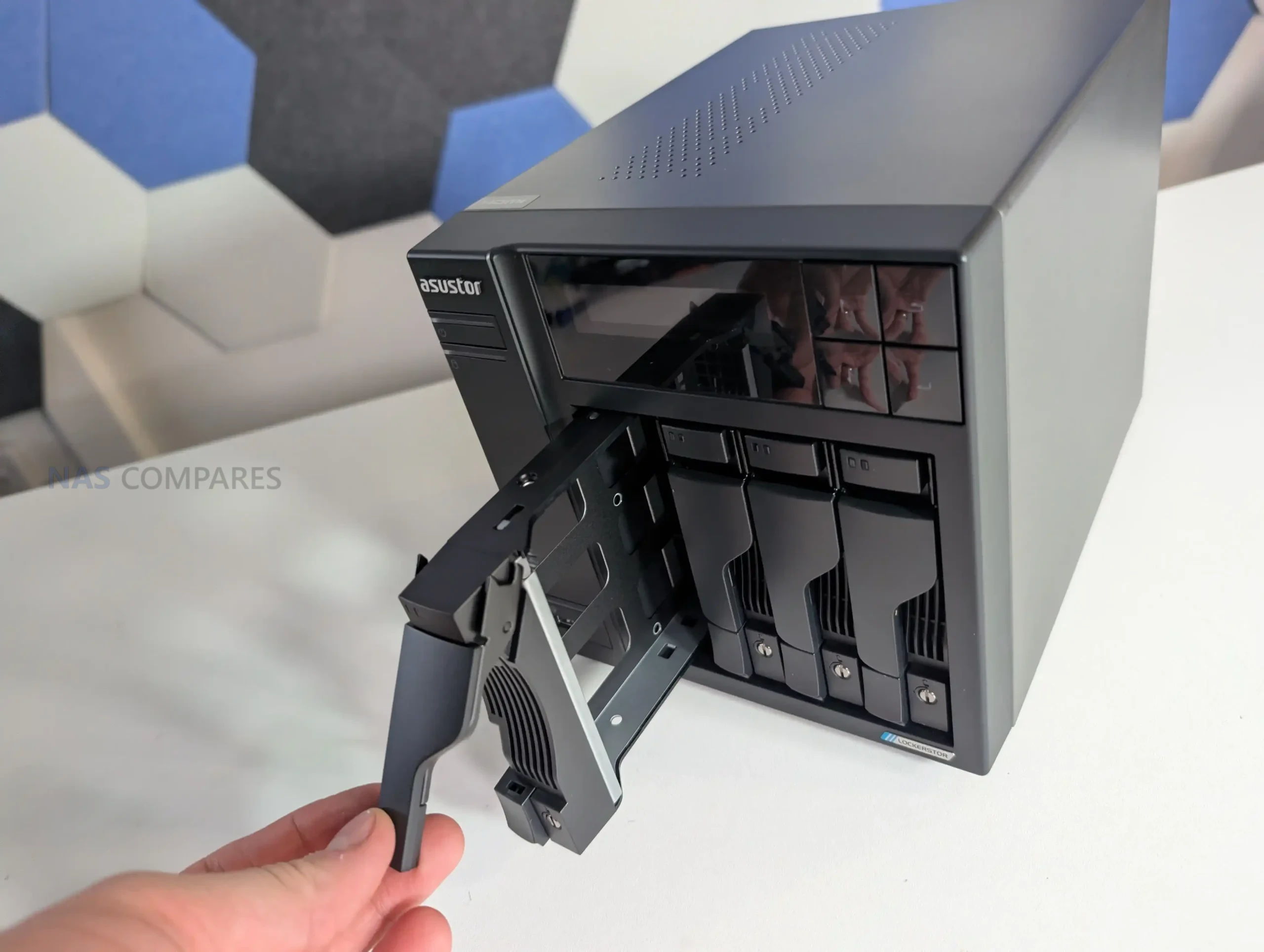
The physical design of the Lockerstor 4 Gen2+ is effectively unchanged from the earlier Gen2 model. Asustor has retained the same chassis, dimensions and layout, making this revision visually indistinguishable from its predecessor. This is a deliberate choice rather than an oversight, and it reflects Asustor’s preference for continuity in this product line.
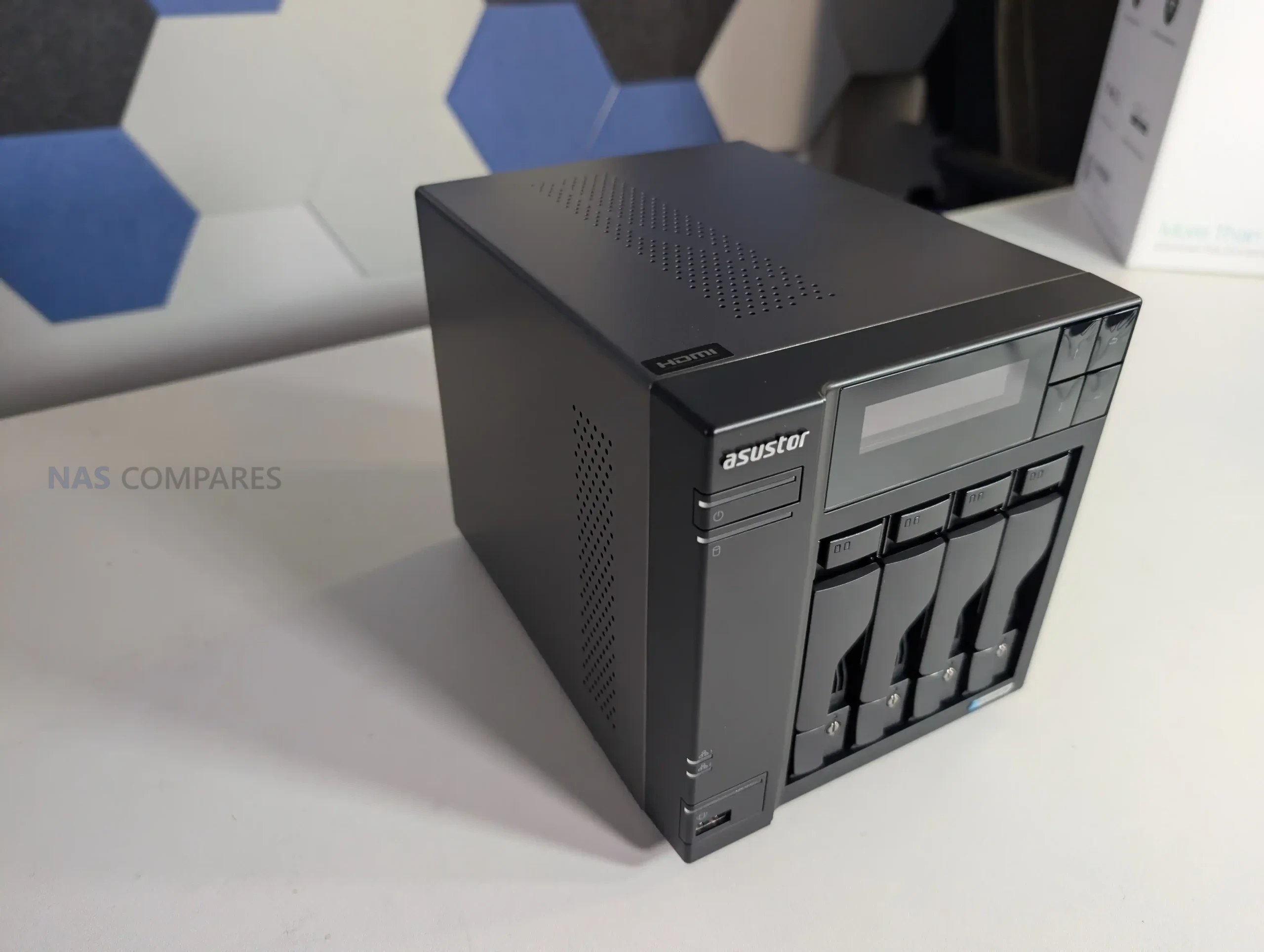
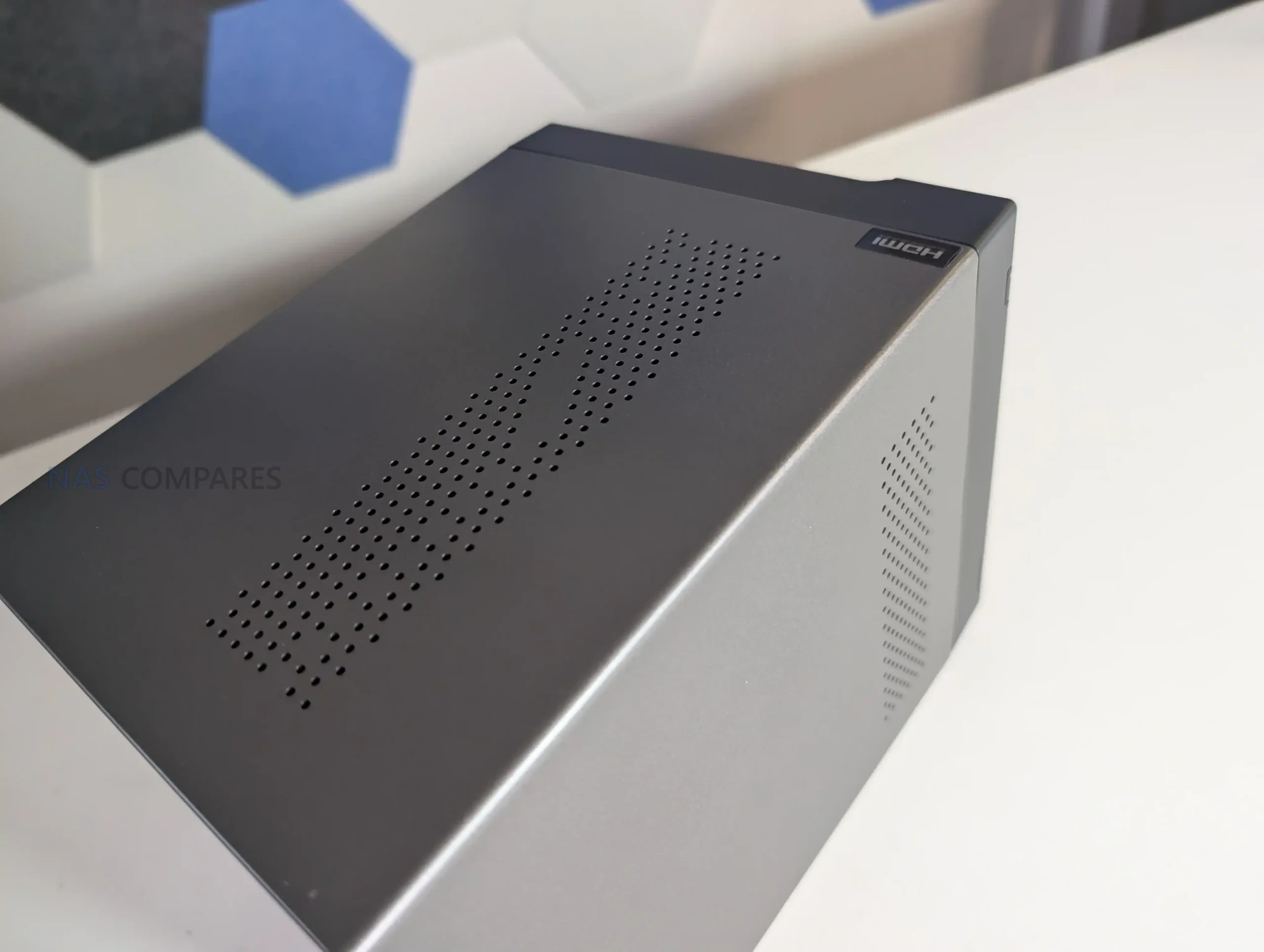
The enclosure is almost entirely metal, including the outer shell and the individual drive trays. This gives the unit a robust, industrial feel and contributes to passive heat dissipation. It also differentiates the Lockerstor from many competing four bay NAS systems that rely more heavily on plastic for cost and noise reduction. The trade-off remains increased vibration and audible resonance when using higher capacity, faster spinning hard drives.
On the front of the unit, the Lockerstor retains its LCD display, a feature that has largely disappeared from this segment. The display provides system status information such as IP addresses, temperature readings and alert notifications. Beyond basic monitoring, it can also be used for initial system setup, allowing the NAS to be configured without a connected computer. While this will not replace web based administration for ongoing management, it remains useful for rapid deployment and troubleshooting, particularly when network access is limited.
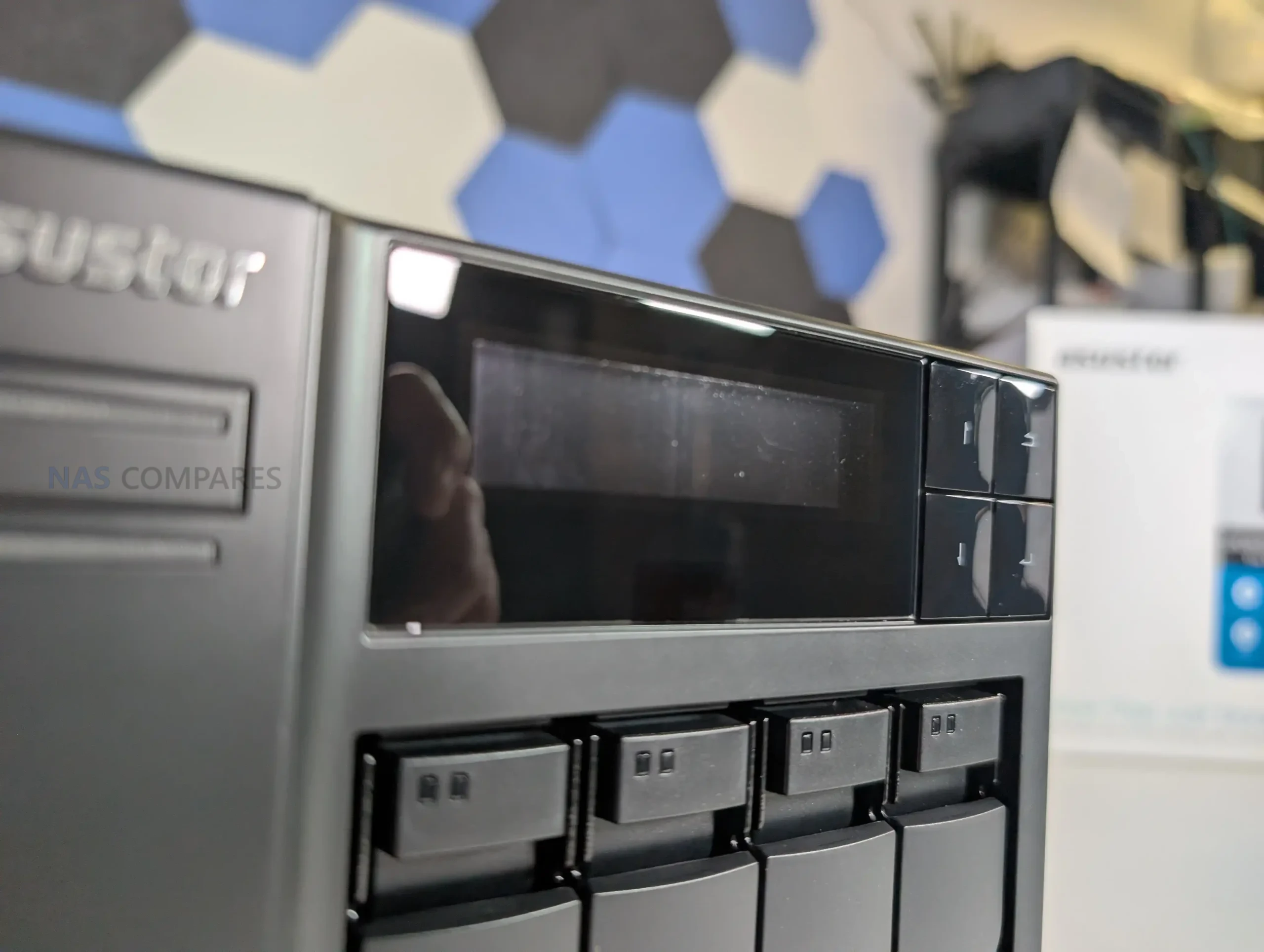
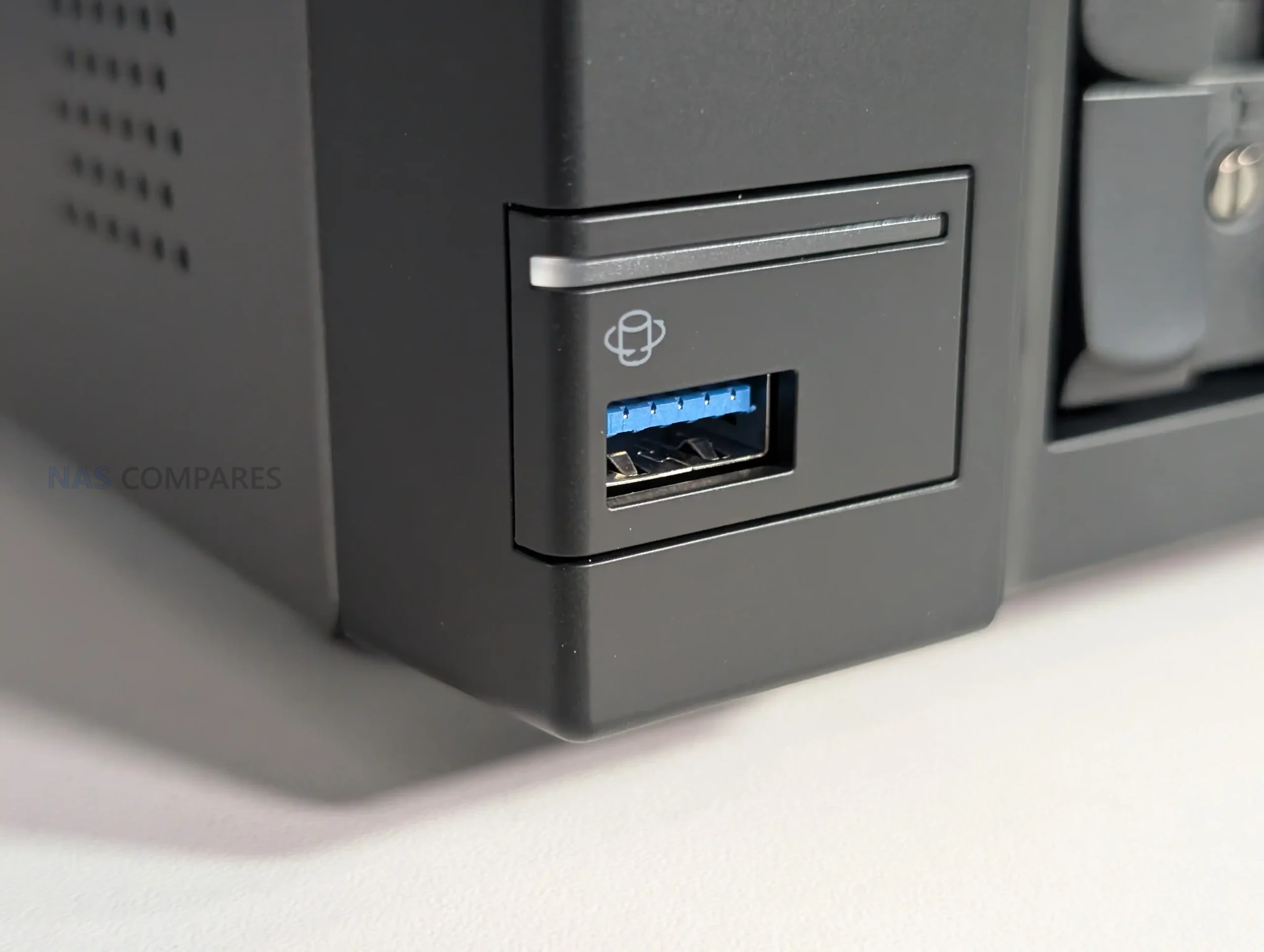
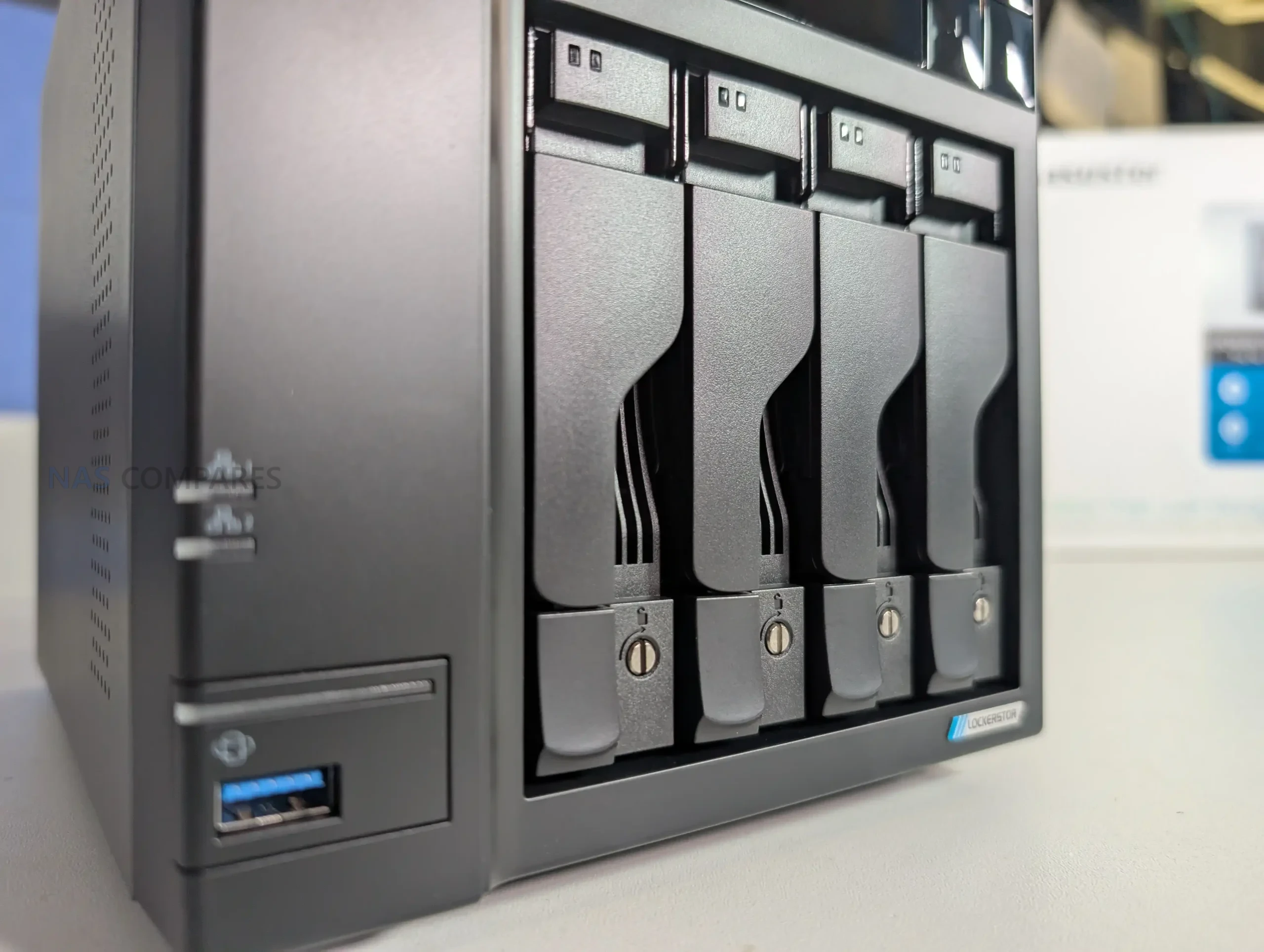
Status LEDs are present alongside the display and drive bays, offering basic activity indicators. These are functional but secondary to the information provided by the LCD panel. A front mounted USB port with a dedicated copy button is also retained. This supports both manual and automatic backup tasks and has been upgraded in earlier Gen2 models to USB 3.2 Gen 2, allowing higher speed transfers to and from external storage devices.
The drive trays themselves are metal, ventilated and feature a locking mechanism. They support both 3.5 inch and 2.5 inch SATA drives and allow hot swapping where the configuration permits. The tray design prioritizes rigidity and airflow over acoustic dampening, which again reinforces the Lockerstor’s server-like character rather than a living room friendly one.
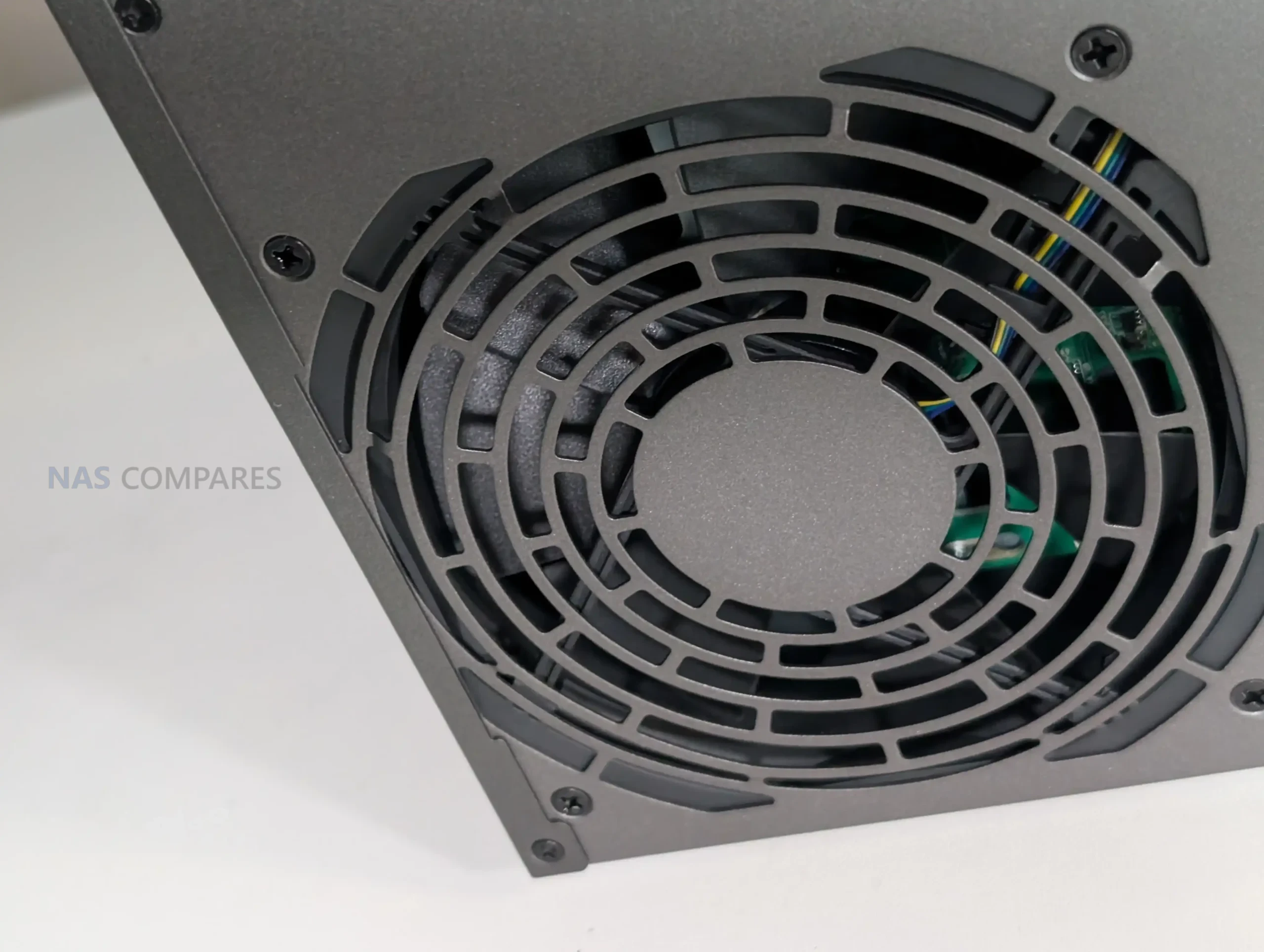
Ventilation is handled through a combination of tray perforation, side vents and a large rear mounted cooling fan. There have been minor adjustments over successive revisions to improve airflow around the M.2 area, but the overall cooling approach remains conservative and tuned for reliability rather than silence.
In summary, the design of the Lockerstor 4 Gen2+ will appeal to users who value durability, serviceability and physical controls. It does not attempt to modernize its appearance or reduce its footprint, and buyers sensitive to noise or aesthetics should be aware of the compromises that come with this design philosophy.
Asustor AS6704T v2 Lockerstor 4 Gen2+ NAS Review, Ports and Connections
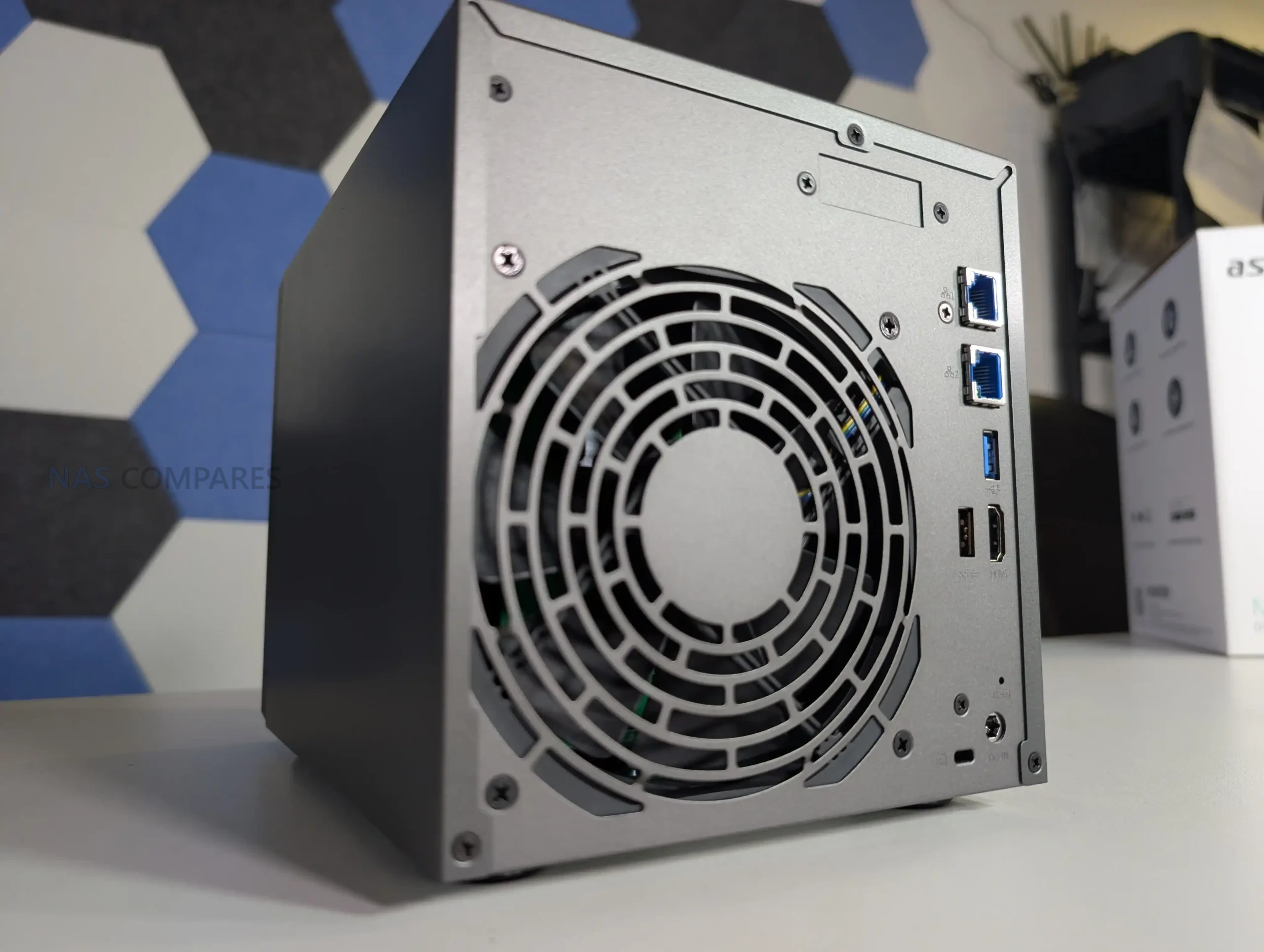
The rear connectivity of the Lockerstor 4 Gen2+ closely resembles that of the earlier Gen2 model, with one important exception. The dual 2.5GbE ports have been replaced with dual 5GbE Ethernet, which represents the core purpose of this refresh. Everything else in the port layout remains largely the same, reinforcing that this is a targeted update rather than a rework of the platform.
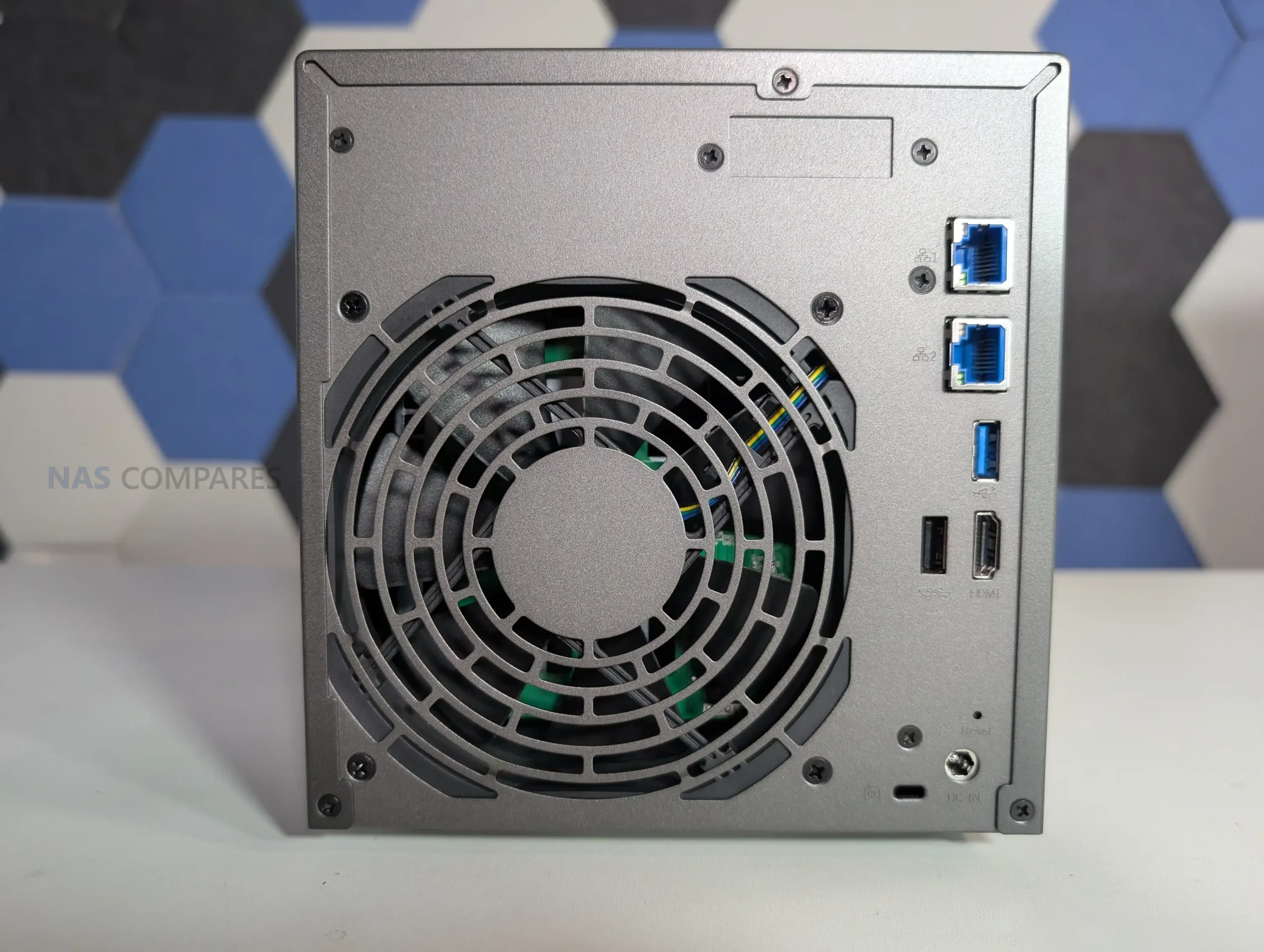
The two 5GbE ports support standard Ethernet features including link aggregation and SMB Multichannel. In practical terms, this allows higher aggregate throughput when multiple clients are accessing the NAS simultaneously, or improved single client performance in supported environments. Asustor positions this as offering near 10GbE class performance without the cost or infrastructure demands of full 10GbE. In reality, the benefits depend heavily on the surrounding network hardware, client support and workload type. Users without compatible switches or clients will see little immediate advantage over 2.5GbE.
Alongside the Ethernet ports, the Lockerstor 4 Gen2+ retains its HDMI output. This is used with Asustor Portal, a parallel interface that allows direct interaction with media playback, virtual machines and containerized applications when the NAS is connected to a display. Unlike some competing implementations, this HDMI output is actively supported, though it remains a secondary interface compared to the browser based ADM environment. Two rear USB ports provide USB 3.2 Gen 2 connectivity for high speed external storage, adapters and peripherals.
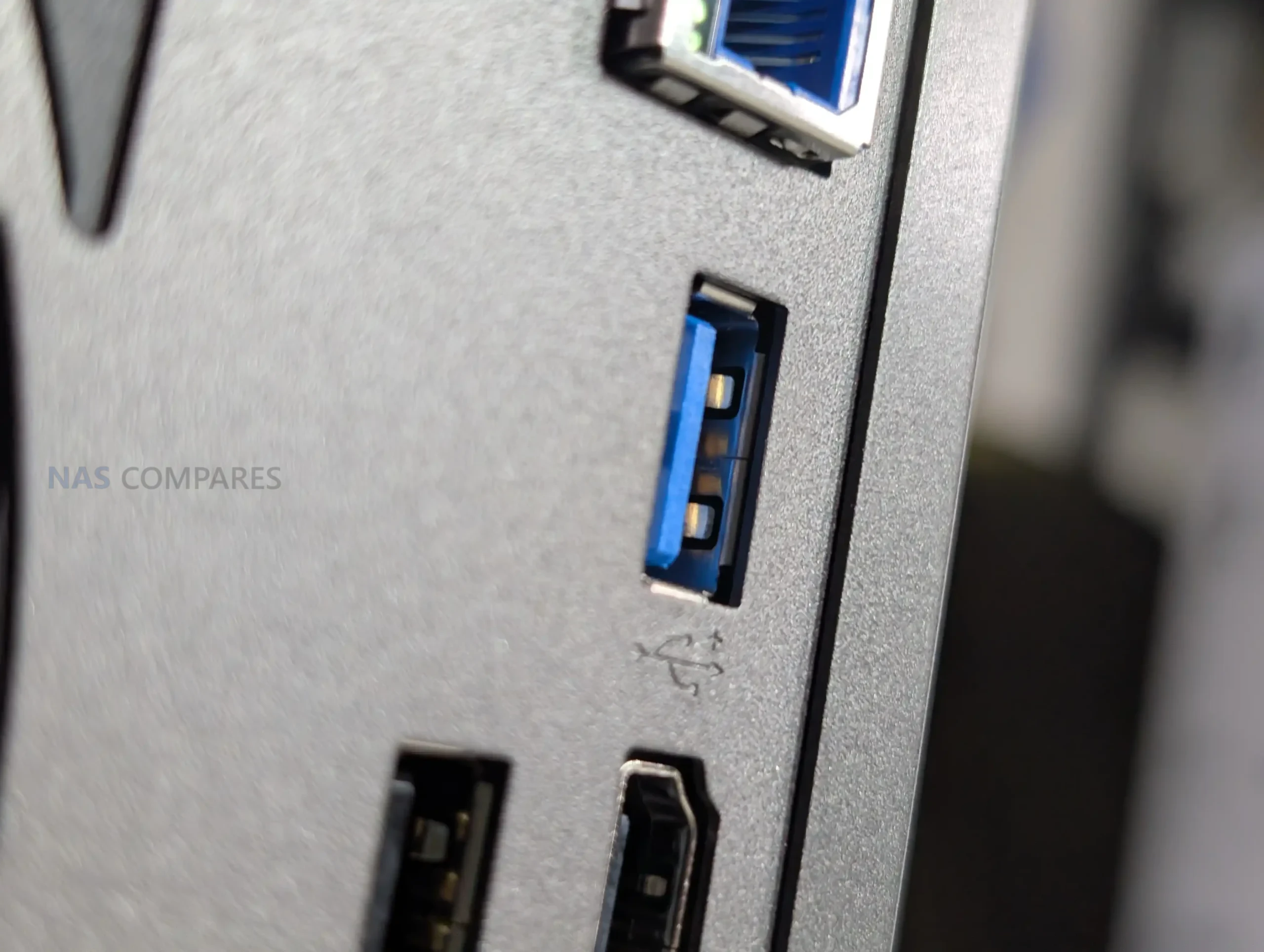
A PCIe expansion slot is also present and remains an important part of the Lockerstor design. In the Gen2+ series, this slot is described as no longer proprietary, allowing broader compatibility with third party 10GbE network cards. This adds flexibility for users who expect to outgrow 5GbE in the future, although it still requires choosing between PCIe expansion and the preinstalled M.2 carrier board.
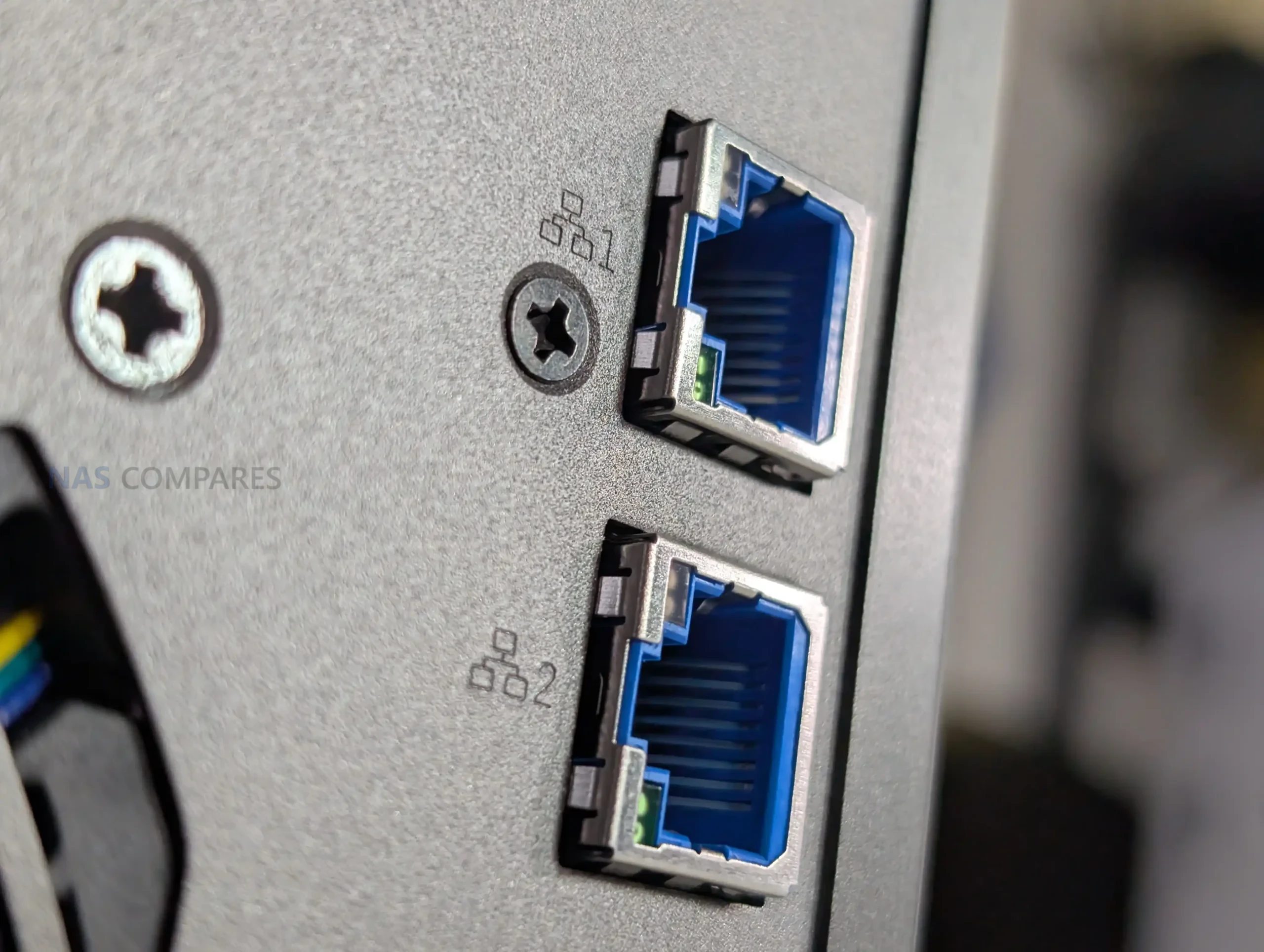
The combination of four SATA bays, four internal NVMe slots and dual 5GbE networking provides sufficient internal and external bandwidth for many small office and creative workloads. However, it is worth noting that modern hard drives and NVMe SSDs can quickly approach or exceed the limits of a single 5GbE connection. In environments where sustained maximum throughput is a priority, the optional move to 10GbE may still be the more appropriate long term choice.
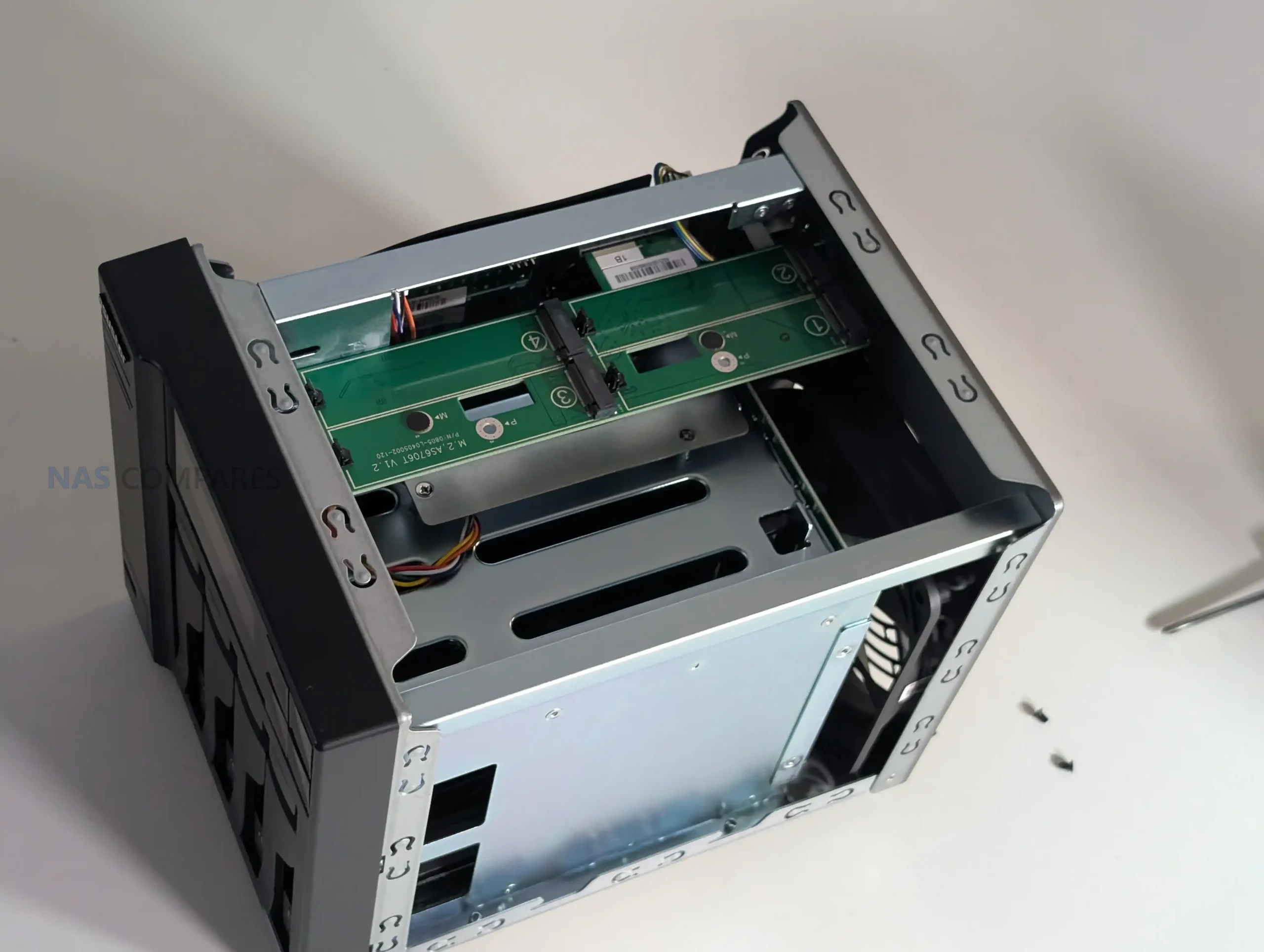
Overall, the port selection on the Lockerstor 4 Gen2+ is well rounded and flexible. The addition of dual 5GbE meaningfully updates the networking capability of the system, but it does not fundamentally change how the device integrates into a network compared to the earlier Gen2.
Asustor AS6704T v2 Lockerstor 4 Gen2+ NAS Review, Internal Hardware
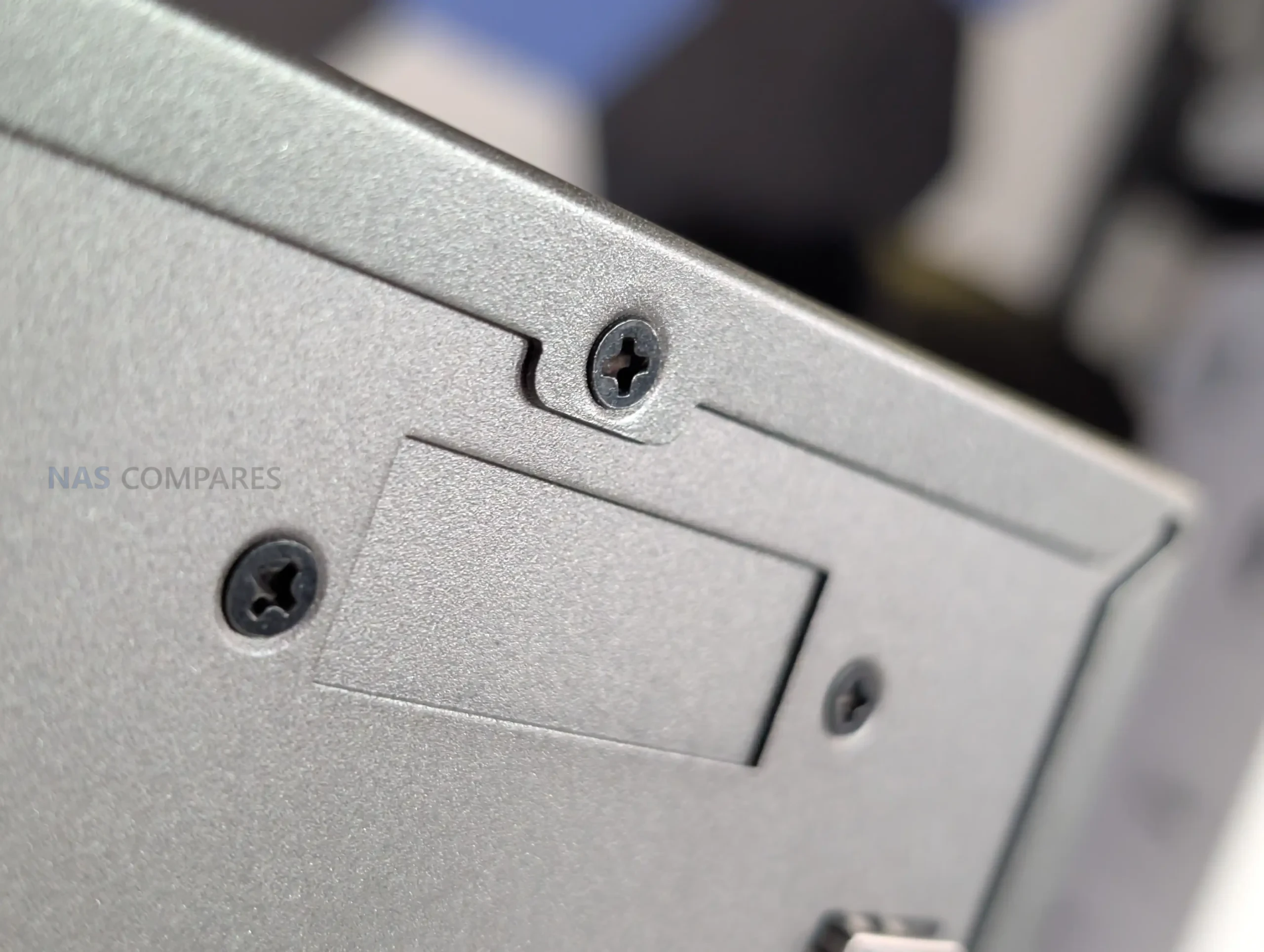
Internally, the Lockerstor 4 Gen2+ is almost identical to the earlier Gen2 model. Asustor has not revised the core platform, and the internal layout, controller architecture and expansion approach remain the same. This consistency simplifies evaluation, but it also makes the age of some components more apparent in the current market.
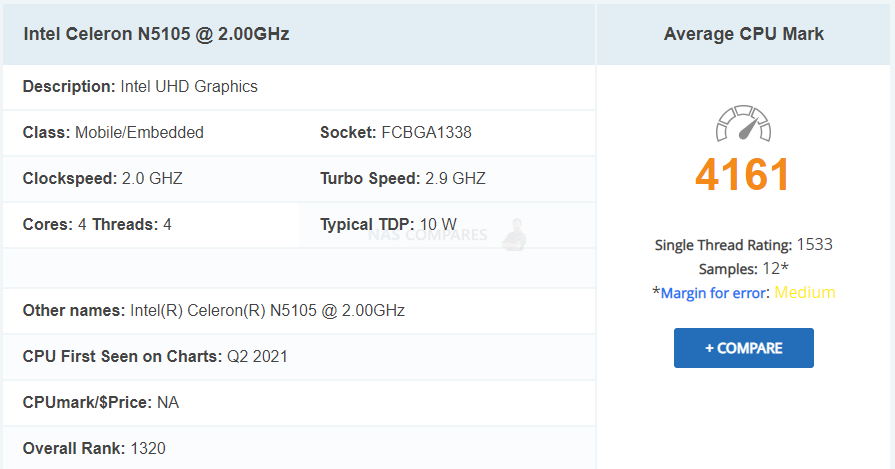
The system is powered by the Intel Celeron N5095, a quad core processor based on Intel’s Jasper Lake architecture. At launch, this CPU was widely adopted in mid range NAS systems due to its balance of power consumption, integrated graphics and general purpose performance. It operates at a 2.0 GHz base frequency with burst speeds up to 2.9 GHz. In 2026 terms, the N5095 is no longer a standout choice. Newer low power Intel CPUs offer improved efficiency and stronger CPU side performance at similar price points, particularly for non media workloads.
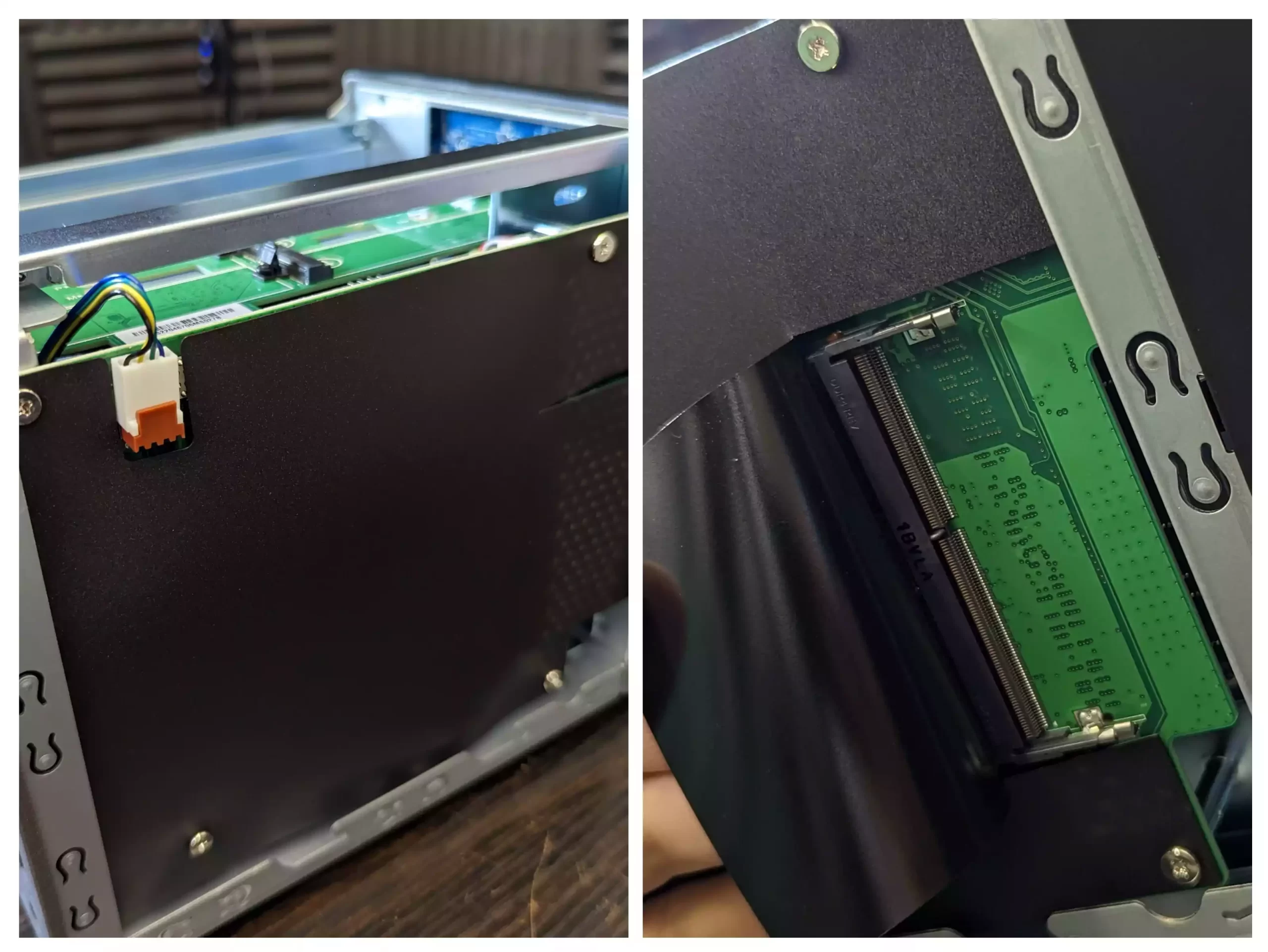
The presence of integrated graphics remains relevant for hardware assisted video transcoding and HDMI based output, and the N5095 continues to handle typical NAS tasks, light virtualization and container workloads without issue. However, users planning heavier multi VM deployments or CPU intensive services may find the platform limiting compared to more recent alternatives.
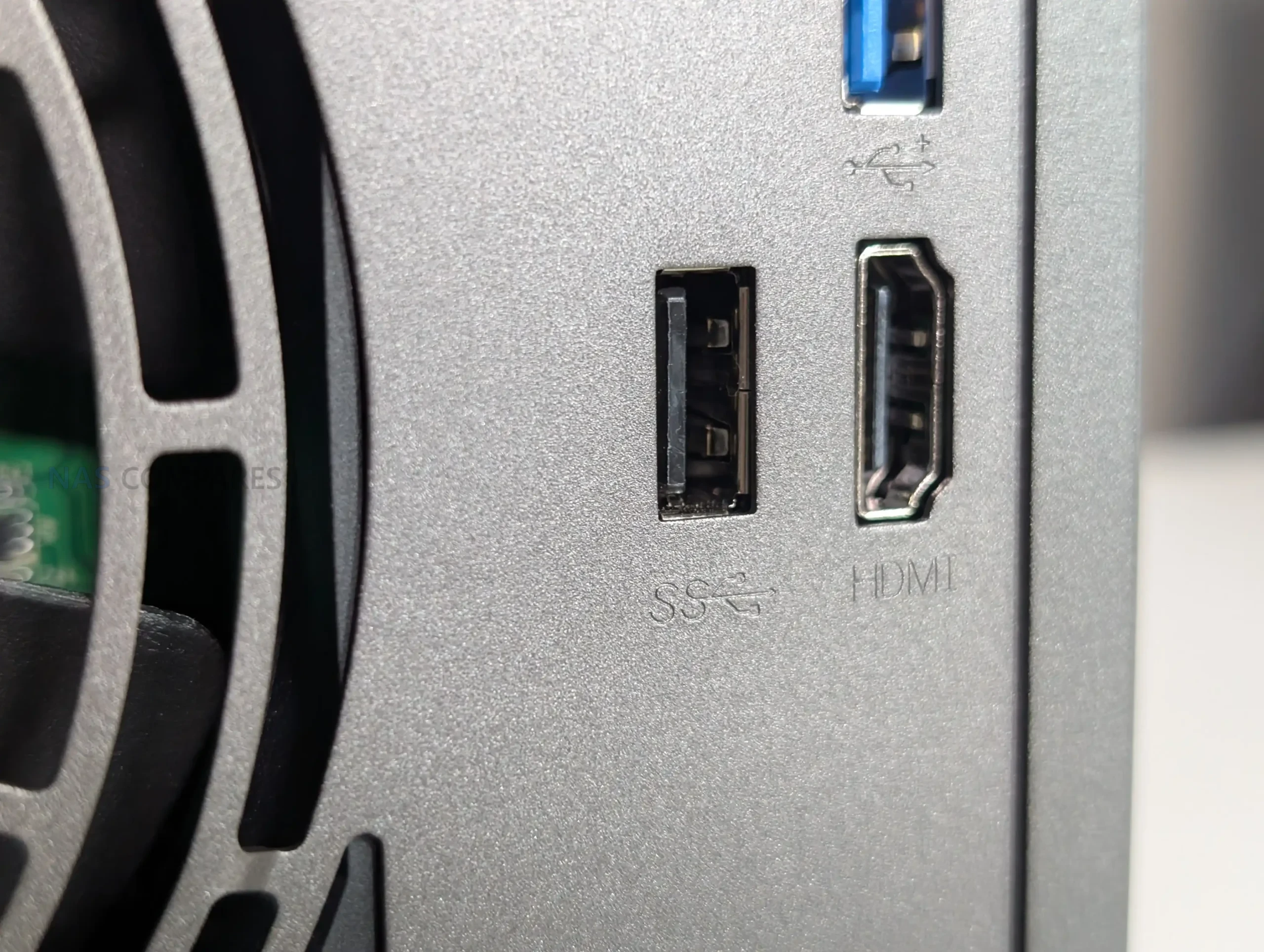
Memory configuration starts at 4 GB of DDR4 2933 MHz SODIMM memory and can be expanded up to 16 GB. This is sufficient for most file serving, backup and multimedia tasks, and provides some headroom for virtualization and containers. ECC memory is not supported, which is worth noting given the pricing and the comparison to some competing systems in this segment.
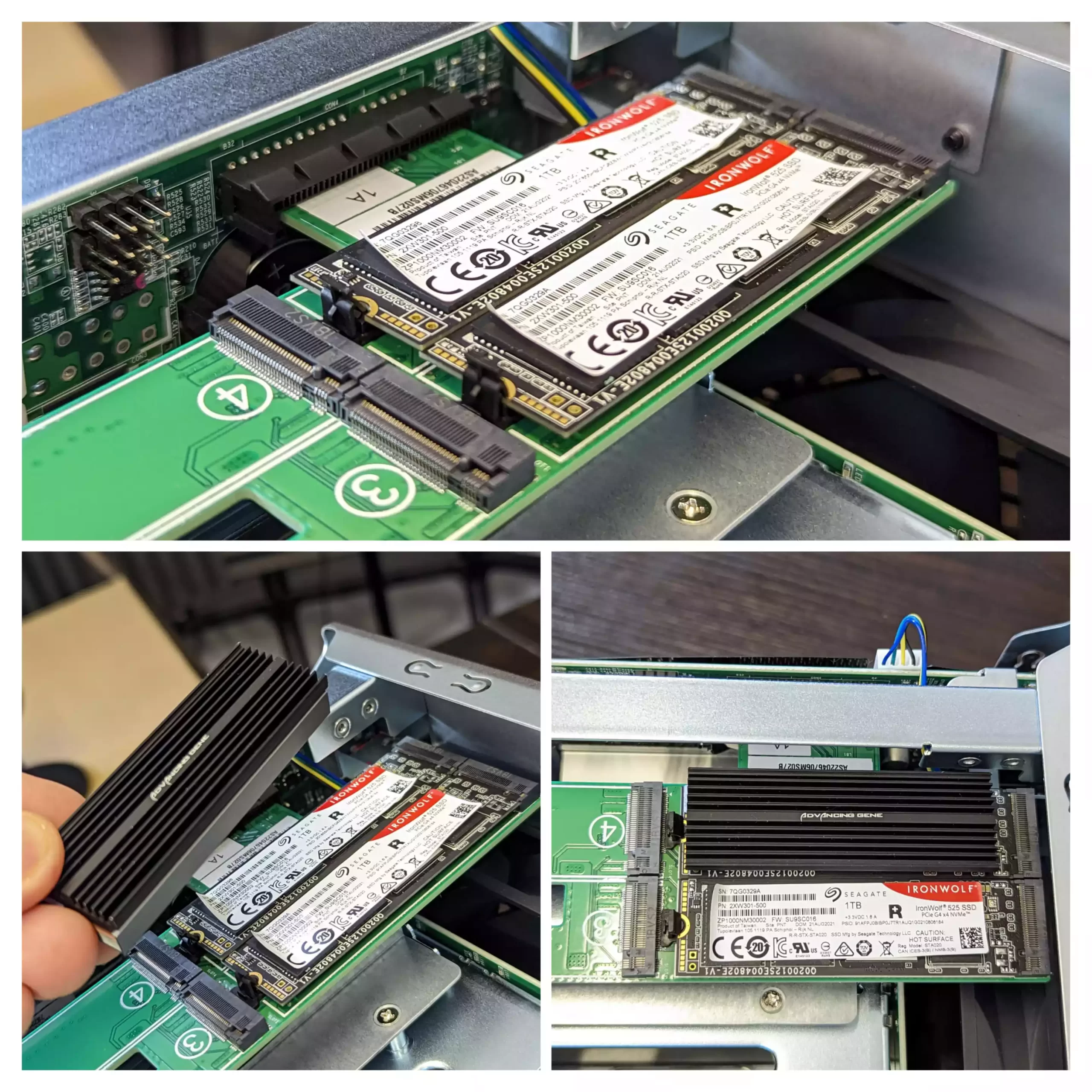
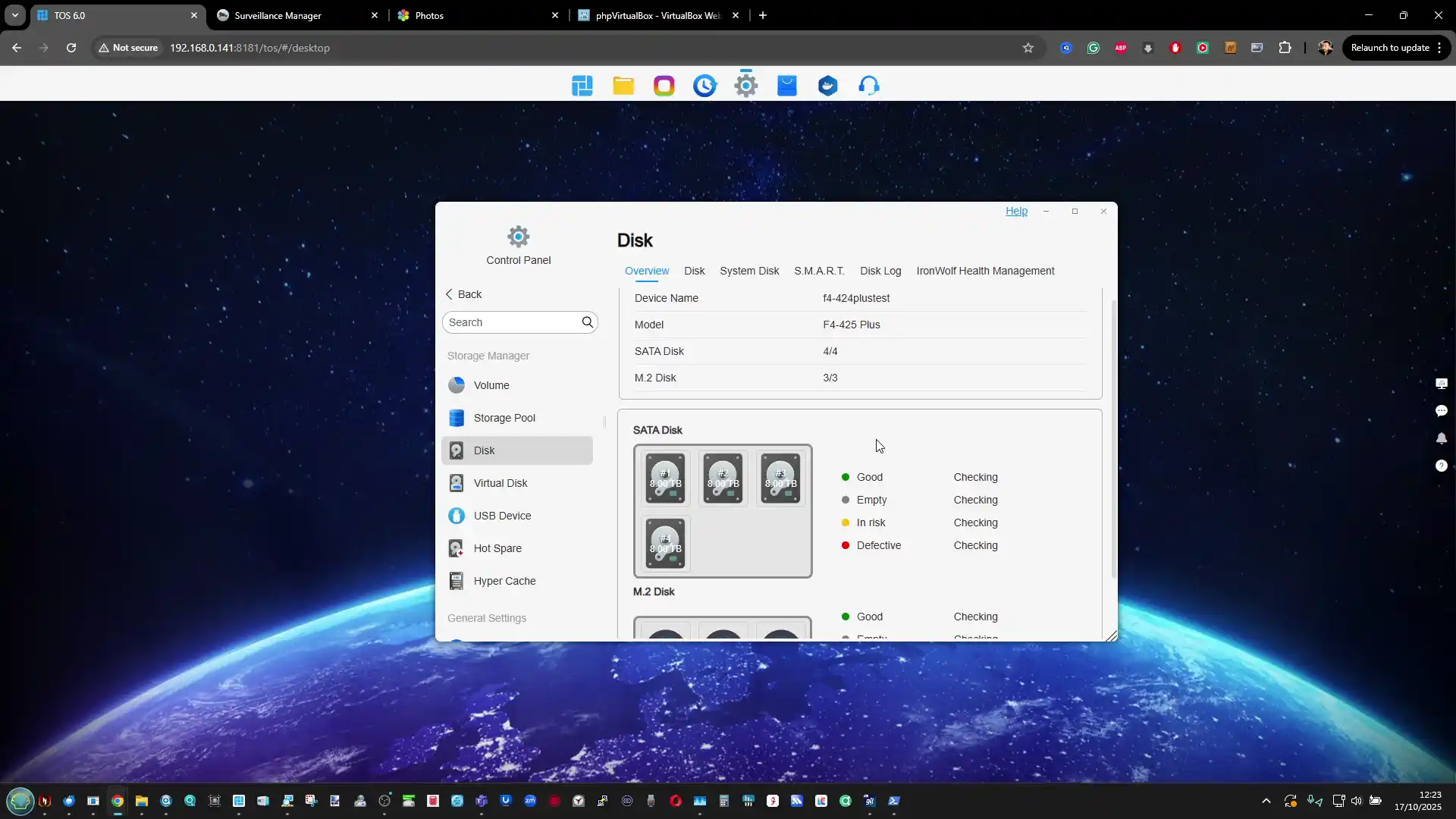
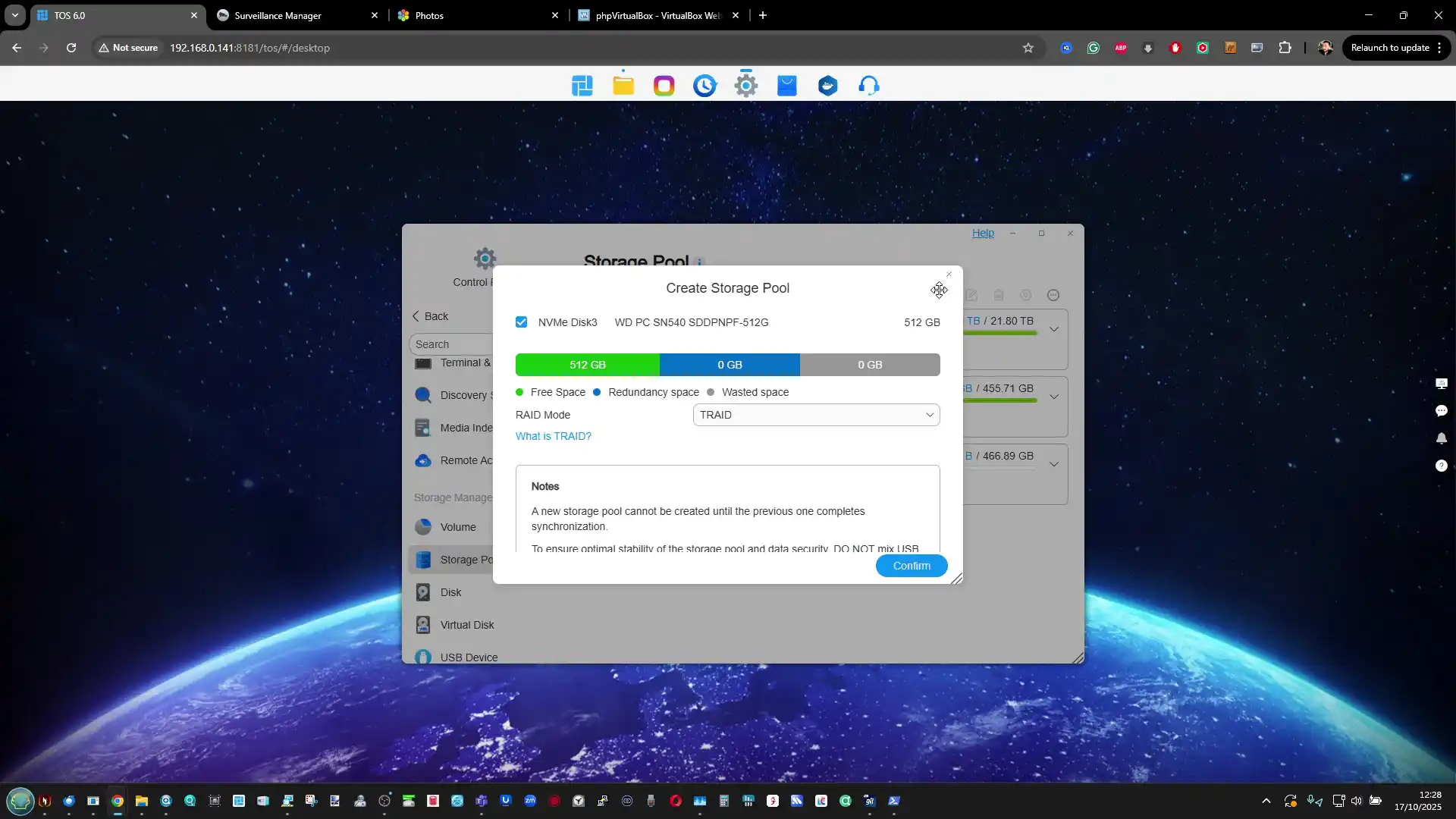
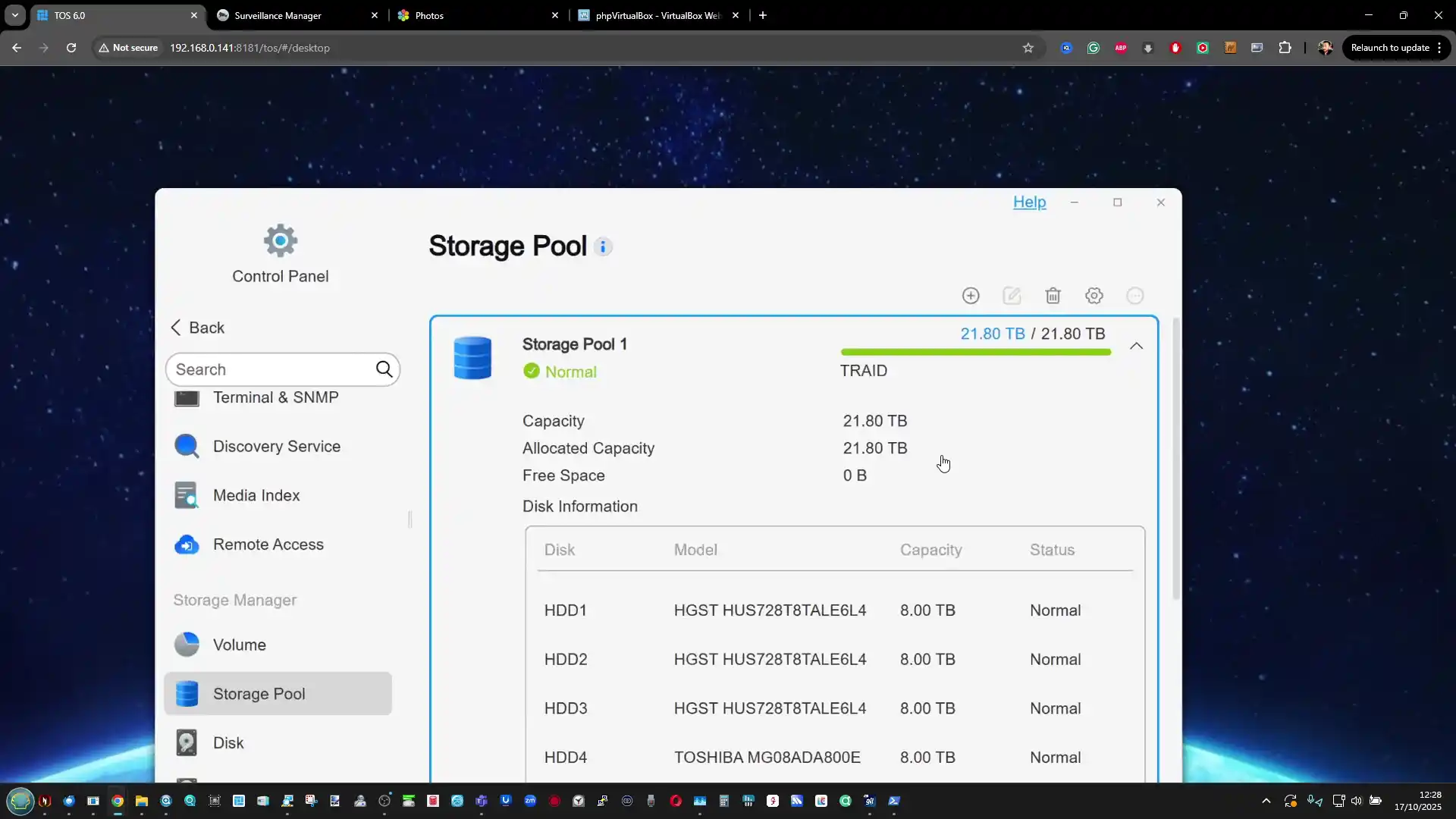
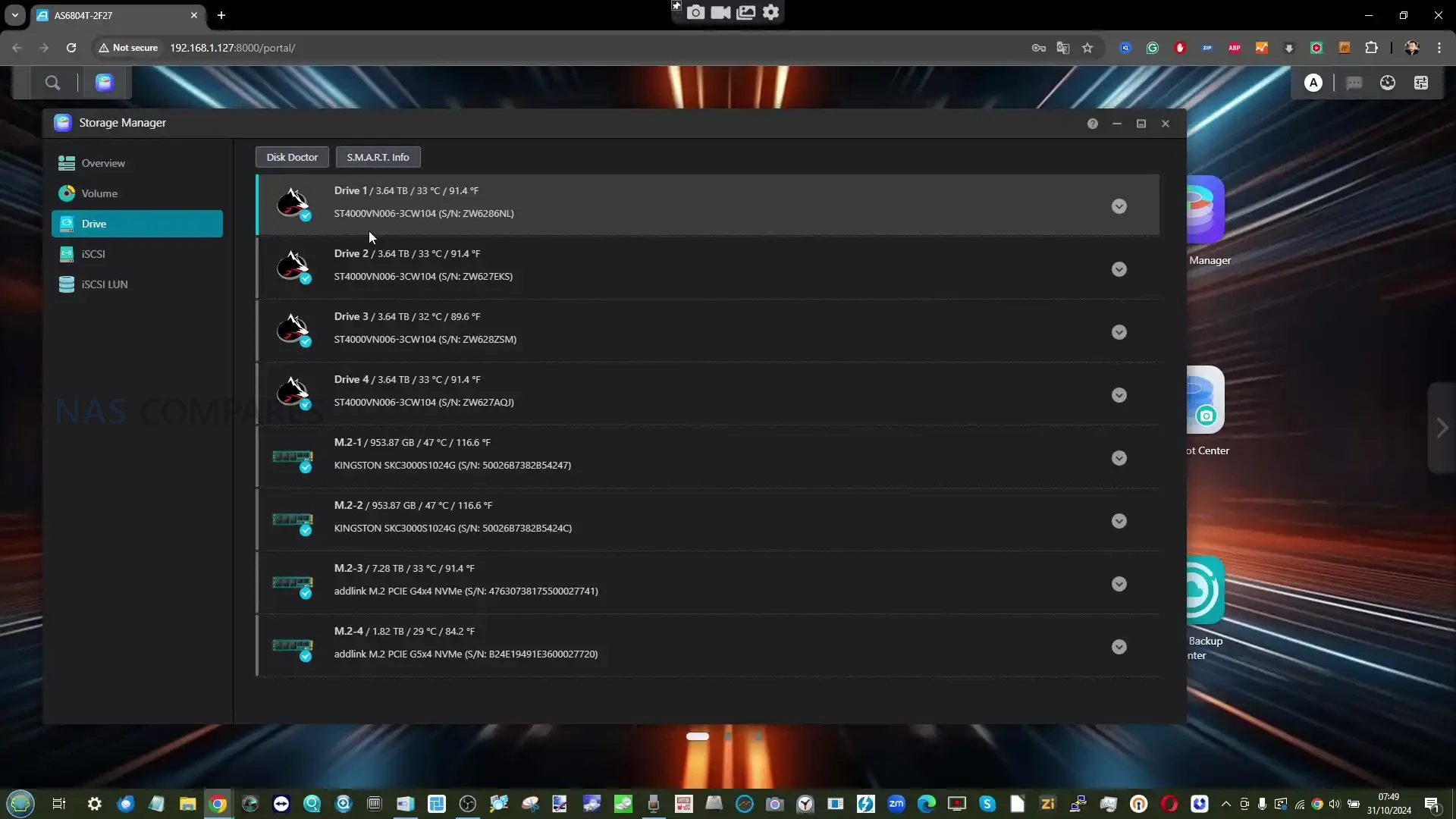
One of the defining features of the Lockerstor platform remains the inclusion of four M.2 NVMe SSD slots. These support 2280 form factor drives and operate over PCIe Gen3. The slots can be used for SSD caching, dedicated storage pools, or a mixture of both, offering flexibility that is not universally available in this class. The practical throughput per slot is lower than modern x4 NVMe drives can deliver, but still significantly higher than SATA SSDs and more than sufficient for caching and high IOPS workloads. The NVMe slots are mounted on a dedicated PCIe carrier board that occupies the system’s expansion slot. This design choice means users must choose between using the four M.2 slots and installing a PCIe network card, unless a compatible combination card is used. While workable, it remains a compromise that should be considered when planning long term upgrades.
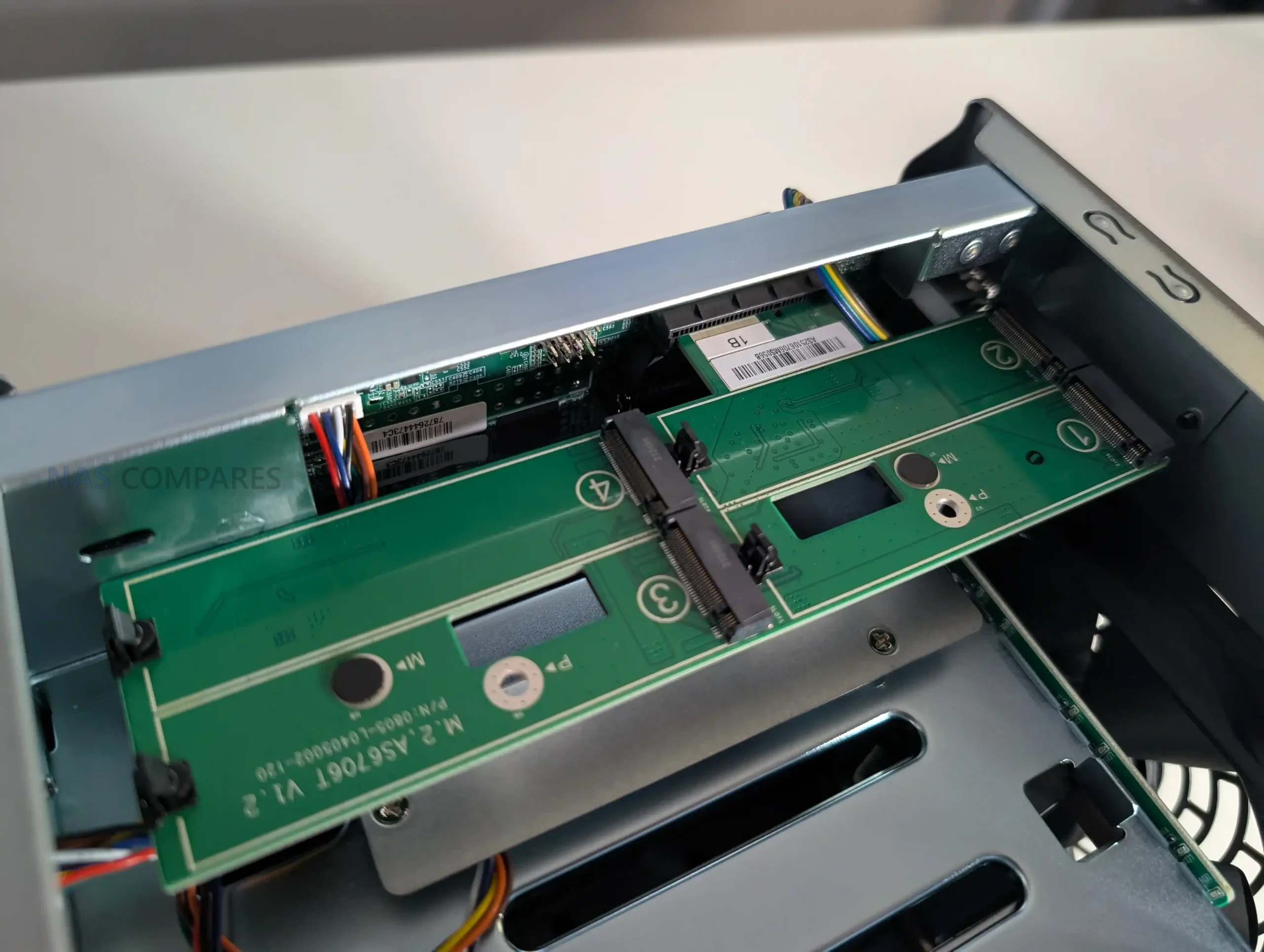
Overall, the internal hardware of the Lockerstor 4 Gen2+ remains capable and flexible, but it is clearly rooted in an earlier generation of mid range NAS design. The networking upgrade extends its usefulness, but it does not address the broader shifts in CPU and platform expectations that have emerged since the original Gen2 release.
 |
 |
Asustor AS6704T v2 Lockerstor 4 Gen2+ NAS Review, Software
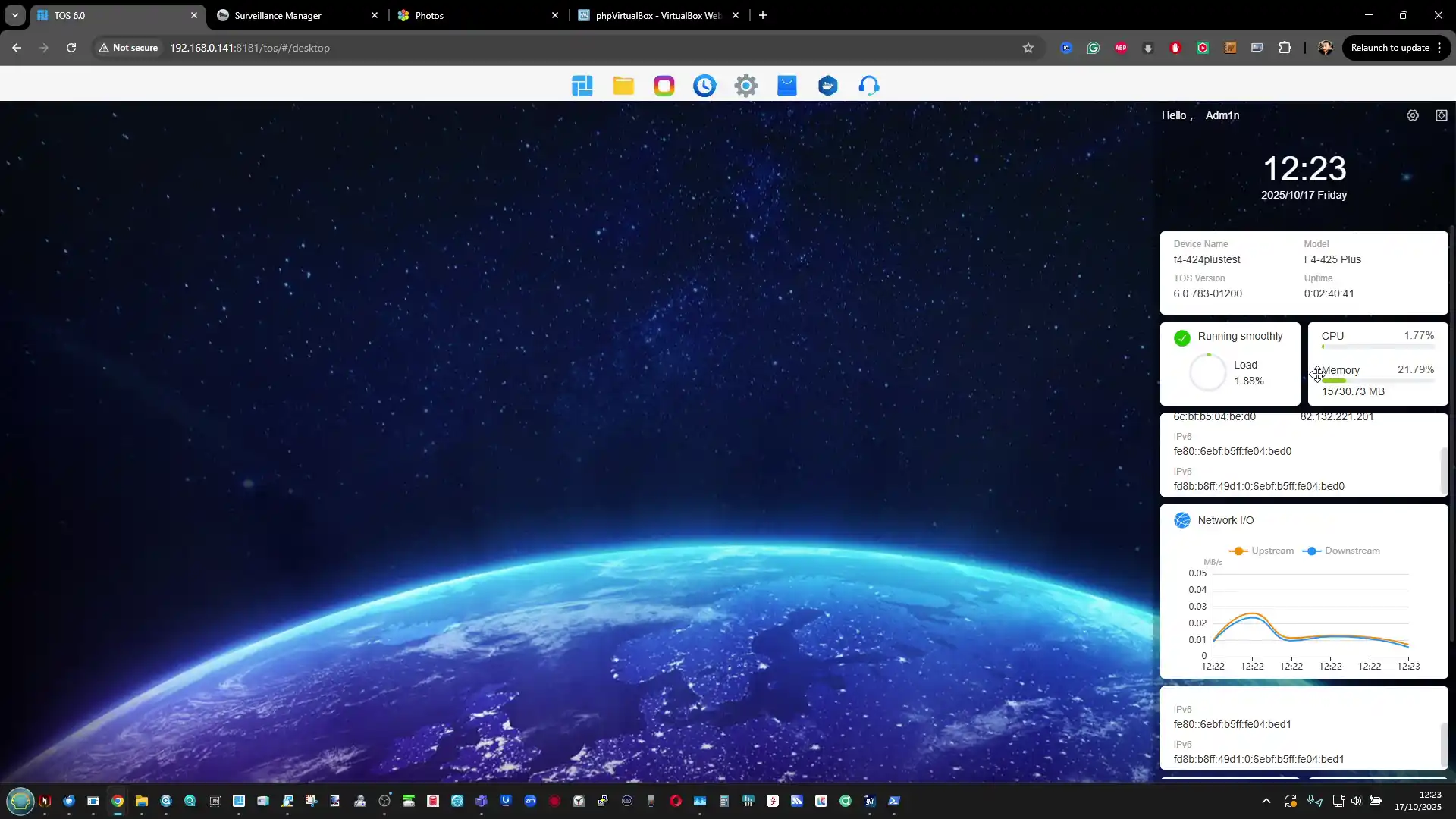
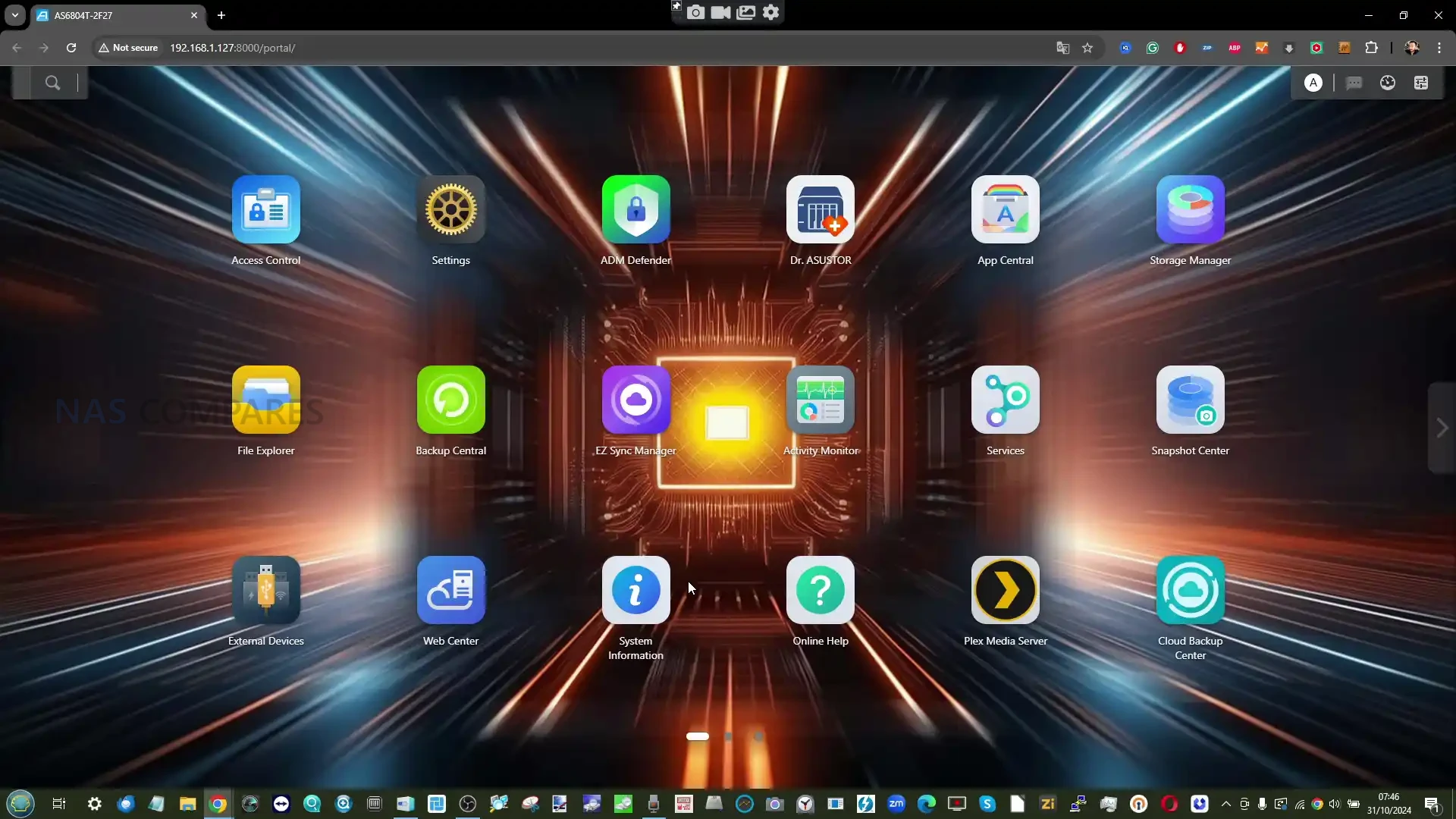
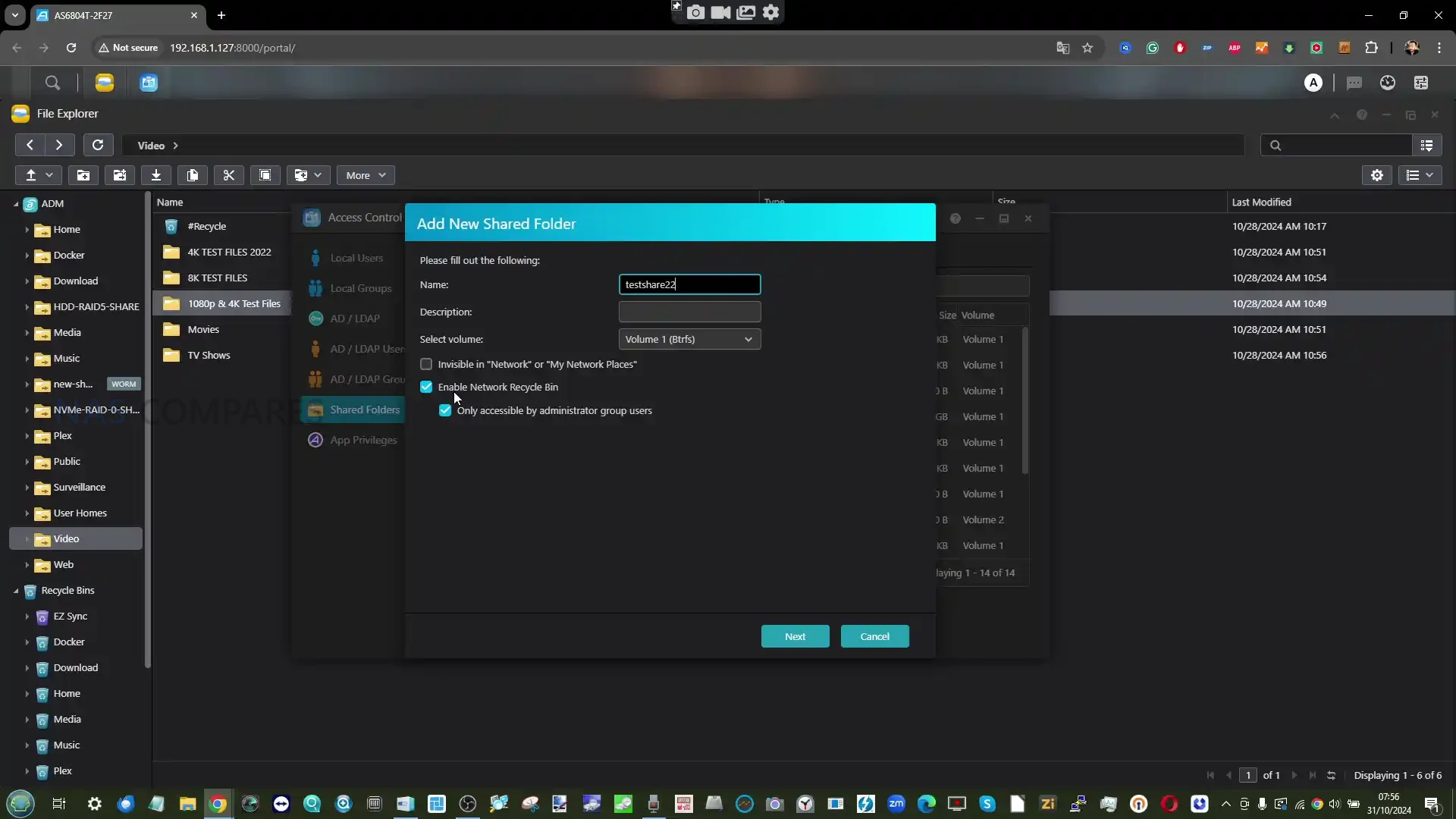
The Lockerstor 4 Gen2+ ships with the latest version of Asustor Data Master, commonly referred to as ADM. Functionally, the software experience is the same as on the earlier Gen2 models, with no Gen2+ specific changes or features introduced as part of this refresh. Any improvements are the result of ongoing platform updates rather than hardware driven differentiation.
 |
 |
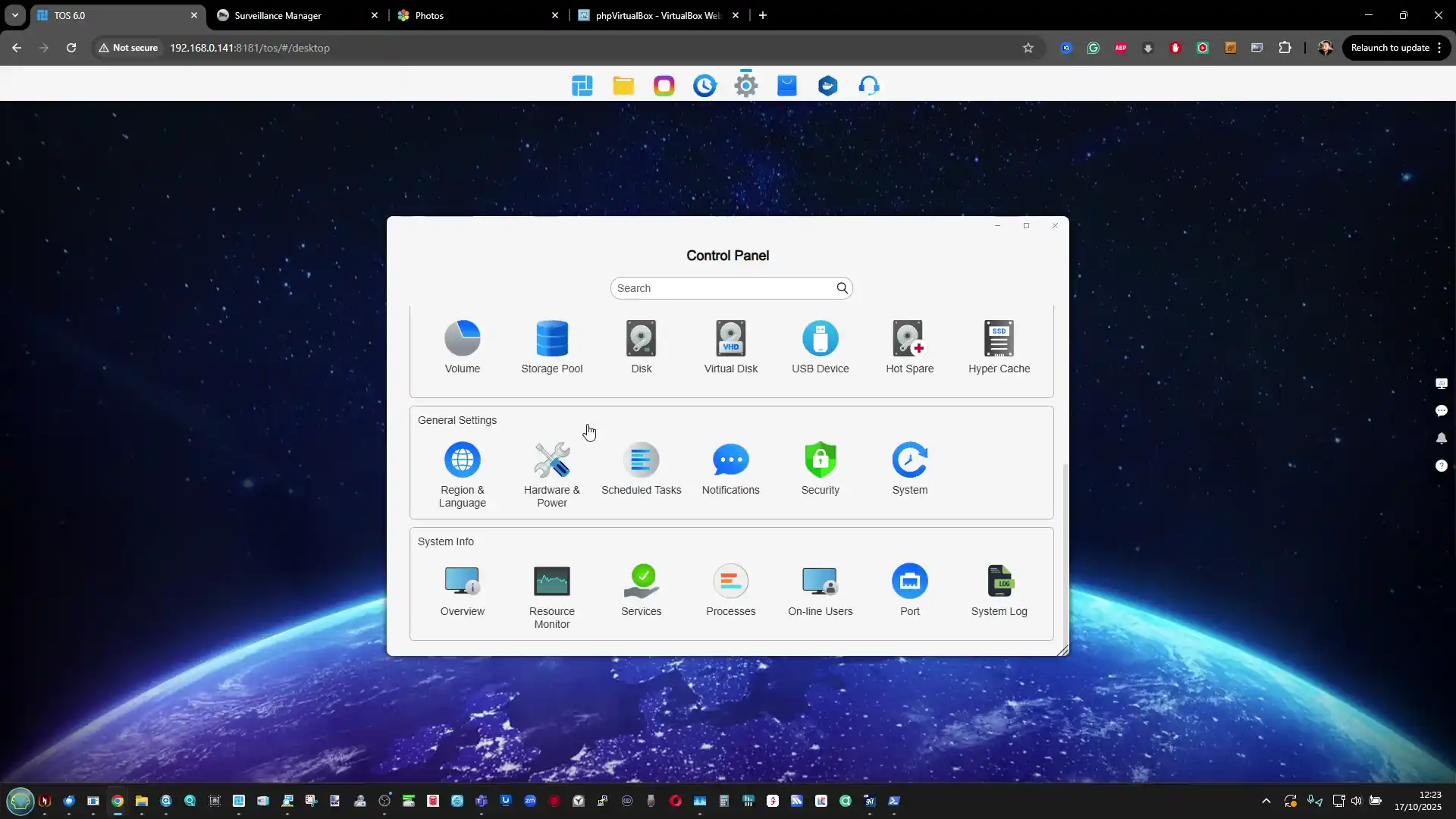
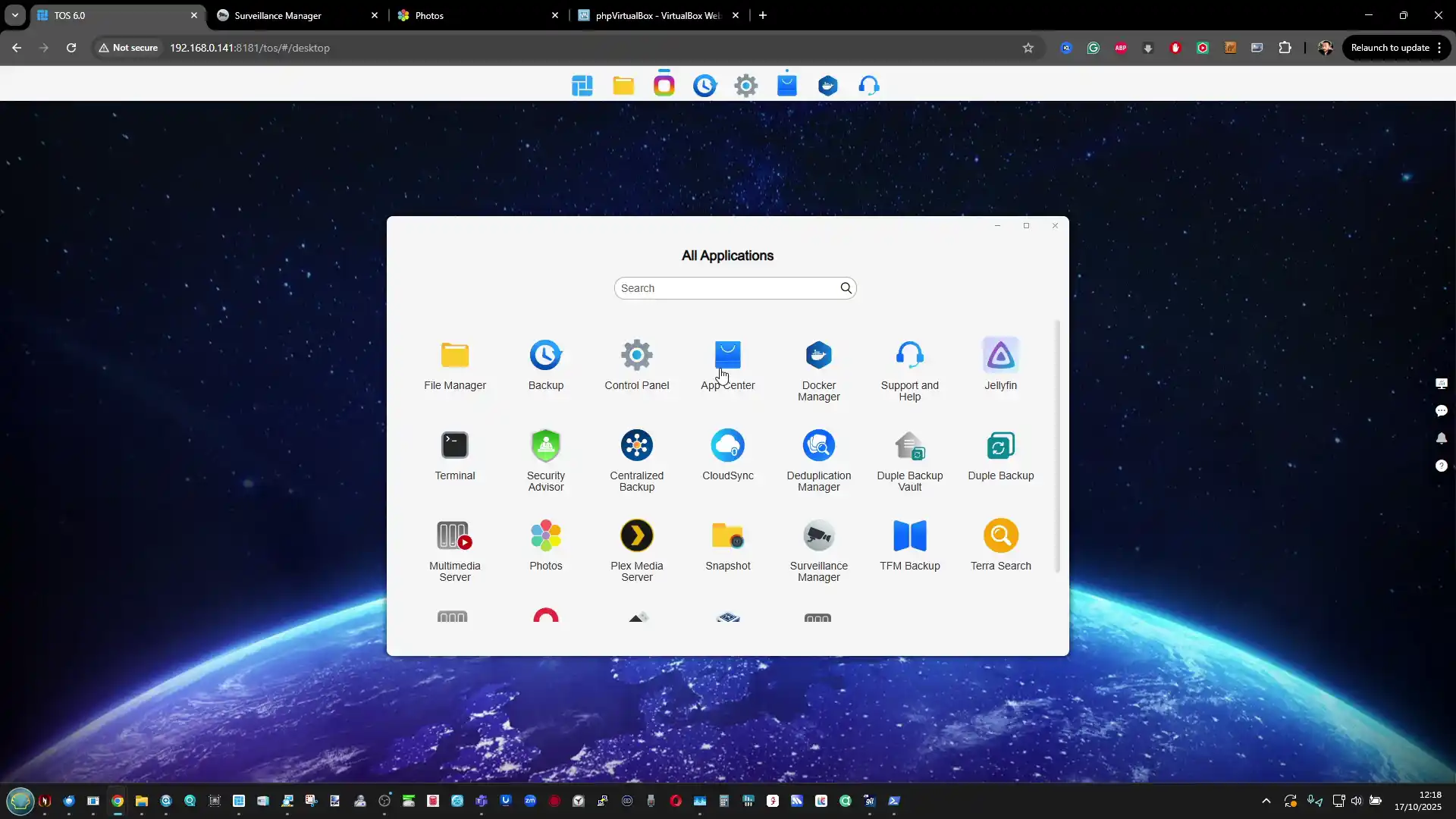
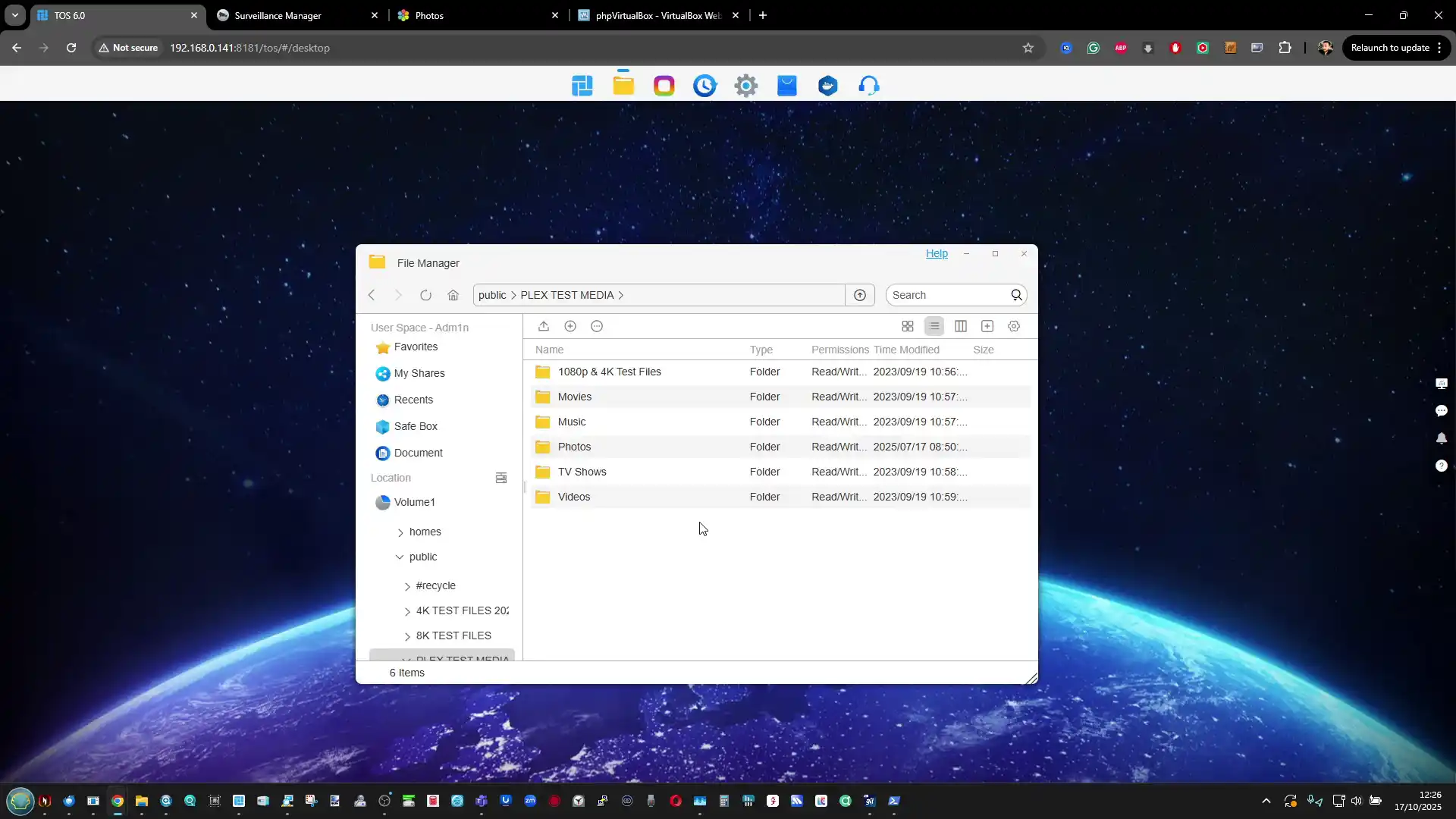
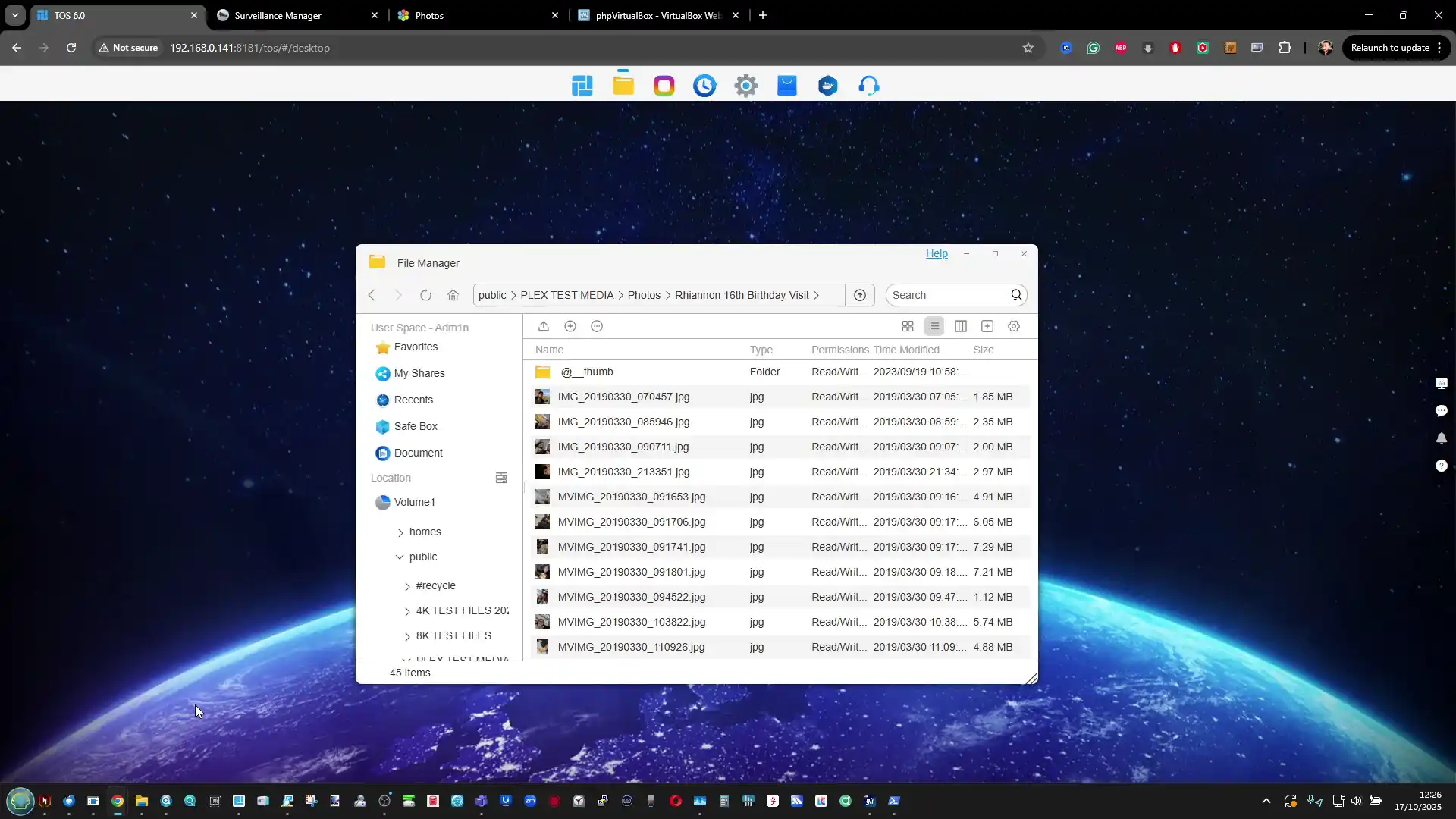
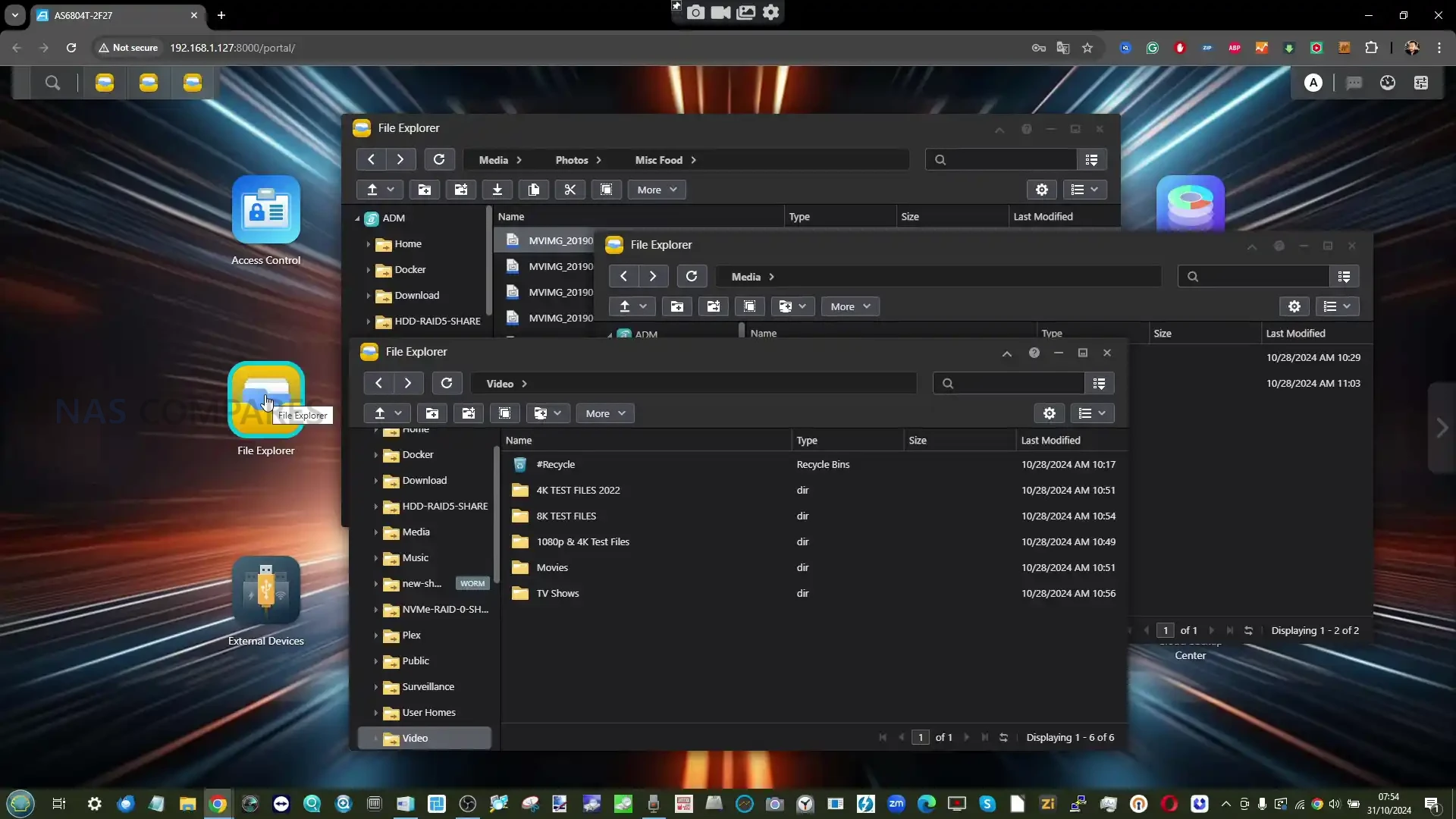
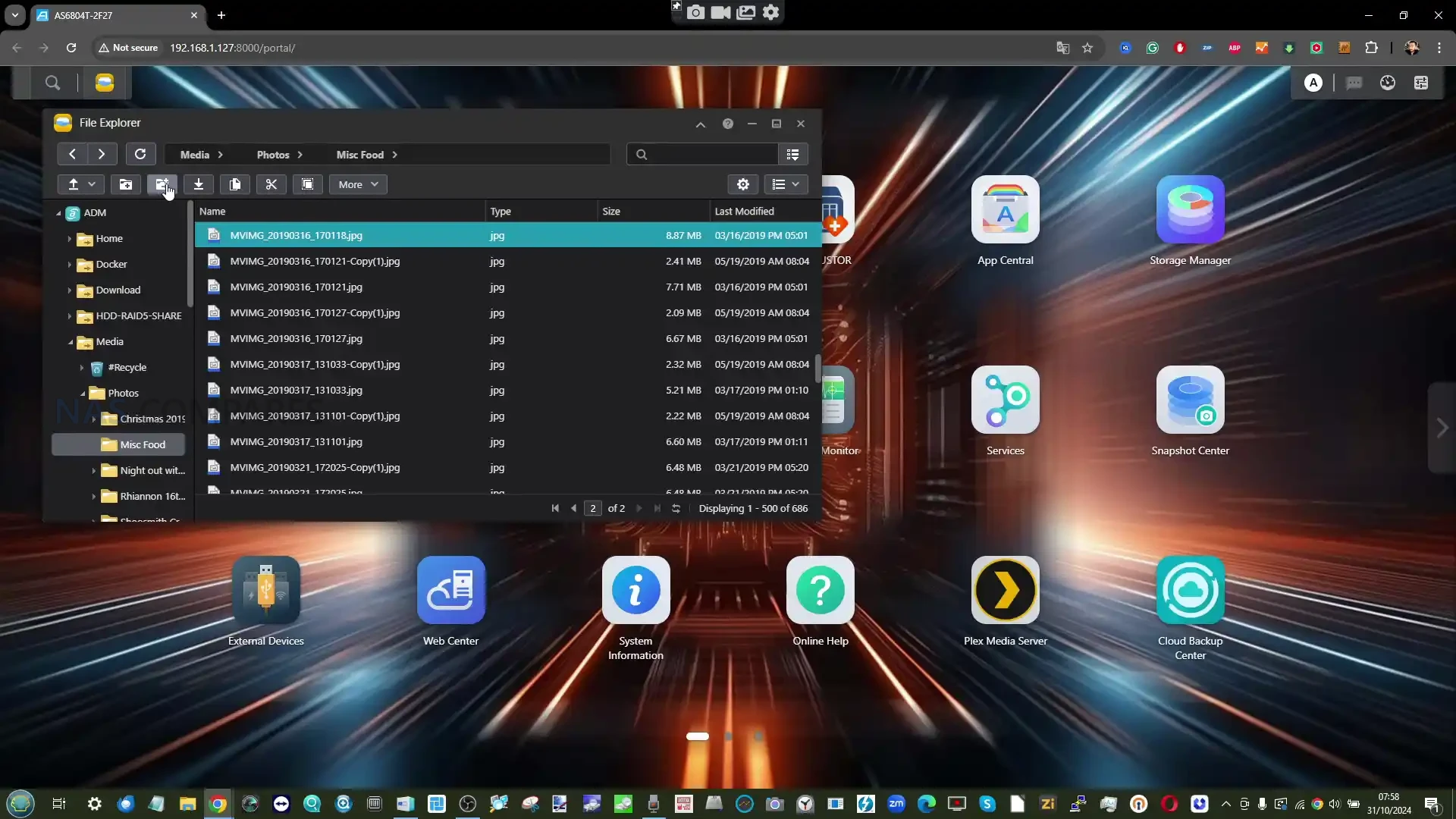
ADM presents a desktop style interface accessed through a web browser, with windowed applications, user accounts and a traditional file manager. It is straightforward to navigate and generally stable in operation. Performance on the N5095 platform is consistent and predictable, with no major responsiveness issues during typical file serving, backup or media management tasks.
 |
 |
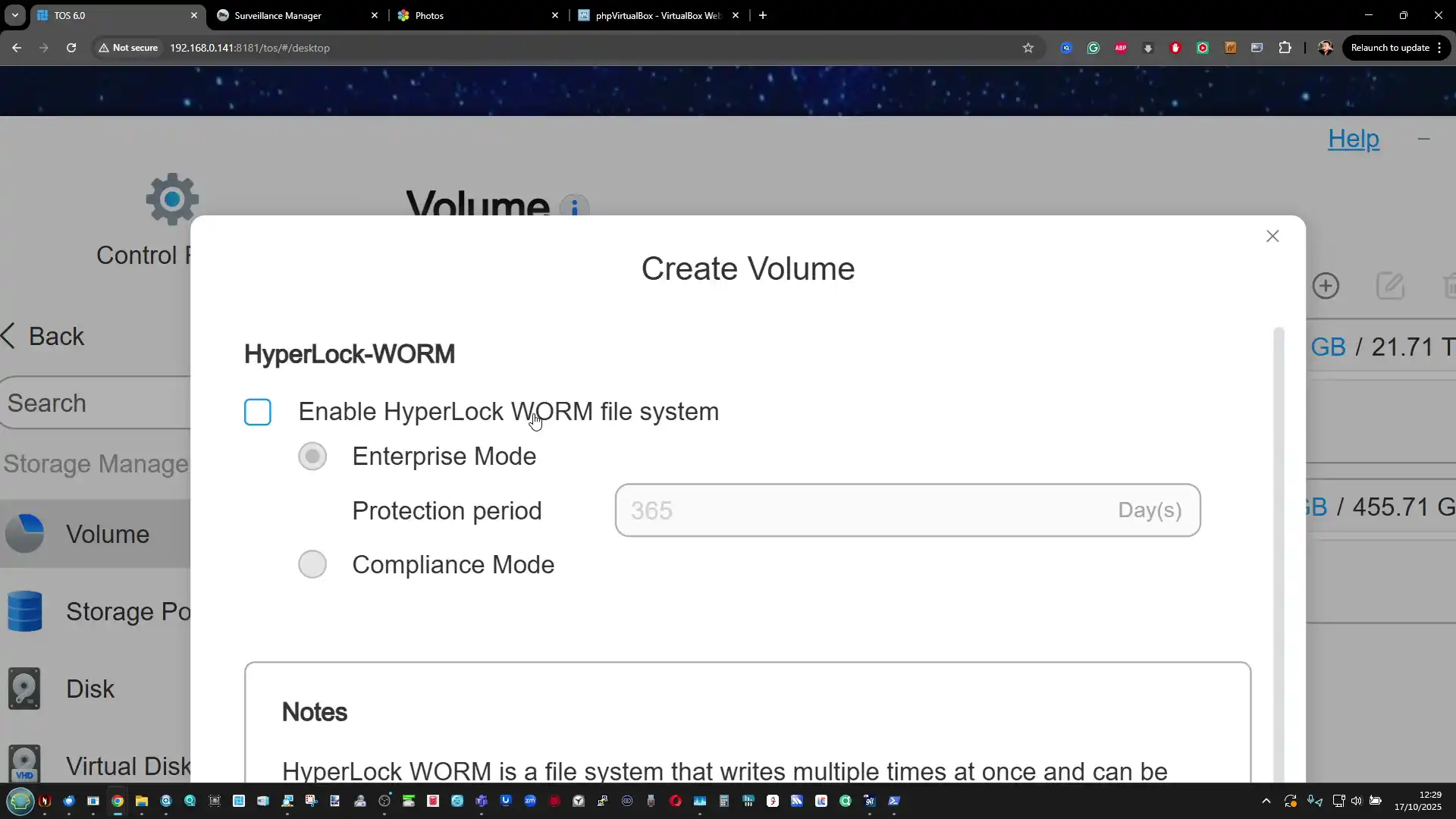
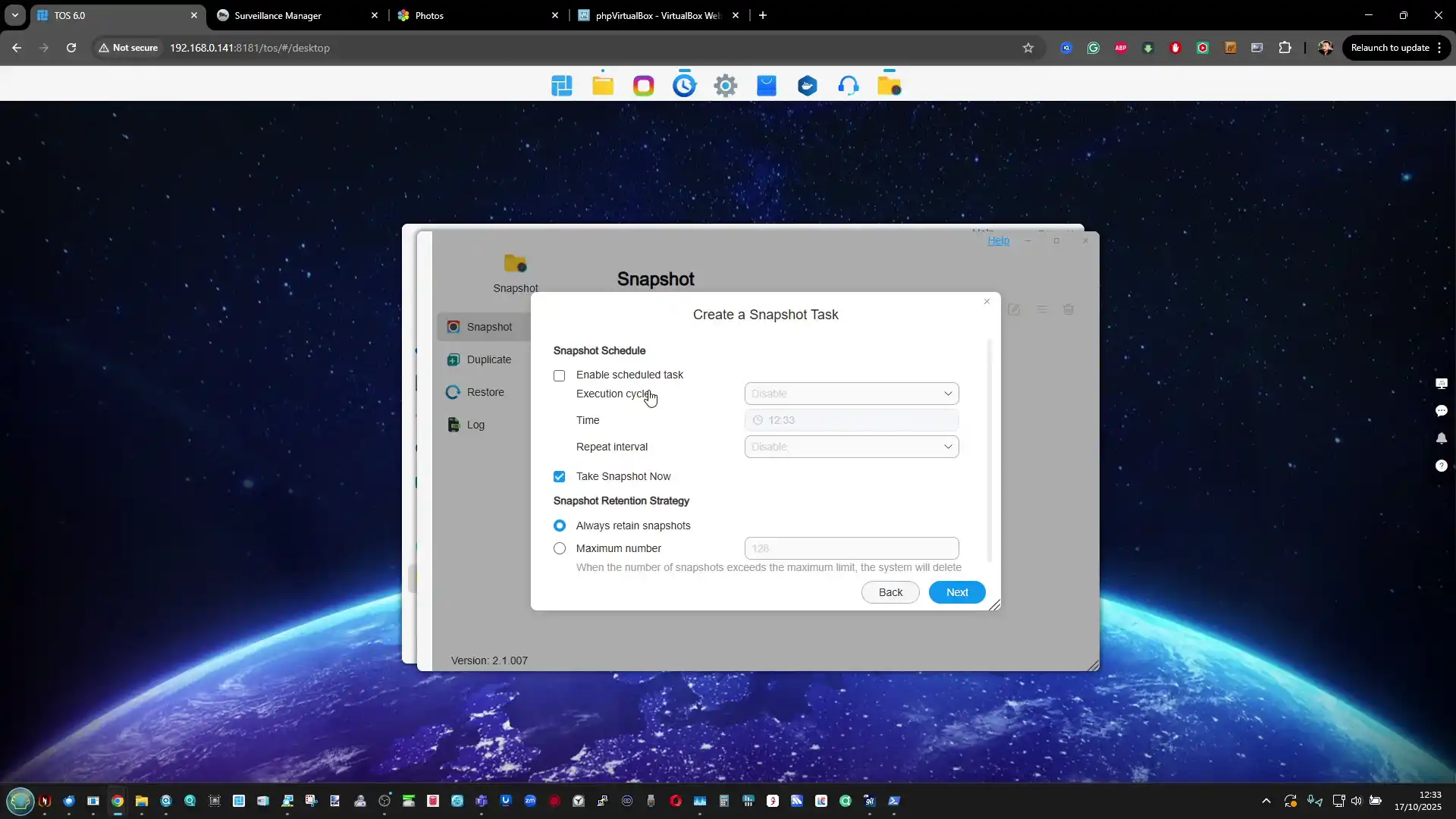
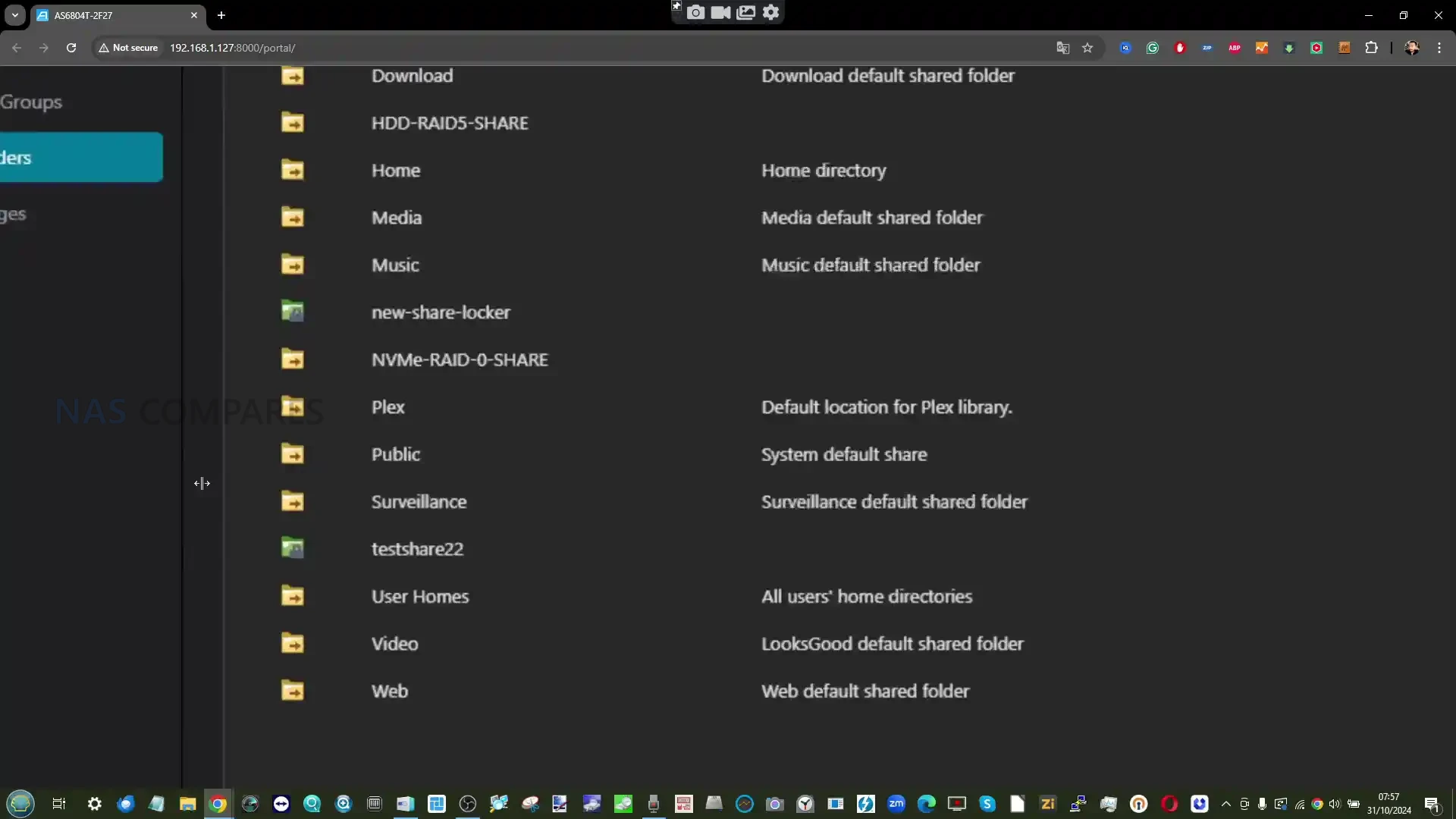
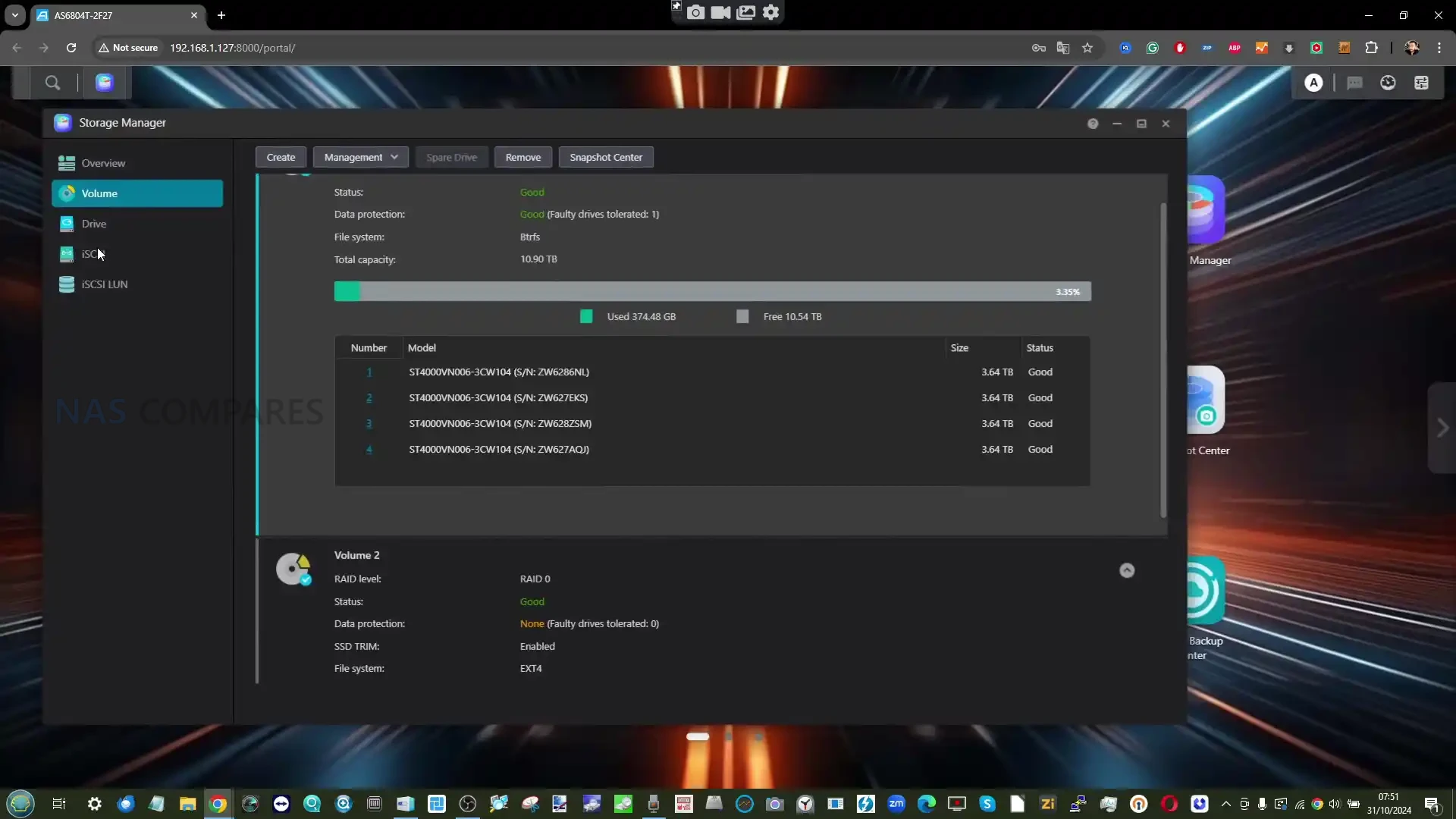
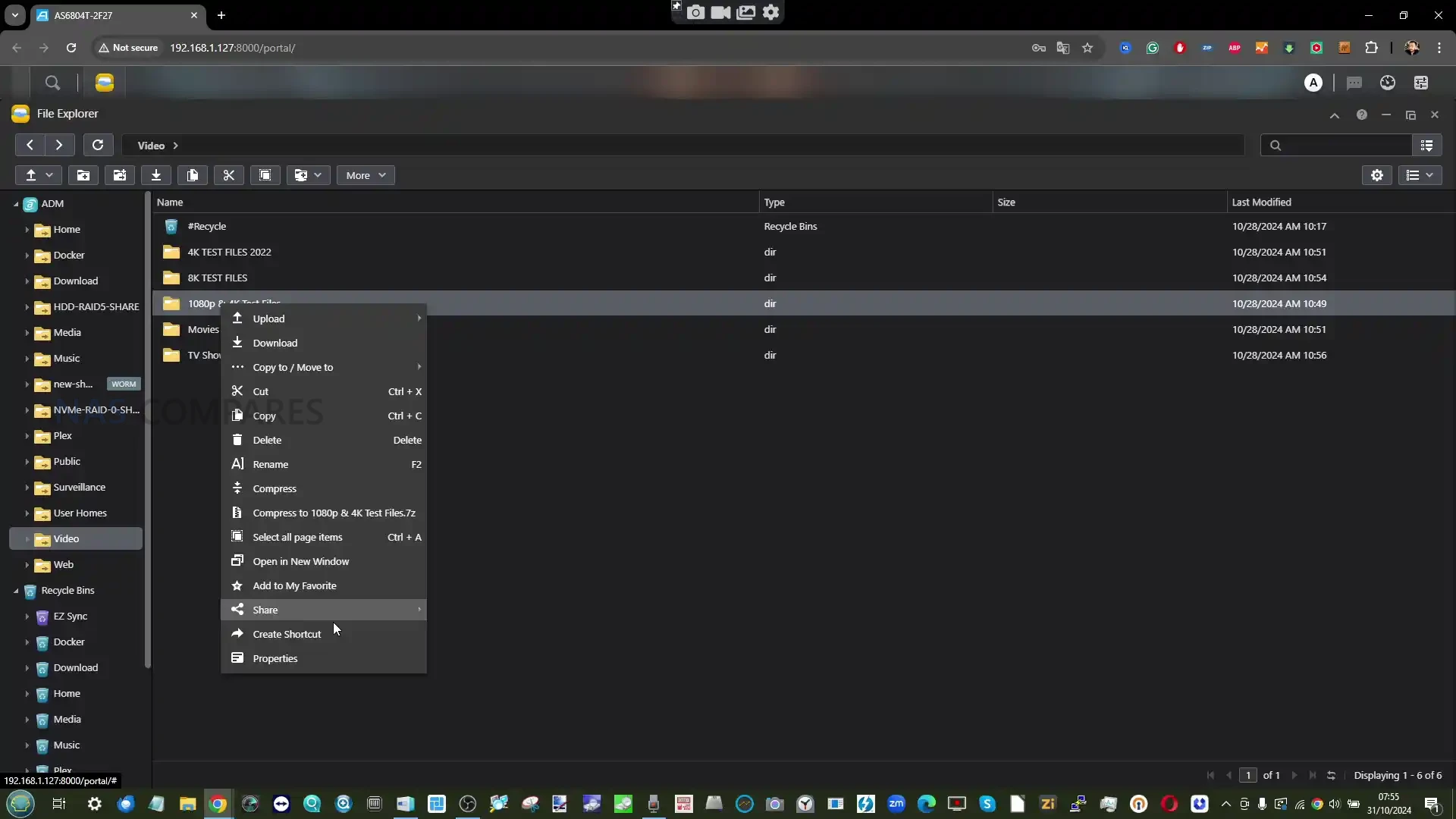
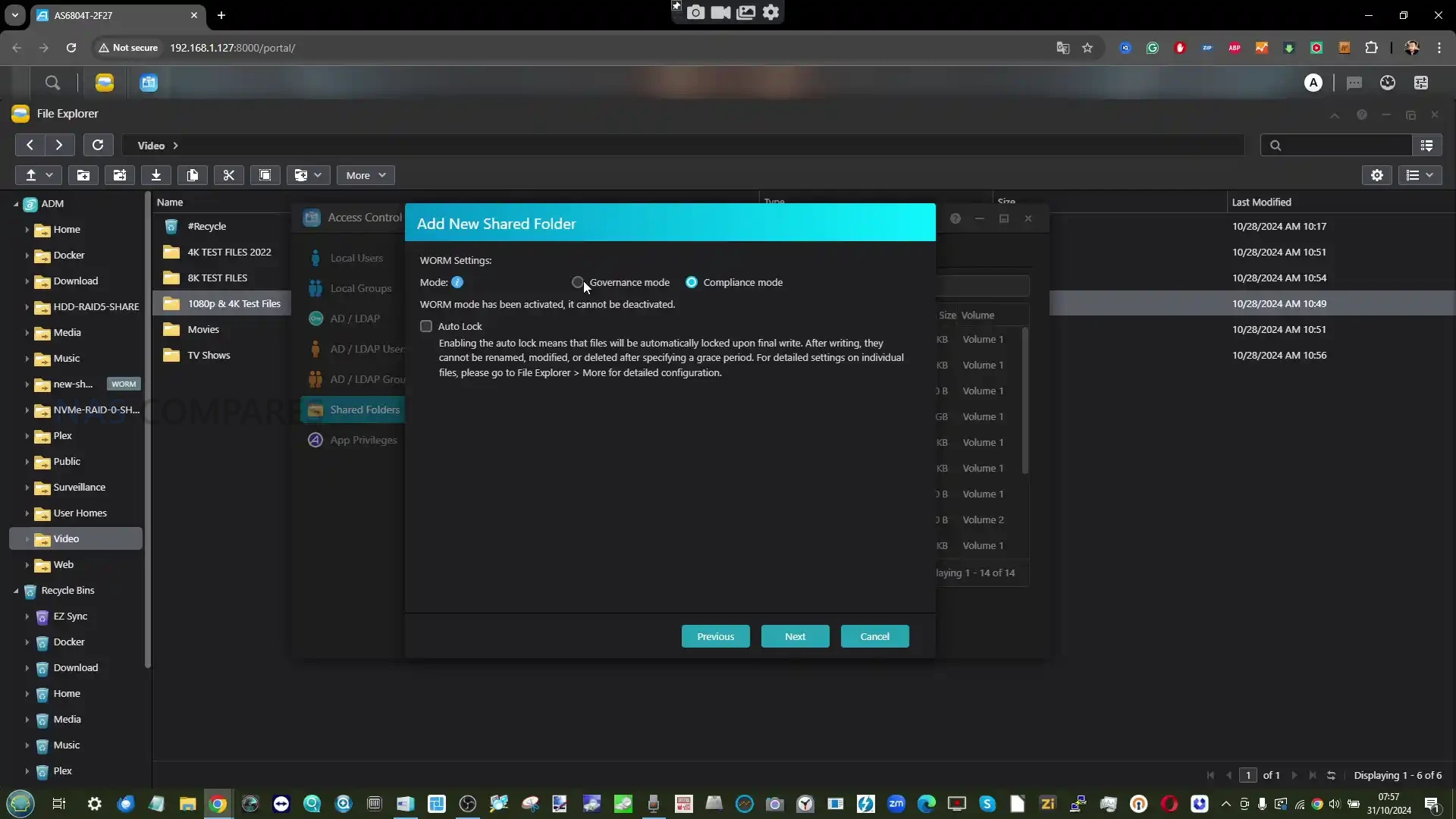
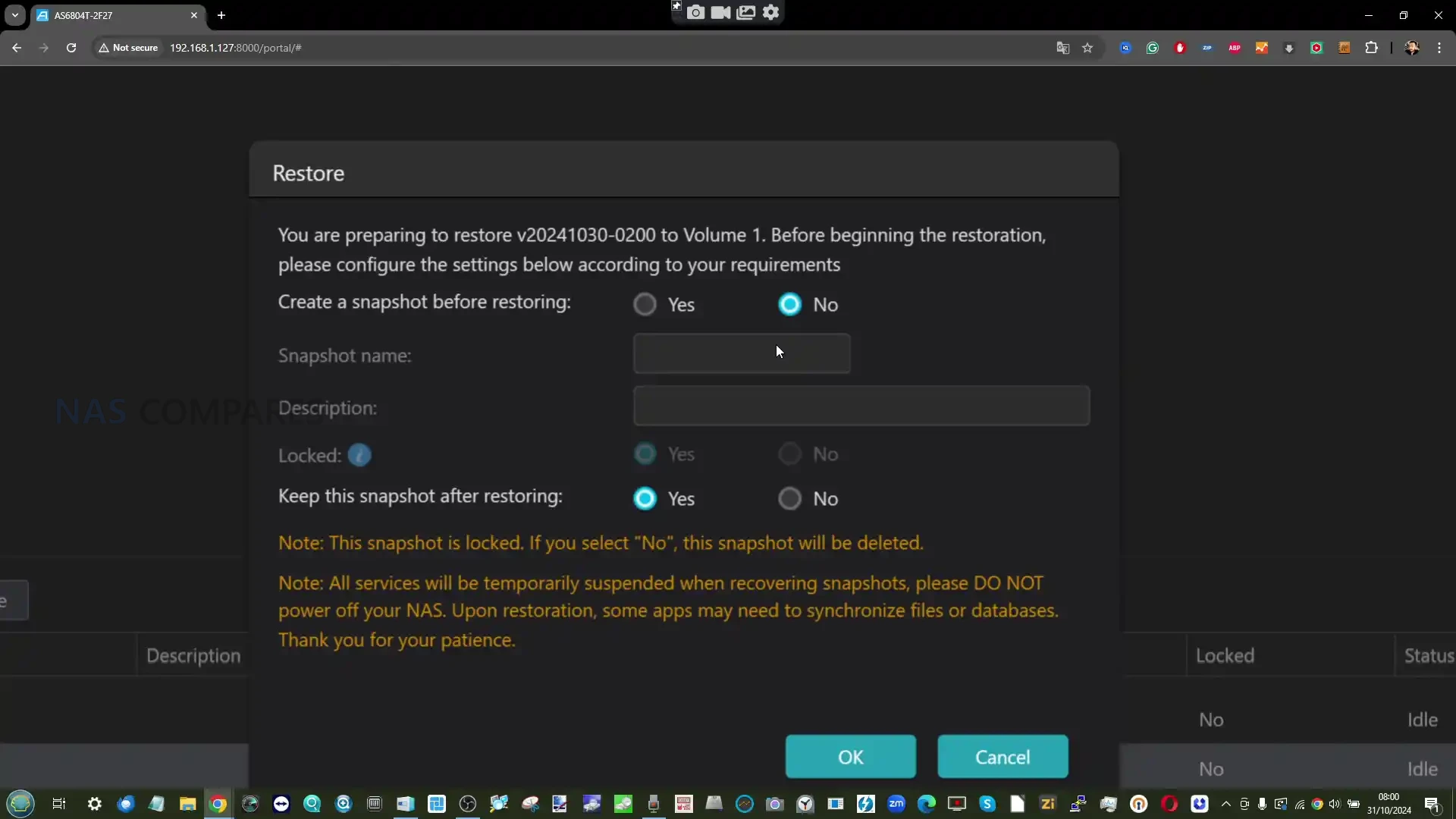
Asustor continues to support both EXT4 and Btrfs file systems. Btrfs brings snapshot support and data versioning for shared folders and iSCSI volumes, while EXT4 remains available for users who prefer a simpler, lower overhead file system. Snapshot Center integrates with Btrfs to provide scheduled and manual snapshots, offering basic protection against accidental deletion or ransomware scenarios.
 |
 |
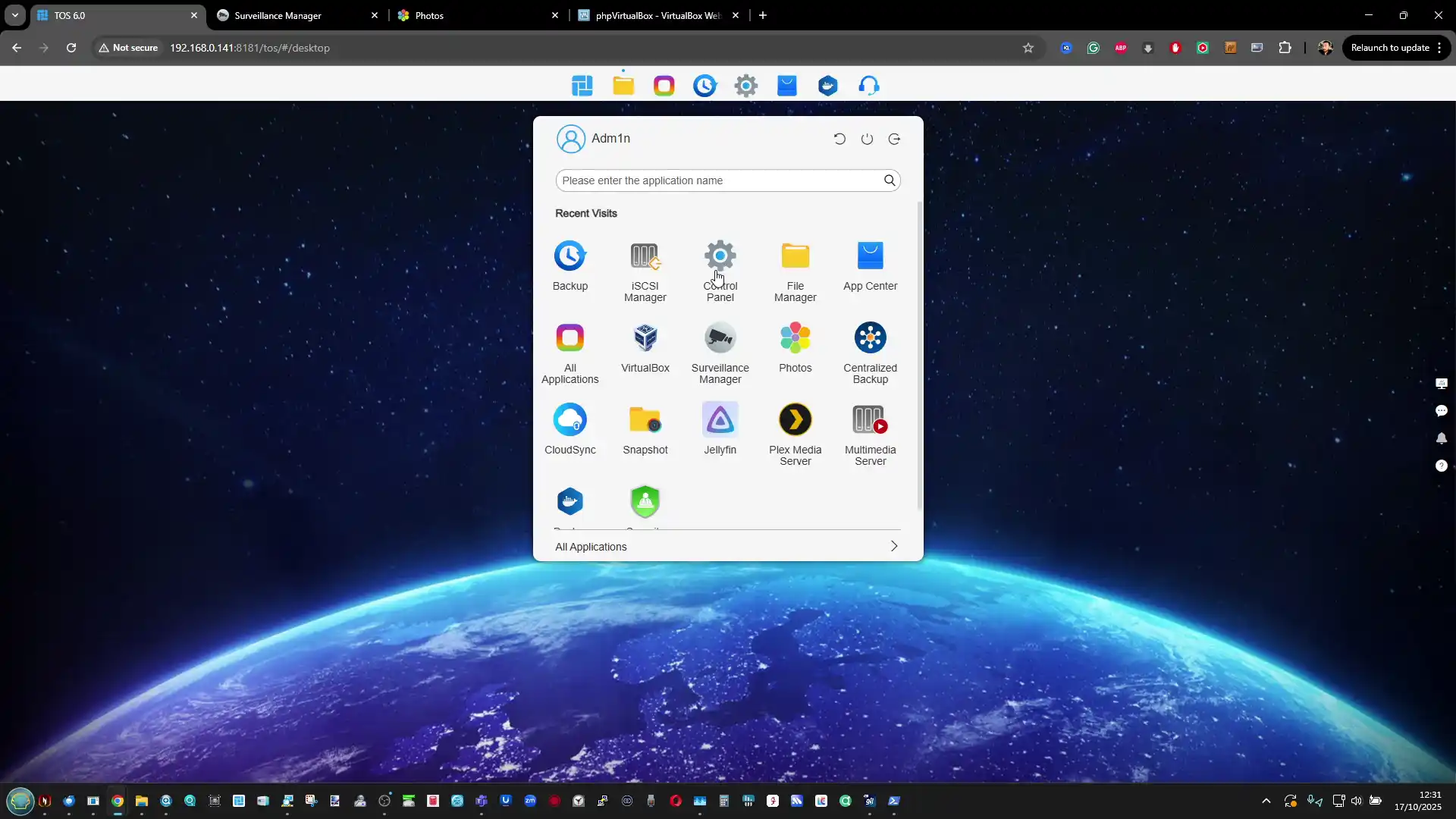
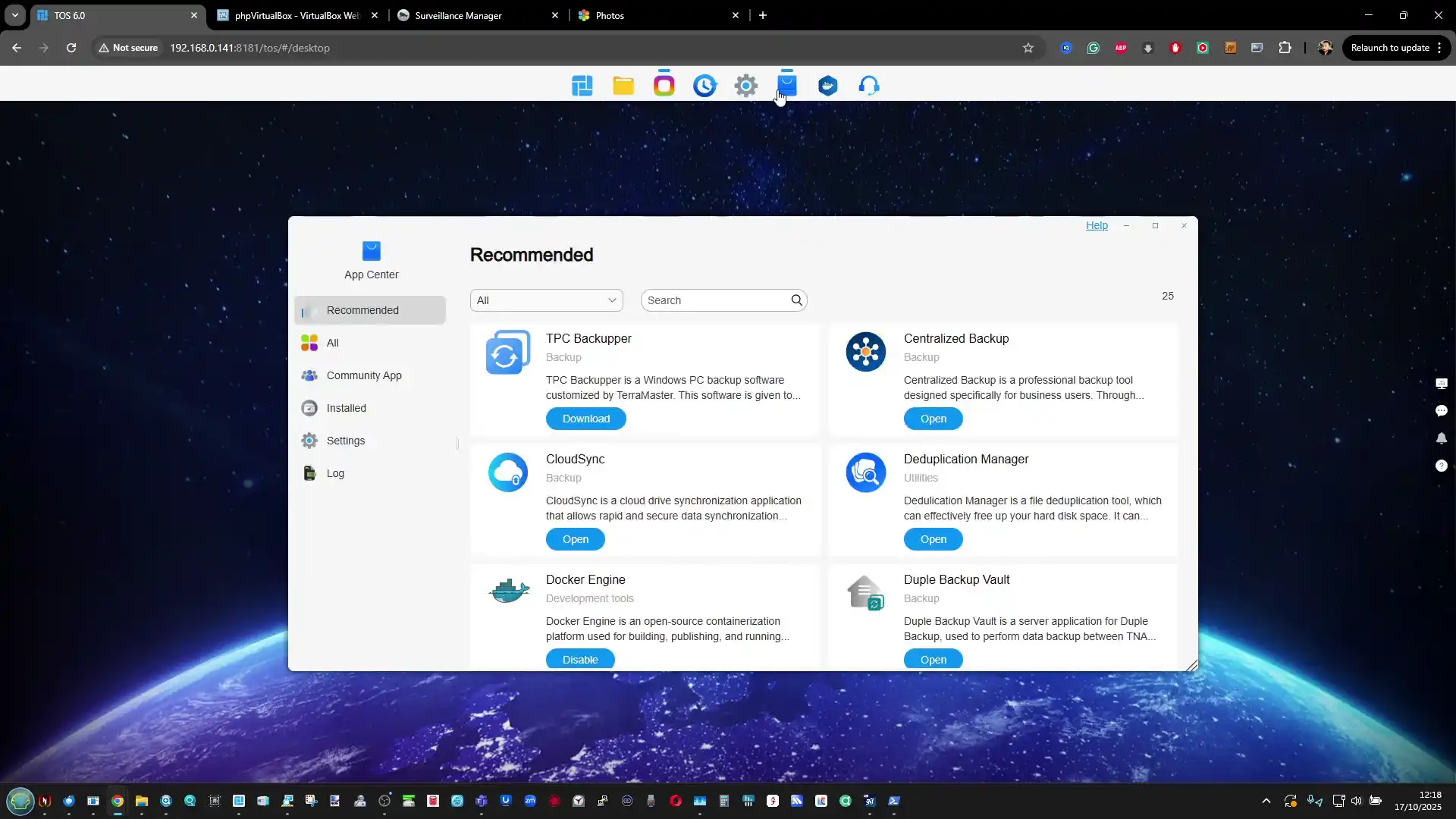
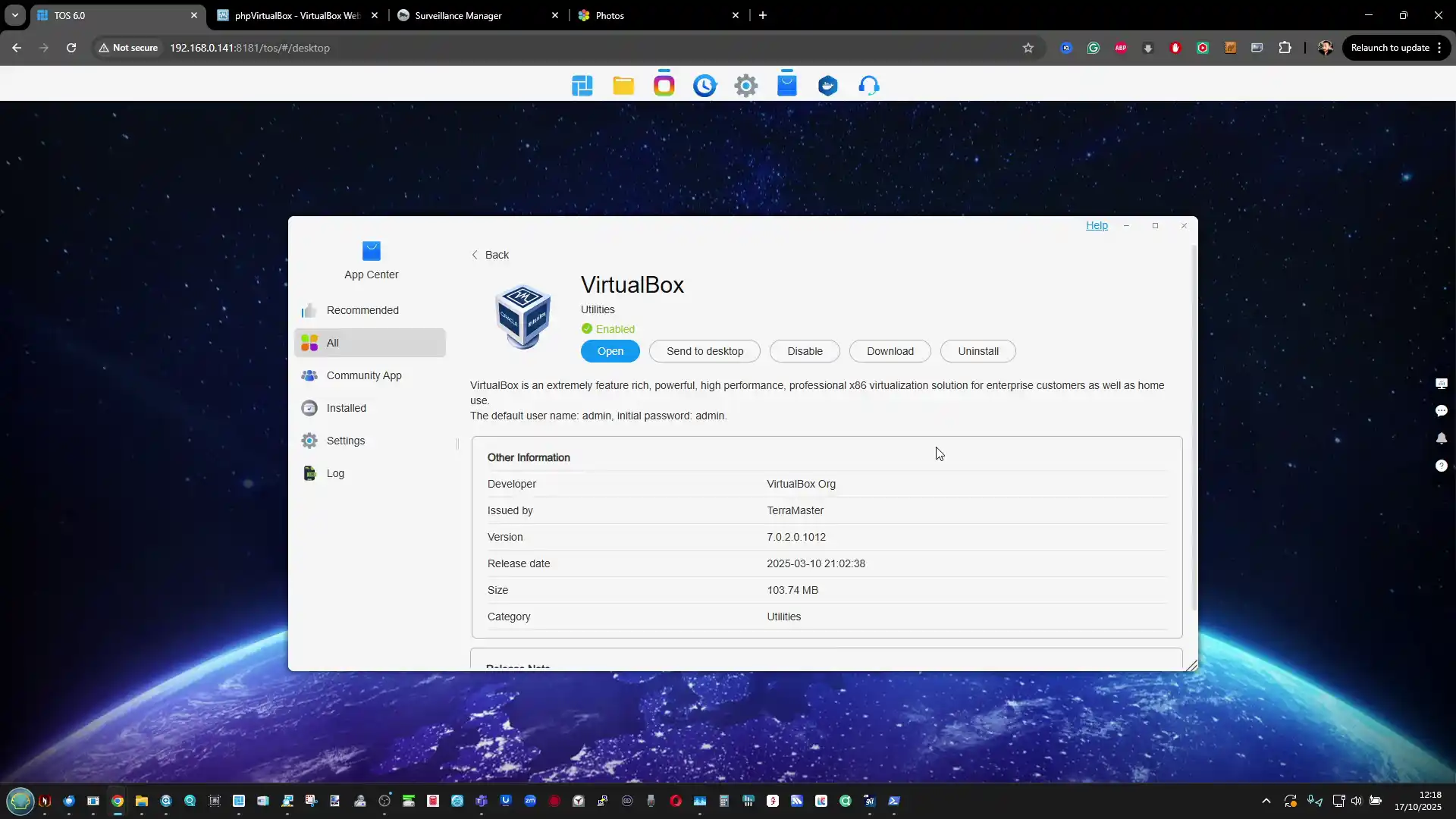
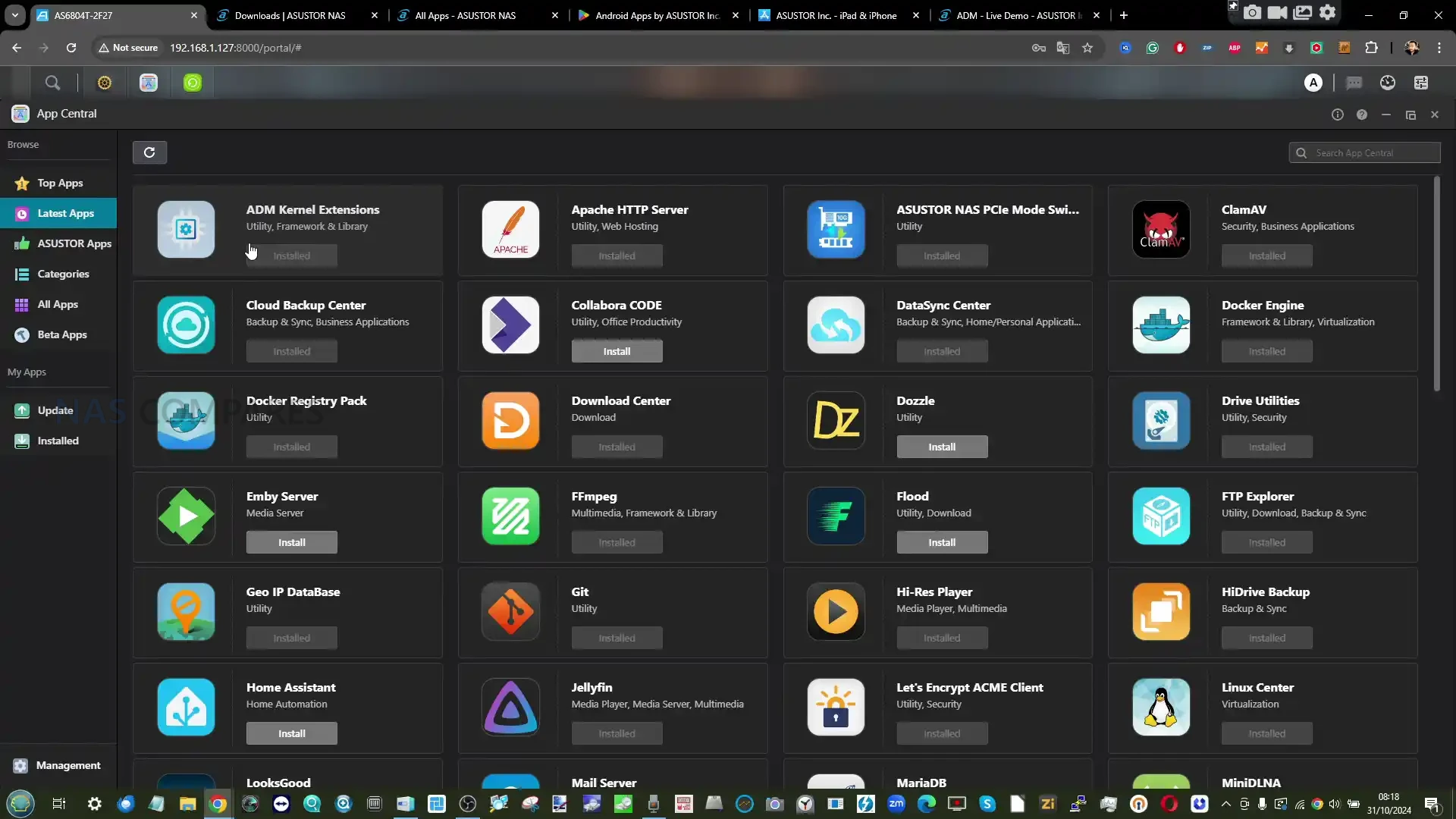
The application ecosystem in ADM remains broad but uneven. Core first party applications for storage management, backups, media indexing and basic virtualization are present and generally reliable. However, a number of advanced functions rely heavily on third party software. Virtualization, for example, is still built around VirtualBox rather than a native hypervisor. Container support is provided through Docker and Portainer, which is flexible but assumes a degree of user familiarity.
 |
 |
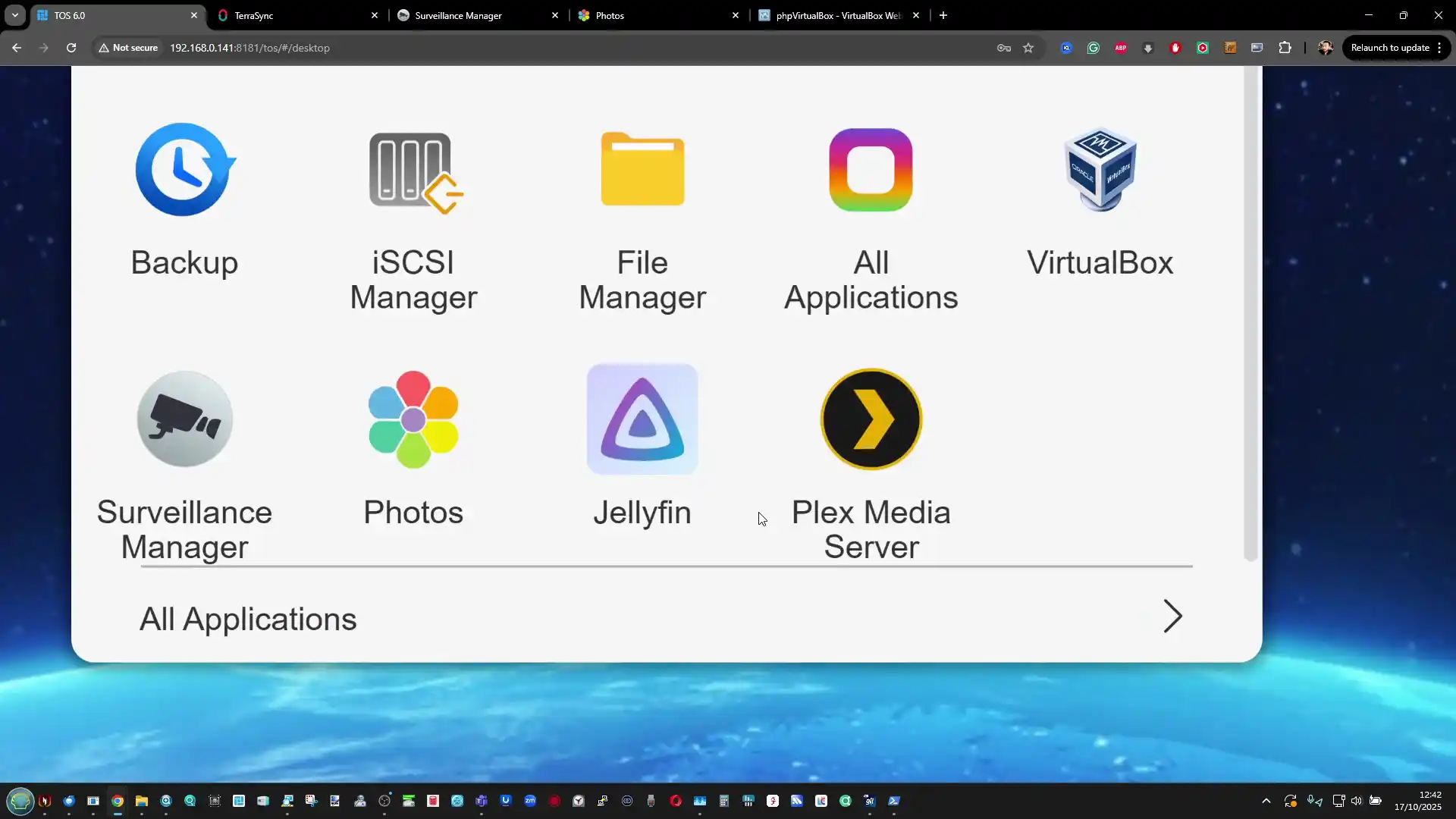
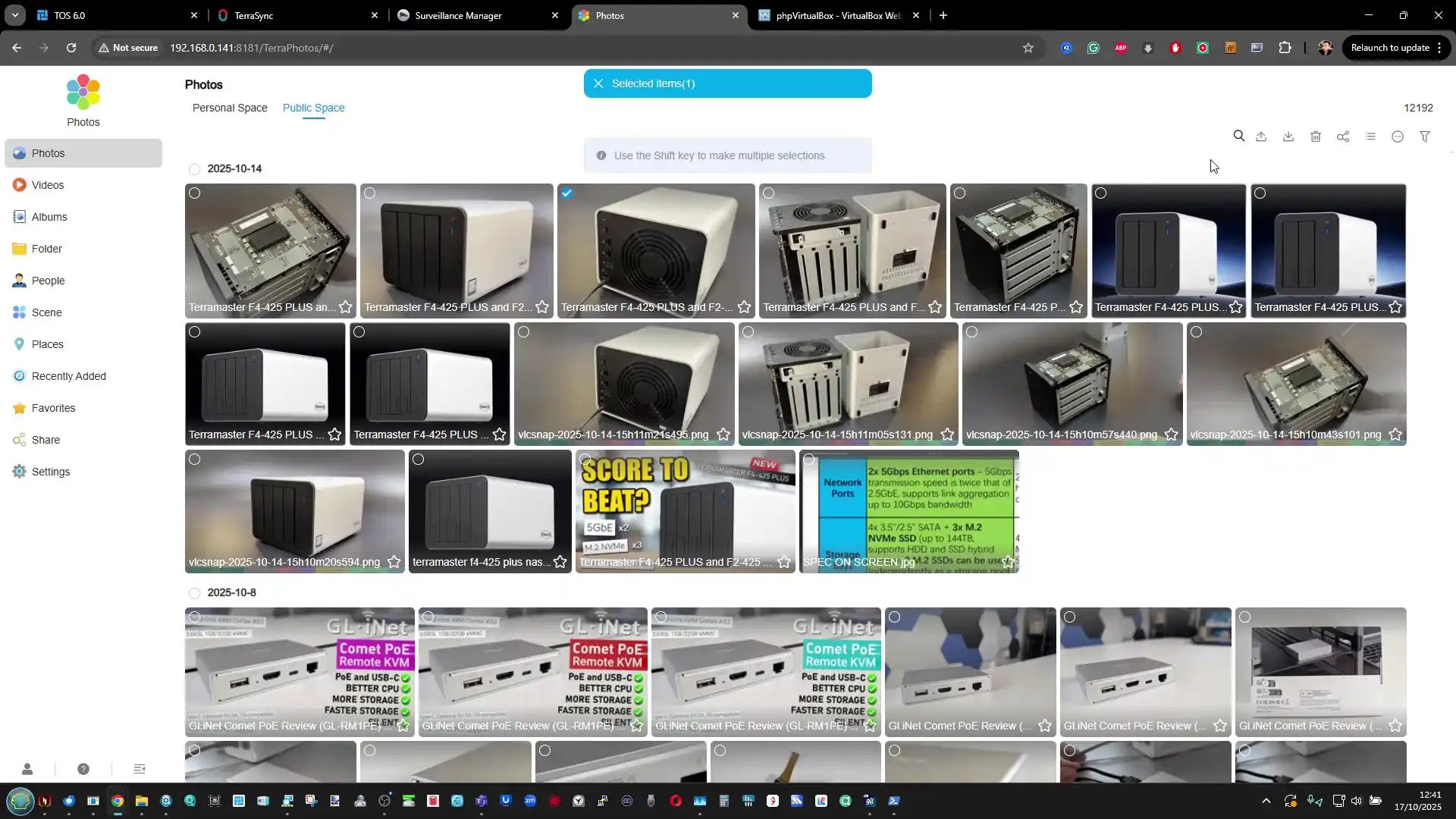
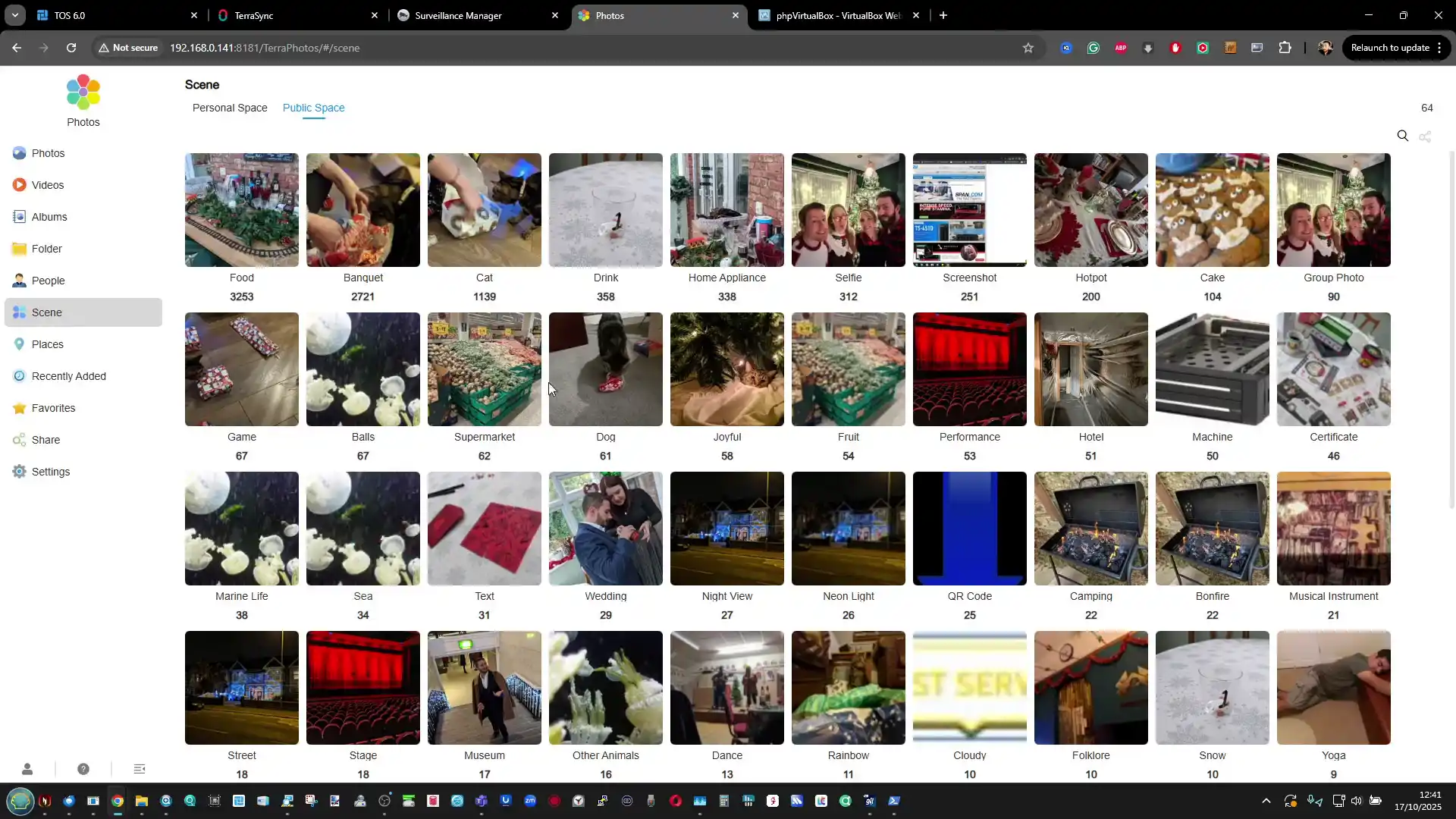
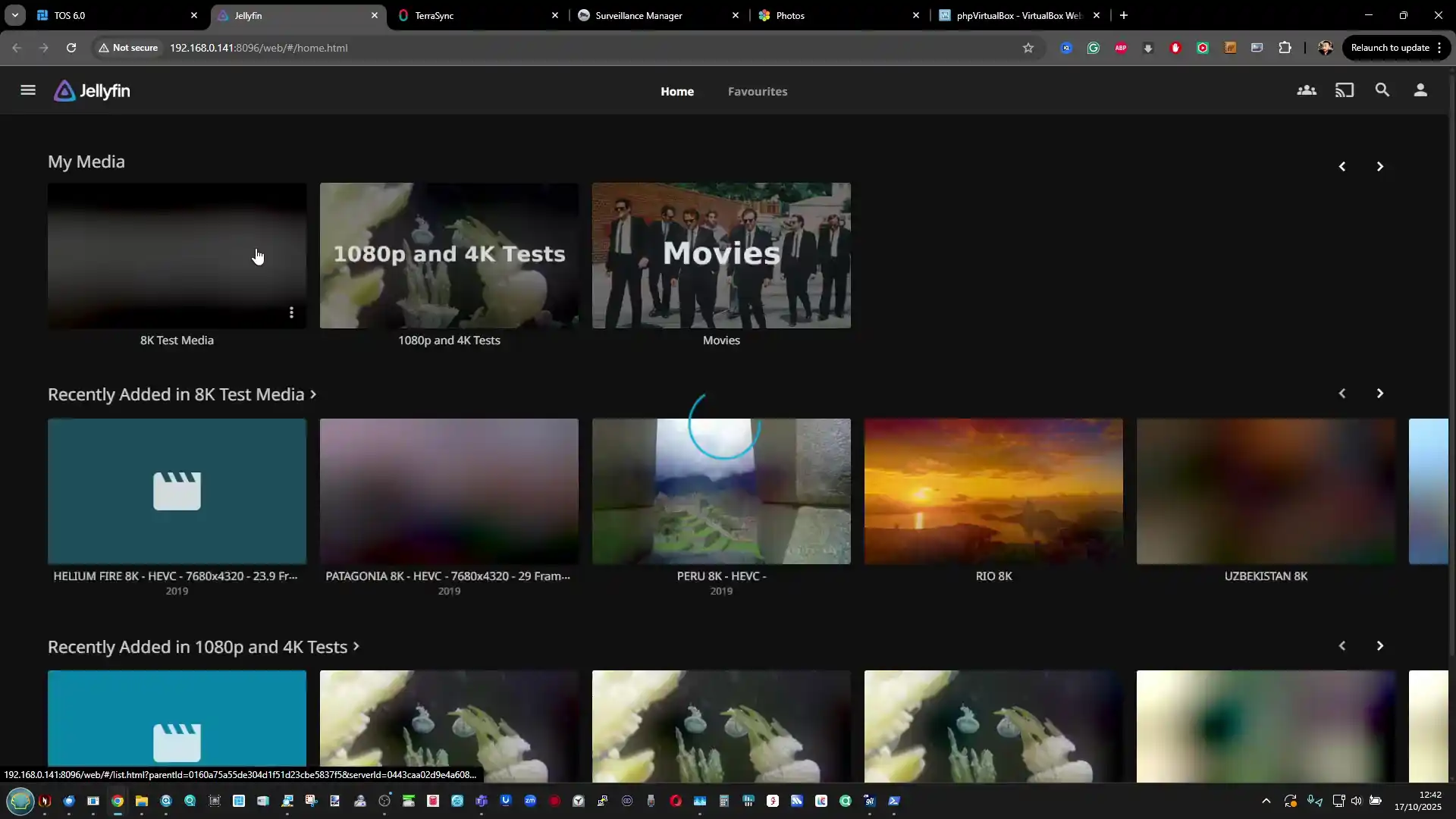
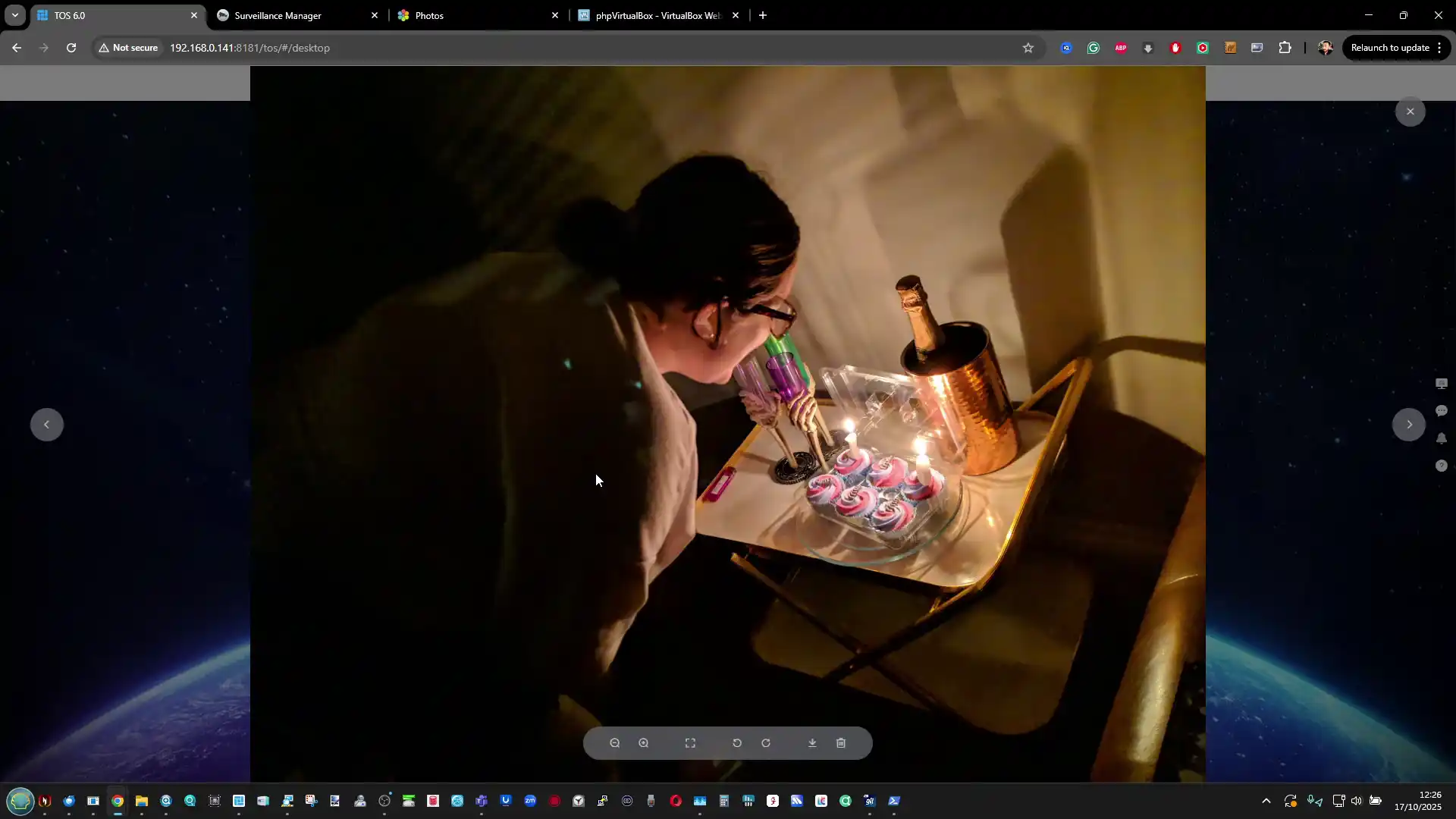
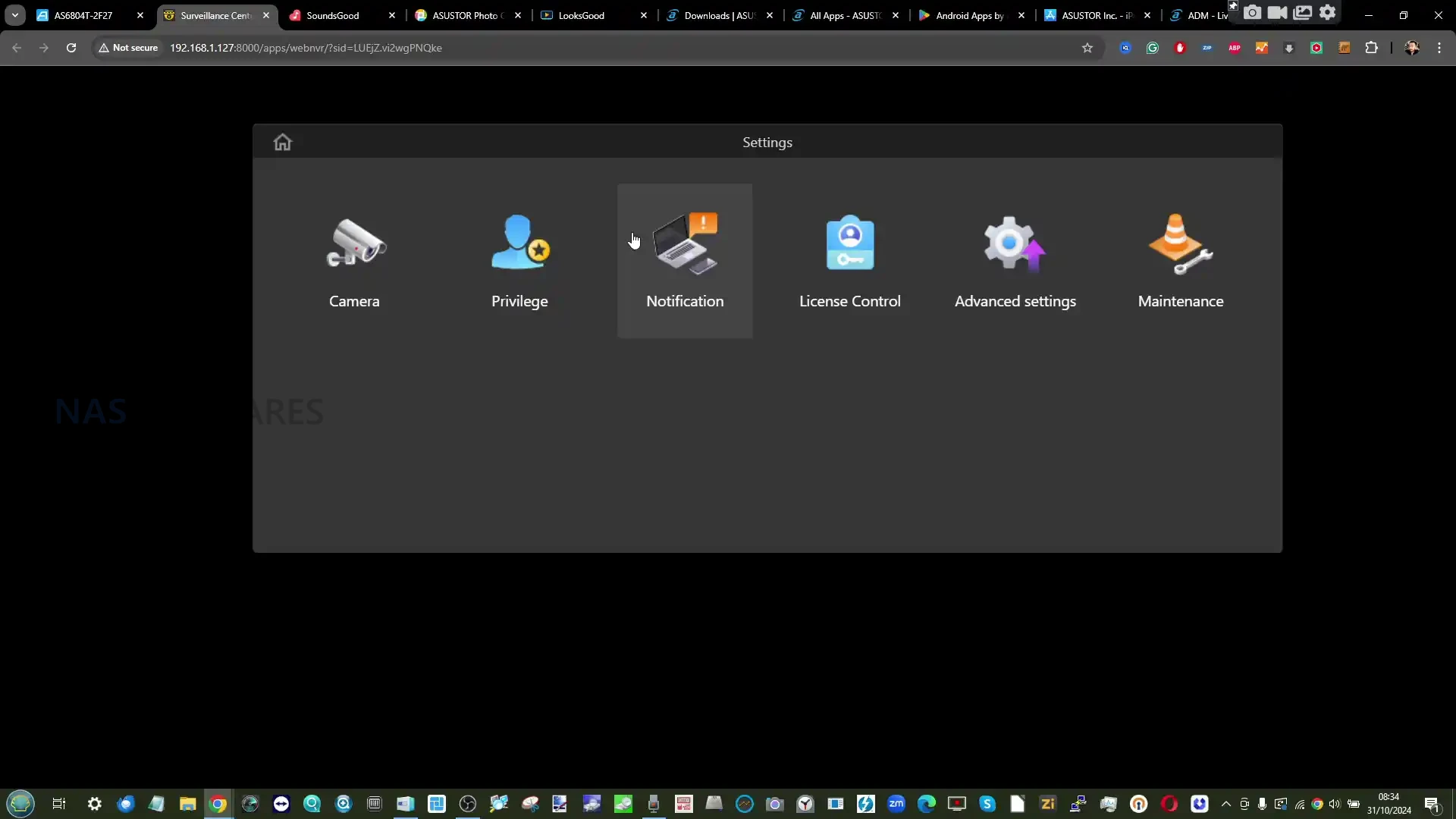
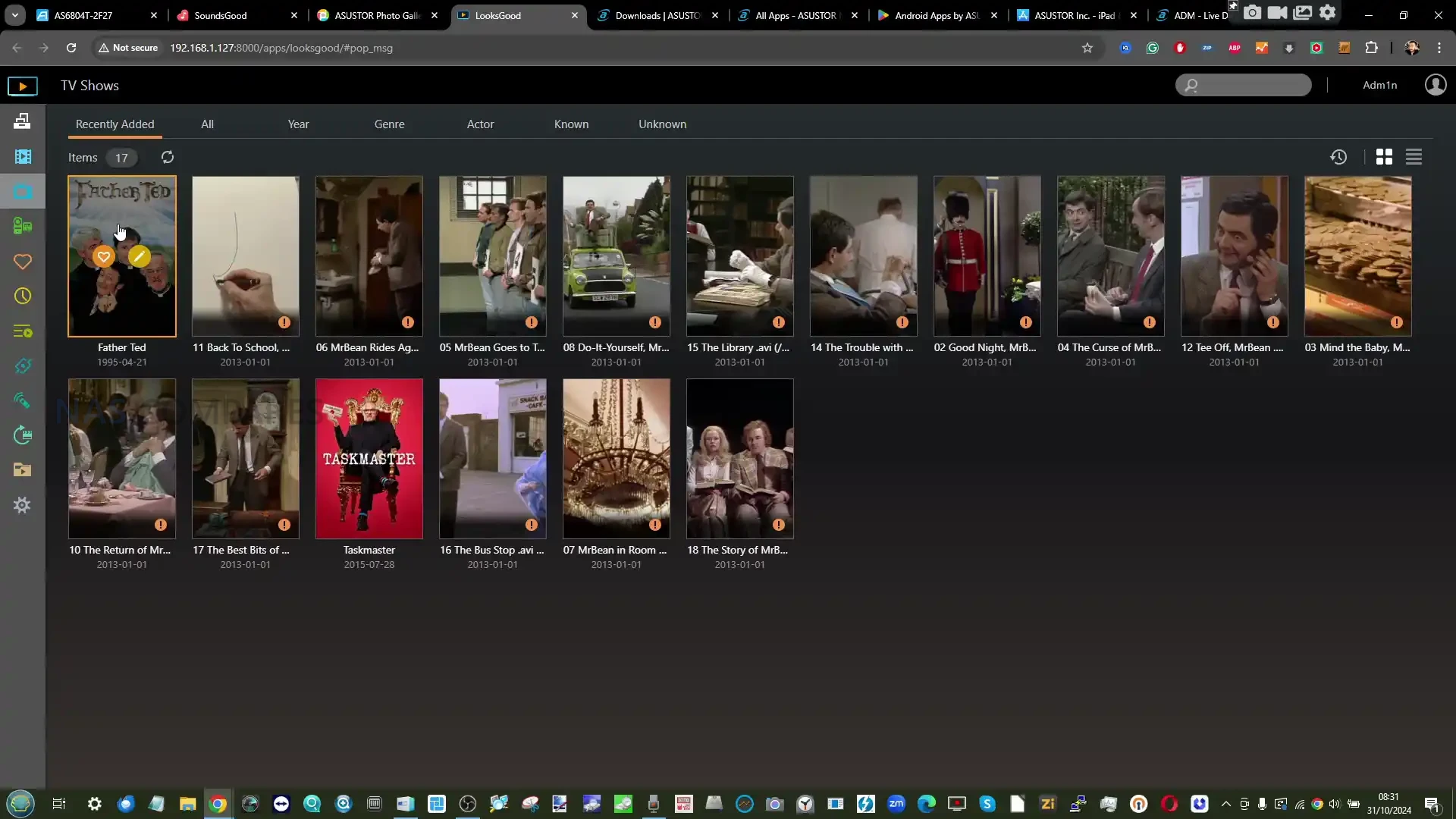
Multimedia support is one of ADM’s stronger areas. Applications such as LooksGood, Photo Gallery and SoundsGood provide local media management and streaming, and hardware assisted video transcoding is available through the Intel integrated graphics. HDMI output via Asustor Portal runs in parallel to ADM and allows direct playback and interaction with selected applications. While this remains more fully featured than some competing HDMI implementations, it is clearly secondary to the browser based interface and receives fewer updates.
 |
 |
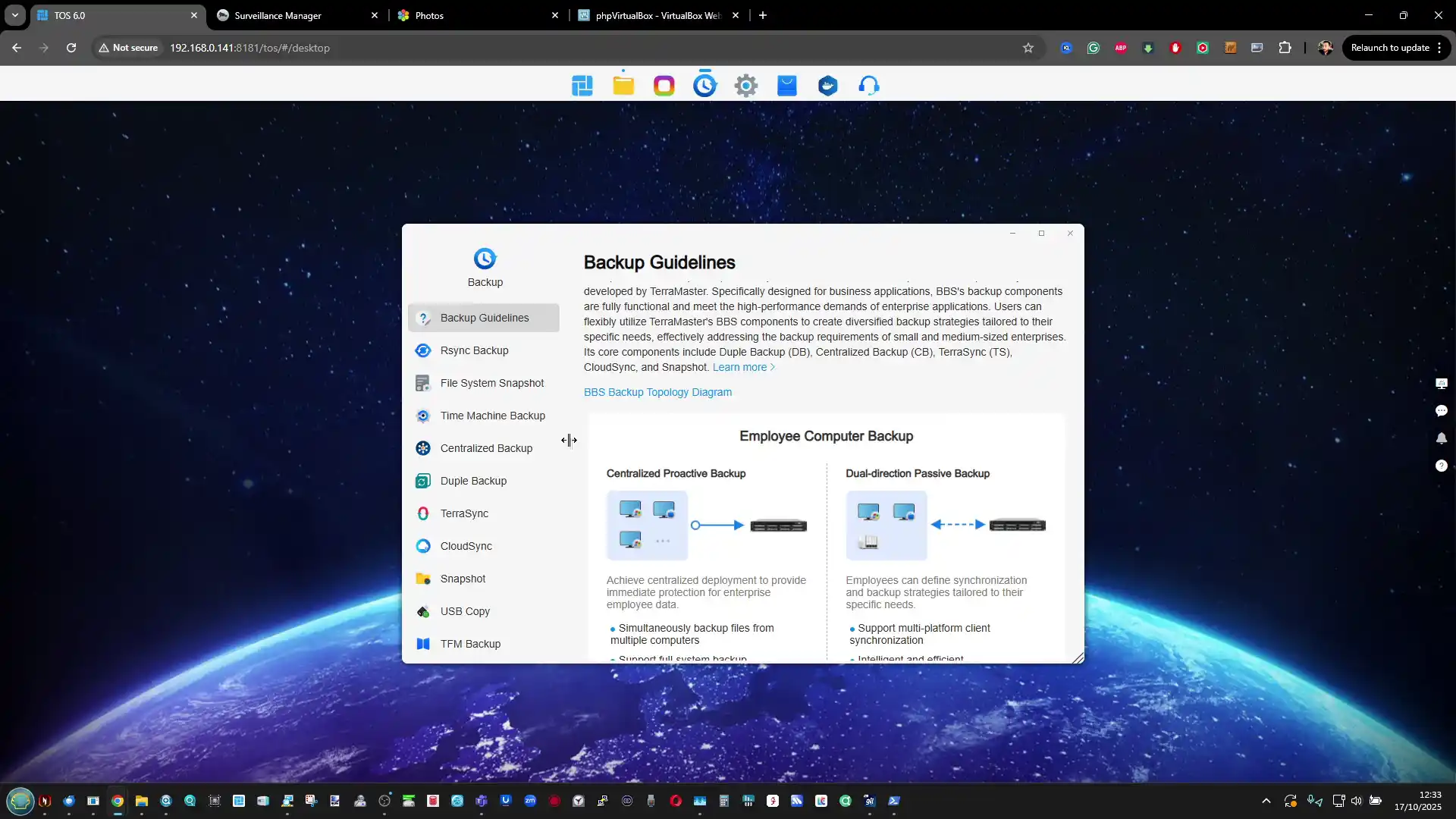
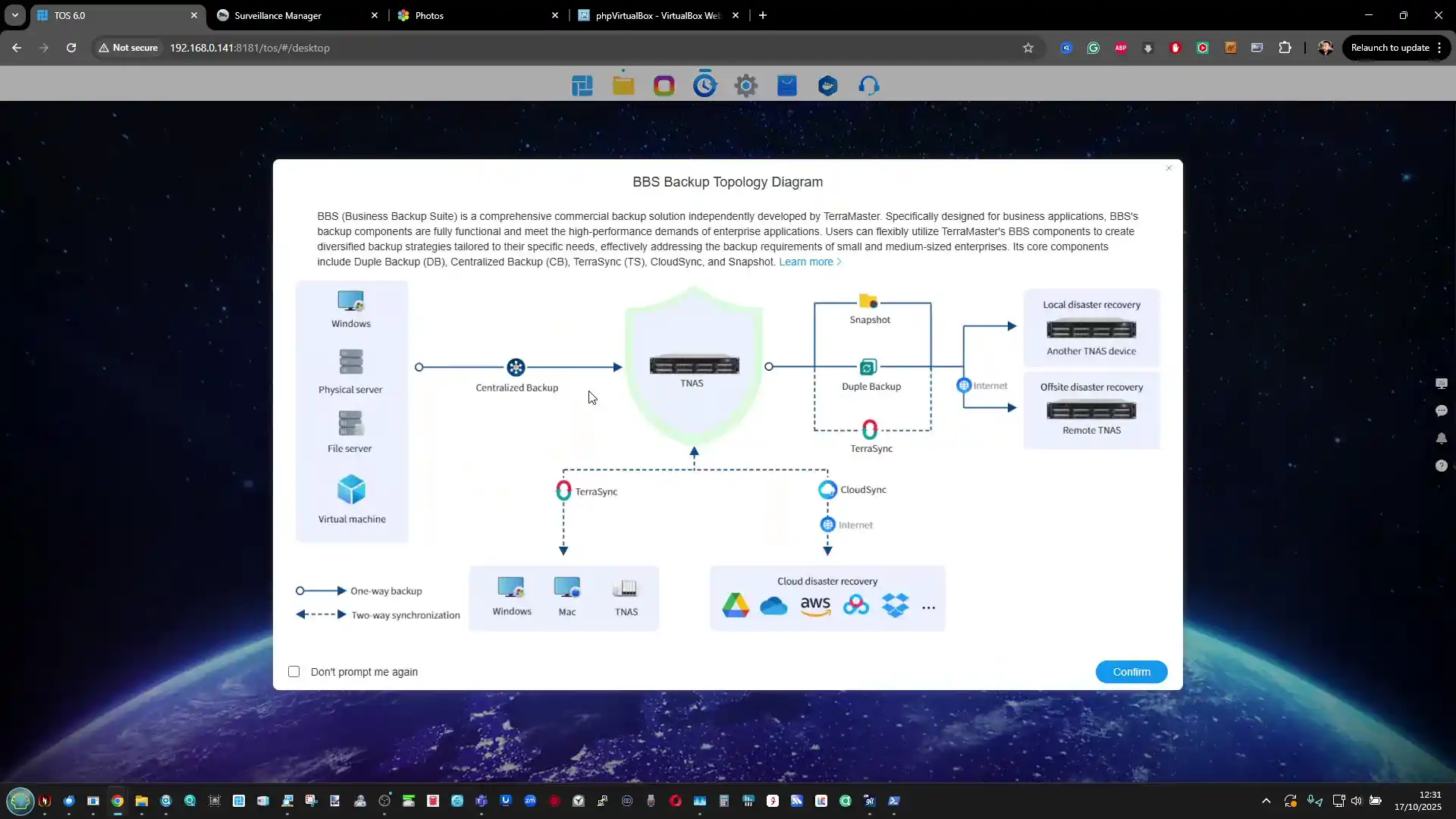
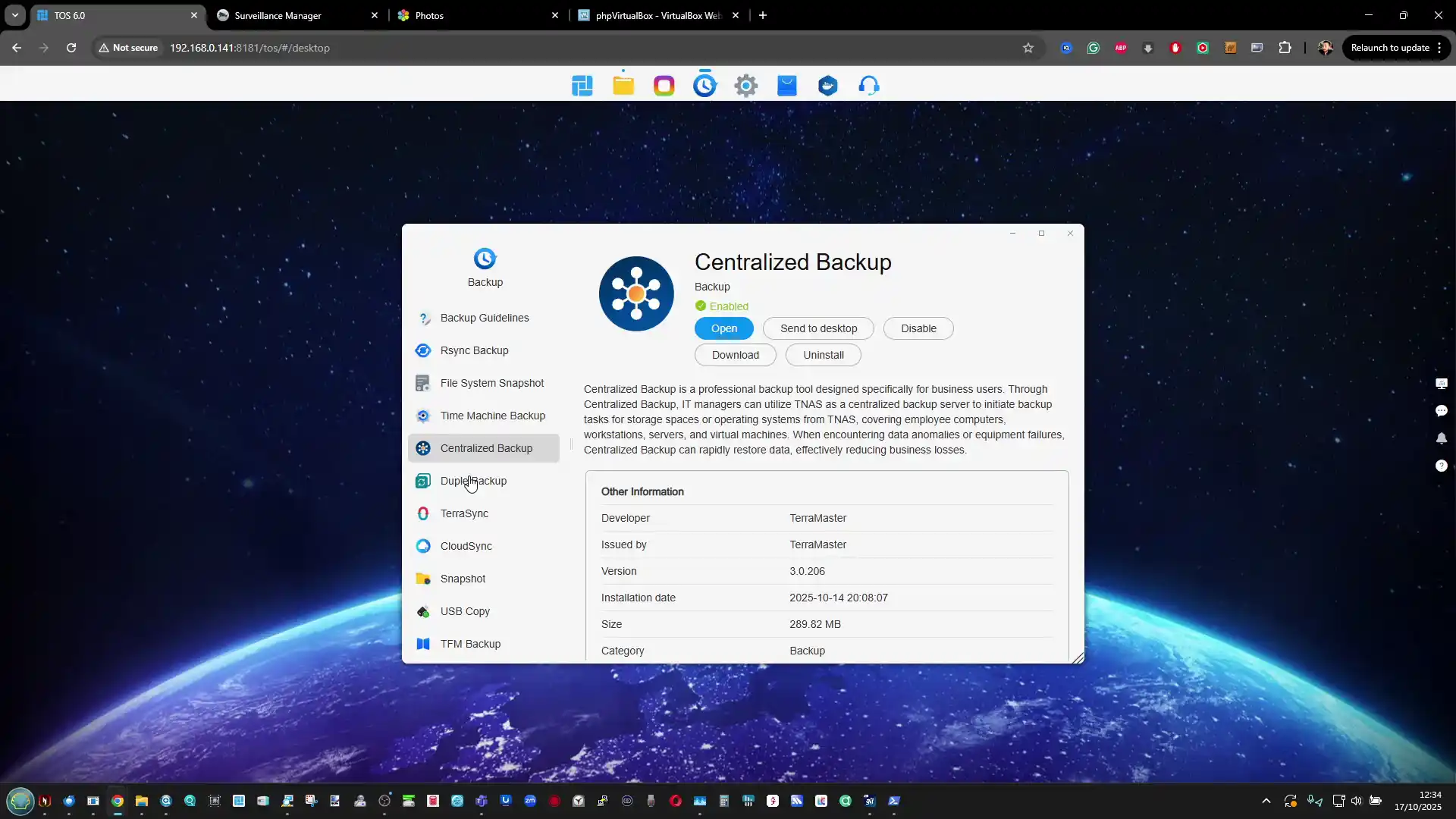
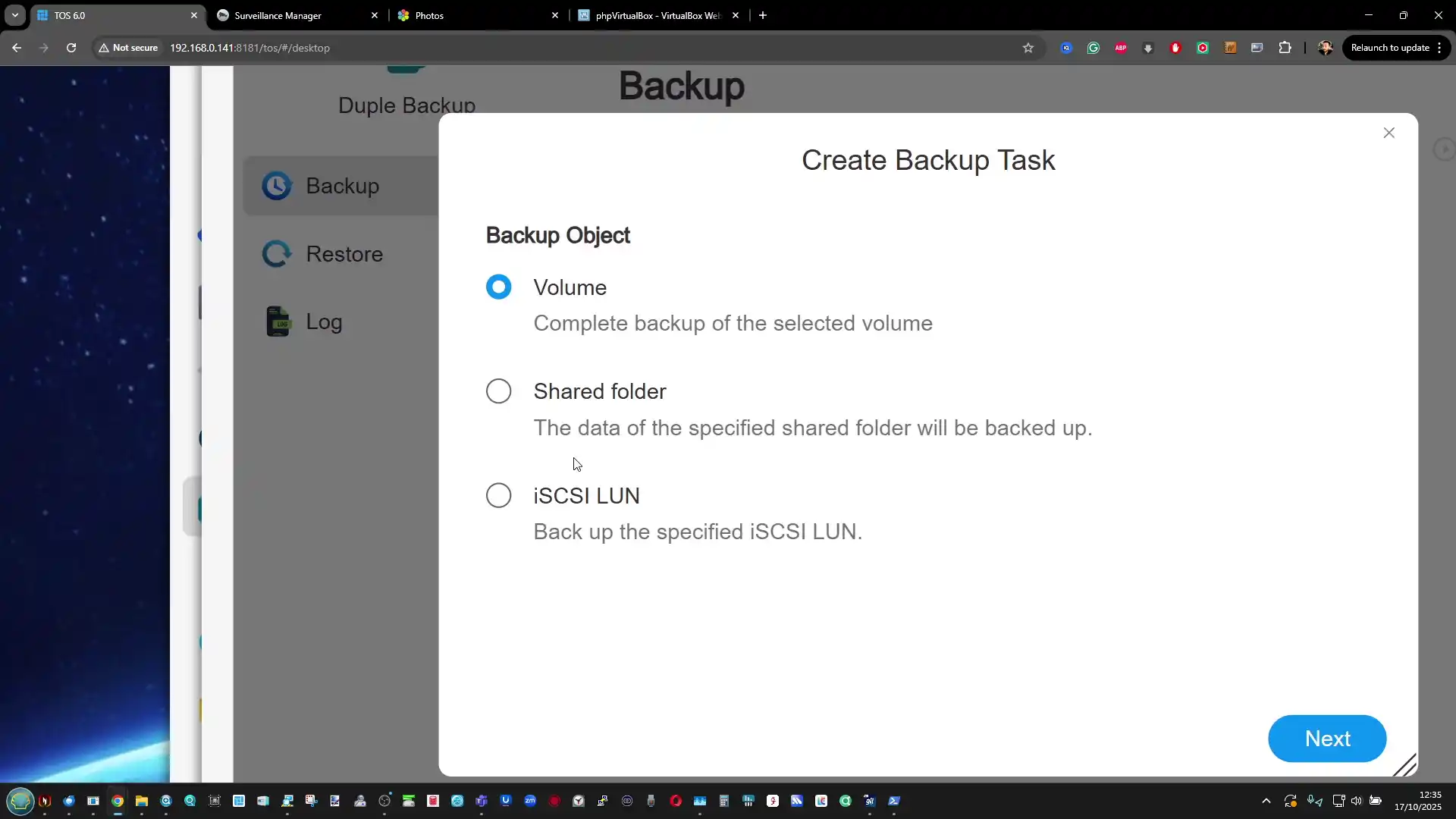
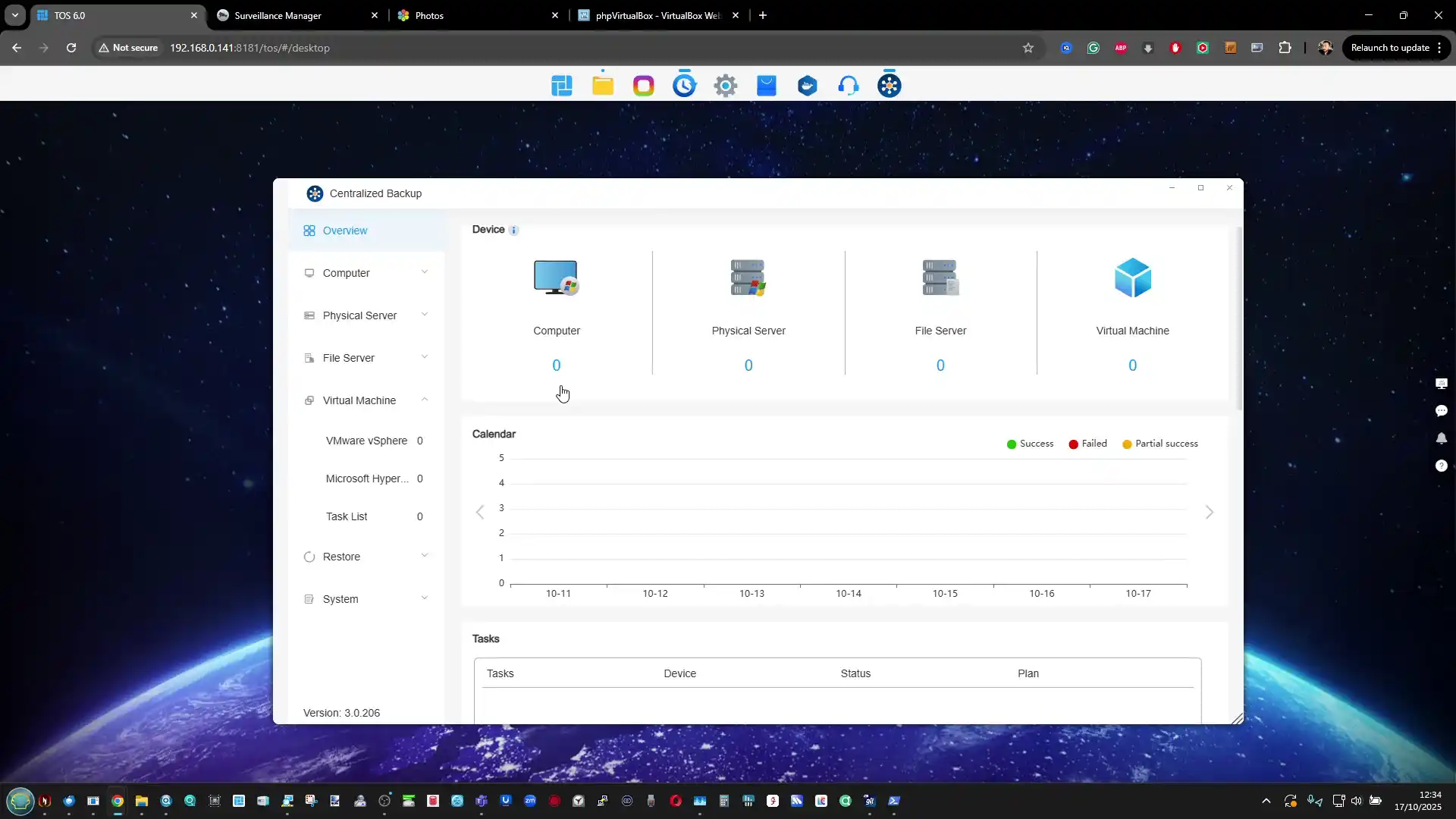
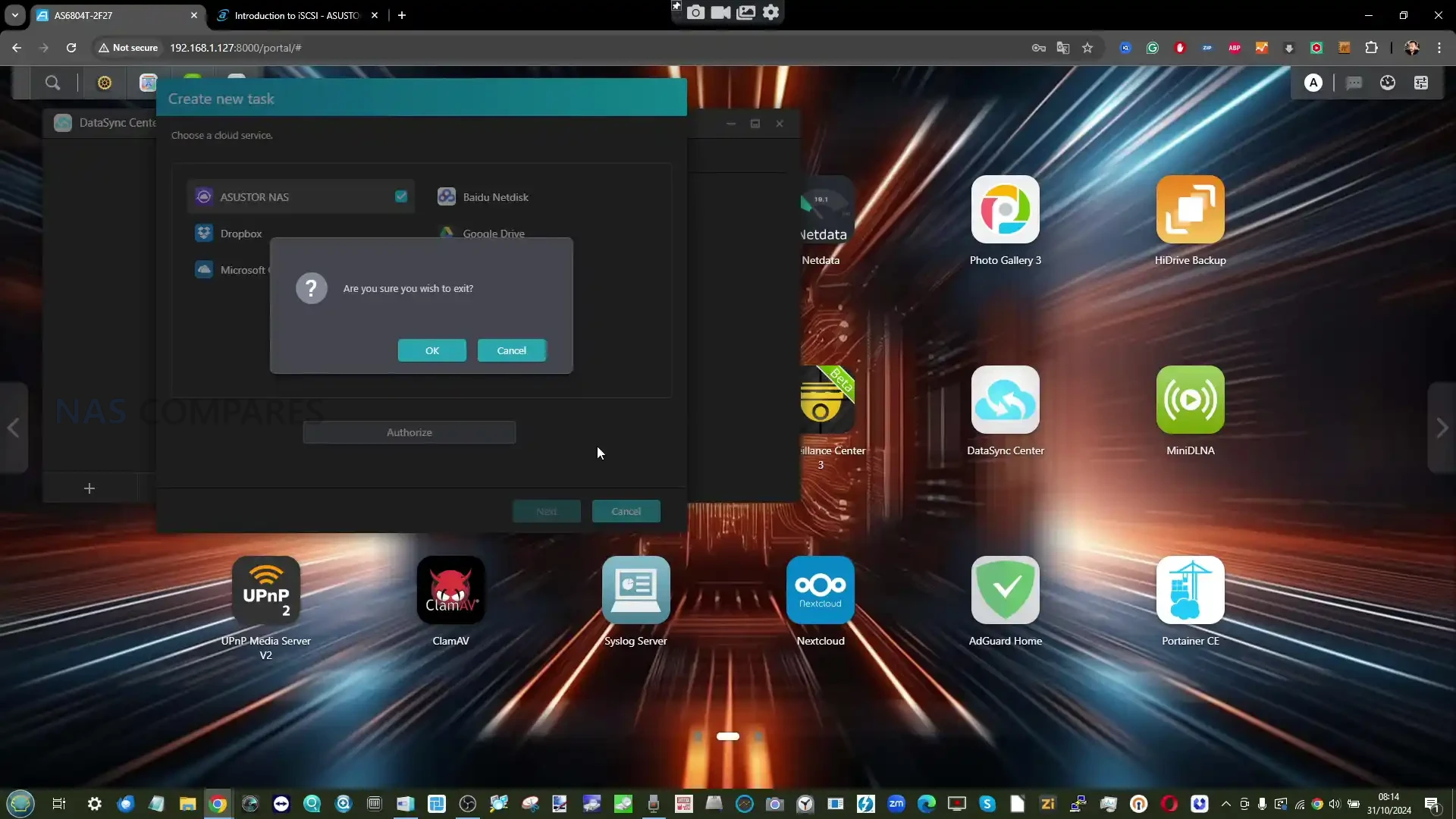
Backup and synchronization tools are comprehensive in scope. ADM supports local and remote backups via rsync, USB devices, NAS to NAS replication and a wide range of public cloud services. DataSync Center and Cloud Backup Center consolidate many of these functions into centralized tools, though configuration can feel fragmented compared to more tightly integrated platforms.
 |
 |
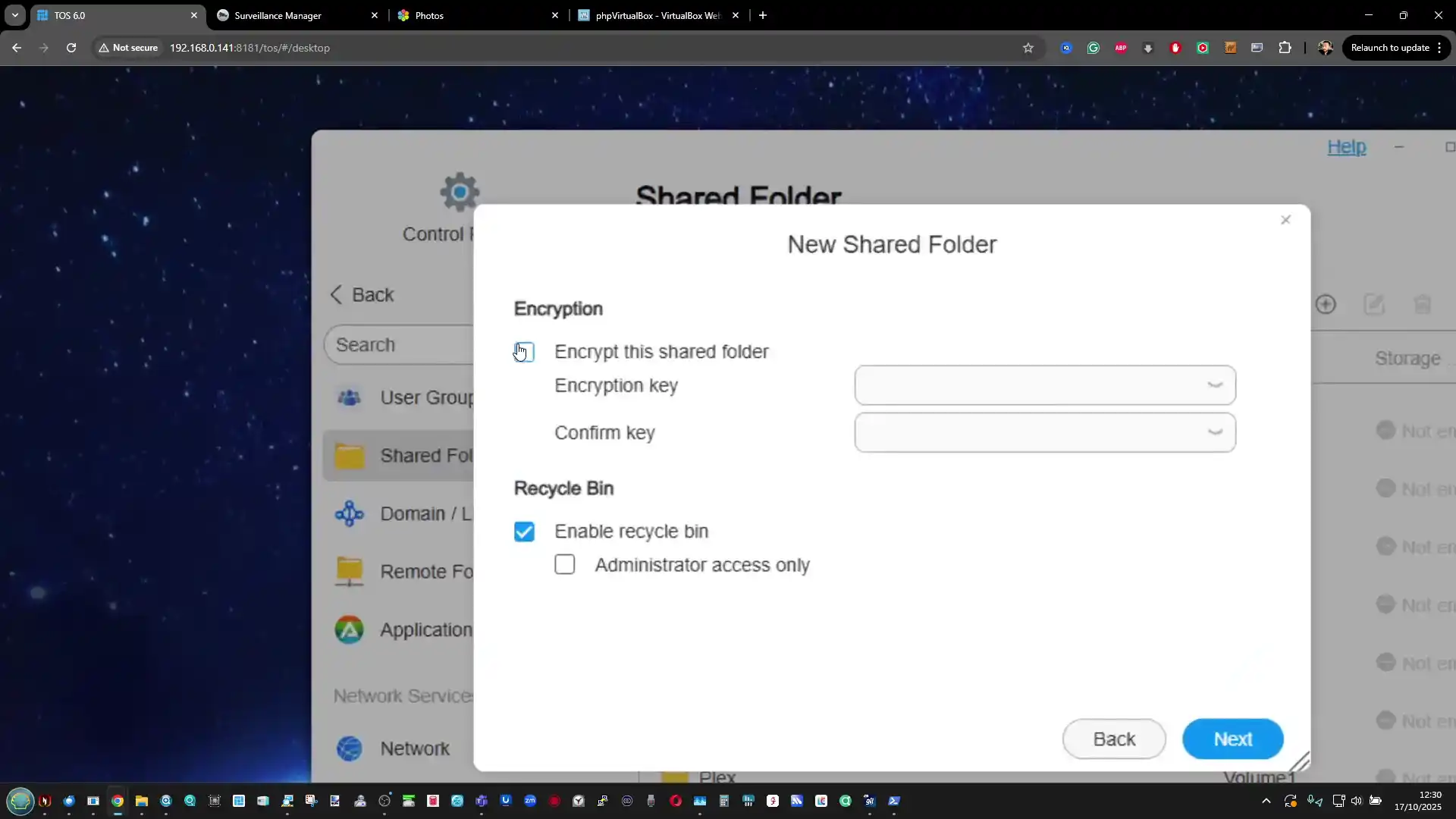
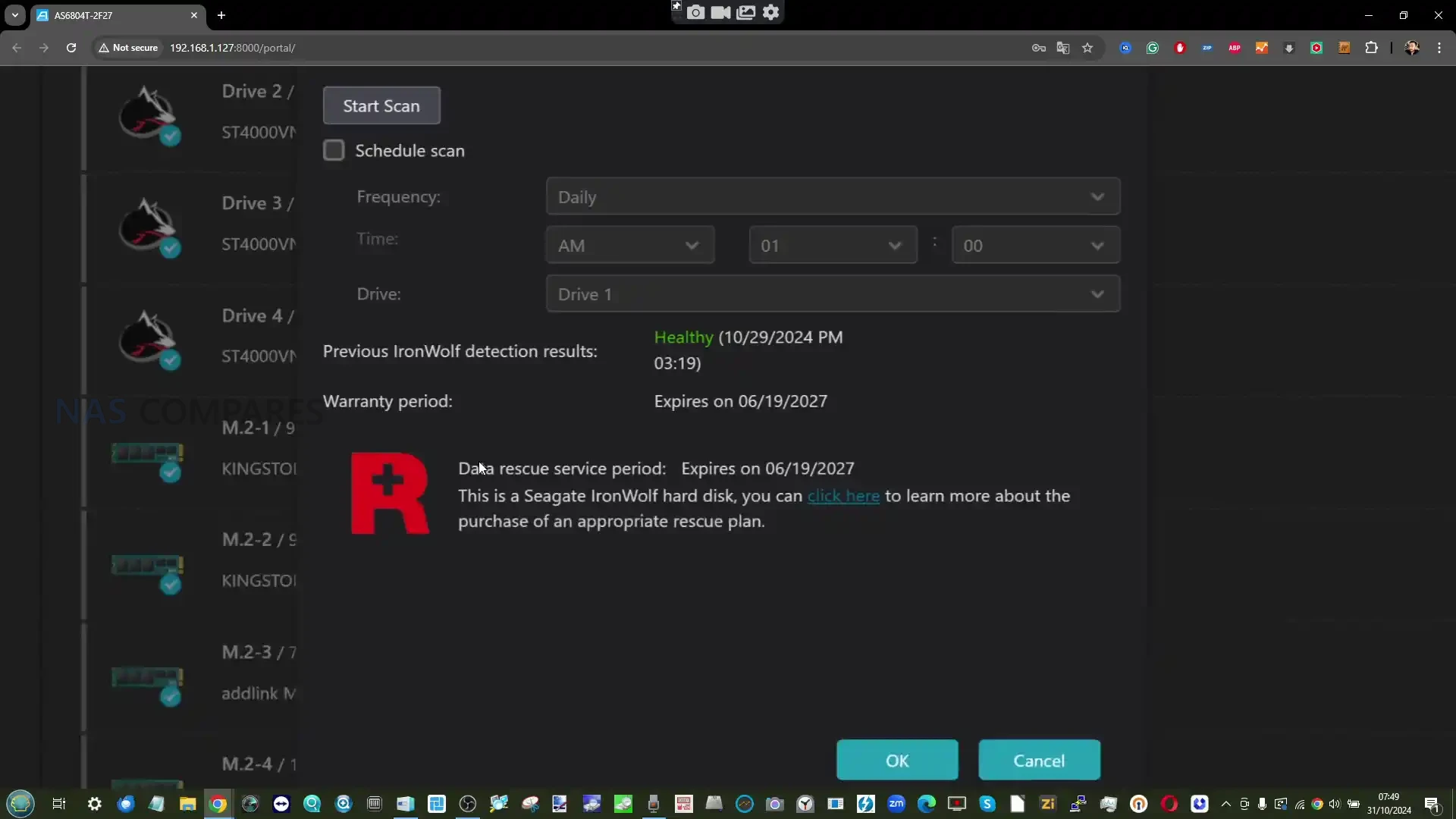
Security features have expanded steadily since earlier releases. ADM includes a firewall, automatic IP blocking, antivirus scanning through ClamAV, two step verification and encryption options for shared folders and MyArchive volumes. These features provide a reasonable baseline for small business and advanced home users, though they rely on manual configuration rather than automated policy driven protection.
 |
 |
Overall, the ADM software platform is stable, functional and capable of supporting a wide range of use cases. It does not stand out for innovation or advanced automation, and it lacks some of the higher level, tightly integrated services offered by competitors. For users seeking a dependable and flexible NAS operating system that prioritizes core functionality over novelty, ADM remains adequate. For those placing heavy emphasis on software features and ecosystem depth, it may feel comparatively restrained.
Asustor AS6704T v2 Lockerstor 4 Gen2+ NAS Review, Conclusion
The Lockerstor 4 Gen2+ is best understood as a maintenance refresh rather than a new generation. Asustor has taken an existing and well established platform and updated it in one specific area, network connectivity, to better align with how storage performance and workloads have evolved since the original Gen2 launch. Outside of that change, the system remains fundamentally the same device. The move to dual 5GbE does meaningfully extend the usable lifespan of the Lockerstor 4 design for users who are already constrained by 2.5GbE, particularly in multi user environments or setups that make effective use of SSD caching and faster hard drives. For those users, the Gen2+ offers a tangible improvement without the immediate cost or complexity of moving to 10GbE. For others, especially those still on gigabit or mixed networks, the practical benefit may be limited.
At the same time, the unchanged internal platform is harder to ignore in 2026. The Intel Celeron N5095 remains stable and compatible with a wide range of workloads, but it no longer compares as favourably against newer low power CPUs now appearing in similarly priced systems. Combined with increased competition across this segment, the value proposition of the Gen2+ is narrower than it was when the original Gen2 launched. The Lockerstor 4 Gen2+ will appeal most to buyers who value its physical build quality, internal expandability, flexible storage configuration and Asustor’s relatively open hardware stance, including third party OS support. It is less compelling as an upgrade for existing Gen2 owners, and it is not a clear default choice in the current mid range NAS market unless its specific strengths align with the intended use case. In short, the Gen2+ succeeds in keeping the Lockerstor platform relevant for longer, but it does not redefine it.
| PROs of the Lockerstor 4 Gen 2+ NAS | CONs of the Lockerstor 4 Gen 2+ NAS |
|
|

Need More Help Choosing the right NAS?
Choosing the right data storage solution for your needs can be very intimidating and it’s never too late to ask for help. With options ranging from NAS to DAS, Thunderbolt to SAS and connecting everything up so you can access all your lovely data at the touch of a button can be a lot simpler than you think. If you want some tips, guidance or help with everything from compatibility to suitability of a solution for you, why not drop me a message below and I will get back to you as soon as possible with what you should go for, its suitability and the best place to get it. This service is designed without profit in mind and in order to help you with your data storage needs, so I will try to answer your questions as soon as possible.
 SUBSCRIBE TO OUR NEWSLETTER
[contact-form-7]
 Join Inner Circle
Get an alert every time something gets added to this specific article!
Subscribe
This description contains links to Amazon. These links will take you to some of the products mentioned in today's content. As an Amazon Associate, I earn from qualifying purchases. Visit the NASCompares Deal Finder to find the best place to buy this device in your region, based on Service, Support and Reputation - Just Search for your NAS Drive in the Box Below
Need Advice on Data Storage from an Expert?
Finally, for free advice about your setup, just leave a message in the comments below here at NASCompares.com and we will get back to you. Need Help?
Where possible (and where appropriate) please provide as much information about your requirements, as then I can arrange the best answer and solution to your needs. Do not worry about your e-mail address being required, it will NOT be used in a mailing list and will NOT be used in any way other than to respond to your enquiry.
[contact-form-7]
Need Help?
Where possible (and where appropriate) please provide as much information about your requirements, as then I can arrange the best answer and solution to your needs. Do not worry about your e-mail address being required, it will NOT be used in a mailing list and will NOT be used in any way other than to respond to your enquiry.
[contact-form-7]
 TRY CHAT
Terms and Conditions
TRY CHAT
Terms and Conditions
 Ko-fi or old school Paypal. Thanks!To find out more about how to support this advice service check HEREIf you need to fix or configure a NAS, check Fiver
Have you thought about helping others with your knowledge? Find Instructions Here
Ko-fi or old school Paypal. Thanks!To find out more about how to support this advice service check HEREIf you need to fix or configure a NAS, check Fiver
Have you thought about helping others with your knowledge? Find Instructions Here





|
 |