Coros a réussi quelque chose d'assez rare : créer le meilleur outil logiciel pour l'escalade que j'ai pu tester. Puis le mettre dans une montre qui, à mon sens, n'est pas faite pour grimper.
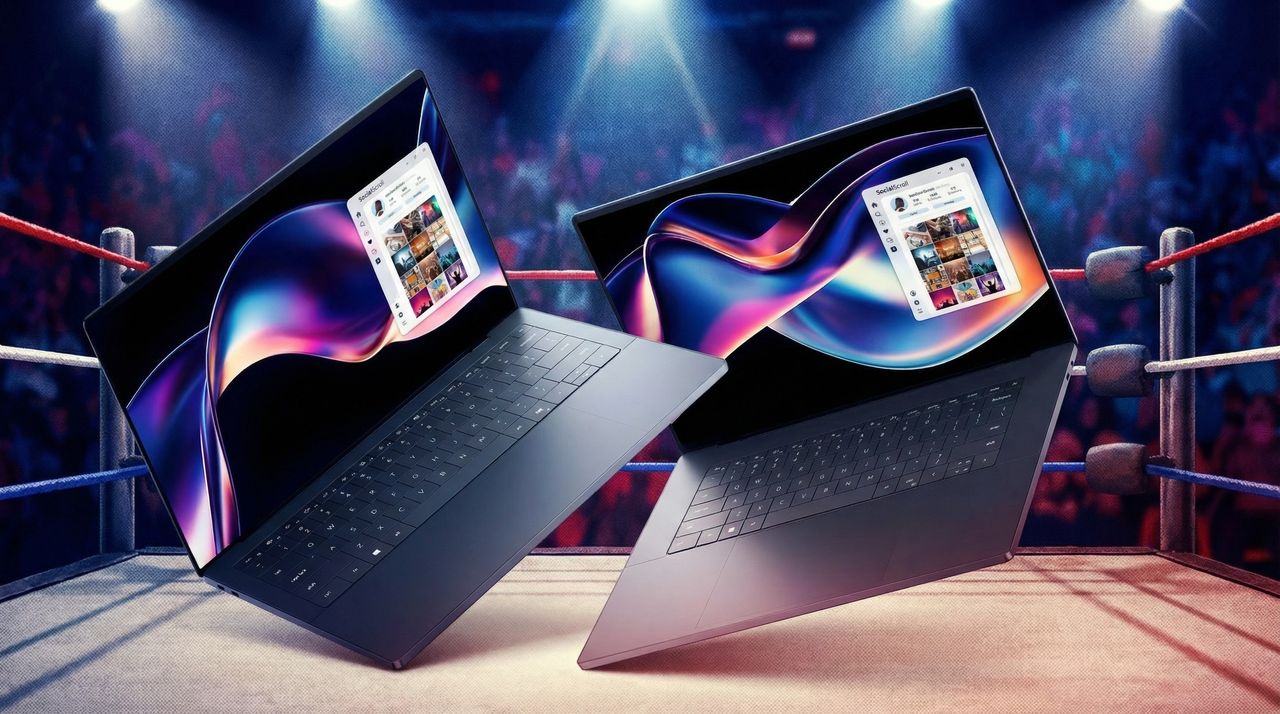
Dell resurrected its XPS 14 and XPS 16 for 2026, and they arrive with an all-new design and new performance hardware. I can help you choose the right laptop for your needs based on design, performance, display, and more.
Intégrer un formulaire de contact sur un petit projet ou un MVP, c'est souvent la plaie. Soit on s'embête avec un backend dédié, soit on finit par payer un abonnement chez Typeform ou FormSpree parce qu'on a dépassé le quota gratuit en trois jours.
Le concept est tout bête mais fallait y penser. En fait l'idée c'est d'utiliser les GitHub Issues comme base de données pour vos formulaires comme ça, au lieu de stocker les messages dans une DB SQL ou NoSQL obscure, chaque soumission de formulaire crée automatiquement une nouvelle issue dans le dépôt GitHub de votre choix.
Pratique, non ?
Côté technique, c'est du solide puisqu'on est sur du Next.js 14, du TypeScript et du Tailwind CSS. Et pour le mettre en place, c'est vraiment l'affaire de 5 minutes... vous clonez le repo, vous générez un token GitHub, et vous déployez ça sur Vercel, Netlify ou même via Docker. Et hop, vous avez un formulaire fonctionnel avec des notifications par email automatiques (merci le système de notifs de GitHub).
L'outil est super personnalisable, vous pouvez changer les couleurs, les textes et même ajouter des langues en bidouillant simplement des fichiers JSON, sans même avoir à toucher au code source. C'est idéal pour ceux qui veulent un truc propre et rapide sans sortir la carte bleue toutes les cinq minutes.
Attention quand même, car niveau RGPD, ne croyez pas que c'est magique. Certes, c'est auto-hébergeable, mais vos données transitent par GitHub. Il faudra donc veiller à ce que votre dépôt soit privé si vous collectez des données personnelles, histoire de ne pas afficher les emails de vos prospects à la vue de tous. Notez aussi que GitHub a des limites de taux (rate limits) pour la création d'issues, donc si vous recevez 10 000 messages par jour, ça risque de coincer.
Enfin, un petit mot sur la licence, le projet semble être sous CC BY-NC-SA 4.0 ce qui veut dire qu'il est parfait pour vos projets perso ou vos tests, mais pour un usage purement commercial, il faudra peut-être vérifier si ça colle avec vos besoins.
Bref, si vous cherchez une solution simple, propre et qui exploite intelligemment les outils que vous utilisez déjà, jetez un œil à GitForms. C'est open source et ça dépanne bien pour les petits projets qui n'ont pas besoin d'une artillerie lourde.
Les jeux vidéo rendent violent. Sérieusement ? En fucking 2026, y'a encore des gens pour sortir ça à table le dimanche ou piiiire en public sur le net ?
Aaaaannnh, c'est la honte quand même de dire ça, prem deug. C'est un peu comme ceux qui pensaient que le rock rendait sataniste ou que la BD poussait au crime dans les années 50. À chaque génération, les mêmes paniques… et à chaque fois, la science finit par leur donner tort, ce qui nous permet de nous foutre de leur gueule.
Alors parce que pour battre l'obscurantisme, y'a rien de mieux que de la science, des preuves, des choses tangibles et vraies, je vais vous en donner un peu pour votre argent…
Tenez, en 2019, une équipe d'Oxford (Przybylski et Weinstein, pour les curieux) a suivi
1004 adolescents britanniques
pour mesurer l'impact des jeux violents sur leur comportement. Résultat… aucun lien. Ouais, que dalle, et c'était pas un petit sondage BFMTV ou je sais pas quoi, hein… Non, c'est l'une des études les plus rigoureuses sur le sujet, avec des données croisées entre les ados ET leurs parents.
En 2018, des chercheurs du Max Planck Institute à Berlin ont également fait
jouer 90 adultes à GTA V pendant deux mois
. Tous les jours, 30 minutes minimum sur la version PC. Ensuite, passage au scanner IRM. Aucune modification du comportement, aucune hausse d'agressivité. Rien du tout !
Et c'est pas fini. En 2022, Johannes et son équipe ont suivi
2580 joueurs d'Apex Legends et Outriders
avec des données télémétriques Steam et Xbox Live (pas du déclaratif, de la vraie data serveur). Même résultat. Y'a waloooo !
Hé mais j'ai encore mieux les amis puisqu'une
étude portant sur une durée de 10 ANS (!!!)
publiée dans Cyberpsychology a suivi des gamins qui ont grandi avec GTA. De 10 à 20 ans, avec des questionnaires annuels ! Résultat, y'a pas plus de violence, pas plus de dépression, pas plus d'anxiété. En fait, les groupes ne diffèrent même pas sur les comportements prosociaux. Y'a eu un seul cas de figure où on observait un léger effet, c'est les gamins qui cumulaient jeux violents ET problèmes familiaux préexistants. Sauf que là, c'est le contexte familial le problème, pas la manette. Ce serait bien plus efficace de faire des lois pour interdire les familles de merde, en fait !
Du coup, si la science dit NON, alors pourquoi ce débat pour décérébrés continue ?
Le problème c'est qu'à une époque lointaine que seuls les profs de théâtre auraient pu connaitre, certaines méta-analyses (coucou Anderson et Bushman) trouvaient des corrélations minuscules entre les jeux vidéo et la violence… Genre r = 0,11, ce qui en gros signifie que les JV n'expliqueraient que 2 % du comportement violent d'une personne… Donc autant dire quasiment rien. C'est moins que l'effet de la météo sur votre humeur !!
Et surtout, d'autres chercheurs
ont démontré un peu plus tard que ces résultats étaient biaisés
. En gros, on publiait les études qui trouvaient un effet et on planquait celles qui trouvaient rien. C'est un cas particulier typique du biais de publication (et y'en avait un sacré paquet des études planquées).
D'ailleurs, même
l'APA
, la plus grande association de psychologie au monde, a revu sa position en 2020. Leur conclusion : pas de preuve suffisante d'un lien causal. Bon bah quand la plus grosse autorité en psycho vous dit que c'est du vent… normalement, on remballe.
Après, attention, hein, ça veut pas dire que laisser un gosse de 8 ans jouer à GTA Online 12 h par jour c'est une super idée. À la base, la classification PEGI 18 existe pour une raison. Sauf que là, c'est une question d'éducation et de contrôle parental… mais pas de violence virtuelle qui "contaminerait" le cerveau. Et ça, aucune étude sérieuse ne le conteste.
Et si vous voulez des chiffres qui parlent, en voilà. J'ai pas les chiffres en France, mais depuis les années 90, la violence juvénile aux USA
a chuté de +80 %
selon le Bureau of Justice Statistics. Pendant ce temps, GTA V a dépassé les 200 millions d'exemplaires vendus depuis sa sortie en septembre 2013. Call of Duty, toutes versions confondues depuis CoD 4 en 2007, c'est plus de 400 millions de copies.
Donc NORMALEMENT si les jeux rendaient violent, on devrait nager dans le sang h24, là non ?
Ah et j'oubliais… Le cas du Japon est encore plus parlant. C'est LE pays du gaming, premier marché de la planète par habitant… et
un taux d'homicides de 0,2 pour 100 000 habitants en 2023
. Aux USA,
c'est plus de 5
. VINGT-CINQ fois plus. Cherchez l'erreur. (Tips : y'en a pas, sauf si on considère que les Japonais sont secrètement immunisés contre les pixels violents.)
Une
étude menée par Przybylski sur Animal Crossing
a même montré que jouer pouvait être bénéfique pour le moral. Et le
NIH a découvert en 2022
que les enfants qui jouent plus de 3 h par jour ont de meilleures performances cognitives que les autres (oui oui, vous avez bien lu). Du coup, non seulement les jeux vidéo ne rendent pas violents mais en plus, ils vous rendent plus malins. C'est diiiingue !
Allez, hop, un dernier clou dans le cercueil et après je vous laisse.
En 2011, la Cour suprême des États-Unis, c'est-à le plus haut tribunal de ce pays de fous,
a examiné la question de savoir si les jeux vidéo violents représentaient un vrai danger
. Verdict, par 7 voix contre 2, les juges ont conclu que non car les preuves scientifiques étaient insuffisantes pour établir un lien entre jeux vidéo et violence. C'est même le juge Scalia, pourtant connu pour ses positions ultraconservatrices, qui a rédigé la décision. Quand même, hein les gars !!! Autrement dit, même la justice américaine a fini par dire stop aux marchands de peur.
Alors la prochaine fois qu'un tocard vous sortira le couplet "nia nia nia les jeux vidéo rendent nos enfants violents, nia nia nia", vous aurez une vision claire concernant le vide abyssal de ses connaissances sur ce sujet. Et dites-vous que si ça balance des conneries aussi grosses que ça et aussi débunkées que ça, mais putain qu'est-ce que ça doit être sur les autres sujets… Argh !
Perso, moi ce qui va finir par me rendre violent un jour, c'est la connerie humaine.
Ce week-end, c'est le Super Bowl LX, soit la finale tant attendue du championnat de NFL, entre les New England Patriots et les Seattle Seahawks. L'événement planétaire est diffusé en France, dans la nuit du dimanche 8 au lundi 9 février.
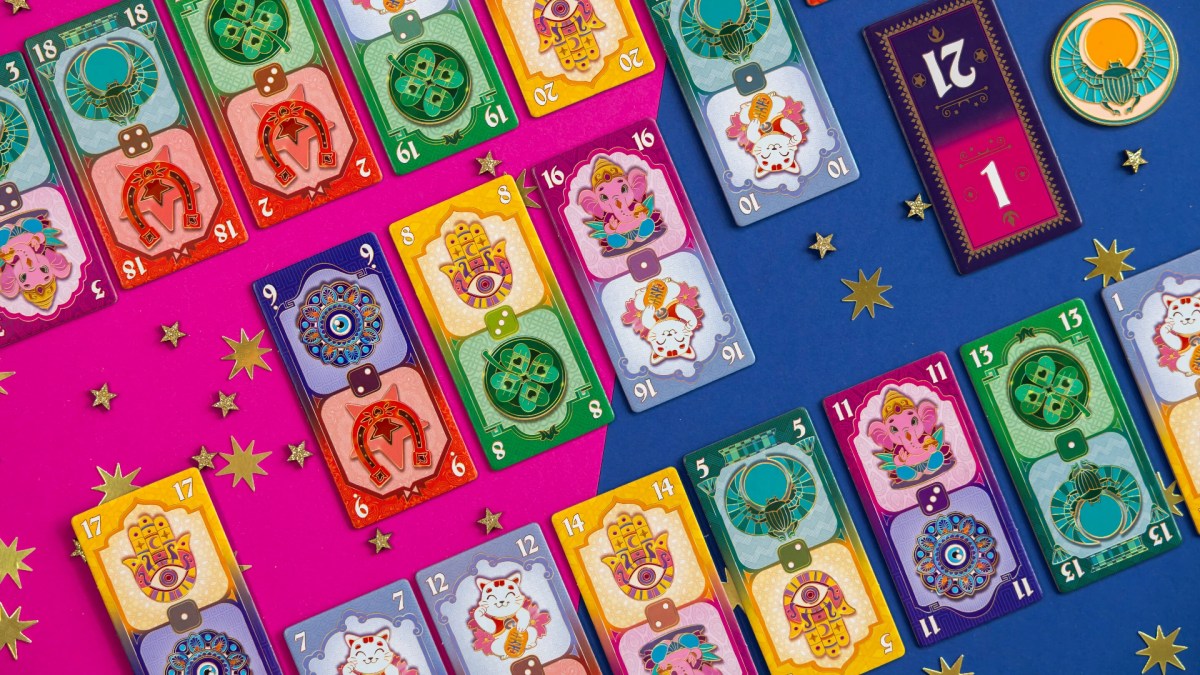
Dans Good Fortune, notre jeu de société de la semaine, la chance ne doit rien au hasard : seule votre stratégie fera la différence. Comment ça se joue ? Quel est notre avis ? On vous dit tout.
Sophie Adenot va rejoindre le club restreint des femmes parties dans l'espace. Si le métier d'astronaute se féminise peu à peu, il reste encore essentiellement exercé par des hommes, même aujourd'hui. Pourtant, des figures féminines ont marqué l'histoire du spatial, et leur travail mérite d'être mis en avant au même titre que celui de leurs homologues masculins.
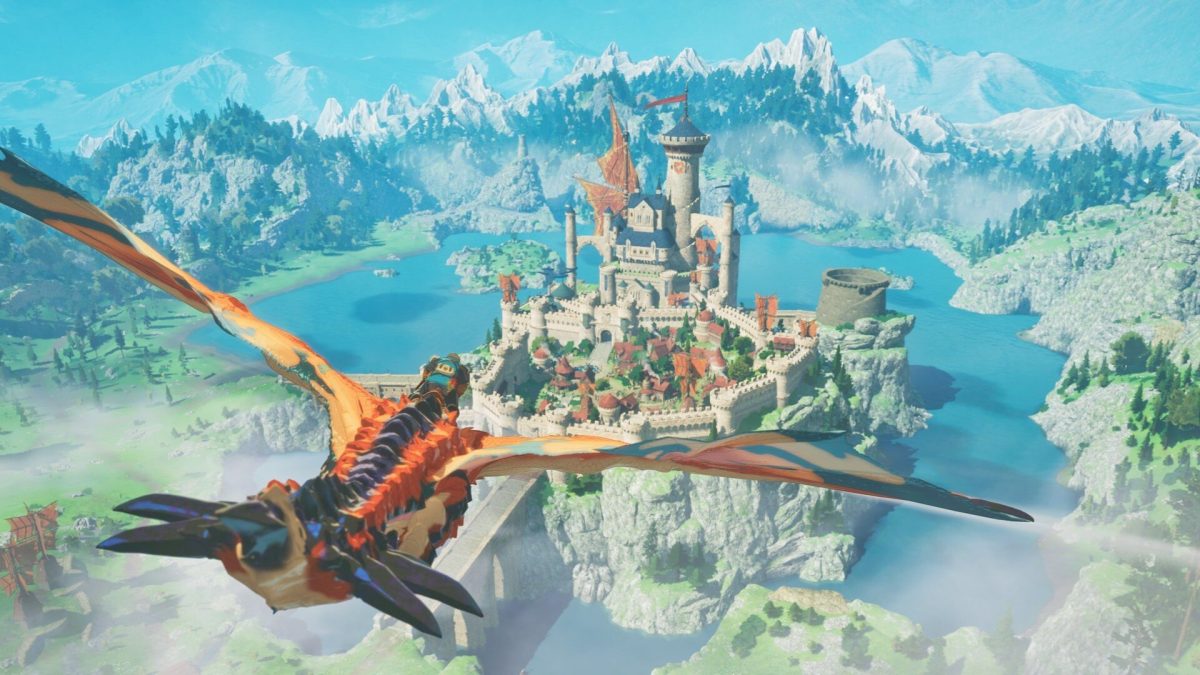
[Précommande] Le troisième épisode de Monster Hunter Stories débarque sur toutes les consoles et promet de vous faire participer à une nouvelle chasse aux monstres, avec cette fois-ci un petit twist. La sortie est prévue le 13 mars 2026.
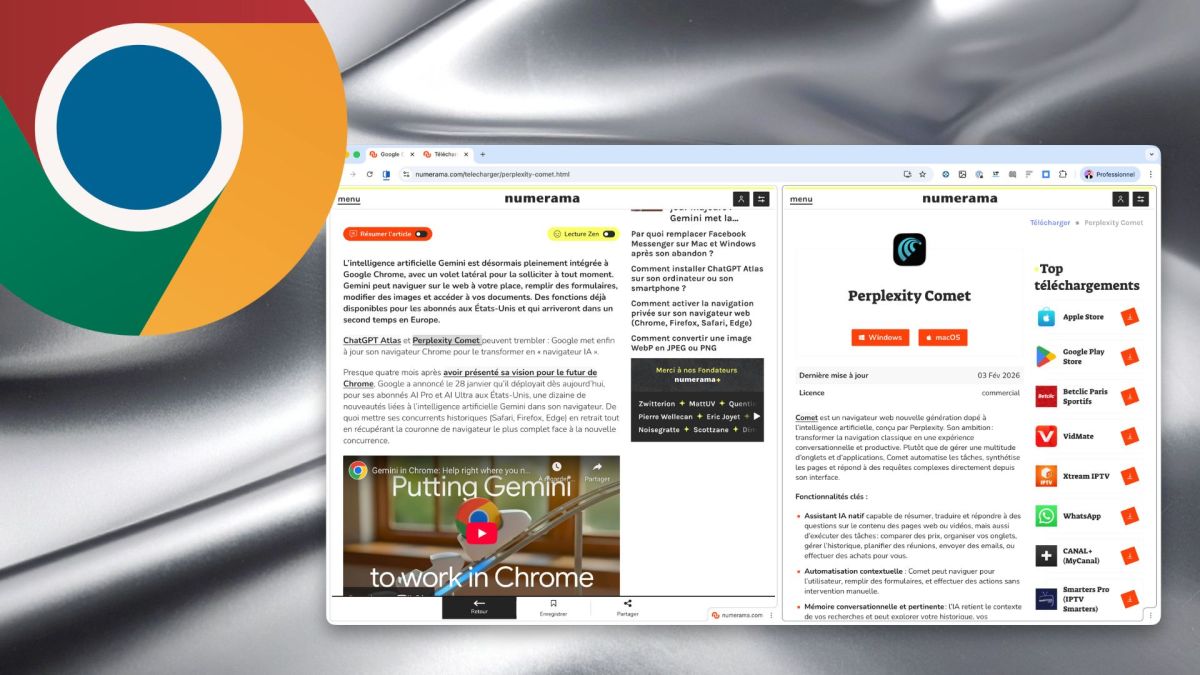
La vue fractionnée a débarqué sur Chrome en 2025, mais peu d'utilisateurs et d'utilisatrices du navigateur de Google semblent encore la connaître. Encore moins la maîtriser. On va réparer tout ça avec ce petit tuto.
Convertir l’existant plutôt que produire du neuf : l’idée était belle. Dans les faits, le rétrofit s’est surtout heurté à un mur administratif soigneusement laissé en place. Après une visite fin janvier au salon Rétromobile, dédié à la voiture ancienne et de collection, l'idée de reparler du rétrofit dans l'édito Watt Else me semblait incontournable.
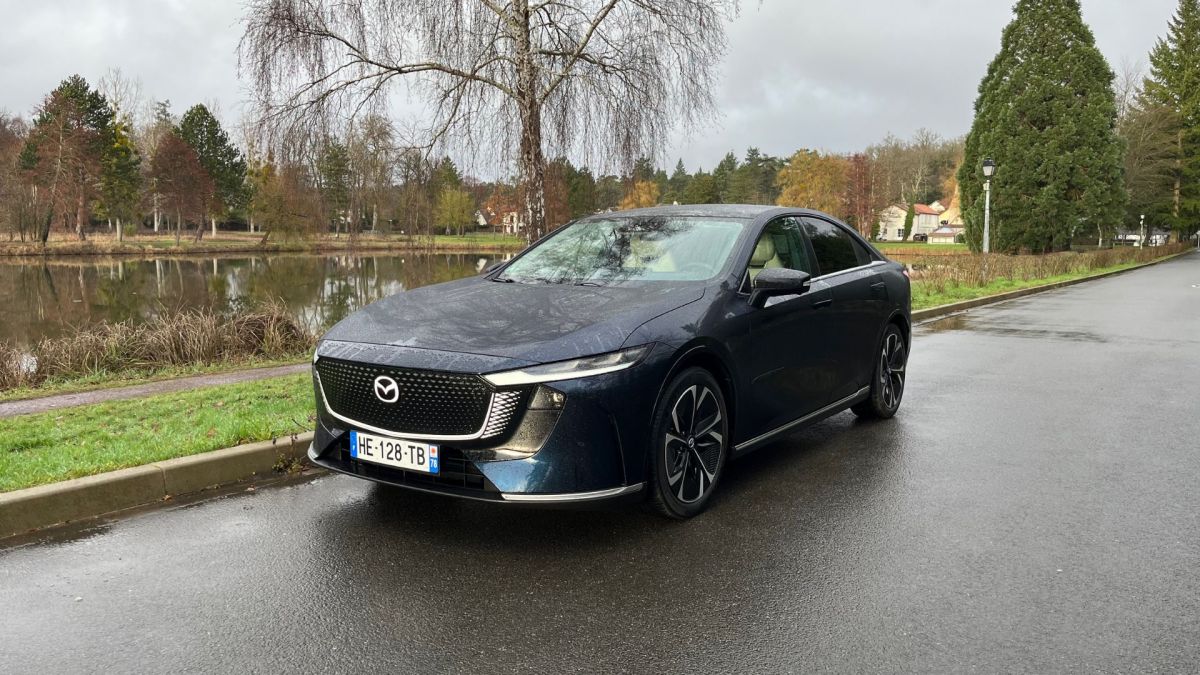
Très belle, la Mazda 6e se veut aussi très irritante. La berline électrique accumule les déceptions, à commencer par son système d'info-divertissement à la ramasse. Dommage, car elle ne manque pas de potentiel. Verdict de notre essai.
OpenClaw (formerly Moltbot and Clawdbot) has announced that it's partnering with Google-owned VirusTotal to scan skills that are being uploaded to ClawHub, its skill marketplace, as part of broader efforts to bolster the security of the agentic ecosystem.
"All skills published to ClawHub are now scanned using VirusTotal's threat intelligence, including their new Code Insight capability,"
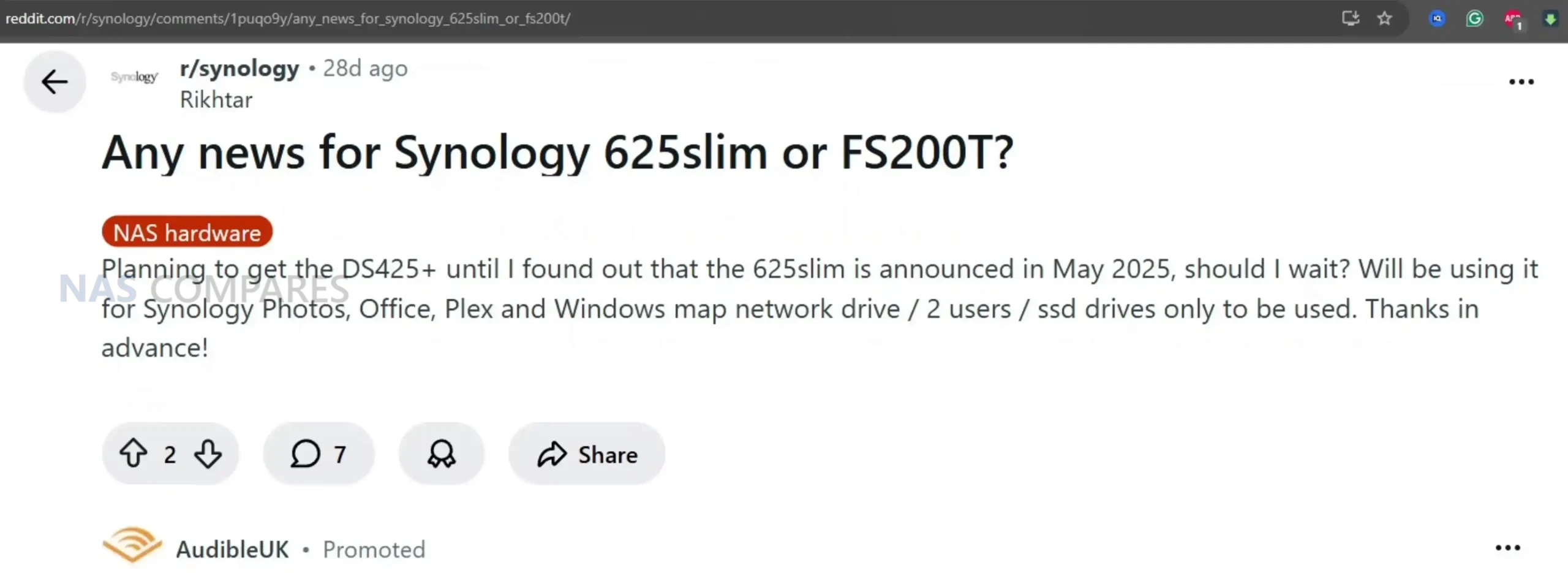
Synology FS200T NAS is STILL A THING! But Is It Too Late?
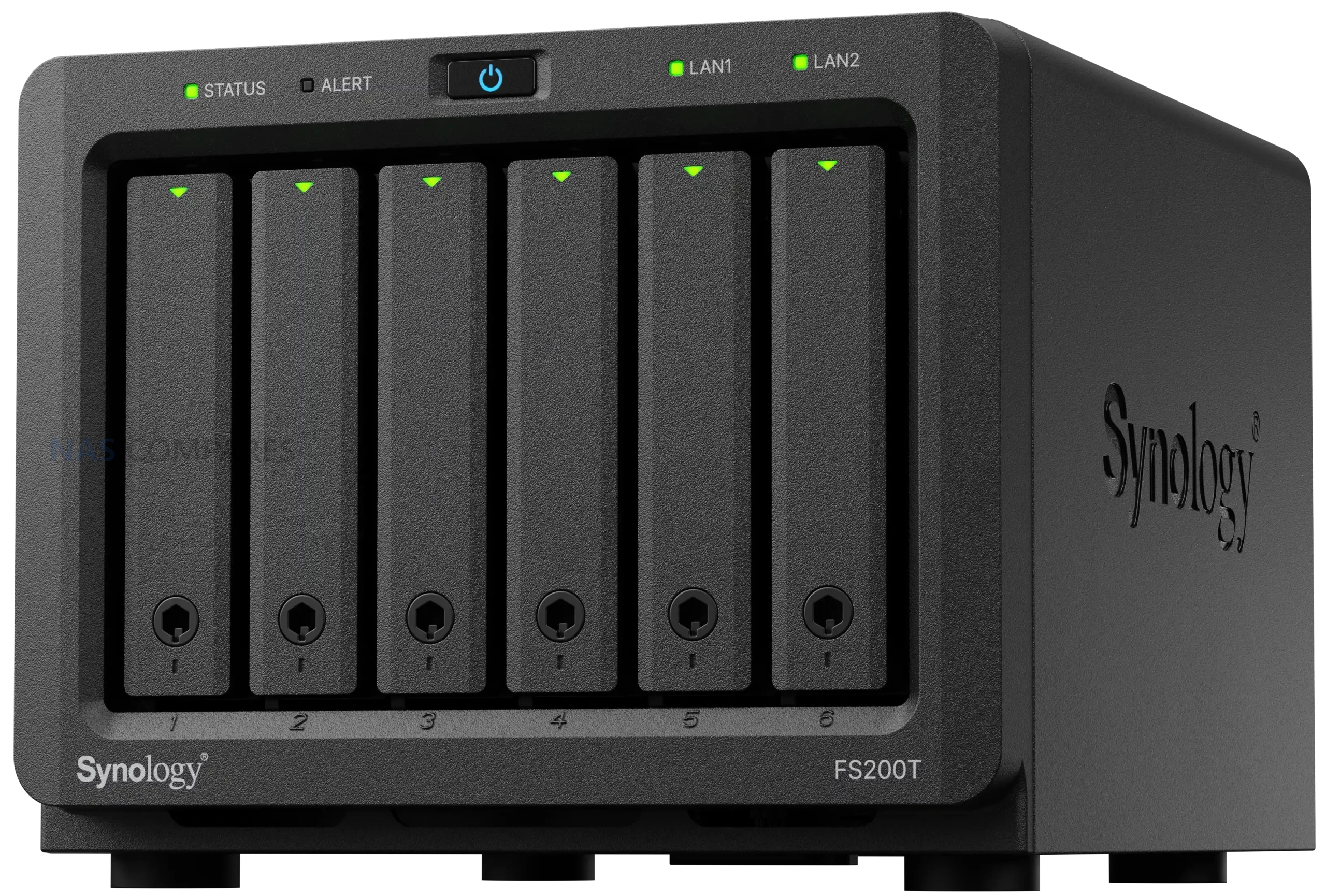
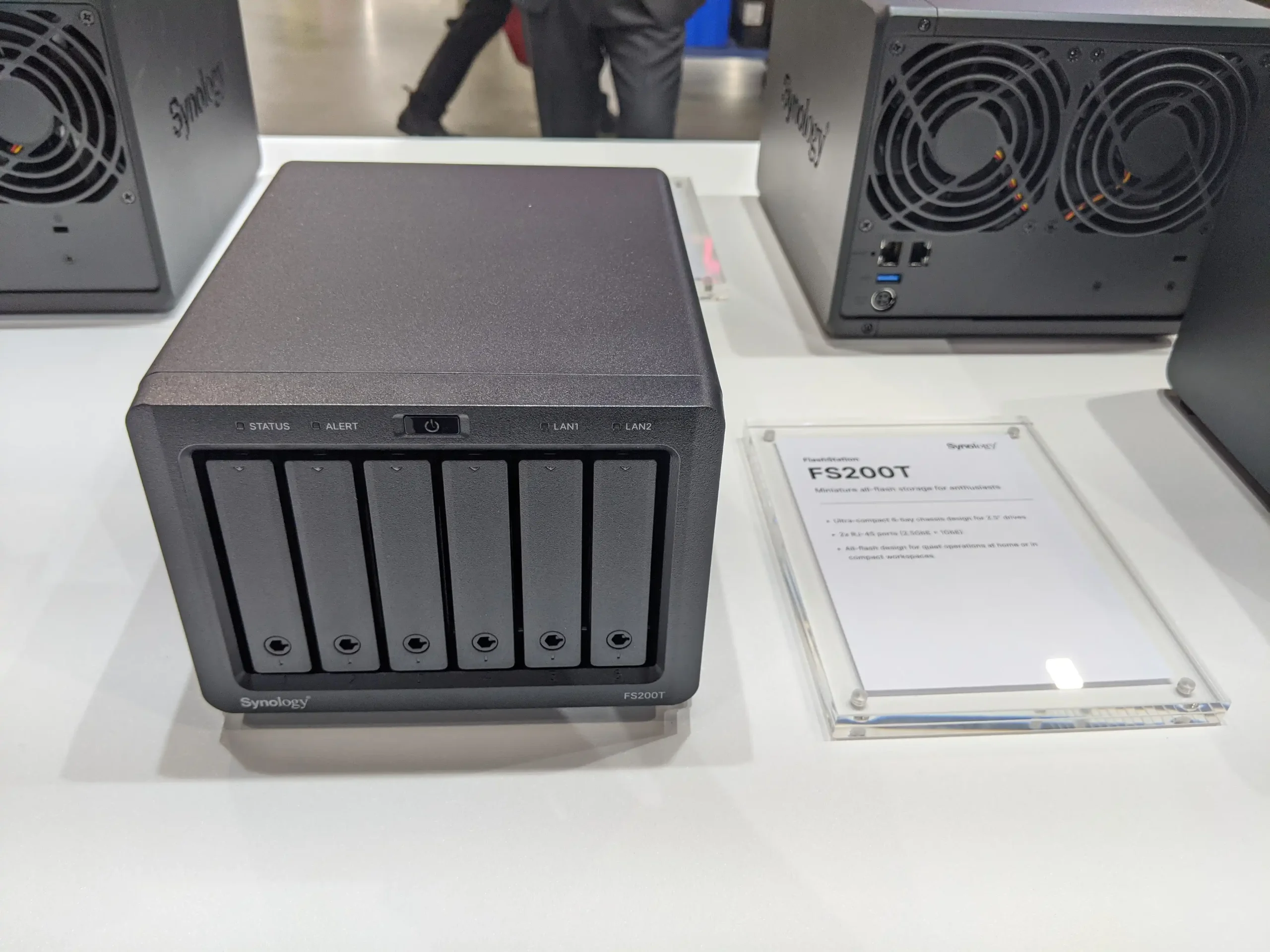
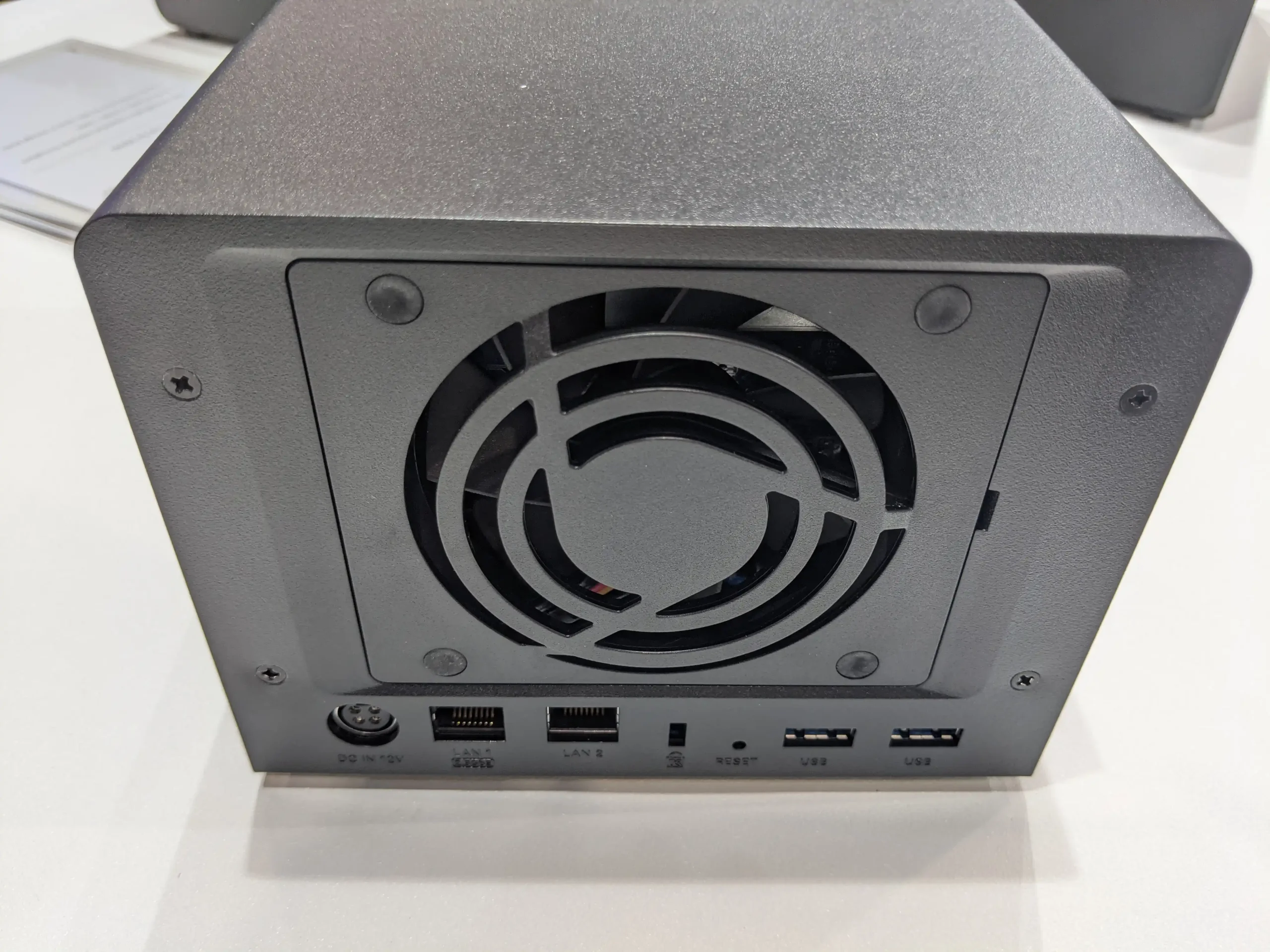
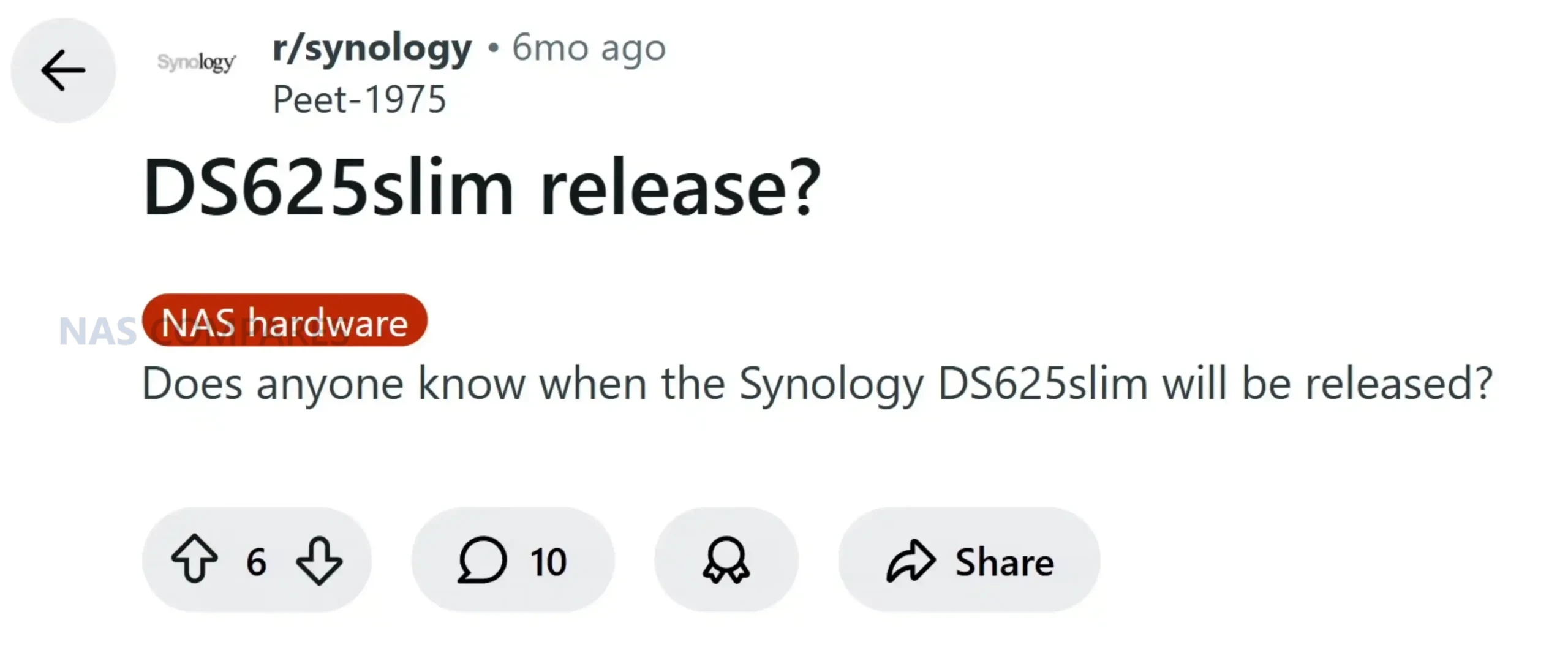
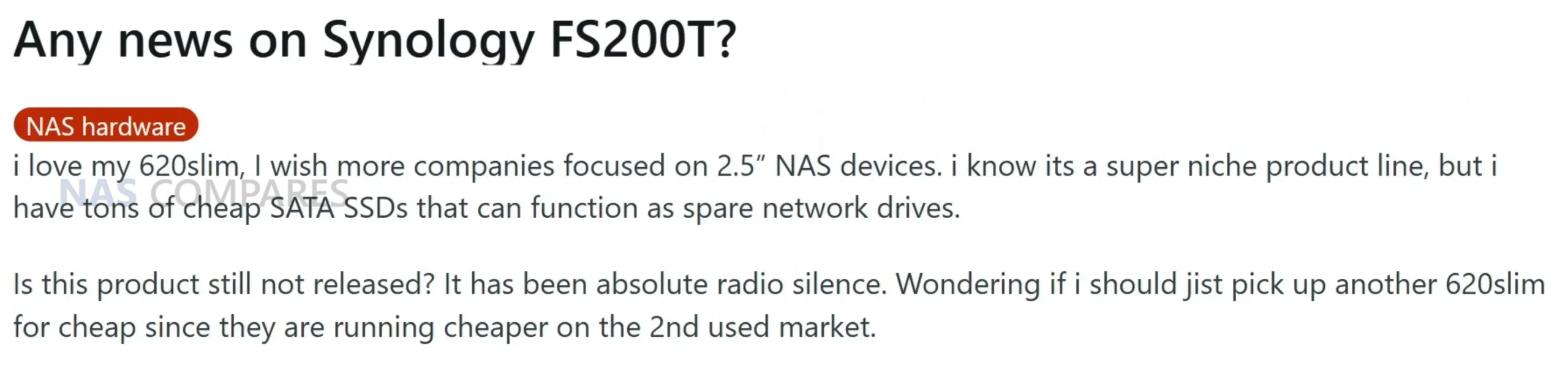
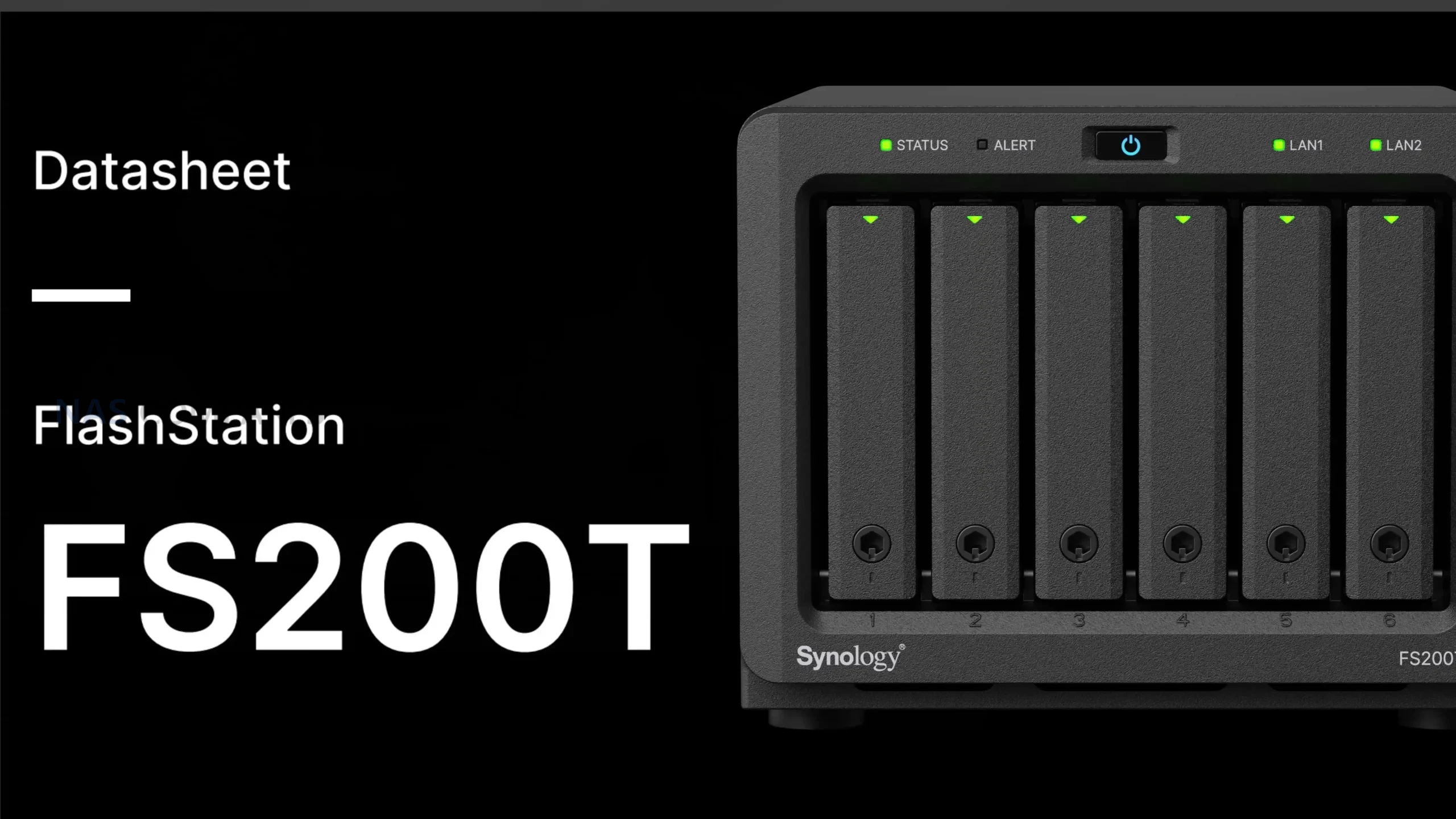
The Synology FlashStation FS200T is a compact 6 bay 2.5 inch NAS that has followed an unusually drawn out and fragmented path to visibility. The device first appeared through semi official leaks in Q1 2025, before being shown more openly at Computex during May and June, giving attendees a first real look at the hardware. After that appearance, public information largely dried up, leading many to assume the system had been delayed indefinitely or quietly cancelled. Interest resurfaced later in 2025 as more complete documentation began to circulate, culminating in a leaked datasheet dated October 16, 2025 that outlined specifications, software capabilities, and Synology’s intended positioning for the device. Despite the lack of an official launch announcement, demand has remained present at a low but steady level, particularly among users who value small, quiet systems and are already invested in the DSM ecosystem. Online discussion has continued across forums and social platforms, with recurring questions around release timing and justification for the product’s existence in a rapidly changing NAS market. The FS200T appears designed to serve a specific niche rather than a broad audience, focusing on an all flash configuration, low acoustic output, and minimal physical footprint. Rather than competing on raw performance or expandability, its purpose is to deliver a responsive, self contained storage platform that runs the full Synology software stack in environments where noise, size, and power consumption matter more than upgrade paths or maximum throughput.
Synology FS200T NAS – Hardware Specifications
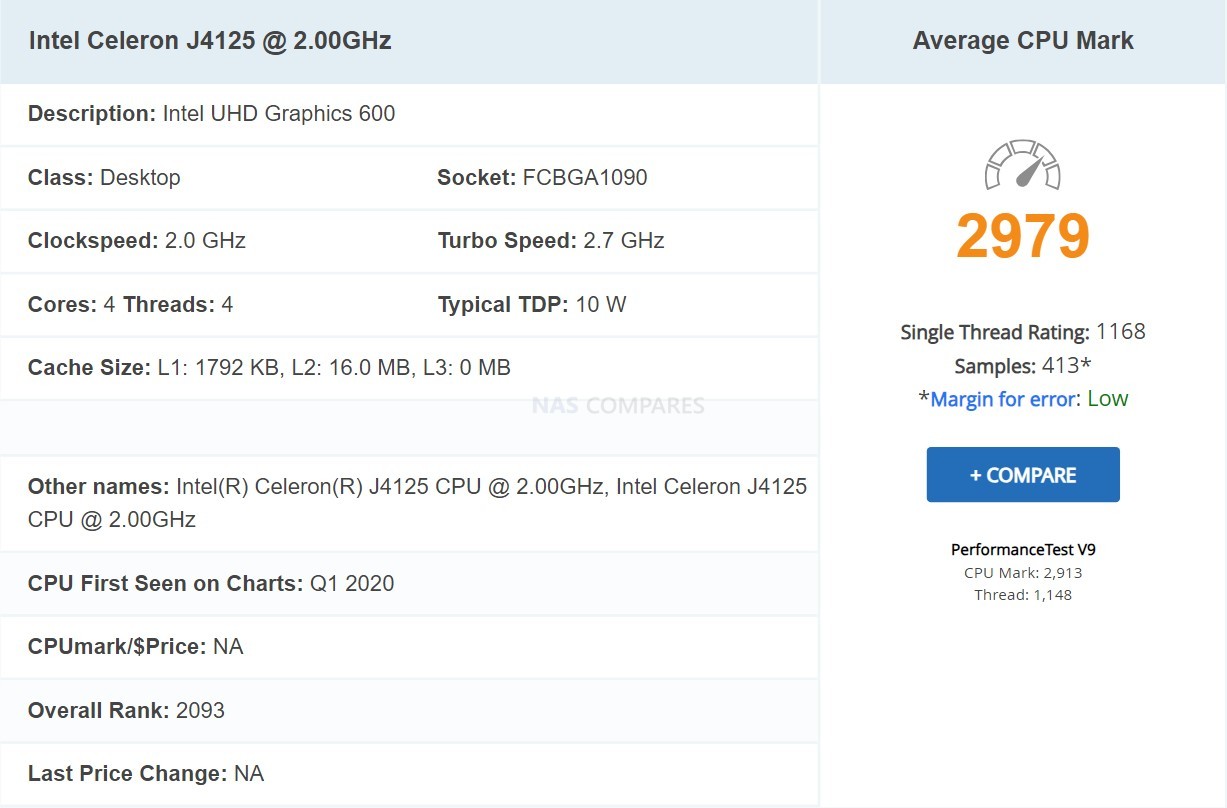
At the heart of the Synology FS200T is the Intel Celeron J4125, a 4 core, 64 bit processor with a 2.0 GHz base clock and a 2.7 GHz turbo ceiling. This is a chip originally released in the 2019 to 2020 timeframe and has been widely deployed across several generations of entry and mid range NAS systems. While it remains serviceable for basic DSM workloads, file services, and light container use, it is increasingly dated by current standards. Intel has since retired this naming convention entirely, shifting its low power roadmap toward newer N series Alder Lake and Twin Lake processors that offer improved efficiency, IPC gains, and more modern media and virtualization capabilities. In that context, the J4125 feels more like a holdover from an earlier design cycle than a deliberate forward looking choice, particularly for a flash focused system introduced in 2026.
The CPU does include a hardware encryption engine, which aligns well with DSM features such as encrypted shared folders, secure snapshots, and HTTPS services. However, expectations around virtualization, AI assisted services, and sustained multi task workloads should remain conservative. Compared with newer low power CPUs, the J4125 lacks the architectural refinements and efficiency improvements that would better justify pairing it with an all flash storage configuration. This choice reinforces the impression that the FS200T is designed around stability and familiarity rather than performance progression.
Memory configuration consists of 4 GB of DDR4 non ECC SODIMM installed by default. The system provides 2 memory slots with an official maximum capacity of 8 GB using 4 GB modules. While sufficient for basic DSM services, backup tasks, and light multi user access, this ceiling quickly becomes restrictive when enabling heavier applications such as Virtual Machine Manager, Synology Drive for multiple users, or container based services. Synology also notes that optimal compatibility and warranty support depend on using official Synology memory, further narrowing flexibility for users who might otherwise attempt more aggressive tuning.
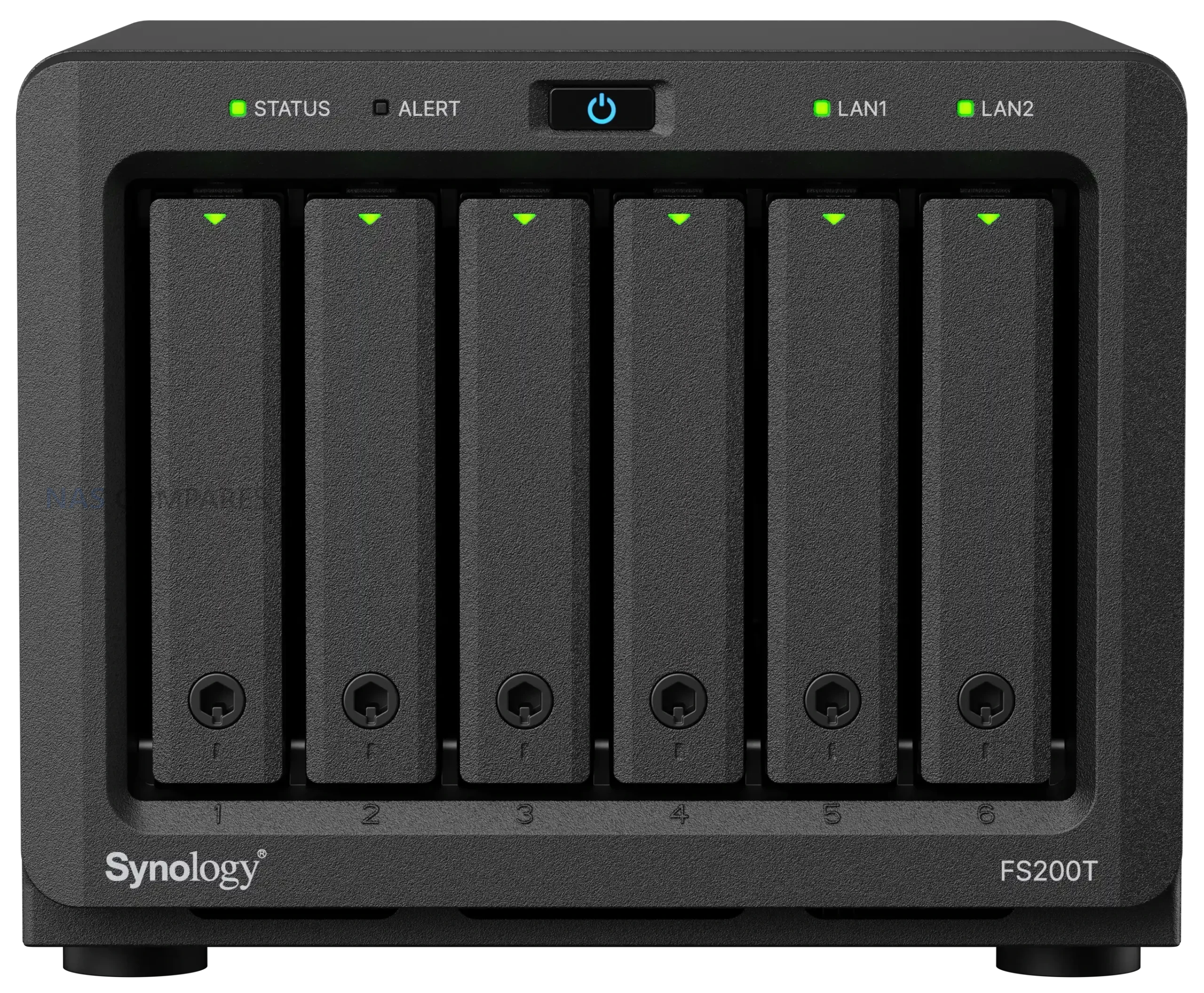
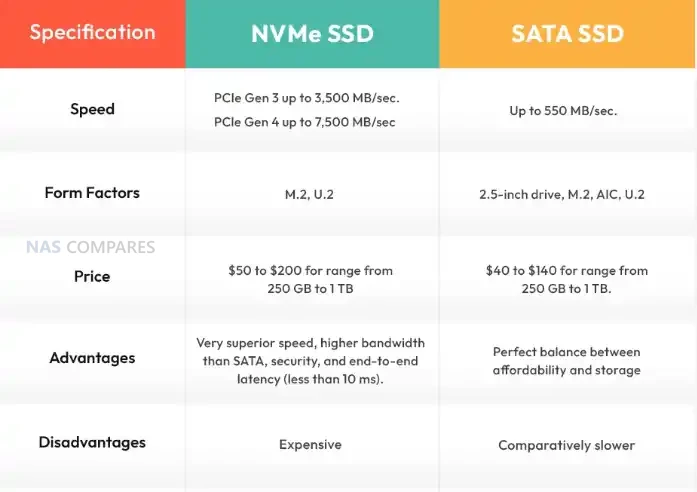
Storage is where the FS200T makes its clearest statement, and also draws its most obvious criticism. The system supports 6 x 2.5 inch SATA SSDs with hot swap capability, and no other internal storage options are listed. There are no M.2 NVMe slots, no cache bays, and no PCIe expansion. In a market where even compact NAS systems increasingly rely on NVMe for primary or cache storage, the exclusive reliance on SATA SSDs feels increasingly out of step. SATA bandwidth limitations mean that even in optimal RAID configurations, the storage subsystem will be constrained long before the SSDs themselves are saturated, particularly when paired with the available network interfaces. This design choice prioritizes compatibility and thermals over performance scalability, but it also places a hard ceiling on what the platform can deliver.
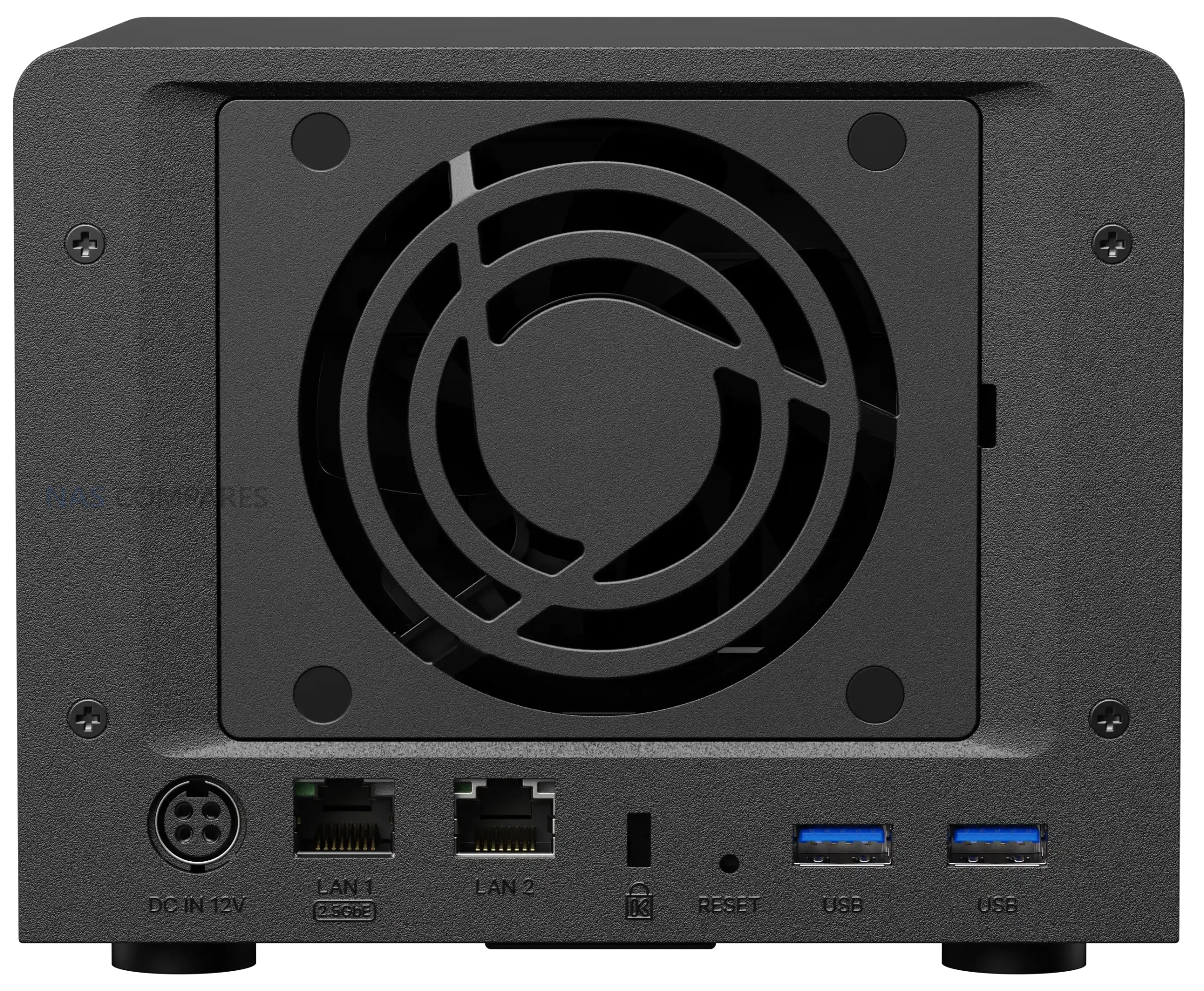
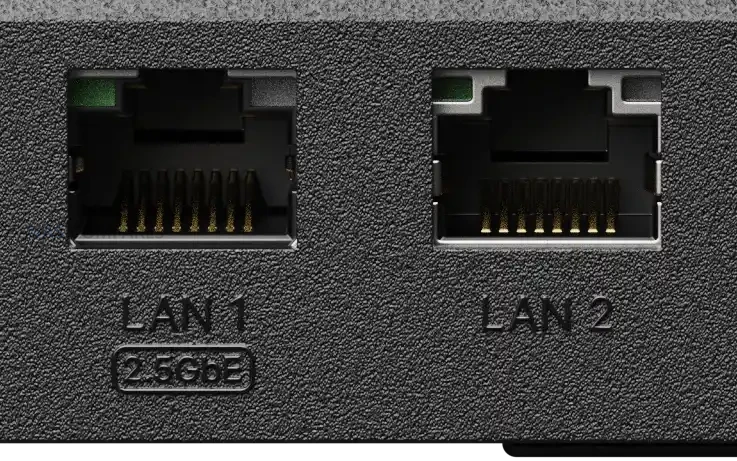
Networking is limited to 2 Ethernet ports, consisting of 1 x 2.5GbE and 1 x 1GbE with failover support. While the inclusion of 2.5GbE is a welcome baseline upgrade over legacy 1GbE only systems, the absence of additional multi gig ports or 10GbE options further compounds the performance bottleneck created by the SATA only storage design. External connectivity is handled via 2 x USB 3.2 Gen 1 ports, suitable for backups or peripheral devices, but there is no mention of USB based expansion units or higher bandwidth options.
Physically, the FS200T maintains a compact and understated design. The chassis measures 121 mm x 151 mm x 175 mm and weighs 1.4 kg, making it easy to place in home or small office environments. Cooling is managed by a single 80 mm fan, and the lack of mechanical drives supports Synology’s positioning of the system as quiet during operation. Power input is rated from 100V to 240V AC at 50/60 Hz, with operating conditions specified between 0°C and 40°C and 8 percent to 80 percent relative humidity. These characteristics reinforce the system’s focus on low noise, low power operation rather than sustained high performance workloads.
The Synology FS200T is clearly aimed at a narrow segment of users who value compact size, quiet operation, and access to the DSM software ecosystem over raw performance or hardware flexibility. This includes home users, enthusiasts, and small office environments where space and noise are limiting factors and where workloads are largely centered around file storage, backups, photo management, and light collaboration services. Users already familiar with DSM who want an always on, low maintenance system for everyday data tasks may find the FS200T fits neatly into that role, particularly if power efficiency and physical footprint are higher priorities than throughput.
At the same time, the FS200T is less well suited to users expecting strong virtualization performance, heavy multi user access, or storage scalability over time. The combination of an older processor, a modest memory ceiling, SATA only storage, and limited network bandwidth means it is not designed to grow alongside more demanding workloads. Power users, media professionals, and those comparing against newer M.2 based NAS platforms may find the system restrictive. In practice, the FS200T makes the most sense for users who want a quiet, self contained DSM appliance and are comfortable accepting its fixed performance envelope from day one.
Has the Synology FS200T NAS Arrived Too Little, Too Late?
The FS200T enters a NAS market that has evolved significantly since its first appearance in early 2025. In that time, compact and enthusiast focused systems have increasingly shifted toward M.2 NVMe as primary storage, often paired with faster multi gig or 10GbE networking as a baseline rather than an upgrade. Against those expectations, a 6 bay, SATA only flash system built around an older Celeron platform feels cautious and, in some respects, behind the curve. Even where SSD responsiveness is present, the combination of SATA bandwidth limits, modest CPU capability, and a single 2.5GbE port constrains how much of that performance can realistically be delivered to connected clients.
These limitations are more pronounced when the FS200T is compared directly with consumer and prosumer alternatives released over the last 12 to 24 months. Many competing systems, including small form factor DIY and appliance style NAS solutions, now offer newer Alder Lake or Twin Lake based processors, higher memory ceilings, and NVMe storage that can scale well beyond SATA constraints. While those platforms may lack DSM and its tightly integrated services, they often deliver noticeably higher throughput, better virtualization headroom, and more flexibility for future expansion at similar or lower price points. In that context, the FS200T’s hardware profile risks appearing static rather than intentionally restrained.
Whether the FS200T is ultimately “too late” depends on how much weight is placed on software versus hardware. For users who specifically want DSM in a very small, quiet enclosure and are comfortable with a fixed performance envelope, the system still fills a clear niche. However, its weaknesses become harder to overlook in a consumer market that increasingly expects NVMe storage, modern CPUs, and faster networking as standard. If pricing and SSD compatibility further narrow its appeal, the FS200T may struggle to justify its position against consumer focused alternatives that offer stronger hardware fundamentals, even if they require compromises on software maturity and ecosystem integration.
This description contains links to Amazon. These links will take you to some of the products mentioned in today's content. As an Amazon Associate, I earn from qualifying purchases. Visit the NASCompares Deal Finder to find the best place to buy this device in your region, based on Service, Support and Reputation - Just Search for your NAS Drive in the Box Below
Need Advice on Data Storage from an Expert?
Finally, for free advice about your setup, just leave a message in the comments below here at NASCompares.com and we will get back to you.Need Help?
Where possible (and where appropriate) please provide as much information about your requirements, as then I can arrange the best answer and solution to your needs. Do not worry about your e-mail address being required, it will NOT be used in a mailing list and will NOT be used in any way other than to respond to your enquiry.
[contact-form-7]
TRY CHAT Terms and Conditions
If you like this service, please consider supporting us.
We use affiliate links on the blog allowing NAScompares information and advice service to be free of charge to you.Anything you purchase on the day you click on our links will generate a small commission which isused to run the website. Here is a link for Amazon and B&H.You can also get me a Ko-fi or old school Paypal. Thanks!To find out more about how to support this advice service checkHEREIf you need to fix or configure a NAS, check FiverHave you thought about helping others with your knowledge? Find Instructions Here
Or support us by using our affiliate links on Amazon UK and Amazon US
Alternatively, why not ask me on the ASK NASCompares forum, by clicking the button below. This is a community hub that serves as a place that I can answer your question, chew the fat, share new release information and even get corrections posted. I will always get around to answering ALL queries, but as a one-man operation, I cannot promise speed! So by sharing your query in the ASK NASCompares section below, you can get a better range of solutions and suggestions, alongside my own.
Valve ressuscite la Steam Machine sous forme de console de salon liée à la Steam Deck. Matériel, jeux compatibles, accessoires et prix : voici tout ce que l’on sait avant son lancement en 2026

 Connexion








 Le Galaxy S26 ne disposerait pas d'anneau magnétique cependant sa mécanique répondrait aux contraintes de la norme Qi 2.2.1
 Microsoft met fin aux anciens pilotes d’imprimantes sur Windows 11. Cette décision peut rendre de nombreuses imprimantes âgées incompatibles.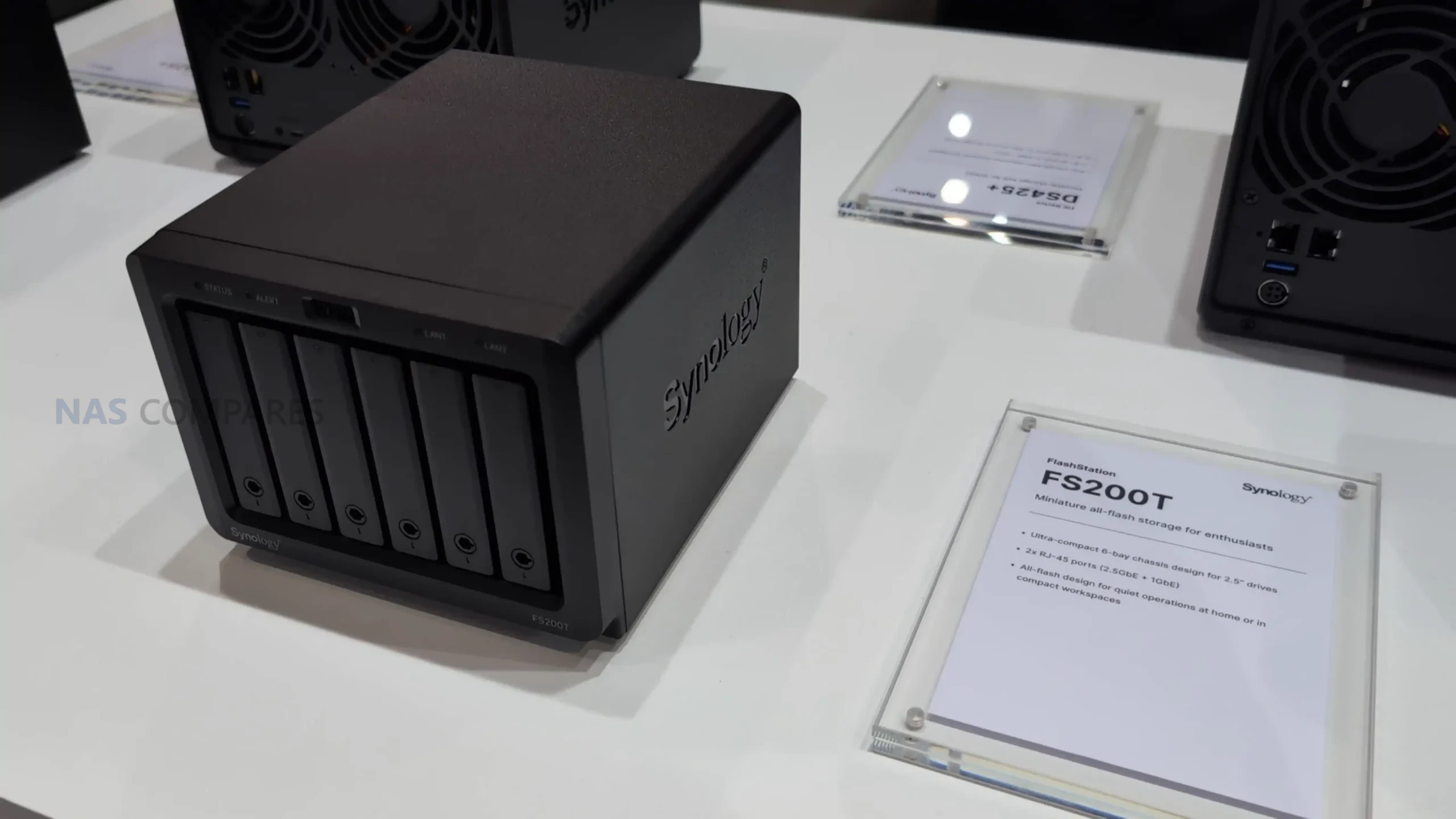

 SUBSCRIBE TO OUR NEWSLETTER


 TRY CHAT






 Valve ressuscite la Steam Machine sous forme de console de salon liée à la Steam Deck. Matériel, jeux compatibles, accessoires et prix : voici tout ce que l’on sait avant son lancement en 2026