Vue lecture

Il y a de nouveaux articles disponibles, cliquez pour rafraîchir la page.

Best NAS for Under $250

Best NAS You Can Buy Right Now for Under $249 at the end of 2025

As personal data storage requirements continue to rise in 2025, many users are moving away from cloud platforms and monthly subscription services in search of something more private and cost effective. A dedicated NAS, or network attached storage system, allows you to back up photo collections, host a home media library, or manage small business files while keeping full control of your data and avoiding ongoing fees. The good news is that the market now includes several capable options priced at or under 249 dollars. Improvements in low power processors, wider use of DDR5 memory, and leaner operating systems have made entry level systems far more powerful than they were even a year ago. They can comfortably handle tasks such as Plex playback, simple virtualization, and lightweight container apps. This article looks at five NAS units currently available within this price bracket, each offering a practical mix of performance, connectivity, and storage flexibility for anyone building a reliable setup on a limited budget.

Important Disclaimer and Notes Before You Buy!

Before looking at specific NAS models, it helps to understand the common limits of systems in this price tier. Most units under 249 dollars arrive without drives, and rely on NVMe or SATA bays that must be filled separately. Some include small onboard storage such as 32GB to 64GB eMMC that only covers the operating system. This means the total cost of a usable setup will usually be higher than the base price. These devices are aimed at home users and personal cloud tasks rather than heavier business workloads. Several models also lack a full NAS operating system and instead use lightweight platforms such as CasaOS or ZimaOS, or provide only a simple interface for local file access and containers. These options are improving, yet they may not offer advanced RAID tools, snapshot automation, or detailed permission control found on systems like Synology DSM or TrueNAS. Overall, these NAS units suit users with some technical confidence or anyone who wants a simple setup with limited depth.


Beelink ME Mini NAS – 6 Bay SSD NAS

$209 – Intel N150 – 12GB – No SSD (64GB eMMC Only) – 2x 2.5GbE + WiFi 6 – No OS / User Install – BUY HERE

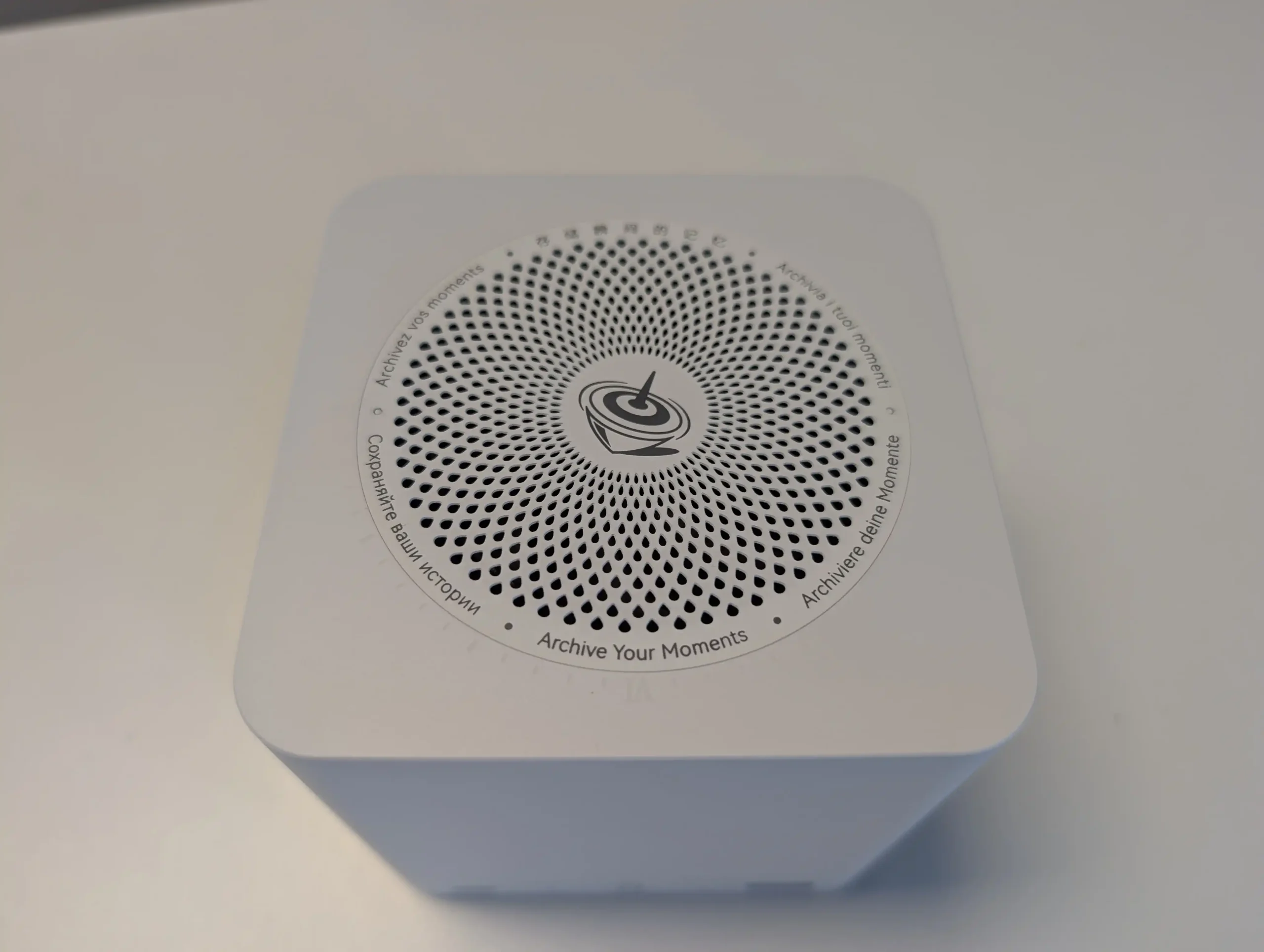
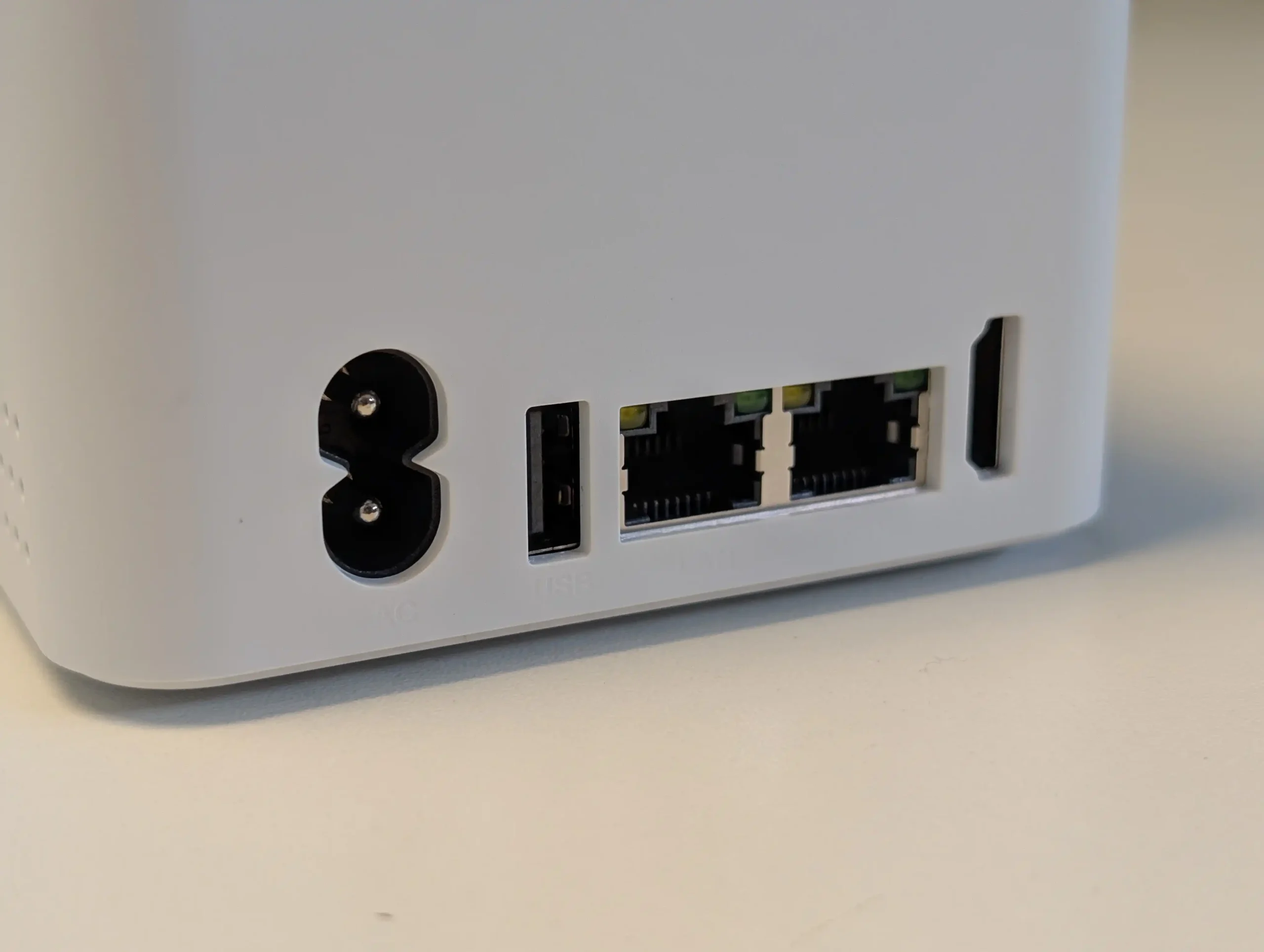
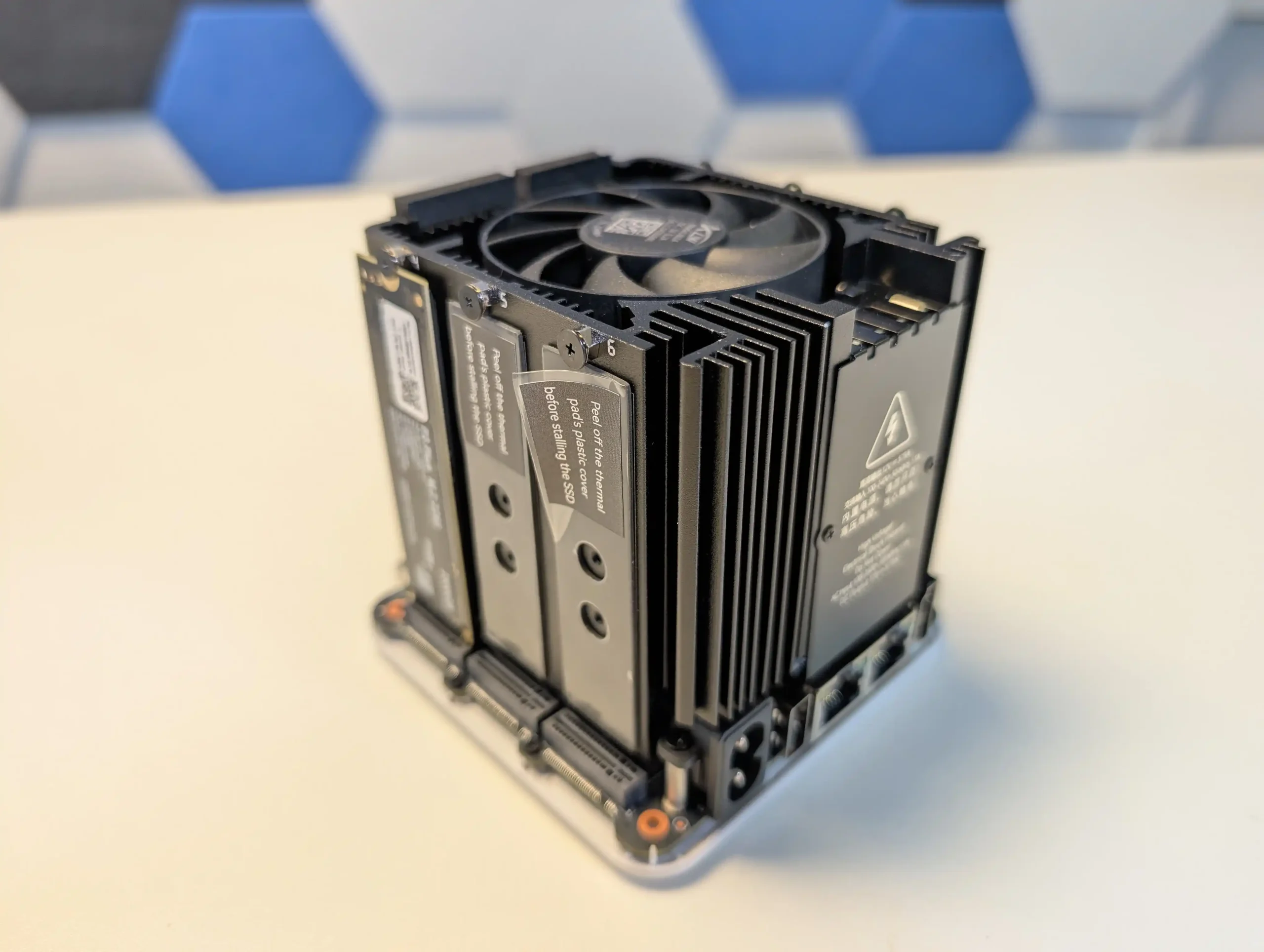
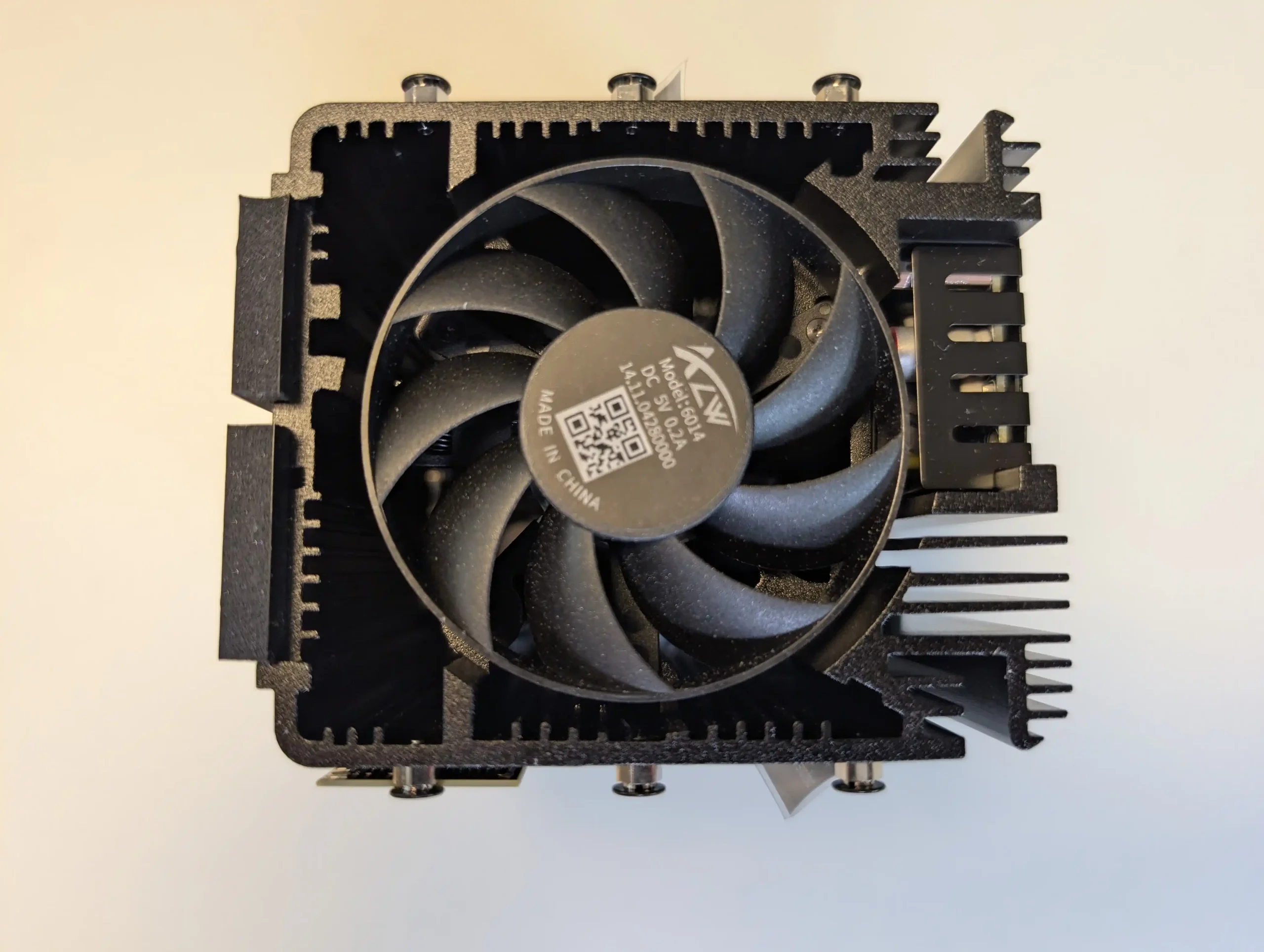
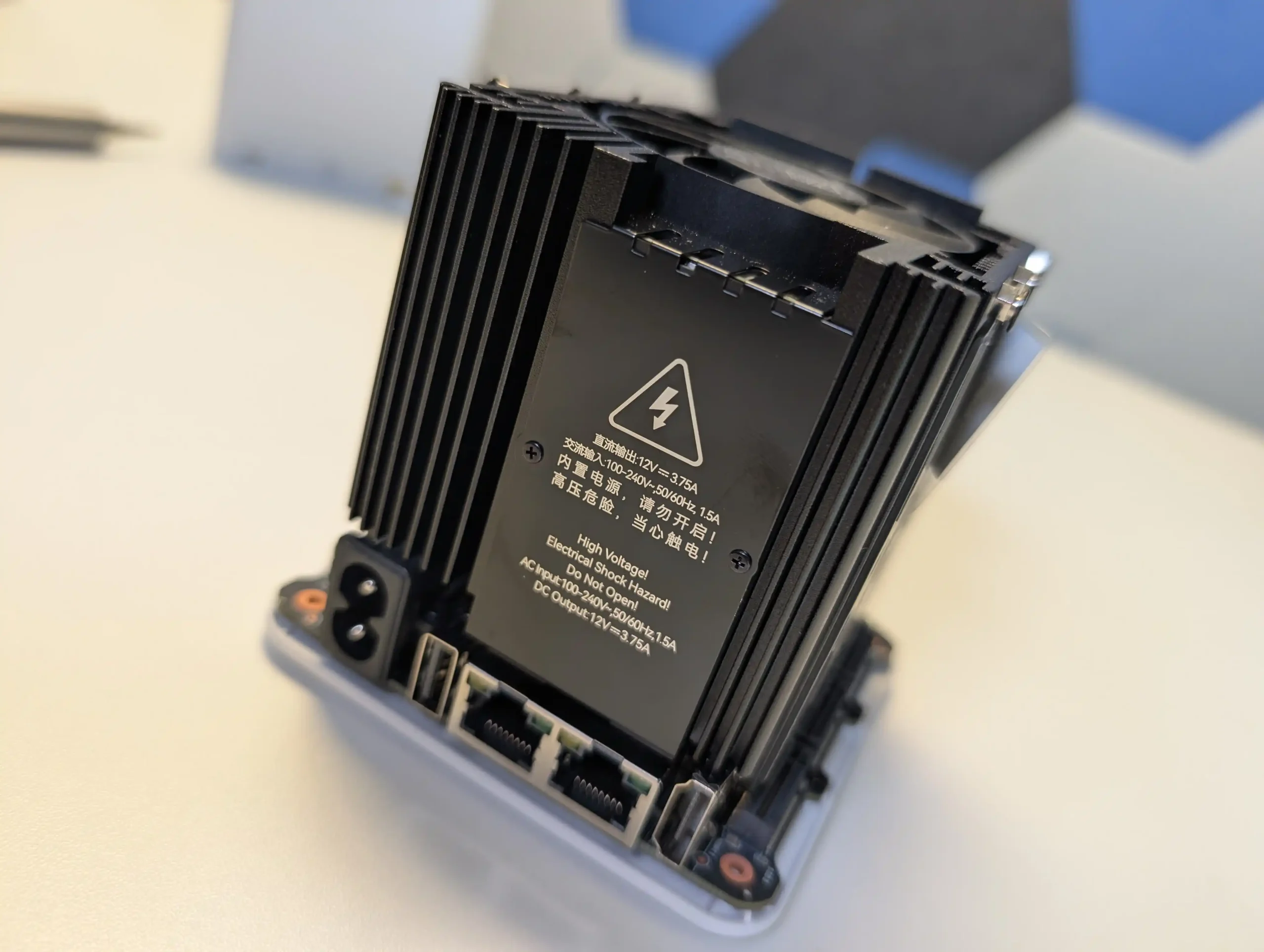
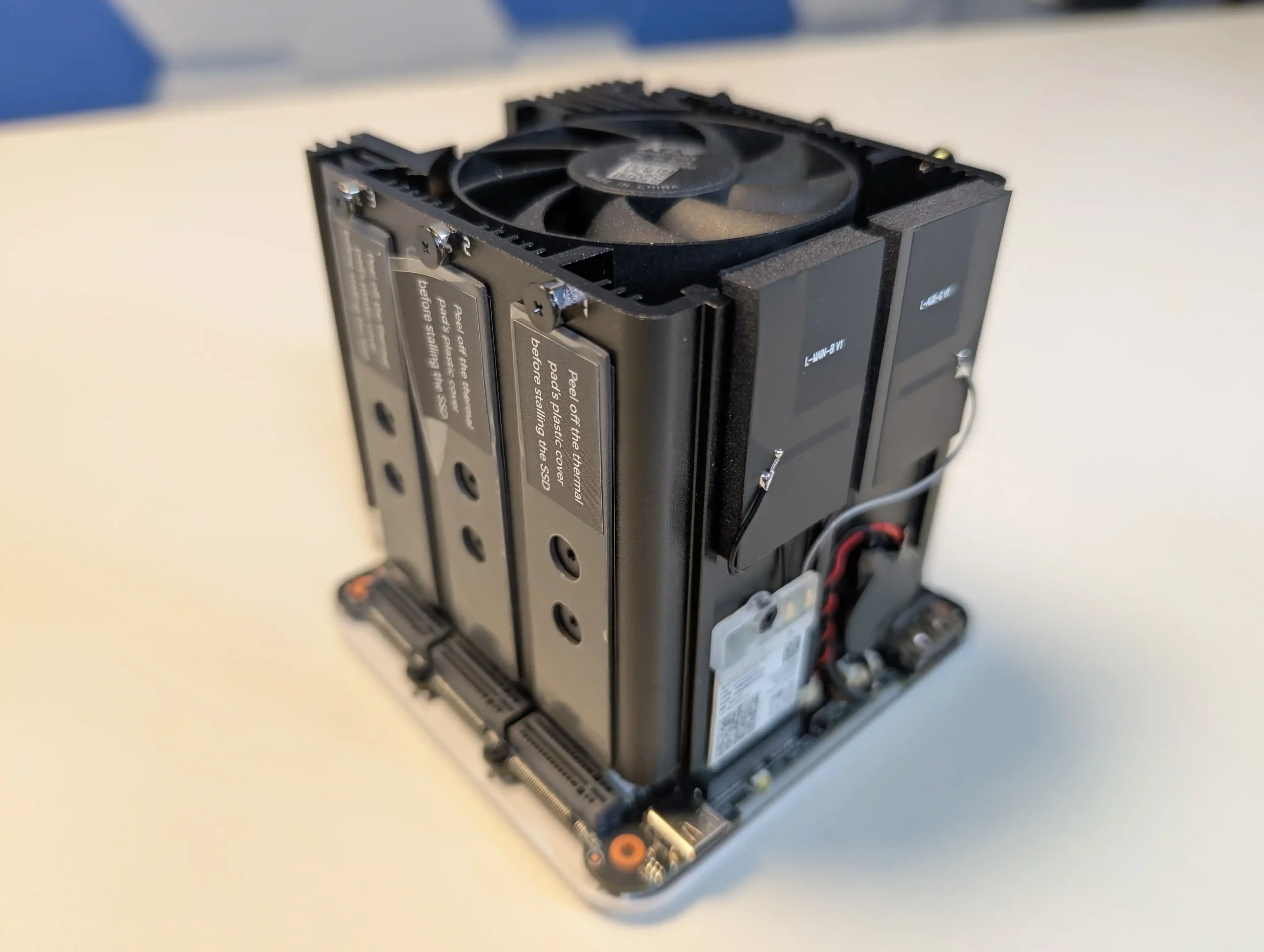
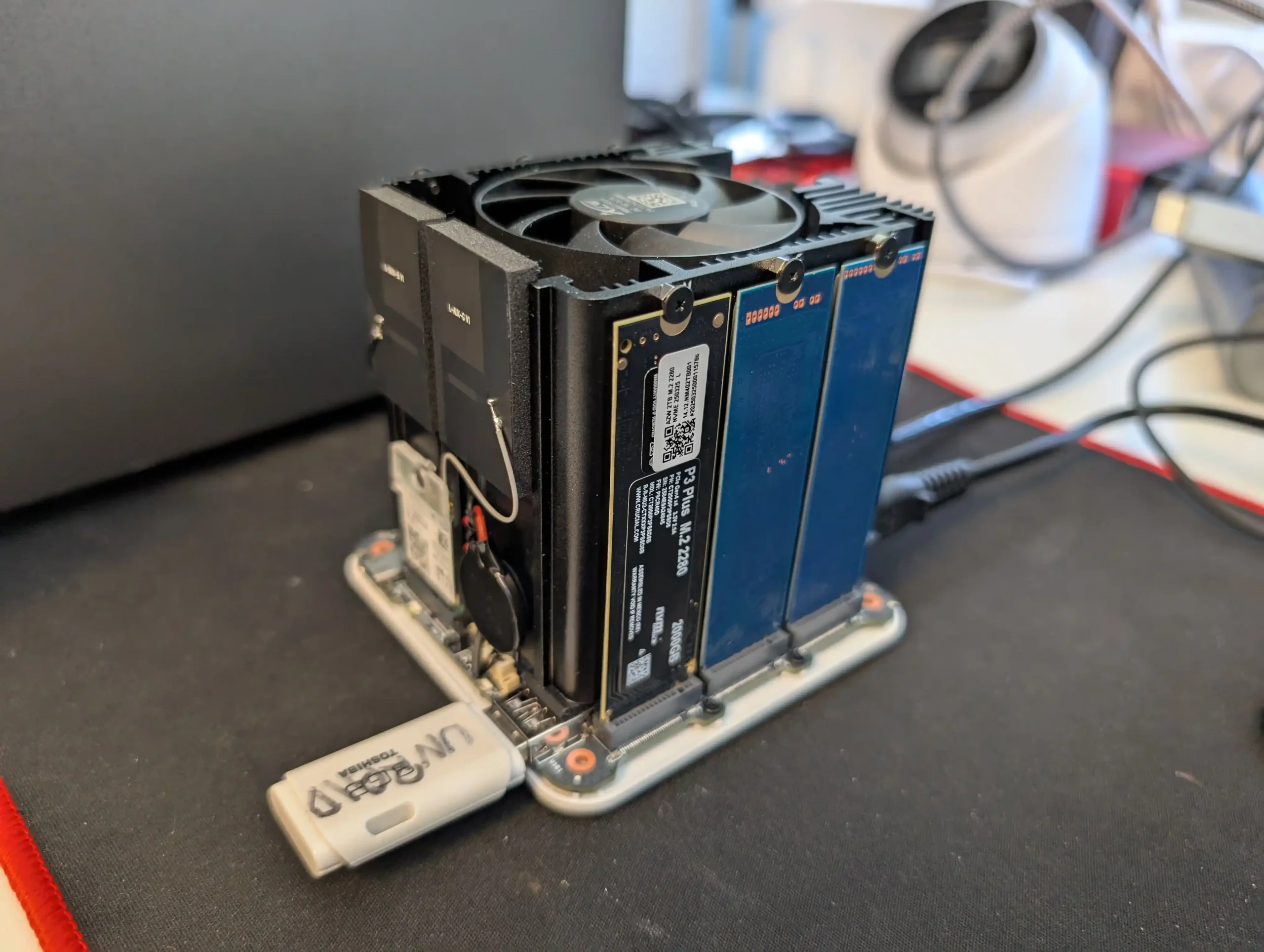
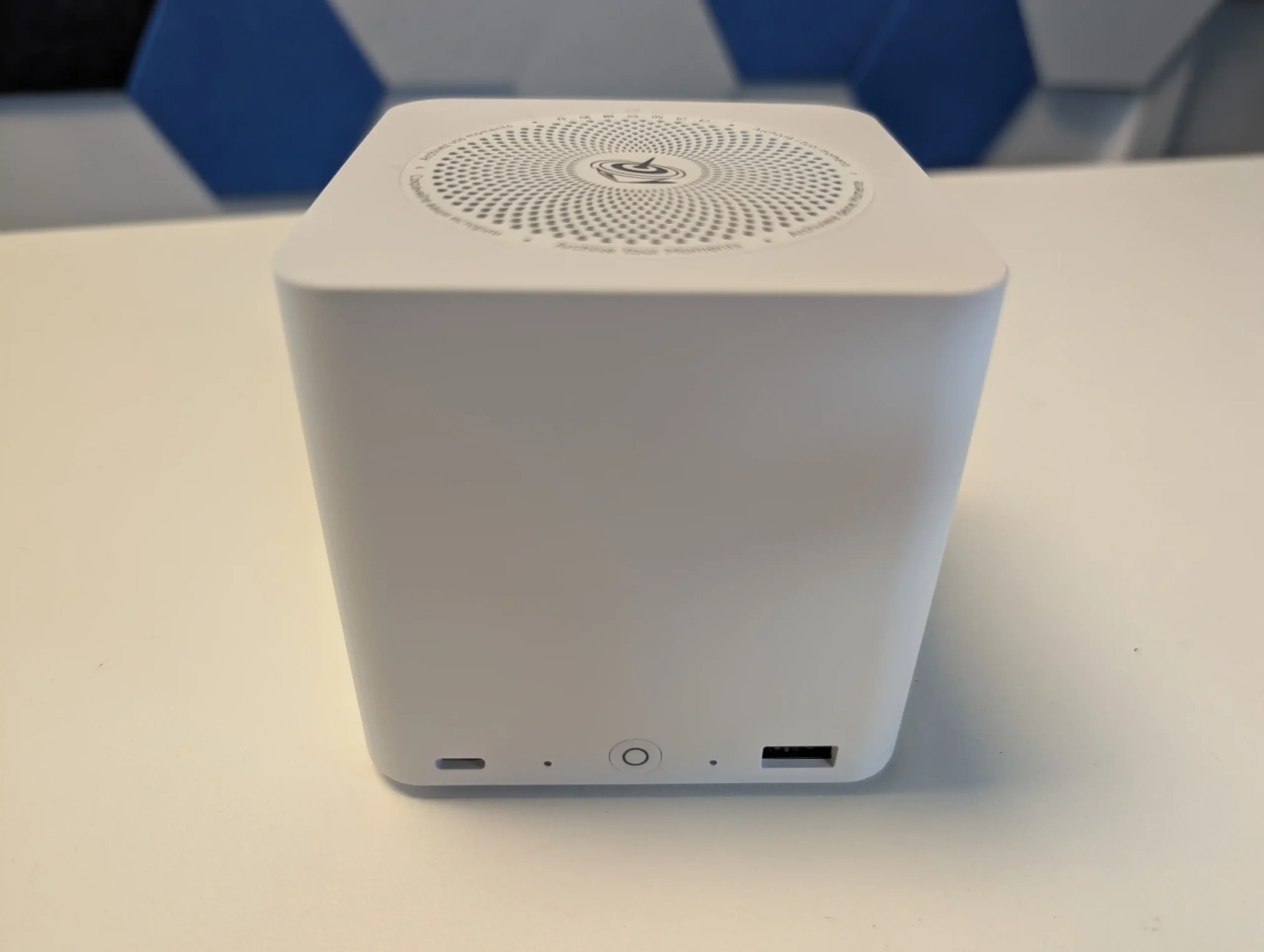
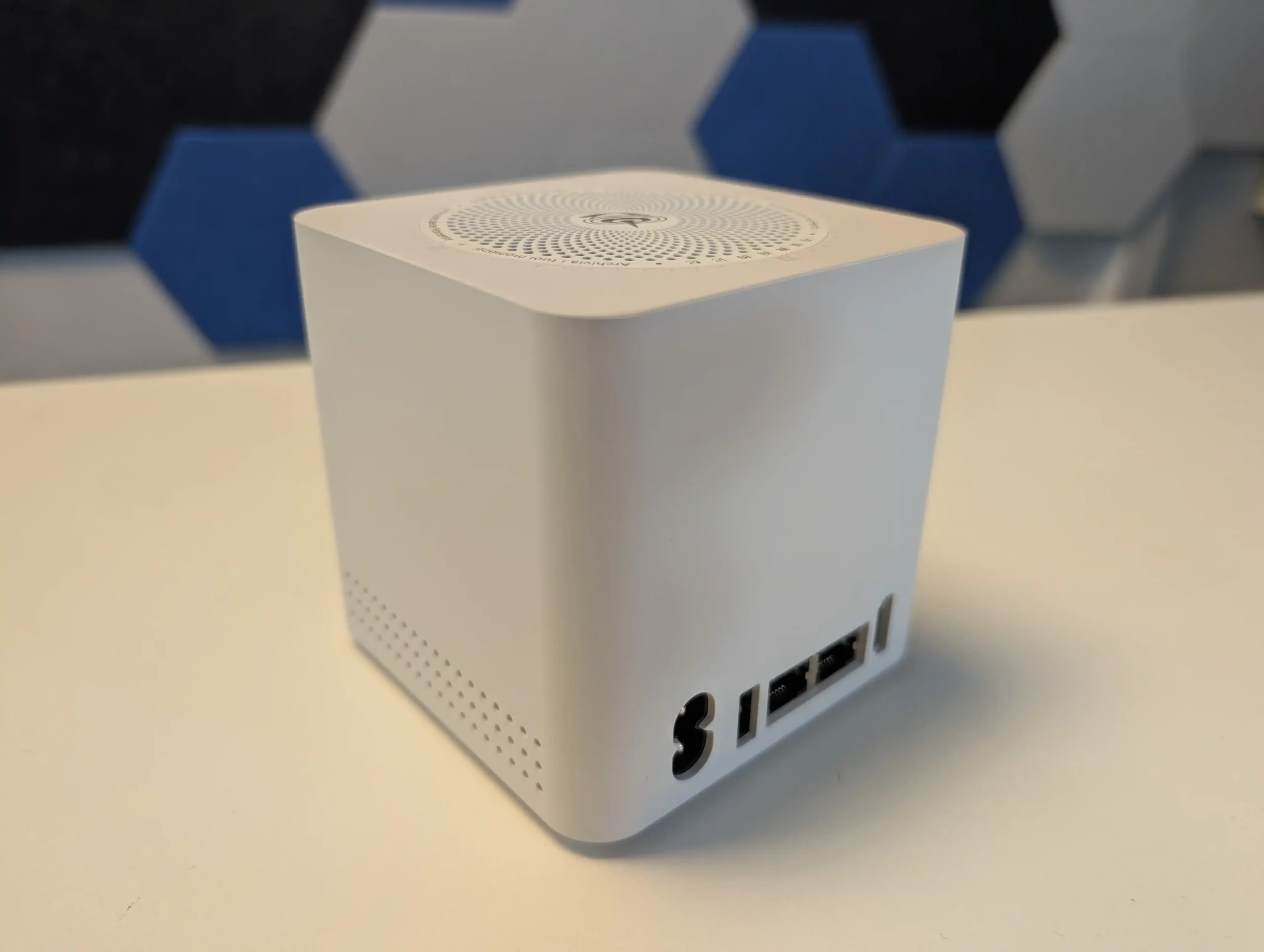
The Beelink ME Mini is a compact NAS designed for anyone who wants fast SSD storage in a very small enclosure. It measures 99mm on each side and includes six M.2 2280 NVMe slots that can deliver as much as 24TB when fully populated. The system uses an Intel N150 processor with 12GB of LPDDR5 memory, which provides a solid mix of performance and low power draw. Connectivity includes two 2.5GbE ports, WiFi 6, and Bluetooth 5.2, giving it flexibility for both wired and wireless use. Cooling is handled passively and the unit contains its own power supply, which keeps noise and cable clutter to a minimum and makes it a good fit for living rooms or compact office spaces.
Component Specification
CPU Intel N150 (4 cores, up to 3.6 GHz)
Memory 12GB LPDDR5
Internal Storage 64GB eMMC + 6x M.2 2280 NVMe slots
Networking 2x 2.5GbE LAN, WiFi 6, Bluetooth 5.2
Ports USB 2.0, USB 3.2, USB-C, HDMI
OS User-defined (Linux-based preferred)
Dimensions 99 x 99 x 99 mm


Terramaster F2-425 2- Bay Intel Value Turnkey NAS

$249 – Intel N5105 – 4GB – TOS 6 Software – 1x 2.5GbE – 2x SATA – BUY HERE

The Terramaster F2-424 is a two bay NAS that sits near the upper edge of the 249 dollar bracket and focuses on providing a more traditional turnkey experience. It uses an Intel Celeron class x86 quad core processor with 4GB of memory that can be upgraded, which allows it to handle general home NAS tasks and hardware assisted 4K decoding for applications such as Plex, Emby, and Jellyfin.
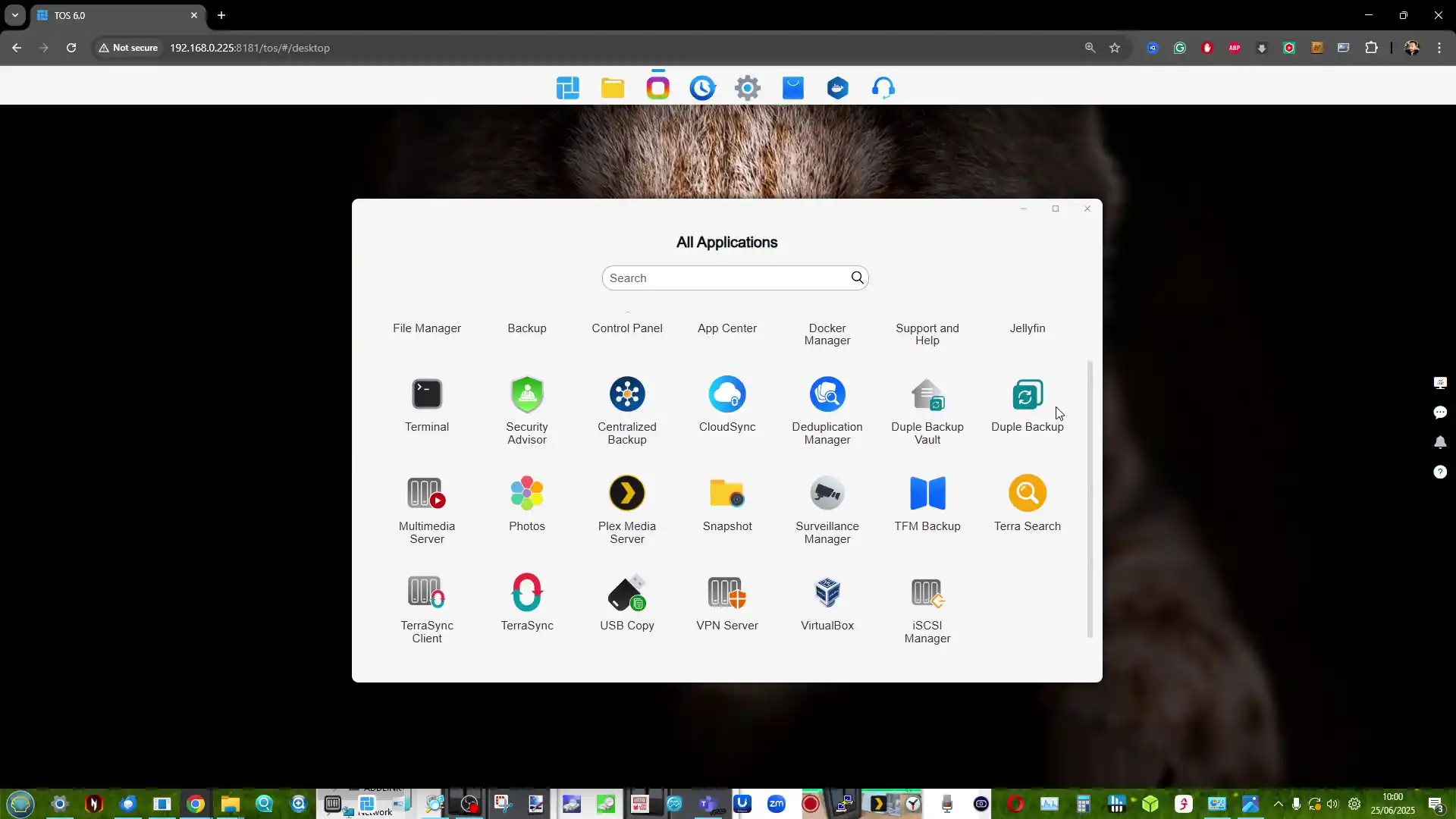
The system supports two SATA drives for a total capacity of up to 60TB and includes TRAID for flexible expansion and space management. Connectivity is limited to a single 2.5GbE port, which is sufficient for most home use but less flexible than some other systems in this list that offer two LAN ports. The unit runs TOS 6, which provides RAID options, snapshots, cloud sync, and a broad selection of built in apps for backup, media, and light productivity needs.
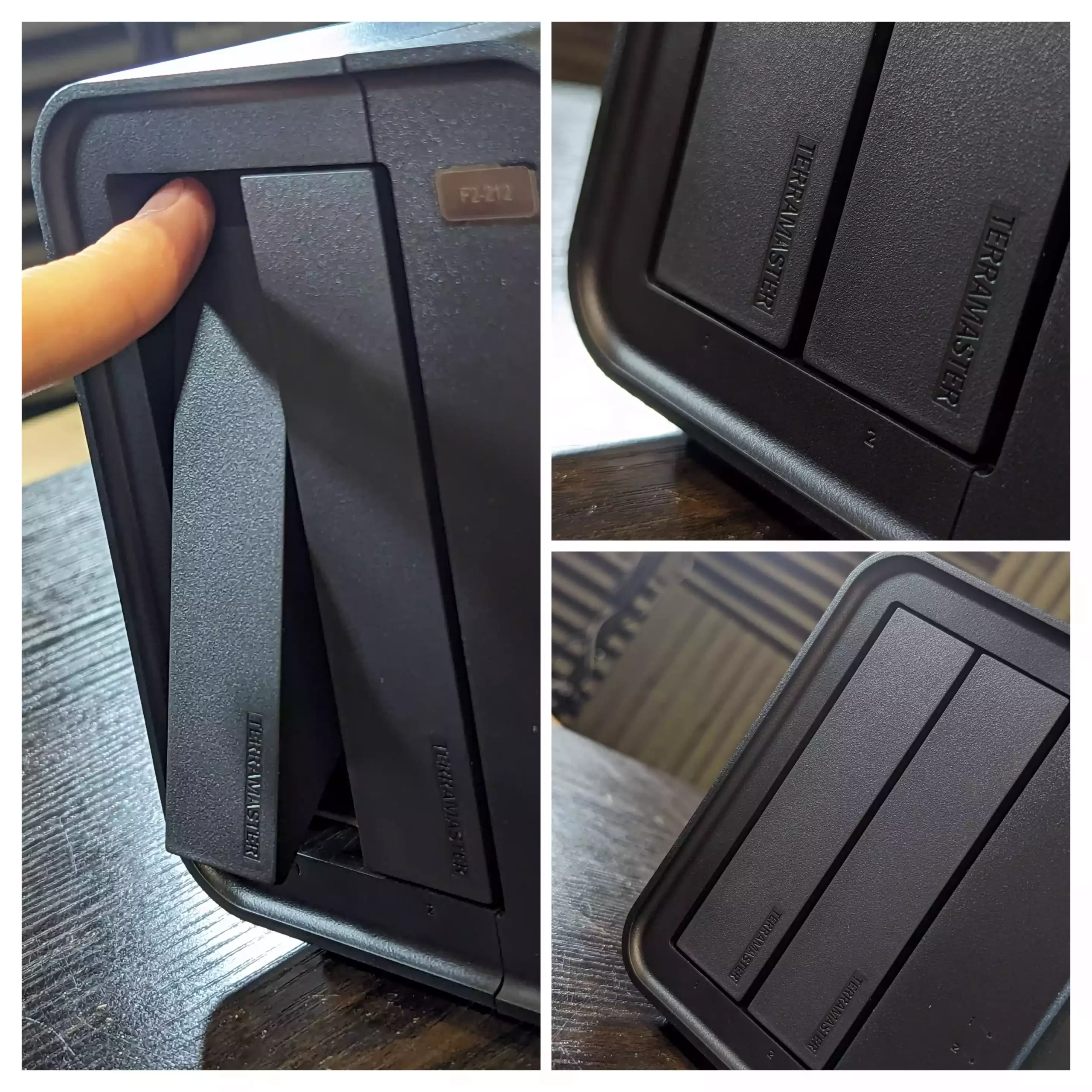
Setup can be completed through the TNAS Mobile app, which also supports automatic photo and video backups from mobile devices. Local AI driven sorting for photos is included, and cross platform access is available through the TNAS client or standard network mapping. TerraSync enables PC backups with version history, and security features include OTP authentication, firewall controls, DoS protections, snapshots, and HyperLock WORM for ransomware resistance. The chassis is quiet in operation and uses tool free push lock trays that allow quick installation or replacement of drives.
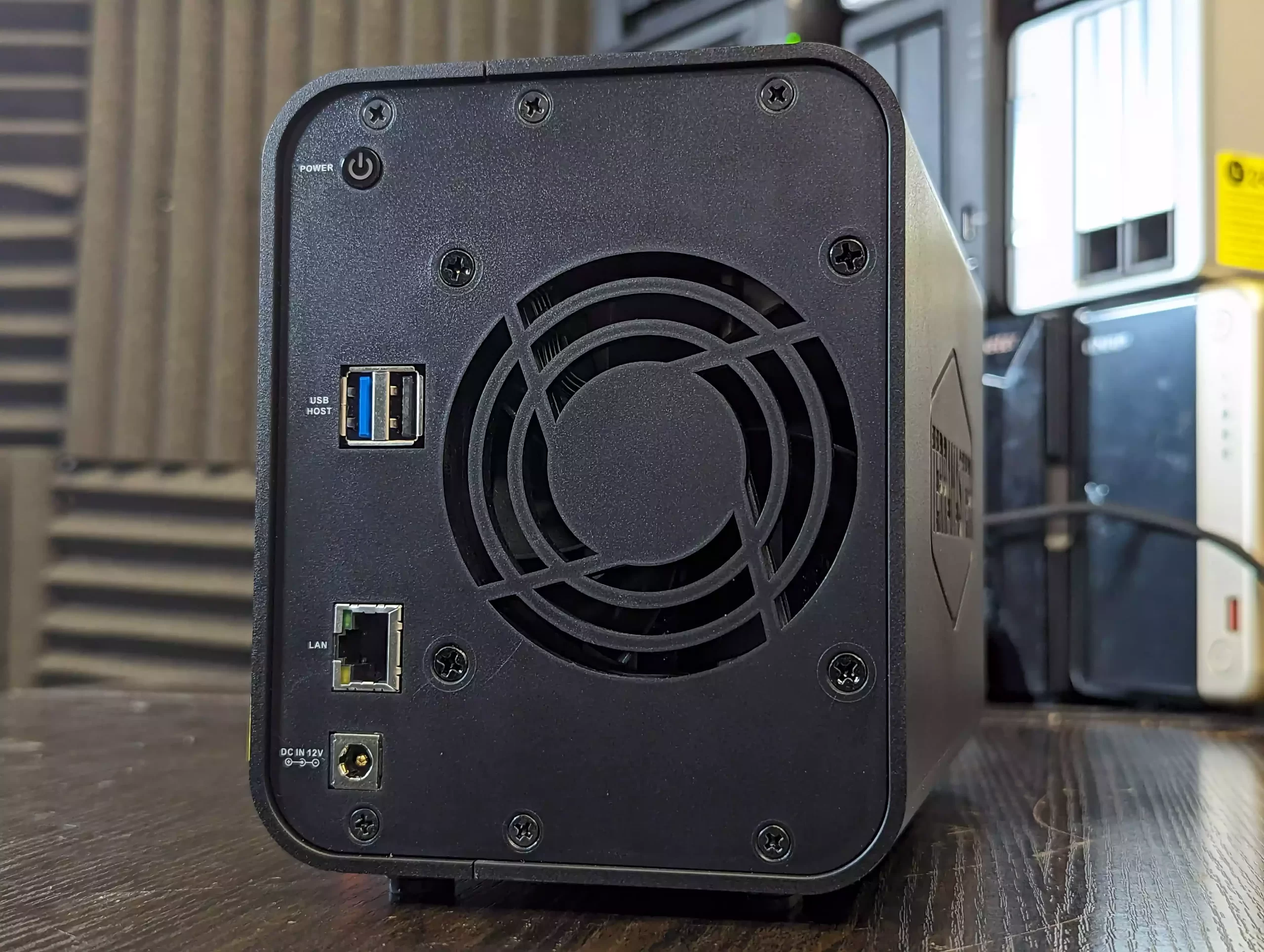
Terramaster also offers the F2-425 Plus at roughly 130 dollars more. That model increases CPU and memory resources and is aimed at users who want stronger performance and scalability. For those who want to remain within the 249 dollar limit, the F2-424 provides a straightforward Intel based platform with a familiar OS, upgradable memory, and native HDD support, as long as the single network port meets the user’s needs.


GMKTec G9 NAS – 4 Bay M.2 NAS @ The lowest Price

$185.99 – Intel N150 – 12GB – No SSD (64GB eMMC Only) – 2x 2.5GbE + WiFi 6 – Ubuntu 24.10 (Preloaded, Switchable) – BUY HERE

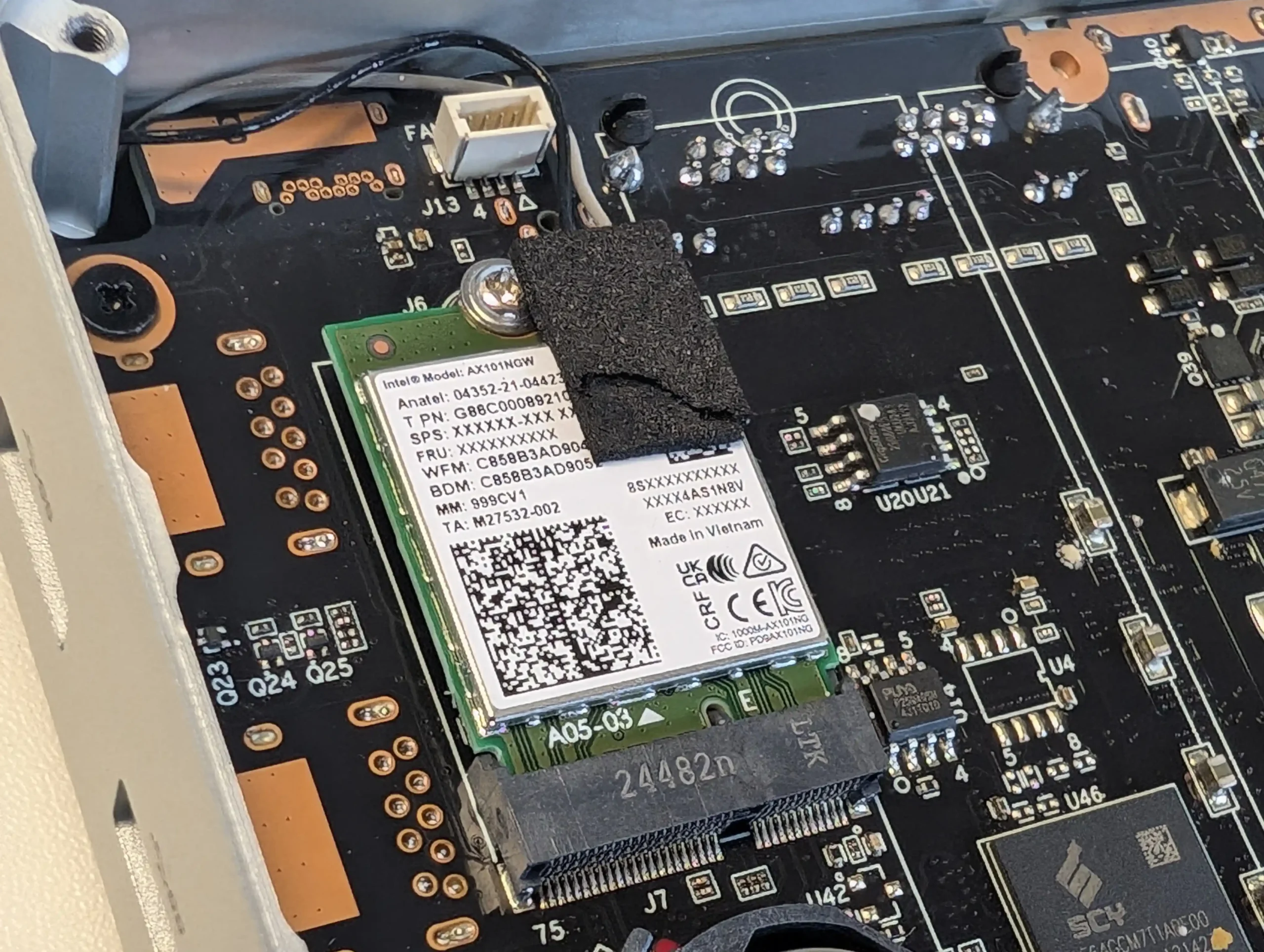
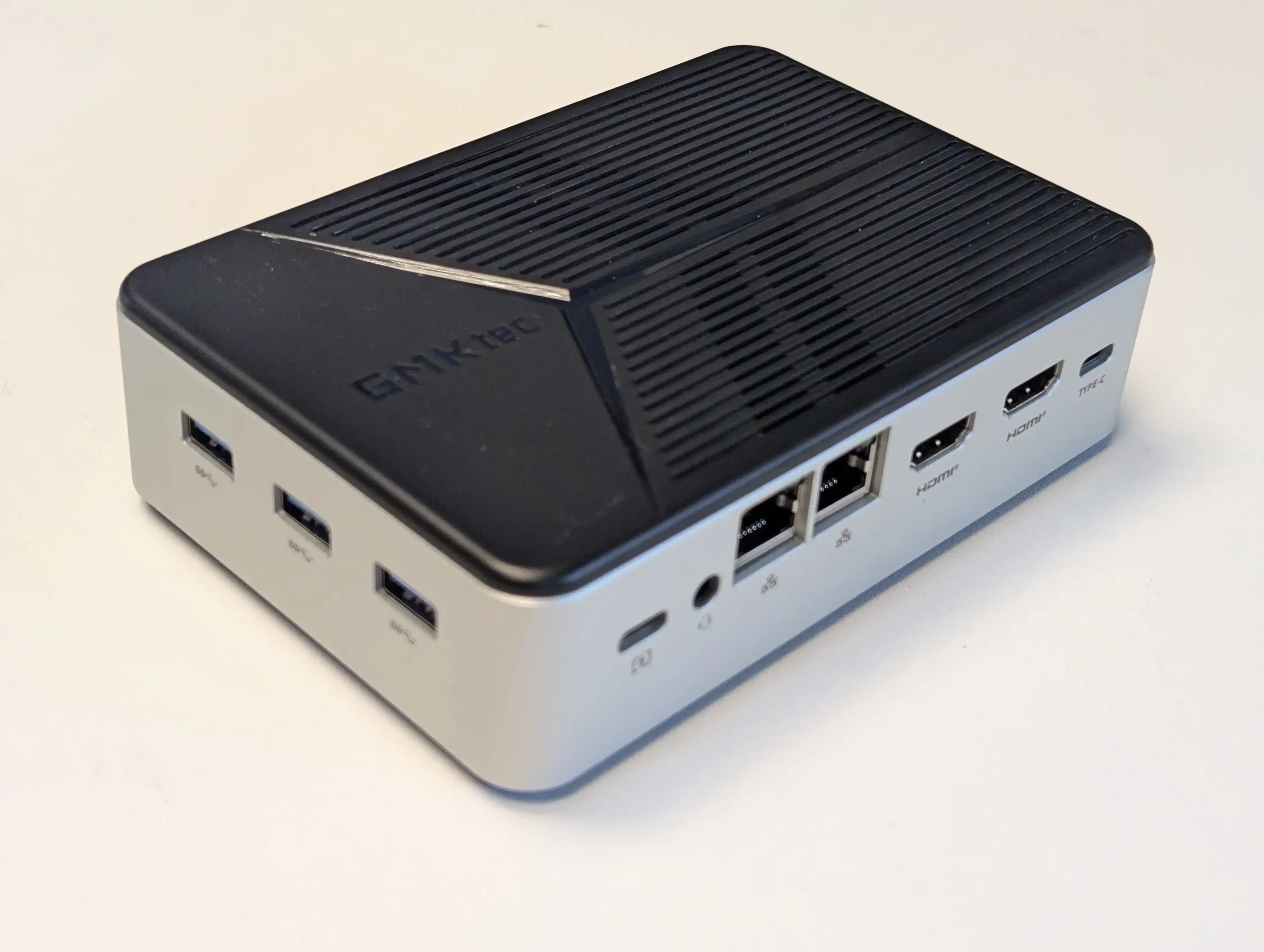
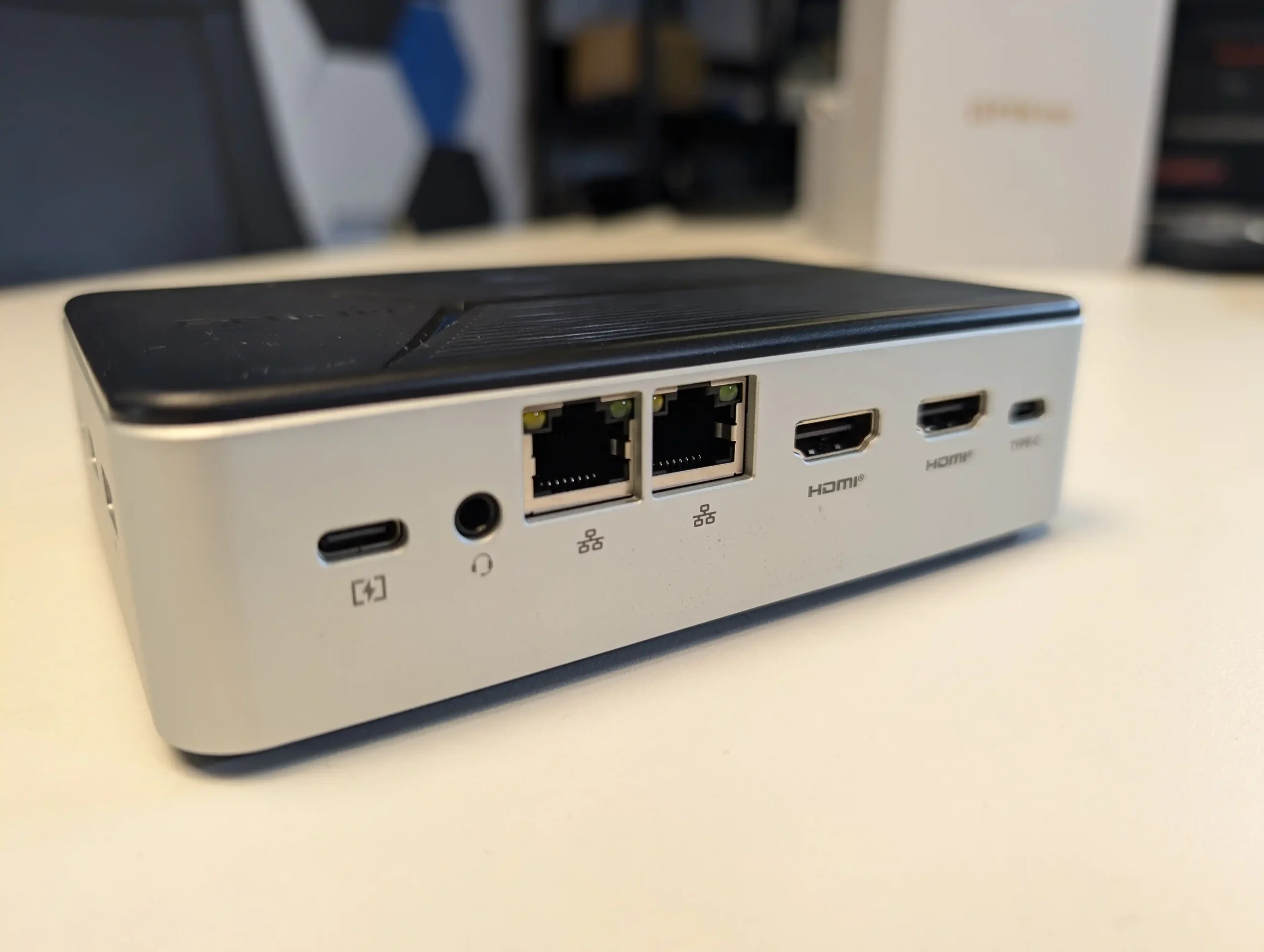
The GMKTec G9 provides hardware that closely matches the Beelink ME Mini, since it also uses the Intel N150 processor and 12GB of LPDDR5 memory. It arrives in a more traditional rectangular enclosure and includes four M.2 2280 NVMe slots instead of six. The system contains 64GB of onboard eMMC storage that is mainly used to boot Ubuntu 24.10, and it can dual boot into Windows 11 when an additional SSD is installed. As with the Beelink, there is no SATA support, so all storage relies on NVMe drives up to 4TB each. Cooling is handled by an active fan and the device includes two HDMI outputs, which makes it a stronger option for anyone who wants a small desktop system or direct media output as part of their NAS setup. The manufacturer issued a refresh in summer 2025 that improved the cooling layout with better vent placement and more efficient airflow.
Component Specification
CPU Intel N150 (4 cores, up to 3.6 GHz)
Memory 12GB LPDDR5
Internal Storage 64GB eMMC + 4x M.2 2280 NVMe slots
Networking 2x 2.5GbE LAN, WiFi 6, Bluetooth 5.2
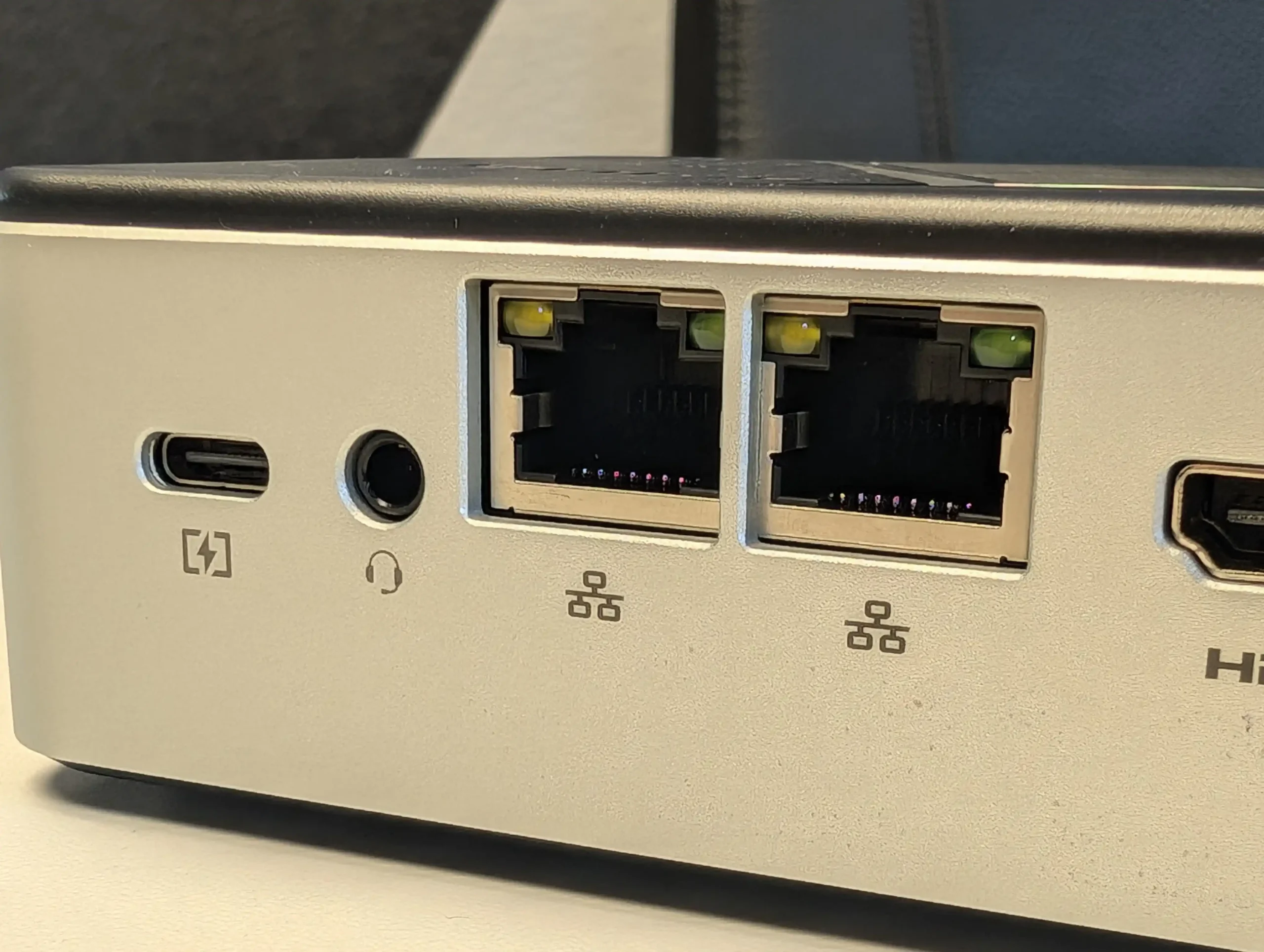
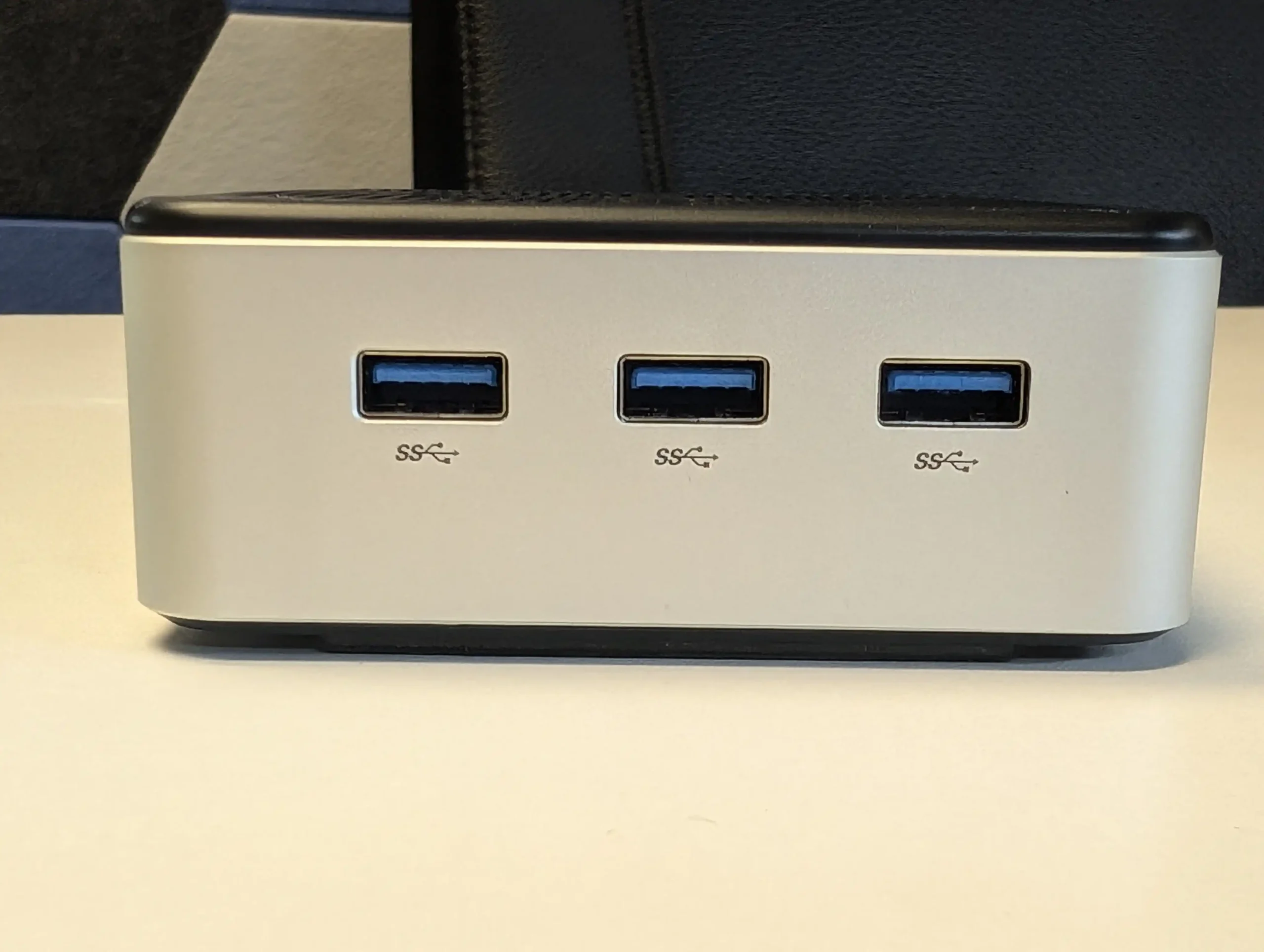
Ports 3x USB 3.2, 1x Type-C (DP), 2x HDMI, Audio
OS Ubuntu 24.10 by default, dual-boot capable
Dimensions 146.6 x 100.25 x 38.75 mm


Synology BeeStation 4TB NAS – ALL IN ONE!

$199 – Realtek RTD1619B – 1GB – 4TB SINGLE BAY – 1x 1GbE – BeeStation Manager (BSM) – BUY HERE

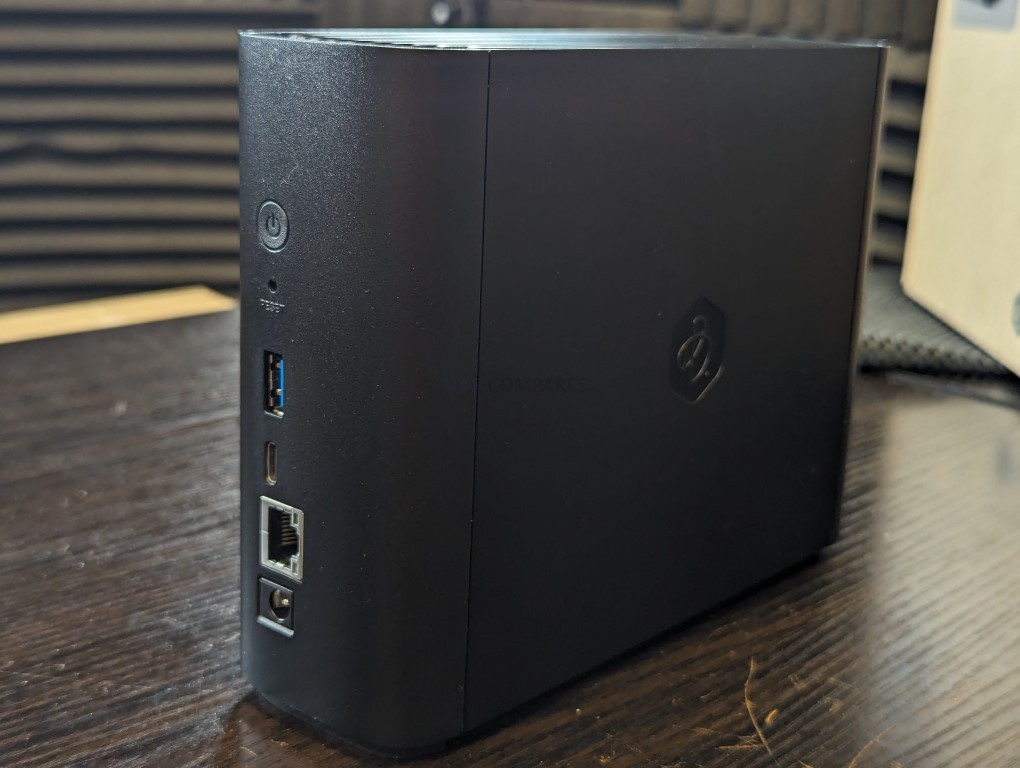
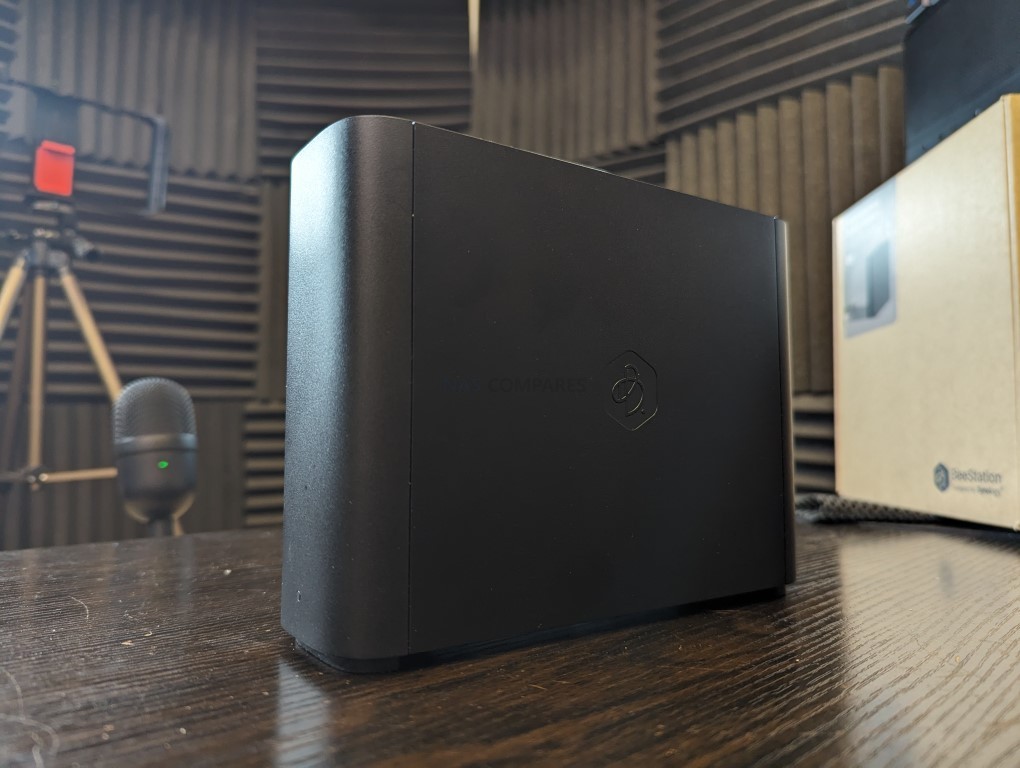
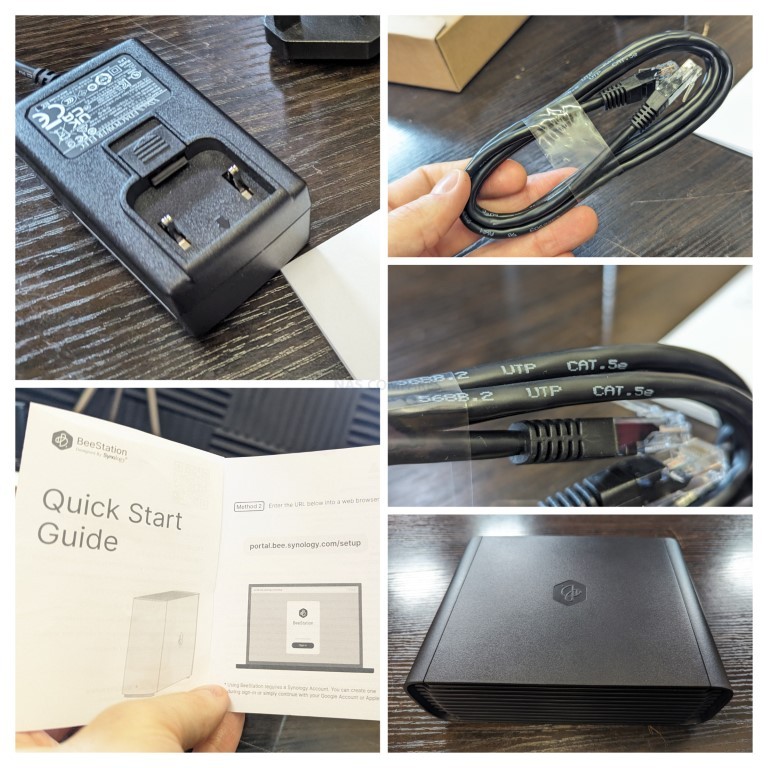
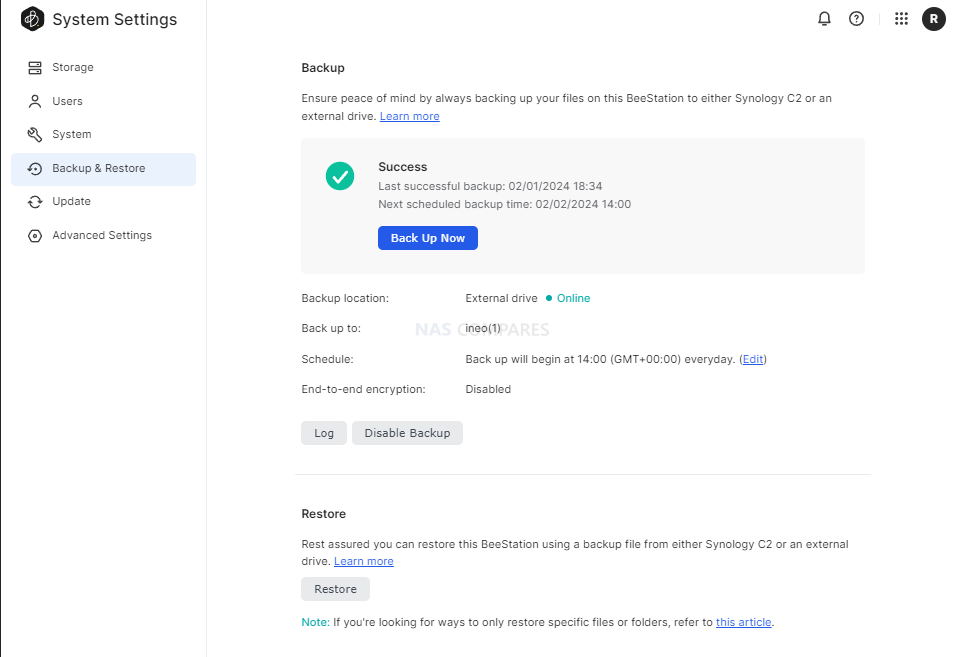
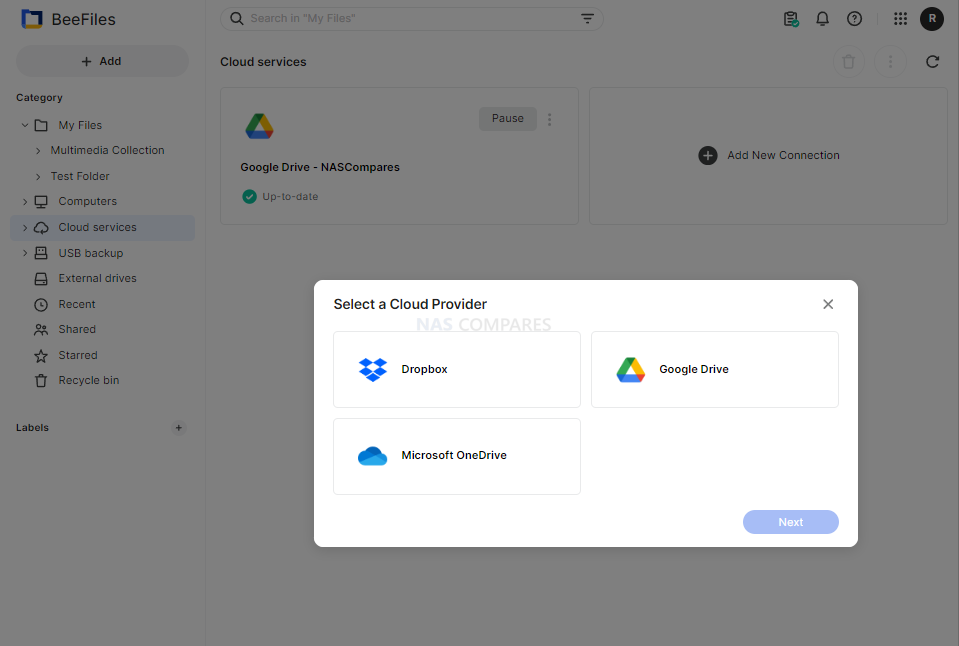
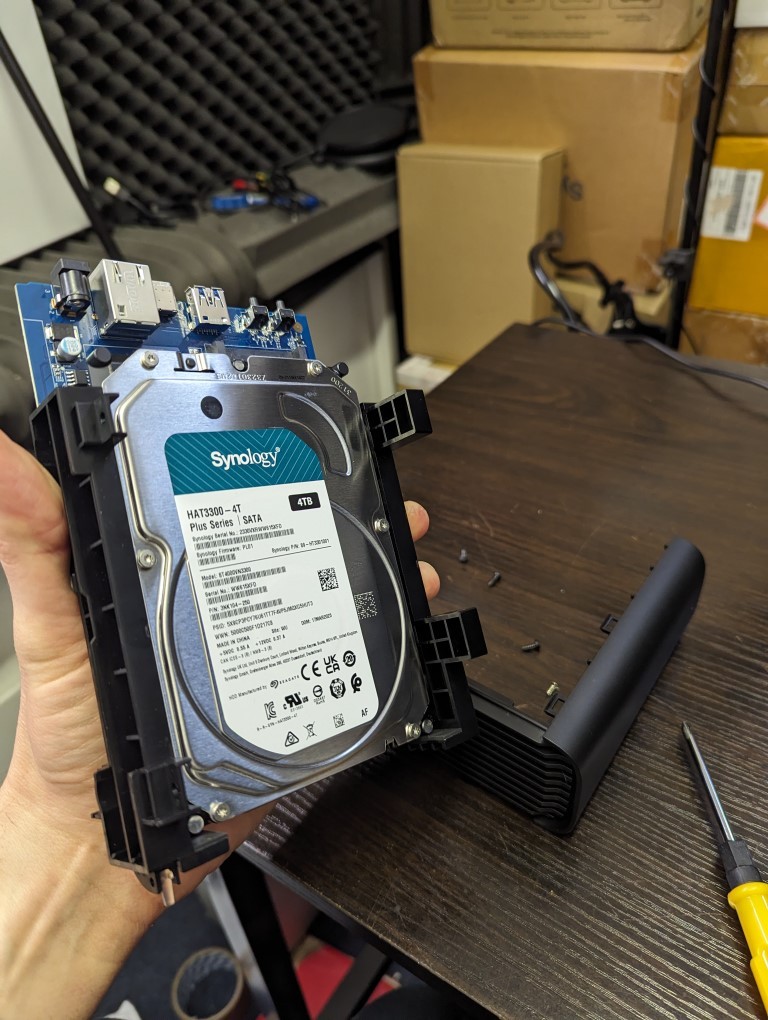
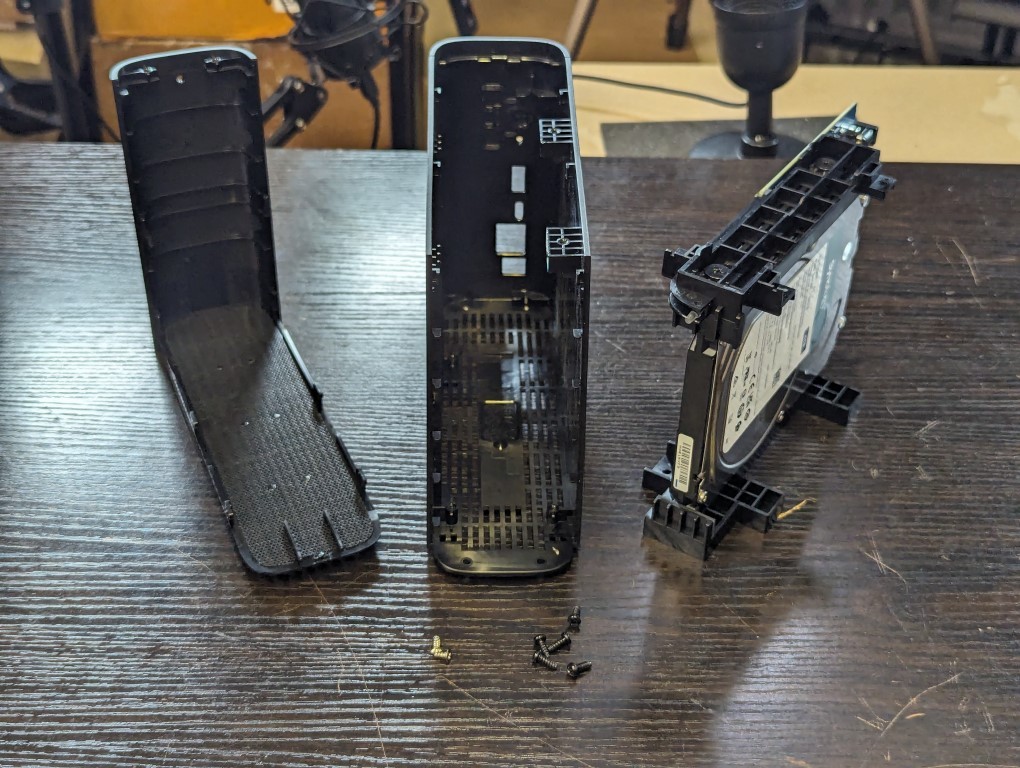
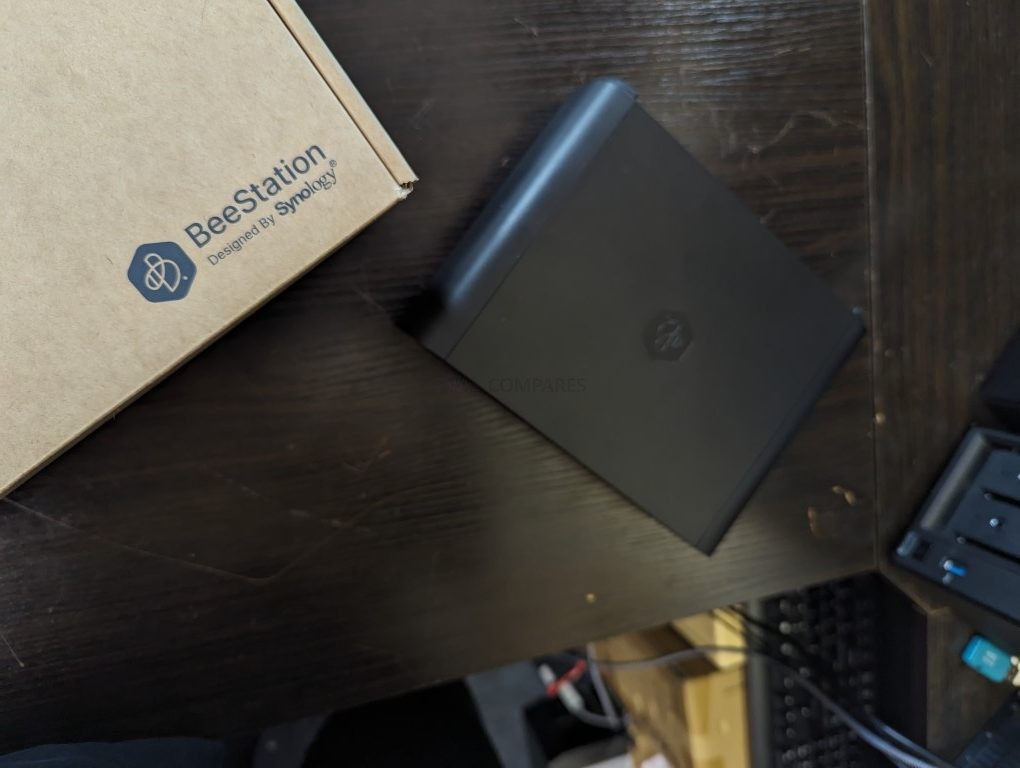
The Synology BeeStation 4TB is a single bay NAS designed for users who want a ready to use system with no installation work. It arrives with a pre installed 4TB hard drive and a sealed enclosure, so there is no need to source or fit storage. The system uses a Realtek RTD1619B ARM processor with 1GB of DDR4 memory and connects through a single 1GbE port. It runs BeeStation Manager, which focuses on beginner friendly features such as cloud style file access, simple photo management, and smooth integration with Synology mobile apps. Synology also released the BeeStation Plus model in 2025 with an Intel processor, more memory, and 8TB of storage, but it sits at roughly double the price. If you are willing to spend more, that model gives you greater performance and capacity.
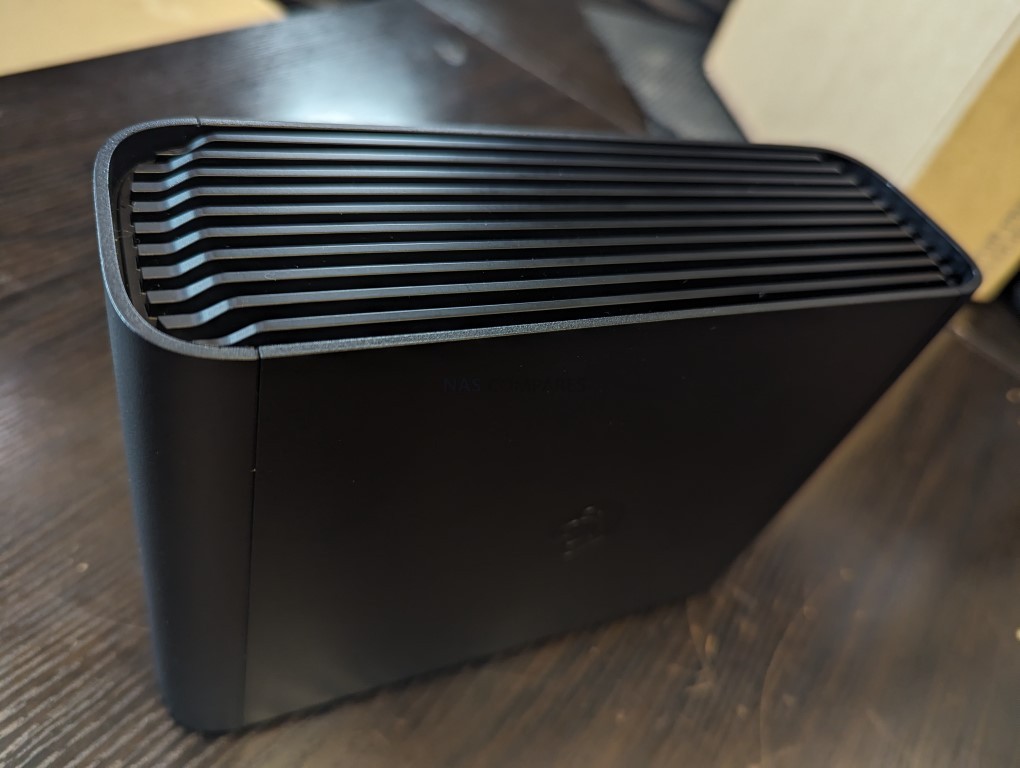
Component Specification
CPU Realtek RTD1619B (Quad-core ARM)
Memory 1GB DDR4
Internal Storage 4TB HDD (included, sealed)
Networking 1x 1GbE LAN
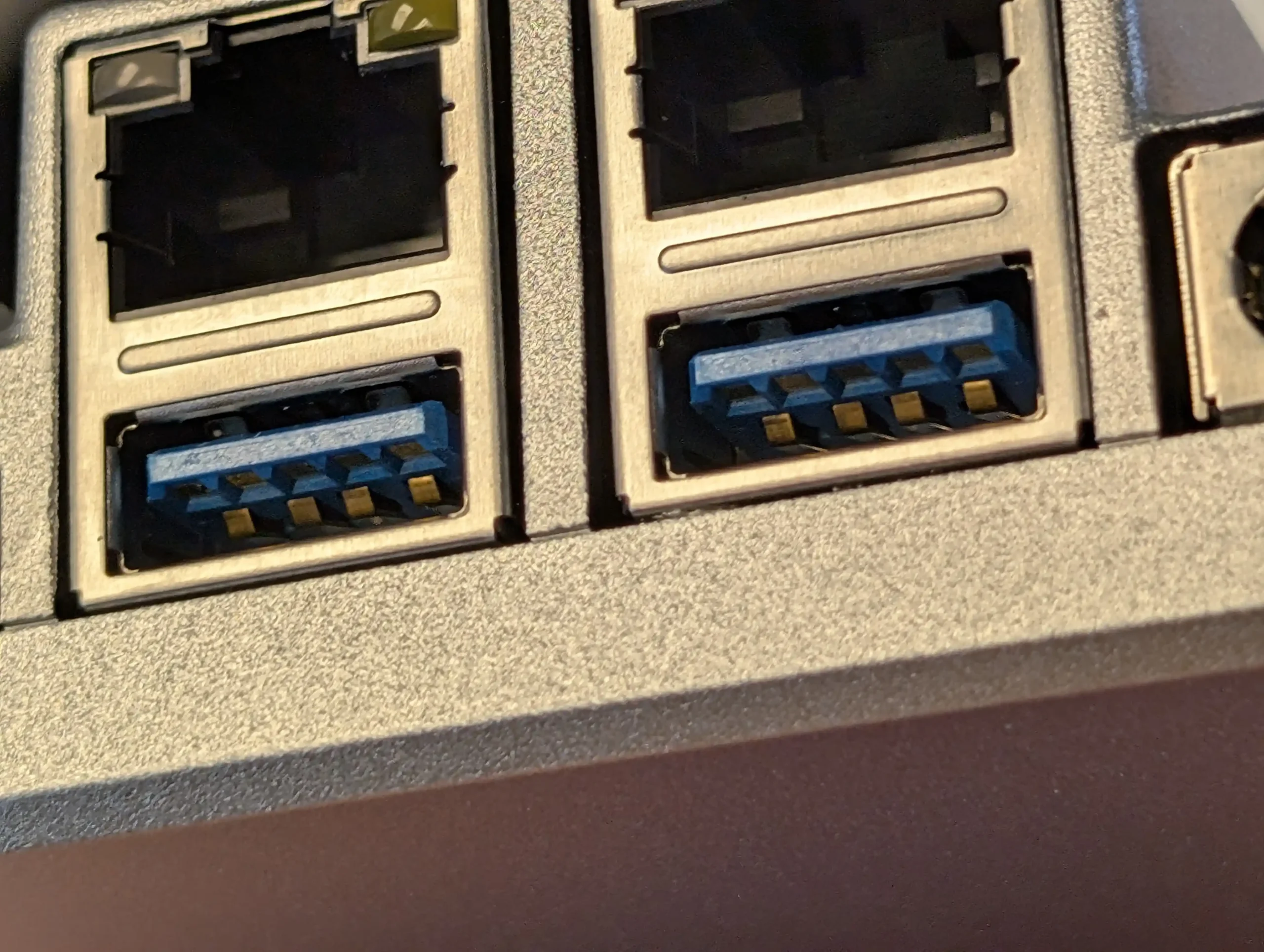
Ports 1x USB-A 3.2 Gen 1, 1x USB-C 3.2 Gen 1
OS Synology BeeStation Manager (BSM)
Dimensions 148 x 62.6 x 196.3 mm


UGREEN NASync DXP2800 NAS – The New Challenger!

$249 – Intel N100 – 8GB – No Storage (32GB eMMC) – 1x 2.5GbE – UGOS Pro – BUY HERE
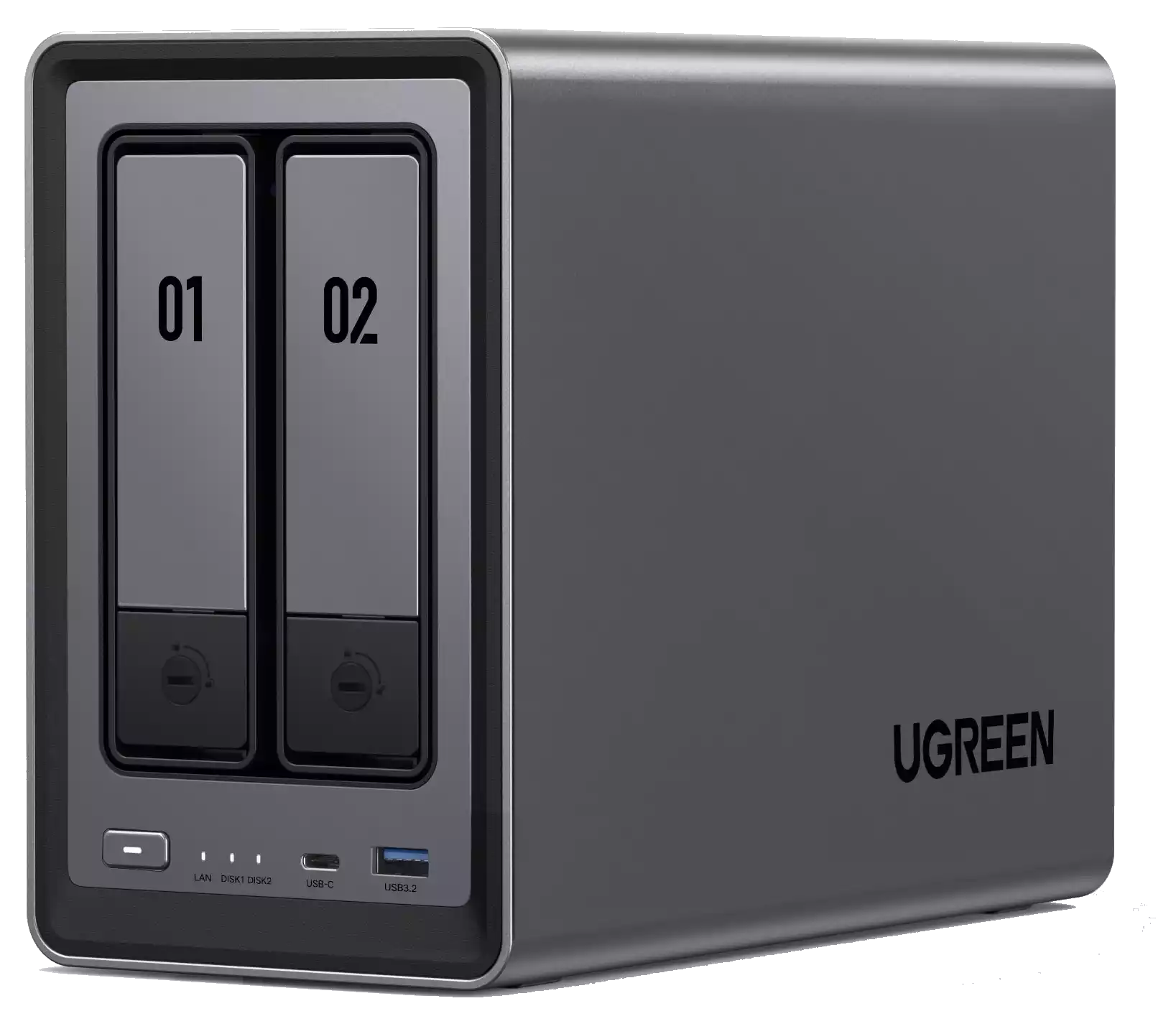
The UGREEN DXP2800 sits in the NASync series and targets users who want a mix of expandability and value. It supports both hard drives and SSDs through two 3.5 inch SATA bays and two M.2 NVMe slots that can be used for caching or fast active data work. The system uses an Intel N100 processor from the twelfth generation energy efficient N series and pairs it with 8GB of DDR5 memory that can be upgraded. A 32GB eMMC module holds the UGOS Pro operating system. Connectivity is built around a single 2.5GbE port with several USB ports on the front and rear including USB C and 10Gbps USB A. UGOS Pro offers a clean web interface with containers, RAID options such as zero, one, and JBOD, simple multimedia features, and remote file access.
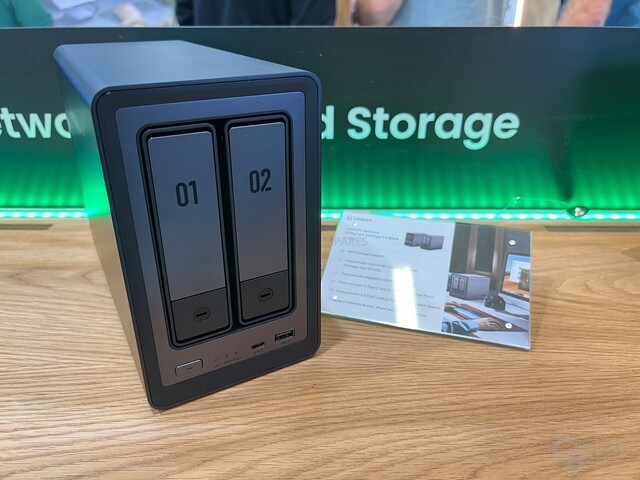
UGREEN recently released the DH2300 two bay NAS at a noticeably lower price of roughly 100 to 120 dollars below the DXP2800. That model uses a lower power ARM processor, far less memory, and only one 1GbE port. It is acceptable for very light duties, but most users will benefit from spending a little more on the DXP2800 due to its stronger CPU, memory capacity, and networking.
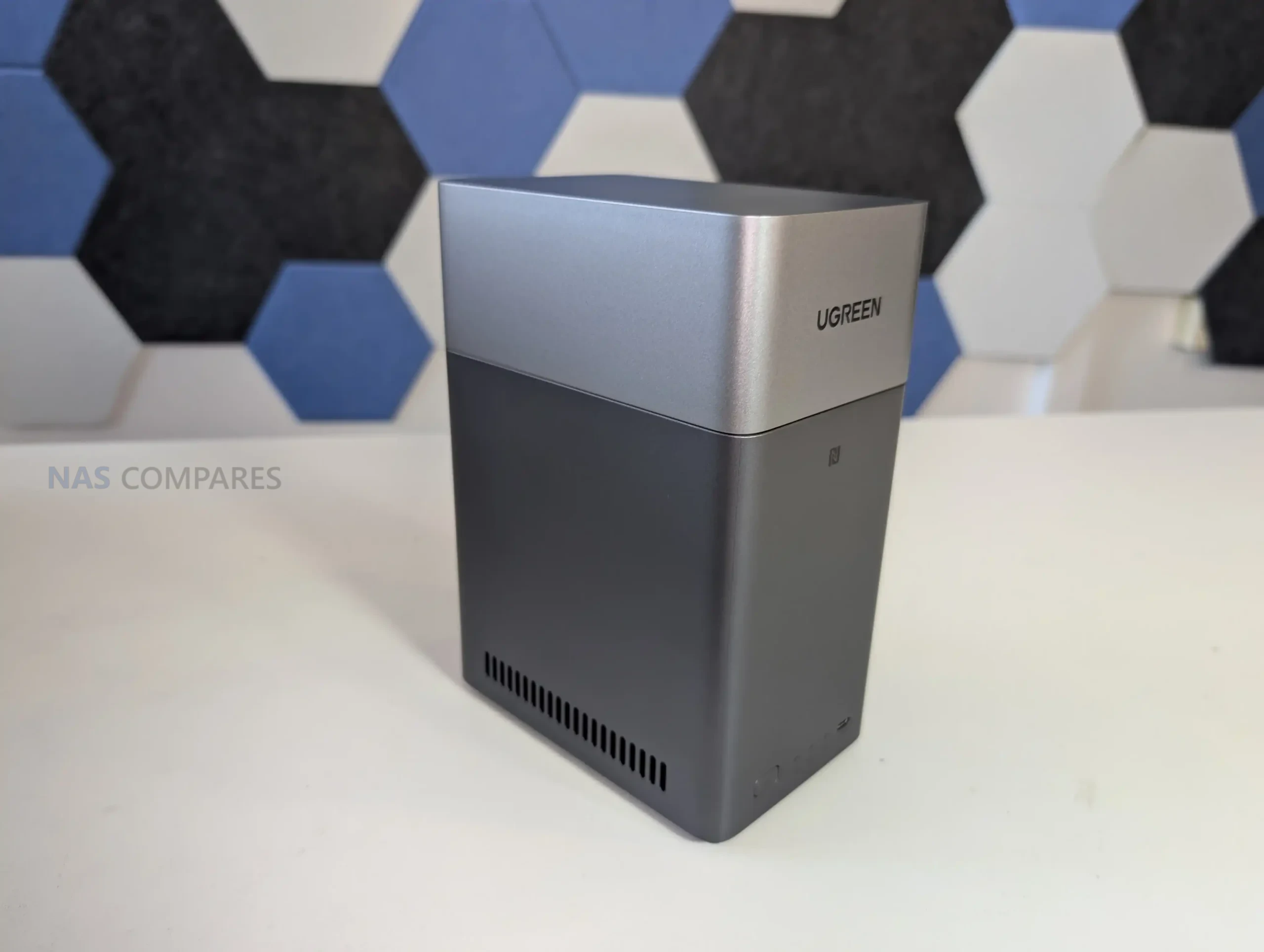
Although UGOS Pro does not match the ecosystem depth of Synology DSM or QNAP QTS, the DXP2800 remains one of the few turnkey systems in this bracket that supports SSD and HDD storage in a flexible layout without proprietary limits. Users will still need to supply their own drives and configure storage pools, yet the combination of hardware capability and manageable software makes it a strong choice for anyone comfortable handling a modest amount of setup work.

Component Specification
CPU Intel N100 (4 cores, up to 3.4GHz)
Memory 8GB DDR5 (non-ECC, upgradeable to 16GB)
Internal Storage 32GB eMMC + 2x SATA + 2x M.2 NVMe
Networking 1x 2.5GbE LAN
Ports Front: 1x USB-C (10Gbps), 1x USB-A (10Gbps) \nRear: 1x USB-A (5Gbps), 2x USB 2.0, HDMI 4K Output
OS UGOS Pro
Dimensions 231 x 109 x 178 mm (approx.)


ZimaBoard 2 (832 Version) – DIY Enthusiast’s DREAM!

$199 – Intel N150 – 8GB – No Storage (32GB eMMC) – 2x 2.5GbE – ZimaOS – BUY HERE

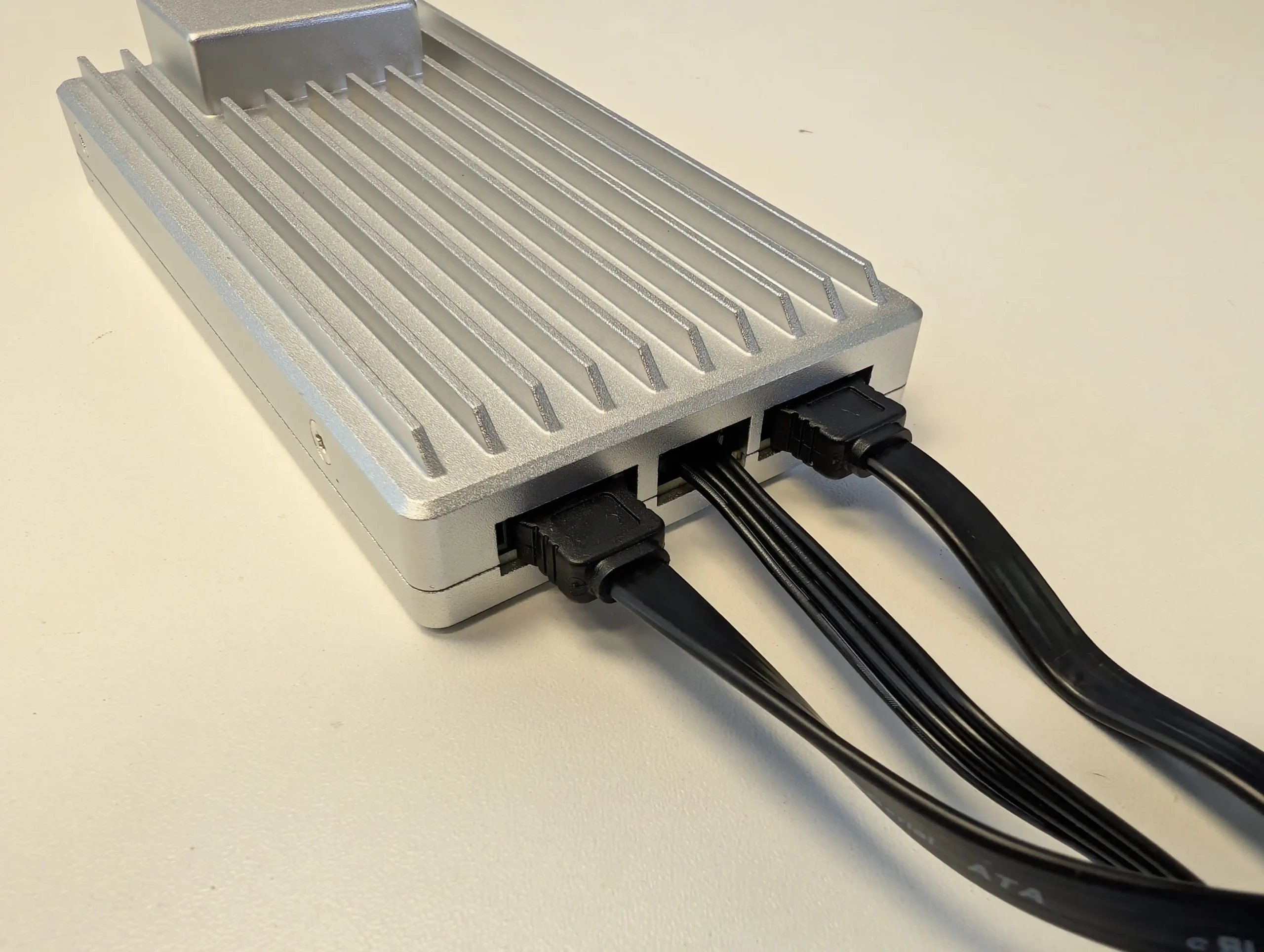
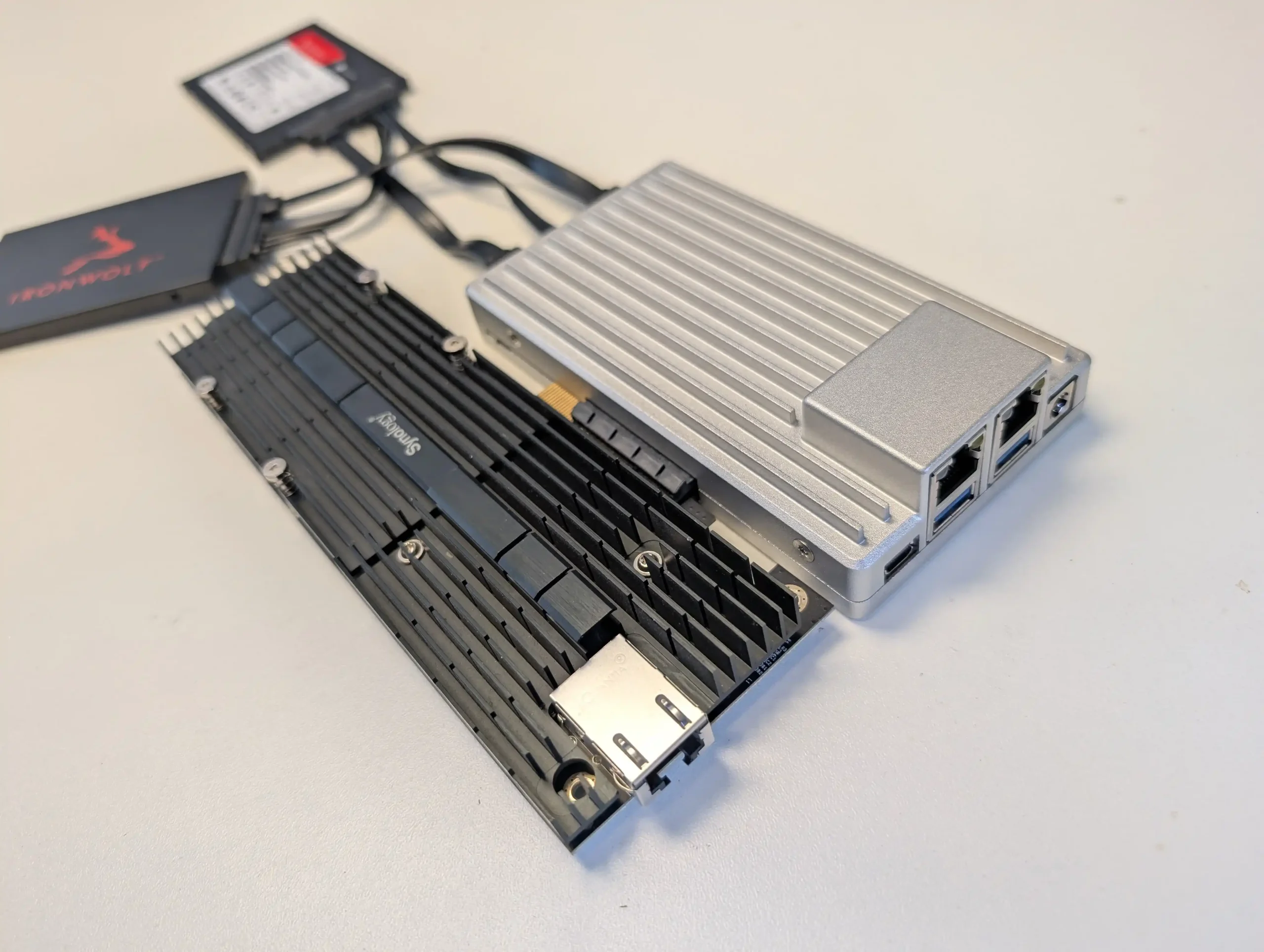
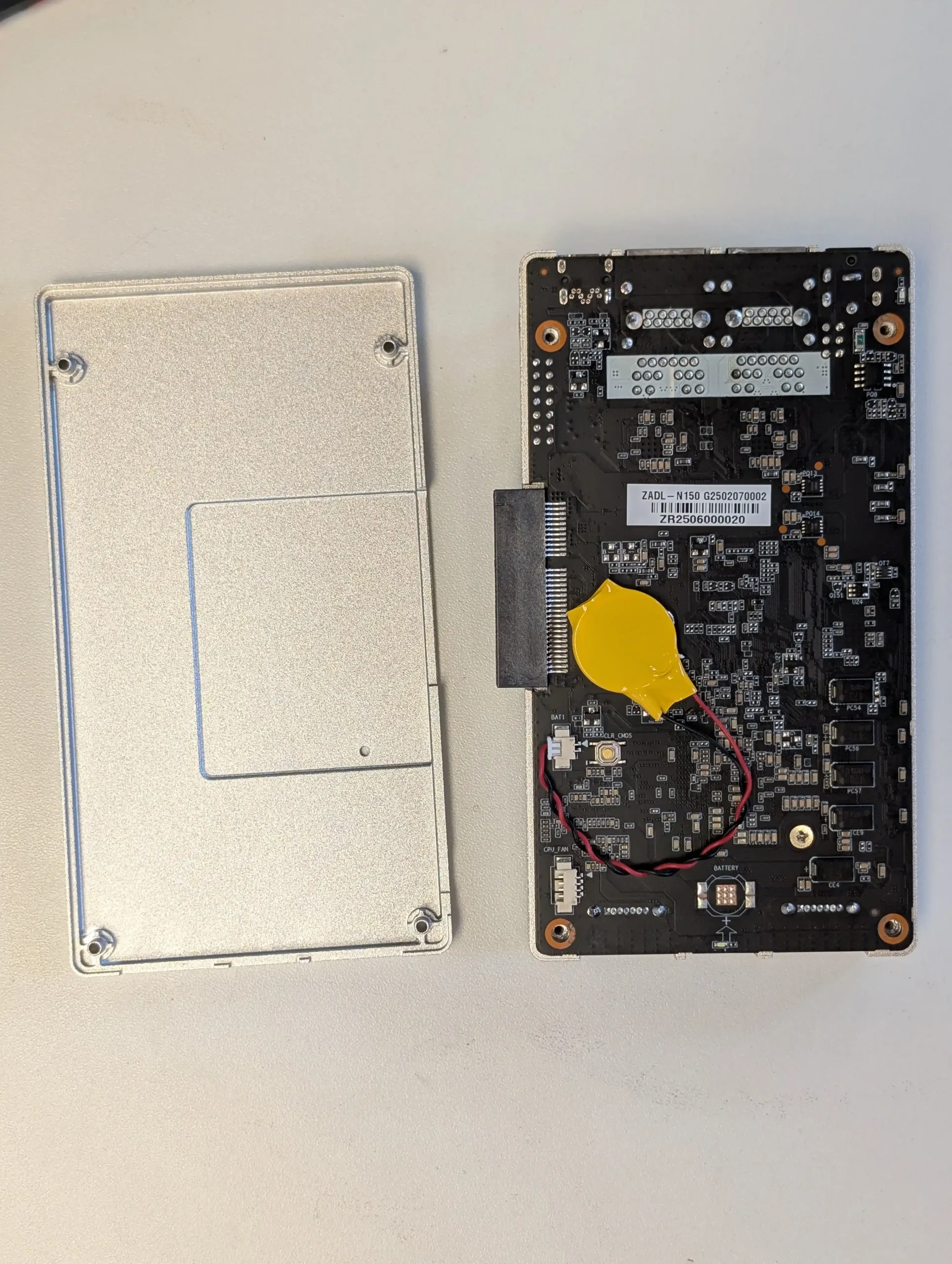
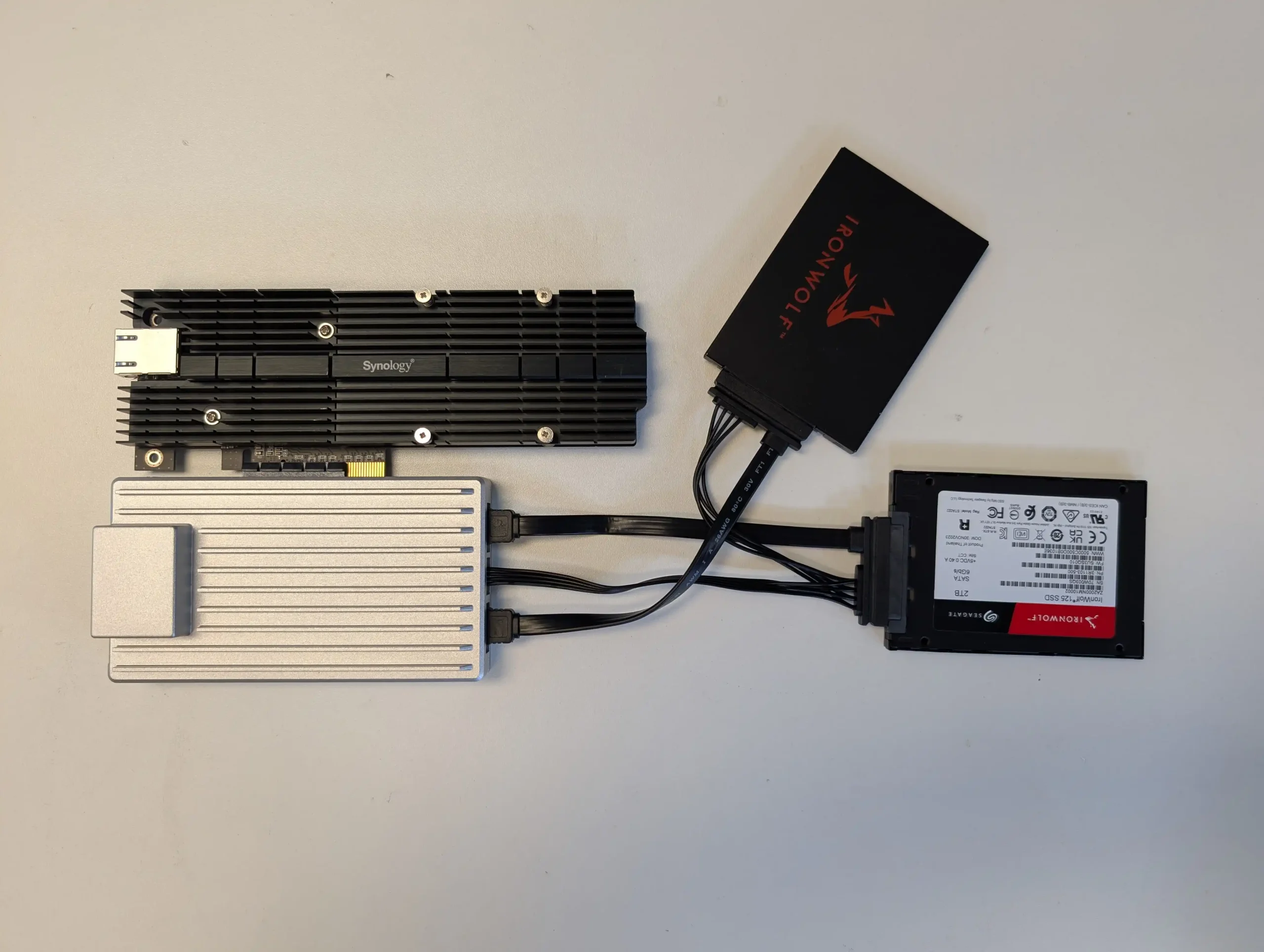
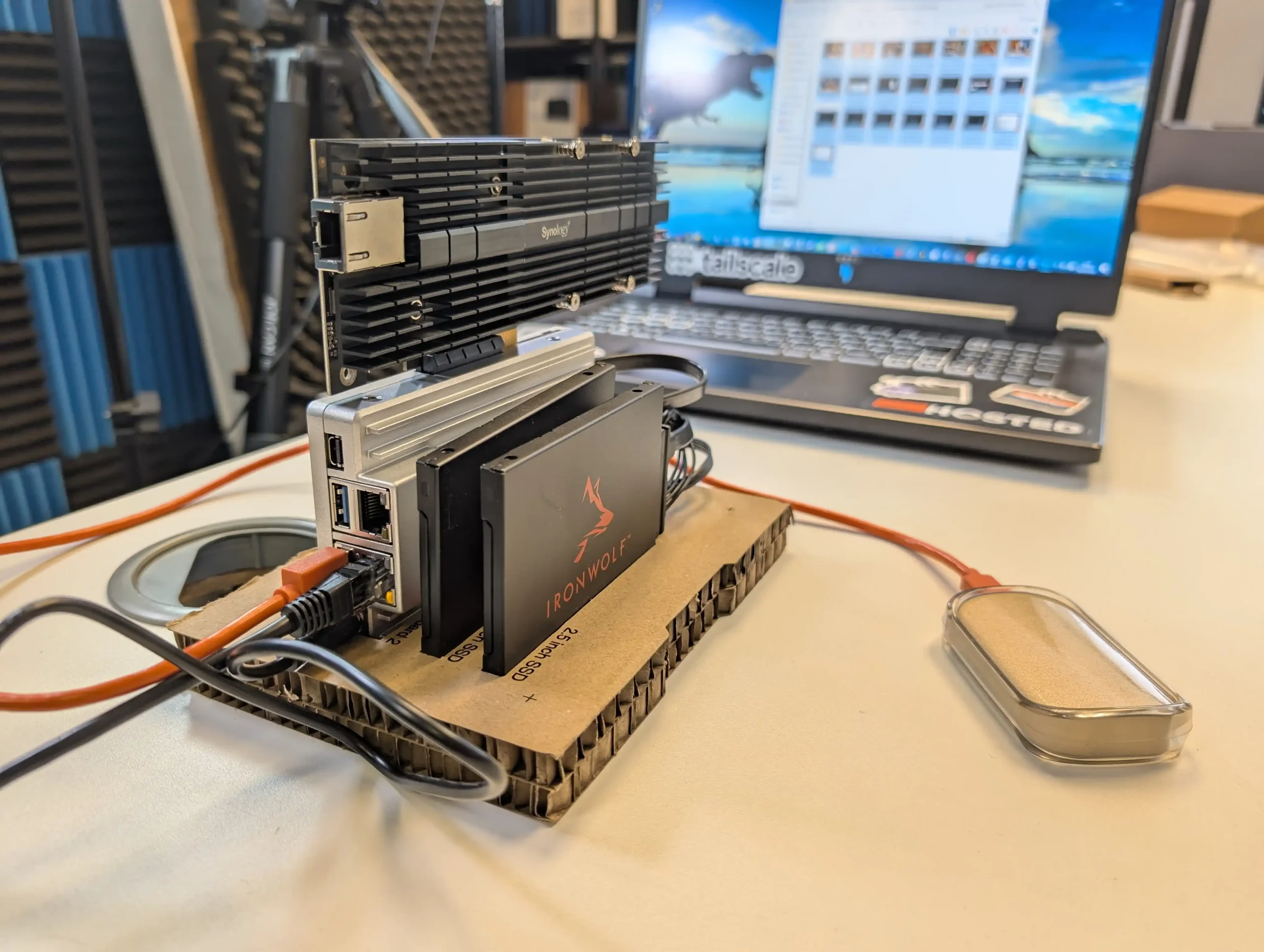
The ZimaBoard 2 (832) is a compact single board NAS platform built for users who want flexibility and modular control rather than a traditional enclosure based system. It arrives as a bare embedded board with all interfaces exposed, which makes it ideal for custom builds. The system uses the Intel N150 quad core processor with 8GB of LPDDR5x memory and includes 32GB of onboard eMMC storage for ZimaOS. The device ships with a lifetime ZimaOS license, which is notable at this price level. It also stands out by providing two powered SATA 3.0 ports, giving it native support for hard drives without any need for USB to SATA adapters. The product is now sold on Amazon, although the price can move between 249 and 349 dollars depending on current stock and promotions, so it is worth watching for discounts.
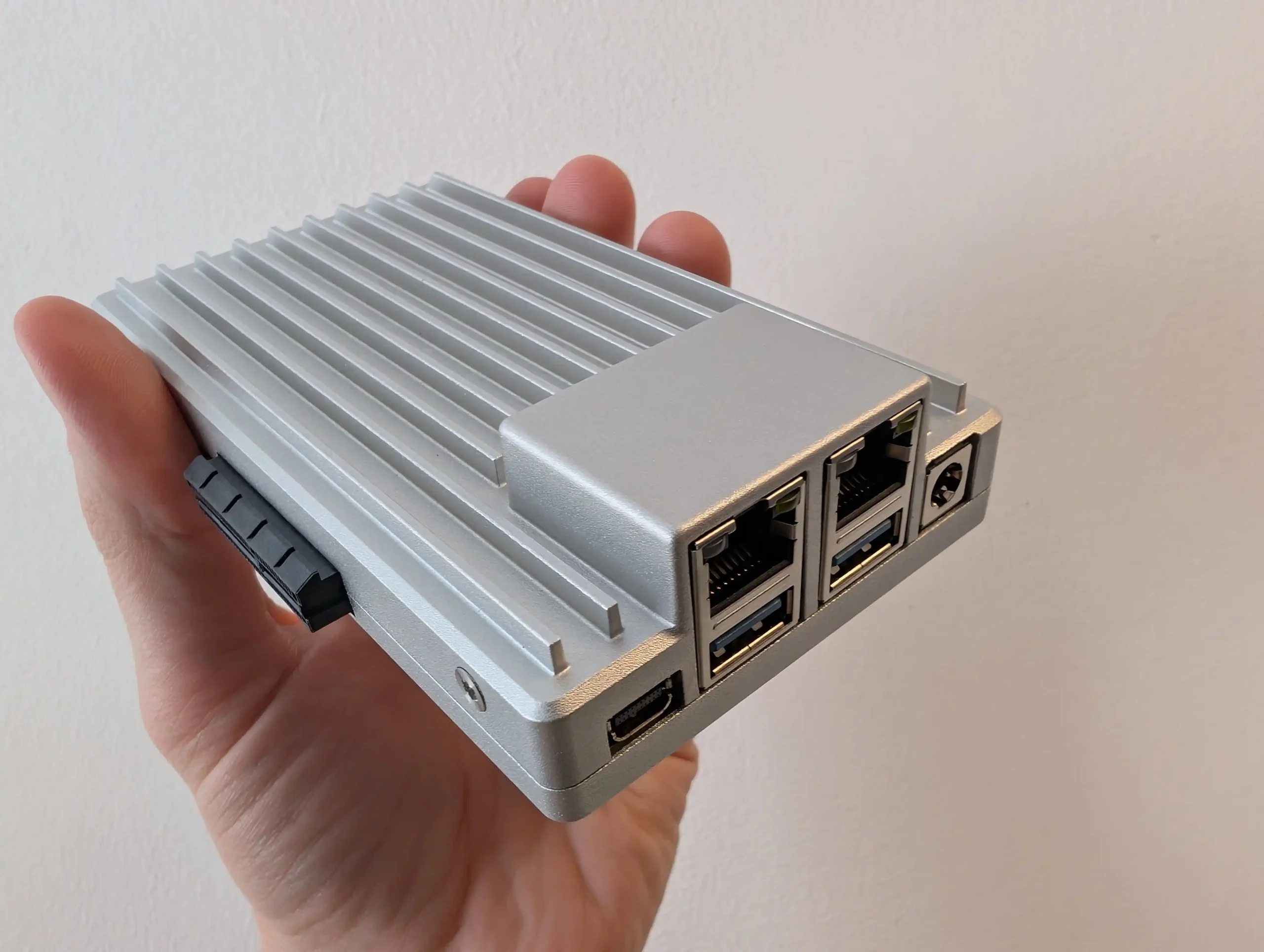
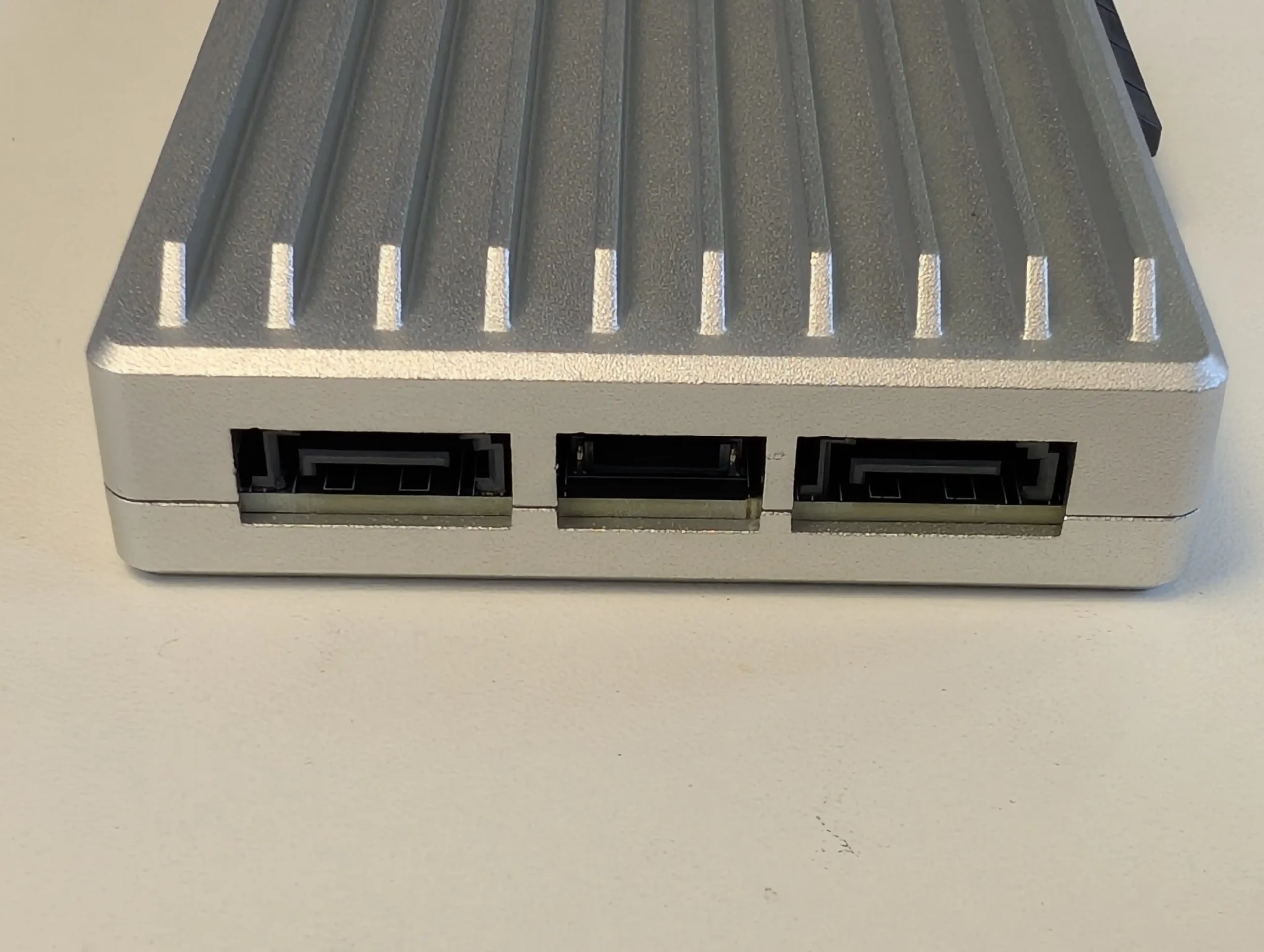
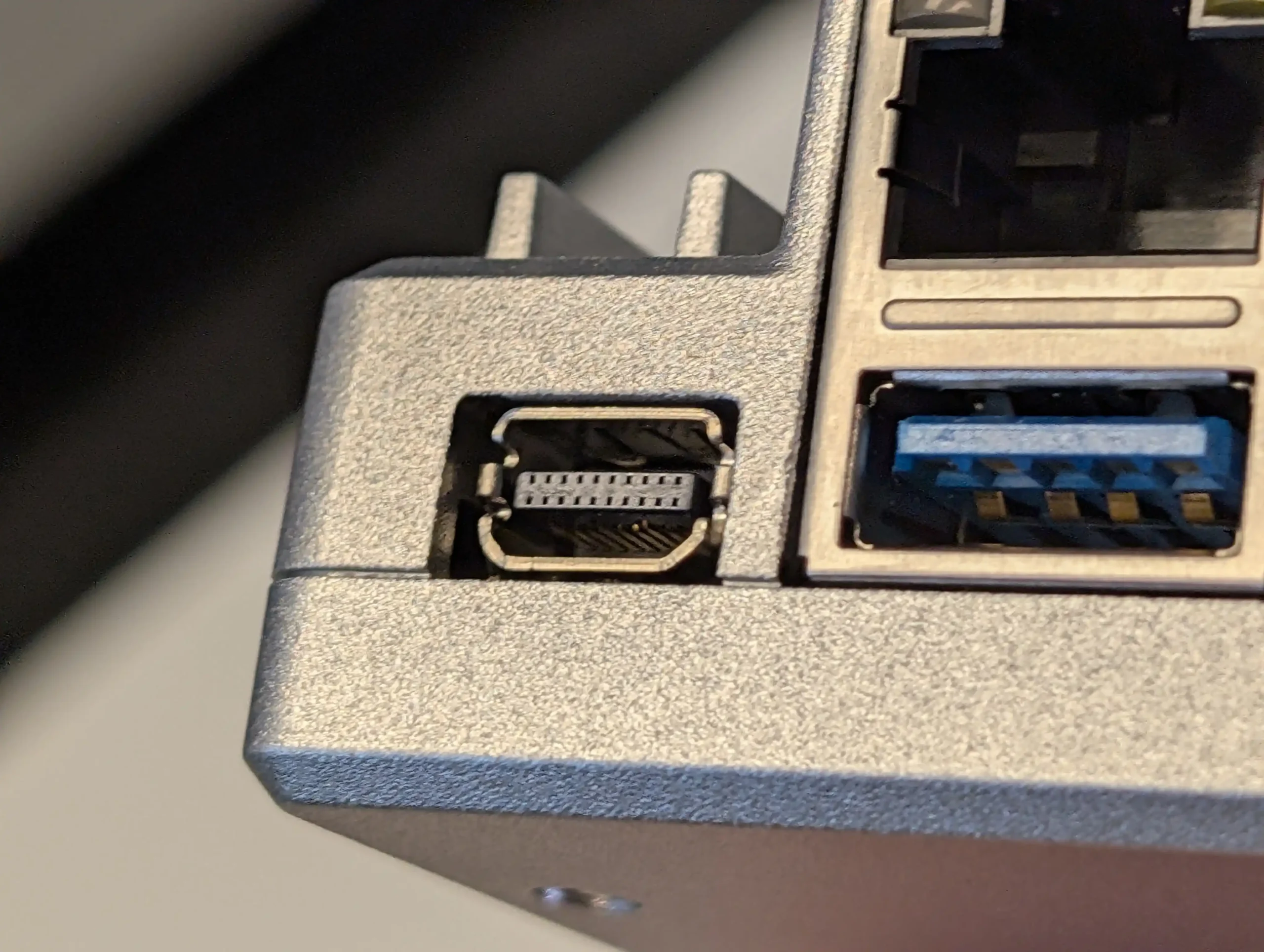
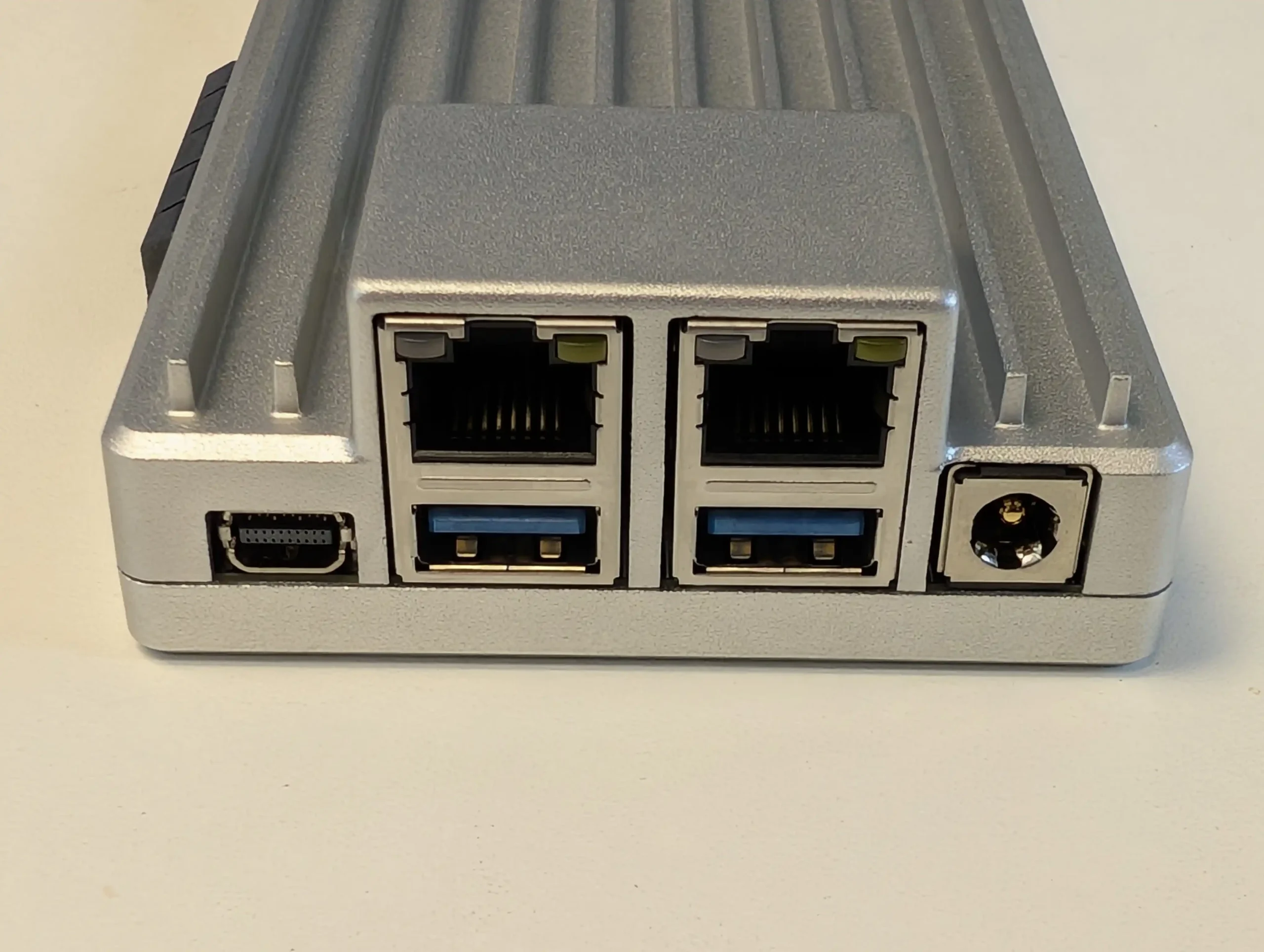
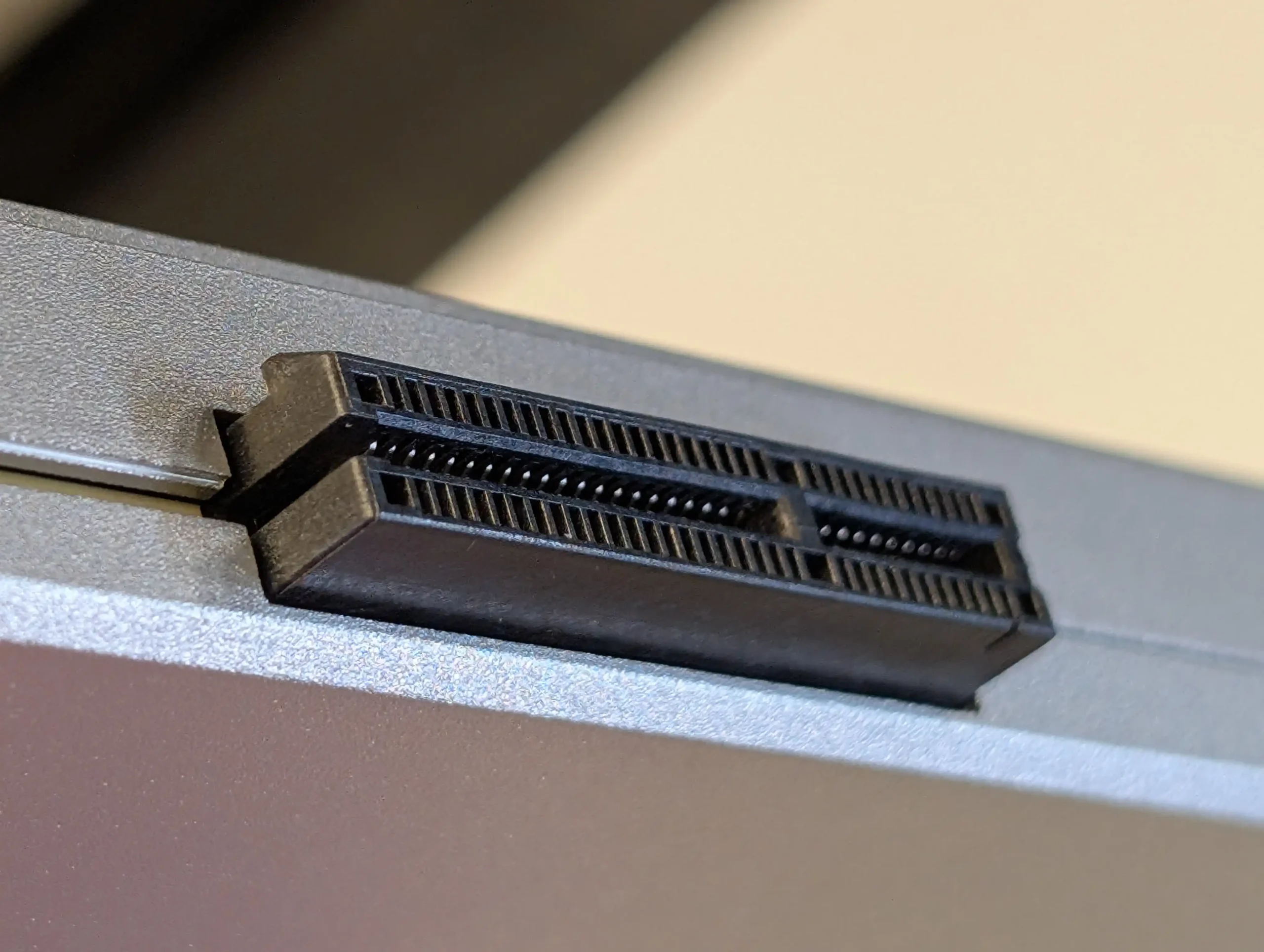
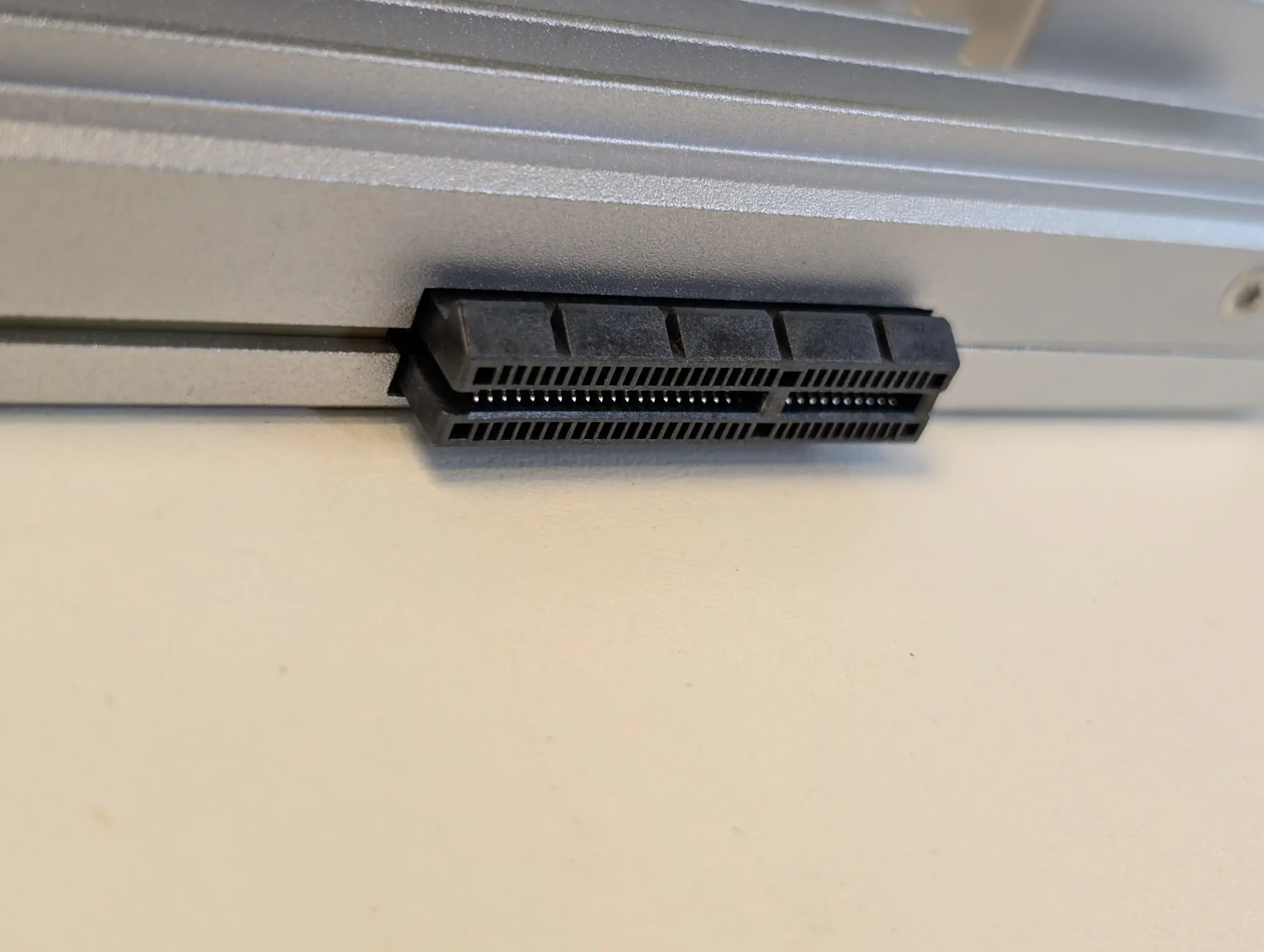
Connectivity is strong for a low profile platform. It offers two 2.5GbE ports, USB 3.1, a PCIe 3.0 x4 slot, and a Mini DisplayPort output that can deliver 4K60 video. The PCIe slot opens the door for add on networking, storage controllers, or accelerators, although most users will start by using the SATA ports for core NAS storage. The large passive heatsink keeps the board silent, although thermal results will depend on the case you choose and the surrounding environment.

This system suits DIY builders who want to create their own NAS, firewall appliance, lightweight media server, or container host. ZimaOS provides a simple web interface and allows the user to switch to CasaOS or other Linux based platforms if preferred. It is aimed at users who want maximum control and are comfortable managing their own setup rather than those seeking a plug and play NAS.

Component Specification
CPU Intel N150 (4 cores, up to 3.6GHz)
Memory 8GB LPDDR5x
Internal Storage 32GB eMMC + 2x SATA 3.0 (powered)
Networking 2x 2.5GbE LAN
Ports 2x USB 3.1, Mini DisplayPort, PCIe 3.0 x4
OS ZimaOS (also supports CasaOS, Linux distros)
Dimensions 140 x 83 x 31 mm


Each NAS covered in this guide delivers its own mix of hardware capability, expansion potential, and overall usability while staying within the 249 dollar limit. Users who want a fully prepared option with minimal setup will likely prefer the Synology BeeStation, and anyone who wants a small SSD focused system with stronger customisation features may find the Beelink ME Mini or GMKTec G9 more suitable. The UGREEN DXP2800 stands out for its combination of HDD and SSD support and a more developed software platform, while the ZimaBoard 2 is aimed at technical users who want full control over every layer of the build. None of these devices is a perfect all rounder, yet each one provides a practical entry into local storage, self hosted media, and personal backup without exceeding a modest budget

📧 SUBSCRIBE TO OUR NEWSLETTER 🔔
[contact-form-7]
🔒 Join Inner Circle


Get an alert every time something gets added to this specific article!


Want to follow specific category? 📧 Subscribe

This description contains links to Amazon. These links will take you to some of the products mentioned in today's content. As an Amazon Associate, I earn from qualifying purchases. Visit the NASCompares Deal Finder to find the best place to buy this device in your region, based on Service, Support and Reputation - Just Search for your NAS Drive in the Box Below

Need Advice on Data Storage from an Expert?

Finally, for free advice about your setup, just leave a message in the comments below here at NASCompares.com and we will get back to you. Need Help? Where possible (and where appropriate) please provide as much information about your requirements, as then I can arrange the best answer and solution to your needs. Do not worry about your e-mail address being required, it will NOT be used in a mailing list and will NOT be used in any way other than to respond to your enquiry. [contact-form-7] TRY CHAT Terms and Conditions

If you like this service, please consider supporting us. We use affiliate links on the blog allowing NAScompares information and advice service to be free of charge to you.Anything you purchase on the day you click on our links will generate a small commission which isused to run the website. Here is a link for Amazon and B&H.You can also get me a ☕ Ko-fi or old school Paypal. Thanks!To find out more about how to support this advice service check HEREIf you need to fix or configure a NAS, check Fiver Have you thought about helping others with your knowledge? Find Instructions Here  

 
Or support us by using our affiliate links on Amazon UK and Amazon US
    
 
Alternatively, why not ask me on the ASK NASCompares forum, by clicking the button below. This is a community hub that serves as a place that I can answer your question, chew the fat, share new release information and even get corrections posted. I will always get around to answering ALL queries, but as a one-man operation, I cannot promise speed! So by sharing your query in the ASK NASCompares section below, you can get a better range of solutions and suggestions, alongside my own.

☕ WE LOVE COFFEE ☕


Beelink Me Mini vs GMKTec G9 vs CWWK P6 NAS Comparison

Beelink Me Mini vs GMKTec G9 vs CWWK P6 SSD NAS Showdown

The compact and SSD-focused NAS landscape has grown increasingly competitive, with new models targeting users who require silent operation, efficient performance, and small-scale virtualization or media serving capabilities. Devices like the GMKTec G9, Beelink ME Mini, and CWWK P6 represent a distinct shift from traditional 3.5” HDD-based systems, instead favoring M.2 NVMe SSD storage in compact chassis designs. These systems are marketed toward home users, prosumers, and developers looking for a balance between cost, flexibility, and low-noise operation, often for roles such as Plex servers, UnRAID deployments, or containerized environments.

Each unit in this comparison leverages low-power Intel Twin Lake processors (notably the N150), offers at least dual 2.5GbE connectivity, and supports multiple M.2 drives, but their implementations vary widely in thermal handling, expandability, and internal architecture. As the line between DIY NAS builds and pre-built options continues to blur, the GMKTec G9, Beelink ME Mini, and CWWK P6 provide a snapshot of how different brands interpret the needs of modern users who prioritize energy efficiency, small footprints, and SSD-based storage workflows. This article evaluates these three devices across pricing, storage architecture, design, and real-world usability to provide a clear overview of their relative strengths and compromises.

CWWK P6 SSD NAS Beelink ME Mini SSD NAS – HERE GMKTec G9 SSD NAS

Beelink Me Mini vs GMKTec G9 vs CWWK P6 SSD NAS – Price and Value

The GMKTec G9 enters the market at around $199 for its 12GB RAM base configuration, positioning it as one of the more accessible SSD-based NAS units available. It includes a Windows 11 Pro license and Ubuntu Linux pre-installed, which can be attractive to users interested in general computing as well as NAS tasks. However, these operating systems are not tailored for storage-focused functionality, and the burden falls on the user to install and configure something like TrueNAS or UnRAID for proper NAS use. Additionally, the system uses non-upgradable LPDDR5 memory and features a plastic chassis, suggesting a design focus on affordability over long-term flexibility. While value is present in terms of included software and passive SSD-ready operation, its entry-level design limits appeal to users planning to scale or repurpose the device beyond its initial setup.

The Beelink ME Mini NAS, typically available at $209 on Beelink’s own storefront, offers a slightly higher upfront cost but balances that with integrated features aimed at simplifying deployment. Unlike the GMKTec G9, the ME Mini comes with an internal power supply and Crucial-branded SSDs in pre-built configurations, offering a greater level of assurance for storage reliability and plug-and-play readiness. The system supports Wi-Fi 6, Bluetooth 5.2, and features a silent fan-assisted cooling design that makes it more suitable for living rooms or office environments. Though it also utilizes soldered 12GB LPDDR5 memory, its form factor, passive aesthetics, and better thermals make it more appealing to users who want a quiet and tidy NAS solution that requires minimal tinkering post-installation. When compared to generic prebuilds, the ME Mini offers greater refinement and turnkey usability in exchange for a modest premium.

The CWWK P6 NAS sets itself apart with a lower base price of $195 for the N150 version, but this does not include memory or storage. Instead, the system is designed for users who prefer sourcing their own SO-DIMM DDR5 RAM and M.2 SSDs, potentially reducing costs if spare components are available. Its use of a single SO-DIMM slot enables expansion up to 48GB, which is considerably more than either the GMKTec or Beelink models. However, this flexibility comes at the cost of initial convenience. Users will need to handle their own OS installation, BIOS configuration, and possibly even resolve SATA recognition issues via firmware tweaks. The CWWK P6 also lacks wireless connectivity by default, and its use of a barrel connector rather than USB-C for power delivery may feel dated. Still, for users with a higher comfort level in DIY environments, the P6 offers a customizable platform with greater headroom for VMs, Plex, and containers.

When considering long-term value, each NAS appeals to a different kind of buyer. The GMKTec G9 is best suited for users who want a simple, functional NAS with minimal setup, though they may run into its limits quickly if performance expectations rise. The Beelink ME Mini justifies its price by offering a more thought-out design, silent thermals, and premium SSD options out of the box—better suited to users who want a clean and quiet system that can be set up rapidly. Meanwhile, the CWWK P6 represents a builder’s NAS: inexpensive upfront, highly scalable, and intended for users who value control over convenience. Ultimately, while price differences between these units are small, the total value depends heavily on user intent and whether ease of deployment, expansion, or component choice takes priority.

Beelink Me Mini vs GMKTec G9 vs CWWK P6 SSD NAS – Storage & Memory

All three NAS systems in this comparison rely exclusively on M.2 NVMe SSDs for internal storage, reflecting a growing emphasis on silent, high-speed flash-based configurations in compact enclosures. The GMKTec G9 features four M.2 NVMe slots, each limited to PCIe Gen 3 x2, offering a theoretical maximum of 2GB/s per drive. In contrast, the Beelink ME Mini supports six M.2 NVMe slots, with five operating at PCIe Gen 3 x1 and one—typically reserved for the OS—at Gen 3 x2. The CWWK P6 matches the G9 in having four slots, though each operates at PCIe Gen 3 x1 speeds, reducing peak bandwidth per drive. This difference in PCIe lane allocation directly impacts aggregate read/write performance, especially in RAID configurations or during high-traffic file operations.

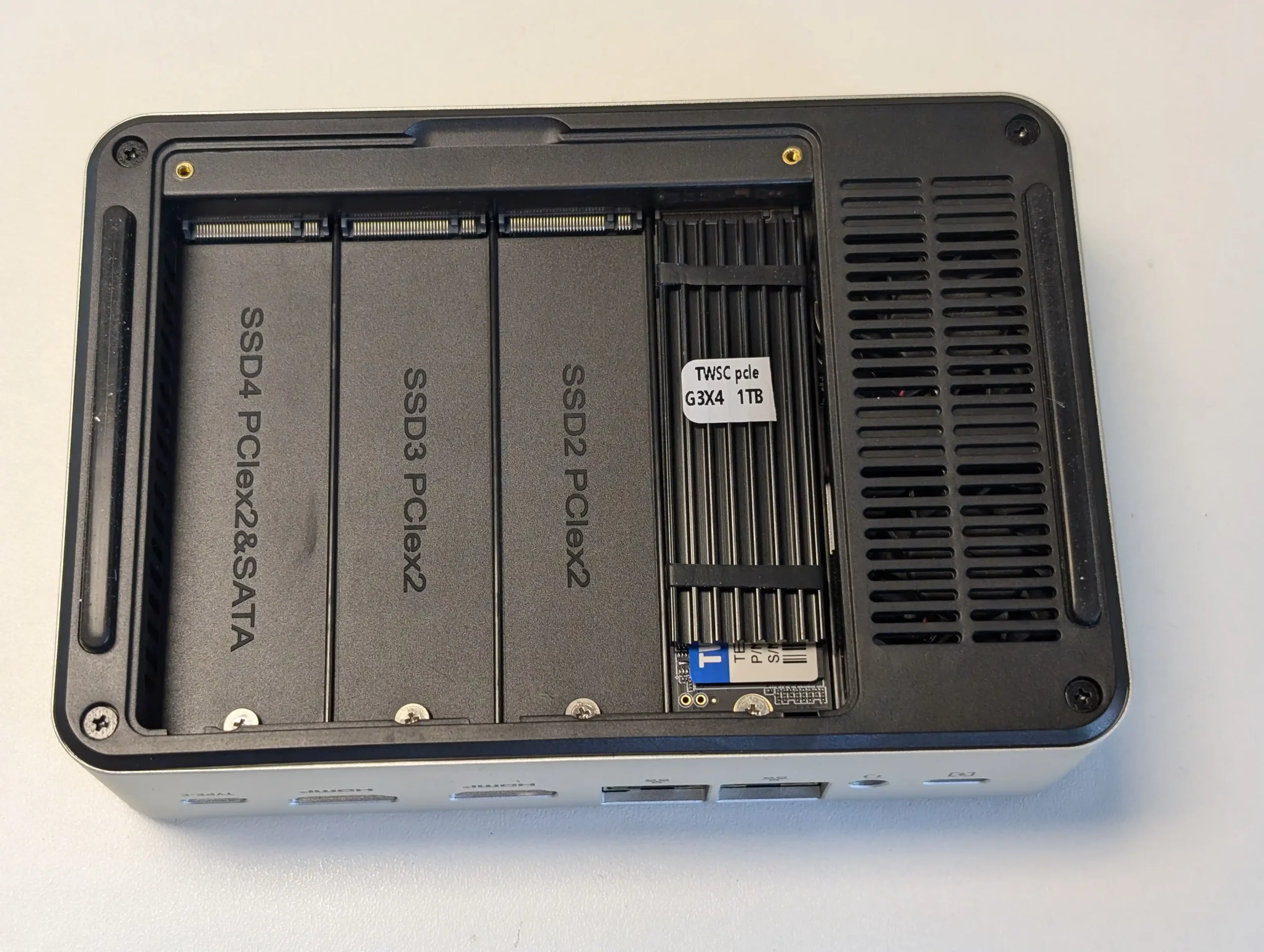
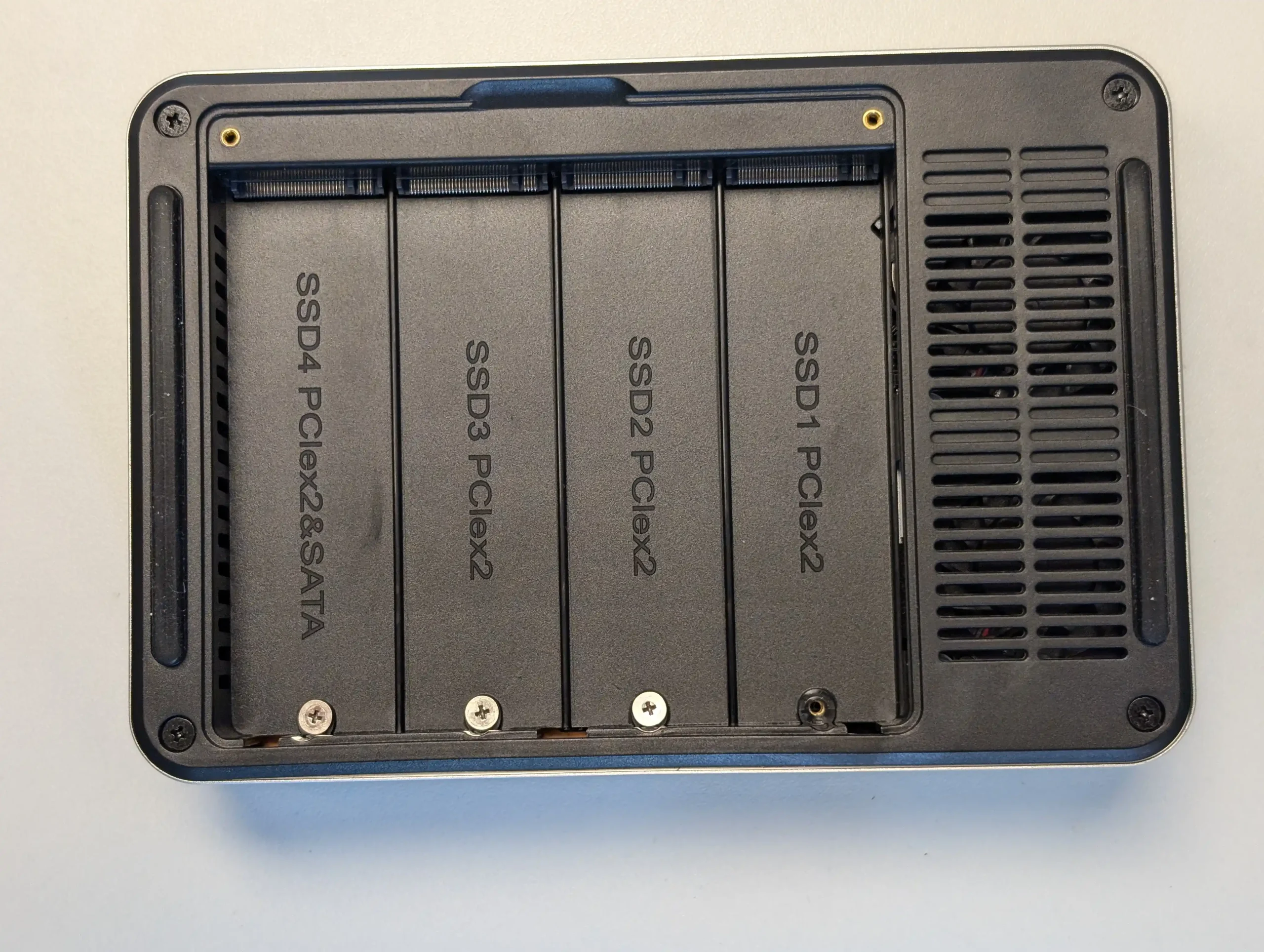
The GMKTec G9’s storage slots are laid out beneath a plastic panel with no included heatsinks, a decision that raises concerns about sustained thermal performance. While it technically supports up to 32TB of total storage across its four bays, the lack of passive or active SSD cooling can lead to throttling unless third-party heatsinks are installed. The Beelink ME Mini, in contrast, integrates a large aluminum heatsink with pre-applied thermal pads on all six slots, ensuring consistent heat transfer and reduced risk of SSD overheating. Though five of its six slots are bandwidth-limited to Gen 3 x1, the thermal design makes it better suited for prolonged uptime and high-usage environments. The CWWK P6 also features a metal enclosure that acts as a passive heat sink, but ships with notably thin thermal pads and relies on an optional USB-powered fan for improved airflow.

Memory configuration is another key area of differentiation. The GMKTec G9 and Beelink ME Mini both ship with 12GB of soldered LPDDR5 memory running at 4800MHz. This fixed memory cannot be upgraded, limiting their long-term viability in RAM-intensive use cases such as virtualization or large-scale container deployment. The CWWK P6, by contrast, includes a single SO-DIMM slot that supports up to 32GB of DDR5 4800MHz memory, making it the most flexible of the three for VM hosting, ZFS-based NAS operating systems, or other memory-sensitive applications. The tradeoff is that buyers must provide their own RAM, adding to the setup cost but allowing for performance tuning based on workload.

Boot and operating system storage configurations differ subtly across the three units. The GMKTec G9 includes a 64GB eMMC drive with pre-installed Windows 11 Pro and Ubuntu, though the eMMC capacity is insufficient for most NAS deployments beyond initial setup. The Beelink ME Mini also offers a 64GB eMMC module but encourages users to install the OS on the Gen 3 x2 slot, especially in bundled configurations that include Crucial P3 SSDs. The CWWK P6 does not include any pre-installed OS or eMMC storage but does allow booting from any of its four NVMe slots, giving advanced users greater freedom to optimize OS installation, especially when using UnRAID or TrueNAS SCALE.

Ultimately, the memory and storage architecture of each system reflects different user priorities. The GMKTec G9 aims for simplicity but is hindered by non-upgradable memory and inadequate SSD cooling. The Beelink ME Mini offers better thermal management and storage capacity, albeit with limited PCIe bandwidth on most slots. The CWWK P6 provides the greatest upgrade potential with socketed RAM and M.2 flexibility, but demands user familiarity with thermal solutions, BIOS configuration, and peripheral sourcing.

Feature GMKTec G9 Beelink ME Mini CWWK P6 (N150)
M.2 Slots 4 x NVMe (PCIe Gen 3 x2) 6 x NVMe (1 x Gen 3 x2, 5 x Gen 3 x1) 4 x NVMe (PCIe Gen 3 x1)
Max Storage Capacity Up to 32TB Up to 24TB Up to 32TB
eMMC / OS Drive 64GB eMMC 64GB eMMC None
SSD Cooling No heatsinks, plastic panel Internal heatsink, pre-applied pads Metal body, thin pads, optional fan
RAM Type 12GB LPDDR5 (soldered) 12GB LPDDR5 (soldered) SO-DIMM DDR5 (user-installed)
RAM Expandability Not expandable Not expandable Up to 32GB

Beelink Me Mini vs GMKTec G9 vs CWWK P6 SSD NAS – Power Consumption, Heat and Noise

The physical construction of these three NAS units reflects differing priorities in material choice, ventilation, and power integration. The GMKTec G9 uses a lightweight plastic chassis, which helps reduce cost but limits heat dissipation across its four M.2 SSDs. The unit relies on internal airflow generated by laptop-style fans, but its design lacks direct ventilation over the SSD bays, and the use of a plastic cover above the M.2 slots reduces thermal transfer. In contrast, the Beelink ME Mini is housed in a symmetrical 99mm³ cube with an internal aluminum heatsink and integrated fan. Its minimalist cube layout includes top and bottom ventilation for vertical airflow and maintains a more enclosed, consistent cooling environment that better suits SSD longevity in passive setups.

The CWWK P6 offers the most robust build quality of the three, using a solid aluminum alloy chassis that doubles as a passive heat sink. It includes a base-level fan mounted beneath the CPU and an optional USB-powered fan for SSD cooling. However, the included thermal pads are extremely thin, reducing their effectiveness under prolonged load unless replaced. Despite this, the chassis is designed to tolerate higher ambient temperatures and shows consistent performance in enclosed spaces. One drawback is the lack of airflow across the top panel unless the optional fan is mounted—without it, SSDs tend to accumulate heat more rapidly, especially during concurrent write operations or large file transfers.

Power delivery also differentiates these devices. The GMKTec G9 uses a USB-C power connector with an external 65W power brick, aligning with modern standards and reducing desktop clutter. The Beelink ME Mini further improves on this with a built-in PSU, removing the need for external adapters altogether and simplifying cable management in home setups. The CWWK P6 reverts to a more traditional 12V barrel connector, which, while functional, feels outdated compared to the USB-C or internal PSU solutions. This design choice may require users to carry a dedicated power supply, limiting flexibility in mobile deployments or environments with shared power infrastructure.

In testing, all three systems showed efficient power usage, though their idle and peak wattages differ slightly due to cooling, CPU behavior, and drive count. The GMKTec G9 drew 19–20W at idle and peaked at 28–30W under sustained load. The Beelink ME Mini demonstrated the lowest idle consumption at 6.9W with no drives, increasing to around 30W when fully populated with six SSDs under heavy activity. The CWWK P6 consumed approximately 18W at idle and peaked at 34–35W with three active VMs and four SSDs. These figures indicate that, despite modest differences in architecture, each system remains power-efficient and suitable for 24/7 use, especially in home environments with low thermal tolerance and energy cost sensitivity.

Feature GMKTec G9 Beelink ME Mini CWWK P6 (N150)
Chassis Material Plastic Aluminum with internal heatsink Aluminum alloy (entire chassis)
Cooling Internal fans, no SSD airflow Silent top fan, central heatsink Base fan + optional USB top fan
Power Connector USB-C (external 65W PSU) Integrated PSU (no brick) 12V Barrel connector (60W PSU)
Idle Power Consumption 19–20W 6.9W (no drives), 16.9W (6 SSDs) ~18W (no drives)
Peak Power Consumption 28–30W ~30–31W 34–35W
Idle Noise Level <40 dBA 31–34 dBA 35–36 dBA (with fan)
Load Noise Level ~40 dBA 37–40 dBA 38 dBA (with optional fan)

Beelink Me Mini vs GMKTec G9 vs CWWK P6 SSD NAS – Conclusion and Verdict

When assessed across all key metrics, the GMKTec G9, Beelink ME Mini, and CWWK P6 occupy distinct positions within the low-cost, all-flash NAS landscape, each catering to different user expectations and levels of technical comfort. The GMKTec G9 is the most turnkey in terms of initial usability, with pre-installed Windows and Ubuntu providing a base for users new to NAS setups or simply looking to use the device as a low-power desktop or file server. Its plastic chassis and lack of thermal optimization limit its suitability for intensive tasks, and the fixed 12GB LPDDR5 memory restricts performance scaling for containers or virtualization. That said, the G9 offers predictable behavior and basic capabilities that will satisfy those seeking an easy, entry-level NAS with minimal setup time, especially for local media streaming or light SMB file services. That said, the G9 is getting rather notorious for it’s poor cooling abilities – so much so that the brand has rolled out an improved cooling verion (see images below). There DO help, but the G9 is still the poorest of the three NAS in this comparison in terms of active cooling and long term temps!

The Beelink ME Mini, though only marginally more expensive, adopts a more premium approach to internal design and build quality. The integrated fan and large aluminum heatsink ensure more consistent SSD temperatures under sustained workloads, and the system is noticeably quieter at idle compared to the G9. Its six M.2 NVMe slots provide greater storage density potential, even though five are limited to PCIe Gen 3 x1 speeds. The soldered memory mirrors the G9’s limitations in upgradeability, but its inclusion of Wi-Fi 6, Bluetooth, and an internal PSU adds notable convenience for deployment in mixed-use environments like offices, bedrooms, or AV cabinets. It will appeal to users who value quiet, thermally reliable operation in a system that arrives largely preconfigured and ready for use with minimal additional hardware.

In contrast, the CWWK P6 forgoes polish and plug-and-play readiness in favor of maximum flexibility and user control. It is the only device in this group to feature upgradable RAM, allowing users to install up to 48GB of DDR5 memory, which opens the door to heavier workloads like virtual machines, ZFS-based NAS operating systems, or multiple Docker containers. The lack of included wireless, OS storage, or bundled RAM/SSD keeps the entry cost low but shifts responsibility onto the buyer to source compatible components. This extends to thermal management—while the chassis is solid aluminum, effective SSD cooling often requires replacing the thin stock pads and adding the optional USB-powered fan. These additional steps will deter less technical users but make the P6 a strong contender for builders, hobbyists, or professionals seeking a flexible platform they can adapt over time.

Ultimately, choosing between these three NAS units comes down to balancing ease of setup, long-term scalability, and thermal reliability. The GMKTec G9 suits users who want to get started quickly with a general-purpose device and accept limitations in memory and thermal design. The Beelink ME Mini delivers a more refined package, ideal for those who prioritize noise, storage density, and out-of-box functionality. The CWWK P6, meanwhile, is the most modular and scalable option, but requires technical confidence and additional investment in compatible components. Each has clear strengths and trade-offs, and the best choice depends on whether the user prioritizes convenience, passive reliability, or long-term upgradability in their NAS setup.

Device Pros Cons
GMKTec G9 – Includes Windows 11 Pro and Ubuntu pre-installed – Non-upgradable 12GB LPDDR5 RAM
– USB-C power input with compact external PSU – Plastic chassis with VERY poor SSD thermal management
– Supports 4 x M.2 NVMe (PCIe Gen 3 x2) – No SSD heatsinks or airflow over storage
– Quiet operation under light loads
– Lower entry price with minimal setup required
Beelink ME Mini – Includes 6 x M.2 NVMe slots (1 x Gen 3 x2, 5 x Gen 3 x1) – Soldered 12GB LPDDR5, no memory expansion
– Built-in PSU for cable-free deployment – Most SSD slots limited to PCIe Gen 3 x1
– Silent fan and integrated heatsink for passive SSD cooling – No RAM or storage customization
– Bundled with Crucial SSDs in some configurations
– Wi-Fi 6 and Bluetooth 5.2 included
CWWK P6 (N150) – Upgradable DDR5 RAM (up to 48GB via SO-DIMM) – No bundled RAM or SSD; user must supply all components
– Solid aluminum chassis for passive thermal dissipation – Thermal pads are thin and require replacement for effective SSD cooling
– 4 x M.2 NVMe slots (PCIe Gen 3 x1) with flexible boot drive assignment – Barrel power connector instead of USB-C or internal PSU
– Best suited for VMs, ZFS, and UnRAID with advanced configuration options
– Lowest base cost and broadest expansion potential
CWWK P6 SSD NAS Beelink ME Mini SSD NAS – HERE GMKTec G9 SSD NAS

📧 SUBSCRIBE TO OUR NEWSLETTER 🔔
[contact-form-7]
🔒 Join Inner Circle

Get an alert every time something gets added to this specific article!


Want to follow specific category? 📧 Subscribe

This description contains links to Amazon. These links will take you to some of the products mentioned in today's content. As an Amazon Associate, I earn from qualifying purchases. Visit the NASCompares Deal Finder to find the best place to buy this device in your region, based on Service, Support and Reputation - Just Search for your NAS Drive in the Box Below

Need Advice on Data Storage from an Expert?

Finally, for free advice about your setup, just leave a message in the comments below here at NASCompares.com and we will get back to you. Need Help? Where possible (and where appropriate) please provide as much information about your requirements, as then I can arrange the best answer and solution to your needs. Do not worry about your e-mail address being required, it will NOT be used in a mailing list and will NOT be used in any way other than to respond to your enquiry. [contact-form-7] TRY CHAT Terms and Conditions
If you like this service, please consider supporting us. We use affiliate links on the blog allowing NAScompares information and advice service to be free of charge to you.Anything you purchase on the day you click on our links will generate a small commission which isused to run the website. Here is a link for Amazon and B&H.You can also get me a ☕ Ko-fi or old school Paypal. Thanks!To find out more about how to support this advice service check HEREIf you need to fix or configure a NAS, check Fiver Have you thought about helping others with your knowledge? Find Instructions Here  

 
Or support us by using our affiliate links on Amazon UK and Amazon US
    
 
Alternatively, why not ask me on the ASK NASCompares forum, by clicking the button below. This is a community hub that serves as a place that I can answer your question, chew the fat, share new release information and even get corrections posted. I will always get around to answering ALL queries, but as a one-man operation, I cannot promise speed! So by sharing your query in the ASK NASCompares section below, you can get a better range of solutions and suggestions, alongside my own.

☕ WE LOVE COFFEE ☕


GMKTec G9 Ver.2 NAS Review – Cooler Now?

GMKTec G9 NAS (New Improved Cooling Version) Review

Important – My original review of the GMKTec G9 NAS in it’s original design can be found HERE on YouTube and HERE on the NASCompares blog.

The GMKTec G9 NucBox NAS has re-emerged in mid-2025 with a revised cooling design, following a wave of thermal criticism directed at the original release earlier in the year. Still marketed as an SSD-only NAS aimed at home and small office environments, the G9 maintains its core identity—a compact enclosure powered by Intel’s N150 quad-core processor, soldered LPDDR5 memory, and four M.2 NVMe SSD bays. The G9’s primary appeal continues to be its affordability, silent operation, and dual-use flexibility as both a NAS and lightweight desktop system, thanks to the inclusion of Windows 11 Pro and Ubuntu out of the box. However, early buyers and reviewers, including this channel, highlighted persistent thermal issues affecting SSD performance and overall system reliability under load, leading to thermal throttling even during idle states in warmer environments.

In response, GMKTec has issued an updated version of the G9 that retains the same form factor, internal hardware, and I/O but incorporates enhanced passive ventilation on the side and top panels. Though subtle at first glance, these structural changes are designed to improve airflow over the CPU and SSD compartments without increasing noise levels or power draw. In this updated review, we will revisit all aspects of the G9’s design, connectivity, and system behaviour under continuous load, while highlighting what exactly has changed and what remains untouched. The new G9 model introduces targeted thermal improvements, but beyond ventilation, it leaves the original architecture and feature set entirely intact.

GMKTec G9 Ver.2 NAS Review – Quick Conclusion

The improved GMKTec G9 NAS represents a targeted refinement rather than a full redesign, addressing the primary weakness of the original model: inadequate thermal performance. The updated version introduces enlarged ventilation cutouts on the top panel above the CPU fan and replaces the pinhole rear exhaust with a wider mesh, leading to measurable but modest reductions in system temperatures. In 48-hour test scenarios using UnRAID with hourly backup tasks, SSDs without heatsinks in the original unit reached idle temperatures of 66–67°C, while the revised model brought this down to 56–57°C. CPU vent temperatures similarly dropped from 54–56°C to 50–52°C, and rear I/O areas cooled by 5–7°C. These improvements enhance stability during sustained I/O activity but do not eliminate the need for additional SSD cooling—particularly in environments where ambient heat or multi-user access is expected. Internally, the hardware remains unchanged: Intel N150 CPU, 12GB of non-upgradable LPDDR5 memory, four PCIe Gen 3 x2 M.2 NVMe bays, and dual 2.5GbE ports, with storage and network throughput consistent with entry-level expectations. Power consumption remains efficient (19–30W), and noise levels stay low at under 40dB, making it suitable for always-on deployment. However, the continued use of a plastic chassis and base panel still limits effective heat dissipation, and the absence of thermal sensors or fan curve controls further limits its thermal adaptability. Compared to the Xyber Hydra—featuring a metal base, better SSD thermal contact, and 16GB RAM—the G9 now performs better than before but still falls short of what its hardware could achieve with more thoughtful engineering. For users willing to invest in SSD heatsinks and mindful of its limitations, the G9 is now a reasonably balanced entry NAS, though not the strongest performer in its tier.

BUILD QUALITY - 6/10
HARDWARE - 7/10
PERFORMANCE - 6/10
PRICE - 10/10
VALUE - 9/10


7.6
PROS
👍🏻Affordable price point for a 4-bay NVMe NAS with dual 2.5GbE (typically under $200).
👍🏻Support for up to 32TB of SSD storage across four M.2 NVMe slots.
👍🏻Low power consumption (19W idle, ~30W under load) suitable for 24/7 operation.
👍🏻Improved passive airflow design compared to the original model (lower overall temps).
👍🏻Dual USB-C power input options for flexible cable management.
👍🏻Silent operation, even during sustained activity (under 40dB).
👍🏻Pre-installed OS (Windows 11 Pro and Ubuntu) allows for flexible initial use.
👍🏻Compact, space-saving enclosure ideal for desktop setups or constrained environments.
CONS
👎🏻Cooling Improvements are relatively small and No bundled SSD heatsinks, making thermal throttling likely without aftermarket cooling.
👎🏻Non-upgradable 12GB LPDDR5 RAM limits scalability for heavier workloads.
👎🏻Plastic chassis and base panel still hinder full thermal dissipation from SSDs.
👎🏻The Introduction of other NAS such as the Beelink ME Mini and Xyber Hydra has provided appealing alternatives to this device right now

Where to Buy?

GMKTec G9 Ver.2 NAS Review – Design and Storage

The GMKTec G9 continues to use a compact, matte-black plastic chassis that is closer in design to a mini PC enclosure than a traditional NAS. The vertical design conserves desk space, and the front-facing panel remains clean and understated, with no visible drive trays or status indicators beyond the power button and basic branding. As with the original model, the chassis sacrifices the durability and thermal advantages of metal in favour of a lightweight, cost-efficient build. This makes the device appealing for users with space constraints, but it also signals the system’s budget positioning. The plastic enclosure, while solid enough for day-to-day use, is not especially resistant to heat buildup during sustained I/O operations, which remains one of its most persistent limitations.

Internally, the system supports four M.2 NVMe SSDs, each connected via PCIe Gen 3 x2 lanes. This setup allows up to 32TB of total SSD storage, assuming the use of high-capacity 8TB NVMe drives. The use of SSDs rather than traditional 2.5″ or 3.5″ hard drives enables near-silent operation, faster access times, and lower power consumption. However, SSD-only NAS designs like this one typically require better airflow and heatsinking to mitigate thermal throttling—especially during RAID operations or when used as a media server with multiple concurrent reads and writes. The G9 supports basic RAID via third-party NAS OSs, but due to PCIe lane limitations and lack of onboard RAID management, advanced configurations will rely entirely on software.

One of the primary complaints in the original model was the absence of SSD heatsinks and the system’s poor natural heat dissipation. While pre-built units from GMKTec occasionally shipped with low-profile aluminum heatsinks, user-added drives often ran hot, especially under sustained write loads. The M.2 slots sit stacked vertically inside a cramped compartment behind the lower rear panel, and when combined with a sealed plastic baseplate, heat quickly accumulates. This design still persists in the new version, and although airflow has been improved through the external vents, the interior thermal behaviour remains heavily dependent on user-supplied heatsinks and ambient cooling conditions. Users deploying high-endurance SSDs or running frequent write-intensive tasks will need to factor this into their thermal strategy.

The internal layout is efficient but fixed. There are no modular trays or hot-swap capabilities for the SSDs, and all upgrades must be performed by opening the device. Memory is soldered and therefore non-upgradable, and while there’s internal eMMC storage used for the pre-installed OS, most users will opt to install TrueNAS, UnRAID, or OpenMediaVault onto one of the NVMe drives for full NAS functionality. The passive cooling approach is unchanged in its core design: two internal fans (one for CPU, one system) move air through the case, but without direct thermal contact to the SSDs or a conductive enclosure material, this airflow has limited reach. Placement of the unit in a well-ventilated space remains essential.

The only real physical design changes in the new version are to the external ventilation panels. GMKTec has replaced the original pinhole-style vent on the rear side with a wider mesh grille, which now spans a greater portion of the side panel. Additionally, the top panel has been revised to include a broader cutout directly above the CPU fan, allowing a clearer exhaust path for rising hot air. However, the plastic base and internal heat chamber structure remain unchanged, meaning SSD temperatures are still a potential concern—especially without aftermarket cooling. The updated G9 retains the same core storage architecture as the original, but introduces modest improvements to airflow via enhanced external ventilation.

GMKTec G9 Ver.2 NAS Review – Internal Hardware

At the center of the GMKTec G9 is the Intel N150 processor, a quad-core, four-thread CPU built on the 10nm Twice Lake architecture. Designed for ultra-efficient computing, it operates at a modest 6W TDP, making it ideal for passive or semi-passive cooling environments like compact NAS systems. The N150 runs at a 1.0GHz base frequency and boosts up to 3.6GHz under load, delivering just enough headroom for tasks like SMB/NFS sharing, low-volume web hosting, and basic media playback. Its integrated Intel UHD Graphics support up to 4K at 60Hz output via HDMI or USB-C DisplayPort alt mode, though without hardware acceleration for modern codecs like AV1, its suitability for on-the-fly transcoding is limited. The CPU also lacks advanced server-grade features like ECC memory support, SR-IOV, or high-bandwidth PCIe 4.0 lanes, which reflects its role in cost-conscious, entry-level applications.

The onboard 12GB of LPDDR5-4800 memory is soldered and cannot be replaced or upgraded, a design choice that simplifies manufacturing and keeps costs down but limits versatility in heavier multitasking scenarios. In practice, the memory is sufficient for running one or two lightweight NAS services alongside file sharing, or even a basic Docker container or two, but its soldered configuration leaves no room for future expansion. Notably, the memory is dual-channel, which does help offset some performance constraints—especially in scenarios where the integrated graphics or CPU requires memory bandwidth access. While most users won’t hit the ceiling of 12GB under standard NAS tasks, advanced setups involving active sync with cloud platforms, large-scale Plex libraries, or multiple concurrent rsync/FTP sessions could find the limitation restrictive. Also, unlike some similarly priced competitors, there’s no accessible BIOS option to reserve RAM for cache acceleration, which could have improved responsiveness under heavier I/O loads.

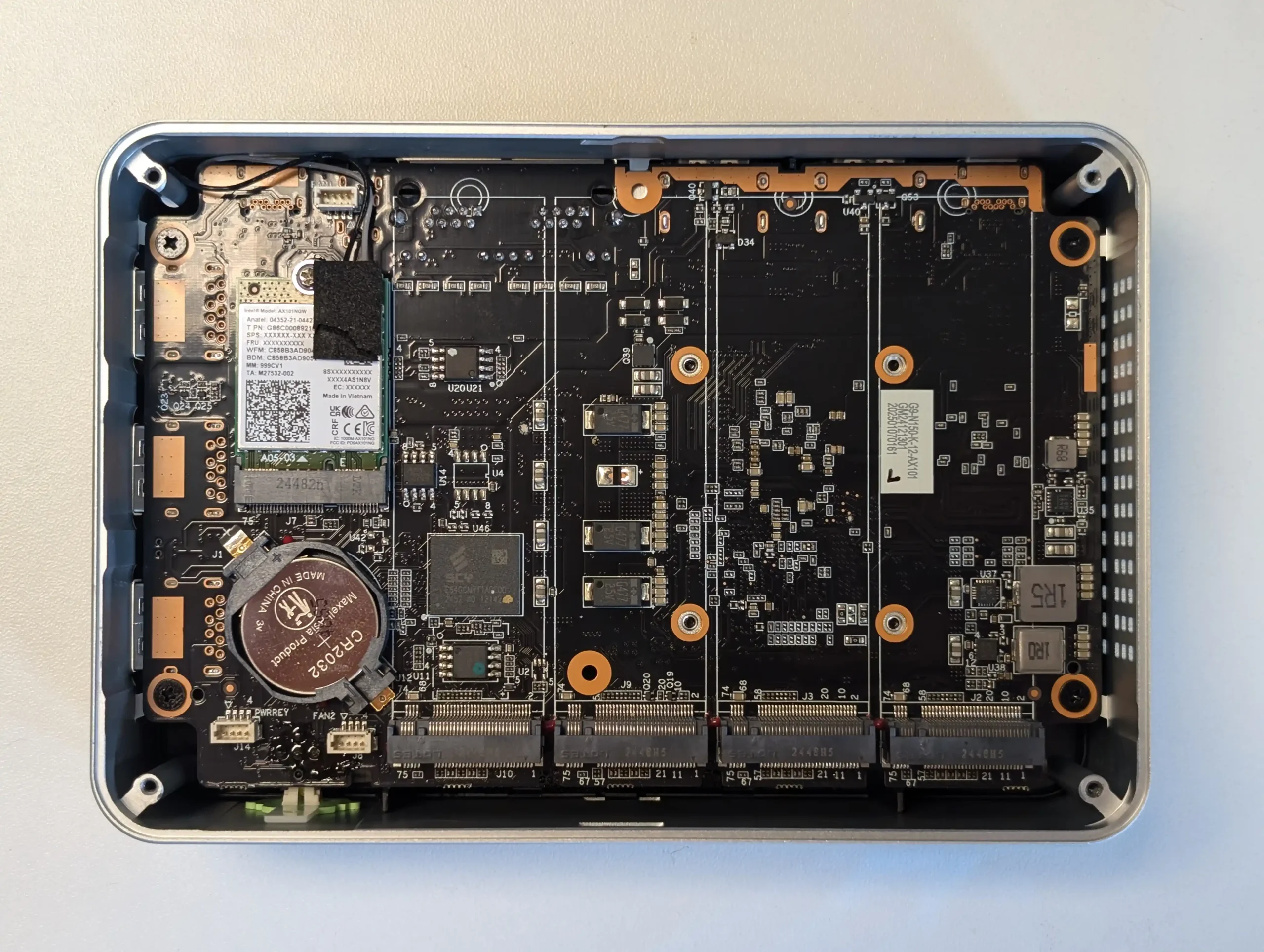
In terms of storage hardware, the G9 offers four M.2 NVMe slots with PCIe Gen 3 x2 interfaces, a configuration that supports up to 32TB of total storage using current consumer-grade drives. Each slot is keyed for M-Key NVMe SSDs and arranged vertically inside the enclosure, though installation requires unscrewing the rear panel and working within the confined internal cavity. The system’s internal PCIe lane distribution is handled through multiple ASMedia ASM1182e switch chips, which divide the CPU’s limited PCIe bandwidth across all four NVMe slots and the dual 2.5GbE interfaces. While the Gen 3 x2 interface is technically capable of 2GB/s per slot, real-world speeds are often lower during concurrent access due to the shared architecture.

This design also limits SSD passthrough capabilities in virtualized environments, and users aiming for high-speed SSD RAID configurations (RAID 5 or 10, for example) may encounter inconsistent write speeds. Additionally, there is no hardware-level thermal throttling safeguard tied to fan curves or SSD temperature sensors, so thermal build-up under load could directly affect sustained throughput unless active cooling measures are installed. The internal hardware of the improved GMKTec G9 remains completely unchanged from the original release—no CPU, RAM, SSD slot layout, or controller chip has been altered in the updated version.

Component Details
CPU Intel N150 (4 Cores / 4 Threads, 1.0–3.6GHz)
Architecture Intel Twice Lake (10nm)
TDP 6W
Memory 12GB LPDDR5-4800 (Dual-channel, Non-upgradable)
Integrated Storage 64GB eMMC (for pre-installed Windows/Ubuntu)
NVMe Support 4 x M.2 NVMe SSDs (PCIe Gen 3 x2 interface)
Max Storage Up to 32TB (with 4 x 8TB drives)
Graphics Intel UHD (4K @ 60Hz via HDMI & USB-C DP)
PCIe Management ASMedia ASM1182e Switches (x2)
Other Features AES-NI, VT-x, VT-d, Speed Shift, ACPI 6.2

GMKTec G9 Ver.2 NAS Review – Ports and Connections

The GMKTec G9 offers a well-rounded I/O configuration that reflects its hybrid role as both a compact NAS and lightweight desktop appliance. It features two 2.5GbE LAN ports, both of which are directly linked to the CPU via PCIe lanes and can be configured for link aggregation, failover, or isolated network segments. In real-world testing, these ports easily saturate their 312MB/s bandwidth under SMB and iSCSI workloads, making the G9 more capable than traditional Gigabit NAS units. The absence of 10GbE is notable, especially for users planning to deploy NVMe RAID arrays or work in content-heavy environments, but at this price point and power envelope, dual 2.5GbE is still a competitive offering. Notably, both NICs support Wake-on-LAN (WoL), making the system convenient for remote access or low-power automation setups.

For peripheral and expansion support, the G9 includes three USB-A 3.2 Gen 2 ports and a single USB-C 3.2 Gen 2 port, each capable of 10Gbps data transfer. The USB-C port also supports DisplayPort Alt Mode, allowing it to function as an additional video output alongside the two HDMI 2.0 ports on the rear panel. These HDMI ports support 4K resolution at 60Hz and are positioned for users who may wish to operate the G9 as a silent desktop system or a local media playback device via Kodi, Jellyfin, or Plex. However, the G9 does not include USB 4.0, Thunderbolt, or PCIe expandability, limiting options for future upgrades such as external GPUs, additional NICs, or DAS enclosures. In testing, connected peripherals such as USB drives and webcams were recognized instantly under Ubuntu and Windows, confirming basic plug-and-play compatibility.

Power delivery is handled via USB-C PD input, using a 65W external power brick that ships with the unit. Uniquely, the updated G9 introduces a small but notable change: dual USB-C power input points, allowing users to select which side of the device receives the power cable. This change doesn’t increase power capacity or enable redundancy, but it can improve cable management depending on the G9’s orientation on a desk or shelf. However, using one of the USB-C ports for power inherently sacrifices a high-speed data port—an unfortunate trade-off given the unit’s lack of PCIe or expansion bays. No dedicated power switch is present; the unit powers on via the front button or Wake-on-LAN and remains always-on unless shut down via software or OS-level scripts. Compared with the original G9, the only change to I/O is the addition of the second USB-C power input for layout flexibility—otherwise, all ports, speeds, and layout remain the same.

Port Type Quantity Specification
2.5GbE LAN 2 Realtek RTL8125, Link Aggregation Supported
USB-A 3.2 Gen 2 3 10Gbps, Backward Compatible
USB-C 3.2 Gen 2 1 (+1 PD) 10Gbps, DisplayPort Alt Mode
HDMI 2.0 2 4K @ 60Hz
Power Input (USB-C) 2 65W USB-C PD (Only 1 used at a time)
Wake-on-LAN Supported Both NICs
Audio None No 3.5mm jack or digital out

GMKTec G9 Ver.2 NAS Review – Tests and Performance

In synthetic and real-world benchmarks, the GMKTec G9 delivers the level of performance expected from an Intel N150 system with PCIe Gen 3 x2 storage. Read speeds per drive peaked around 1.4–1.5GB/s, aligning well with the theoretical limit of the x2 interface. Write speeds were notably more volatile, ranging between 400–600MB/s depending on SSD type, ambient temperature, and active processes. These numbers, while adequate for file serving, backups, and Docker apps, showed clear limitations when the system was pushed into simultaneous multi-disk writes or parity-based RAID configurations. The presence of ASMedia ASM1182e PCIe switches likely contributes to this variance, as downstream PCIe allocation under pressure introduces contention among the SSD lanes. In typical NAS tasks like SMB and NFS file transfers, however, performance remained consistent and stable, particularly when network activity was confined to single-user access or sequential transfers.

Thermal behaviour is where the most scrutiny falls, given the G9’s original design flaws. Under a controlled 48-hour test using UnRAID with scheduled hourly backups and mixed-use read/write activity, the older G9 unit routinely idled at 54–56°C, with peaks of 66–67°C on SSDs lacking heatsinks.

The improved model saw modest thermal gains, with idle temps reduced to 50–52°C at the CPU vent and around 56–57°C on the SSD layer. Some of this improvement came from the revised ventilation—namely the expanded top-panel fan cutout and rear-side mesh panel—yet the base remained the same thermally isolated plastic panel, and internal fan hardware remained unchanged.

Notably, temperatures around the rear I/O ports dropped by 5–7°C between versions, suggesting that airflow efficiency around the motherboard has improved even if core thermal load remains a challenge.

In terms of noise and power, the G9 performs admirably. Even under load, fan noise remained below 40dB, with idle operation being nearly silent. Power consumption remained within the expected range—19–21W idle and up to 30W under continuous activity—even during the 48-hour write test.

BIOS-level tuning is possible and can slightly reduce power draw or adjust fan thresholds, but no advanced power scaling or fan curve customization is exposed via software in stock OS images. More demanding operating systems like TrueNAS Scale ran stably on the G9 but did little to mitigate thermal behaviour, reinforcing the importance of user-added SSD heatsinks regardless of OS.

The lack of thermal sensors per SSD slot or fan feedback control means sustained operations should be closely monitored in hotter climates or enclosed environments.

Nowhere is the conversation about thermal and hardware design more relevant than in comparison to the Xyber Hydra, a near-identical system that appears to share much of its component sourcing with the G9—right down to the GMK-branded fans. The Hydra ships with 16GB of DDR5 memory, a metal base panel, and most notably, a thermal pad that bridges SSDs to the metal shell, allowing for actual heat transfer rather than passive convection. In direct tests, the Hydra consistently posted 5–10°C lower SSD temps under identical workload, with idle SSDs (no heatsinks) registering around 47–49°C versus 56–57°C in the improved G9.

Though the Hydra lacks branding clarity around its manufacturer, the design appears to be what the G9 should have evolved into: same layout and CPU, but better thermals, more memory, and more thought put into SSD dissipation. In conclusion, while the improved GMKTec G9 offers better thermals than its predecessor, the Xyber Hydra outperforms both G9 variants in every thermal category, making it the superior choice if cooling and memory capacity are priorities.

Metric Original G9 Improved G9 Xyber Hydra
Peak Read Speed (NVMe) ~1.4–1.5 GB/s Same Same
Sustained Write Speed ~400–500 MB/s Slightly higher Slightly higher
Idle CPU Vent Temp 54–56°C 50–52°C 47–49°C
SSD Temps (No Heatsink) 66–67°C 56–57°C 47–49°C
Rear I/O Temp 55–57°C 48–50°C 44–46°C
Power Usage (Idle/Load) 19W / 30W 19–21W / 30W 18W / 28W
Noise Level (Max) ~39–40dB Same Slightly lower
Thermal Pad/Metal Contact None None Yes (Metal Base)

GMKTec G9 Ver.2 NAS Review – Verdict and Conclusion

The GMKTec G9, in its improved form, shows that the brand has listened—albeit cautiously—to thermal concerns raised by users and reviewers of the original model. The changes introduced in this updated version are minimal but measurable: better ventilation on the top panel and side mesh grille allow modest airflow gains, which result in lower surface and SSD temperatures across the board. Yet, GMKTec has stopped short of making any internal or structural upgrades that would more directly resolve thermal issues, such as introducing a metal baseplate, bundling SSD heatsinks, or adjusting the system’s internal fan architecture. All other hardware elements—CPU, memory, SSD configuration, I/O, BIOS, and software readiness—remain identical. As a result, while the device performs better in heat dissipation than before, it does so by a margin that may not justify an upgrade for existing G9 users. First-time buyers, however, may find it to be a safer choice now—particularly when paired with aftermarket heatsinks and used in moderate workloads.

However, the presence of the Xyber Hydra in the same price bracket poses a critical challenge to the G9’s value proposition. Offering the same N150 CPU, more memory, and a far superior thermal design with an integrated metal heat-spreading base, the Hydra addresses nearly every lingering complaint about the G9 without altering the system’s core layout. For prospective buyers deciding between the two, the G9’s only advantages now lie in its wider availability, slightly more recognizable branding, and marginally more mature firmware support. If those factors matter less than thermal reliability, long-term SSD health, and RAM headroom, then the Hydra is the more complete solution. Ultimately, the improved GMKTec G9 is a more stable and better-performing version of its former self, but its restrained upgrades feel like a missed opportunity in a market where near-clones have already moved ahead in meaningful ways.

Where to Buy?
PROs of the GMKTec G9 NAS CONs of the GMKTec G9 NAS
  • Affordable price point for a 4-bay NVMe NAS with dual 2.5GbE (typically under $200).

  • Support for up to 32TB of SSD storage across four M.2 NVMe slots.

  • Low power consumption (19W idle, ~30W under load) suitable for 24/7 operation.

  • Improved passive airflow design compared to the original model (lower overall temps).

  • Dual USB-C power input options for flexible cable management.

  • Silent operation, even during sustained activity (under 40dB).

  • Pre-installed OS (Windows 11 Pro and Ubuntu) allows for flexible initial use.

  • Compact, space-saving enclosure ideal for desktop setups or constrained environments.

  • Cooling Improvements are relatively small and No bundled SSD heatsinks, making thermal throttling likely without aftermarket cooling.

  • Non-upgradable 12GB LPDDR5 RAM limits scalability for heavier workloads.

  • Plastic chassis and base panel still hinder full thermal dissipation from SSDs.

  • The Introduction of other NAS such as the Beelink ME Mini and Xyber Hydra has provided appealing alternatives to this device right now


📧 SUBSCRIBE TO OUR NEWSLETTER 🔔
[contact-form-7]
🔒 Join Inner Circle

Get an alert every time something gets added to this specific article!


Want to follow specific category? 📧 Subscribe

This description contains links to Amazon. These links will take you to some of the products mentioned in today's content. As an Amazon Associate, I earn from qualifying purchases. Visit the NASCompares Deal Finder to find the best place to buy this device in your region, based on Service, Support and Reputation - Just Search for your NAS Drive in the Box Below

Need Advice on Data Storage from an Expert?

Finally, for free advice about your setup, just leave a message in the comments below here at NASCompares.com and we will get back to you. Need Help? Where possible (and where appropriate) please provide as much information about your requirements, as then I can arrange the best answer and solution to your needs. Do not worry about your e-mail address being required, it will NOT be used in a mailing list and will NOT be used in any way other than to respond to your enquiry. [contact-form-7] TRY CHAT Terms and Conditions
If you like this service, please consider supporting us. We use affiliate links on the blog allowing NAScompares information and advice service to be free of charge to you.Anything you purchase on the day you click on our links will generate a small commission which isused to run the website. Here is a link for Amazon and B&H.You can also get me a ☕ Ko-fi or old school Paypal. Thanks!To find out more about how to support this advice service check HEREIf you need to fix or configure a NAS, check Fiver Have you thought about helping others with your knowledge? Find Instructions Here  
 
Or support us by using our affiliate links on Amazon UK and Amazon US
    
 
Alternatively, why not ask me on the ASK NASCompares forum, by clicking the button below. This is a community hub that serves as a place that I can answer your question, chew the fat, share new release information and even get corrections posted. I will always get around to answering ALL queries, but as a one-man operation, I cannot promise speed! So by sharing your query in the ASK NASCompares section below, you can get a better range of solutions and suggestions, alongside my own.

☕ WE LOVE COFFEE ☕

 
❌