Si vous avez récemment fait une mise à jour vers Windows 11 24H2 et que vous êtes un utilisateur assidu de Plex, vous avez peut-être remarqué un truc étrange. L'image est nickel, tout se lance parfaitement, mais niveau son... c'est le silence radio absolu.
En particulier si vous tentez de lire des médias avec une piste audio EAC3 (Dolby Digital Plus) en 5.1. Vous avez beau monter le volume, vérifier vos câbles ou insulter votre carte son, rien n'y fait. Y'a que dalle...
Alors pas de panique les amis ! Ce n'est pas votre matériel qui est en cause, ni même Plex qui a décidé de bouder. C'est juste Microsoft qui, dans sa grande sagesse (et probablement pour des histoires de licences), a semble-t-il retiré ou cassé la gestion native du codec EAC3 dans cette version de Windows. Un grand classique qui me rappelle l'époque où
Windows 8 avait viré la lecture DVD
sans prévenir.
Heureusement, Andréa, un fidèle lecteur (merci à lui !), a creusé le sujet et nous partage la solution pour remettre tout ça d'équerre sans avoir besoin de formater ou de passer sous Linux (même si, entre nous, ce serait une excellente idée ^^).
Ce qu'il vous faut
Un PC sous Windows 11 (version 24H2)
Le pack "Dolby AC-3 / AC-4 Installer" (voir plus bas)
5 minutes devant vous
La solution miracle
Pour corriger ce problème, il faut réinjecter les DLL manquantes dans le système. Et pour ça, un petit utilitaire bien pratique existe sur MajorGeeks.
Lancez l'installation. Ça va remettre les fichiers nécessaires dans System32 comme au bon vieux temps.
Redémarrez votre PC. C'est Windows, ne posez pas de questions ;) .
Une fois que la bête a redémarré, ouvrez votre client Plex.
Allez dans les paramètres Lecteur et assurez-vous d'être en "Réglages de base" (5.1 ou Stéréo) et surtout, désactivez le Passthrough si ce n'est pas indispensable pour votre ampli. Normalement, le son devrait revenir instantanément.
C'est quand même dingue qu'en 2026 on doive encore bidouiller des codecs à la main pour avoir du son, mais bon... Au moins, c'est réparable.
Voilà, si ça vous a sauvé la soirée film, n'hésitez pas à remercier Andréa qui a tout détaillé
sur son tuto complet ici
.
Et pensez aussi à garder votre
Plex Media Server à jour
, c'est important pour la sécurité (même si ça ne règle pas les soucis de codecs Windows !).
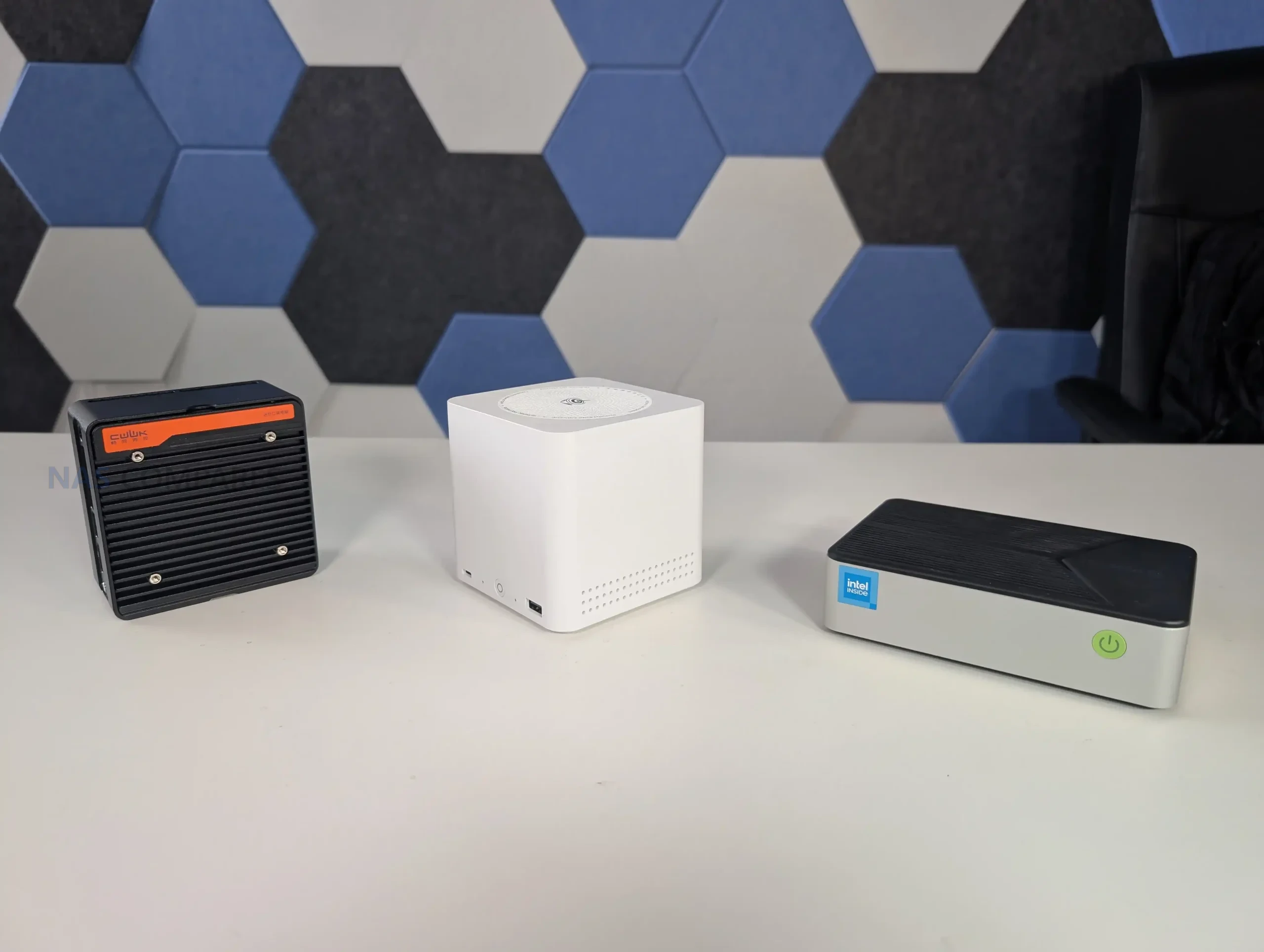
Beelink Me Mini vs GMKTec G9 vs CWWK P6 SSD NAS Showdown
The compact and SSD-focused NAS landscape has grown increasingly competitive, with new models targeting users who require silent operation, efficient performance, and small-scale virtualization or media serving capabilities. Devices like the GMKTec G9, Beelink ME Mini, and CWWK P6 represent a distinct shift from traditional 3.5” HDD-based systems, instead favoring M.2 NVMe SSD storage in compact chassis designs. These systems are marketed toward home users, prosumers, and developers looking for a balance between cost, flexibility, and low-noise operation, often for roles such as Plex servers, UnRAID deployments, or containerized environments.
Each unit in this comparison leverages low-power Intel Twin Lake processors (notably the N150), offers at least dual 2.5GbE connectivity, and supports multiple M.2 drives, but their implementations vary widely in thermal handling, expandability, and internal architecture. As the line between DIY NAS builds and pre-built options continues to blur, the GMKTec G9, Beelink ME Mini, and CWWK P6 provide a snapshot of how different brands interpret the needs of modern users who prioritize energy efficiency, small footprints, and SSD-based storage workflows. This article evaluates these three devices across pricing, storage architecture, design, and real-world usability to provide a clear overview of their relative strengths and compromises.
Beelink Me Mini vs GMKTec G9 vs CWWK P6 SSD NAS – Price and Value
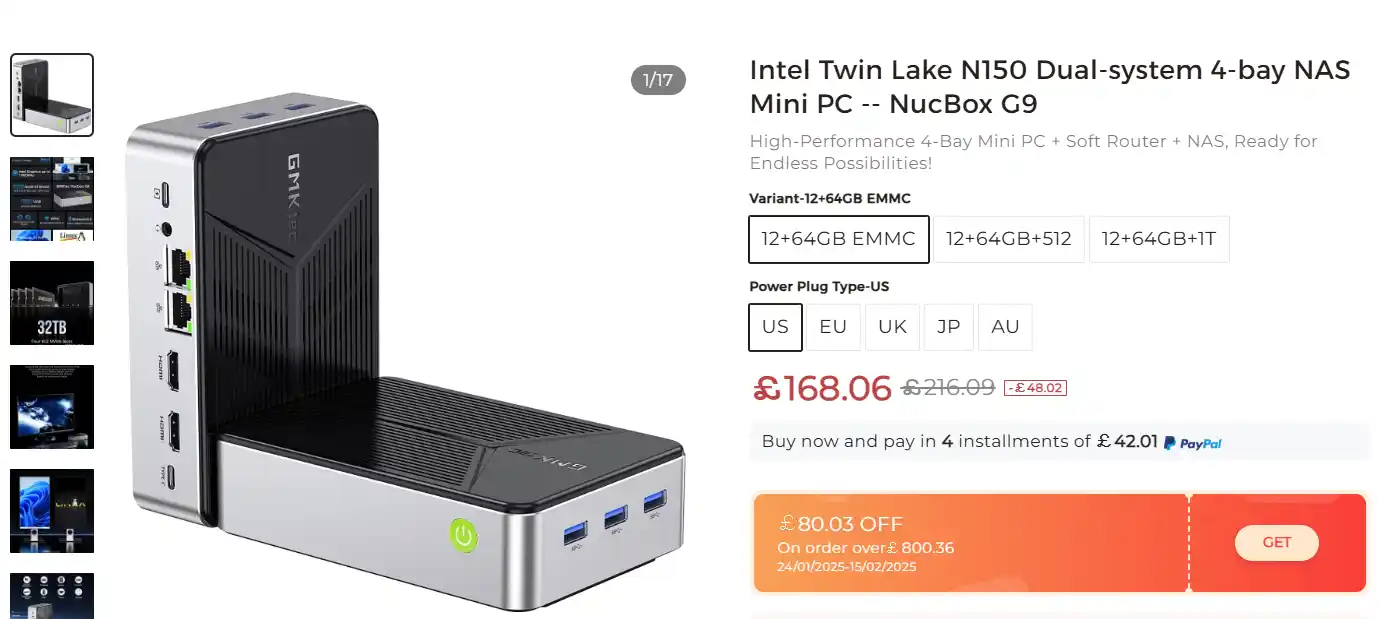
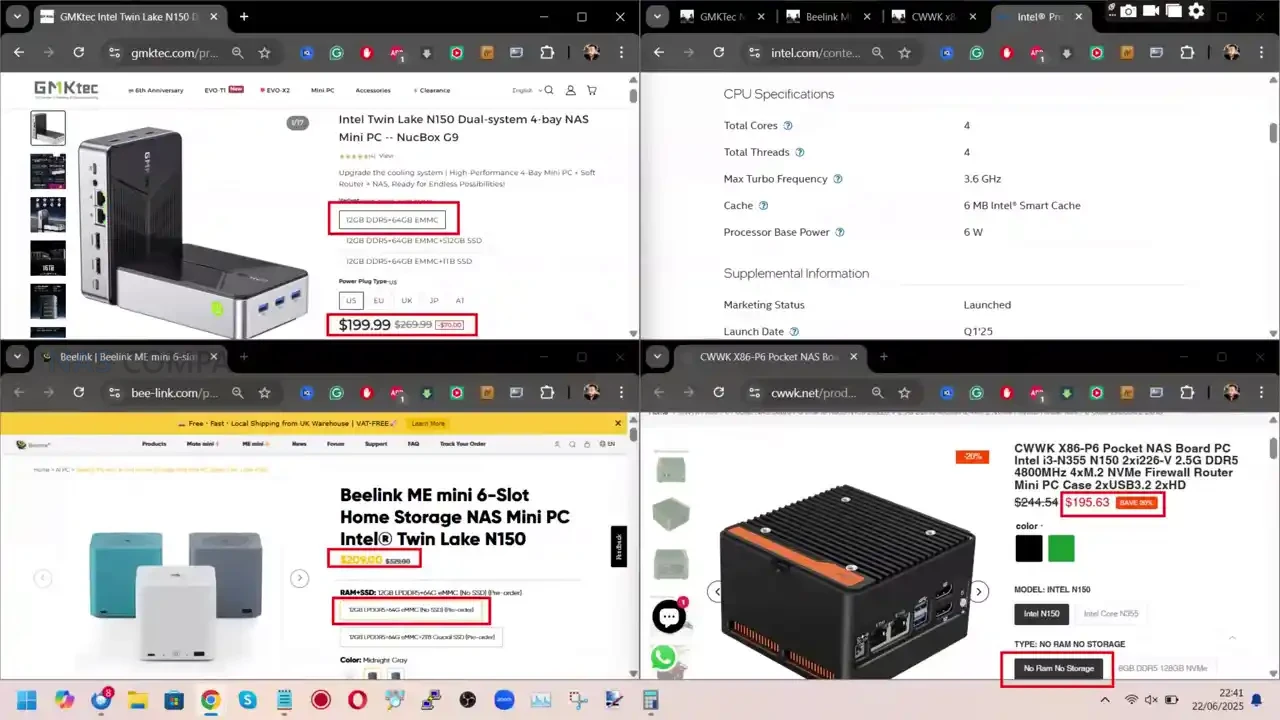
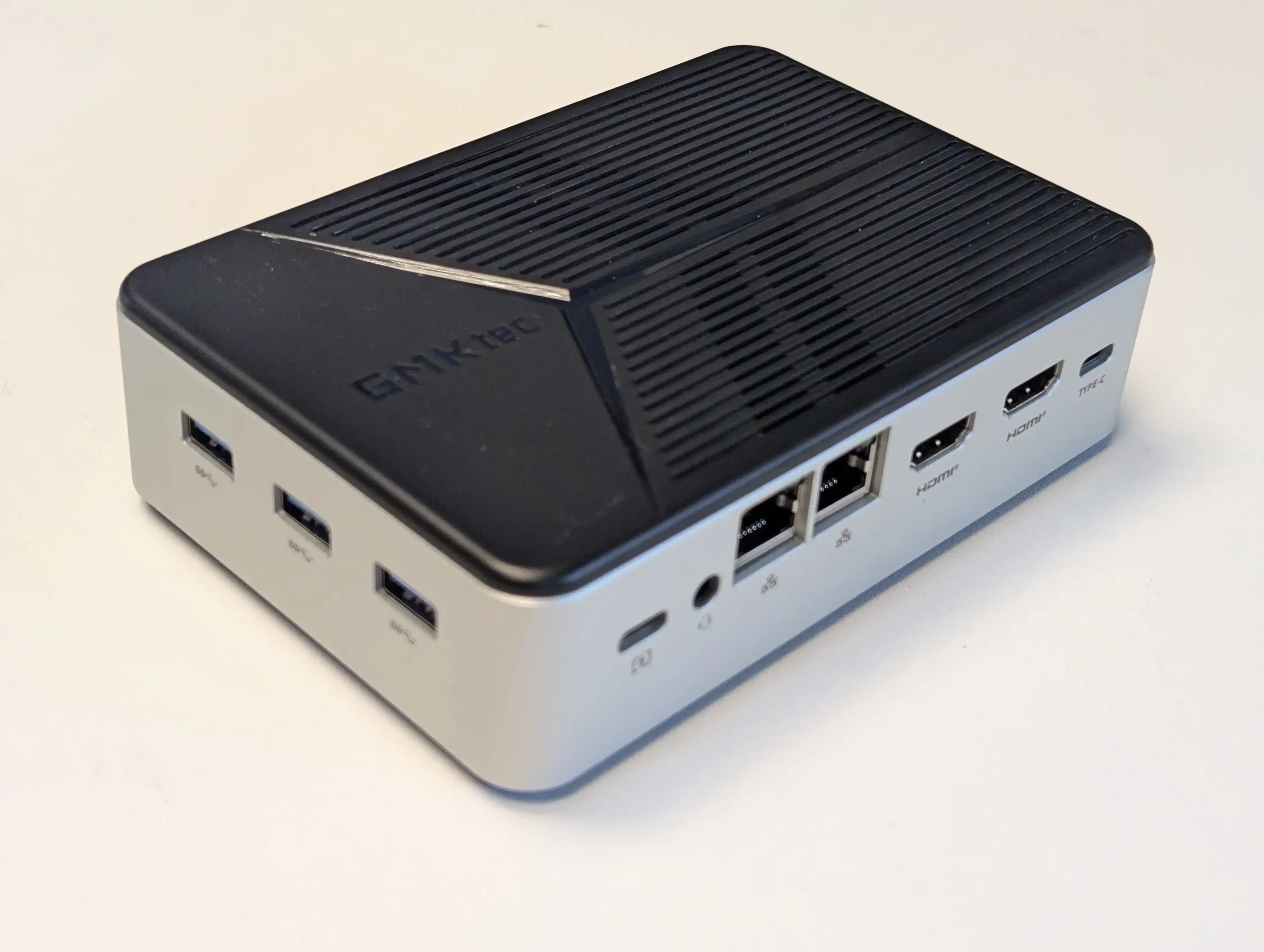
The GMKTec G9 enters the market at around $199 for its 12GB RAM base configuration, positioning it as one of the more accessible SSD-based NAS units available. It includes a Windows 11 Pro license and Ubuntu Linux pre-installed, which can be attractive to users interested in general computing as well as NAS tasks. However, these operating systems are not tailored for storage-focused functionality, and the burden falls on the user to install and configure something like TrueNAS or UnRAID for proper NAS use. Additionally, the system uses non-upgradable LPDDR5 memory and features a plastic chassis, suggesting a design focus on affordability over long-term flexibility. While value is present in terms of included software and passive SSD-ready operation, its entry-level design limits appeal to users planning to scale or repurpose the device beyond its initial setup.
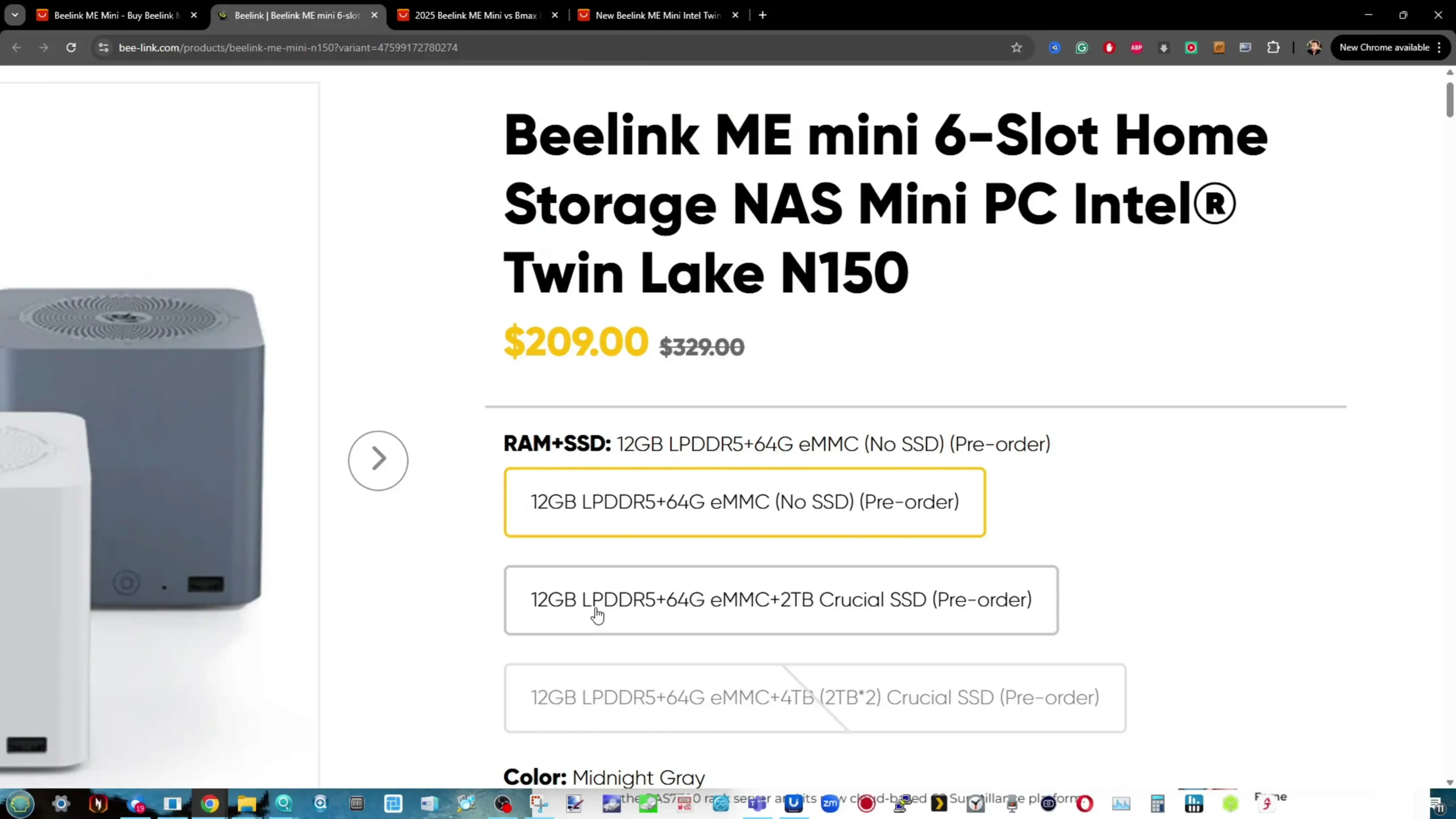
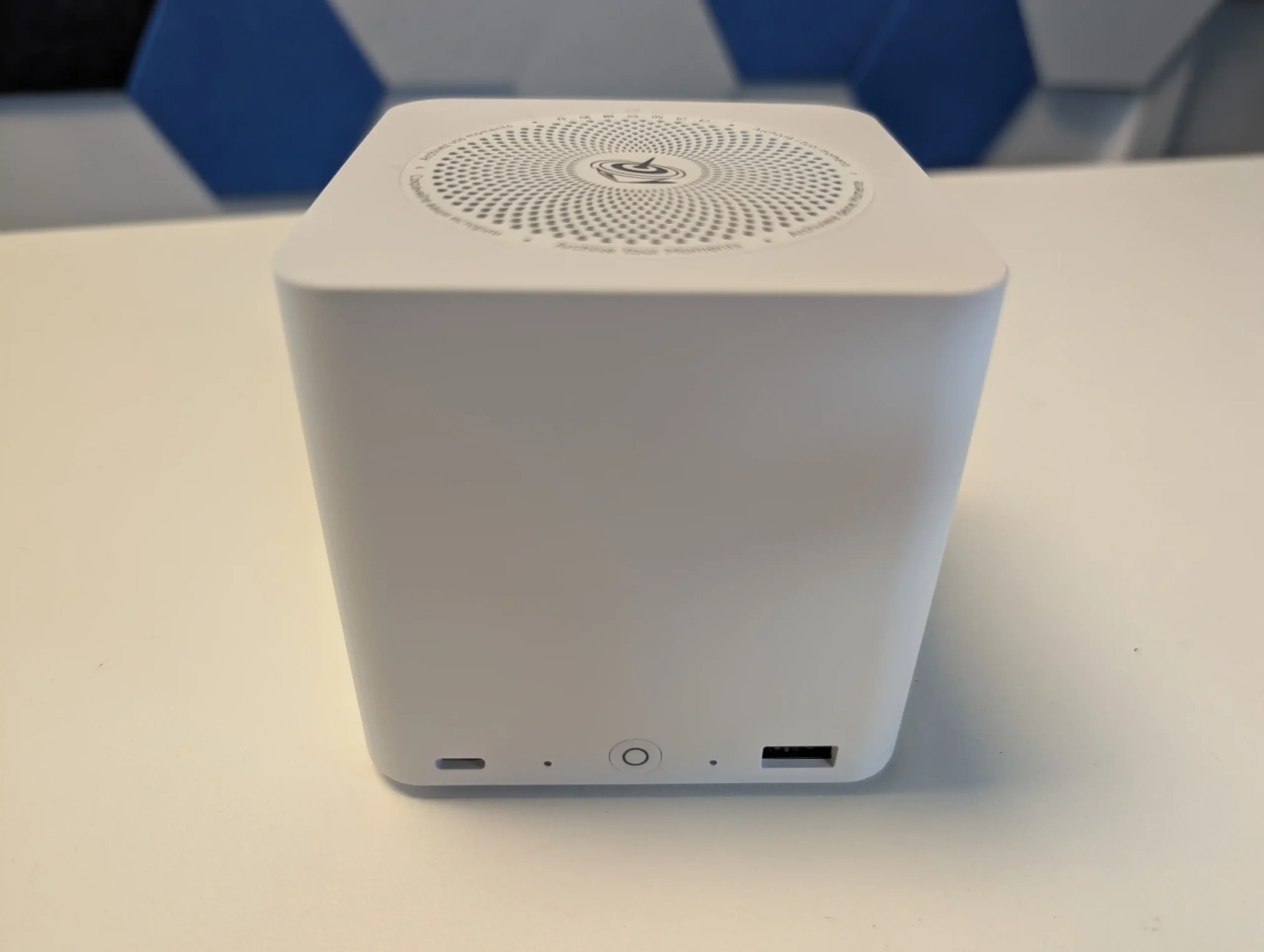
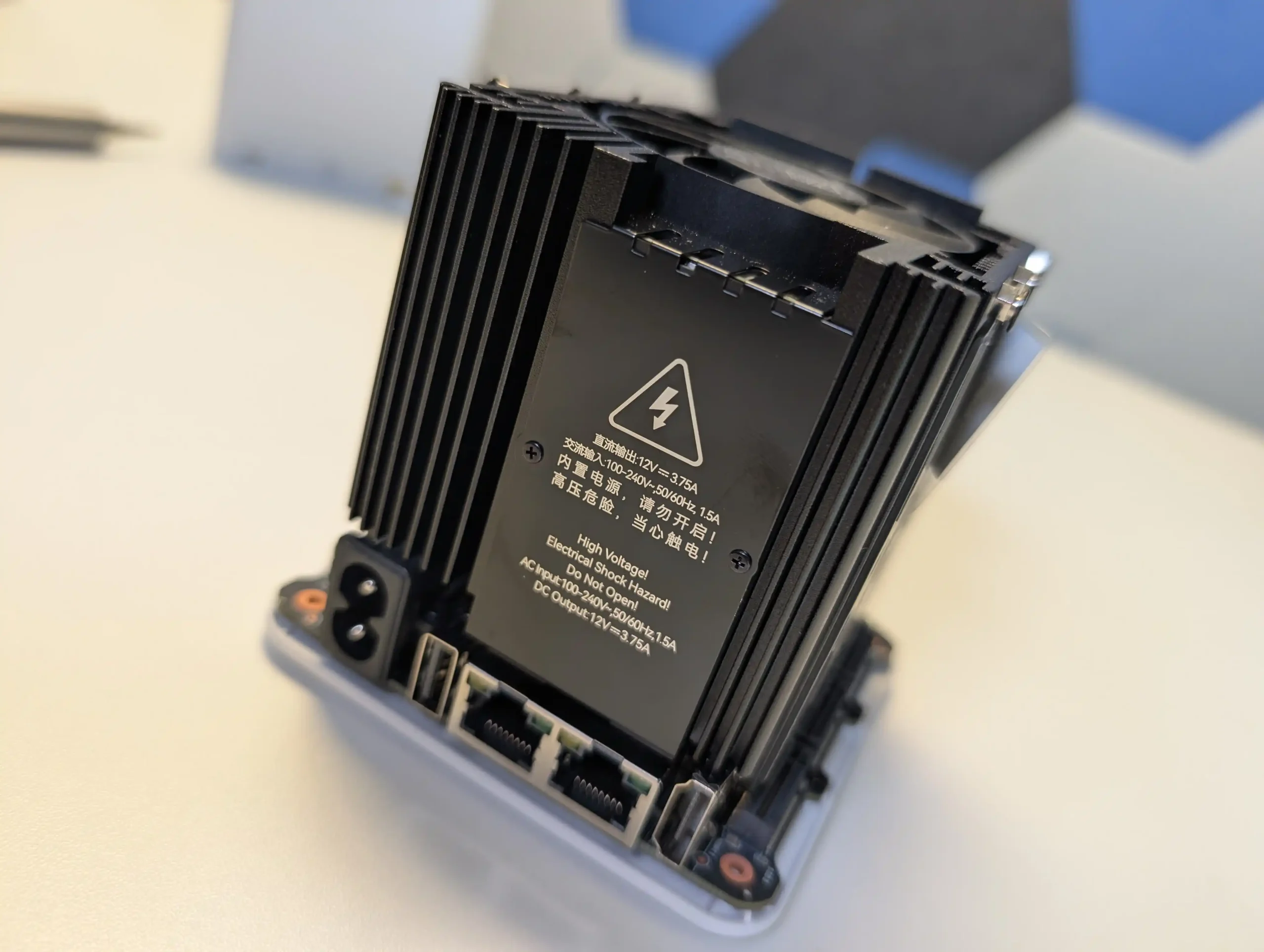
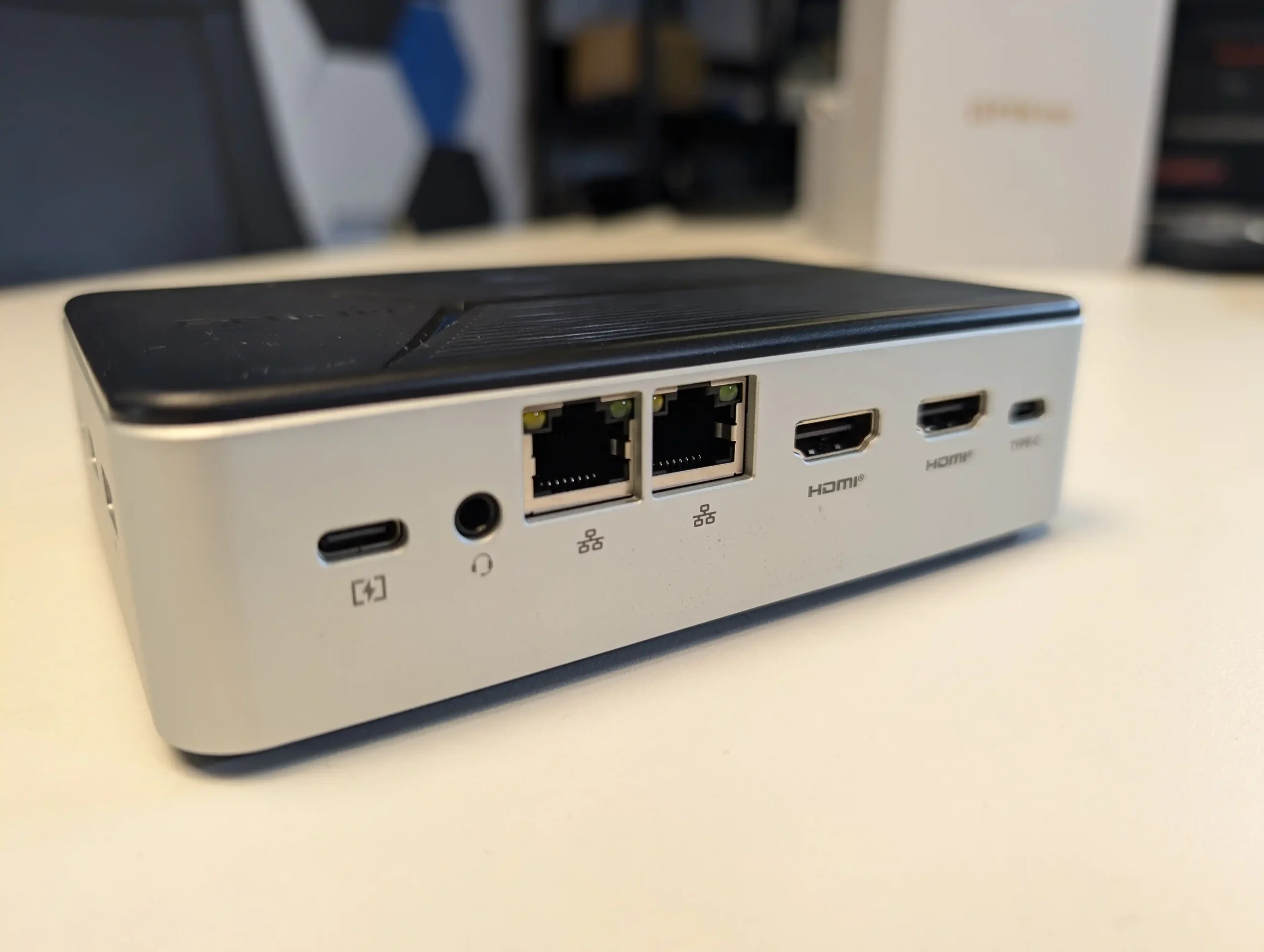
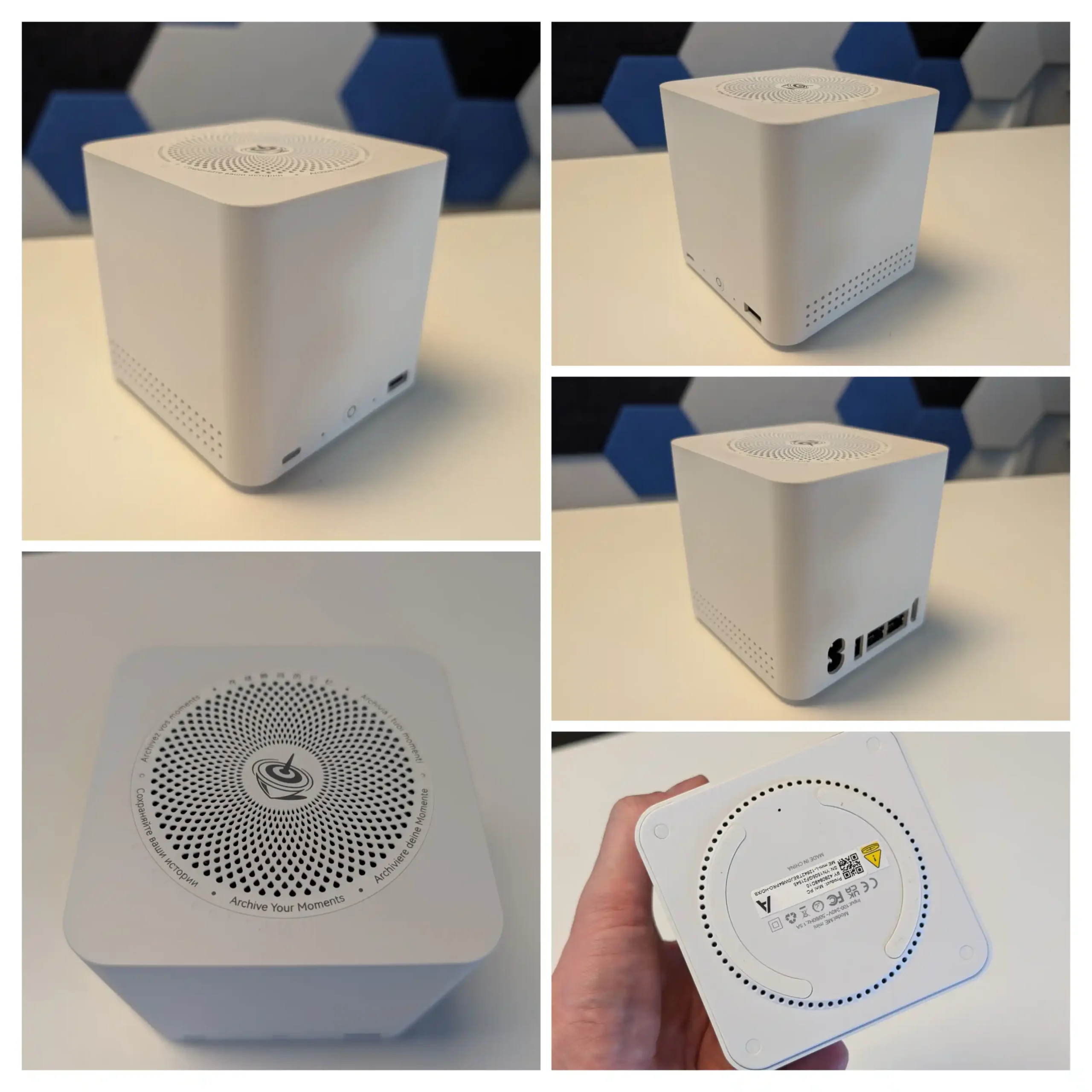
The Beelink ME Mini NAS, typically available at $209 on Beelink’s own storefront, offers a slightly higher upfront cost but balances that with integrated features aimed at simplifying deployment. Unlike the GMKTec G9, the ME Mini comes with an internal power supply and Crucial-branded SSDs in pre-built configurations, offering a greater level of assurance for storage reliability and plug-and-play readiness. The system supports Wi-Fi 6, Bluetooth 5.2, and features a silent fan-assisted cooling design that makes it more suitable for living rooms or office environments. Though it also utilizes soldered 12GB LPDDR5 memory, its form factor, passive aesthetics, and better thermals make it more appealing to users who want a quiet and tidy NAS solution that requires minimal tinkering post-installation. When compared to generic prebuilds, the ME Mini offers greater refinement and turnkey usability in exchange for a modest premium.
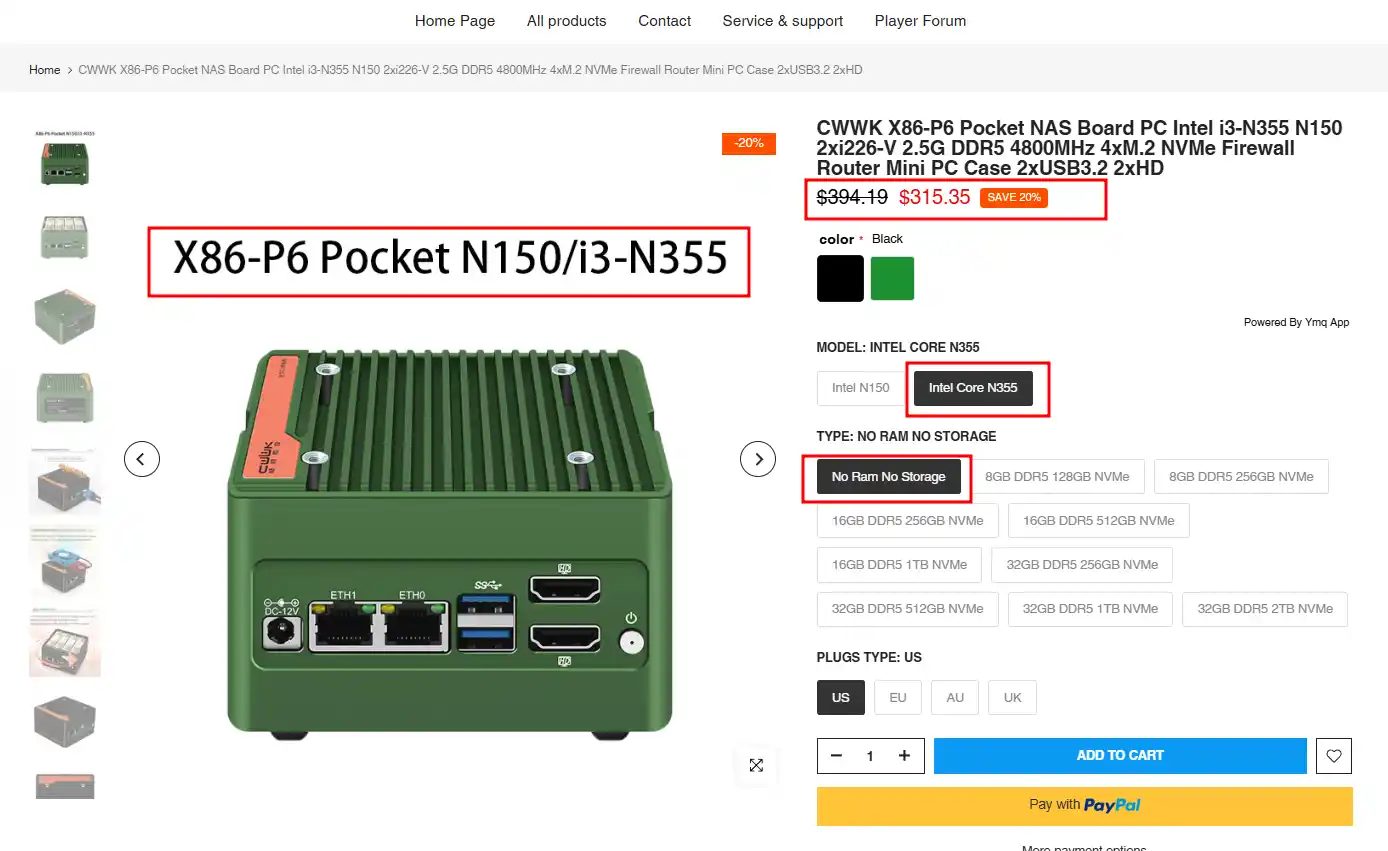
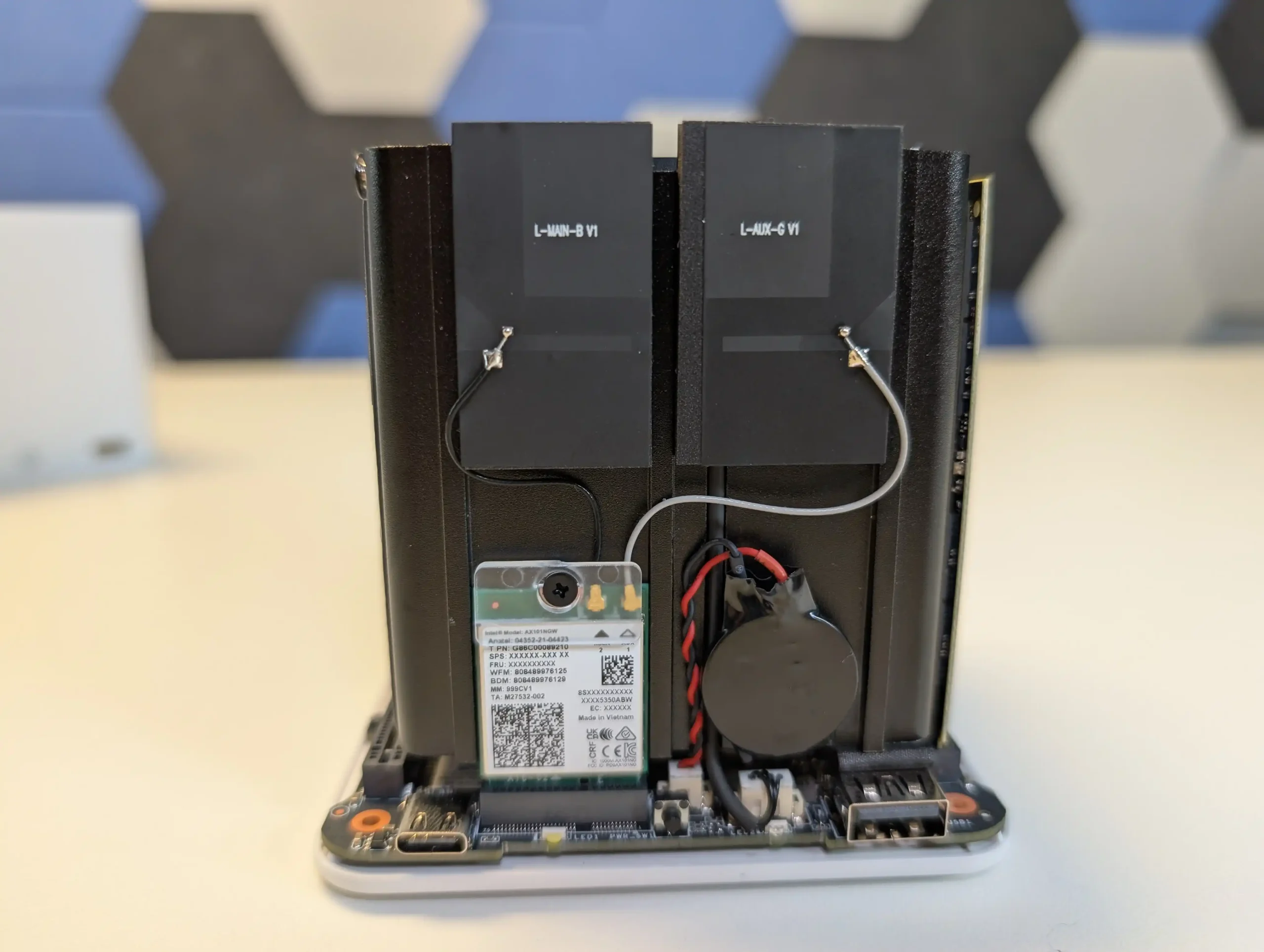
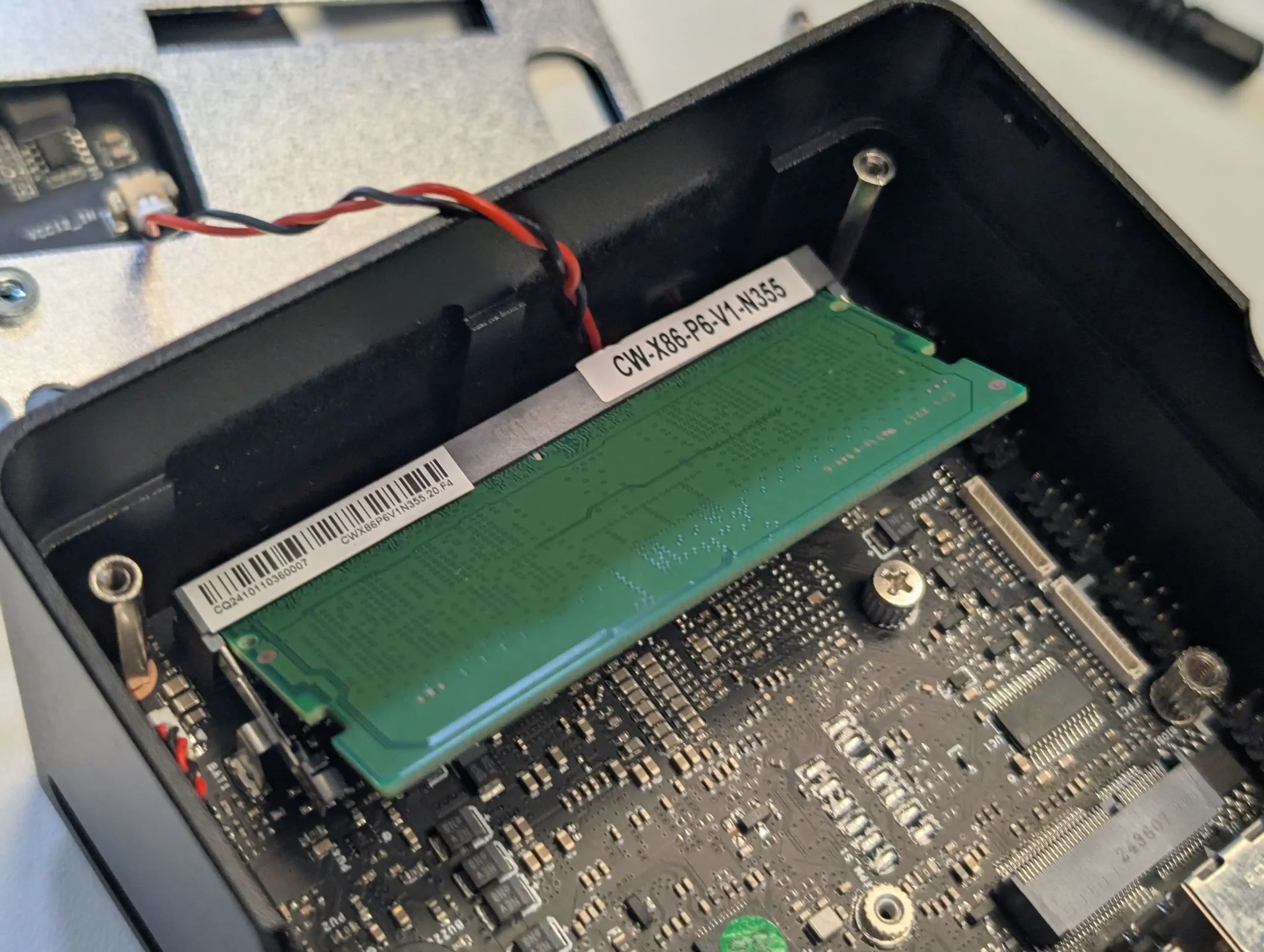
The CWWK P6 NAS sets itself apart with a lower base price of $195 for the N150 version, but this does not include memory or storage. Instead, the system is designed for users who prefer sourcing their own SO-DIMM DDR5 RAM and M.2 SSDs, potentially reducing costs if spare components are available. Its use of a single SO-DIMM slot enables expansion up to 48GB, which is considerably more than either the GMKTec or Beelink models. However, this flexibility comes at the cost of initial convenience. Users will need to handle their own OS installation, BIOS configuration, and possibly even resolve SATA recognition issues via firmware tweaks. The CWWK P6 also lacks wireless connectivity by default, and its use of a barrel connector rather than USB-C for power delivery may feel dated. Still, for users with a higher comfort level in DIY environments, the P6 offers a customizable platform with greater headroom for VMs, Plex, and containers.
When considering long-term value, each NAS appeals to a different kind of buyer. The GMKTec G9 is best suited for users who want a simple, functional NAS with minimal setup, though they may run into its limits quickly if performance expectations rise. The Beelink ME Mini justifies its price by offering a more thought-out design, silent thermals, and premium SSD options out of the box—better suited to users who want a clean and quiet system that can be set up rapidly. Meanwhile, the CWWK P6 represents a builder’s NAS: inexpensive upfront, highly scalable, and intended for users who value control over convenience. Ultimately, while price differences between these units are small, the total value depends heavily on user intent and whether ease of deployment, expansion, or component choice takes priority.
Beelink Me Mini vs GMKTec G9 vs CWWK P6 SSD NAS – Storage & Memory
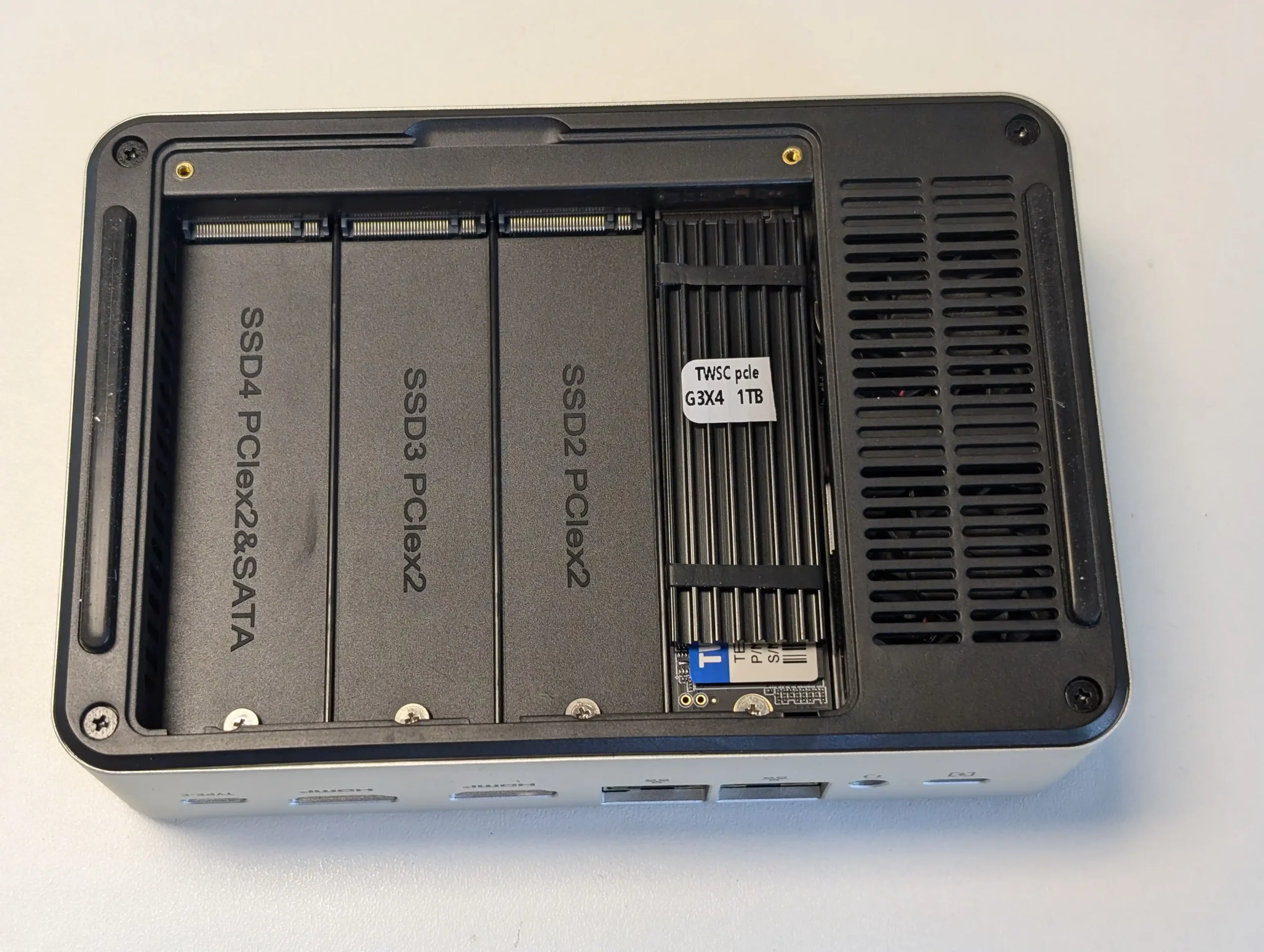
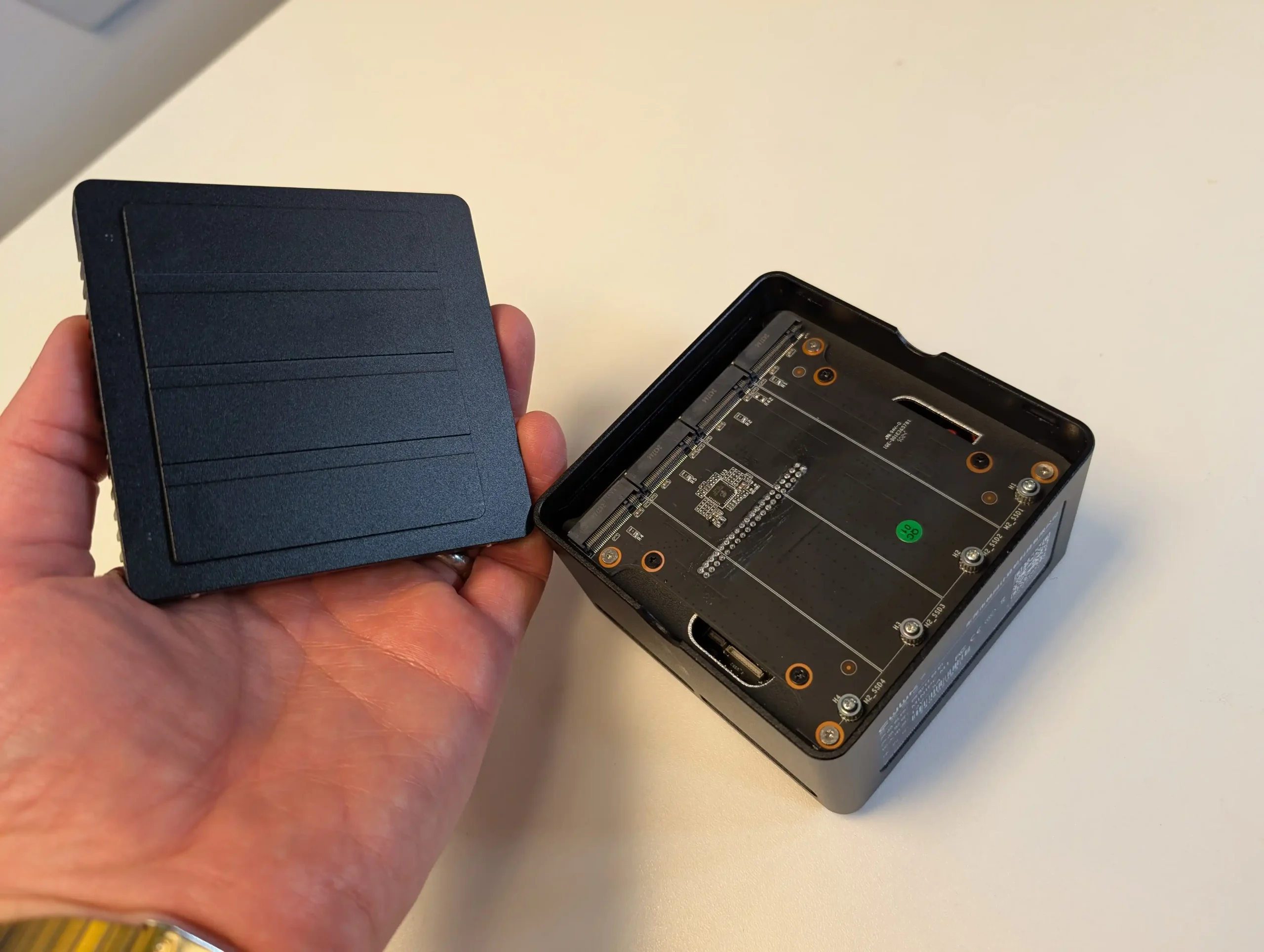
All three NAS systems in this comparison rely exclusively on M.2 NVMe SSDs for internal storage, reflecting a growing emphasis on silent, high-speed flash-based configurations in compact enclosures. The GMKTec G9 features four M.2 NVMe slots, each limited to PCIe Gen 3 x2, offering a theoretical maximum of 2GB/s per drive. In contrast, the Beelink ME Mini supports six M.2 NVMe slots, with five operating at PCIe Gen 3 x1 and one—typically reserved for the OS—at Gen 3 x2. The CWWK P6 matches the G9 in having four slots, though each operates at PCIe Gen 3 x1 speeds, reducing peak bandwidth per drive. This difference in PCIe lane allocation directly impacts aggregate read/write performance, especially in RAID configurations or during high-traffic file operations.
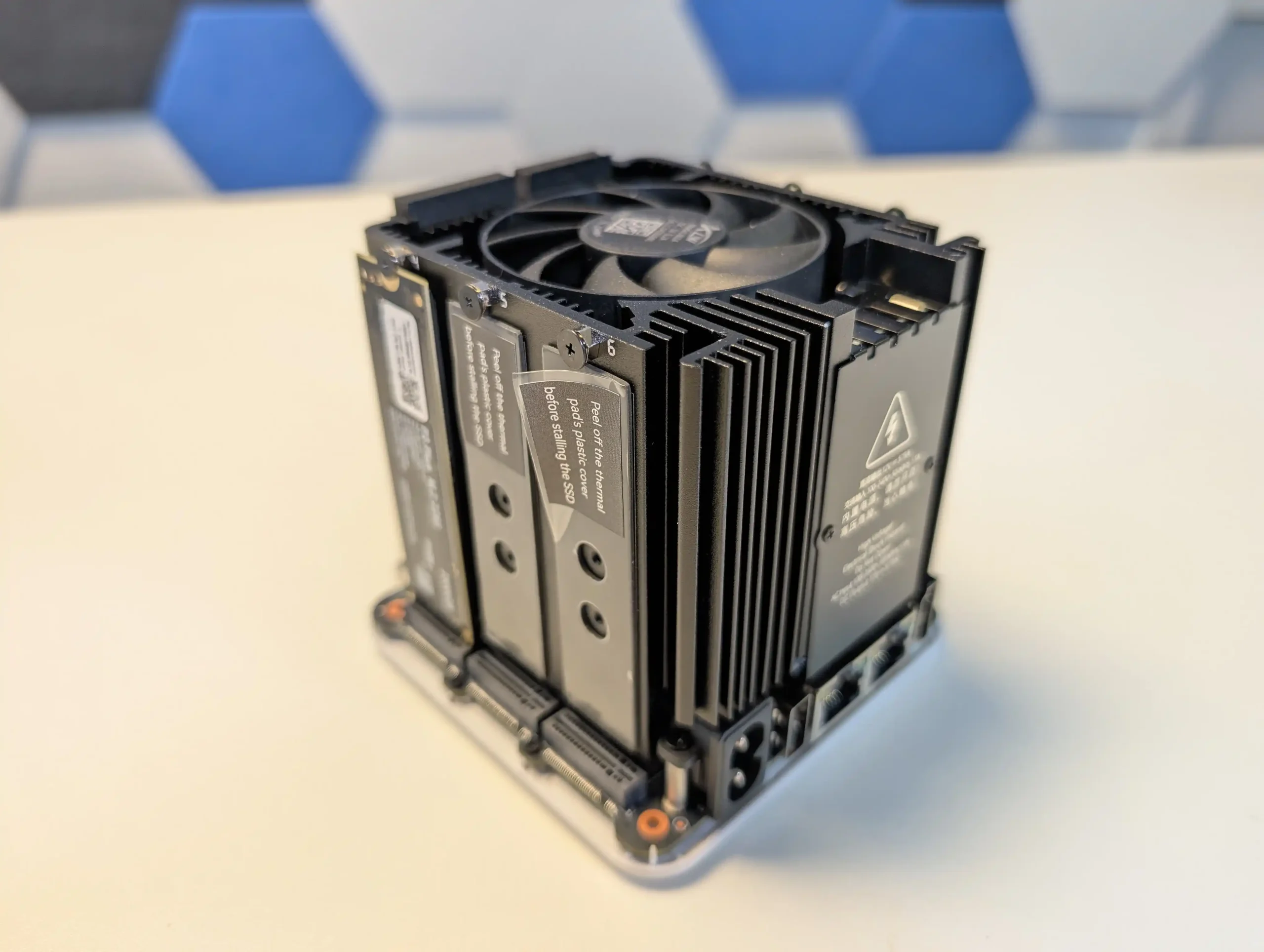
The GMKTec G9’s storage slots are laid out beneath a plastic panel with no included heatsinks, a decision that raises concerns about sustained thermal performance. While it technically supports up to 32TB of total storage across its four bays, the lack of passive or active SSD cooling can lead to throttling unless third-party heatsinks are installed. The Beelink ME Mini, in contrast, integrates a large aluminum heatsink with pre-applied thermal pads on all six slots, ensuring consistent heat transfer and reduced risk of SSD overheating. Though five of its six slots are bandwidth-limited to Gen 3 x1, the thermal design makes it better suited for prolonged uptime and high-usage environments. The CWWK P6 also features a metal enclosure that acts as a passive heat sink, but ships with notably thin thermal pads and relies on an optional USB-powered fan for improved airflow.
Memory configuration is another key area of differentiation. The GMKTec G9 and Beelink ME Mini both ship with 12GB of soldered LPDDR5 memory running at 4800MHz. This fixed memory cannot be upgraded, limiting their long-term viability in RAM-intensive use cases such as virtualization or large-scale container deployment. The CWWK P6, by contrast, includes a single SO-DIMM slot that supports up to 32GB of DDR5 4800MHz memory, making it the most flexible of the three for VM hosting, ZFS-based NAS operating systems, or other memory-sensitive applications. The tradeoff is that buyers must provide their own RAM, adding to the setup cost but allowing for performance tuning based on workload.
Boot and operating system storage configurations differ subtly across the three units. The GMKTec G9 includes a 64GB eMMC drive with pre-installed Windows 11 Pro and Ubuntu, though the eMMC capacity is insufficient for most NAS deployments beyond initial setup. The Beelink ME Mini also offers a 64GB eMMC module but encourages users to install the OS on the Gen 3 x2 slot, especially in bundled configurations that include Crucial P3 SSDs. The CWWK P6 does not include any pre-installed OS or eMMC storage but does allow booting from any of its four NVMe slots, giving advanced users greater freedom to optimize OS installation, especially when using UnRAID or TrueNAS SCALE.
Ultimately, the memory and storage architecture of each system reflects different user priorities. The GMKTec G9 aims for simplicity but is hindered by non-upgradable memory and inadequate SSD cooling. The Beelink ME Mini offers better thermal management and storage capacity, albeit with limited PCIe bandwidth on most slots. The CWWK P6 provides the greatest upgrade potential with socketed RAM and M.2 flexibility, but demands user familiarity with thermal solutions, BIOS configuration, and peripheral sourcing.
Feature
GMKTec G9
Beelink ME Mini
CWWK P6 (N150)
M.2 Slots
4 x NVMe (PCIe Gen 3 x2)
6 x NVMe (1 x Gen 3 x2, 5 x Gen 3 x1)
4 x NVMe (PCIe Gen 3 x1)
Max Storage Capacity
Up to 32TB
Up to 24TB
Up to 32TB
eMMC / OS Drive
64GB eMMC
64GB eMMC
None
SSD Cooling
No heatsinks, plastic panel
Internal heatsink, pre-applied pads
Metal body, thin pads, optional fan
RAM Type
12GB LPDDR5 (soldered)
12GB LPDDR5 (soldered)
SO-DIMM DDR5 (user-installed)
RAM Expandability
Not expandable
Not expandable
Up to 32GB
Beelink Me Mini vs GMKTec G9 vs CWWK P6 SSD NAS – Power Consumption, Heat and Noise
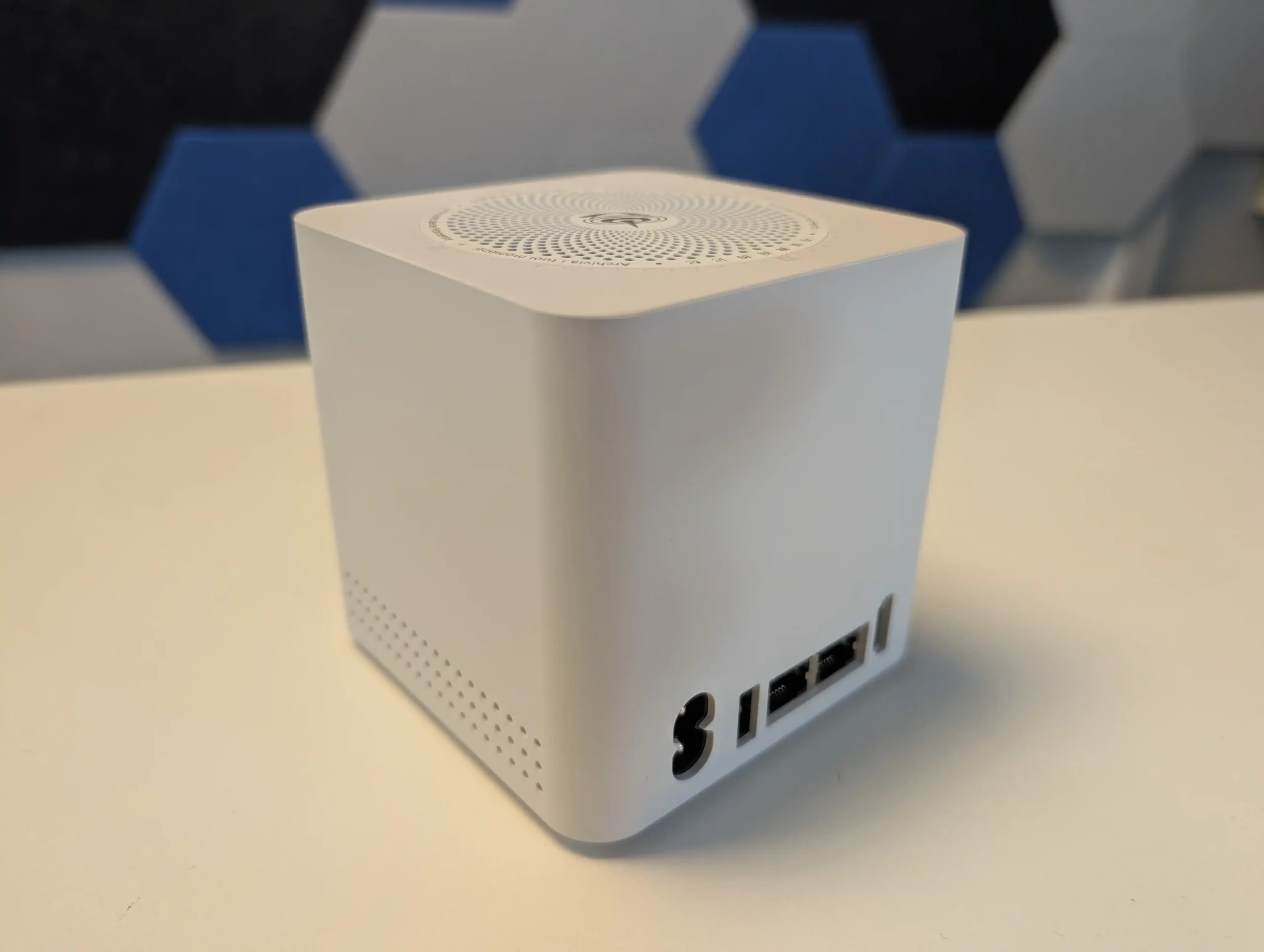
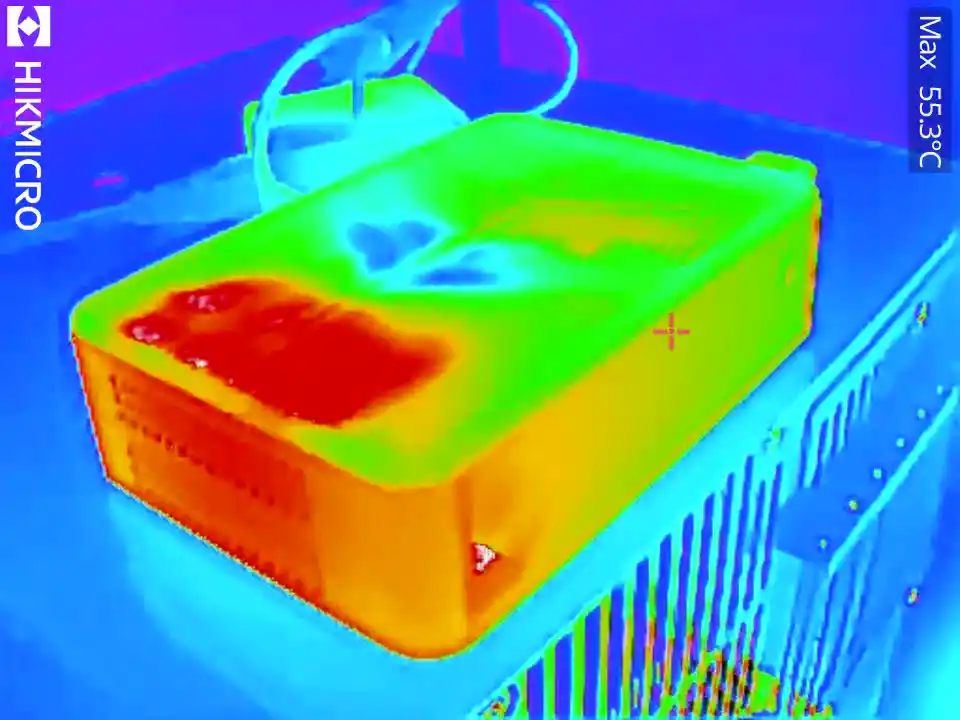
The physical construction of these three NAS units reflects differing priorities in material choice, ventilation, and power integration. The GMKTec G9 uses a lightweight plastic chassis, which helps reduce cost but limits heat dissipation across its four M.2 SSDs. The unit relies on internal airflow generated by laptop-style fans, but its design lacks direct ventilation over the SSD bays, and the use of a plastic cover above the M.2 slots reduces thermal transfer. In contrast, the Beelink ME Mini is housed in a symmetrical 99mm³ cube with an internal aluminum heatsink and integrated fan. Its minimalist cube layout includes top and bottom ventilation for vertical airflow and maintains a more enclosed, consistent cooling environment that better suits SSD longevity in passive setups.
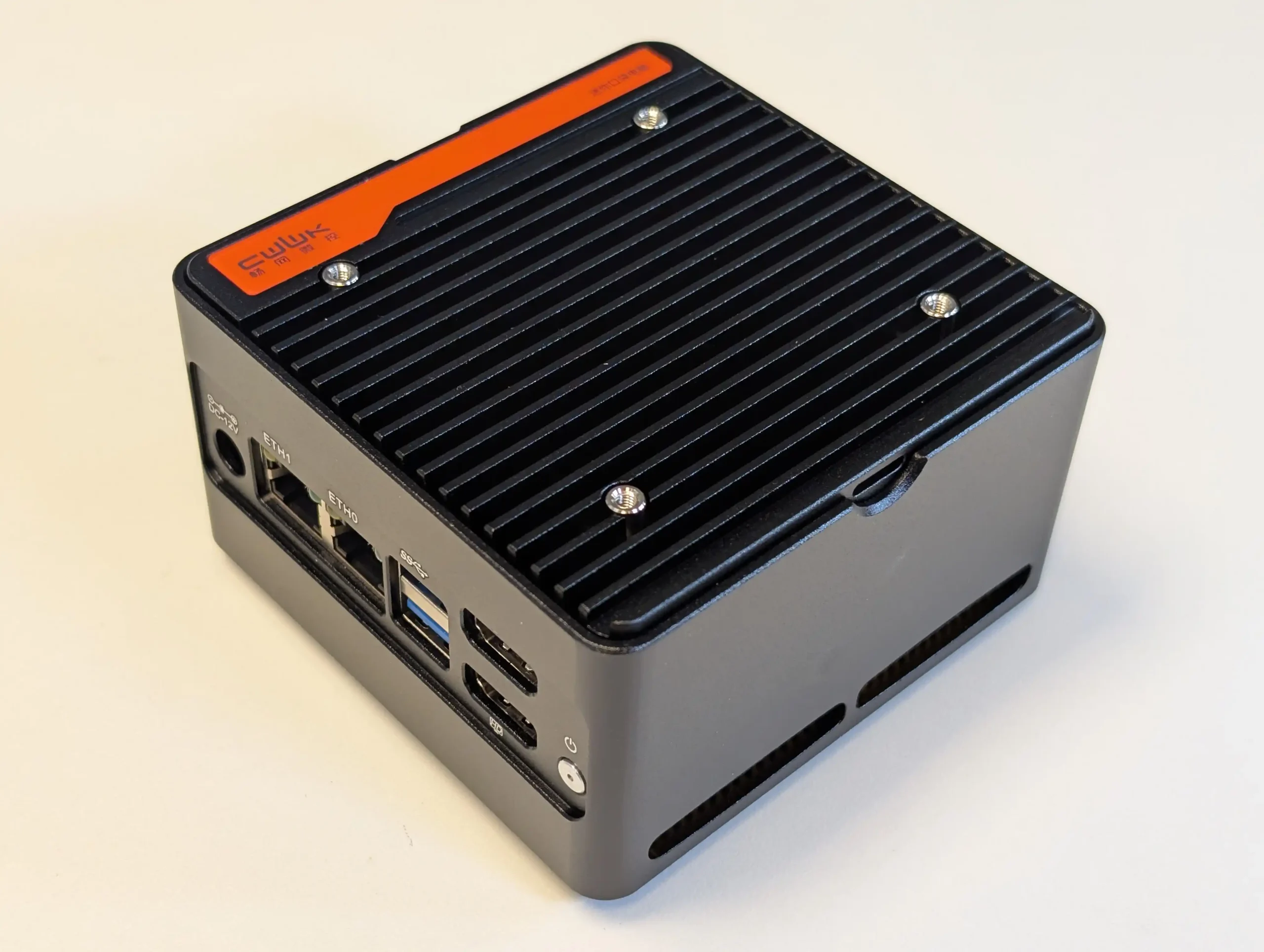
The CWWK P6 offers the most robust build quality of the three, using a solid aluminum alloy chassis that doubles as a passive heat sink. It includes a base-level fan mounted beneath the CPU and an optional USB-powered fan for SSD cooling. However, the included thermal pads are extremely thin, reducing their effectiveness under prolonged load unless replaced. Despite this, the chassis is designed to tolerate higher ambient temperatures and shows consistent performance in enclosed spaces. One drawback is the lack of airflow across the top panel unless the optional fan is mounted—without it, SSDs tend to accumulate heat more rapidly, especially during concurrent write operations or large file transfers.
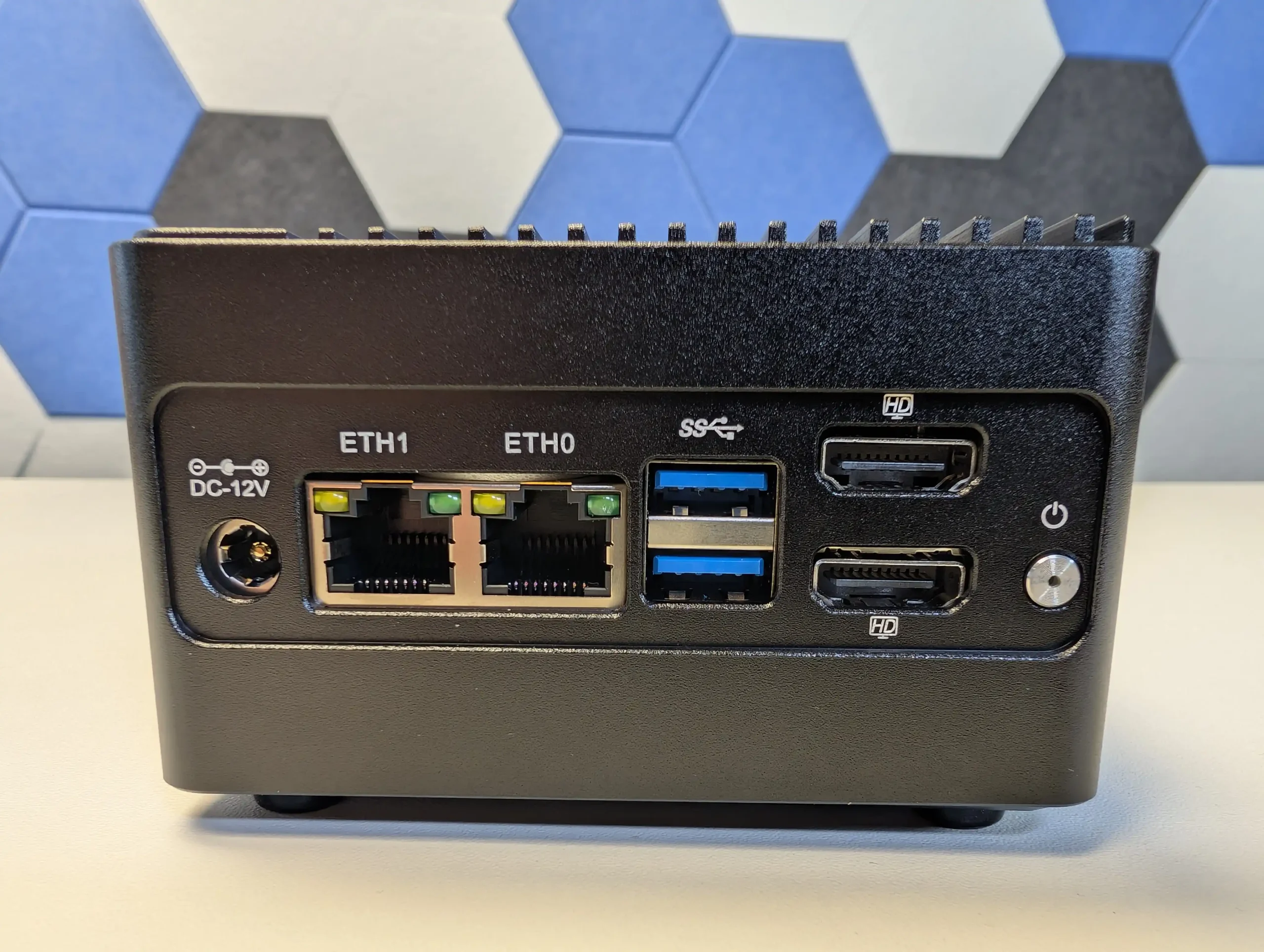
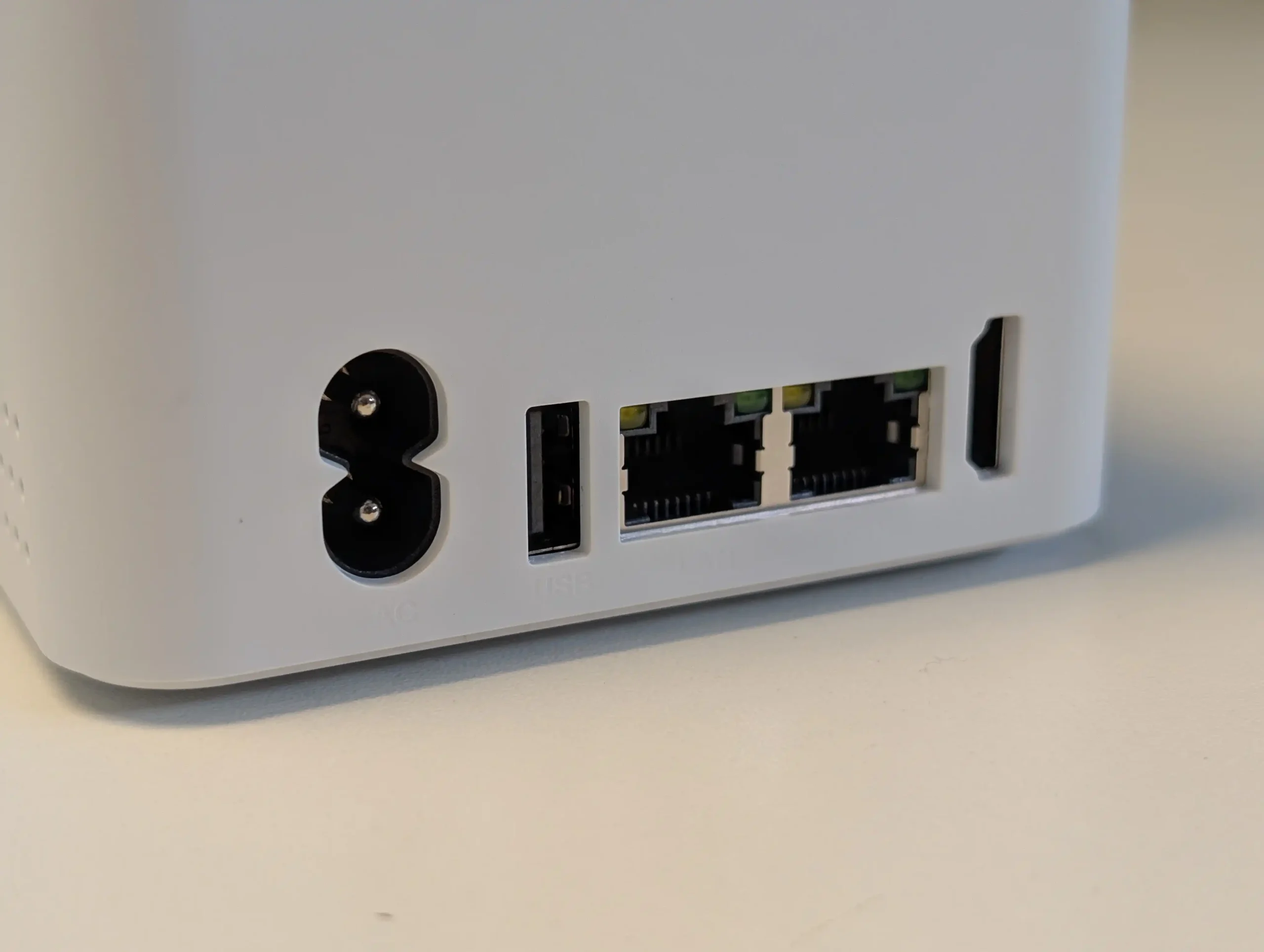
Power delivery also differentiates these devices. The GMKTec G9 uses a USB-C power connector with an external 65W power brick, aligning with modern standards and reducing desktop clutter. The Beelink ME Mini further improves on this with a built-in PSU, removing the need for external adapters altogether and simplifying cable management in home setups. The CWWK P6 reverts to a more traditional 12V barrel connector, which, while functional, feels outdated compared to the USB-C or internal PSU solutions. This design choice may require users to carry a dedicated power supply, limiting flexibility in mobile deployments or environments with shared power infrastructure.
In testing, all three systems showed efficient power usage, though their idle and peak wattages differ slightly due to cooling, CPU behavior, and drive count. The GMKTec G9 drew 19–20W at idle and peaked at 28–30W under sustained load. The Beelink ME Mini demonstrated the lowest idle consumption at 6.9W with no drives, increasing to around 30W when fully populated with six SSDs under heavy activity. The CWWK P6 consumed approximately 18W at idle and peaked at 34–35W with three active VMs and four SSDs. These figures indicate that, despite modest differences in architecture, each system remains power-efficient and suitable for 24/7 use, especially in home environments with low thermal tolerance and energy cost sensitivity.
Feature
GMKTec G9
Beelink ME Mini
CWWK P6 (N150)
Chassis Material
Plastic
Aluminum with internal heatsink
Aluminum alloy (entire chassis)
Cooling
Internal fans, no SSD airflow
Silent top fan, central heatsink
Base fan + optional USB top fan
Power Connector
USB-C (external 65W PSU)
Integrated PSU (no brick)
12V Barrel connector (60W PSU)
Idle Power Consumption
19–20W
6.9W (no drives), 16.9W (6 SSDs)
~18W (no drives)
Peak Power Consumption
28–30W
~30–31W
34–35W
Idle Noise Level
<40 dBA
31–34 dBA
35–36 dBA (with fan)
Load Noise Level
~40 dBA
37–40 dBA
38 dBA (with optional fan)
Beelink Me Mini vs GMKTec G9 vs CWWK P6 SSD NAS – Conclusion and Verdict
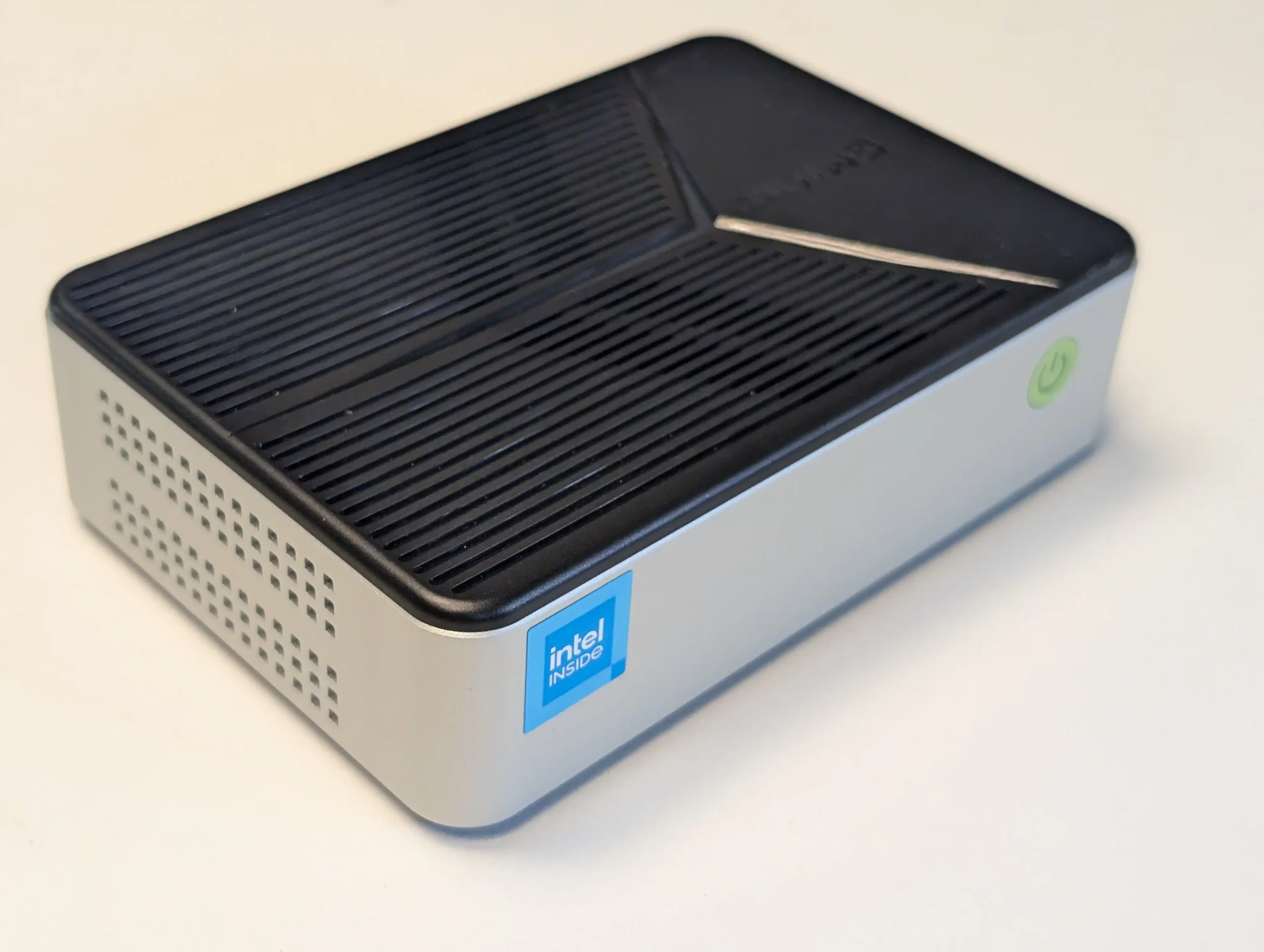
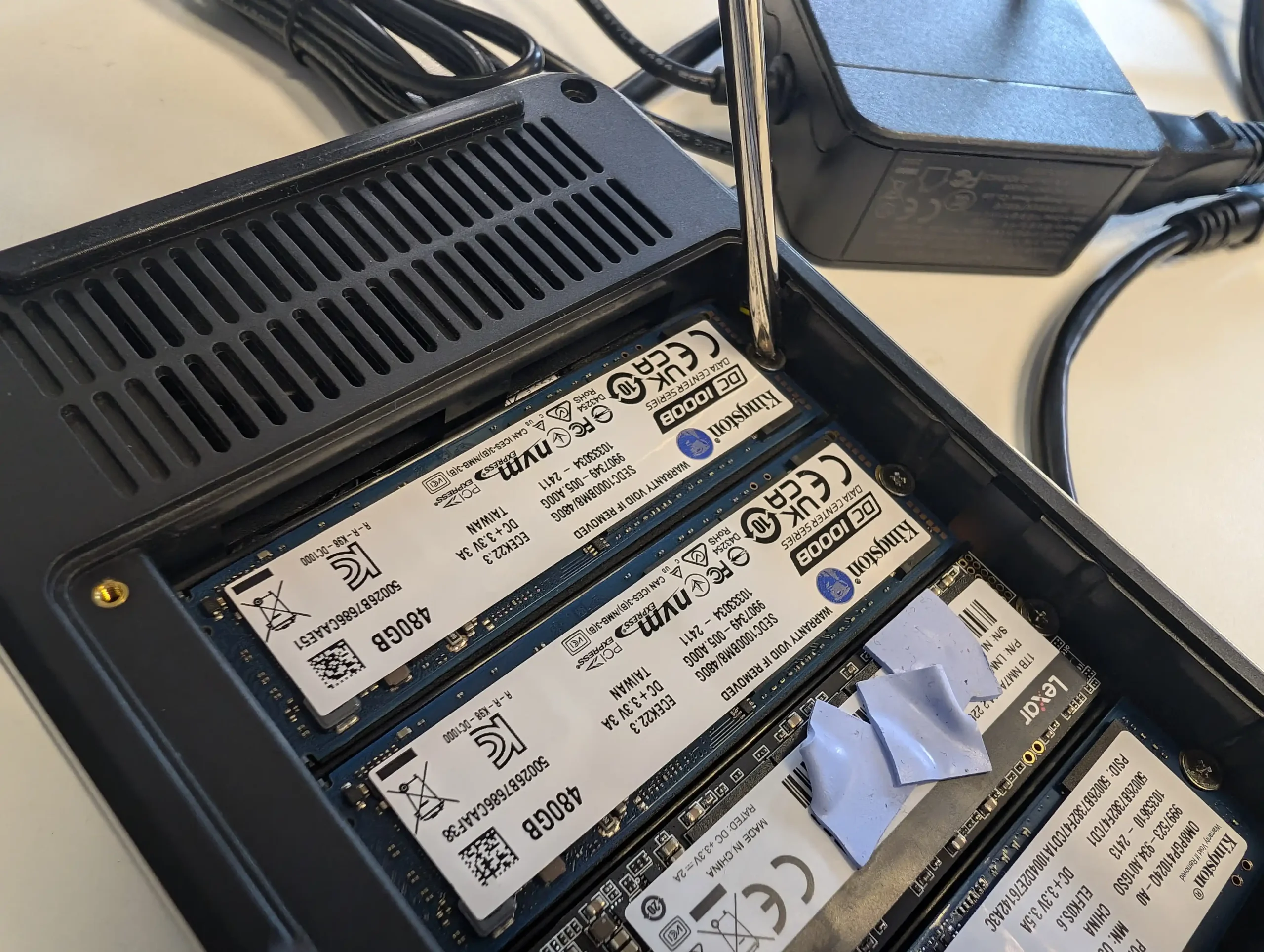
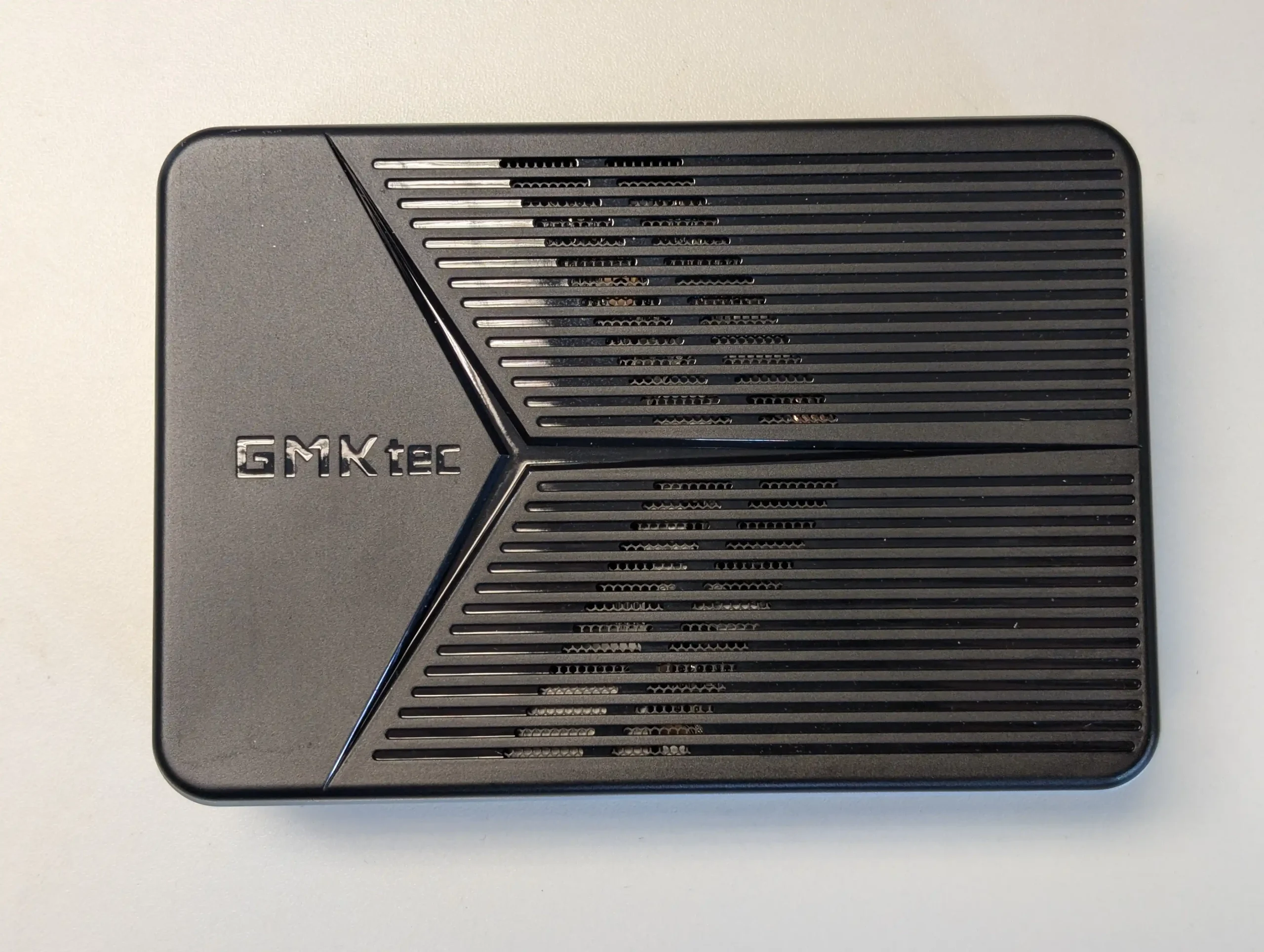
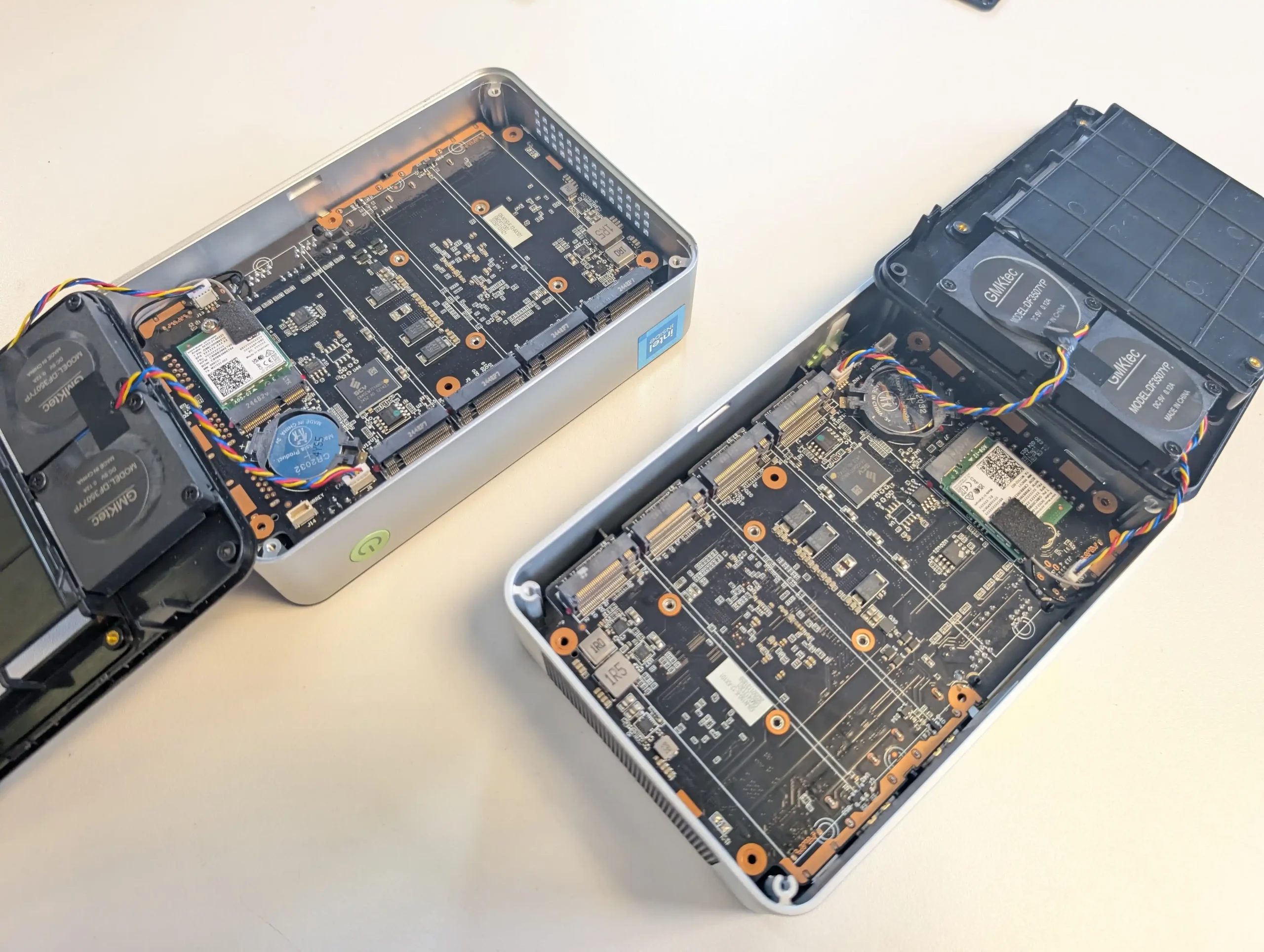
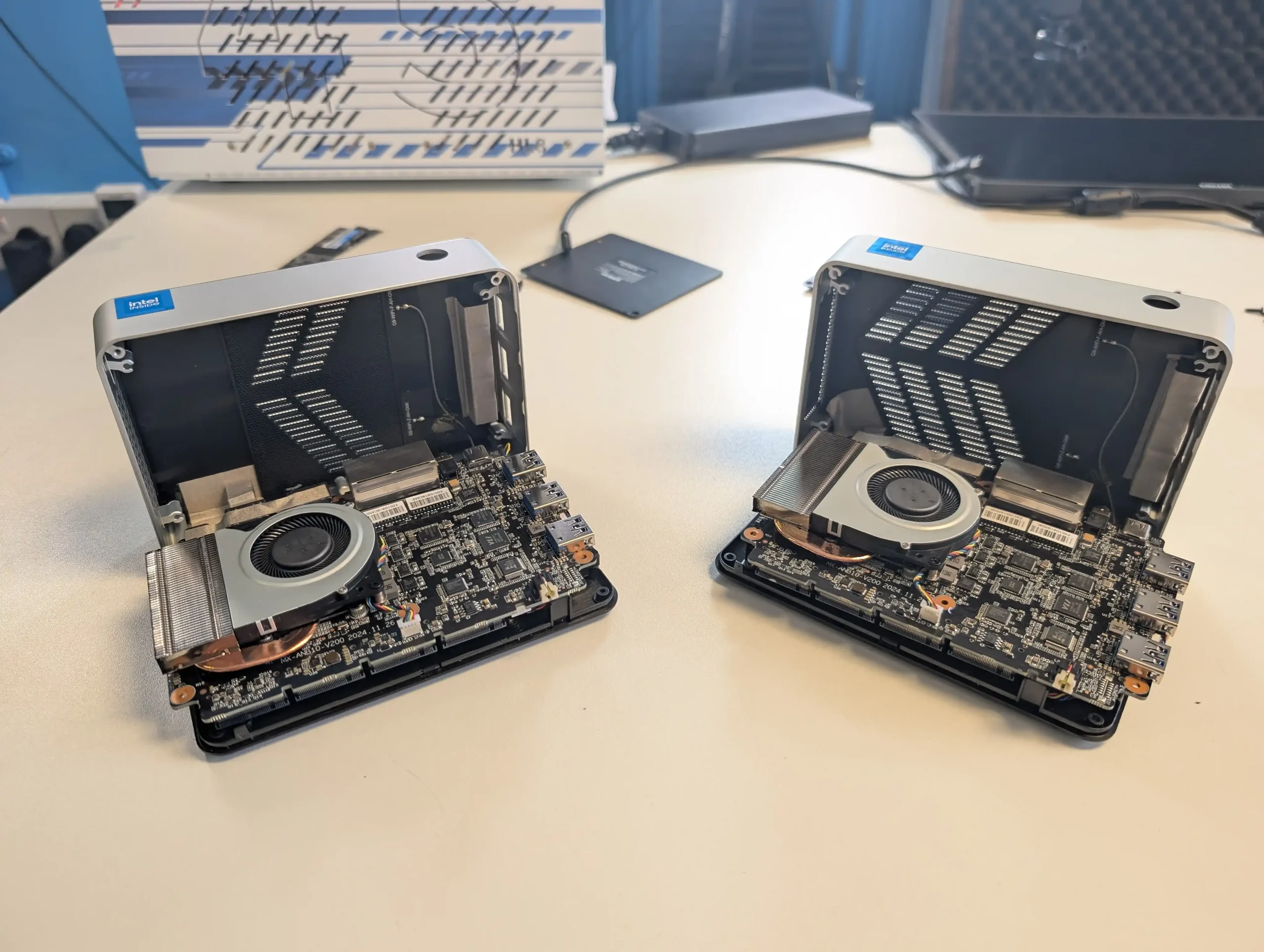
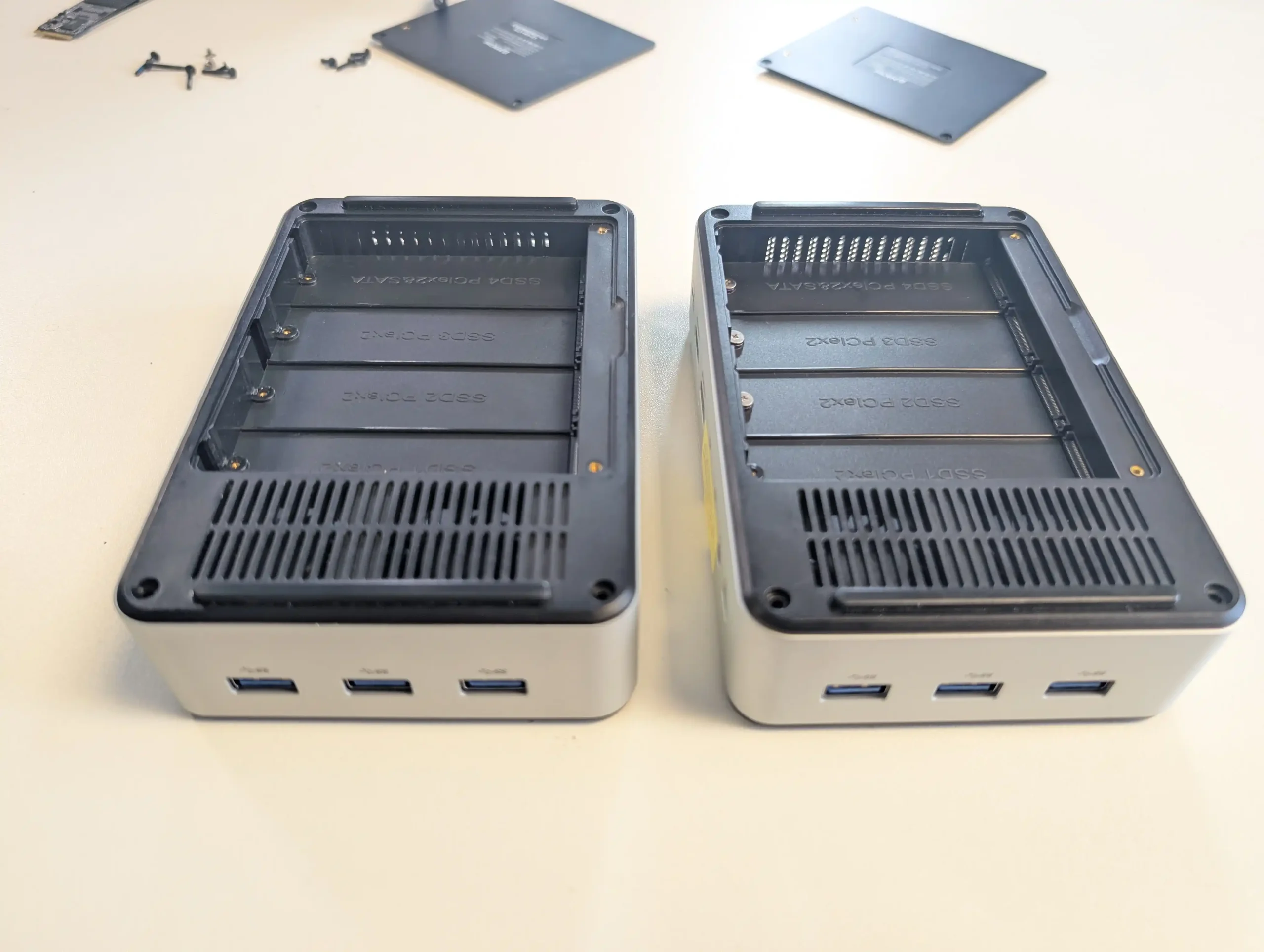
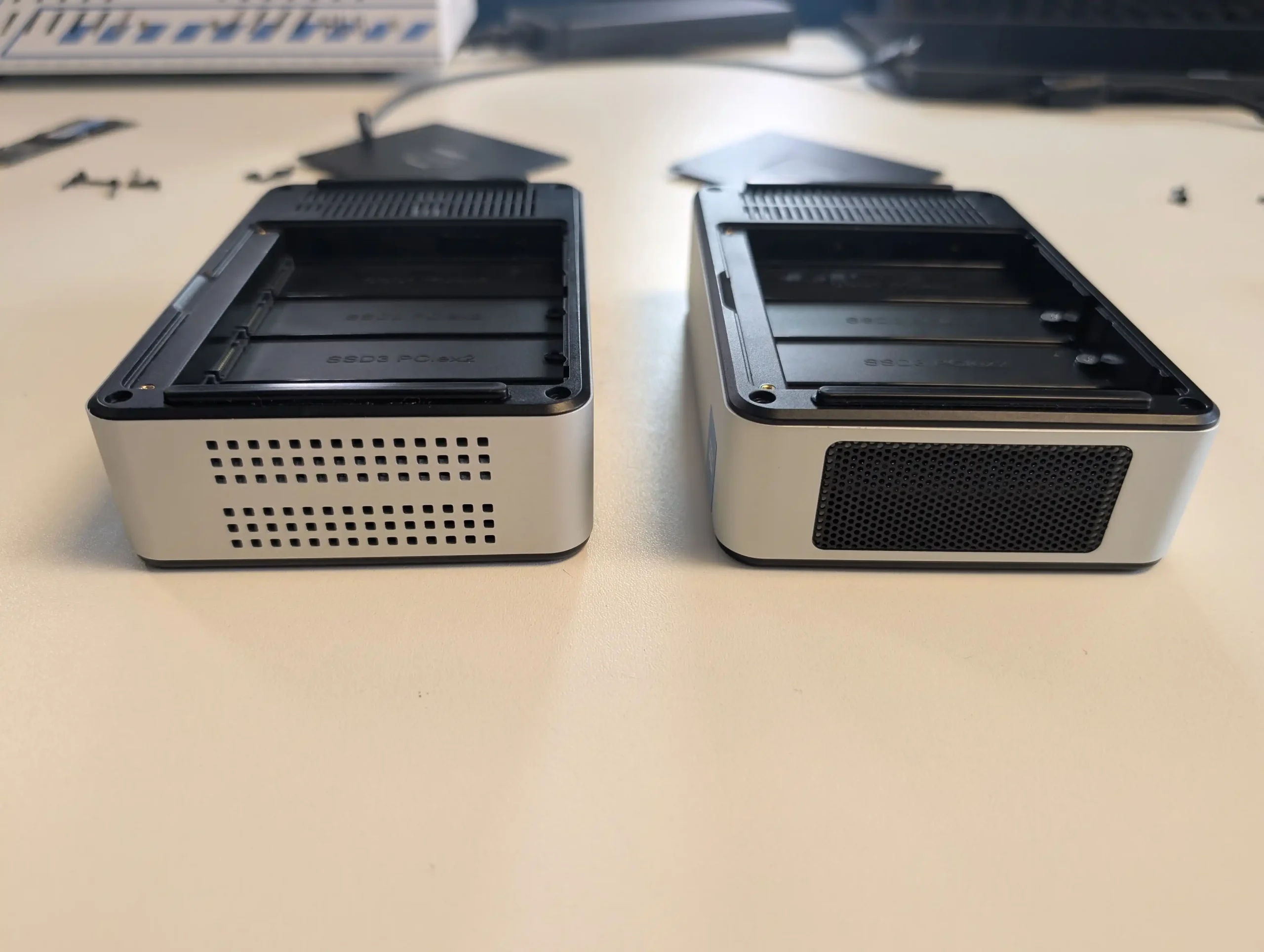
When assessed across all key metrics, the GMKTec G9, Beelink ME Mini, and CWWK P6 occupy distinct positions within the low-cost, all-flash NAS landscape, each catering to different user expectations and levels of technical comfort. The GMKTec G9 is the most turnkey in terms of initial usability, with pre-installed Windows and Ubuntu providing a base for users new to NAS setups or simply looking to use the device as a low-power desktop or file server. Its plastic chassis and lack of thermal optimization limit its suitability for intensive tasks, and the fixed 12GB LPDDR5 memory restricts performance scaling for containers or virtualization. That said, the G9 offers predictable behavior and basic capabilities that will satisfy those seeking an easy, entry-level NAS with minimal setup time, especially for local media streaming or light SMB file services. That said, the G9 is getting rather notorious for it’s poor cooling abilities – so much so that the brand has rolled out an improved cooling verion (see images below). There DO help, but the G9 is still the poorest of the three NAS in this comparison in terms of active cooling and long term temps!
The Beelink ME Mini, though only marginally more expensive, adopts a more premium approach to internal design and build quality. The integrated fan and large aluminum heatsink ensure more consistent SSD temperatures under sustained workloads, and the system is noticeably quieter at idle compared to the G9. Its six M.2 NVMe slots provide greater storage density potential, even though five are limited to PCIe Gen 3 x1 speeds. The soldered memory mirrors the G9’s limitations in upgradeability, but its inclusion of Wi-Fi 6, Bluetooth, and an internal PSU adds notable convenience for deployment in mixed-use environments like offices, bedrooms, or AV cabinets. It will appeal to users who value quiet, thermally reliable operation in a system that arrives largely preconfigured and ready for use with minimal additional hardware.
In contrast, the CWWK P6 forgoes polish and plug-and-play readiness in favor of maximum flexibility and user control. It is the only device in this group to feature upgradable RAM, allowing users to install up to 48GB of DDR5 memory, which opens the door to heavier workloads like virtual machines, ZFS-based NAS operating systems, or multiple Docker containers. The lack of included wireless, OS storage, or bundled RAM/SSD keeps the entry cost low but shifts responsibility onto the buyer to source compatible components. This extends to thermal management—while the chassis is solid aluminum, effective SSD cooling often requires replacing the thin stock pads and adding the optional USB-powered fan. These additional steps will deter less technical users but make the P6 a strong contender for builders, hobbyists, or professionals seeking a flexible platform they can adapt over time.
Ultimately, choosing between these three NAS units comes down to balancing ease of setup, long-term scalability, and thermal reliability. The GMKTec G9 suits users who want to get started quickly with a general-purpose device and accept limitations in memory and thermal design. The Beelink ME Mini delivers a more refined package, ideal for those who prioritize noise, storage density, and out-of-box functionality. The CWWK P6, meanwhile, is the most modular and scalable option, but requires technical confidence and additional investment in compatible components. Each has clear strengths and trade-offs, and the best choice depends on whether the user prioritizes convenience, passive reliability, or long-term upgradability in their NAS setup.
Device
Pros
Cons
GMKTec G9
– Includes Windows 11 Pro and Ubuntu pre-installed
– Non-upgradable 12GB LPDDR5 RAM
– USB-C power input with compact external PSU
– Plastic chassis with VERY poor SSD thermal management
– Supports 4 x M.2 NVMe (PCIe Gen 3 x2)
– No SSD heatsinks or airflow over storage
– Quiet operation under light loads
– Lower entry price with minimal setup required
Beelink ME Mini
– Includes 6 x M.2 NVMe slots (1 x Gen 3 x2, 5 x Gen 3 x1)
– Soldered 12GB LPDDR5, no memory expansion
– Built-in PSU for cable-free deployment
– Most SSD slots limited to PCIe Gen 3 x1
– Silent fan and integrated heatsink for passive SSD cooling
– No RAM or storage customization
– Bundled with Crucial SSDs in some configurations
– Wi-Fi 6 and Bluetooth 5.2 included
CWWK P6 (N150)
– Upgradable DDR5 RAM (up to 48GB via SO-DIMM)
– No bundled RAM or SSD; user must supply all components
– Solid aluminum chassis for passive thermal dissipation
– Thermal pads are thin and require replacement for effective SSD cooling
– 4 x M.2 NVMe slots (PCIe Gen 3 x1) with flexible boot drive assignment
– Barrel power connector instead of USB-C or internal PSU
– Best suited for VMs, ZFS, and UnRAID with advanced configuration options
– Lowest base cost and broadest expansion potential
This description contains links to Amazon. These links will take you to some of the products mentioned in today's content. As an Amazon Associate, I earn from qualifying purchases. Visit the NASCompares Deal Finder to find the best place to buy this device in your region, based on Service, Support and Reputation - Just Search for your NAS Drive in the Box Below
Need Advice on Data Storage from an Expert?
Finally, for free advice about your setup, just leave a message in the comments below here at NASCompares.com and we will get back to you.Need Help?
Where possible (and where appropriate) please provide as much information about your requirements, as then I can arrange the best answer and solution to your needs. Do not worry about your e-mail address being required, it will NOT be used in a mailing list and will NOT be used in any way other than to respond to your enquiry.
[contact-form-7]
TRY CHAT Terms and Conditions
If you like this service, please consider supporting us.
We use affiliate links on the blog allowing NAScompares information and advice service to be free of charge to you.Anything you purchase on the day you click on our links will generate a small commission which isused to run the website. Here is a link for Amazon and B&H.You can also get me a Ko-fi or old school Paypal. Thanks!To find out more about how to support this advice service checkHEREIf you need to fix or configure a NAS, check FiverHave you thought about helping others with your knowledge? Find Instructions Here
Or support us by using our affiliate links on Amazon UK and Amazon US
Alternatively, why not ask me on the ASK NASCompares forum, by clicking the button below. This is a community hub that serves as a place that I can answer your question, chew the fat, share new release information and even get corrections posted. I will always get around to answering ALL queries, but as a one-man operation, I cannot promise speed! So by sharing your query in the ASK NASCompares section below, you can get a better range of solutions and suggestions, alongside my own.
Get Graphics Drivers and Hardware Transcoding BACK for Plex/Jellyfin/Emby on your Synology NAS
Note – the video on this fix will be published soon and I will update this article with images ASAP.
Synology’s 2025 refresh brought the DS225+ and DS425+ with the familiar Intel Celeron J4125, but it also quietly removed the kernel graphics driver support that Plex, Jellyfin, and Emby use for hardware transcoding of H.264 and HEVC. This guide explains what changed, why it matters for real-world streaming, and how you can restore GPU-accelerated transcoding on these models using an unofficial SSH method shared by the community. If you rely on your NAS to reshape 4K or high bitrate files for phones, tablets, hotel TVs, or limited connections, this walkthrough will help you get that efficiency back.
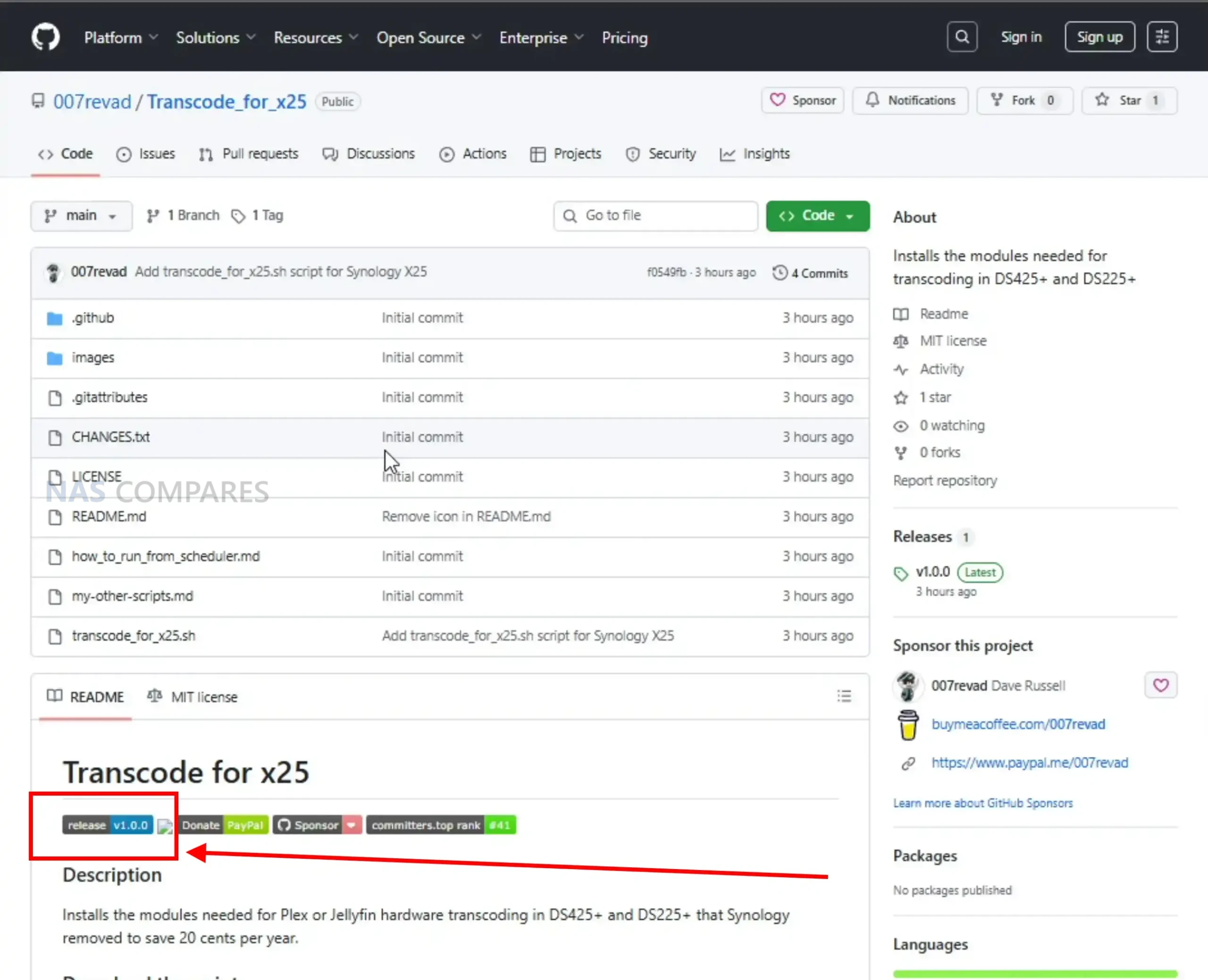
IMPORTANT – Massive credit to RROrg group over on Github for ‘cracking the nut’ on this with their latest repo HERE
Additionally, credit to Luka @ Blackvoid, who made this great article, covered this first and gave me permission to use his guide here and in my upcoming video. Read his article HERE
What Happened to Hardware Transcoding on the Synology 2025 NAS, and Why Is This a Problem
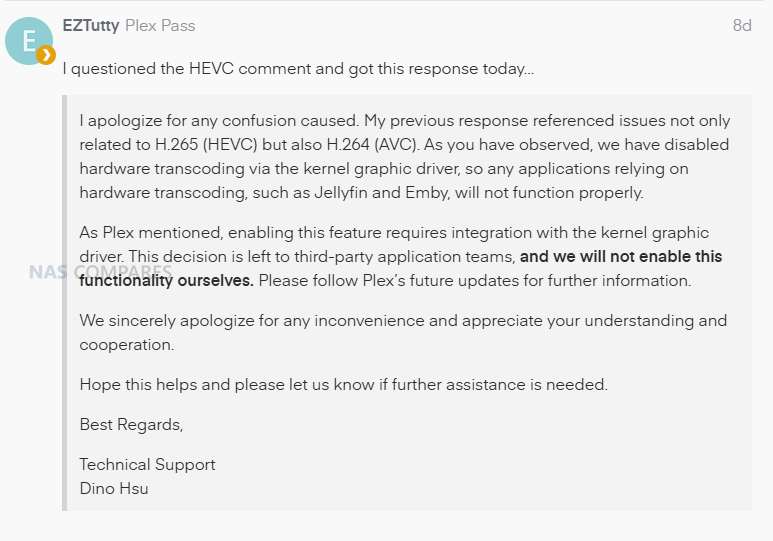
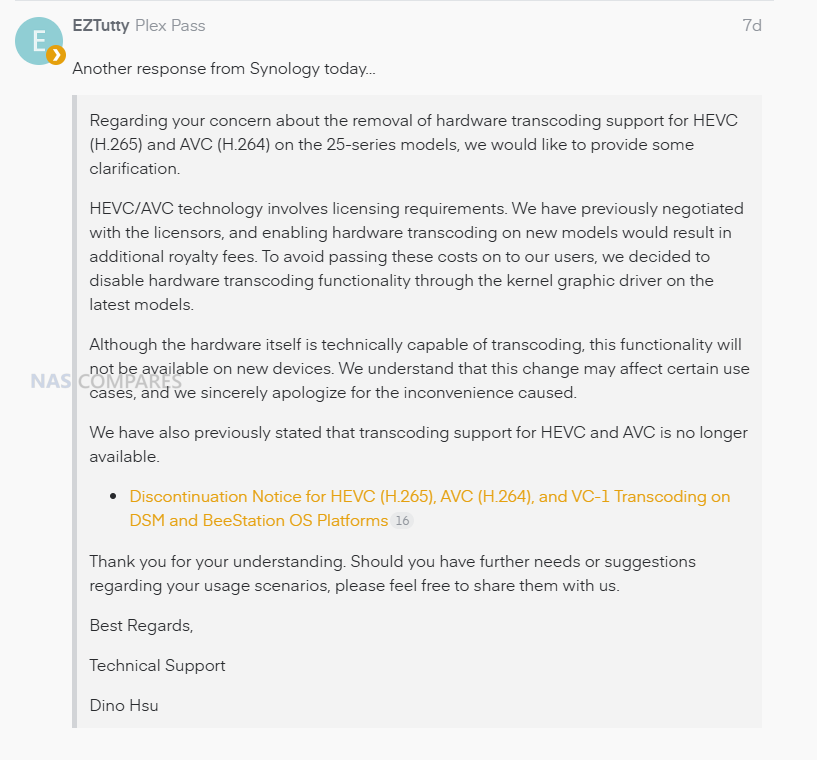
When Synology launched the 2025 “x25” lineup, users expected a minor refresh of familiar models like the DS225+ and DS425+. Instead, they discovered that Synology had removed the i915 graphics driver from DSM, effectively disabling hardware transcoding on the Intel Celeron J4125 CPU. This meant that Plex, Jellyfin, and Emby could no longer tap into the iGPU’s Quick Sync Video capabilities. Synology confirmed the change in support tickets, explaining that both H.264 (AVC) and H.265 (HEVC) transcoding had been deliberately blocked at the kernel driver level. The company cited licensing costs for HEVC, even though AVC is license-free, and argued that most client devices already support native playback. The earliest and longest discucssions on this topic are HERE on this Plex Forum thread.
The result is a significant downgrade for users who bought these models expecting the same multimedia performance as their predecessors. Instead of 10–20% CPU usage during hardware-accelerated transcoding, users now see 80–100% CPU utilization when reshaping video on the fly. For remote streaming, converting 4K to 1080p or 720p becomes slow, inefficient, and often unworkable. This change undermines the value proposition of the J4125 platform and leaves Plex and Jellyfin users with hardware that is technically capable but artificially restricted, creating frustration across the Synology community.
Disclaimer: This Is Unofficial – Know the Risks!
Before diving into the workaround, it is important to understand that this method is not supported by Synology and involves altering core system modules via SSH. These steps rely on community-compiled drivers and are provided “as is,” without warranty. Making changes at the kernel level can cause instability, break after DSM updates, or in the worst case, lead to data loss if mistakes are made. You should always keep verified backups of your data before proceeding, and only attempt this if you are comfortable working with the command line and root-level access. Proceed entirely at your own risk.
Step By Step Guide to Get J41225 Graphics Drivers Hardware Transcoding Back
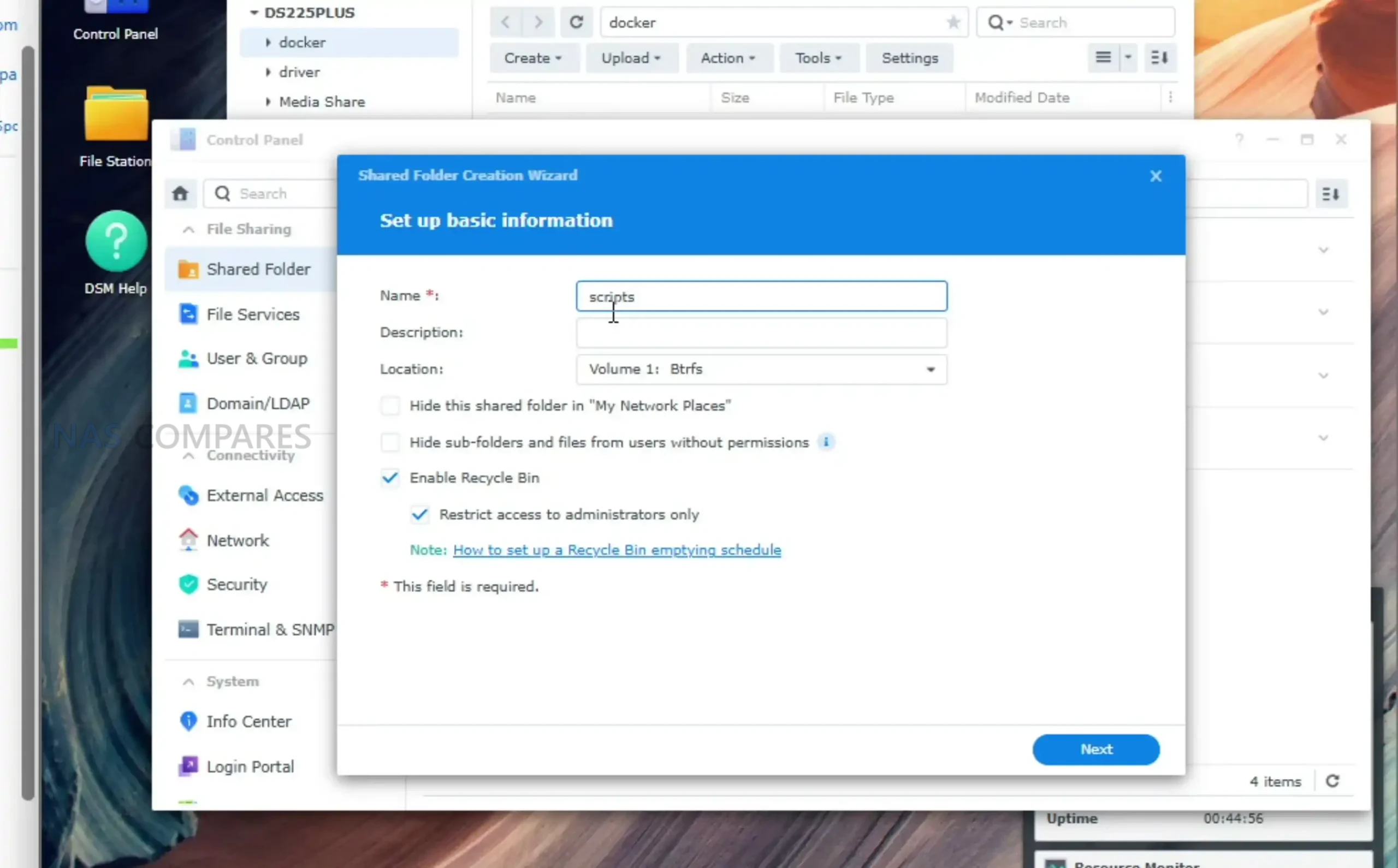
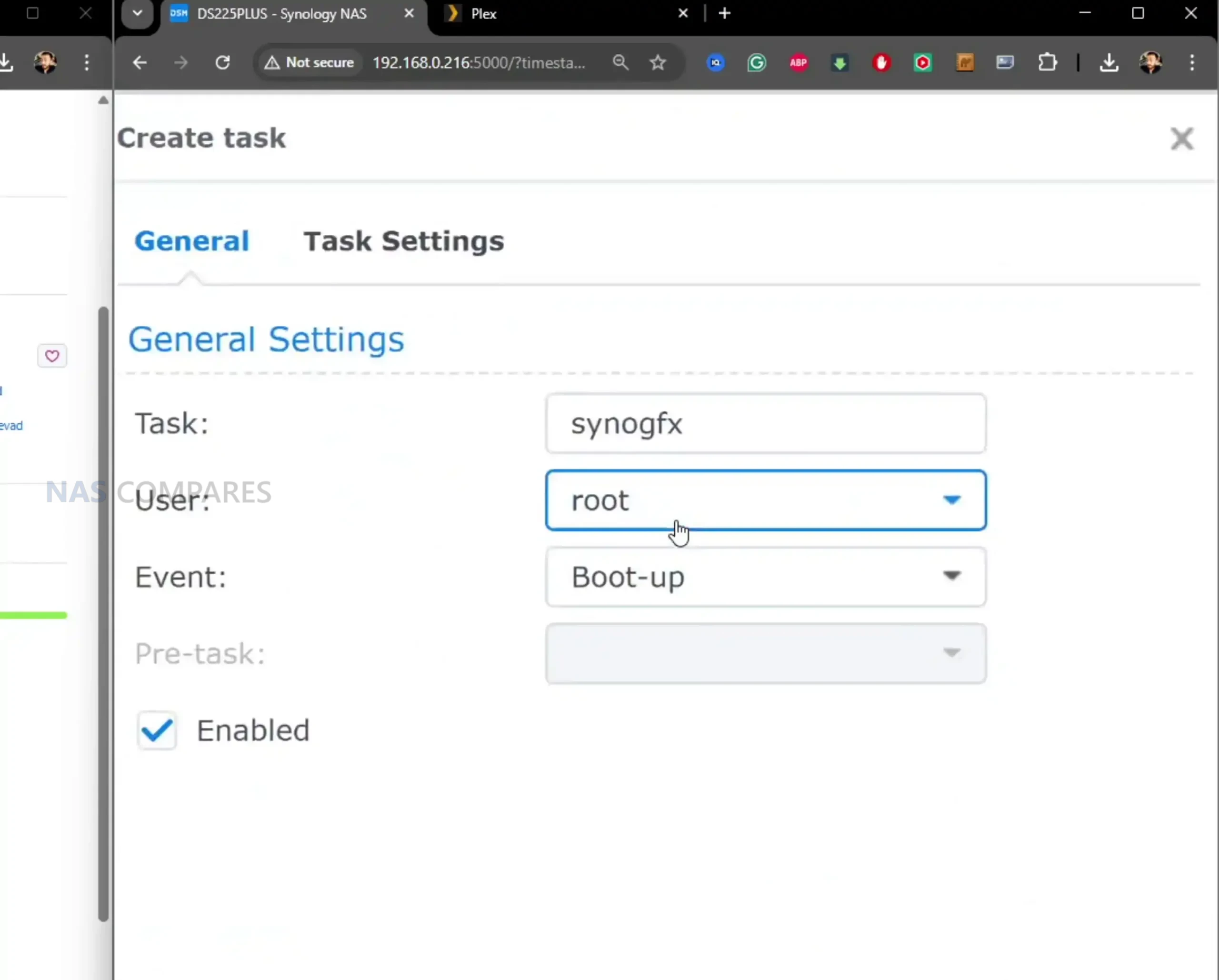
Log into DSM and create a new Shared Folder (e.g. scripts) on your main volume.
Make sure your DSM account has full access, since root privileges will be needed later.
Upload the Archive
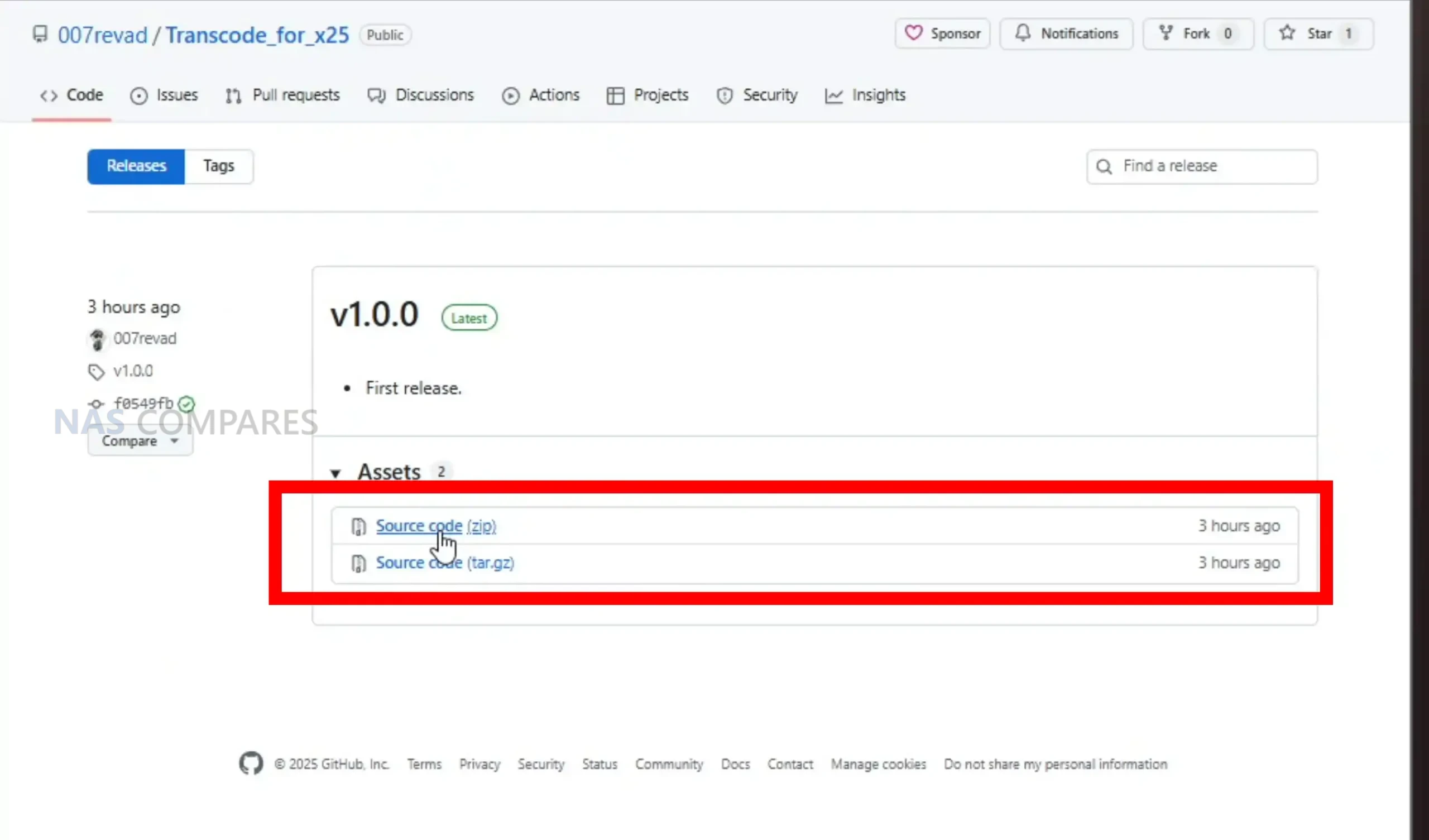
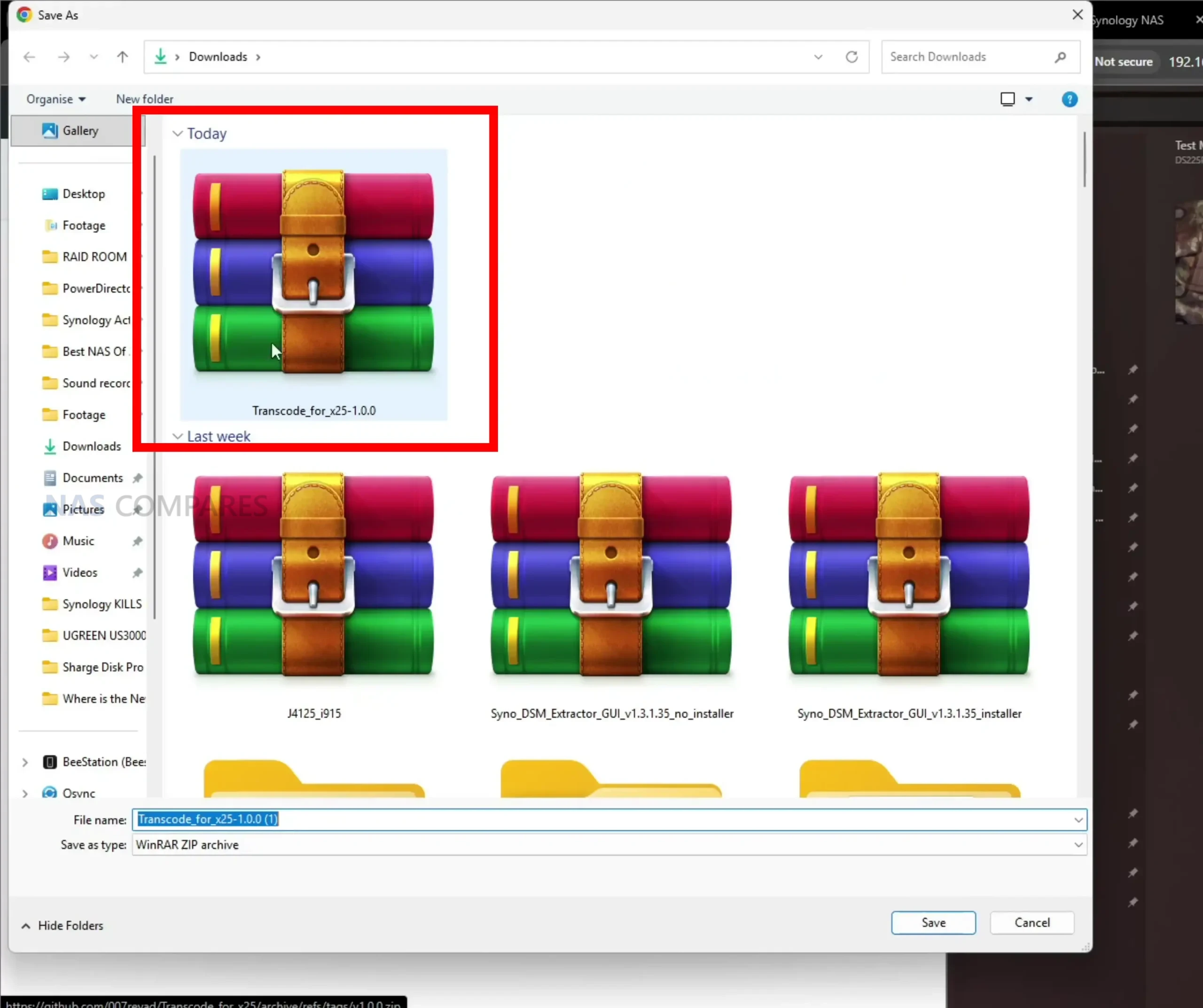
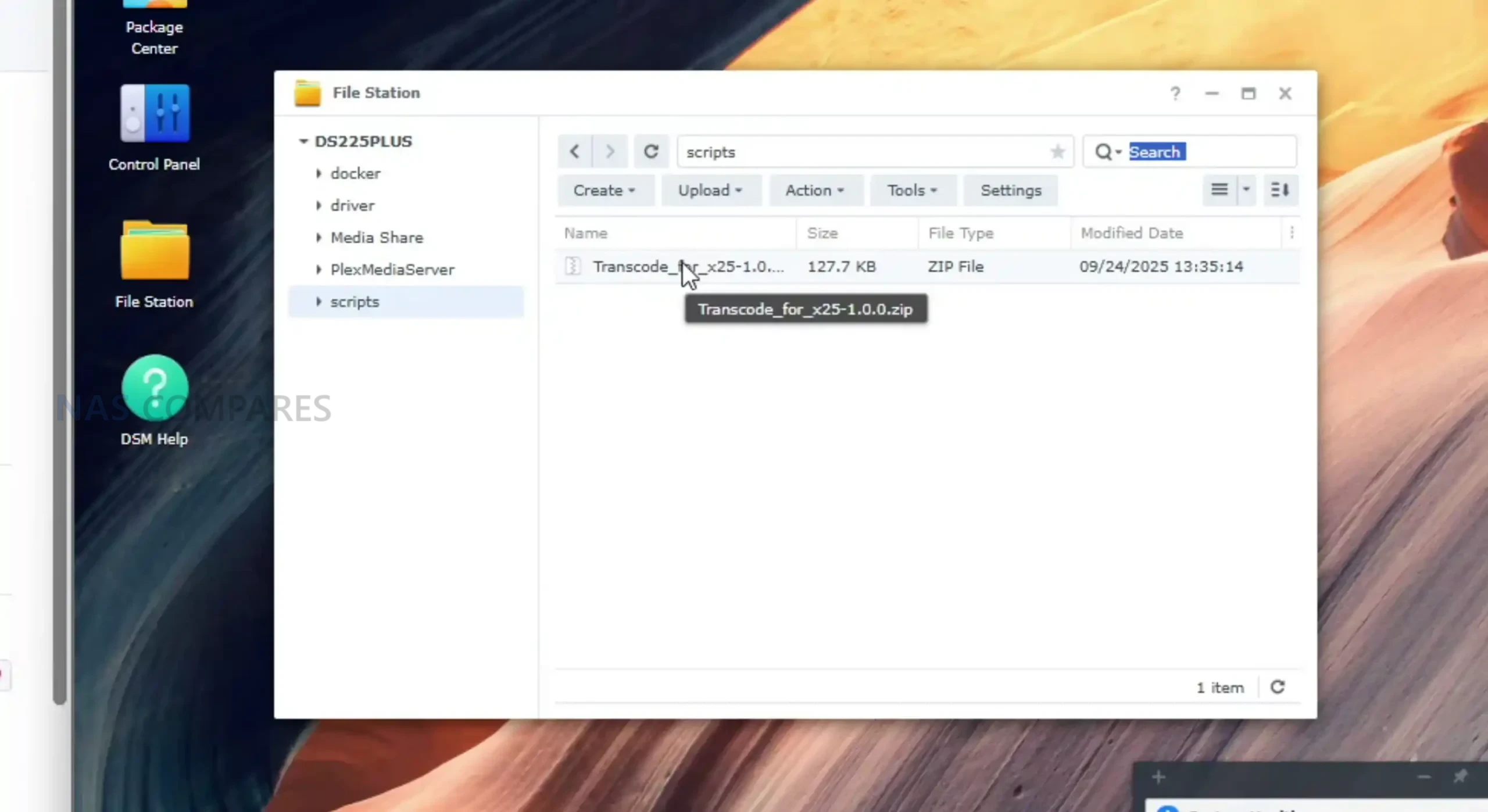
Use File Station or SMB to upload the .zip file into the new scripts shared folder.
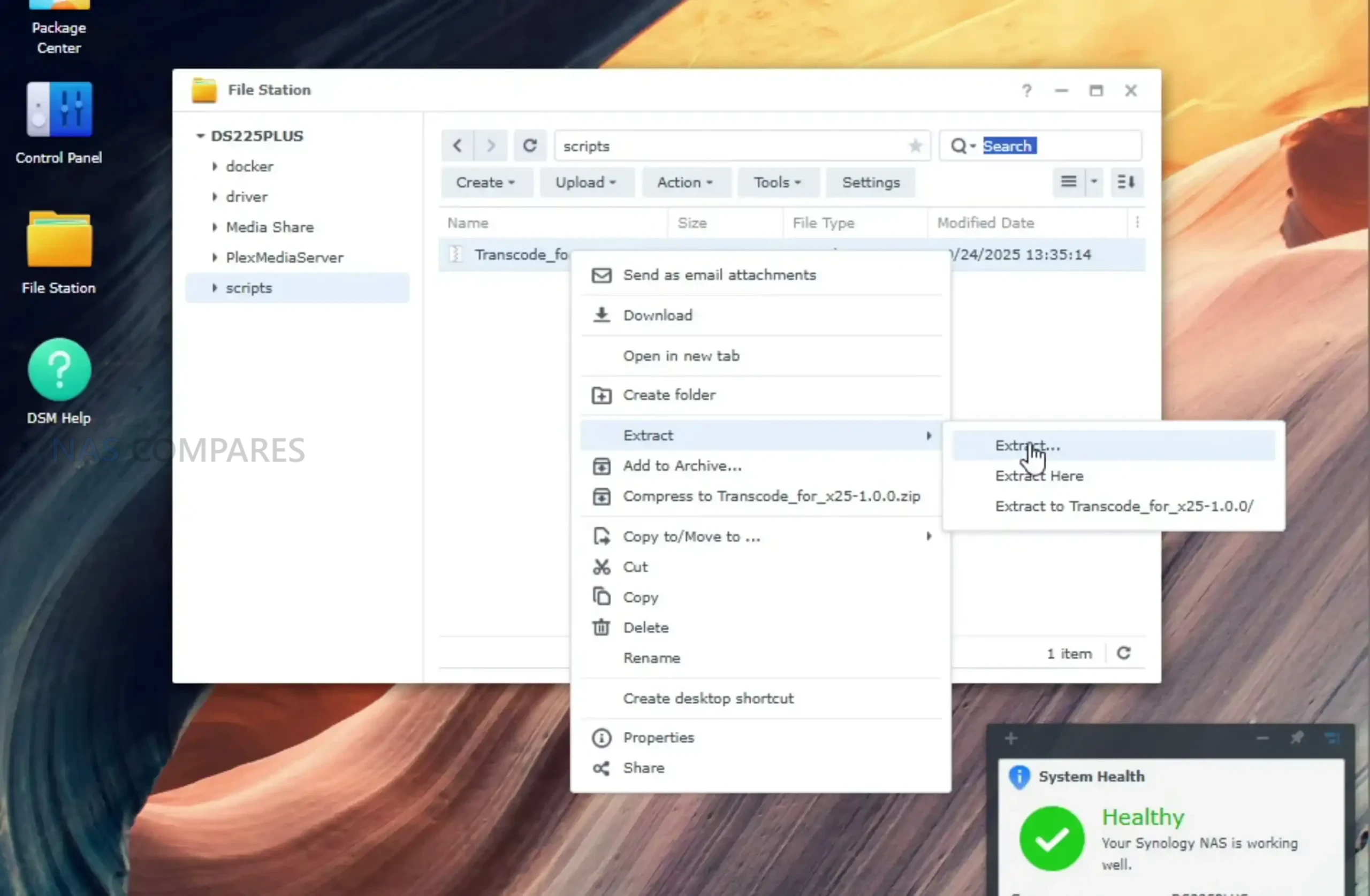
Once uploaded, extract it on the NAS by right-clicking and selecting Extract Here.
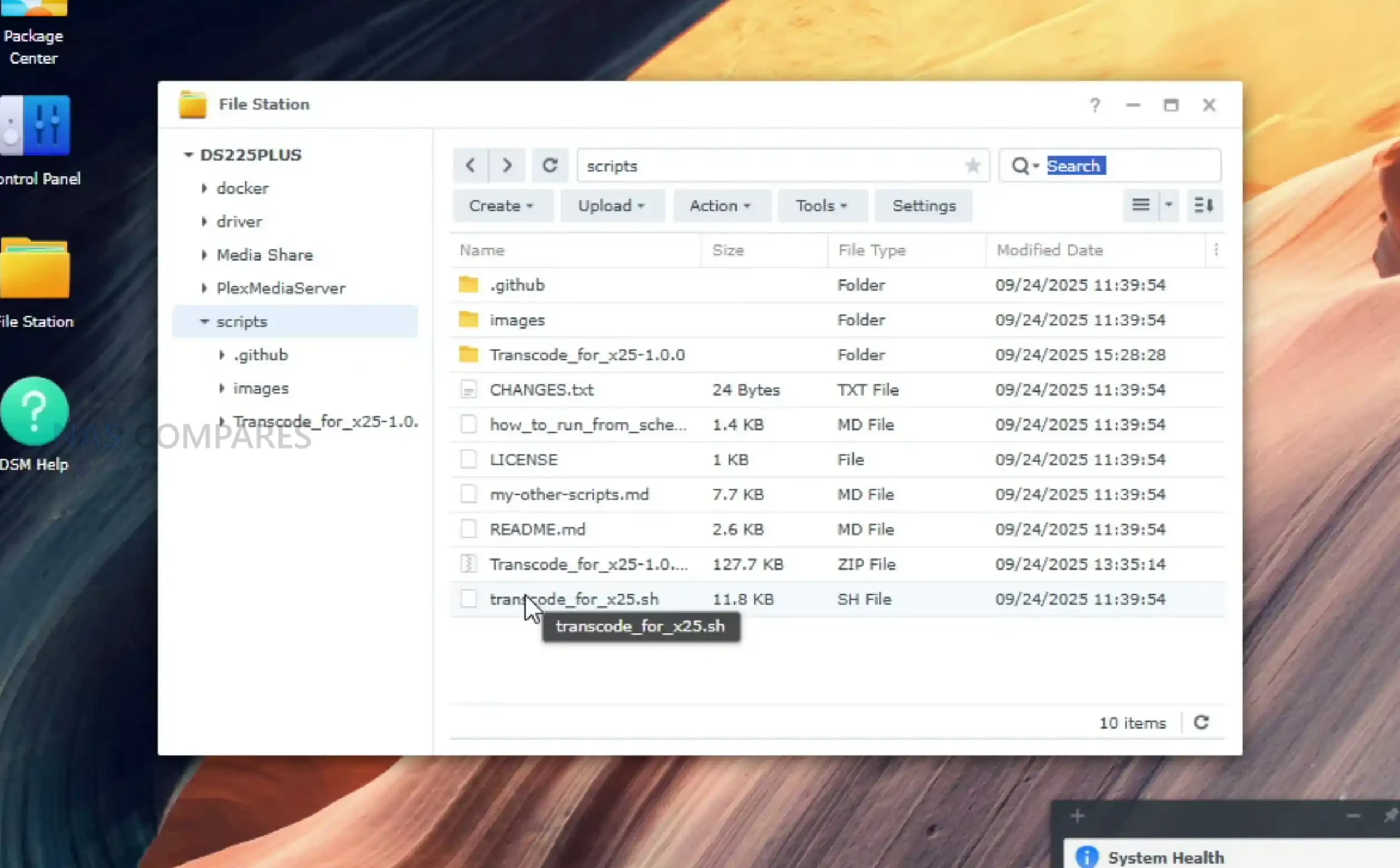
If extraction creates subfolders, move the relevant script files (such as transcode_4_x25.sh) directly into the main scripts directory for easier referencing.
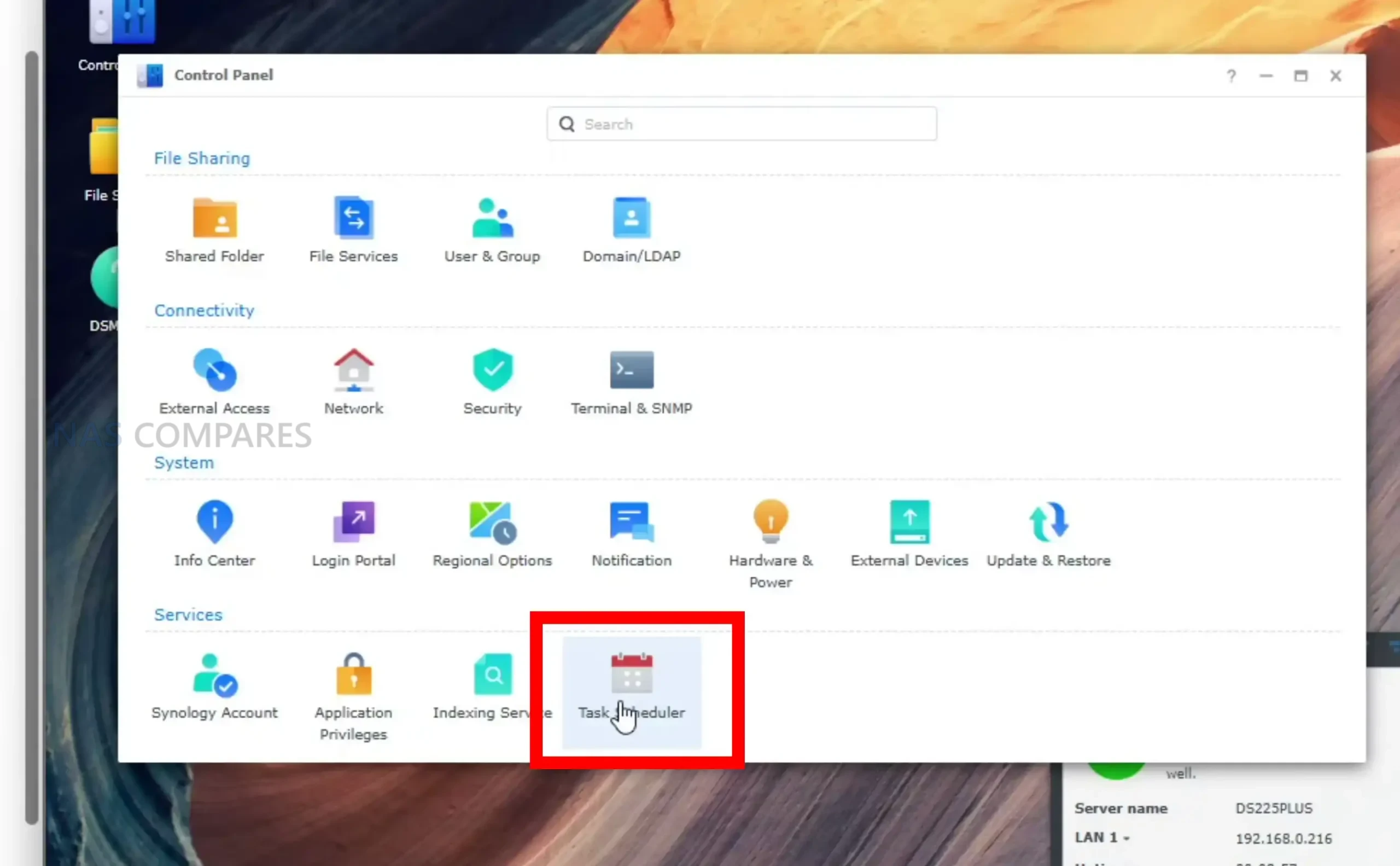
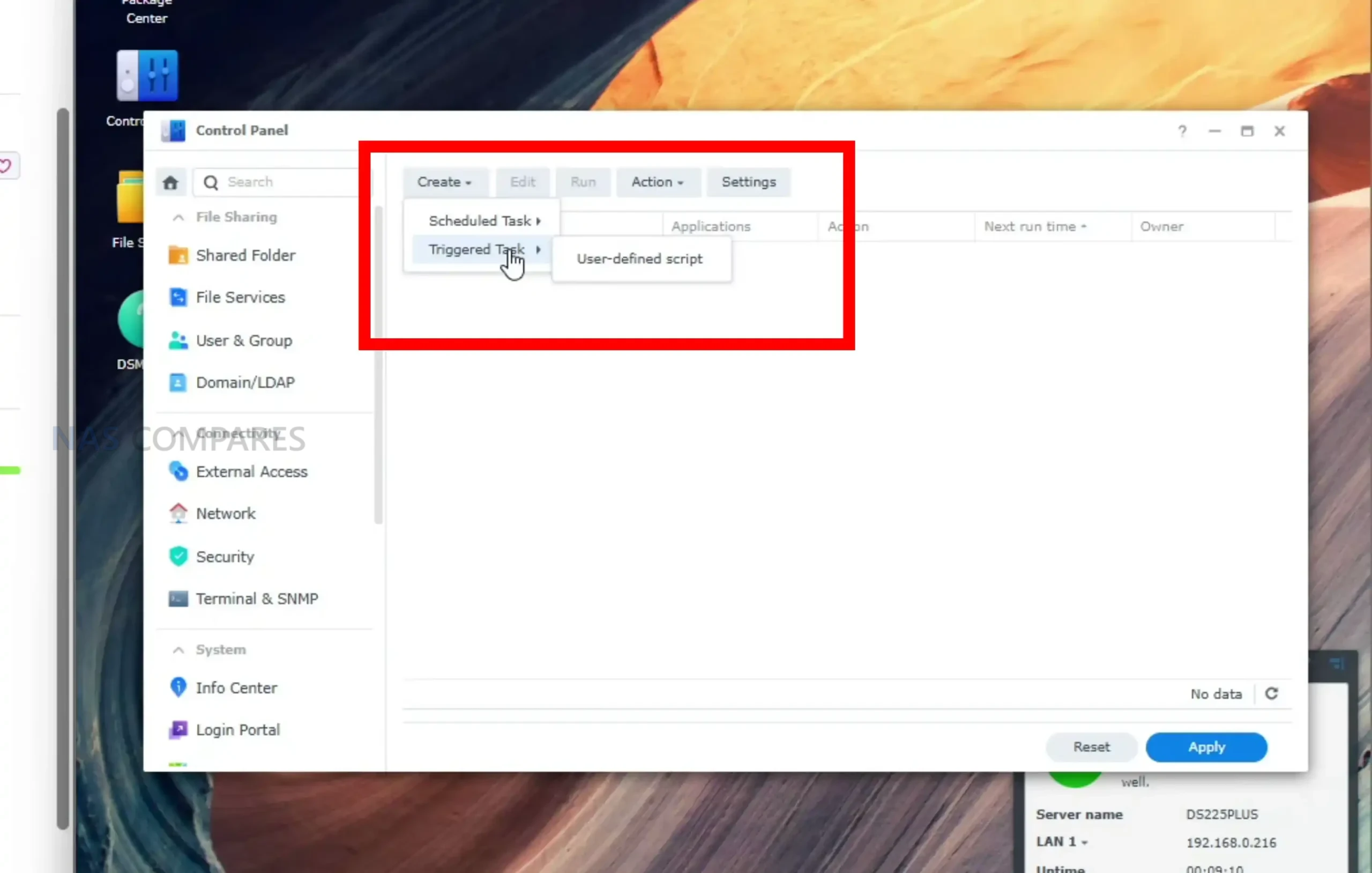
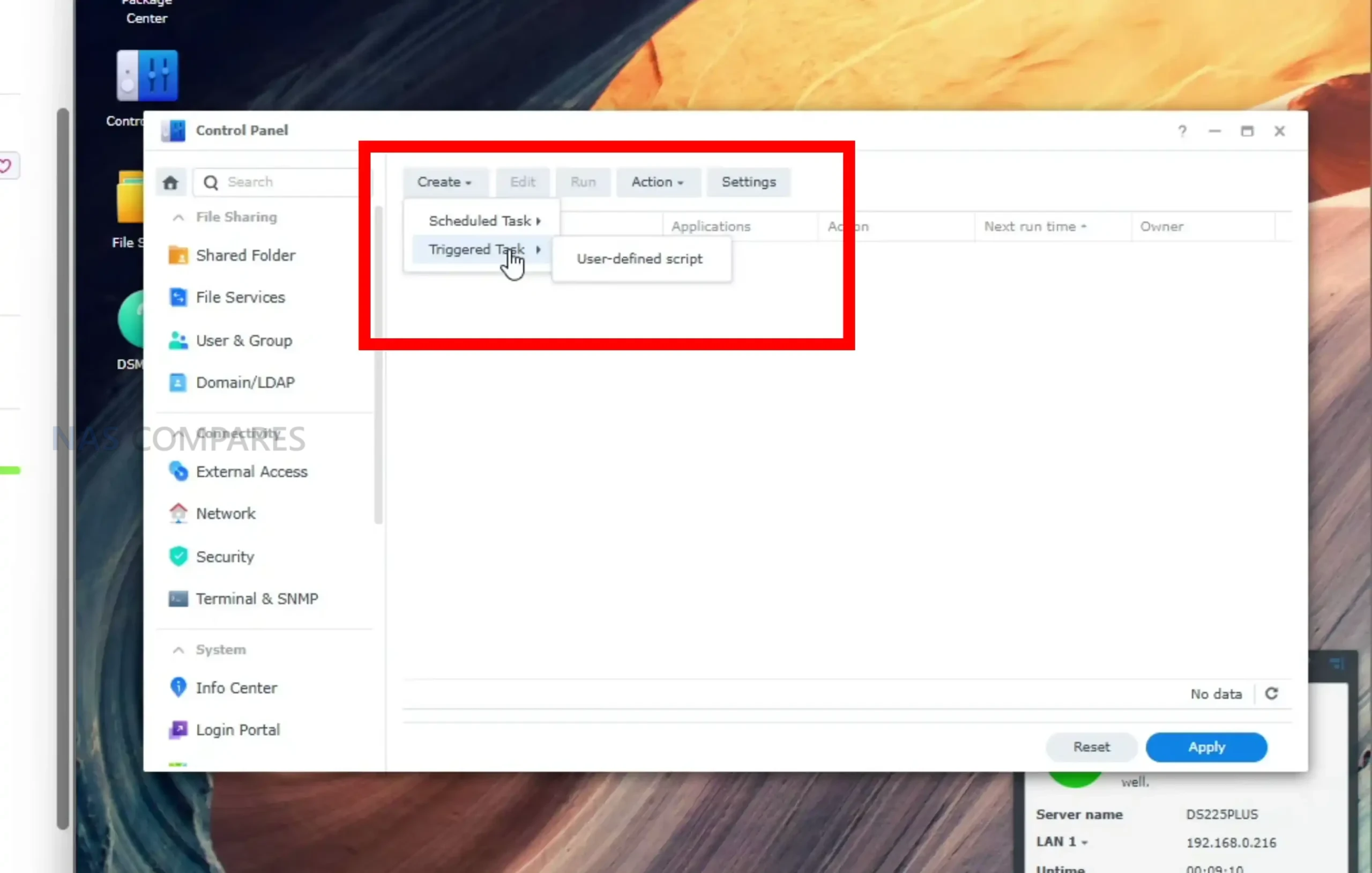
Set the event to Boot-up so the script runs every time the NAS restarts.
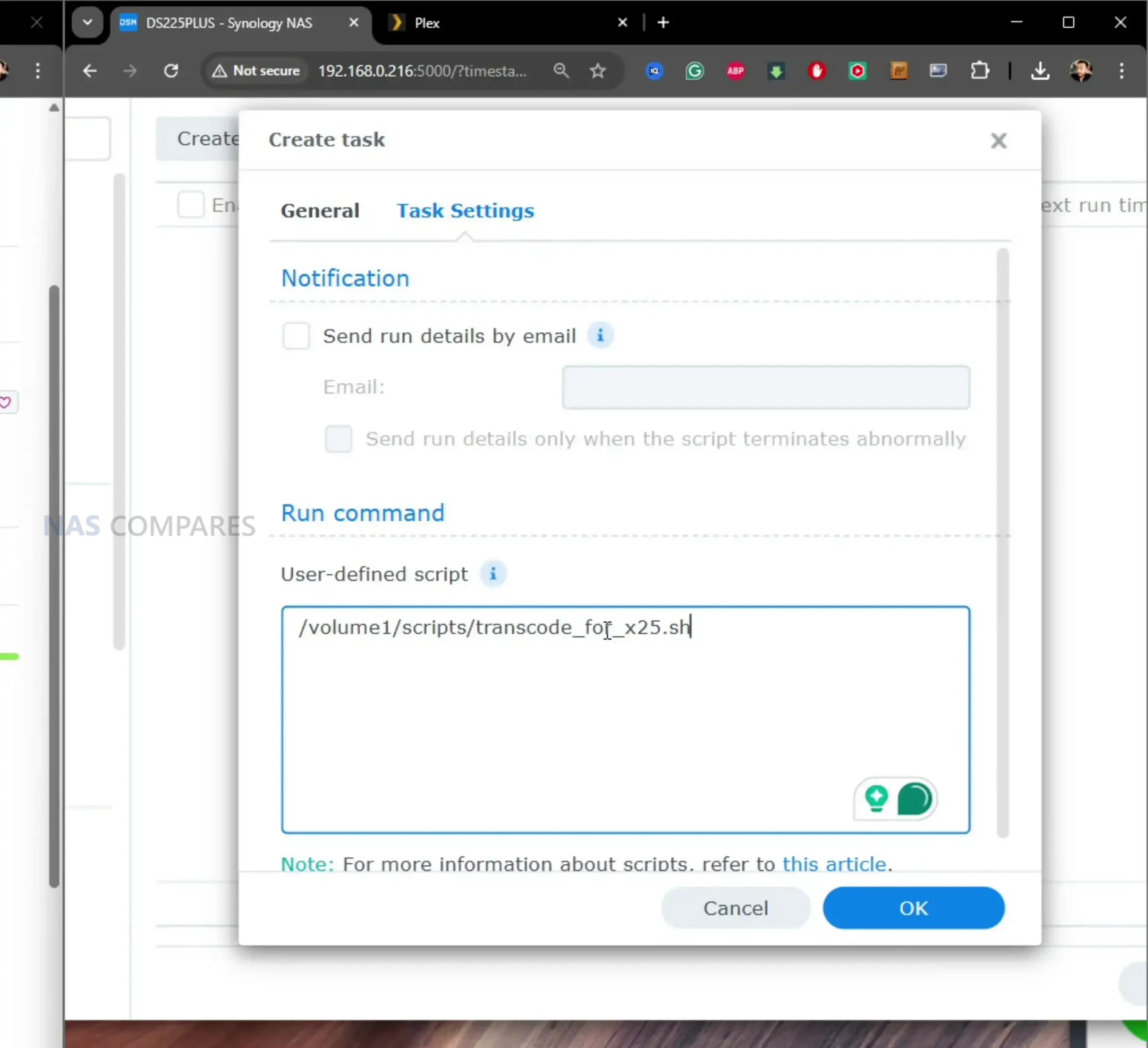
Point to the Script
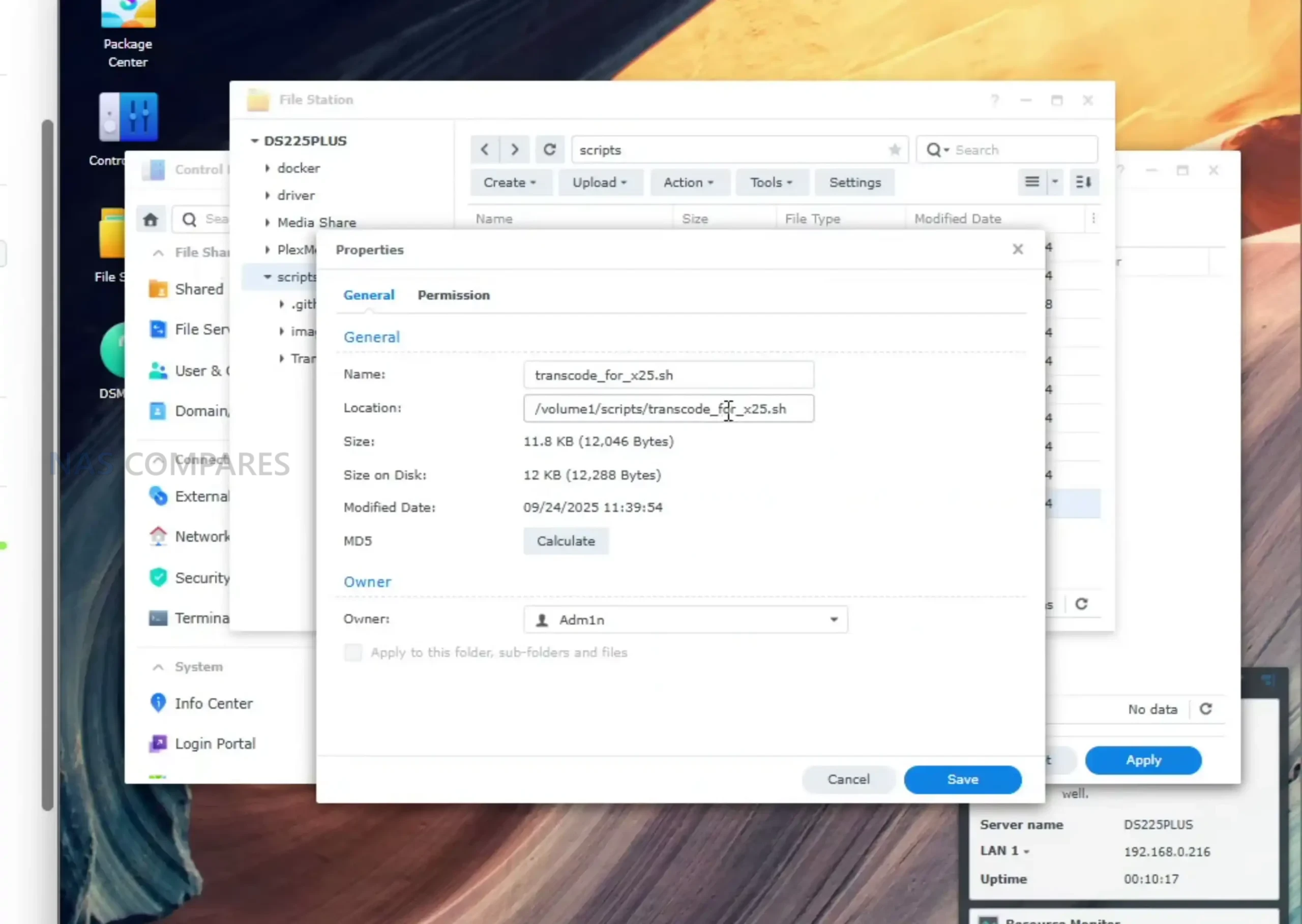
In the task settings, paste the full path to the script file, for example:
sh /volume1/scripts/transcode_4_x25.sh
If unsure, right-click the .sh file in File Station, select Properties, and copy the full directory path.
Confirm and Save
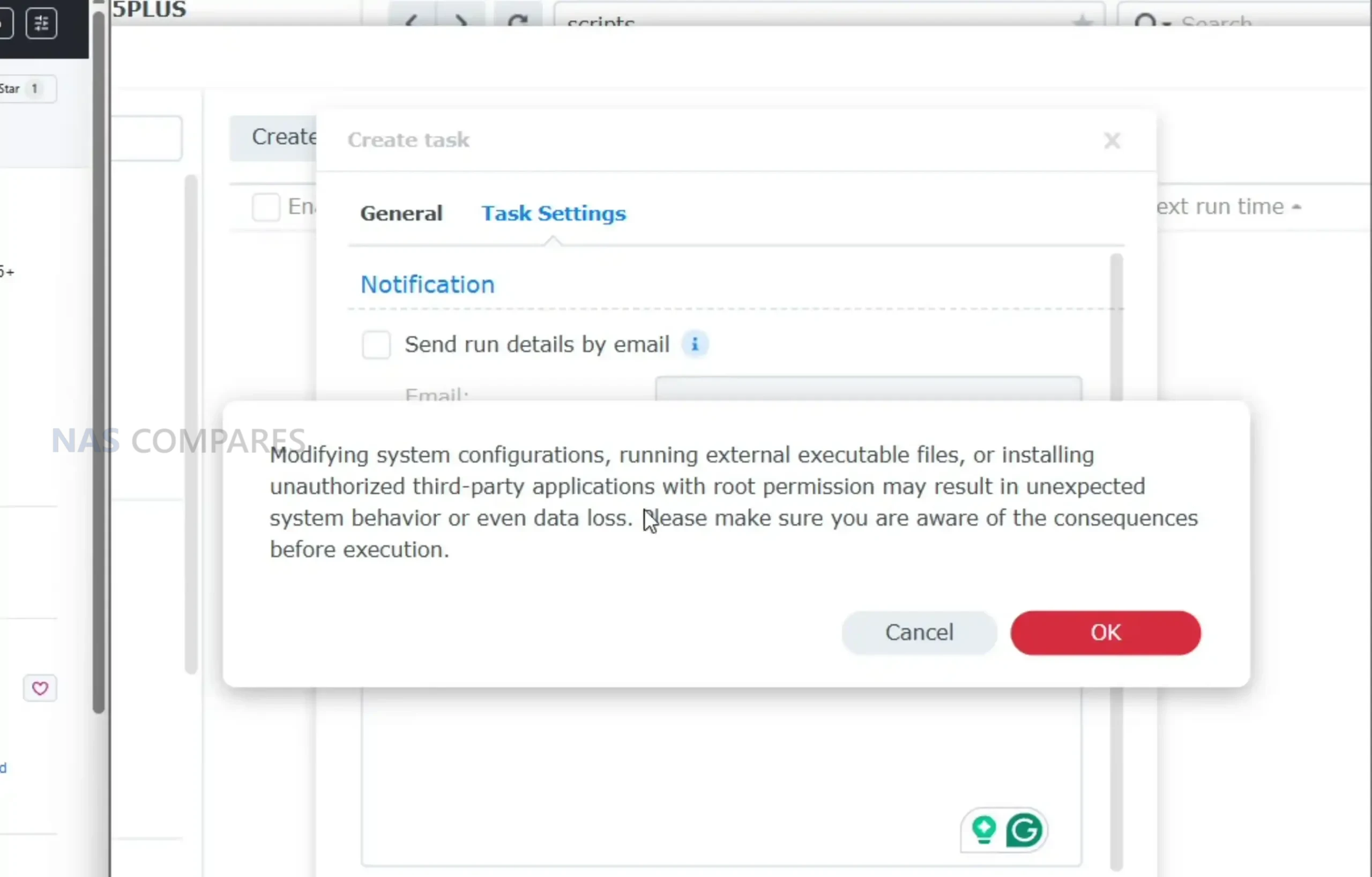
DSM will warn you about using root and non-standard scripts. Acknowledge this and proceed.
Enter your DSM admin password when prompted.
The scheduled task will now appear in the list.
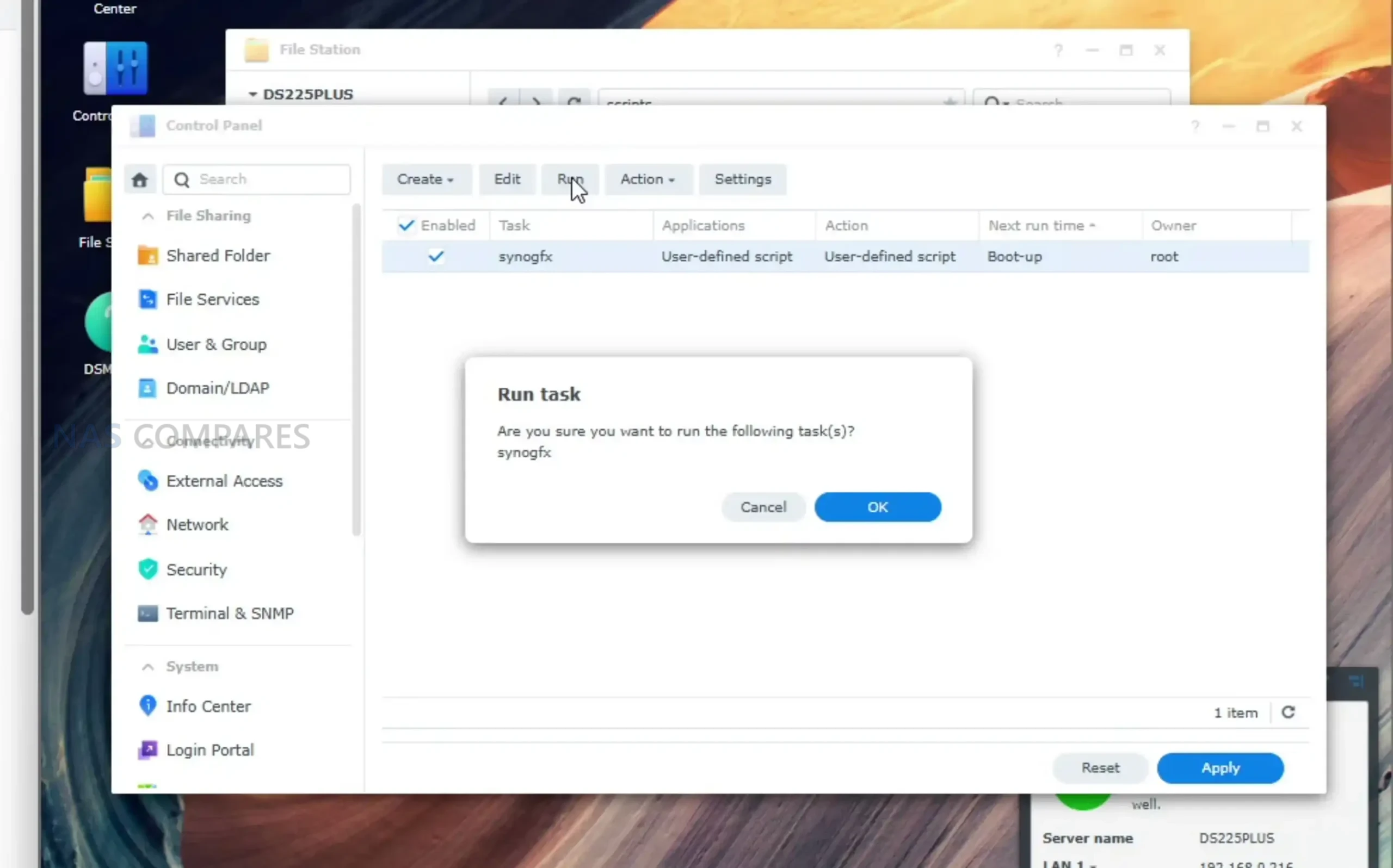
Run the Script
Right-click the new task and select Run to execute it immediately.
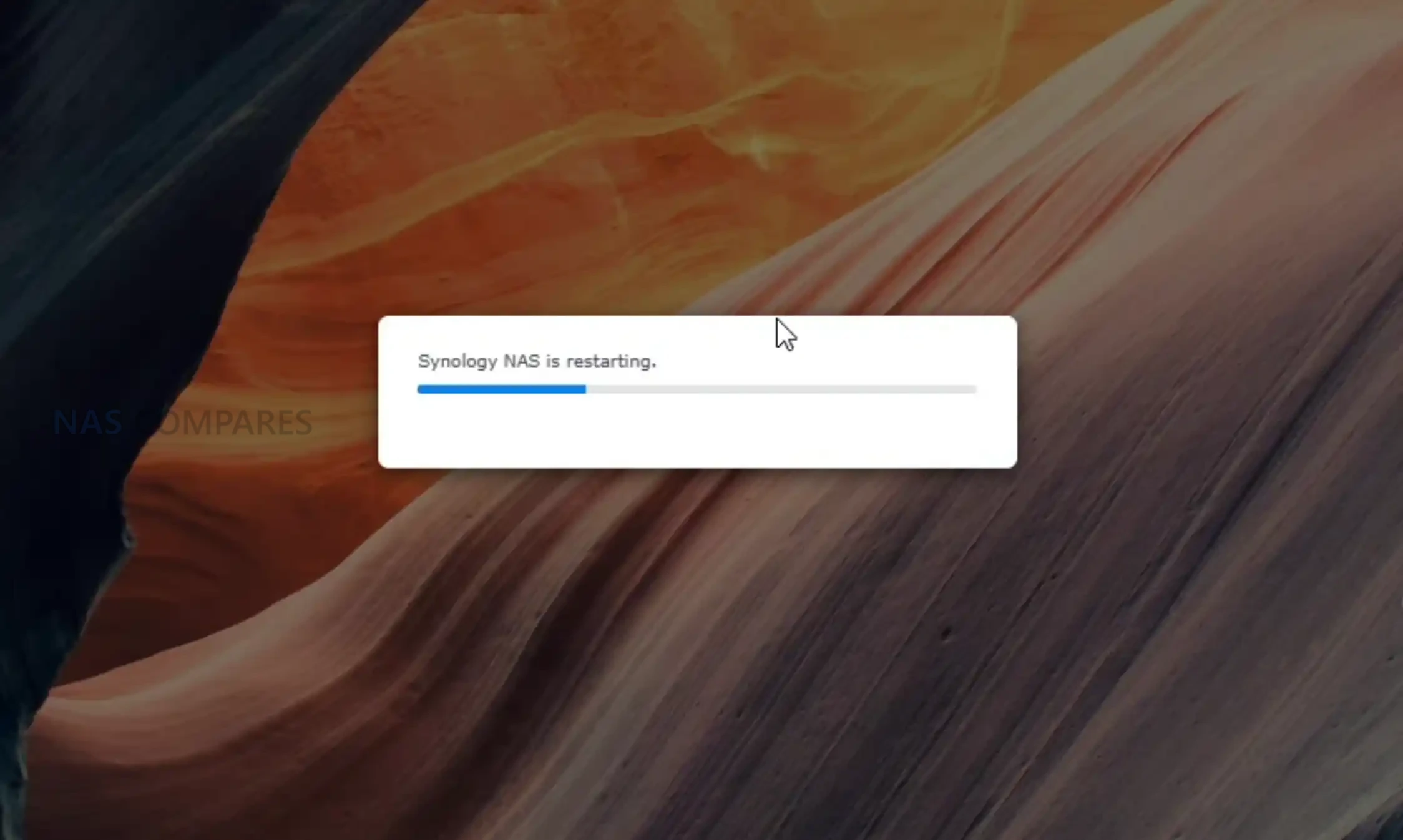
Optionally, reboot your NAS to confirm that the driver loads automatically on startup.
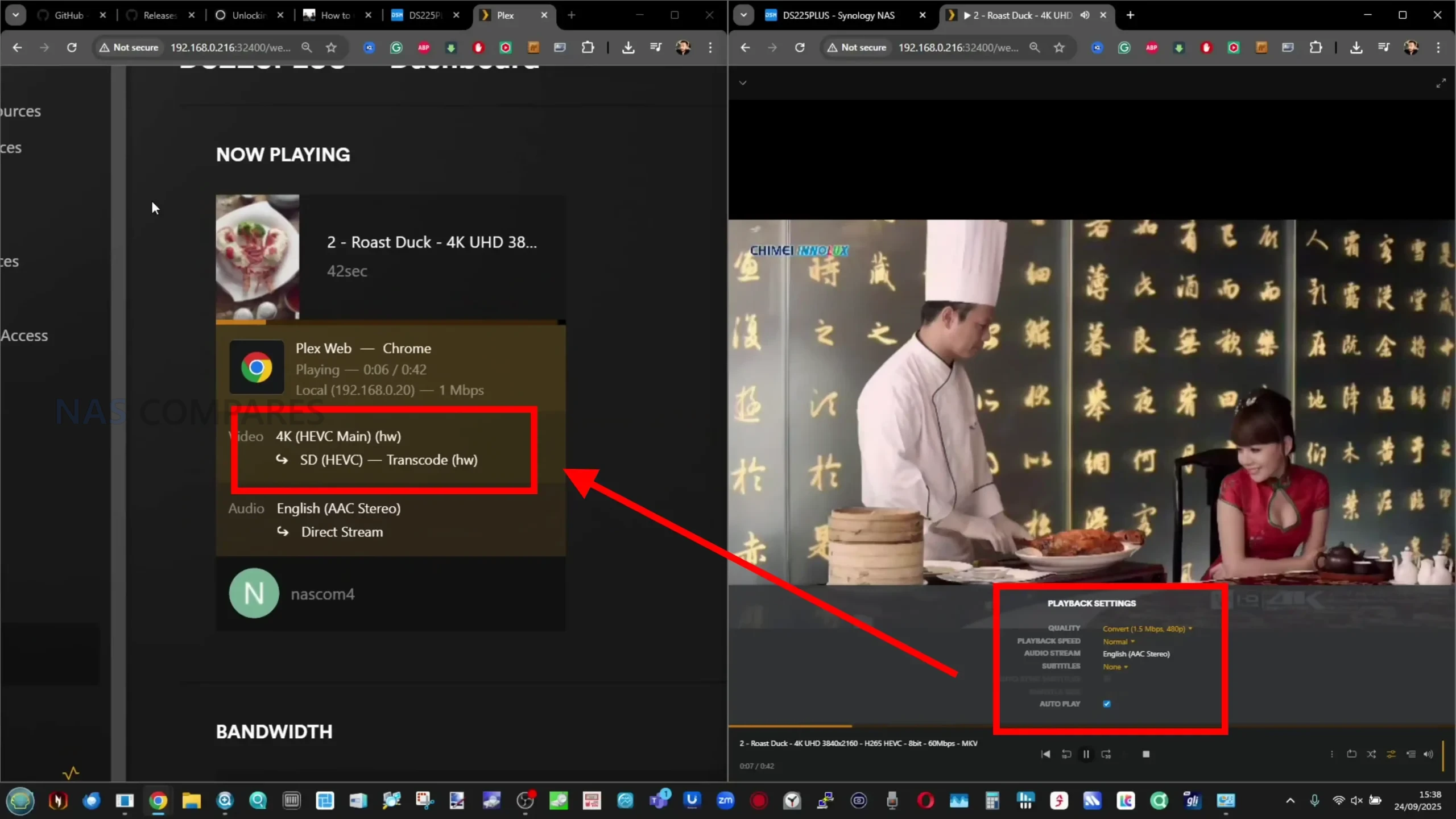
Verify Hardware Transcoding
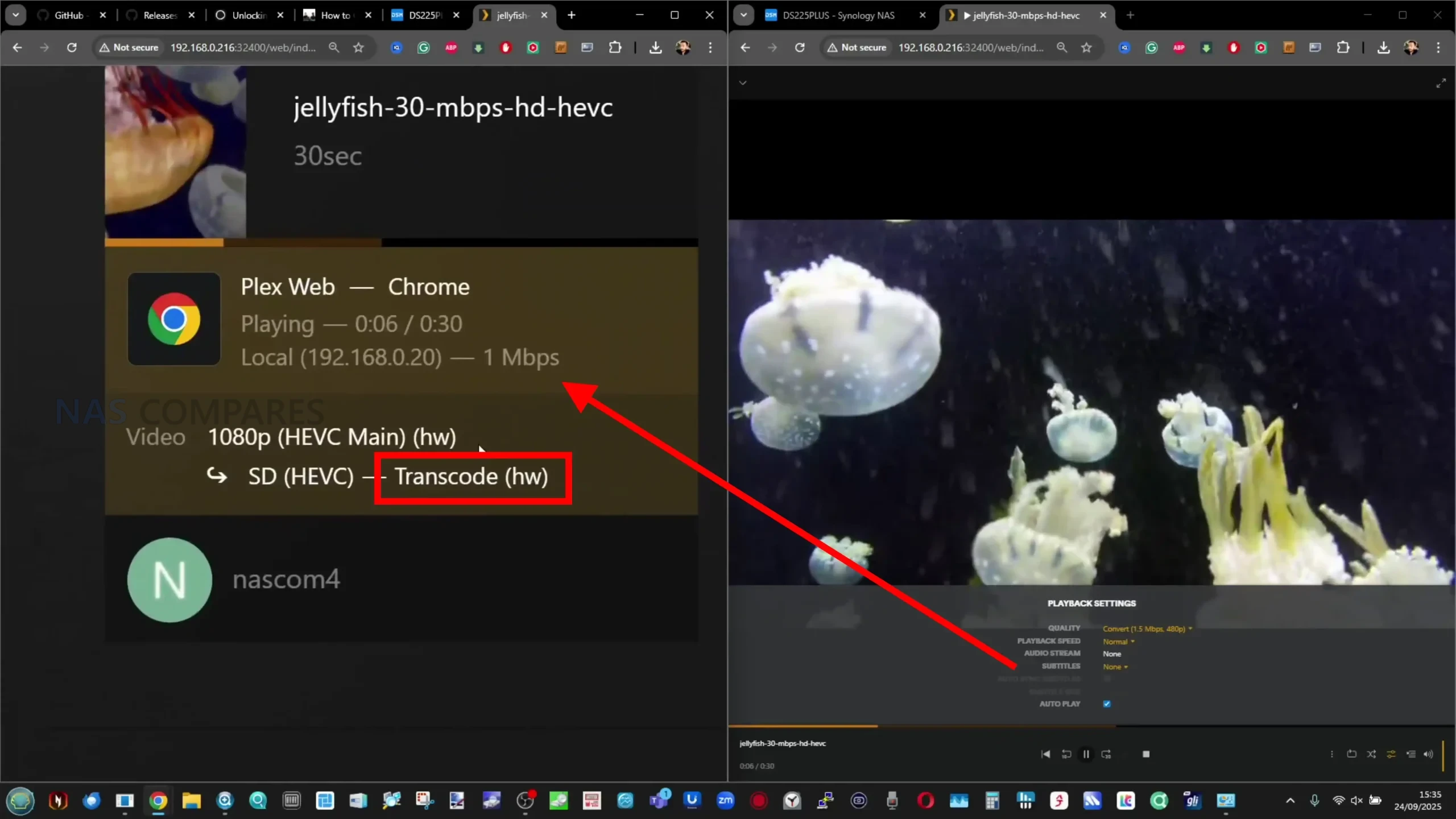
Open Plex (or Jellyfin/Emby) and play a file requiring transcoding.
Check playback statistics: you should now see HW (hardware transcoding) instead of CPU-only usage.
Conclusion
Synology’s decision to remove iGPU drivers from the 2025 DS225+ and DS425+ left many users frustrated, especially those who rely on Plex or Jellyfin for remote streaming. While the company cites licensing costs and client-side decoding as justification, the hardware itself remains fully capable of transcoding. Thanks to community-driven efforts, it is possible to re-enable Quick Sync on these models with an SSH-based workaround. This fix restores the efficiency and functionality users expected, though it comes with risks and requires maintenance after reboots. For multimedia enthusiasts who value hardware transcoding, this unofficial solution may be the only way to unlock the true potential of these NAS systems.
This description contains links to Amazon. These links will take you to some of the products mentioned in today's content. As an Amazon Associate, I earn from qualifying purchases. Visit the NASCompares Deal Finder to find the best place to buy this device in your region, based on Service, Support and Reputation - Just Search for your NAS Drive in the Box Below
Need Advice on Data Storage from an Expert?
Finally, for free advice about your setup, just leave a message in the comments below here at NASCompares.com and we will get back to you.Need Help?
Where possible (and where appropriate) please provide as much information about your requirements, as then I can arrange the best answer and solution to your needs. Do not worry about your e-mail address being required, it will NOT be used in a mailing list and will NOT be used in any way other than to respond to your enquiry.
[contact-form-7]
TRY CHAT Terms and Conditions
If you like this service, please consider supporting us.
We use affiliate links on the blog allowing NAScompares information and advice service to be free of charge to you.Anything you purchase on the day you click on our links will generate a small commission which isused to run the website. Here is a link for Amazon and B&H.You can also get me a Ko-fi or old school Paypal. Thanks!To find out more about how to support this advice service checkHEREIf you need to fix or configure a NAS, check FiverHave you thought about helping others with your knowledge? Find Instructions Here
Or support us by using our affiliate links on Amazon UK and Amazon US
Alternatively, why not ask me on the ASK NASCompares forum, by clicking the button below. This is a community hub that serves as a place that I can answer your question, chew the fat, share new release information and even get corrections posted. I will always get around to answering ALL queries, but as a one-man operation, I cannot promise speed! So by sharing your query in the ASK NASCompares section below, you can get a better range of solutions and suggestions, alongside my own.
Why are NAS Systems not 10GbE as Standard Right Now?
It is 2025, yet the majority of NAS systems on the market continue to ship with 1GbE or, at best, 2.5GbE networking, leaving many users questioning why 10GbE has not become a standard feature. Over the past decade, the cost of 10GbE networking equipment, including switches, NICs, and adapters, has steadily declined, and the technology has long since moved from being an enterprise-only option into mainstream availability. Home labs, creative professionals, and small businesses are increasingly working with 4K and 8K media, large VM environments, and multi-terabyte datasets, all of which can easily saturate a 1GbE or even 2.5GbE connection. Despite this shift, when browsing the portfolios of Synology, QNAP, Asustor, TerraMaster, or even newer DIY-friendly NAS brands, the entry-level and mid-tier systems remain locked at bandwidth speeds that are already dwarfed by modern SSD arrays and multi-bay RAID configurations.
asdasd
This gap between user expectations and manufacturer offerings has become more striking as affordable consumer motherboards and even some mini-PCs now integrate 5GbE or 10GbE as standard. By contrast, NAS vendors still tend to position 10GbE as a high-end add-on or restrict it to flagship models, often requiring costly proprietary NIC upgrades. For the average buyer, this creates the perception that NAS devices are lagging behind broader networking trends and are artificially constrained to maintain price tiers. The reality is more complex. The question of why 10GbE has not become universal in NAS hardware cannot be answered solely by pointing to falling market prices of controllers and switches. Instead, the explanation lies in a mix of economics, hardware design limitations, CPU lane allocations, and the fact that networking itself is evolving beyond 10GbE into alternatives like 25GbE and USB4. All of these factors together show why the integration of 10GbE into NAS devices remains more complicated than it may first appear.
Discussing the Issue / Barriers to Manufacturers
One of the most persistent barriers to universal 10GbE adoption in NAS systems is the economic reality of how these devices are positioned. Vendors like Synology, QNAP, and Asustor operate in a layered product ecosystem, where each tier is designed to push customers toward more expensive models. Entry-level devices often compete on affordability rather than raw performance, meaning that features like 10GbE are deliberately held back to differentiate mid-range and enterprise systems. The actual bill of materials (BOM) cost for including 10GbE hardware is lower than it was five years ago, but manufacturers still view it as a premium feature that justifies higher price points. By holding 10GbE in reserve for upper tiers, vendors protect their margins, avoid cannibalising sales of more profitable models, and keep upgrade paths clear for customers as their needs grow. This is not simply technical gatekeeping but a conscious market segmentation strategy.
A second, more technical challenge comes from CPU and chipset design. The processors used in affordable NAS devices are almost always low-power embedded models—Intel Celeron, Atom, or entry-level AMD Ryzen Embedded chips—which provide only a limited number of PCIe lanes. These lanes must be distributed across storage controllers, NVMe slots, expansion slots, and network interfaces. Introducing 10GbE requires not only dedicating at least two, and often four, PCIe lanes, but also ensuring that the CPU can handle the higher throughput without becoming the bottleneck. If a vendor reallocates lanes to add 10GbE, they may have to reduce the number of NVMe slots, cut down on SATA ports, or compromise expansion card bandwidth. For many manufacturers, it is simpler to leave 10GbE out of the base design than to risk producing a system that looks good on paper but struggles to deliver in practice.
Beyond lane allocation, there is also the issue of power, thermals, and board layout. 10GbE controllers typically draw more power and generate more heat than 1GbE or 2.5GbE chips. In compact NAS enclosures designed for low-noise operation, this can force more aggressive cooling solutions or tighter thermal management. For brands already working within strict acoustic and energy efficiency limits, especially in home or small office NAS devices, the integration of 10GbE becomes a balancing act between speed and stability. Higher thermal load can also reduce the overall lifespan of components or require larger enclosures, both of which erode the appeal of entry-level systems where buyers expect compact and efficient designs.
Another factor that discourages widespread 10GbE adoption is ecosystem alignment. NAS vendors are keenly aware that a large percentage of their target audience does not yet operate in 10GbE-ready environments. Even though 10GbE switches and NICs are more affordable in 2025, many households and small offices still rely on routers and switches with 1GbE or 2.5GbE uplinks. For these users, the inclusion of 10GbE would have little practical benefit, since the rest of the network infrastructure cannot support it. From the manufacturer’s perspective, bundling 10GbE into a device that will simply be throttled by the customer’s network backbone risks making the feature look pointless, or worse, “non-functional.” As such, 10GbE tends to be reserved for prosumer and enterprise segments, where it is more likely that users already have or are willing to invest in compatible infrastructure.
Finally, there is a subtle but important business factor at play: vendor ecosystems and upsell opportunities. Many NAS brands sell proprietary 10GbE upgrade cards or branded NICs, which can only be used with their systems. By omitting onboard 10GbE but providing expansion slots, vendors create an additional revenue stream while giving customers flexibility to upgrade later. This model also ensures that users who truly require 10GbE end up spending more within the brand’s ecosystem, while casual buyers stick to lower-cost systems that do not overdeliver. In this sense, the absence of 10GbE on affordable NAS units is not only about technical limitations, but also about preserving a staged upgrade model that aligns with each brand’s long-term revenue strategy.
The Solution – How Can 10GbE Be More Accessible?
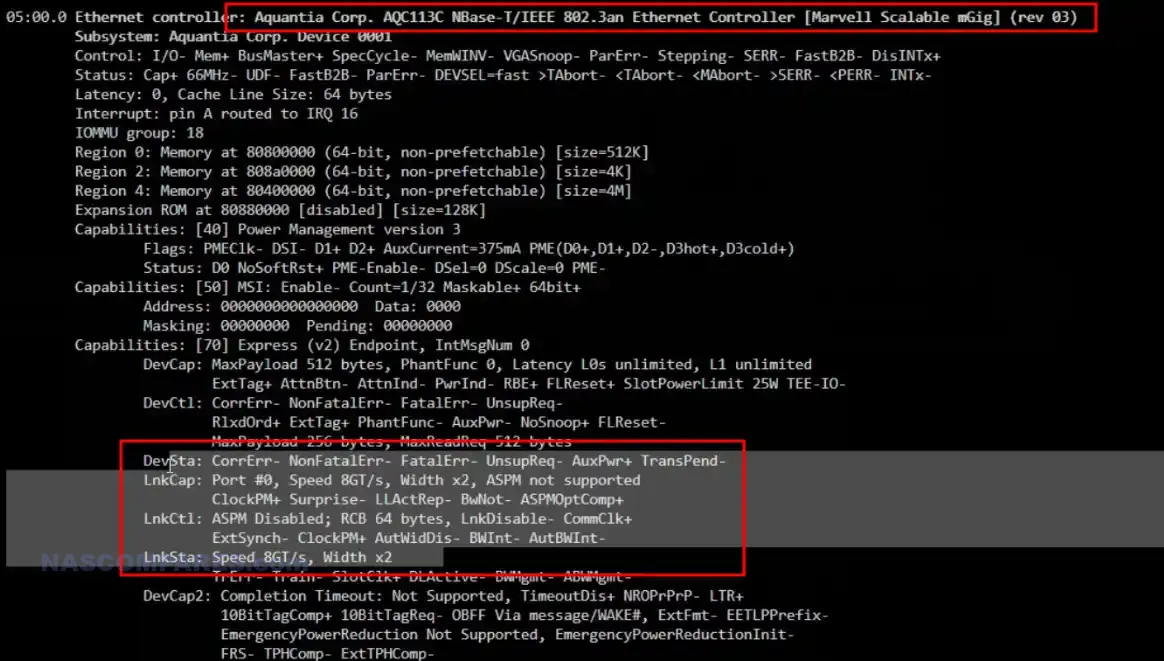
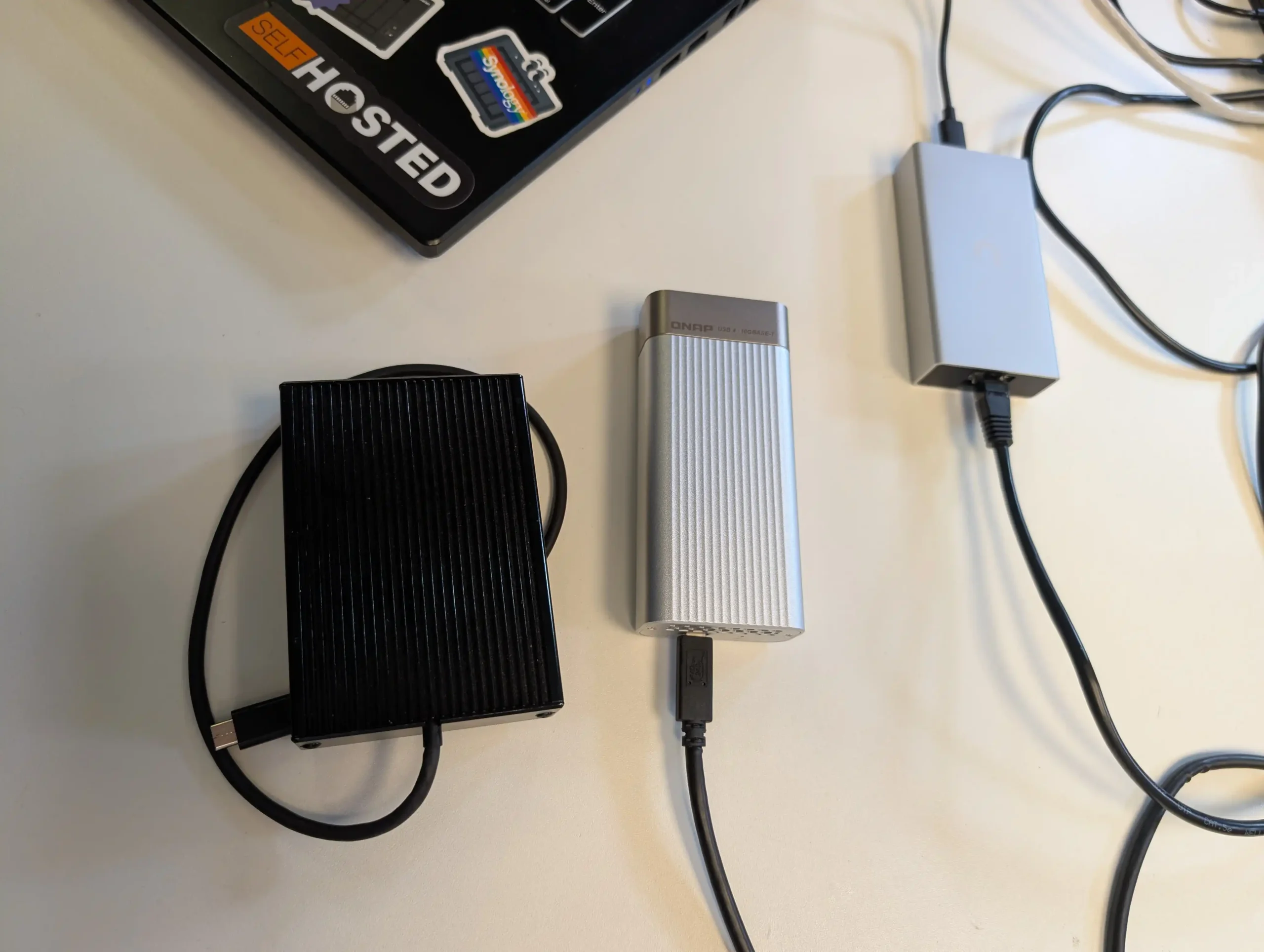
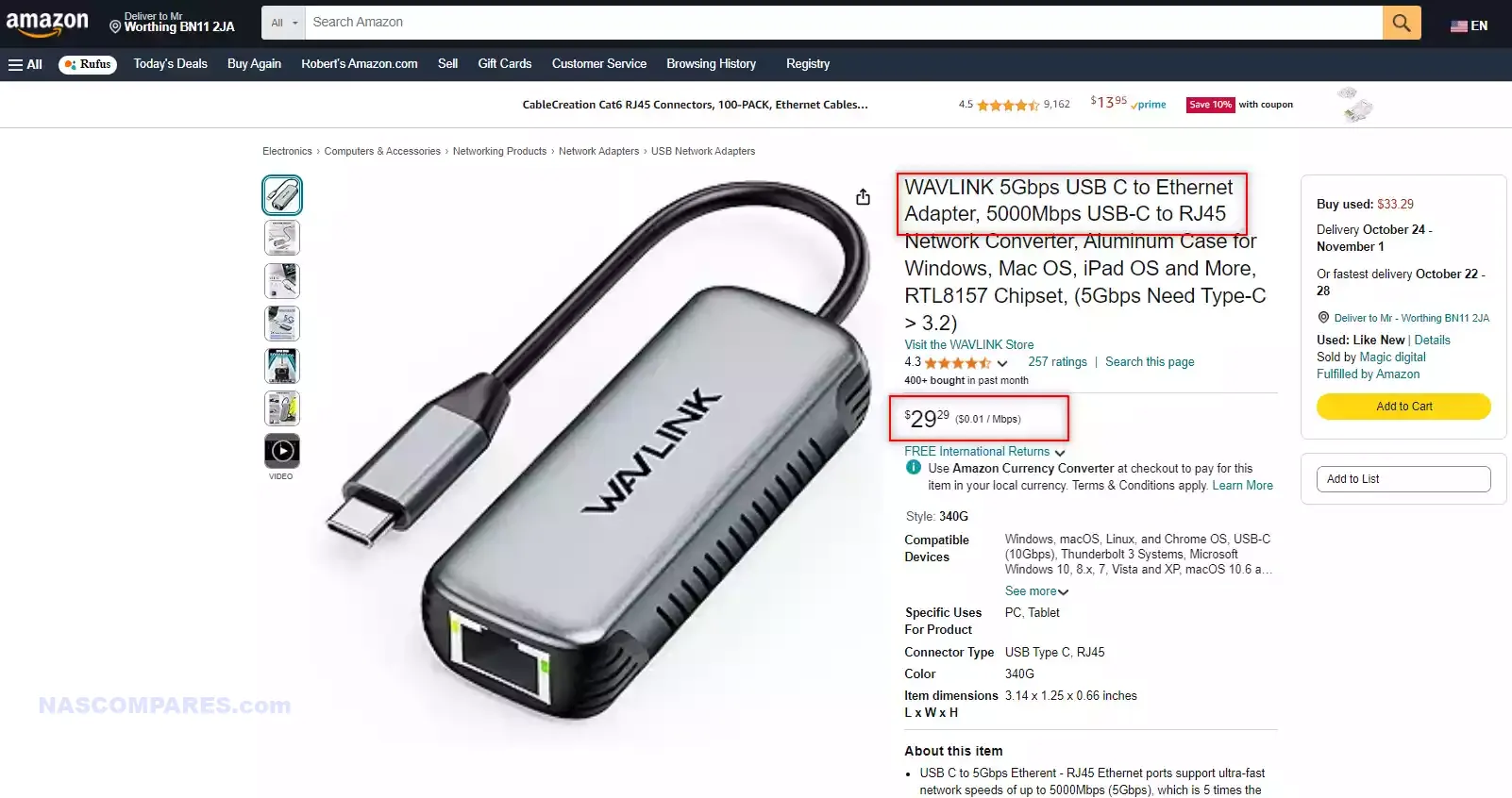
The landscape for 10GbE networking hardware has improved significantly in the last few years, with controllers becoming cheaper, more efficient, and easier to integrate into consumer systems. Early 10GbE relied heavily on costly Intel or Mellanox chipsets designed primarily for enterprise servers, often priced in the hundreds of dollars per card. Today, vendors such as Realtek, Aquantia (now under Marvell), and Broadcom produce consumer-focused 10GbE controllers that are smaller, run cooler, and consume less power. These newer chipsets are also designed to integrate more smoothly with mainstream CPUs and motherboards, reducing the need for complex PCB layouts. The result has been a marked reduction in the cost of standalone NICs and USB-to-10GbE adapters, which now frequently sell for under $100, making them accessible even for home users experimenting with faster networking.
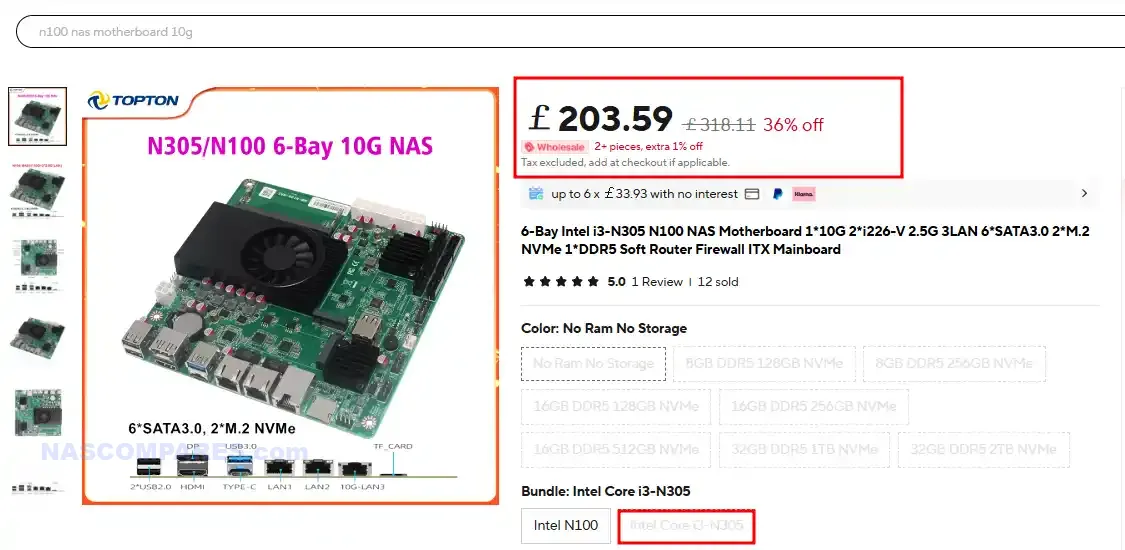
Even with this progress, manufacturers remain hesitant to make 10GbE a baseline feature across all NAS devices. Part of the reason lies in how modern NAS systems must juggle limited resources. As CPUs have shifted to PCIe Gen 4 and Gen 5, the available bandwidth has increased, but vendors are also using these lanes to expand NVMe storage pools, enable GPU acceleration, or add AI-focused co-processors for surveillance, indexing, or media analysis. In many cases, vendors see greater value in offering more M.2 slots, dual PCIe expansion options, or flexible NIC bays than in permanently dedicating space to 10GbE. This explains why hybrid designs are now common: devices shipping with 2.5GbE or 5GbE onboard, with a dedicated slot for an optional 10GbE card. Such configurations give users a faster-than-gigabit baseline, but also keep upgrade paths open for power users who truly need multi-gigabit networking.
The state of 10GbE is also being influenced by the rapid adoption of adjacent technologies. 2.5GbE has become the de facto standard in new consumer motherboards and mid-tier switches, offering a cheap and widely compatible upgrade path for everyday users who want more than 1GbE without changing their cabling. At the other end of the spectrum, higher-speed networking such as 25GbE or 40GbE is filtering down from data centres to advanced prosumer setups, while direct-connect solutions like Thunderbolt 4 and USB4 offer bandwidth well beyond 10GbE with less CPU overhead and simpler plug-and-play deployment. Software optimisation is also playing a role: modern NAS operating systems increasingly support IP over Thunderbolt or USB4, which provides a parallel path to multi-gigabit performance without the traditional reliance on Ethernet standards. As a result, 10GbE finds itself squeezed in the middle—too expensive to be a no-brainer at the entry level, but increasingly overshadowed by faster alternatives at the top end. It remains a critical sweet spot for small businesses and creative professionals, but its window of dominance is being challenged by the pace of networking innovation.
Verdict and Conclusion – Buy a 10GbE NAS Now or Wait?
The question of why 10GbE has not become a standard feature across NAS devices in 2025 does not have a single answer, but rather a convergence of factors. Manufacturers face technical challenges in CPU lane allocation, thermal management, and system design, while also making deliberate market choices to protect product segmentation and encourage upsell opportunities. At the same time, 10GbE sits in an awkward position within the networking landscape: cheaper and more efficient than ever, yet increasingly bypassed by the widespread adoption of 2.5GbE on the low end and the emergence of 25GbE, Thunderbolt, and USB4 on the high end. For now, this means that 10GbE remains reserved for higher-tier NAS systems where the hardware can genuinely sustain its throughput and where the user base is prepared to invest in compatible infrastructure. While prices will continue to fall and adoption will grow, it is unlikely that every NAS will adopt 10GbE as standard before other technologies begin to replace it as the next performance baseline.
5 affordable Turnkey 10GbE NAS Solutions (Between $499 and $699)
For years, 10GbE networking has been seen as a premium feature reserved for high-end or enterprise-grade NAS devices, often pushing total system costs well beyond the reach of home users and small businesses. However, as controller prices have dropped and demand for faster data transfers has grown, a new wave of affordable NAS solutions has started to appear with built-in 10GbE. These systems no longer require expensive proprietary upgrade cards or third-party NICs, and many sit comfortably below the $699 / £599 price point. They cover a range of use cases, from compact SSD-based NAS devices to rackmount storage appliances and versatile desktop units. Below is a selection of some of the most notable options currently available, each offering a balance of performance, connectivity, and affordability for users who want to move beyond 1GbE or 2.5GbE without breaking the bank.
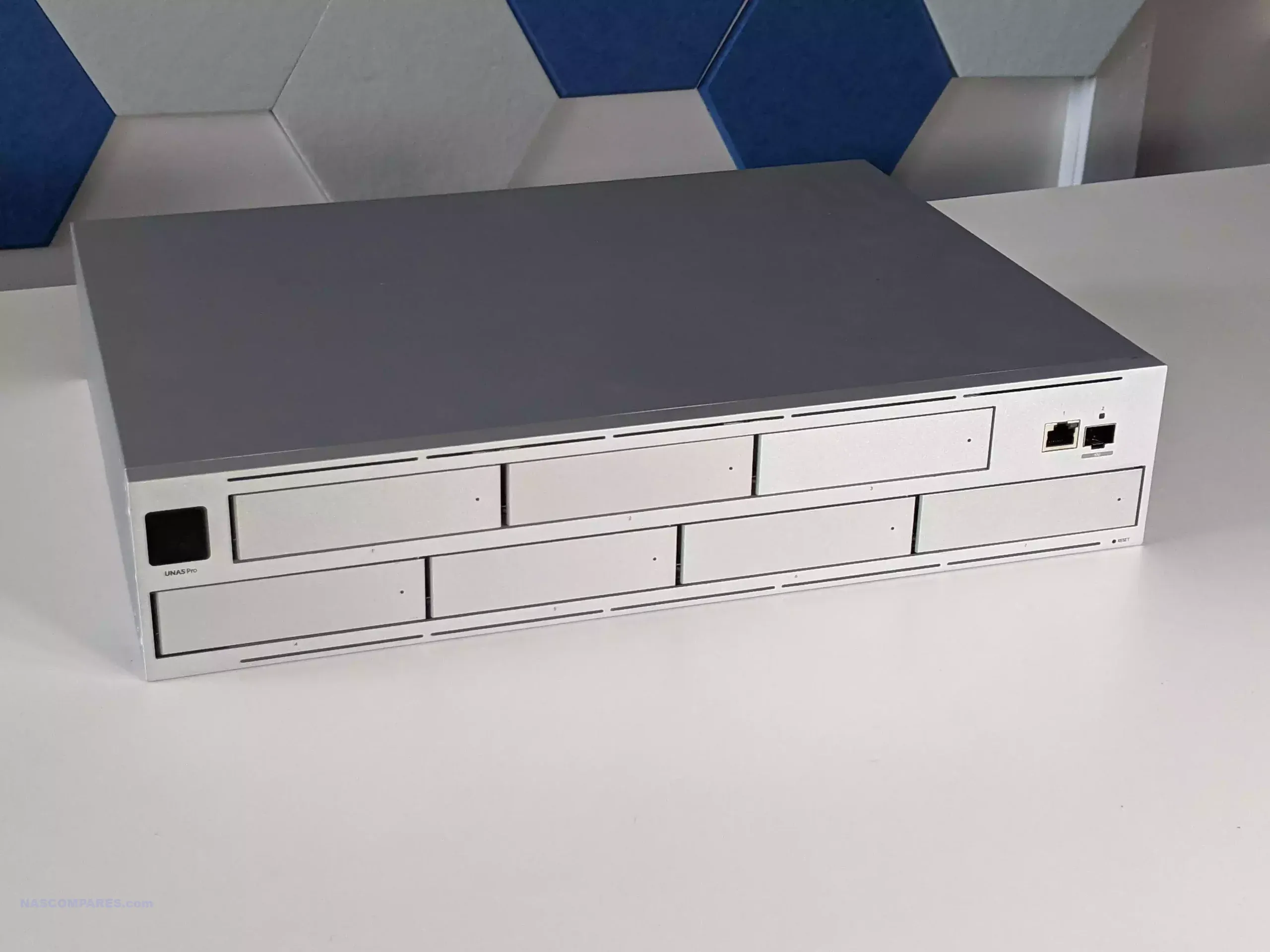
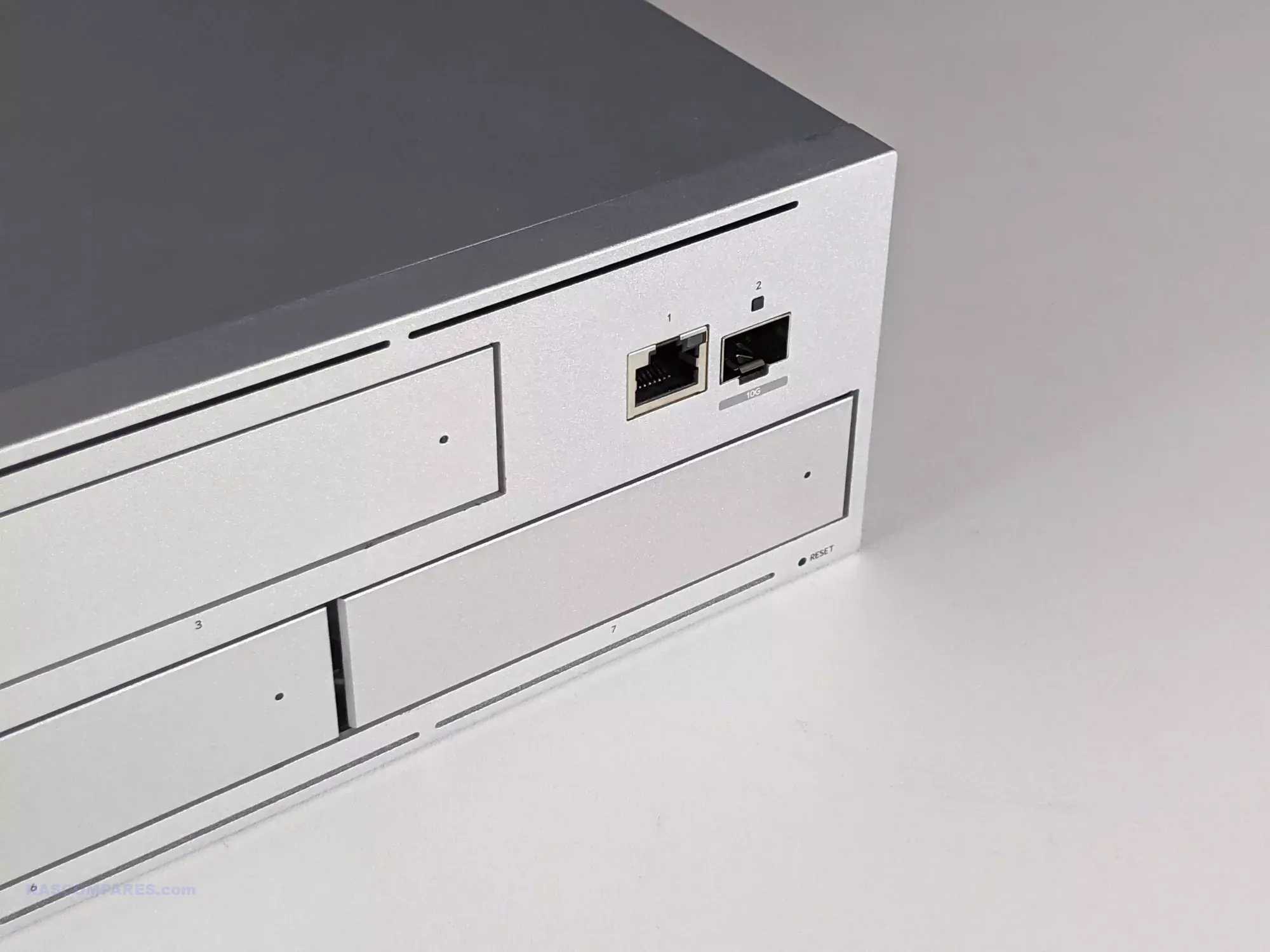
UniFi UNAS Pro (7-Bay, Rackmount)
I keep coming back to two words for the UniFi UNAS Pro—fundamentals and consistency. UniFi has clearly focused on making this system a strong addition to their ecosystem, prioritizing the essential storage needs of a NAS. They’ve succeeded in this, but comparisons with long-established competitors are inevitable. While solid, reliable, and stable, the UniFi UNAS Pro will take time to be competitive on the software front. If you’re deeply invested in the UniFi ecosystem, you’ll appreciate its ease of use and integration. However, outside of a UniFi network, it may feel feature-light compared to alternatives. The pricing is competitive for a launch product at $499, and while it’s not the best NAS on the market, it’s the most user-friendly and UniFi-ready. It will likely satisfy many users’ needs. I can certainly see this being integrated into existing UniFi networks as a 2nd stage backup alongside their already existing 3rd party NAS solution, with the potential to graduating to their primary storage as Ubiquiti continue to evolve this platform above and beyond the fundamentals their have nailed down in the UNAS Pro system.
Specs: ARM Cortex-A57 quad-core CPU, 8 GB RAM, seven 2.5″/3.5″ SATA bays, 1×10GbE SFP+ and 1×1GbE.
Why It Stands Out: Exceptional price-to-performance for pure storage needs. Lacks advanced multimedia or container apps but ideal for high-speed backups in a rackmount setup.
BUILD QUALITY - 10/10
HARDWARE - 7/10
PERFORMANCE - 7/10
PRICE - 9/10
VALUE - 8/10
8.2
PROS
Nails down the fundamentals of NAS Storage very well Easy to use GUI and well suited in the UniFi Ecosystem/UX Complete Offline Use is supported Use of a UI account is NOT compulsory Excellently deployed Snapshot Features 10GbE out-the-box Open HDD Compatibility, but also 1st party options too Backup and Restoration Options Nailed down perfectly Very power efficient and CPU/, Memory utilization rarely high Compact, Quite and well designed chassis The LCD controls are completely \'different level\' compared to other brands in the market Promised competitive pricing FAST deployment (3-5mins tops) Reactive Storage expandability and easy-to-understand storage failover options Mobile app deployment is intuitive/fast Feels stable, secure and reliable at all times Performance is respectable (considering SATA Bay count and CPU) but also sustained performance is very good Single screen dashboard is clear and intuitive Ditto for the native file explorer
CONS
7 Bays is a bit unusual, plus feels like the existing UNVR with different firmware Additional App installation (eg. \'Protect\') not currently supported. So no container support for 3rd party apps Network Controls are limited Works at it\'s best in an existing UniFi managed network, feels a little limited in \'standalone\' Multiple storage pools not supported (nor is RAID 0) Lack of Scheduled On/Off Lack of redundant PSU Only 1 10Gb port and 1x 1GbE, no USBs for expanded storage or an expansion
Asustor Flashstor 12 Gen 1 (Compact NVMe NAS)
The Asustor Flashstor Gen 2 12-Bay NAS is a robust and versatile solution for users with demanding storage needs. Its combination of high-performance hardware, extensive connectivity options, and compact design makes it a standout choice for content creators, small businesses, and enthusiasts. With dual 10GbE ports, USB 4.0 connectivity, and support for up to 12 M.2 NVMe drives, it offers exceptional speed and scalability. While the device has a few quirks, such as its mixed PCIe slot speeds and lack of M.2 heat sinks, these are manageable with proper planning and aftermarket solutions. The Flashstor Gen 2 excels in raw performance, handling intensive workflows with ease and maintaining low noise levels even under load. Its power efficiency and robust thermal management further enhance its appeal for 24/7 operation. For users prioritizing hardware capabilities and performance, the Flashstor Gen 2 delivers on its promises. While its complexity may deter less experienced users, those with the technical expertise to configure and optimize the system will find it a valuable addition to their workflow.
Specs: Intel Celeron N5105, 12×M.2 NVMe slots, single 10GbE port, compact form factor.
Notable Traits: High-density SSD storage in a small desktop chassis. Excellent value for SSD-heavy builds.
SOFTWARE - 6/10
HARDWARE - 9/10
PERFORMANCE - 10/10
PRICE - 7/10
VALUE - 8/10
8.0
PROS
Exceptional Performance: Dual 10-Gigabit Ethernet ports and USB 4.0 connectivity deliver fast and reliable data transfer speeds, ideal for 4K editing and collaborative environments. Extensive Storage Options: Supports up to 12 M.2 NVMe SSDs, allowing for large-scale, high-speed storage arrays. ECC Memory Support: Includes 16GB of DDR5-4800 ECC memory (expandable to 64GB), ensuring data integrity for critical applications. Compact Design: Small footprint makes it perfect for workspaces with limited room. Quiet Operation: Dual-fan system keeps noise levels low, even under heavy loads. Flexible Connectivity: Features two USB 4.0 Type-C ports and three USB 3.2 Gen 2 Type-A ports for direct storage access and peripheral integration. Power Efficiency: Low power consumption (32.2W idle, 56W under load) makes it economical to run, even for 24/7 operation. Thermal Management Enhancements: Dual fans and copper heat pipes efficiently dissipate heat, ensuring stable performance. Support for Third-Party Operating Systems: Compatible with platforms like TrueNAS and Unraid for advanced customization.
CONS
Mixed PCIe Slot Speeds: Inconsistent PCIe bandwidth across M.2 slots complicates unified RAID configurations. Lack of M.2 Heat Sinks: NVMe slots do not include heat sinks, requiring aftermarket cooling solutions for intensive workloads. No Integrated Graphics: The AMD Ryzen V3C14 processor lacks integrated graphics, limiting hardware transcoding and multimedia capabilities. Steep Price: The 12-bay model’s cost ($1,300–$1,400) and the six-bay version’s lack of ECC memory make them expensive compared to alternatives.
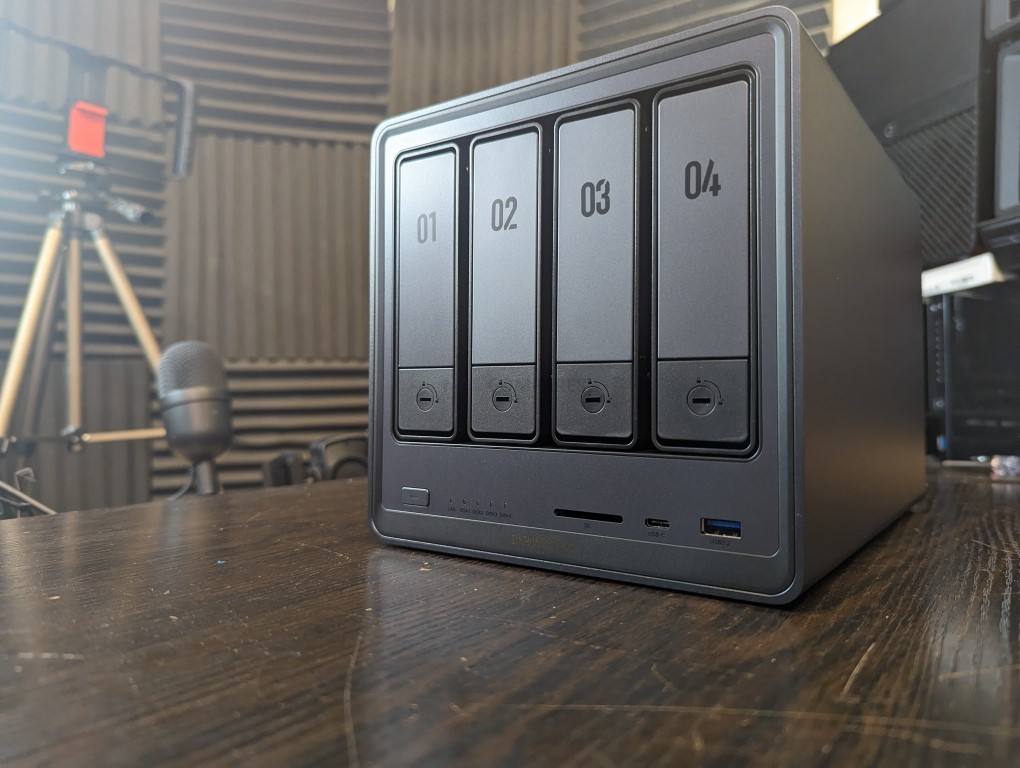
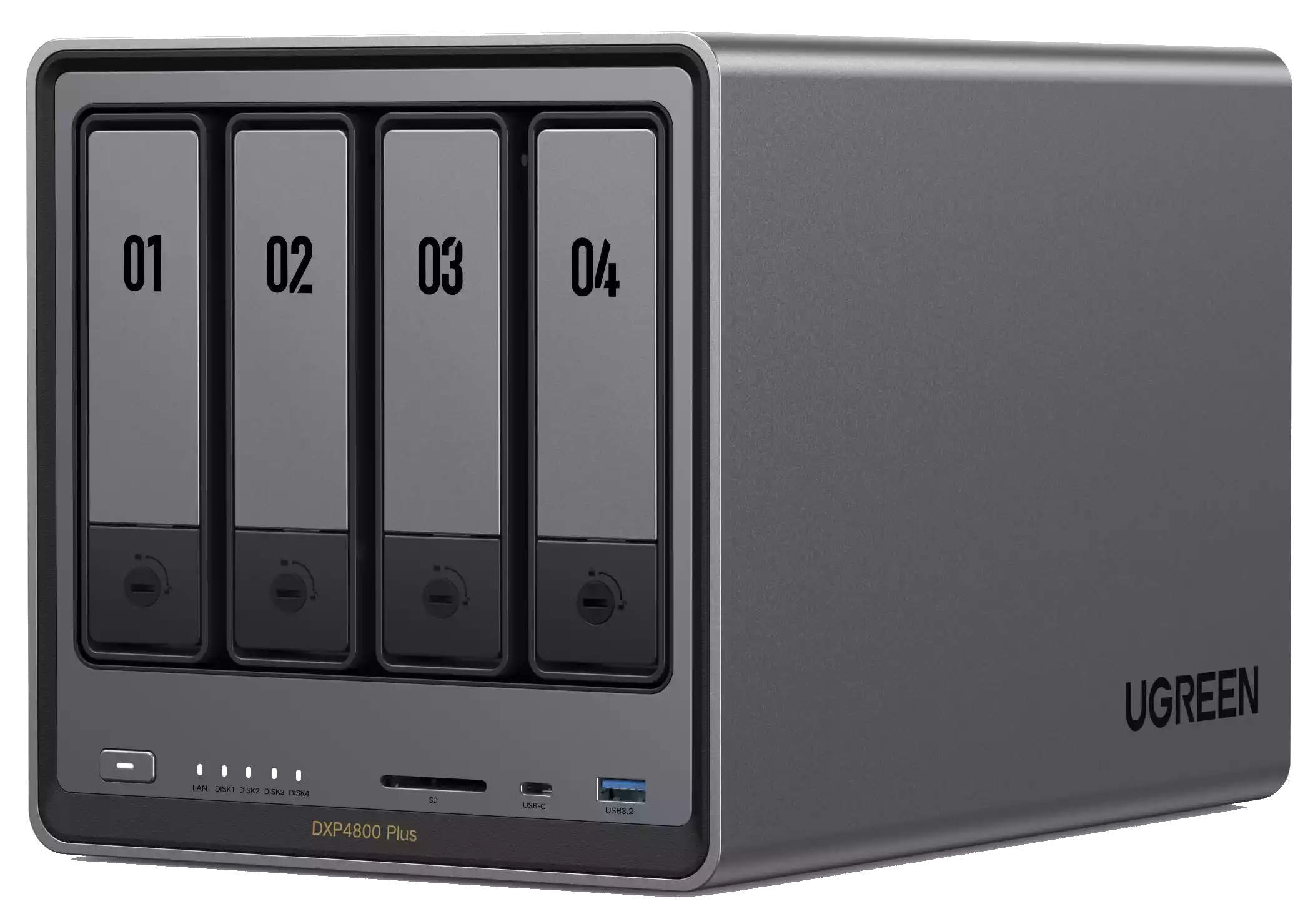
UGREEN NASync DXP4800 Plus
BOTTOM LINE – The UGREEN NASYnc DXP4800 Plus does not feel ‘finished’ yet and still needs more time in the over, but UGREEN have been very clear with me that this product is not intended for release and fulfilment till summer 2024 and improvements, optimization and product completion is still in progress. Judging the UGREEN NAS systems, when what we have is a pre-release and pre-crowdfunding sample, was always going to be tough. The DXP4800 PLUS is a very well put-together NAS solution, arriving with a fantastic launching price point (arguably even at its RRP for the hardware on offer). UGREEN has clearly made efforts here to carve out their own style, adding their own aesthetic to the traditional 4-bay server box design that plagues NAS boxes at this scale. Equally, although they are not the first brand to consider Kickstarter/Crowdfunding for launching a new product in the NAS/personal-cloud sector, this is easily one of the most confident entries I have seen yet. The fact that this system arrives on the market primarily as a crowdfunded solution (though almost certainly, if successful, will roll out at traditional retail) is definitely going to give users some pause for thought. Equally, the UGREEN NAS software, still in beta at the time of writing, although very responsive and nailing down the basics, still feels like it needs more work to compete with the bigger boys at Synology and QNAP. Hardware architecture, scalability, and performance are all pretty impressive, though the performance of the Gen 4×4 M.2 NVMe slots didn’t seem to hit the numbers I was expecting. Perhaps a question of PCIe bottlenecking internally, or a need for further tweaking and optimization as the system continues development. Bottom line, with expected software updates to roll out closer to launch and fulfillment, such as an expanded App center and mobile client, the UGREEN DXP4800 Plus is definitely a device worth keeping an eye on in the growing Turnkey and semi-DIY NAS market. As an alternative to public cloud services, this is a no-brainer and worth the entry price point. As an alternative to established Turnkey NAS Solutions, we will hold off judgment till it is publicly released.
Specs: Intel Pentium Gold 8505 (6-thread), 8 GB DDR5, 4×SATA + 2×M.2 slots, 1×10GbE and 1×2.5GbE, plus HDMI, USB-C, USB-A, and SD reader.
Why It’s Attractive: Well-rounded design with rich connectivity and media support, undercuts most rivals on price and features.
SOFTWARE - 6/10
HARDWARE - 9/10
PERFORMANCE - 6/10
PRICE - 9/10
VALUE - 8/10
7.6
PROS
Exceptional Hardware for the Price 4 HDDs + 2x Gen 4x4 M.2 in 1 box under $400 Good Balanced CPU choice in the Pentium Gold 8505 10GbE and 2.5GbE as standard An SD Card Slot (wielrd rare!) 10/10 Build Quality Great Scalability Fantastic Mobile Application (even vs Synology and QNAP etc) Desktop/Browser GUI shows promise Established Brand entering the NAS Market Not too noisy (comparatively) Very Appealing retail package+accessories
CONS
10GbE Performance was underwhelming Crowdfunding choice is confusing Software (still in Beta) is still far from ready 22/3/24 non-UGREEN PSU is unexpected
TerraMaster F4-424 Max / F6-424 Max
The TerraMaster F4-424 Max is a robust 4-bay NAS system that offers a powerful mix of features and flexibility for a wide range of tasks. Powered by the Intel i5-1235U CPU with 10 cores and 12 threads, the F4-424 Max excels at resource-intensive applications such as Plex media streaming, 4K hardware transcoding, and virtual machine hosting. Its dual M.2 NVMe slots running at PCIe Gen 4 speeds significantly improve storage performance, especially when used for caching, while the two 10GbE ports offer high-speed networking environments, allowing for 20Gbps throughput via link aggregation.
In terms of software, TOS 6 brings notable improvements, although it still lags behind the more polished ecosystems of Synology DSM and QNAP QTS. That said, TerraMaster’s continuous software evolution with each new version of TOS ensures that users have access to more robust tools and security features. For its price point of $899.99, the F4-424 Max is a compelling option for those seeking high-performance NAS solutions with scalability in mind. While the Pro model offers competitive performance, the Max takes it a step further with advanced networking, making it ideal for environments where speed is a priority.
Specs: Intel Core i5-1235U (10-core), 8 GB RAM, dual 10GbE ports, dual M.2, with 4 or 6 SATA bays depending on model.
Why It Helps: The F4-424 Max frequently drops below the $800 mark in promotions, offering unusually strong CPU performance and dual 10GbE at a mid-range price point.
Where to Buy?
Terramaster F4-424 Max ($899 Amazon) – HERETerramaster F4-424 Max ($799 Aliexpress) – HERE
SOFTWARE - 6/10
HARDWARE - 9/10
PERFORMANCE - 9/10
PRICE - 9/10
VALUE - 8/10
8.2
PROS
Powerful Hardware: Intel i5-1235U with 10 cores and 12 threads for resource-heavy tasks. Dual 10GbE Ports: High-speed networking capabilities with link aggregation for up to 20Gbps, ideal for large file transfers. PCIe Gen 4 NVMe Support: Two M.2 NVMe slots offering exceptional performance for caching or additional high-speed storage. Efficient Cooling: The large 120mm fan ensures quiet and effective cooling, making it suitable for home and office environments. Improved TOS 6 Software: Enhancements in GUI, backup tools, and overall security bring TOS closer to its competitors.
CONS
Higher Price Tag: At $899.99, it’s more expensive than TerraMaster’s other models, which may deter budget-conscious buyers. No PCIe Expansion: Lack of a PCIe slot limits potential for future upgrades, such as adding 10GbE cards or more M.2 drives. Presentation: The software has improved a lot, but still feels inconsistent in places compared with alternatives from brands such as Synology and QNAP.
This description contains links to Amazon. These links will take you to some of the products mentioned in today's content. As an Amazon Associate, I earn from qualifying purchases. Visit the NASCompares Deal Finder to find the best place to buy this device in your region, based on Service, Support and Reputation - Just Search for your NAS Drive in the Box Below
Need Advice on Data Storage from an Expert?
Finally, for free advice about your setup, just leave a message in the comments below here at NASCompares.com and we will get back to you.Need Help?
Where possible (and where appropriate) please provide as much information about your requirements, as then I can arrange the best answer and solution to your needs. Do not worry about your e-mail address being required, it will NOT be used in a mailing list and will NOT be used in any way other than to respond to your enquiry.
[contact-form-7]
TRY CHAT Terms and Conditions
If you like this service, please consider supporting us.
We use affiliate links on the blog allowing NAScompares information and advice service to be free of charge to you.Anything you purchase on the day you click on our links will generate a small commission which isused to run the website. Here is a link for Amazon and B&H.You can also get me a Ko-fi or old school Paypal. Thanks!To find out more about how to support this advice service checkHEREIf you need to fix or configure a NAS, check FiverHave you thought about helping others with your knowledge? Find Instructions Here
Or support us by using our affiliate links on Amazon UK and Amazon US
Alternatively, why not ask me on the ASK NASCompares forum, by clicking the button below. This is a community hub that serves as a place that I can answer your question, chew the fat, share new release information and even get corrections posted. I will always get around to answering ALL queries, but as a one-man operation, I cannot promise speed! So by sharing your query in the ASK NASCompares section below, you can get a better range of solutions and suggestions, alongside my own.

 Connexion









 SUBSCRIBE TO OUR NEWSLETTER


 TRY CHAT







 SUBSCRIBE TO OUR NEWSLETTER




 Nails down the fundamentals of NAS Storage very well
 7 Bays is a bit unusual, plus feels like the existing UNVR with different firmware