Vue lecture

Il y a de nouveaux articles disponibles, cliquez pour rafraîchir la page.

Microsoft adds Bigfoot and Copilot key remapping in latest Windows 11 preview build

Move over iPhone Duo announcement, the real news is here. Windows 11 will soon feature a few more emojis. Microsoft recently shipped Windows 11 Builds 26100.9539 and 26200.9539 to Insiders in the Release Preview Channel. Among other changes, the update adds support for Emoji 17.0.

Since these are Release Preview builds, many of the included changes have already been seen during earlier Insider testing.

Several changes have been made to File Explorer that should make for a smoother experience. Home within File Explorer now preserves the state of sections, so the next time you open the app things will be expanded or collapsed as before. Thumbnail previews for cloud files should appear more consistently as well following this update.

Emoji lovers will be happy to hear that Emoji 17.0 support comes with this build of Windows 11. Emoji 17.0 adds the distorted face, fight cloud, and hairy creature (Bigfoot) emojis.

Blank Pixel

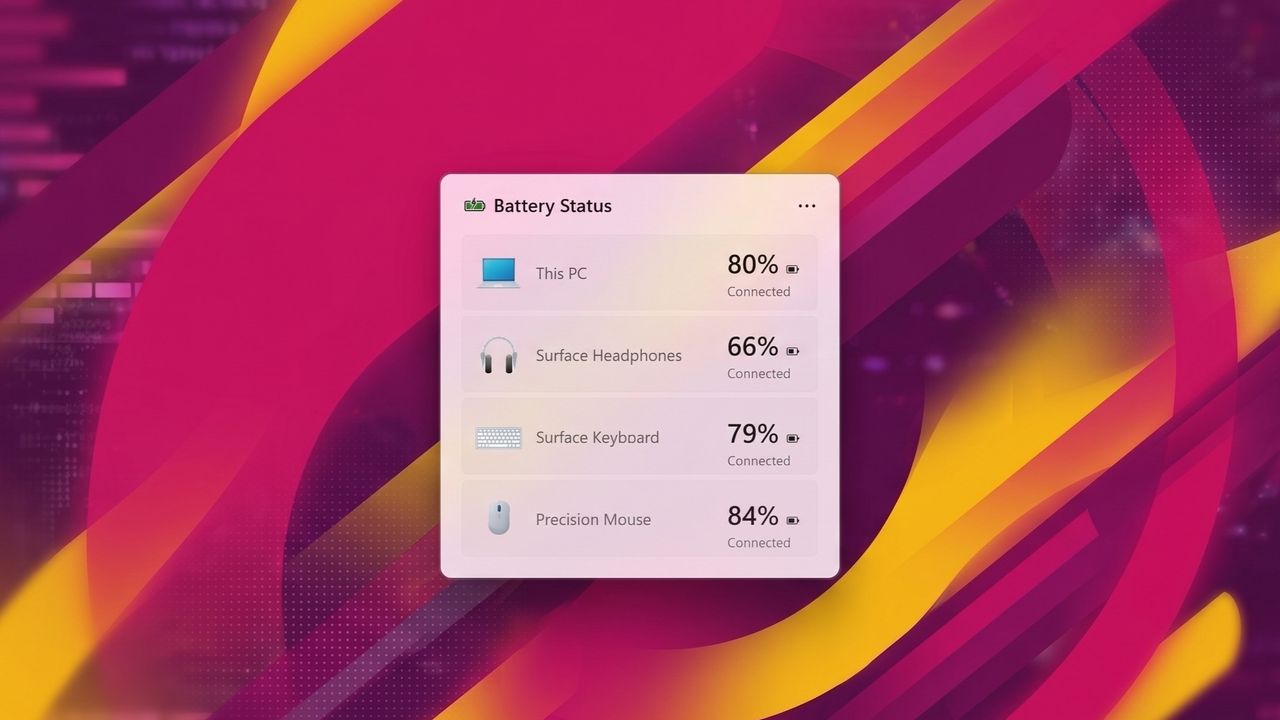
Microsoft continues on its recent push to create more widgets. These Insider builds add a Tips widget that provides guidance about Windows features. Microsoft recently announced a battery widget that's in the works as well.

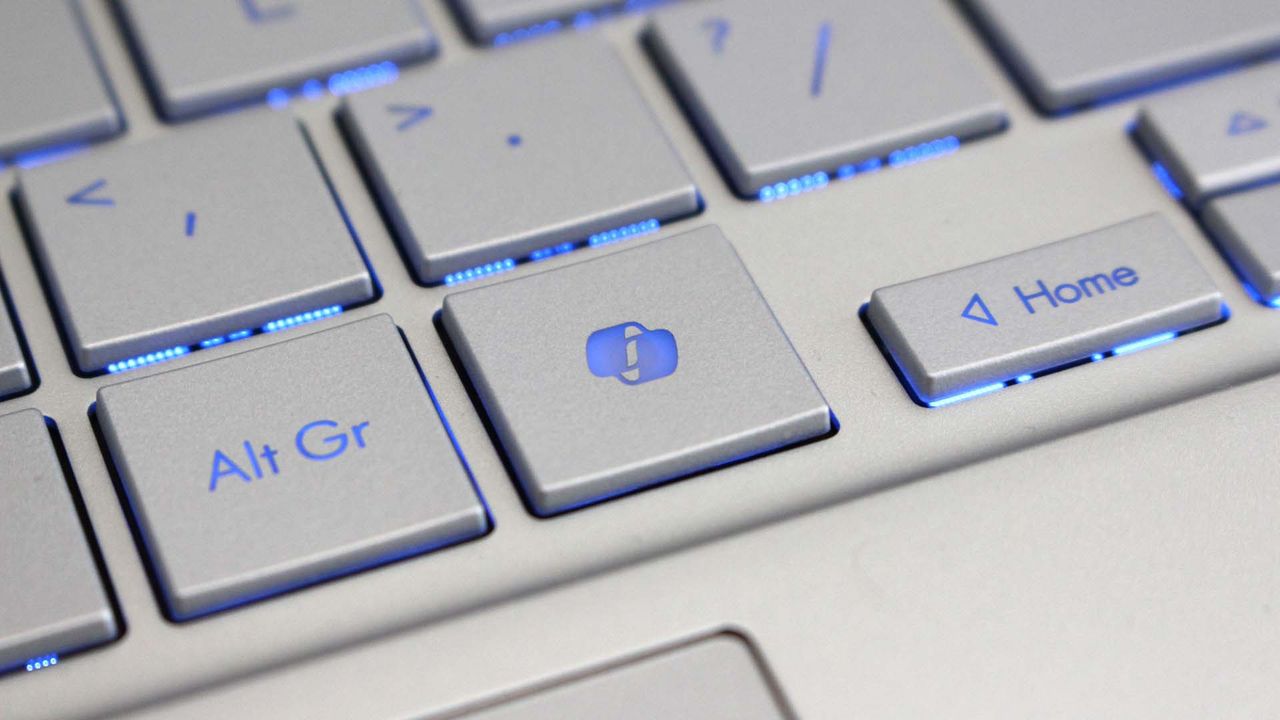
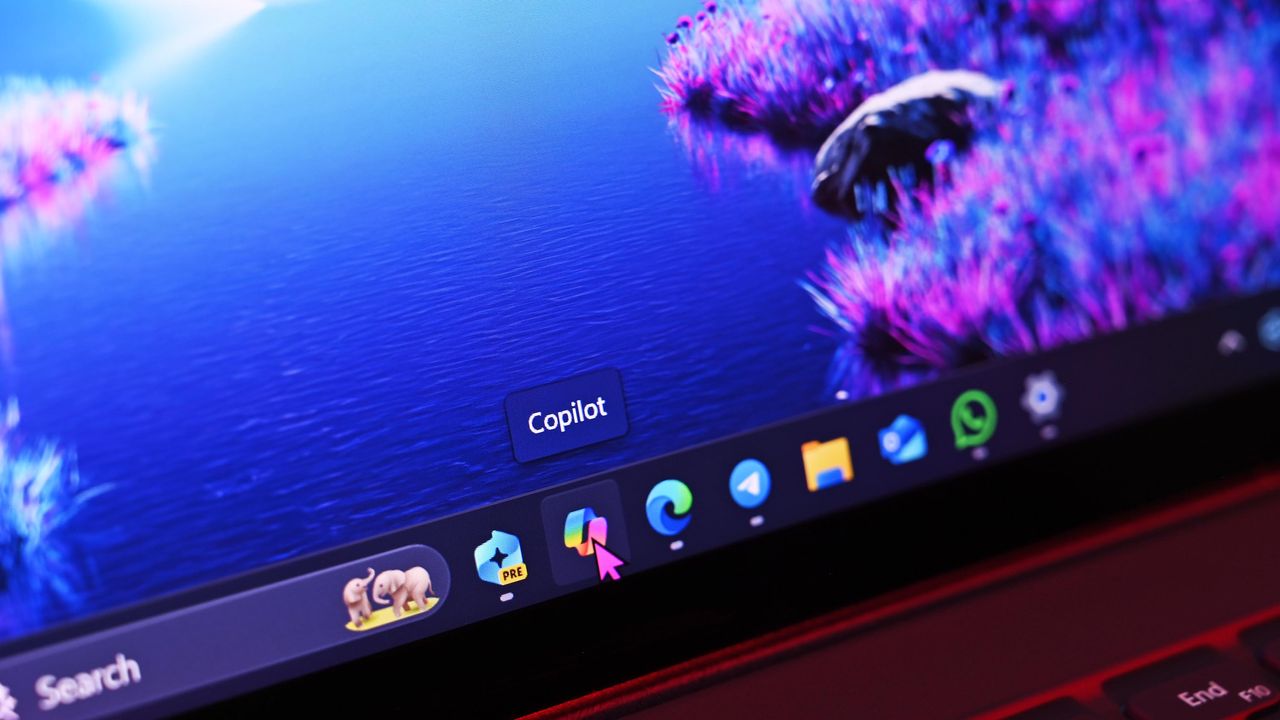
Another welcome change is the update to remap the Copilot key to function as the Right Control key or Context Menu key. Copilot already has a keyboard shortcut (Alt + Space) for those who want to use it, so having a dedicated key for a niche tool felt a bit like overkill.

Microsoft detailed the changes that are gradually rolling out.

Build 26100.9539/26200.9539

File Explorer

  • New! This update adjusts how the preview pane handles files downloaded from the web. For HTML files, a new Preview anyway button lets you acknowledge the warning and preview the file. Non-HTML files, such as PDFs, are now previewed automatically.
  • New! File Explorer Home now preserves the state of sections (expanded or collapsed), so you can pick up where you left off.
  • New! This update improves the reliability of thumbnail previews for cloud files in the Details pane. The pane has also been reorganized so file properties are easier to find and review at a glance.
  • New! This update addresses an issue that could clear the address bar contents when entering edit mode by clicking near the right side of the address bar.

Emoji

  • New! This update adds support for Emoji 17.0, including new emoji such as distorted face, fight cloud, and hairy creature. To insert them, press Windows key + Period (.) to open the emoji panel.
  • New! This update also refines the design of several existing emoji for better consistency across platforms, including saluting face, face with peeking eye, goose, lotus, and kissing cat.

Widgets

  • New! This update introduces the Tips widget, which provides short, helpful guidance about Windows features. To add it to your Widgets board, open the board, select Add widgets, and then choose Tips. To add it to your lock screen, go to Settings > Personalization > Lock screen and add Tips to your lock screen widgets.

Personalization

  • This update includes a variety of improvements to desktop background experiences:
    • This update improves the reliability of the Personalization > Background page in Settings.
    • This update adds support for using DIB image files as desktop backgrounds.
    • This update improves the reliability of desktop slideshow transitions on newly created accounts.
    • This update improves the resolution of previews when selecting a desktop background in Personalization > Background.
    • This update improves the desktop background preview display in Settings for users with portrait mode monitors.
    • This update improves the reliability of processing desktop wallpaper changes when they happen in quick succession.
    • This update adds support for using slideshow wallpapers with multiple desktops, so that it won't automatically switch you back to Picture.

Bluetooth

  • This update contains several enhancements to improve reliability and the experience when connecting to and using Bluetooth devices:
    • During voice calls, the Windows shell volume flyout now appears when adjusting the volume of a Bluetooth Classic Audio accessory using the volume controls on the accessory, providing visual feedback of the new volume level.
    • This update improves the accuracy of the connection state displayed by Windows for accessories that have disconnected from the PC.
    • This update improves the stability of the Bluetooth & devices page in Settings when managing Bluetooth and audio devices.
    • This update resolves an issue where the Bluetooth radio could be turned off, but the radio control toggle on the Bluetooth & devices page in Settings appeared on.
    • This update improves Bluetooth audio stability and compatibility.
    • This update improves microphone compatibility with certain Bluetooth Classic Audio accessories.
    • This update resolves an issue that could result in a crash (error code 0x139) while streaming Bluetooth audio.
    • This update improves reliability and performance with LE Audio accessories.
    • This update improves the reliability of shared audio.

Accessibility

  • New! This update introduces Open apps maximized, an accessibility setting that automatically maximizes app windows as they open. It removes a bit of everyday friction whether you use a screen reader or magnification, work in tablet mode, or simply prefer a consistent, full-screen workspace. To turn it on, go to Settings > Accessibility > Visual effects and turn on Open apps maximized.
  • This update improves navigation of the Bluetooth quick settings page when using keyboard input, gamepad input, or Narrator.

Magnifier

  • New! This update brings a modernized visual refresh to Magnifier on the taskbar:
    • Updated icons: Magnifier's toolbar icons align with the Windows 11 visual design, giving the tool a cleaner, more modern feel.
    • Refined spacing and padding: The padding is adjusted with consistent spacing across the toolbar for a more polished layout.
  • Views, zoom controls, keyboard shortcuts, and Read Aloud all behave exactly as they did in earlier versions.

Settings

  • This update improves the reliability of Settings when interacting with the contents of the Settings > Bluetooth & devices > Printers & scanners page.
  • This update updates Settings > Apps > Installed apps to show the version number at the top level for packaged apps, as it already does for other apps.
  • This update improves the time picker control in Settings so that it reflects your preferred time format when you switch between 12-hour and 24-hour formats. This applies in places such as setting active hours and scheduling night light.
  • This update improves the persistence of the Allow multiple apps to use camera at the same time option in Settings > Bluetooth & devices > Camera.

Touchpad

  • New! Additional gesture controls for precision touchpads are available in Settings > Bluetooth & devices > Touchpad:
    • Single-finger scrolling: Scroll vertically with one finger starting from the left or right side of the touchpad.
    • Automatic scrolling: Keep scrolling without lifting your fingers by moving them near the edge of your touchpad while scrolling.
  • Previously, gesture controls for scroll and zoom speed and accelerated scrolling were released in the July 2026 update (KB5101684).

Copilot key

  • New! This update introduces a new Windows 11 setting that lets you remap the Copilot key to function as the Right Ctrl or Context Menu key, helping preserve familiar keyboard shortcuts and accessibility workflows. For more information, see Understand updates to the Copilot key on Windows devices.

Camera Roll

  • New! This update introduces Camera Roll Backup in Settings, helping eligible users protect their photos with OneDrive. You can turn on the feature from the Settings Home or Accounts page and complete setup on your mobile phone using a QR code.1

Fonts

  • New! This update adds support for the Garay and Beria Erfe scripts to the Ebrima font, the first Microsoft font to support both. Garay was encoded in Unicode 16.0 and Beria Erfe in Unicode 17.0.
  • New! This update also refines the Adlam glyph designs in Ebrima to align with the current Unicode standard and improve consistency.

Windows Recovery Environment (WinRE)

  • New! This update enables WinRE to automatically reuse eligible Wi-Fi profiles already saved in Windows, including supported certificate-based networks. Devices can now get online automatically during recovery scenarios such as quick machine recovery or cloud rebuild, without preconfiguring Wi-Fi credentials in WinRE. This capability is on by default, and IT admins can disable it. For more information, see Windows Recovery Environment (Windows RE).
  • New! This update adds a recovery remote management plug-in for extending WinRE management capabilities for mobile device management (MDM) providers. For more information, see Recovery Remote Management Overview.

Kiosk mode

  • The Windows key + Tab keyboard shortcut is now disabled when using a restricted user experience kiosk.
  • The Windows key + A and Windows key + C keyboard shortcuts are now disabled when using single-app kiosk mode.

Windows Backup

  • PC-to-PC Migration is no longer available. This feature, introduced through a phased rollout, previously allowed you to transfer files and settings directly from your previous PC when setting up a new Windows PC. To back up and restore your files, settings, and other supported items when moving to a new PC, use Windows Backup. For more information, see Back up and restore with Windows Backup.

Click to join us on r/WindowsCentral

Join us on Reddit at r/WindowsCentral to share your insights and discuss our latest news, reviews, and more.
Microsoft speeds up Windows 11 parental approvals and expands age verification across the OS

Windows 11 now includes new family safety features that can reduce how much adult content children are exposed to or able to view. Microsoft has a pair of blog posts on the topic, one that focuses on consumer-facing features and another that covers how APIs and Microsoft accounts are used to make the Windows experience safer.

The first change Microsoft highlighted is not a new feature, but a speed boost to an existing one. Granting parental approval is now faster than before, which allows parents and guardians to quickly approve things like additional screen time, access to specific apps, and purchases.

Speed is important when it comes to family safety. Occasionally children run into blocks when trying to access content that is required for homework or that is otherwise age-appropriate. Delayed approvals leave children sitting around and can cause frustration for kids and parents.

Microsoft has also made it easier for parents to keep track of web activity, app activity, and spending. Managing family groups has been improved as well, including options that make it simpler to add or remove members.

Blank Pixel

The importance of Microsoft accounts

Some people complain about Microsoft accounts being a requirement to use certain services. Microsoft has budged a bit in this area. For example, it's now possible to sign in to Microsoft Edge with a Google account.

But managing family safety settings relies heavily on a Microsoft account, as explained by the company:

"At Microsoft, we believe safety should be easier for families to understand and easier for developers to build into experiences for children to use. On Windows, that starts with the account. Microsoft account is a trusted foundation through which Windows brings age-appropriate protections and parental choices into more of the digital experiences encountered by children and teens every day."

Setting up accounts for children is a requirement to set parental controls for individuals. Microsoft accounts also allow Windows to know if a user is a child, teen, or adult.

Microsoft has introduced a new API to extend age awareness beyond the OS and across the entire Windows ecosystem. The Windows Age APIs can verify a user's age and then send that verification to an app without sharing personal information. It's a bit like Windows Hello but for age verification.

The new Windows Age APIs are available now to Windows Insiders and should ship to all Windows users soon.

Click to join us on r/WindowsCentral

Join us on Reddit at r/WindowsCentral to share your insights and discuss our latest news, reviews, and more.

Windows 11 is finally testing automatic theme switching, a basic feature that's required a third-party app for years

Windows 11 will finally support automatic switching between dark mode and light mode. The most recent Windows Insider build that shipped to the experimental Channel shows strings for the feature, though we still lack key information about the option.

It's been possible to schedule shifts between light and dark mode on Windows 11 for a while, but it has required a third-party application. Auto Dark Mode works well and is a must-have app for Windows 11.

The ever-popular PowerToys can also handle theme switching through its "Light Switch" feature. PowerToys is made by Microsoft but it only recently added the Light Switch utility. It's also not built in to Windows 11.

While both those apps are great, some features need to be built into Windows 11. People shouldn't have to search for an app or install a multi-tool utility to automate theme switching.

The upcoming feature for Windows 11 was spotted by X user "phantomofearth." They shared some of the strings that appear in the latest build, which give us a glimpse of how the feature will work:

  • "Schedule auto mode"
  • "Mode only changes when PC is idle"
  • "This prevents the mode from changing while you're working or in meetings"
  • "Turn on location services to automatically schedule dark mode. When location services are turned off, dark mode is active from [START] to [END]."

Since there are likely many other strings about the feature, we only have a small idea of how auto mode will work. But the snippets we can see now look promising.

It appears that the feature will support shifting between modes based on your location to better match sunrise or sunset. Alternatively, you'll be able to schedule switches for specific times.

The feature also looks like it will have the option to only switch themes when your PC is idle, which should prevent a jarring change from happening in the middle of important work.

Again, this functionality is already available on Windows 11 through apps, but I'll be happy to see it ship to Windows 11. I love tinkering with apps to customize my PC, but general users shouldn't have to do that to get such a straightforward feature.

This app switches the theme of your PC at scheduled times, such as enabling dark mode after sunset. It's always been a bit odd that Windows does not have this as an option by default, but Auto Dark Mode does a great job.View Deal

Light Switch:

Microsoft PowerToys is a collection of utilities that often outshine similar tools on Windows 11. It already includes a utility that lets you schedule switches between light mode and dark mode.View Deal

Click to join us on r/WindowsCentral

Join us on Reddit at r/WindowsCentral to share your insights and discuss our latest news, reviews, and more.
Windows 11 set to gain upgraded sound settings, cross-device improvements, and new family safety features

Microsoft has just announced a set of new Windows 11 preview builds that are packing some notable improvements and changes that are now in testing with Insiders. This week's preview builds come packing an upgraded set of settings for sound and audio devices on Windows, enhanced cross device features that sync with your phone, and new family safety options.

First up, Microsoft has introduced a new design for the volume sliders that appear in the Sound Settings area of Windows Settings. The sliders now also show audio activity for when music or video is playing in the background while you configure your settings, making it easier to dial in exactly where you want your volume.

Microsoft is also porting over more Control Panel sound settings to Windows Settings, including the ability to set default devices, and the ability to allow hardware acceleration for devices that support it.

New sound settings

The new live audio activity indicator. (Image credit: Microsoft)

Here's a list of the new sound settings coming to Windows 11:

  • We've updated the design of the volume sliders in Sound Settings so that they display audio activity on the side when audio is playing.
  • If your audio device supports hardware acceleration, an option to allow hardware acceleration is now available in the Advanced section of the device's properties.
  • You can now configure exclusive mode for an audio device in the Advanced section of the device's properties, so you don't have to go to Control Panel.
  • You can now configure adaptive communication sound levels, which reduce the volume of other sounds when communications activity is detected, directly in Settings.
  • The option to set an audio device as the default sound device for communication now always appears in Properties. The option is unavailable if the device is already the default instead of being hidden.
  • We've updated the text for allowing audio devices to make it clearer.
  • We've added a new banner when mono audio is enabled to make it clear that some properties don't take effect while mono audio is active.
  • We've updated the All sound devices page:
    • You can now change default devices from this page.
    • We've adjusted the page design so that you can filter whether you're viewing input or output devices.
    • We've added toggles so that you can choose whether to hide or show disabled, disconnected, and unplugged devices.
  • We've also updated the input and output audio properties pages in Settings to include jack information for devices that need it.

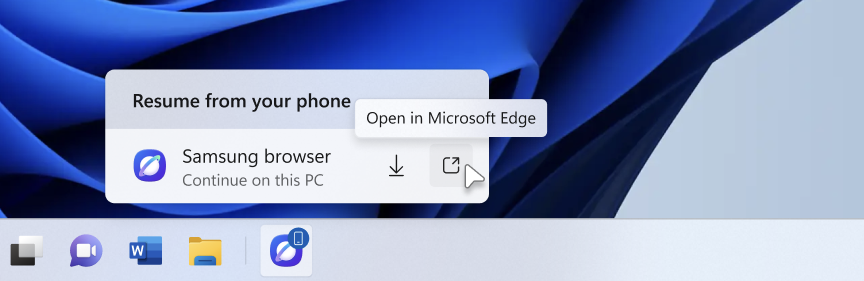
Another new feature in testing is the ability to quickly download the Windows app for a phone app that appears in the Taskbar via Phone Link. If you use the cross-device sync features that comes with Phone Link, hovering over an open app such as your phone's browser on the Taskbar will now let you quickly pick up where you left off without missing a beat.

New cross device features

Quickly resume web browsing activity from your phone from the Taskbar! (Image credit: Microsoft)

In addition to the new sound settings, Microsoft has announced major upgrades to the family safety features in Windows 11. The company says family safety is a top priority for the company, and is addressing key issues and concerns from parents.

Key areas of focus include:

  • Parental approvals for offerings like screen-time extensions, app access, and purchases now happen faster, so kids aren’t left waiting and parents stay in control.
  • We restored clear visibility into web and app activity so parents can trust what they see in their reports.
  • Made spending more transparent, with wallet balances.
  • We also gave adults in a family more control over their own experience, making it far easier to add, manage, or leave a family group 

"Each of these improvements came from a real family experience — from issues parents told us mattered most: speed, accuracy, control, transparency, and peace of mind." Microsoft Distinguished Engineer, Rob Mauceri said. "This is the compounding effect of a team that treats every piece of customer feedback as a commitment to do better."

These improvements are welcome to see, and a sign that Microsoft continues to modernize and improve Windows 11 for the masses. These improvements are part of Microsoft's ongoing Windows K2 effort, which is focused on fixing Windows 11's biggest flaws.

Click to join us on r/WindowsCentral

Join us on Reddit at r/WindowsCentral to share your insights and discuss our latest news, reviews, and more.
Patch Tuesday is here — Windows 11 is expected to set yet another record for security updates in a month

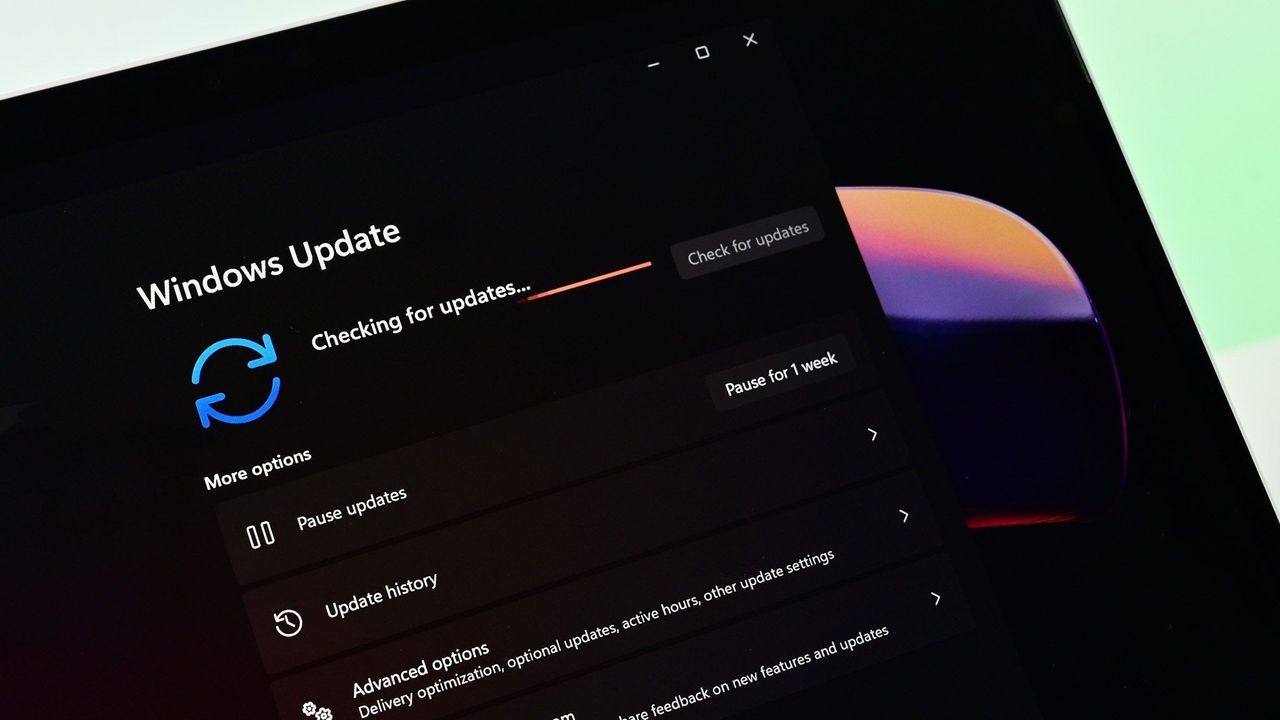
Another record-setting Patch Tuesday is here for Windows 11. The operating system has a massive number of security patches and fixes that are now available to hundreds of millions of PCs.

At the time of publication, we do not have the change log of the latest updates. You can, however, grab the most recent builds through the Microsoft Update Catalog. We will update this piece as more information becomes available.

According to The Verge, this month's Patch Tuesday update includes more than 650 security fixes just for Windows. That's a six-fold increase over what we normally saw in a usual month until recently. But advances in AI have sped up the process of discovering vulnerabilities as well as the need to patch them swiftly.

This is a breaking news story. It will be updated after Microsoft releases the change log for this month's Patch Tuesday updates.

Thanks in large part to AI, it's now common to see hundreds of security patches ship on a Patch Tuesday.

AI is a useful tool for Microsoft's engineers, but it can also be used by malicious actors. We're seeing an AI arms race for discovering and patching vulnerabilities.

In addition to helping discover vulnerabilities, AI can help malicious actors take advantage of vulnerabilities that have been discovered or disclosed. That process has been accelerated greatly by AI, putting pressure on organizations and IT admins to test security patches quickly so they can be rolled out.

Click to join us on r/WindowsCentral

Join us on Reddit at r/WindowsCentral to share your insights and discuss our latest news, reviews, and more.

What is Project Zenith? Microsoft's special Windows 11 experience for developers and hardware isn't what you think it is

Last week at IFA 2026, Microsoft announced Project Zenith, the codename of a new class of devices aimed squarely at developers looking to build apps and local AI experiences on top of Windows 11. The announcement came out of the blue, which naturally caused a bit of confusion online.

So, what is it? Well, Zenith is an effort to formalize a baseline for "developer-ready" hardware: devices that meet a minimum bar for performance and are ready out of box to begin coding and compiling. This means the configuration of Windows 11 that ships on these devices is different from normal PCs, with different default settings and pre-installed apps.

To be clear: This isn't a new or different version of Windows 11. Zenith devices will almost definitely still ship with either Windows 11 Home or Pro, depending on the OEM. It's simply how Windows 11 is configured out of box that differentiates these developer-class devices from normal Windows 11 PCs.

There's seemingly also a hardware component at play, too. Microsoft says Zenith devices must ship with at least 64GB of unified memory and be capable of 250GB/s of memory bandwidth if they want to ship with this specially preconfigured version of Windows 11 for developers. All other hardware will ship with the normal configurations of Windows 11.

In recent years, there has been an uptick in developers making the switch from Windows to Mac for a variety of reasons, including OS quality issues or lack of capable hardware in the wake of Apple Silicon. Developers have also complained that it just takes too long to set up a Windows PC for development, sometimes taking hours or even days from the first power-up.

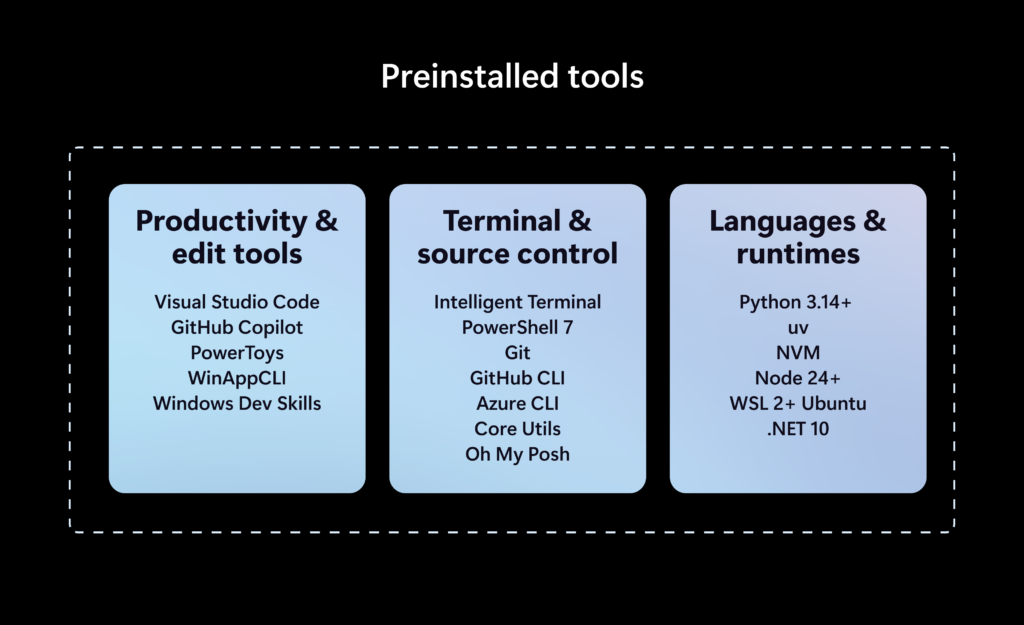
Preinstalled tools on Zenith PCs

The developer-focused apps and frameworks that come preloaded on Zenith PCs. (Image credit: Microsoft)

Zenith removes this friction. These devices are certified high-end and ship from the factory in a state that is ready to code, with apps like Visual Studio and GitHub Copilot already installed and ready to go as soon as you reach the desktop. They also ship with Windows 11 in a configuration that already dials back the annoyances that developers have complained about.

Out of box, "File Explorer shows file extensions, hidden files, the full path in the title bar, and the details pane, with long-path support enabled. Recently used files and folders and sync provider tips are turned off for a cleaner workspace. In Search and Start, Command Palette is enabled, while Start menu tips and account notifications are turned off to reduce distractions."

These are small but meaningful changes to the default Windows configuration, one that can save minutes of setup time. If you're managing a fleet of developer devices, this will save you hours of configuration time. The good news is these settings aren't unique to Zenith PCs.

If you don't fancy spending the money on a new Zenith device, you can manually configure your existing Windows 11 PC to match the configuration that comes preloaded on Zenith PCs. Of course, it'll take longer to do, but you'll save yourself the cost of a new PC in the process.

Ultimately, the goal of Zenith is to signal to developers that Microsoft is listening and wants to position Windows as the preferred platform for on-device AI and app development. The first Zenith devices to ship will be ones powered by AMD's Ryzen AI Halo chips, with other chipmakers such as the RTX Spark expected to follow.

No word on which OEMs will build Zenith hardware, or when the first Zenith devices will begin shipping just yet. We'll keep you posted when we know more!

Click to join us on r/WindowsCentral

Join us on Reddit at r/WindowsCentral to share your insights and discuss our latest news, reviews, and more.
Microsoft just stumbled onto a way to fix Windows 11, but it hasn't realized it yet

Windows Central

Windows 11 will soon be able to provide a "distraction-free" experience with less clutter... as long as you are a developer with an extremely expensive PC. Microsoft just announced Project Zenith, which feels like a mixture of marketing speak and a good idea.

Project Zenith devices will come with pre-enabled settings and pre-installed apps to reduce how much developers need to do to start working. None of the features are exclusive to those devices, however. You could just manually set Windows 11 a certain way and install apps like Visual Studio Code.

Project Zenith devices also need to have at least 64 GB of unified memory and at least 250 GB/s memory bandwidth.

But if you can already buy a PC with those specs and install apps and change settings yourself, what's the point of Project Zenith? That's a fair question, but I think there is a solid idea to build on.

Biggest News of the Week

Windows 11 Dan Lowres Iphone
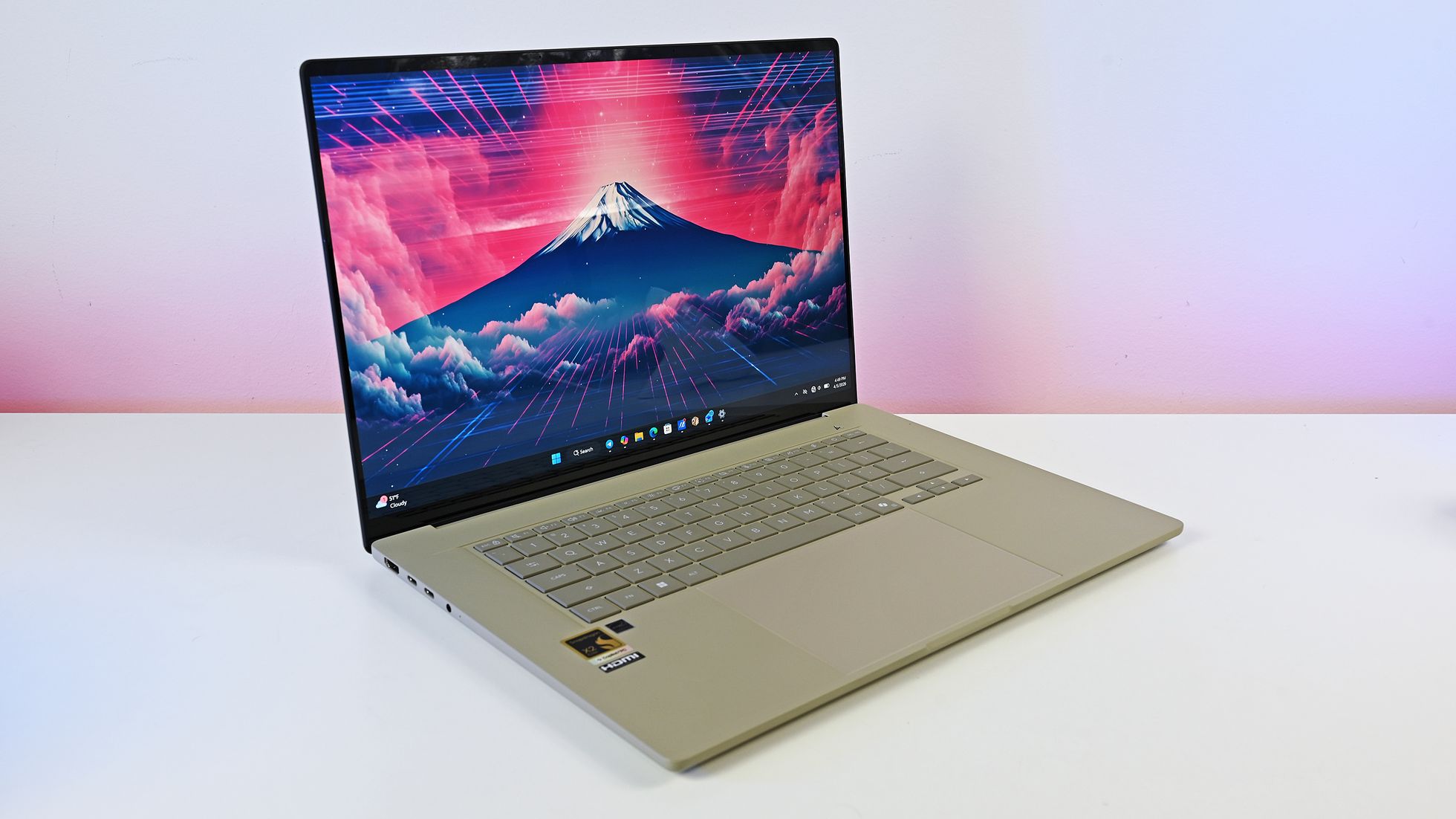
Studio photos of the 2026 ASUS Zenbook A16 laptop featuring the new Qualcomm Snapdragon X2 Elite Extreme processor.
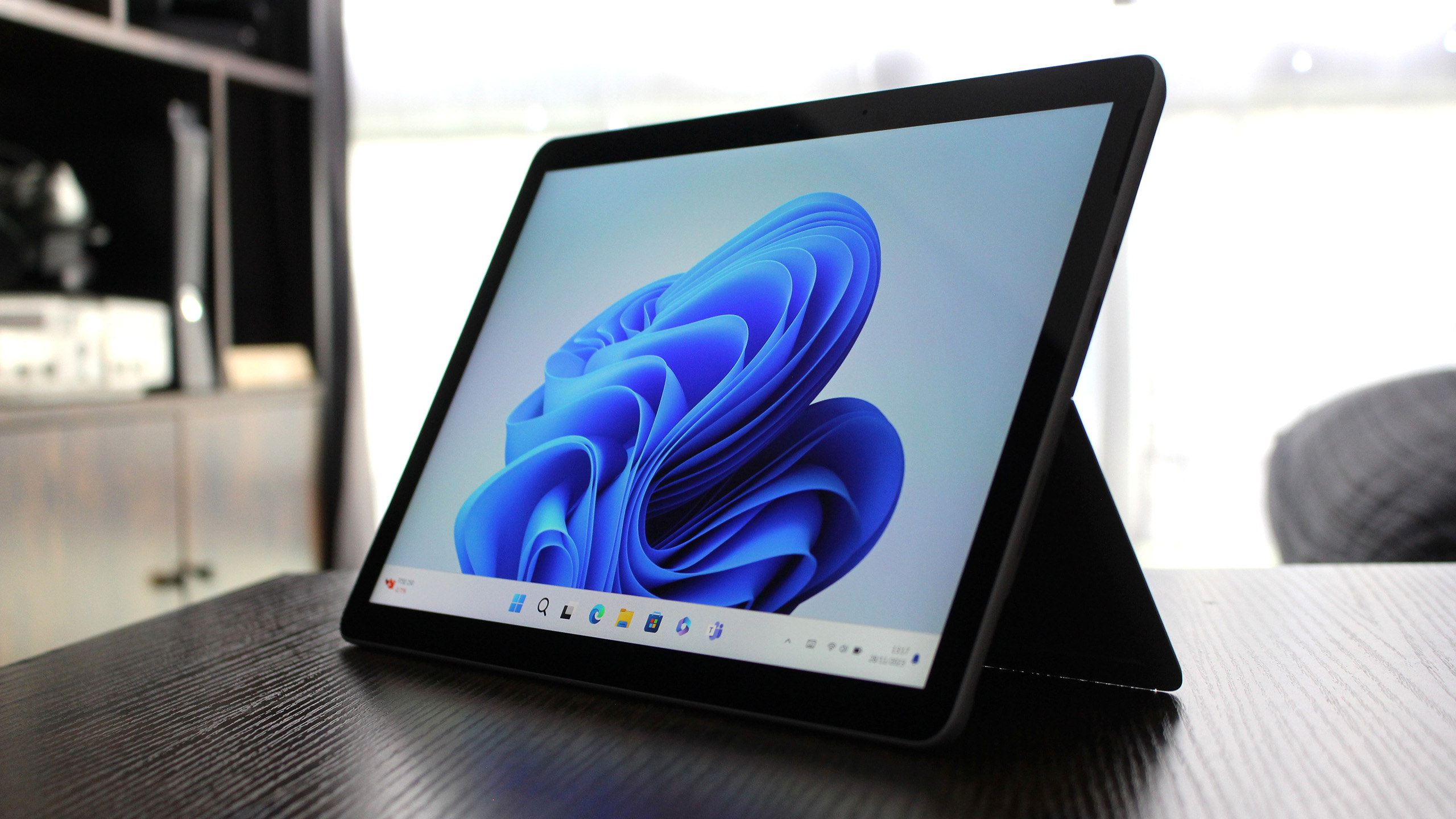
Surface Go 4 with Windows 11
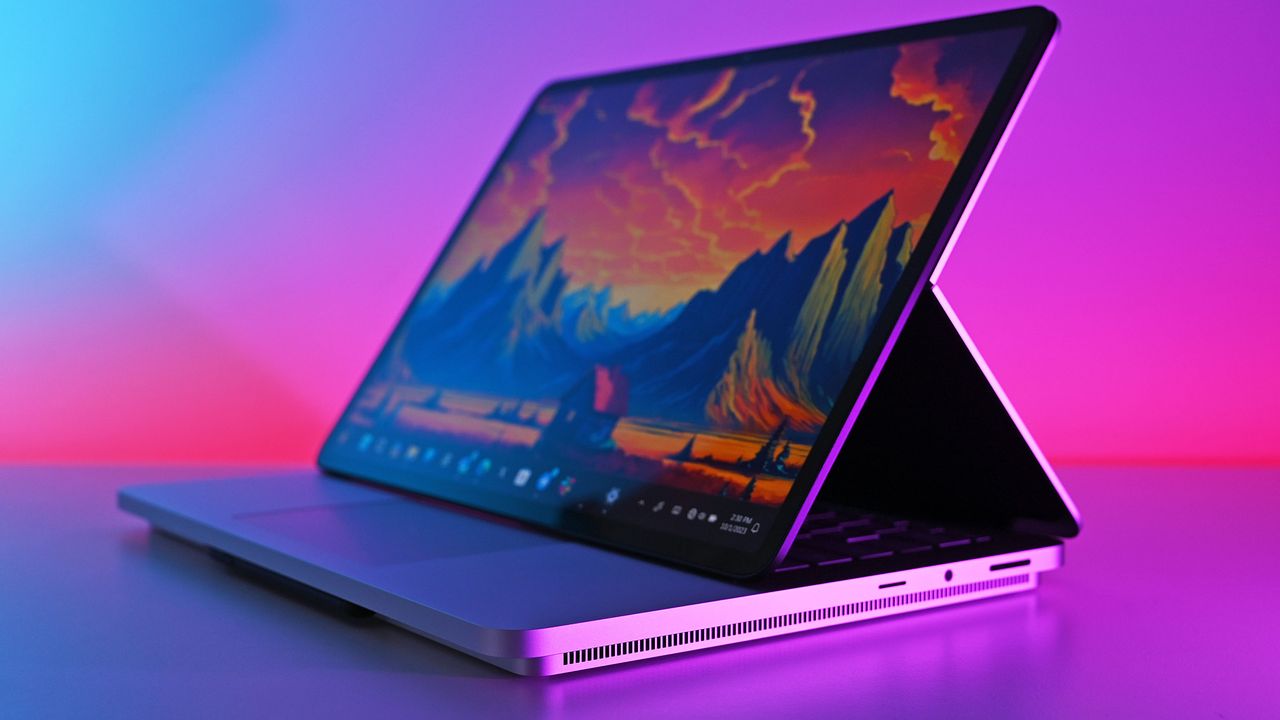
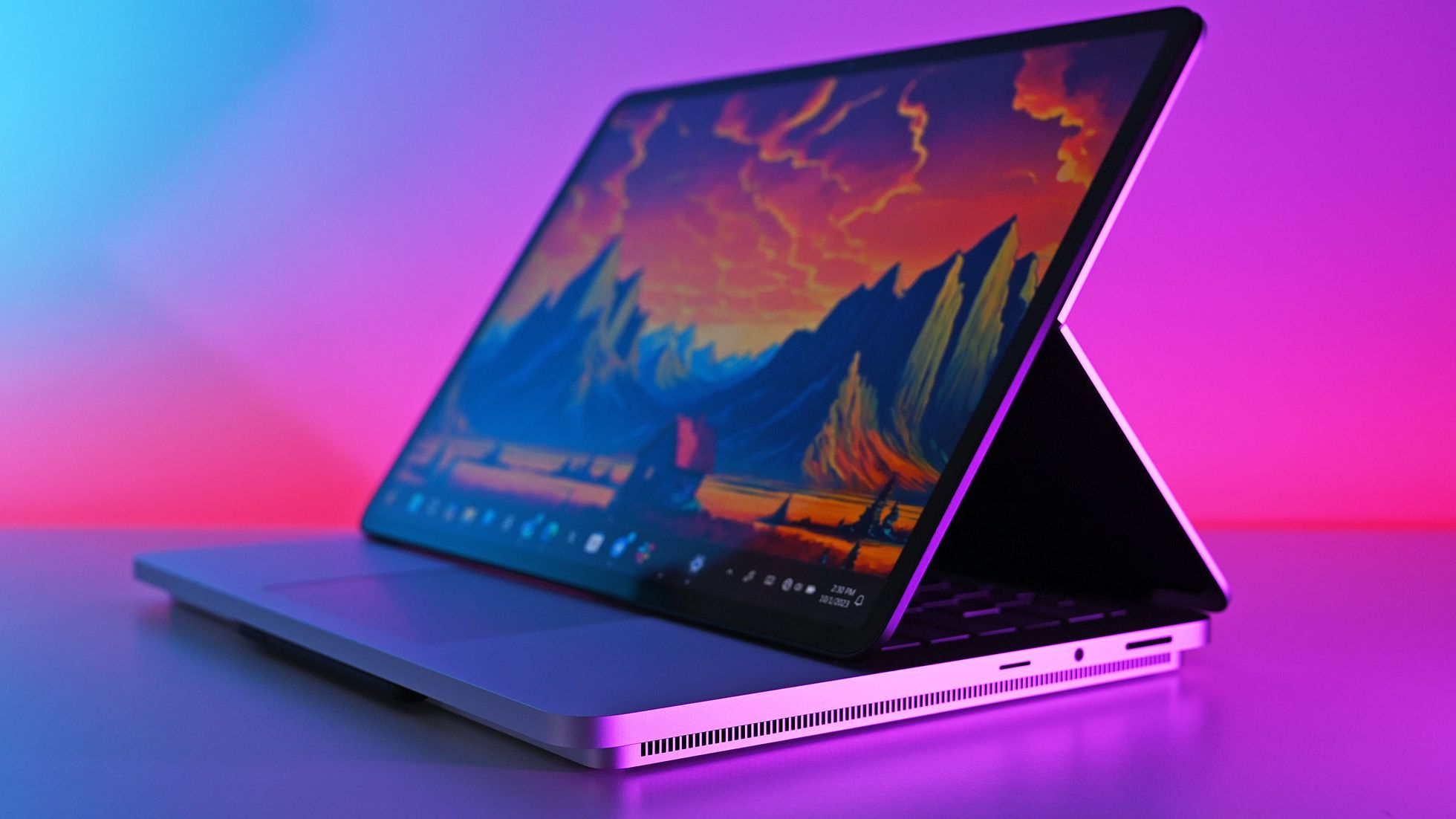
Side profile of a Microsoft Surface Laptop Studio 2 in stage mode, displaying a colorful mountain sunset desktop wallpaper against a vibrant blue and pink gradient studio background.

Windows 11 runs on over a billion devices, ranging from lightweight laptops in classrooms to powerful gaming rigs. There are different SKUs of Windows 11 already, but too many people are tossed into the standard Windows experience out of the box.

Having a configuration of Windows 11 tailored to developers is a fine idea, and I'd love to see Microsoft explore the concept further. We're seeing that a bit on the gaming side of things with Game Mode and Project Helix.

DEAL: Get Surfshark VPN 86% OFF with Windows Central 🦈

Windows 10X mock laptop dark

The Surface Pro 11 was one of many Surface devices that demonstrated what Snapdragon-powered PCs can do. (Image credit: Windows Central)

The concept of a tailored version of Windows is not new. Microsoft has toyed around with the idea several times over the years. We saw a glimmer of hope with Windows 10X, but that version of Windows never made it out of testing. Windows 10 S mode was another attempt to tweak the OS for certain users.

I'd love to see a dynamic version of Windows with entire components stripped out if they're unneeded. A glorious modern version of Windows that can easily add full legacy support with the flip of a switch. But that doesn't seem realistic.

Instead, Microsoft needs to lean into the idea of tailoring the "full fat" version of Windows 11 to different use cases. For example, a lot of people hate AI but Microsoft appears to be a big fan of it. Microsoft could have Copilot+ PCs come with AI features pre-enabled and Copilot pre-installed. The tech giant could then have a "non-AI" version of Windows 11 that has AI features disabled or not installed at all.

Alternatively, this could be done through the unboxing experience. Microsoft already asks you questions to determine how you plan to use your PC. Having different modes could make that process more impactful. But since your PC is running Windows 11, you could always enable or install what you need later.

Of course, this would require Microsoft to admit that there's a real demand for an AI-free version of Windows 11, and that users shouldn't need an EU mandate just to get a PC without ads.

Click to join us on r/WindowsCentral

Join us on Reddit at r/WindowsCentral to share your insights and discuss our latest news, reviews, and more.
Windows 11 is finally getting a battery status widget that will show an overview of all your connected devices on the lock screen or Widgets Board

It looks like Microsoft is working on a handy new widget for Windows 11 that will display the status of your device's battery, along with any wireless peripherals connected to your PC. References to such a widget were first discovered on Discord in the latest Windows 11 preview builds, though it doesn't appear to be functional just yet.

The new battery widget will be available in the Windows 11 Widget Board and will also be placeable on the Windows 11 lock screen, too. Although it's not functional just yet, strings and assets are already present in the latest builds, revealing how the widget will function and what it will actually look like.

The widget features light and dark mode themes and will show devices in a vertical list, starting with your PC battery at the top. Each device will include an icon representing the peripheral, along with the name of the device and the battery percentage. The widget will also be able to show when a device is charging, or has energy saver enabled or disabled.

Of course, other platforms have featured a battery widget of some kind of years. Both Android and iOS have battery widgets that show the battery levels of all accessories connected, and now Windows 11 is catching up with the same feature.

The new battery widget will be a nice addition to the Widgets Board, which many might argue has been kind of useless since its debut in 2021. While some apps have taken advantage of it, most apps haven't. Phone Link, OneDrive, and Weather are the only useful widgets I've found on Windows 11, and it would be nice to have some more.

In fact, more system-level widgets wouldn't go amiss. Widgets for checking on current CPU or memory usage would be a nice addition alongside the battery widget, though there's no sign that this is in the works just yet. For now, we just have the battery widget to look forward to, which I'm happy to see is in development.

Now, if only we could convince Microsoft to let us pin widgets to the Start menu or desktop. Perhaps then they'd actually get some use!

Click to join us on r/WindowsCentral

Join us on Reddit at r/WindowsCentral to share your insights and discuss our latest news, reviews, and more.
Windows 11's Project Zenith cuts clutter for developers and promises a "distraction-free" experience

A "ready-to-code distraction-free Windows experience" is on the way for developers. Microsoft just detailed how Windows 11 will be optimized for people with developer-class devices.

The idea behind Project Zenith is to save developers time by preinstalling apps and having Settings pre-enabled that are optimized for development. For example, File Explorer will show file extensions, hidden files, and the full path in the title bar.

Those options are not new, but they can take a while to set up when you also have to install a bunch of apps and tweak other settings.

We already knew about some of these experiences because of announcements made at Build 2026, but we now know a name for the project and more information about how Windows 11 will be optimized for developer-class devices.

Those devices will be able to run 30B+ parameter models locally and unmetered and use a variety of tools out of the box. Windows Terminal and Visual Studio Code are pinned to the Taskbar by default. GitHub Copilot, PowerToys, WinAppCLI, and Windows Dev Skills will also be preinstalled, according to The Verge.

Project Zenith will launch first on AMD's Ryzen AI Halo devices, but it will make its way to other systems over the coming months.

To classify as a developer-class device, a system will need at least 64 GB of unified memory and at least 250 GB/s memory bandwidth.

Blank Pixel

The best version of Windows 11

A natural response to Microsoft's blog post is to ask, "don't we all want a distraction-free Windows experience?" I don't know anyone clamoring for more distractions on their PC. But I believe Project Zenith is specific to developers for a good reason.

Many developers have a similar workflow or rely on a set of tools. What would be considered a useful preinstalled app for developers would be viewed as bloat for general users.

Similarly, the enabled settings viewed as useful by developers would make Windows 11 feel crowded for everyday computing.

A better approach would be to tailor Windows 11 to different use cases. We're starting to see that with Xbox Mode on Windows 11 and now Project Zenith for developers.

Of course, Project Zenith devices, PCs running Xbox Mode, and all other Windows 11 devices benefit from the general improvements to Windows 11, such as reducing memory usage and improving Search and File Explorer. Many of those changes can be seen in the latest major update to Windows 11.

Click to join us on r/WindowsCentral

Join us on Reddit at r/WindowsCentral to share your insights and discuss our latest news, reviews, and more.
Microsoft promises to make more Windows 11 PCs secure by default next month: Announces automatic memory integrity protection enablement on more devices

In a new blog post, Microsoft has announced that starting in October 2026, "Memory Integrity Protection" will become enabled on more eligible devices. The feature, which is already enabled by default on most modern Windows PCs, is a kernel-level security feature designed to protect PCs from "sophisticated attacks with little or no additional configuration."

"Built on Virtualization-based Security (VBS), memory integrity helps protect critical parts of Windows from tampering," Microsoft says. "It forms a foundation for modern security innovations such as hotpatch updates that improve user experience and productivity, as well as protection."

The company says that memory integrity protection will begin being enabled by default on eligible PCs starting next month, enhancing security with no additional setup required. "Windows quality updates will begin enabling memory integrity protection on eligible devices. If not already enabled, these updates will also enable VBS, helping make additional security capabilities available"

Of course, users still have control over whether they want memory integrity protection enabled. Most Windows PCs today come with it enabled by default already, but the user is able to control whether it is turned on or off. If you've already manually disabled memory integrity protection, it won't be automatically enabled next month.

"To help ensure a reliable device experience, Windows automatically evaluates readiness before enabling memory integrity."

The automatic rollout will only really apply to older PCs that never had it enabled to begin with. For those users, this will be an invisible change that makes your PC more secure. "Memory integrity helps make this possible by allowing only trusted kernel-mode code and drivers to run."

Microsoft has been working to make Windows 11 more secure while also reducing the frequency and annoyances of Windows Update. In recent months, the company has announced a complete overhaul to the Windows Update system, reducing how often it prompts users to restart to just once a month.

With features like hotpatch on commercial editions of Windows, Microsoft is now also able to update the OS on the fly without restarting the OS. While hotpatching isn't yet available on Windows 11 Home or Pro, it's something that we would love to see on consumer editions of Windows in the future too.

Click to join us on r/WindowsCentral

Join us on Reddit at r/WindowsCentral to share your insights and discuss our latest news, reviews, and more.
Dear Microsoft, where is the Surface to showcase all these improvements to Windows 11?

Windows Central

A major Windows 11 update is just around the corner. Microsoft just shipped Windows 11 version 26H2 to the Release Preview Channel and general rollout of the update starts in a few weeks.

The upcoming update to Windows 11 includes UI changes such as the ability to move the Taskbar and under-the-hood improvements. It's a more substantial change than we've seen in previous years, which begs the question, "Where is the Surface to showcase all these improvements to Windows 11?"

Microsoft appears serious about its push to improve Windows 11 and listen to feedback about the operating system. The first real wave of improvements is essentially here, so why isn't there someone on stage showing them on a Surface?

Biggest News of the Week

Windows 11 Start button
Snapdragon X Elite logo
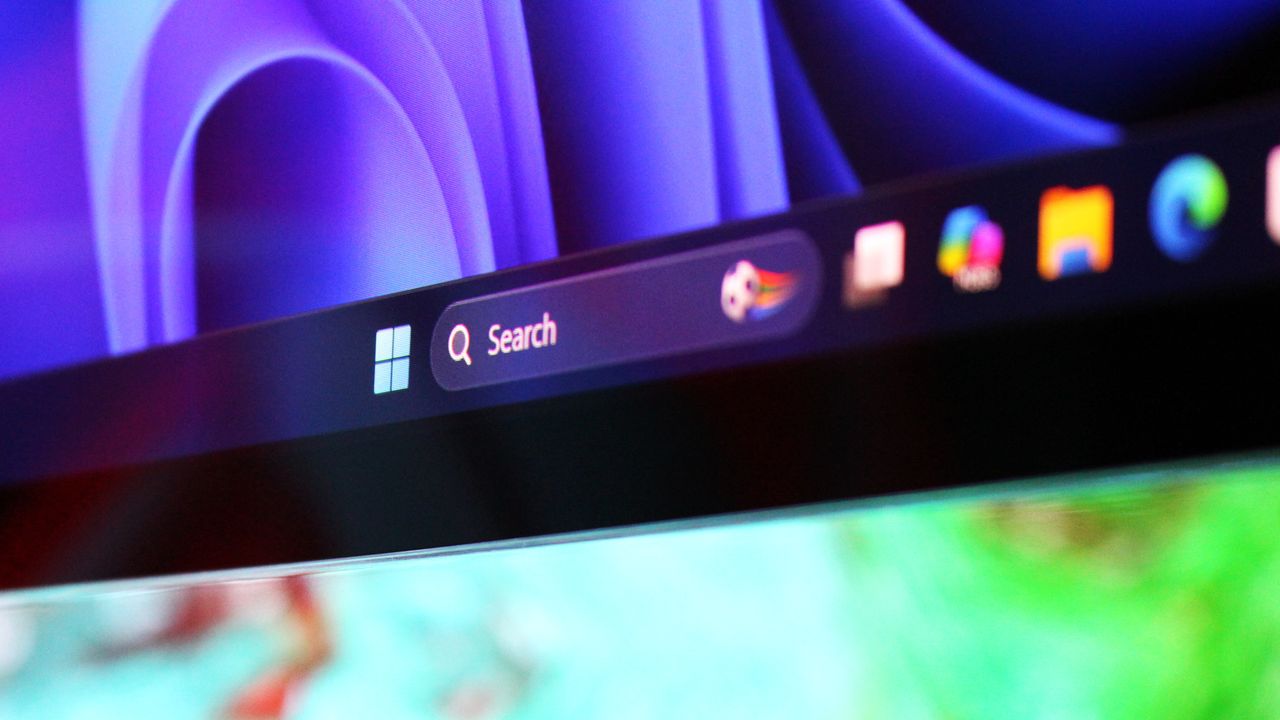
A Windows 11 desktop showing the taskbar aligned to the top of the screen with centered app icons and a search bar. The Start menu is open below the top taskbar, displaying pinned apps and category folders over a colorful pink, purple, and green gradient background.
A laptop screen displaying Windows 11, featuring the

Microsoft is a gigantic company and its teams often don’t talk to each other enough to create full unity of design. I talked about this last week in the Windows Wrap when discussing the app situation on Windows 11. While Microsoft is working to fix many of its inbox apps, it's not addressing the same inconsistencies across Microsoft 365, Teams, and other apps.

Microsoft has shuffled things around over the years, combining Surface with Windows and changing how leadership is structured. But right now it feels like Windows and Surface are distant. Microsoft does not have a unified marketing push to highlight all the changes to Windows 11. There isn’t an announced event or upcoming device that would showcase the major Windows 11 improvements that will ship to PCs in only a couple of weeks.

Surface is supposed to show the best of Windows and Microsoft will miss an opportunity unless it has an ace up its sleeve. Microsoft used to announce Surface hardware in April and October. I’d love to see Microsoft surprise us with something that showcases Windows 11.

Windows and Snapdragon

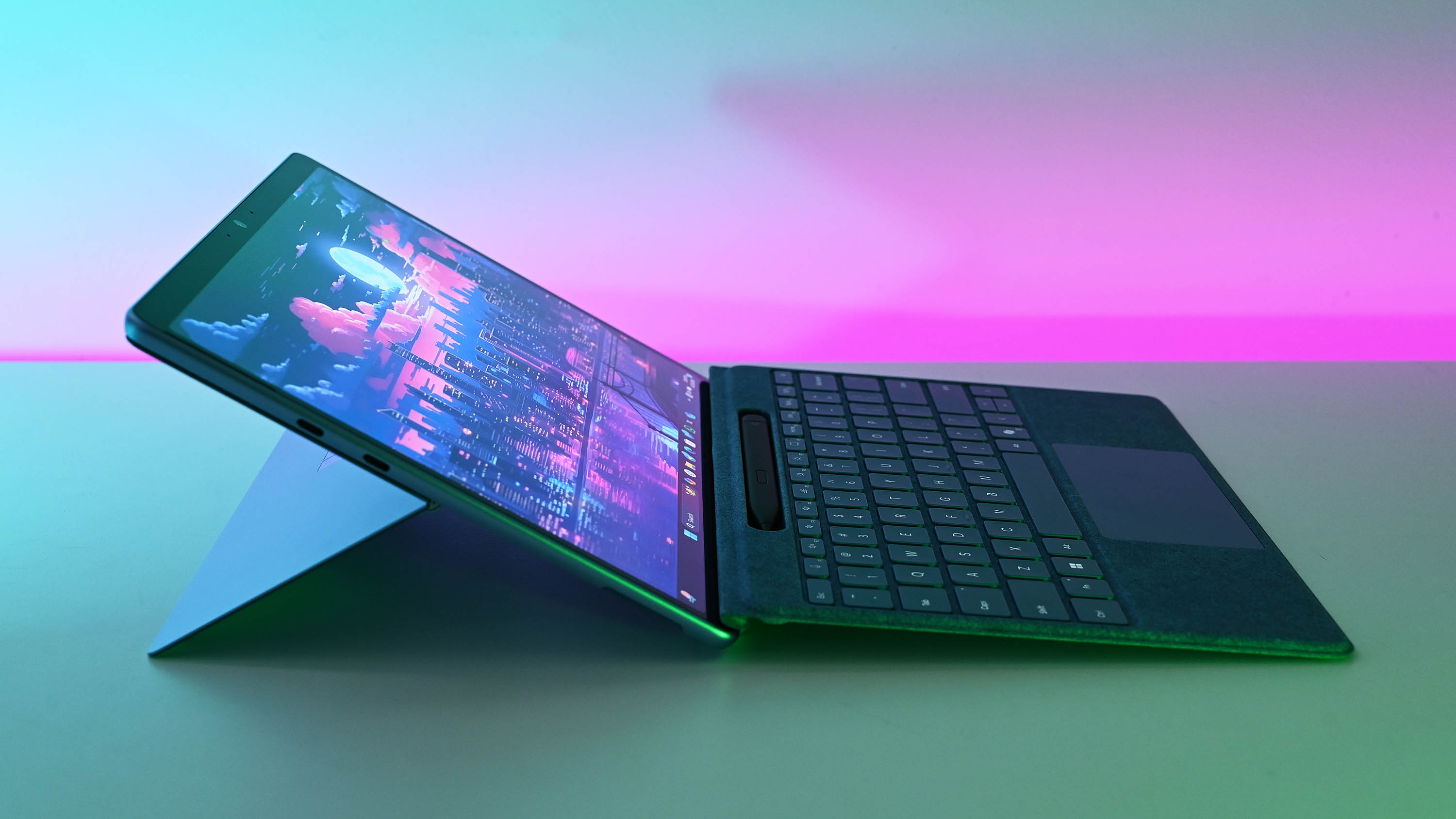
Microsoft Surface Pro 11 with Qualcomm Snapdragon X Elite

The Surface Pro 11 was one of many Surface devices that demonstrated what Snapdragon-powered PCs can do. (Image credit: Daniel Rubino)

Microsoft did a good job pairing Windows 11 and Snapdragon developments. At one point the Surface Pro X showed that a Snapdragon-powered PC can be fanless. Microsoft later shifted away from that, instead emphasizing the power efficiency and unplugged performance offered by Snapdragon PCs.

But the principal remained the same; Microsoft used it’s flagship hardware to highlight improvements to Windows 11 on Arm. Microsoft's faith in Snapdragon also pushed other PC manufacturers to make laptops powered by Qualcomm's chips. Snapdragon PCs are sold side-by-side with laptops powered by Intel or AMD chips.

Of course, it’s easier to use Windows 11 to show hardware improvements when there are concrete examples such as improve battery life or better unplugged performance. Microsoft has more of a mountain to climb when it comes to marketing the ability to move the taskbar and improved start menu. Under the hood improvements are tricky to show off.

That challenge is why I asked earlier this month if the next major Windows 11 update should be Windows 12. But that’s precisely why Microsoft needs to use Surface to highlight the improvements to Windows 11. Without a major marketing push about an OS upgrade, Microsoft needs to use its other resources to make sure shoppers know that this isn’t the same old Windows 11.

Click to join us on r/WindowsCentral

Join us on Reddit at r/WindowsCentral to share your insights and discuss our latest news, reviews, and more.
Microsoft finalizes Windows 11 version 26H2 for general availability: Next version of Windows 11 enters final preview phase before rollout begins

Microsoft has begun rolling out the next version of Windows 11 to testers in the Windows Insider Release Preview Channel, which is the very last phase of testing before general availability begins. With version 26H2 now in the Release Preview Channel, the company is signaling that this new version is just about done, and testing of the final bits can begin.

Windows 11 version 26H2 is similar to version 25H2 in scope. It's based on the same platform release as both 25H2 and 24H2 before it, which means it's not a major OS upgrade and won't be making major changes to the OS core. Instead, 26H2 serves to reset the support clock for Windows 11 users, with 26H2 offering a refreshed 24 months of support for consumers and 36 months for commercial customers.

That's good news for users who usually dismiss new versions of Windows 11 for being unstable or buggy. 26H2 shares the same core OS, feature stack, and security updates as 25H2, meaning there are no compatibility or software quality concerns to be worried about. If it works on 25H2, it'll work on 26H2 also.

"As Windows 11, version 26H2 shares the same servicing branch as Windows 11, version 25H2, the update is implemented through an enablement package (eKB). This means your device will be updated to the next version through a single restart – providing a familiar, fast, and reliable update experience."

There may be some instances where 26H2 gets new features first, but for as long as 25H2 (and 24H2) are supported, they should get the same features also. For now, version 26H2 is at feature parity with version 25H2, which is expected to receive the same Windows K2 improvements such as the more customizable Start menu and new Windows Search pane at the same time.

Now that Windows 11 version 26H2 is now in the Release Preview Channel, that typically means we're just a few weeks away from general availability beginning. Bits that are flighted to the Release Preview Channel are production-ready, and so now it's just a matter of ensuring the final bits don't have any last-minute bugs or issues.

Should everything go according to plan, I expect we'll begin hearing about version 26H2 general availability in the next few weeks. Microsoft usually aims to begin rolling out new versions of Windows 11 towards the end of September and into October, and I expect the same to happen this year.

Click to join us on r/WindowsCentral

Join us on Reddit at r/WindowsCentral to share your insights and discuss our latest news, reviews, and more.
Your phone may soon be able to shut down or restart your PC with just a couple of taps

Microsoft's Link to Windows app for Android may soon support restarting or shutting down a computer or putting a PC to sleep. Code within the app was discovered that suggests the functionality is on the way, but nothing has been confirmed by Microsoft at this time.

Windows Latest found evidence suggesting that a pairing of Link to Windows and Phone Link will soon gain greater control of your PC. It's already possible to lock your PC from your Android phone, but the code suggests support for other actions is on the way.

I occasionally forget to turn off my PC, especially since I work from home and can get distracted after my work day ends. Being able to shut down my PC remotely without having to set up a Remote Desktop would be a nice option.

The feature could also come in handy if you need to leave your PC running unattended for a while. The other day I had to download a bunch of large files and knew my PC had to run for a while. If the new Link to Windows feature had been available, I could have shut down my PC after I knew the files were downloaded.

Putting your PC to sleep through Link to Windows will work a bit differently, according to Windows Latest. A warning message discovered by the outlet states, "After it’s asleep, it will be disconnected from this device. You need to go to your PC to wake it up."

Separate warnings appear when you try to restart or shut down your PC in the middle of an update.

Microsoft continues to work on integrating the smartphone and PC experience. The tech giant expanded the connection between devices by adding a section to the Start menu on Windows 11. Microsoft is also testing several flyouts and menus that will make it easier to connect your phone and your PC.

Blank Pixel

Click to join us on r/WindowsCentral

Join us on Reddit at r/WindowsCentral to share your insights and discuss our latest news, reviews, and more.
Microsoft celebrates major progress with Windows 11 on Arm PCs, confirms Windows on Arm is now "a first-class platform for any workload" and that "customer demand is growing"

Microsoft has published a new blog post celebrating significant progress around the Windows on Arm platform over the last year. The company is excited to welcome NVIDIA to the Windows on Arm family with its RTX Spark SoC later this year, joining the Qualcomm Snapdragon X platform and solidifying the Windows on Arm platform as here to stay.

"The market is sending a clear signal: more silicon providers and more OEM partners are investing in Windows on Arm because customer demand is growing for these powerful and efficient Windows devices and experiences," says Klaus Diaconu, Partner Director at Microsoft. "In the fall of 2026, devices from Microsoft Surface, ASUS, Dell, HP, Lenovo, and MSI will be available [with RTX Spark.]"

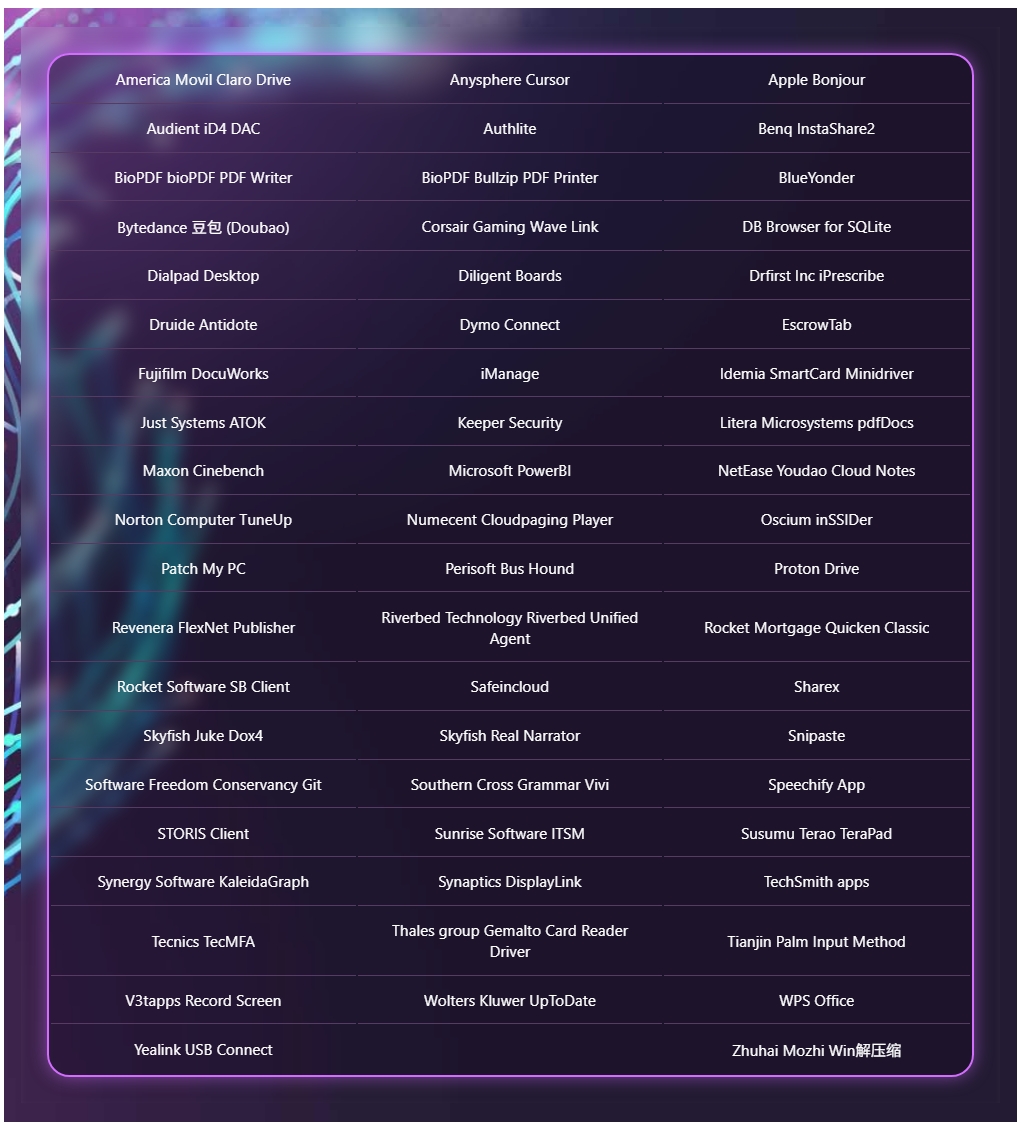
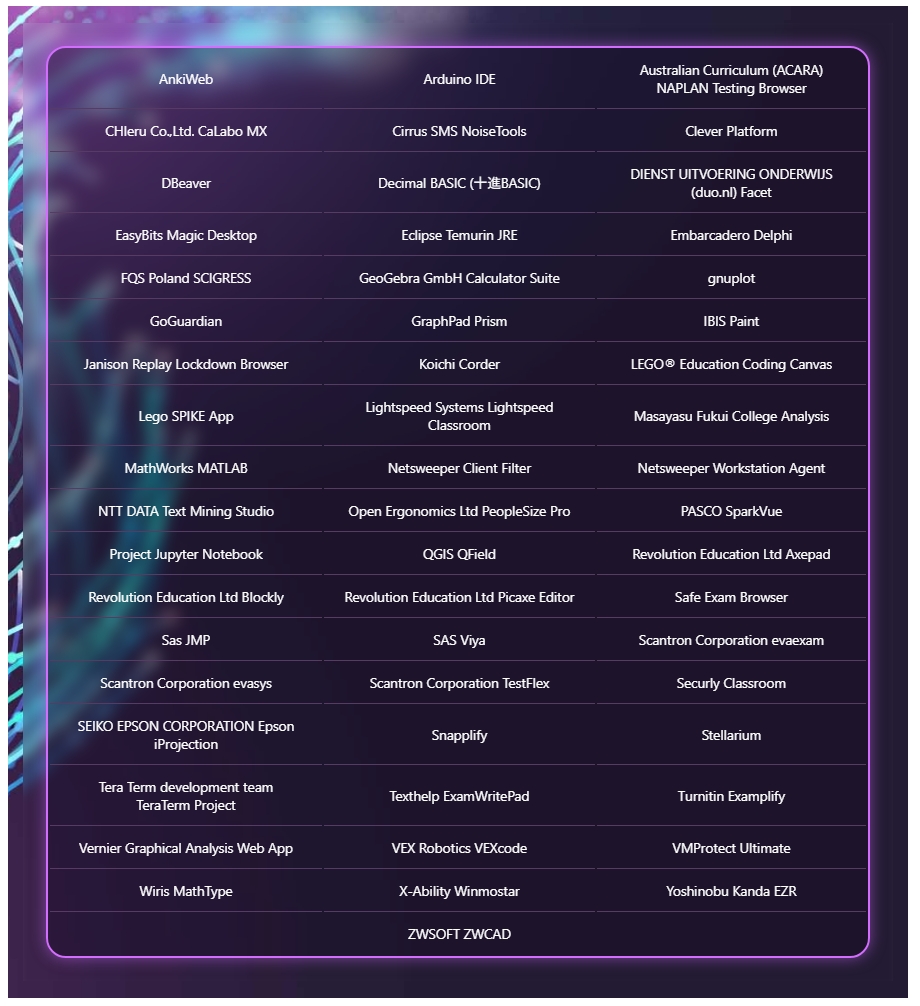
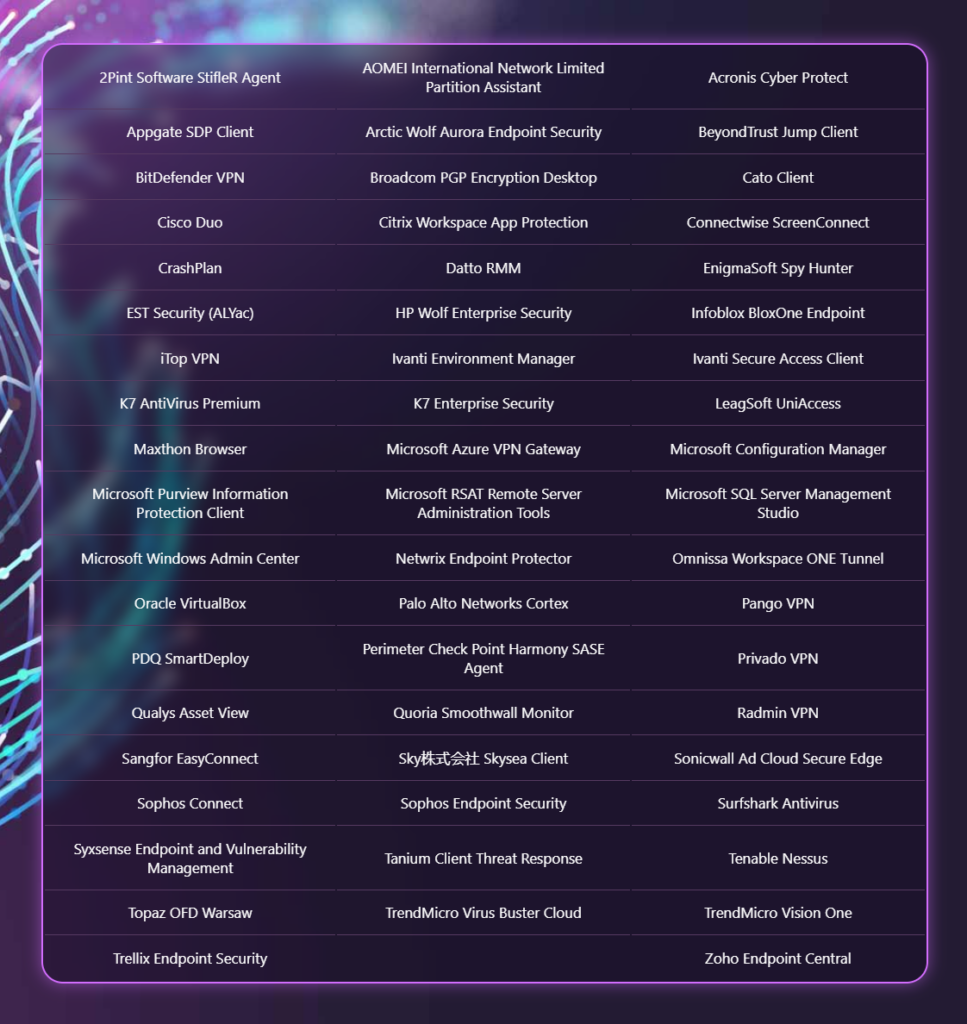
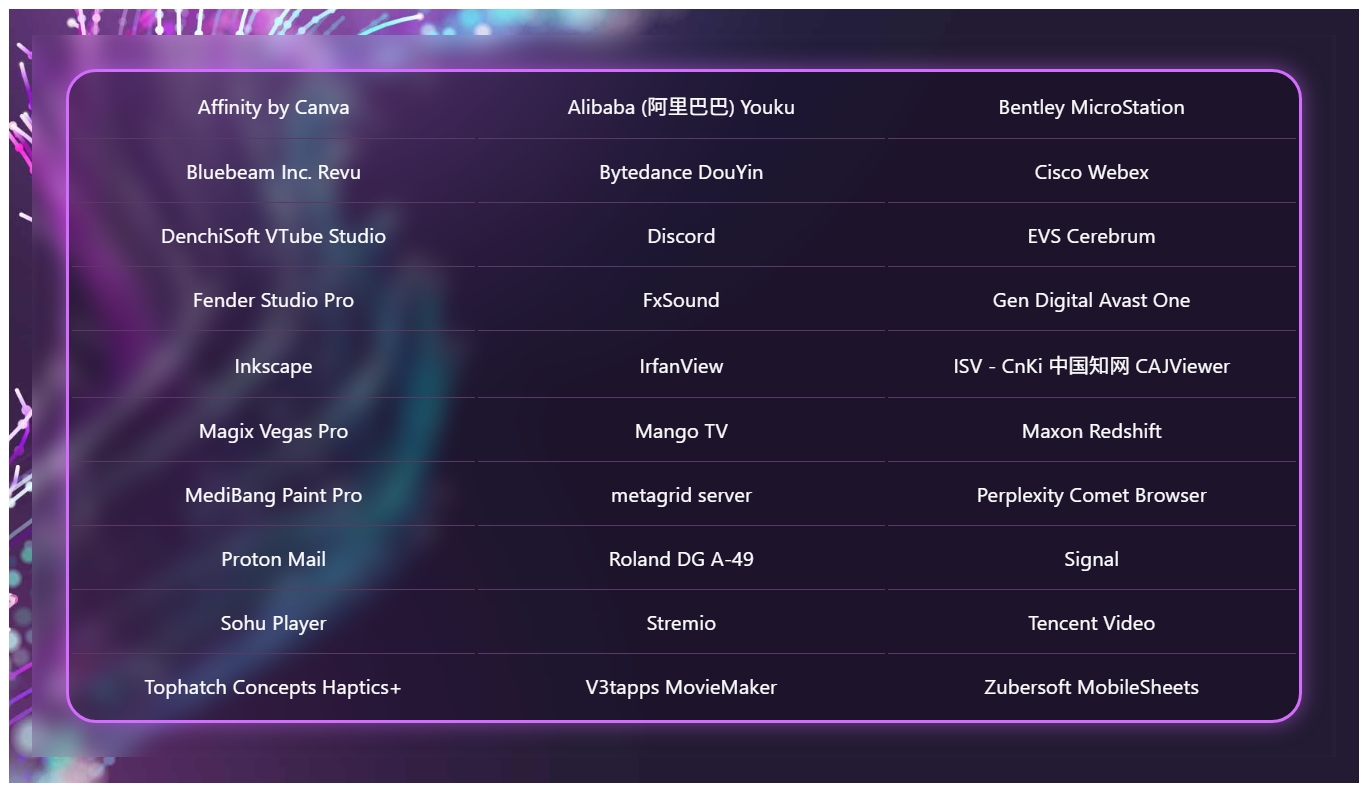
In addition to highlighting silicon and hardware makers bringing Windows on Arm to market, Microsoft is also excited to spotlight Windows apps that are now available on the Arm platform, including STEM and education apps, security apps, productivity apps, creativity apps, entertainment and media apps.

Windows on Arm compatible apps
Microsoft
Windows on Arm compatible apps
Microsoft
Windows on Arm compatible apps
Microsoft
Windows on Arm compatible apps
Microsoft

"Productivity apps remain the cornerstone of how people get work done on Windows. Whether managing projects, collaborating with teammates, organizing information, or communicating across teams, these apps are essential to our customers’ daily work. The growing list of productivity apps now available reflects both customer demand and increasing momentum from developers building with Arm as a first-class Windows platform."

Some of the highlights include apps like Sharex, Proton Mail, Signal, Discord, FxSound, and more. In fact, Microsoft says there are now over 7,000 compatible Windows on Arm apps being tracked on the "Works on WOA" website, which the company recommends as a comprehensive source for app compatibility information.

While most mainstream apps are now natively supported on Arm, there are still Windows apps that don't yet have an Arm native version. With the Windows Prism emulation layer, these apps still run on Windows on Arm, and on the latest Arm PCs they feel native thanks to improvements to performance from both the silicon and software.

"Windows on Arm is no longer defined by potential, but by a rapidly expanding ecosystem of devices with apps available across workloads that customers depend on most," Microsoft states. "As developers continue to invest in Arm-native experiences and compatibility, customers gain more choices, flexibility, and confidence in adopting the next generation of Windows devices."

Click to join us on r/WindowsCentral

Join us on Reddit at r/WindowsCentral to share your insights and discuss our latest news, reviews, and more.
Windows XP was released to manufacturing 25 years ago, preparing a launch of arguably the most iconic OS that Microsoft ever made

On August 24, 2001, Microsoft released Windows XP to manufacturing (RTM), shipping its finished product to brands (OEMs) to begin implementing it in brand-new PCs. General availability wouldn't begin until October of that same year, when most of us had the chance to try the operating system previously known as "Neptune" "Whistler" (thanks, T. Colley) for the first time.

25 years later, Windows XP's influence is still felt worldwide, even internally, as Microsoft repeatedly referenced its style in ugly holiday sweaters with its logo and, again, with a follow-up featuring its legendary "Bliss" wallpaper of rolling green hills and a blue cloudy sky. XP was the best-selling version of the operating system to date and had a cultural impact that will likely survive for decades.

Official social channels haven't thrown any specific celebrations (yet), with @Windows and @Microsoft presumably remaining quiet to treat the later October release date with more significance. Nevertheless, the impact of Windows XP can't be overstated, and enthusiasts (including myself) still feel nostalgic for the colorful OS as it becomes a relic with a quarter-century legacy.

Windows XP was my gateway to the internet, and it certainly made the PC feel like more than a simple word processor with games.

My family-owned desktop PCs started with Windows 3.1, followed by an upgrade to Windows 95 and a later migration to Windows 98 SE. I remember the fascination of seeing the likes of Program Manager being replaced with Explorer and its teal-colored default desktop, but none of it compared to the leap to Windows XP when we finally paid for an internet connection at home.

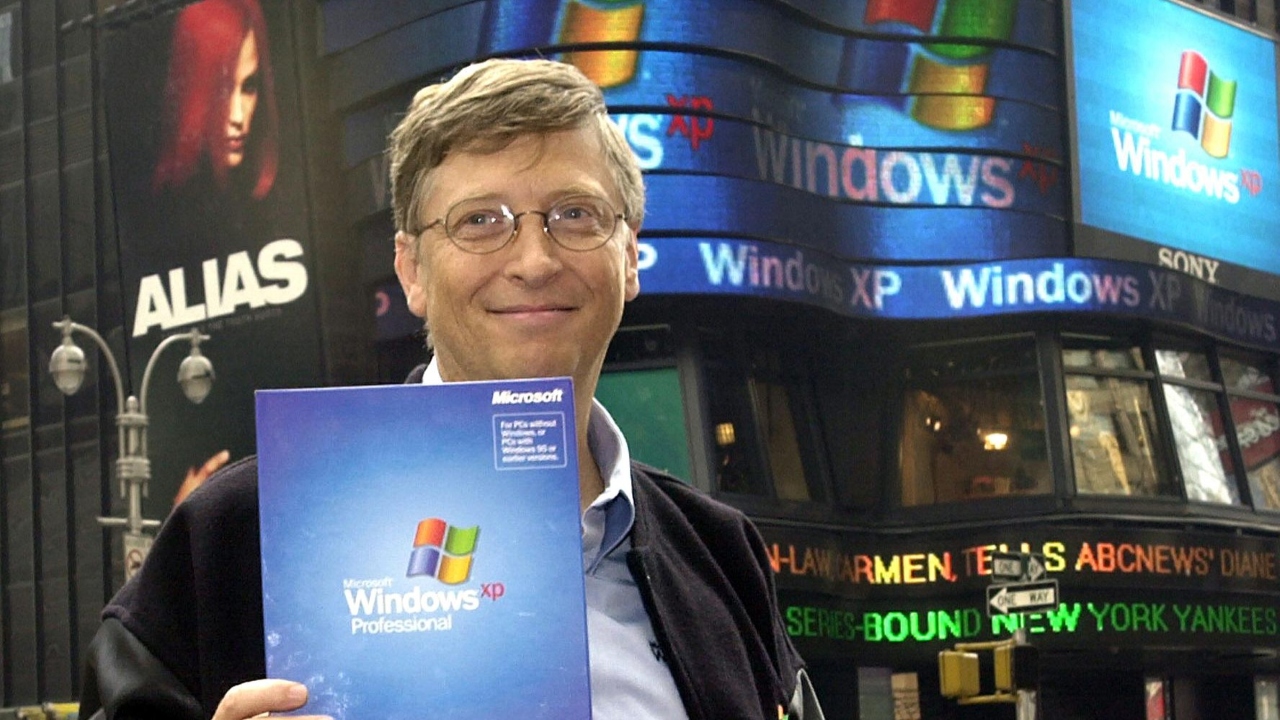
Bill Gates holding up a copy of Windows XP operating system in New York's Times Square.

Microsoft co-founder Bill Gates with Windows XP in Times Square during an undoubtedly expensive marketing campaign. (Image credit: Getty Images)

Suddenly, MSN Messenger became my most-used program as our household set up proper profiles for each family member, all customized with our own icons and themes that were even better than everything I'd seen on "Microsoft Plus!". Indeed, Windows XP was my gateway to the internet, and it certainly made the PC feel like more than a simple word processor with games.

Still, I'm fully aware of what nostalgia does to me, and my rose-tinted glasses surely make Windows XP seem so much better simply because it arrived during my most formative years. Then again, I know many feel the same way, so I'm keeping my fingers crossed that October comes with a real celebration from Microsoft, so we can collectively look back and compare notes.

For now, I'm reminiscing about grouping up for games of Counter-Strike and Unreal Tournament via mIRC, between posting in opinionated threads on phpBB forums while diving into the fascinating world of Macromedia Flash animations. It might seem outdated and overrated now, but Windows XP was special to me, and I often miss reading Encarta instead of browsing Wikipedia.

Click to join us on r/WindowsCentral

Join us on Reddit at r/WindowsCentral to share your insights and discuss our latest news, reviews, and more.
Windows 11 will soon let you control unified memory, just in time for NVIDIA RTX Spark

Windows 11 will soon let you pick how much unified memory is reserved for graphics and AI. The feature is hidden in a recent Windows Insider build (29648) and was discovered by X user @XenoPanther.

Unified memory is high-bandwidth memory that can be shared between a CPU, GPU, and other processors. Traditionally, PCs with discrete graphics cards have dedicated VRAM (video memory) that lives separately from other memory.

Unified memory is still relatively new to PCs. The upcoming NVIDIA RTX Spark lets you use up to 128GB of unified RAM. AMD's Ryzen AI Max already features unified RAM.

Apple popularized the concept of unified memory with its M-Series chips, though the technology is not exclusive to Apple.

If the unified memory feature in testing rolls out, Windows 11 will have a key differentiator from macOS.

Here is how the Unified Memory settings will appear (Under System > Advanced) https://t.co/eN8Gs0BYKs pic.twitter.com/2OpiBrWspZAugust 21, 2026

Microsoft's new feature lets Windows 11 users "reserve additional unified memory for graphics and AI intensive games and applications." The setting would help ensure smooth performance for certain types of workloads that require a lot of memory.

Normally, Windows manages shared memory dynamically, shifting resources back and forth as apps demand them. That approach works fine for general multitasking, but it runs into problems with heavy workloads like local AI inference or 3D gaming.

When memory is shared like that, background OS tasks and apps can contend for the same pool of RAM. That competition can cause latency spikes, frame drops, or total out-of-memory crashes when you're trying to run something demanding.

By letting users reserve memory, workloads with high demands for graphics and AI have uninterrupted access to high-speed memory.

The feature is not finished and has not been announced by Microsoft, so it requires some extra work to see. You can force it to appear using ViveTool.

I'd recommend waiting until the feature enters testing or even ships to general users before using it. In most cases, it's worth letting Microsoft work out any issues and polish the experience rather than use a hidden feature.

Blank Pixel

Click to join us on r/WindowsCentral

Join us on Reddit at r/WindowsCentral to share your insights and discuss our latest news, reviews, and more.
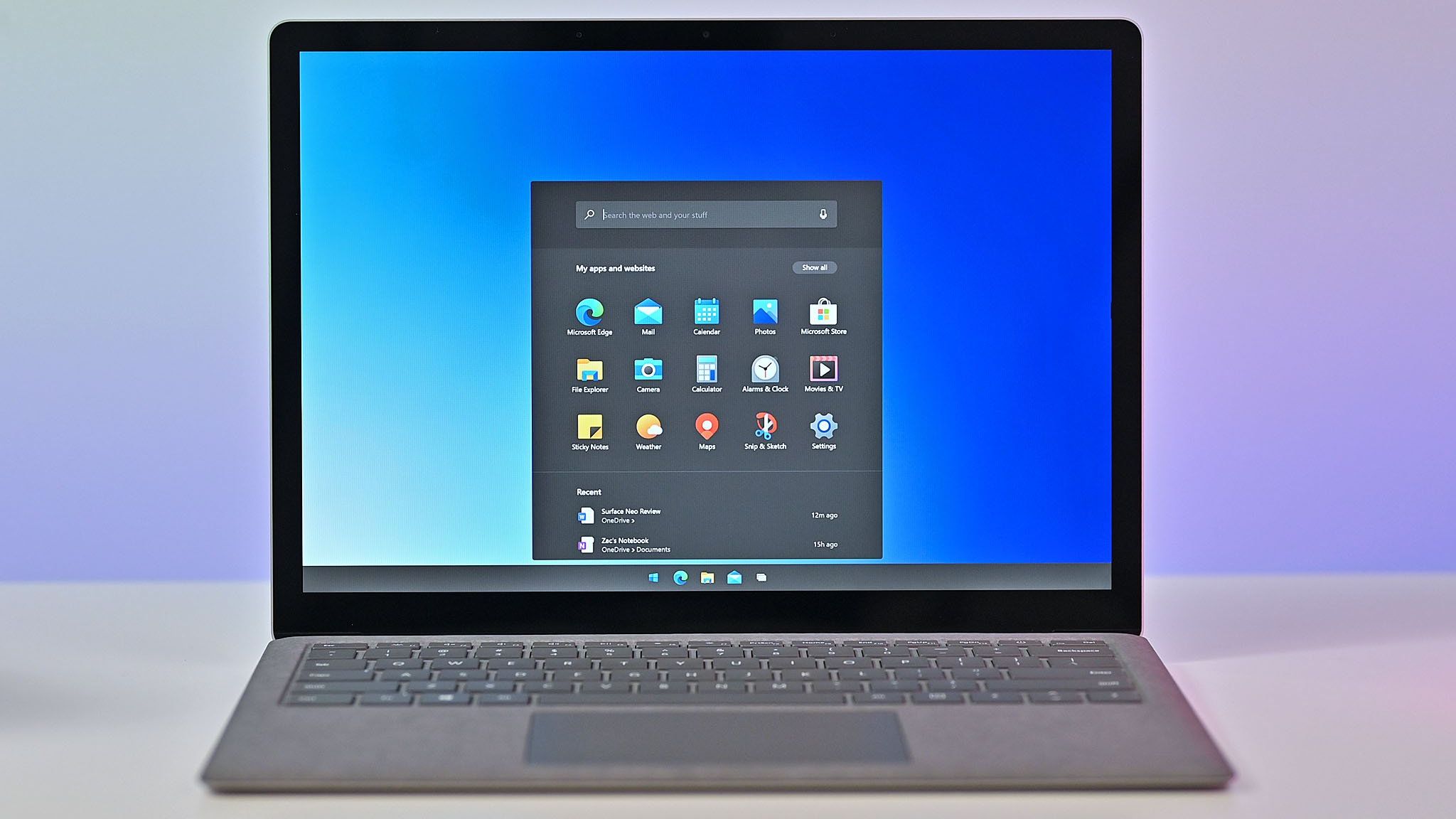
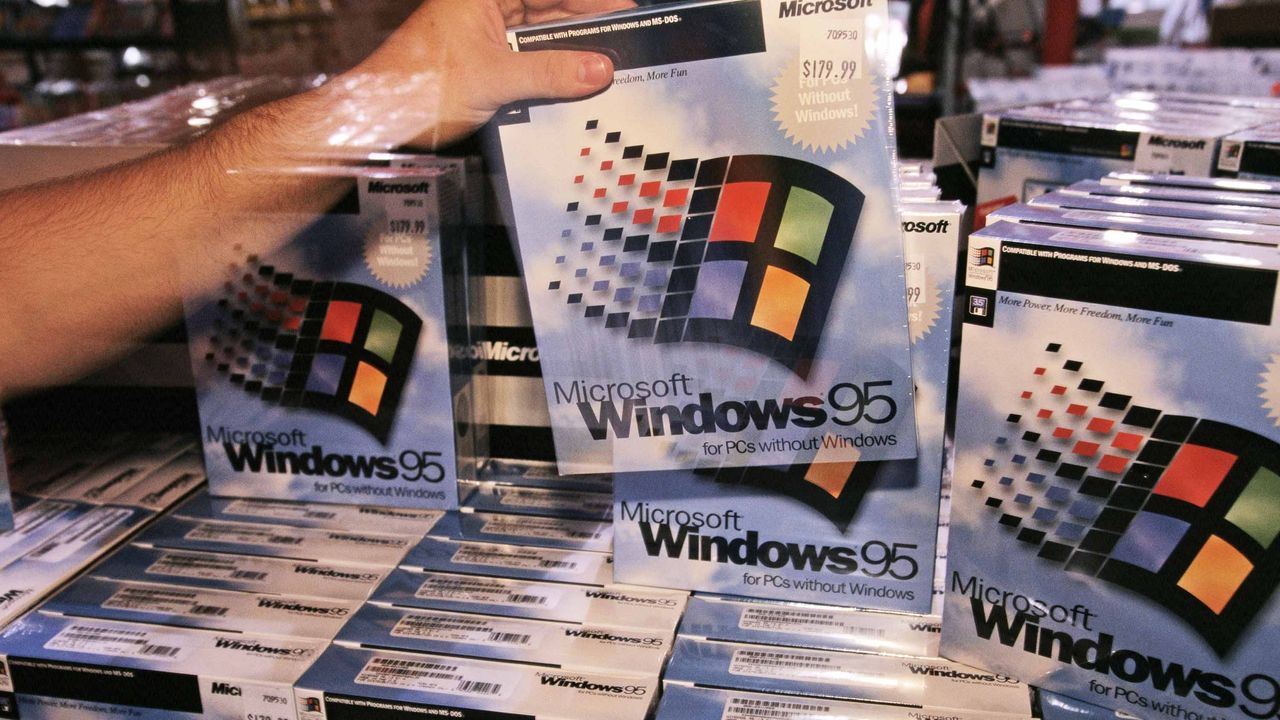
Windows 95's redesign is still the most profound 31 years later — I take a look at what survived more than three decades of hardware evolution

Believe it or not, there was a time when people lined up outside of actual stores to buy the latest version of Windows. Such was the case on August 24, 1995, when Microsoft officially launched Windows 95.

Yes, I find it hard to believe, but it's been 31 years since Microsoft made what is arguably the biggest change ever to its operating system. I didn't line up outside of Best Buy to secure my copy, but I do remember some of the hype ahead of the launch.

Stars of the hit TV show Friends, Jennifer Aniston and Matthew Perry, were tapped to create an hour-long Windows 95 video guide in which they answered questions and highlighted new features. It's ... quite a watch.

At the launch event, Jay Leno helped CEO/Chairman Bill Gates and company demo the software onstage as camera flashes erupted throughout the room.

And who can forget the classic Windows 95 launch sizzler featuring Start Me Up by The Rolling Stones?

Compared to the hesitant Windows launches of today — countless millions of people are still using Windows 10 today despite Windows 11 being on the market since 2021 — the launch of Windows 95 was a huge deal.

It wasn't just hype for no reason, either. The jump from Windows 3.1 to Windows 95 was massive, and a lot of its appeal rested in the bottom-left corner of the screen.

Windows introduces the Start button, and PCs are never the same

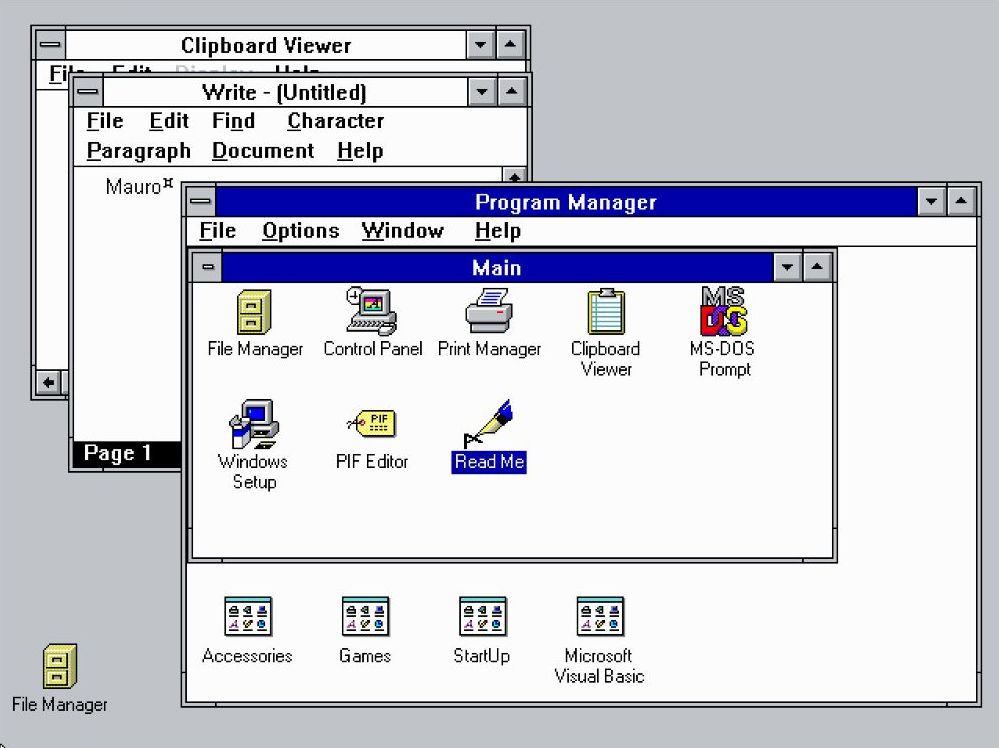
Windows 3.1 Program Manager

The old Windows 3.1 Program Manager in all of its glory. (Image credit: Mauro Huculak)

For many modern Windows users, the Start button has always been a staple of the OS. But before Windows 95, everything looked a lot different. You can probably see why Start Me Up was used as a promo song.

Windows 3.1 used a full-screen Program Manager tool to keep apps sorted. It involved nested windows containing icons, and you can see some of the inspiration for the eventual Start menu here.

However, Program Manager left users without any sort of unified system control dashboard or taskbar. Those comfortable with Windows 3.1 put up with it (what else was there?), but it wasn't exactly easy for an average person to sit down and start computing.

Windows 95 modernized the UI, making it a lot easier to use in the process.

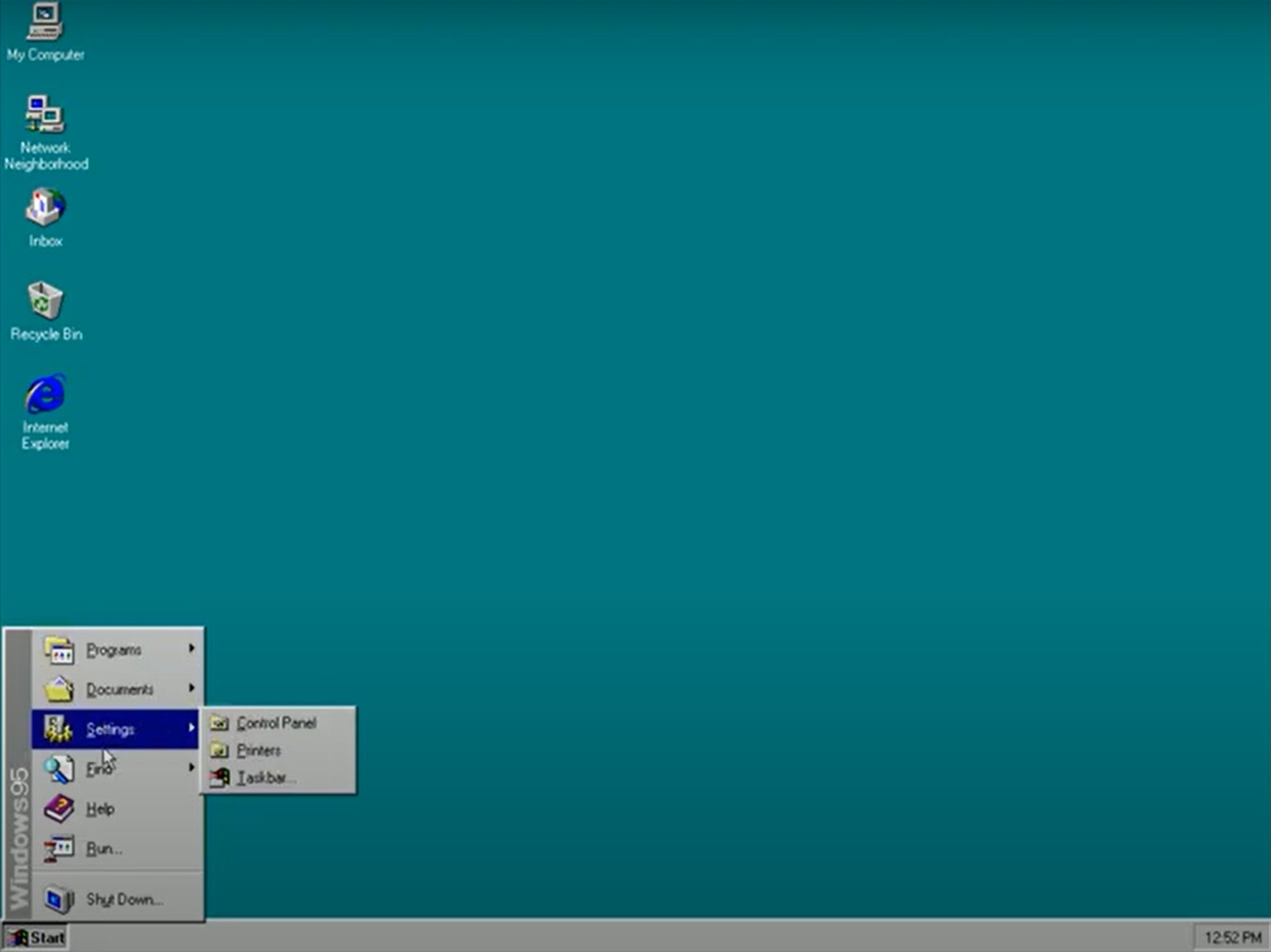
Windows 95

All hail the Windows 95 Start button, which has stuck with us for 31 years. (Image credit: Future)

The Start menu was suddenly the aptly named first place to click when you booted your Windows 95 PC. It contained quick shortcuts to installed software and stored files, a trove of settings, and a Shut Down option.

Attached to the Start button and sitting across the bottom of the screen was a taskbar, which could keep track of which apps you'd opened and made it easy to swap between them. Windows 95 received the first instance of the Recycle Bin tool, making file deletion reversible.

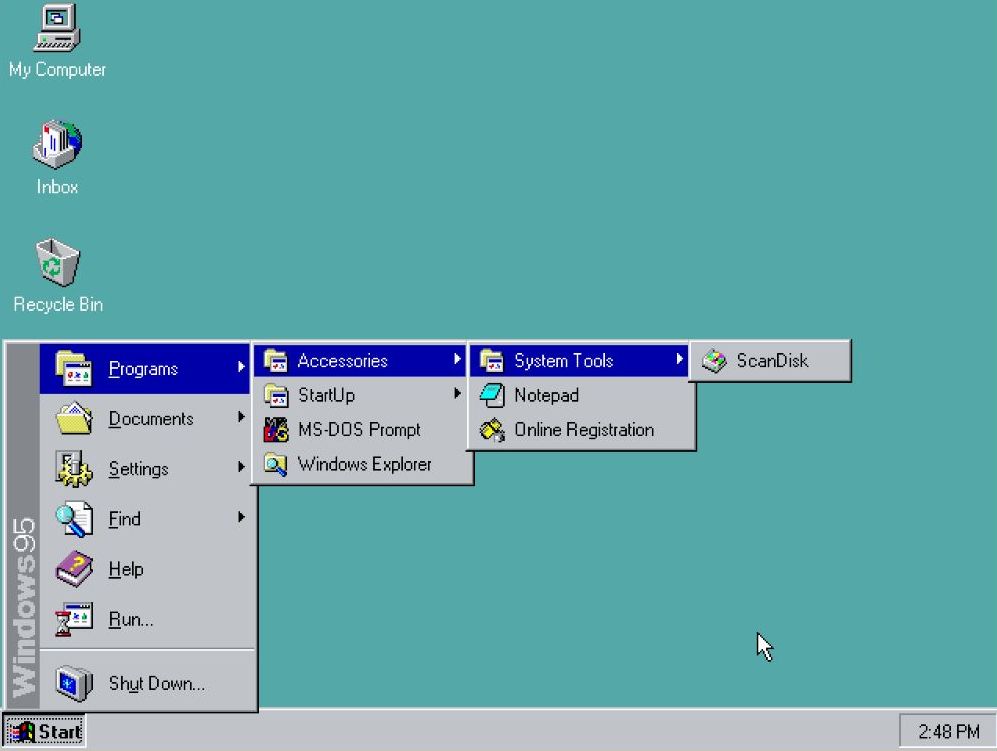
Windows 95 Start menu

Everything you need was easily accessible through Windows 95's Start menu. (Image credit: Mauro Huculak)

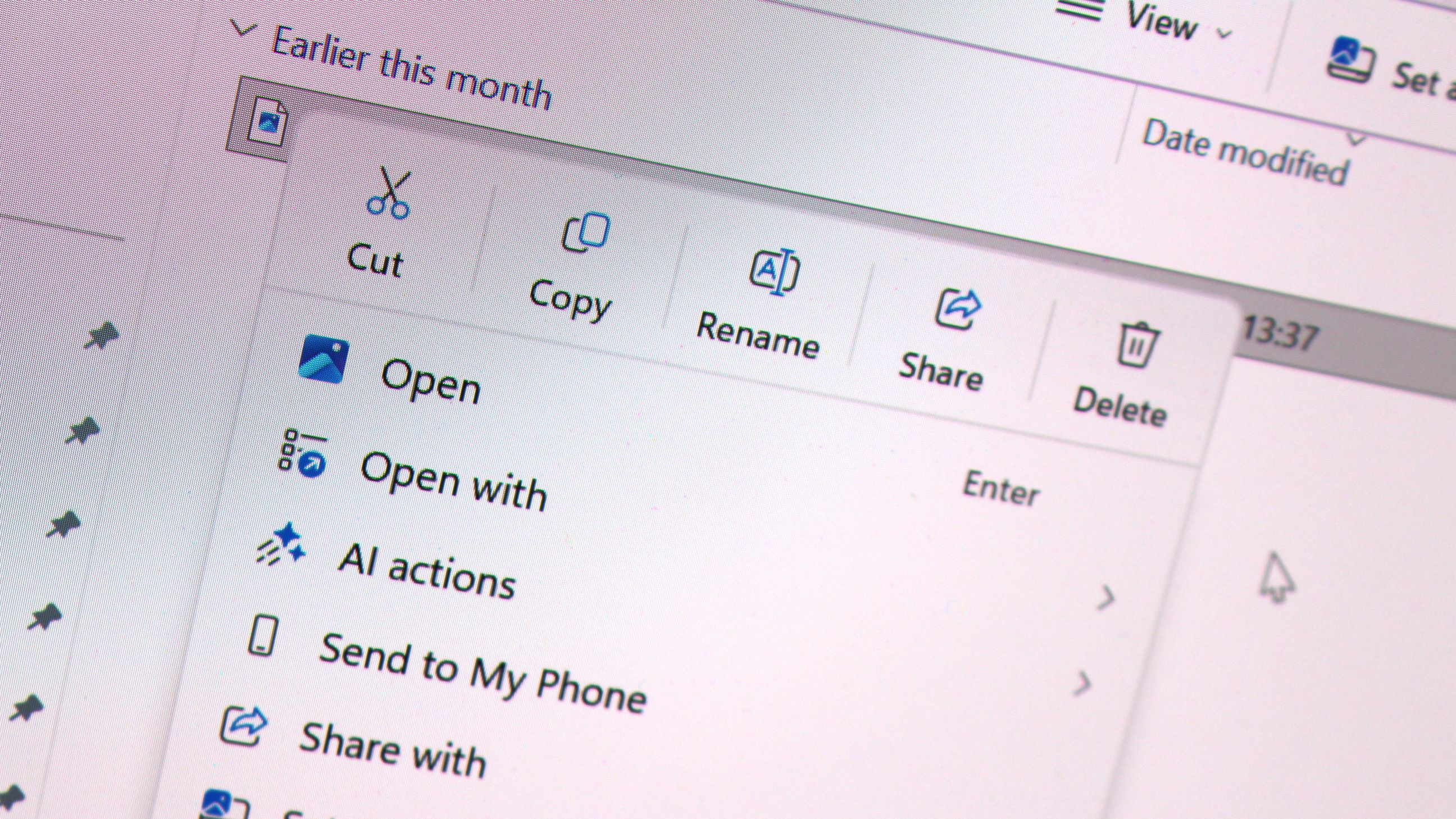
The addition of right-click context menus was massive, as users no longer had to hunt through menus. They could just right-click to pull up options.

Windows Explorer as we (mostly) know it today was also introduced in Windows 95. It replaced Windows 3.1's File Manager tool and organized files into much more comprehensive categories.

Microsoft didn't exactly invent any of these ideas, but it did group them all together into one package. The new interface proved to be a hit, and you can still see the DNA of Windows 95 every time you boot up Windows 11.

The lasting legacy of Windows 95 ... 31 years later

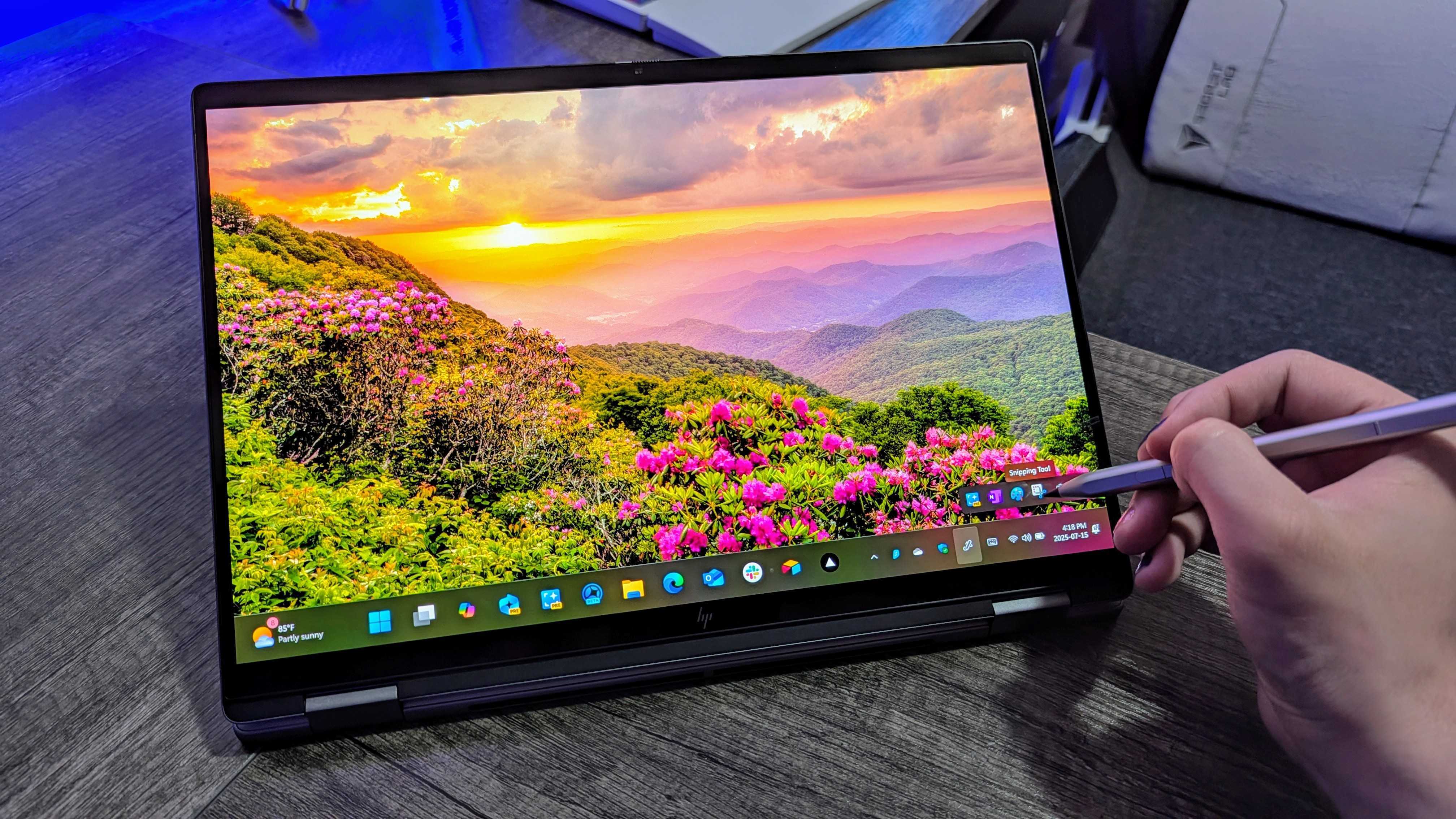
A person using a stylus on a HP OmniBook X Flip 14 (2025) laptop displaying a vibrant sunset over a mountain landscape with blooming pink flowers, creating a serene atmosphere.

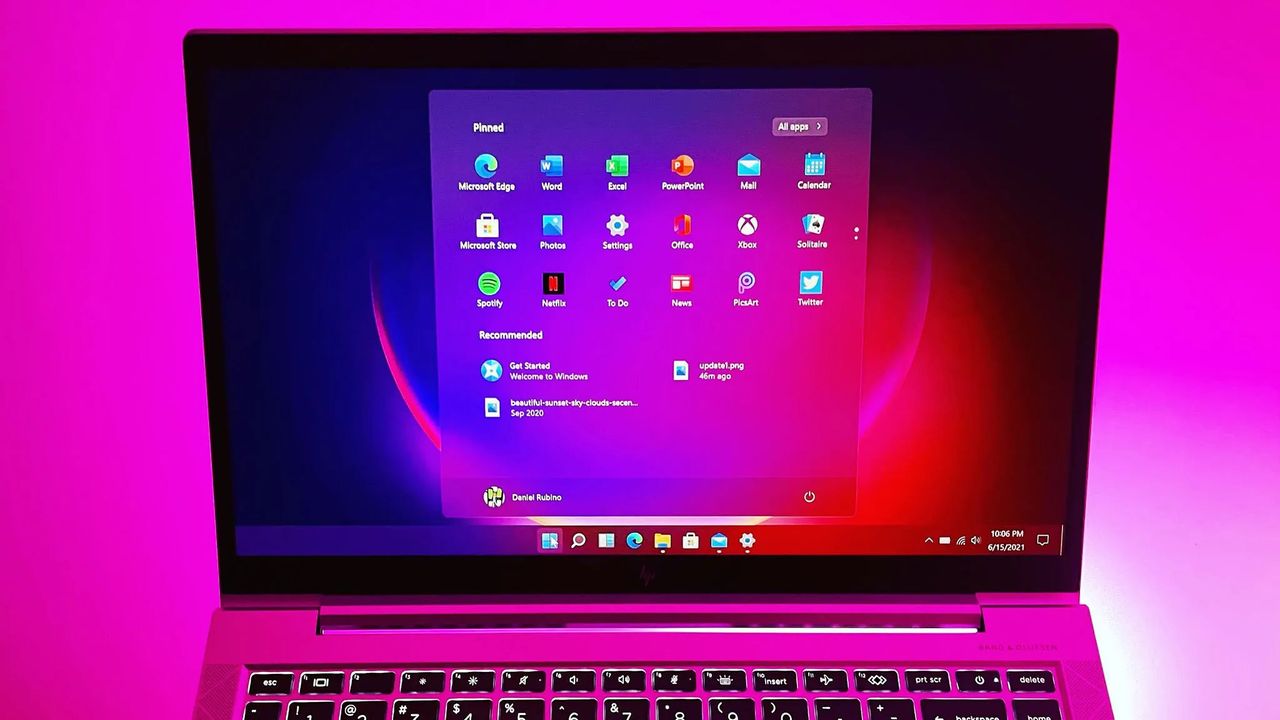
Windows 11 looks a lot different than Windows 95, but the foundational UI aspects remain. (Image credit: Windows Central | Zachary Boddy)

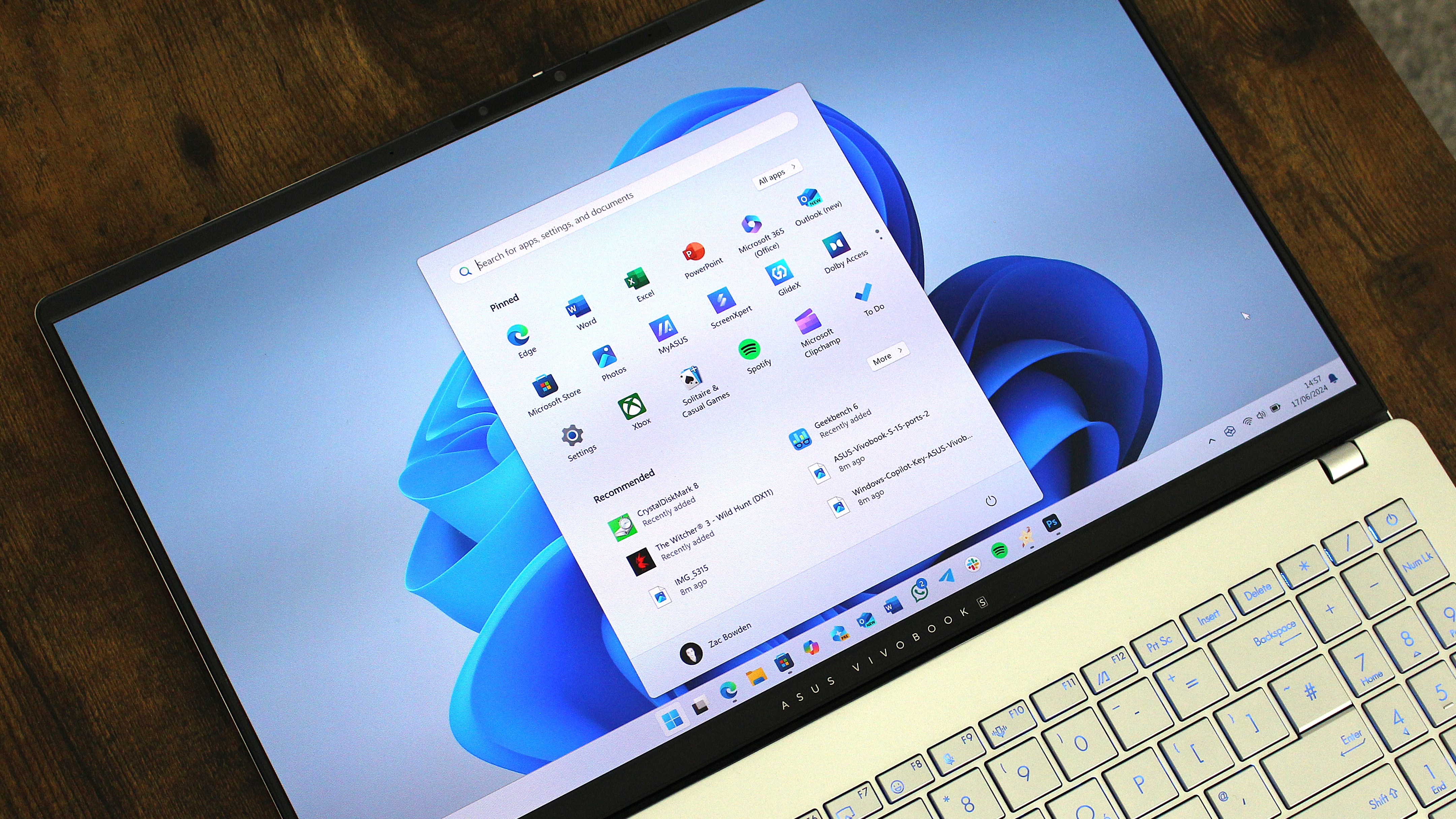
Windows 95 was the first OS I really remember using in earnest, and 31 years later, Windows 11 still feels like home. There's still a Start button, there's still a taskbar, there are still right-click menus, and there's still a Recycle Bin.

Sure, the appearance of these tools might have changed many times over the years, but they've survived three decades as the hardware around them has morphed from chunky beige towers to sleek laptops and RGB-infused desktops.

I'm sitting here trying to think of other user interfaces that have proven as resilient as the changes made in Windows 95. Plenty have come and gone in the meantime, while those from Windows 95 have become a foundation.

Can you think of any good examples of UI elements that have survived for 31 years? Were you around for the launch of Windows 95? How did it go? Let me know in the comments section below!

Click to join us on r/WindowsCentral

Join us on Reddit at r/WindowsCentral to share your insights and discuss our latest news, reviews, and more.
Windows 11 is finally getting better, and the Windows Central Podcast breaks down all the improvements that have been announced and delivered since March

In this week's episode of the Windows Central Podcast, Daniel Rubino and Zac Bowden break down the latest Windows 11 insider features, focusing heavily on major overhauls coming to context menus, File Explorer polish, and options to force apps to open full-screen. They also dive into a surprising new Signal 65 processor study highlighting how Qualcomm's Snapdragon X2 chips stack up against Intel and AMD, wrap up recent Windows 11 improvements from March onward, and touch on various tech ecosystem shifts.

This episode of the Windows Central Podcast is sponsored by Surfshark VPN. Unlimited devices, access your content from anywhere, and auto-block malware on Windows, Edge, and other platforms from $2.50/mo, with 3 months extra FREE. Sign up today!

  • 00:00Introduction & Welcome: Daniel Rubino and Zach Bowden kick off Episode 402 of the Windows Central Podcast.
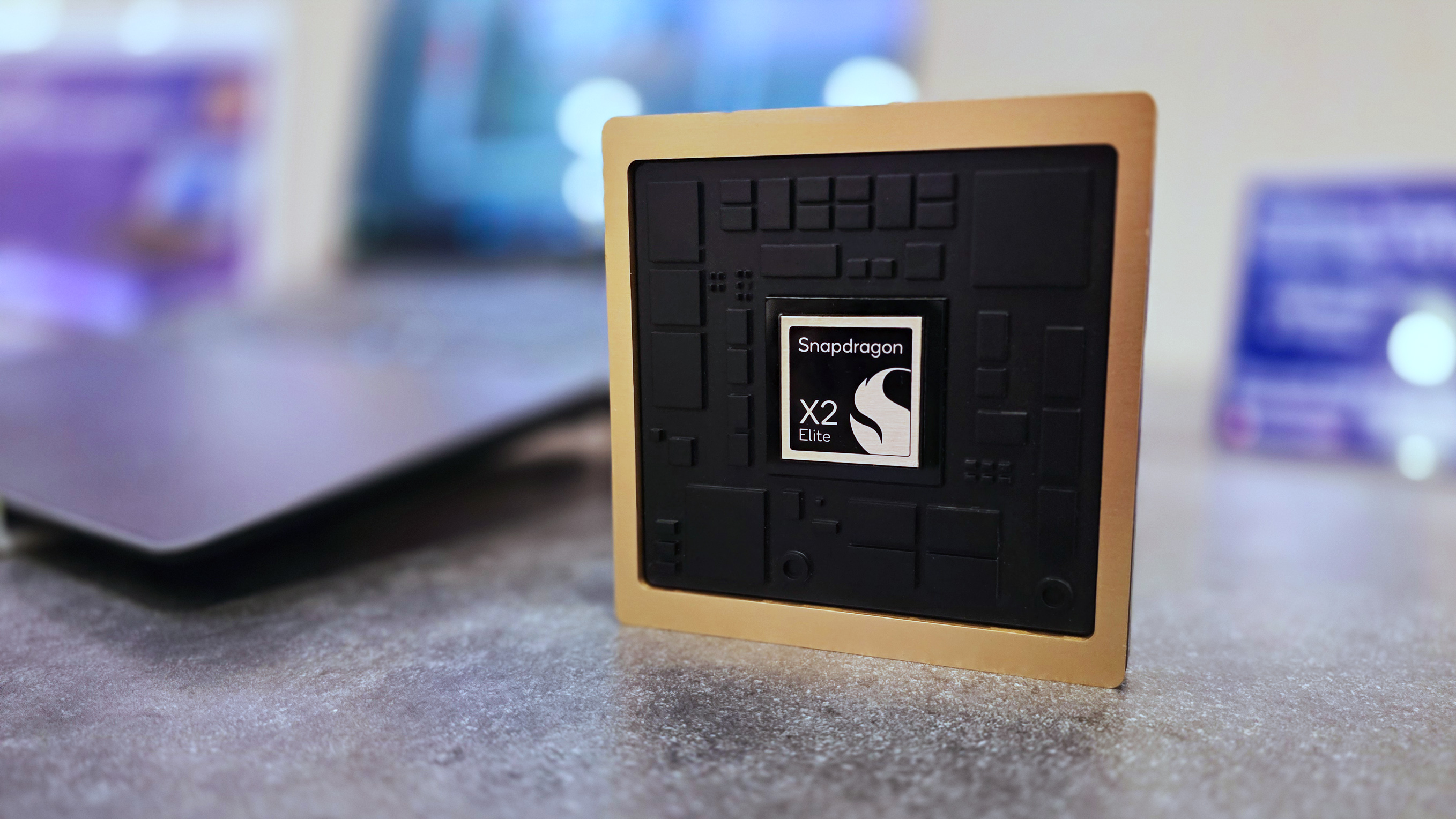
  • 03:45Qualcomm Snapdragon X2 vs. Intel & AMD: Analyzing the Signal 65 processor study results, showing how Qualcomm beats out Intel and AMD chips in recent laptop testing.
  • 10:15Windows 11 Context Menu Overhaul: Breaking down new customizable, faster context menus in Windows 11 Insider builds, including default cleanups and third-party app management.
  • 24:30File Explorer Improvements: Reviewing massive performance updates, elimination of freezing/hang delays, and better UI polish for File Explorer.
  • 42:10Forcing Apps to Open Full-Screen: Discussing the new Windows settings toggle that allows users to automatically launch apps in full-screen mode.
  • 52:00Recap of Windows 11 K2 Features & General State of the OS: A look back at the overall quality-of-life improvements rolled out to Windows 11 since March.
  • 1:05:15Wrap-Up & Outro: Final thoughts, social media handles, and sign-offs until next week's episode.

Have a question you want us to answer on the podcast? Send it to us at [email protected]

Hosts:

Subscribe to the Windows Central Podcast

If you like the show, please let us know by give us a rating on your podcast platform of choice. It really helps us!

LIVE Video Podcast

You can watch the live, uncut version of the Windows Central Podcast on our YouTube channel!

Click to join us on r/WindowsCentral

Join us on Reddit at r/WindowsCentral to share your insights and discuss our latest news, reviews, and more.
A faster OS and UI fixes won't save Windows 11 if Microsoft's apps remain laggy web wrappers

Windows Central

Microsoft continues to improve Windows 11. Just this past week, the company began testing new context menus with Windows Insiders and revamped the ancient AutoPlay dialog box.

The Windows K2 initiative to improve the operating system is going so well that I've asked if the next big update should be Windows 12. But fixing the Windows experience is about more than context menus and a unified user interface. Even if Windows is fixed, Microsoft needs to make better apps.

If a person logs onto a PC running a beautiful and zippy version of Windows 11, they won't care about the OS if Microsoft Teams takes too long to load. Microsoft needs to lead by example by making the best Windows apps.

Biggest News of the Week

Windows 11 context menu
Windows 11
Windows 11 Dan Lowres Iphone
Images of Qualcomm's new Snapdragon X2 Elite Extreme processor, benchmarks from reference design laptops, and pictures from the announcement at the Snapdragon Summit (2025).

To give Microsoft credit, work is being done to improve some apps. Rudy Huyn, a well-known Windows developer who worked on the Microsoft Store, is putting a team together to improve Windows apps. That team is still in its infancy, so we will have to wait to see the results.

But Microsoft's app issue isn't just about having a team dedicated to in-box apps or hiring good developers. It's about the direction Microsoft pushes those developers. Microsoft Teams and other Microsoft apps have been "rebuilt from the ground up" or "refreshed with performance in mind" several times over the years. But the underlying problem still exists. Microsoft made the wrong choice by going all-in on web apps, and it needs to course correct.

Huyn's team is all about native apps, but it's not clear right now how many apps will fall under its umbrella. Will we see a new native version of Outlook? What about Microsoft Teams? If Huyn's team is just focused on in-box apps, some of the most-used apps on Windows 11 will remain laggy web apps.

Plus, several of Microsoft's biggest apps aren't even in the same part of the company as Huyn's team. If Microsoft fixes the Photos app, OneDrive, and other in-box apps, but Teams is still laggy, Microsoft is still delivering a poor user experience.

Shopping with Sean

Speaking of apps, this week's top deal is on the ever-popular Microsoft 365. That software suite is massively discounted right now if you bundle it with NordVPN. You'll get the best value if you use both Microsoft 365 and NordVPN, but the bundle is more affordable than Microsoft 365 on its own.

365 Personal (12 months) + NordVPN: was $149.98 now $61.99

This bundle is the most affordable way to get a year of Microsoft 365. As an added bonus, it comes with a year of NordVPN Basic, which is a $49.99 value on its own.View Deal

365 Family (12 months) + NordVPN: was $179.98 now $84.99

Microsoft 365 Family provides access to the software suite for up to six people. Each of those users will have their own copy of apps like Word, PowerPoint, and Excel plus 1TB of OneDrive storage. This bundle also includes a free year of NordVPN Basic.View Deal

Click to join us on r/WindowsCentral

Join us on Reddit at r/WindowsCentral to share your insights and discuss our latest news, reviews, and more.
❌