 Connexion
Terramaster F2-425 NAS – Should You Buy it?
The Terramaster F2-425 – Should You Buy This NAS?
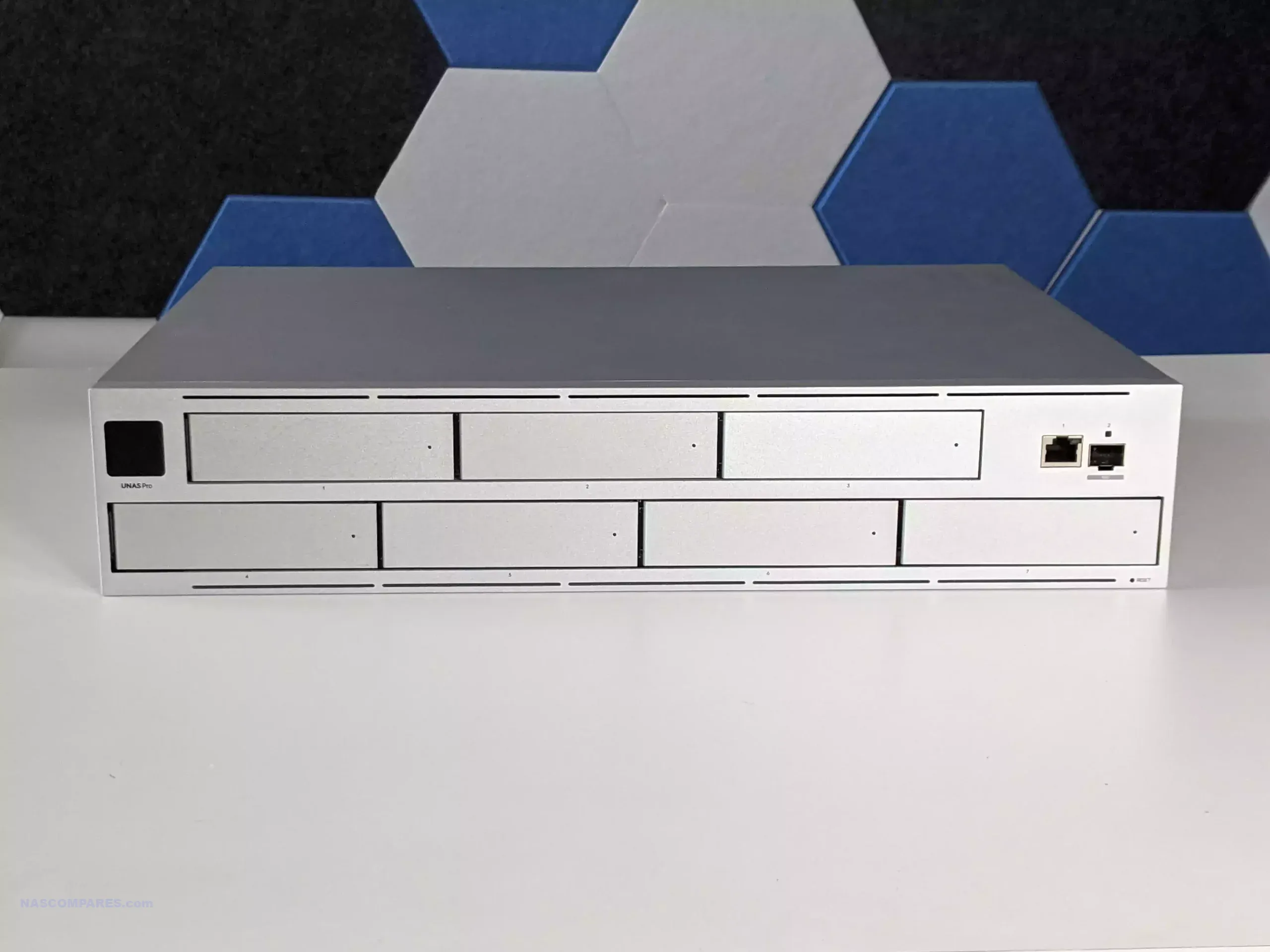
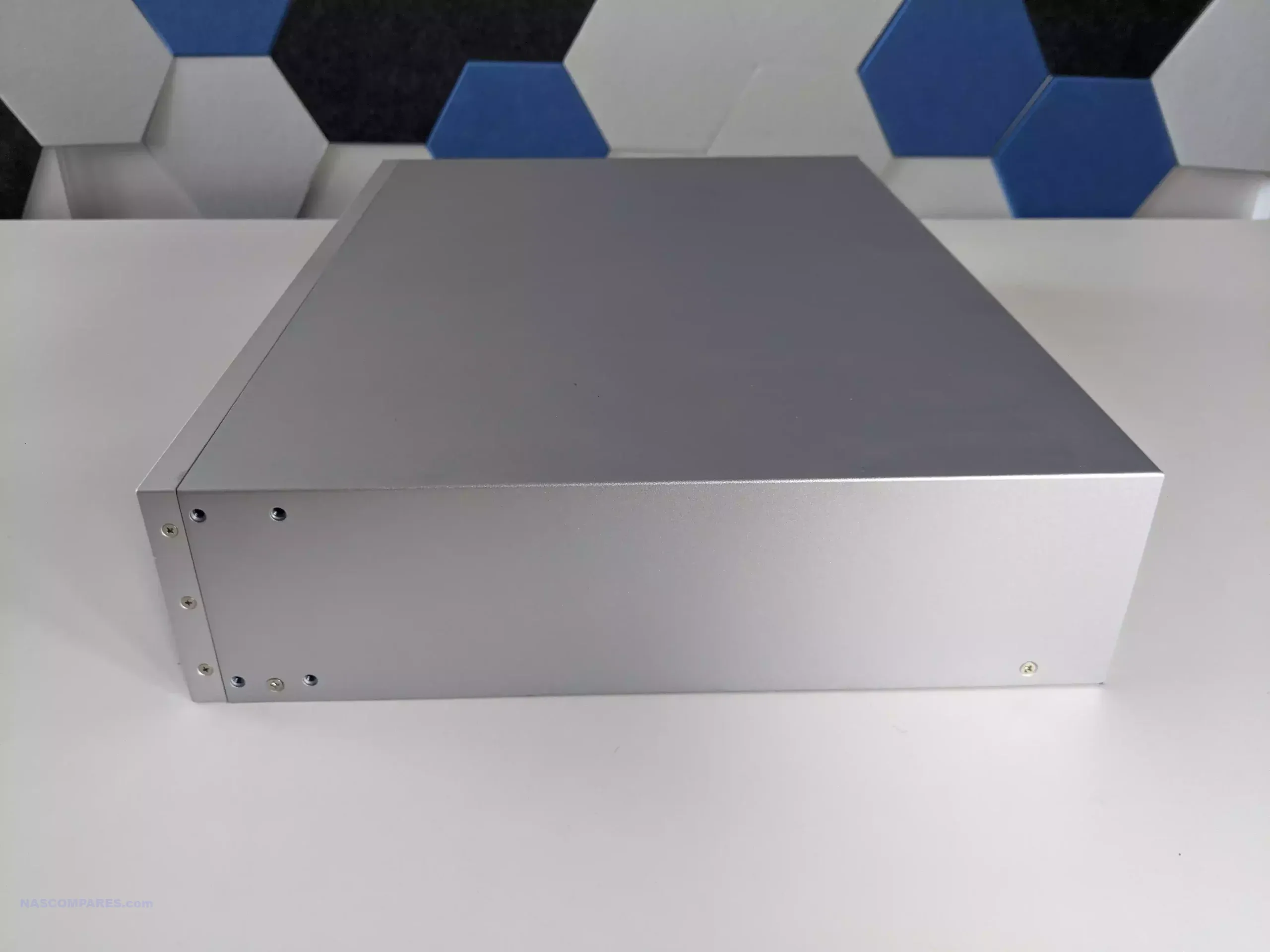
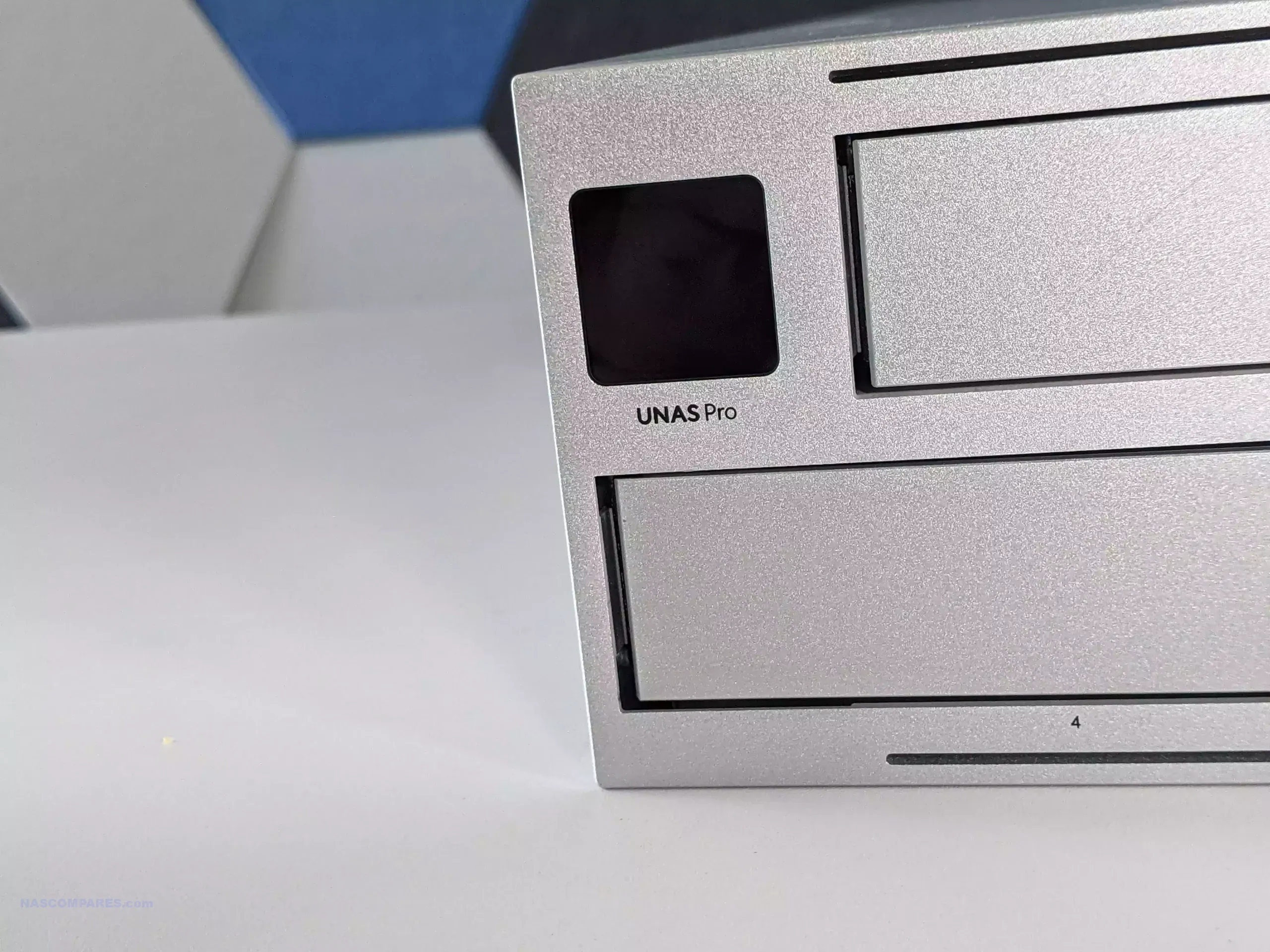
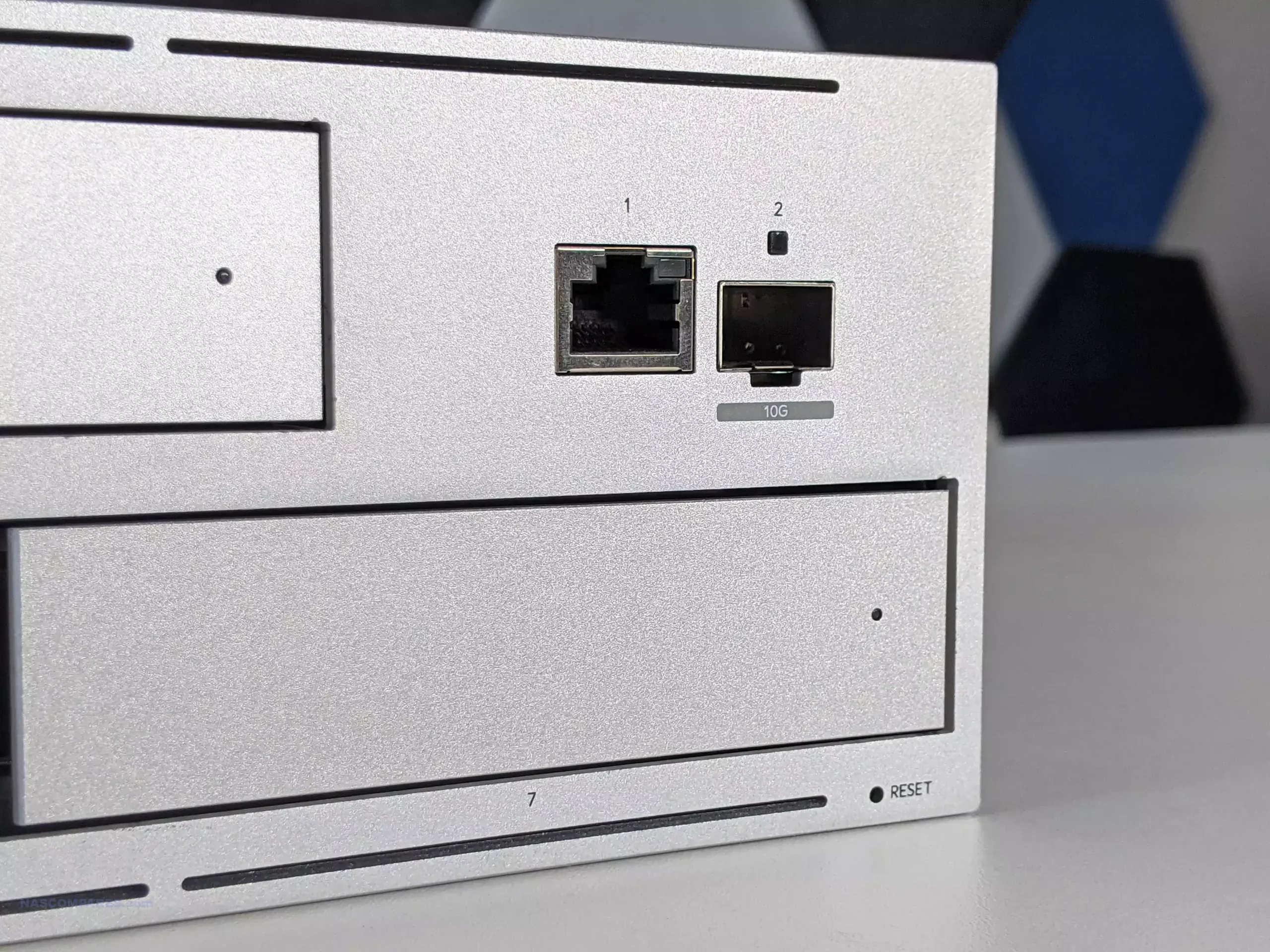
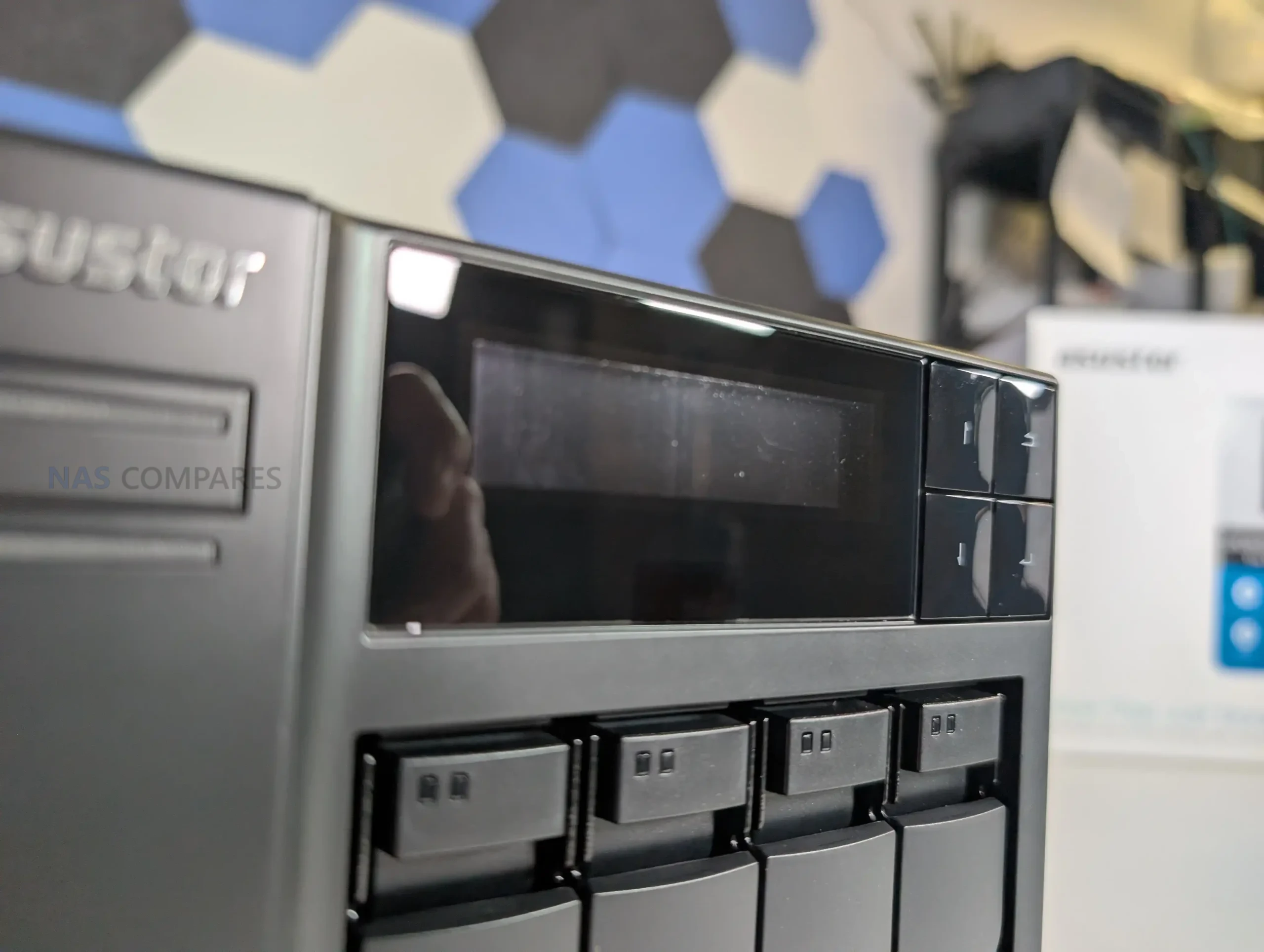
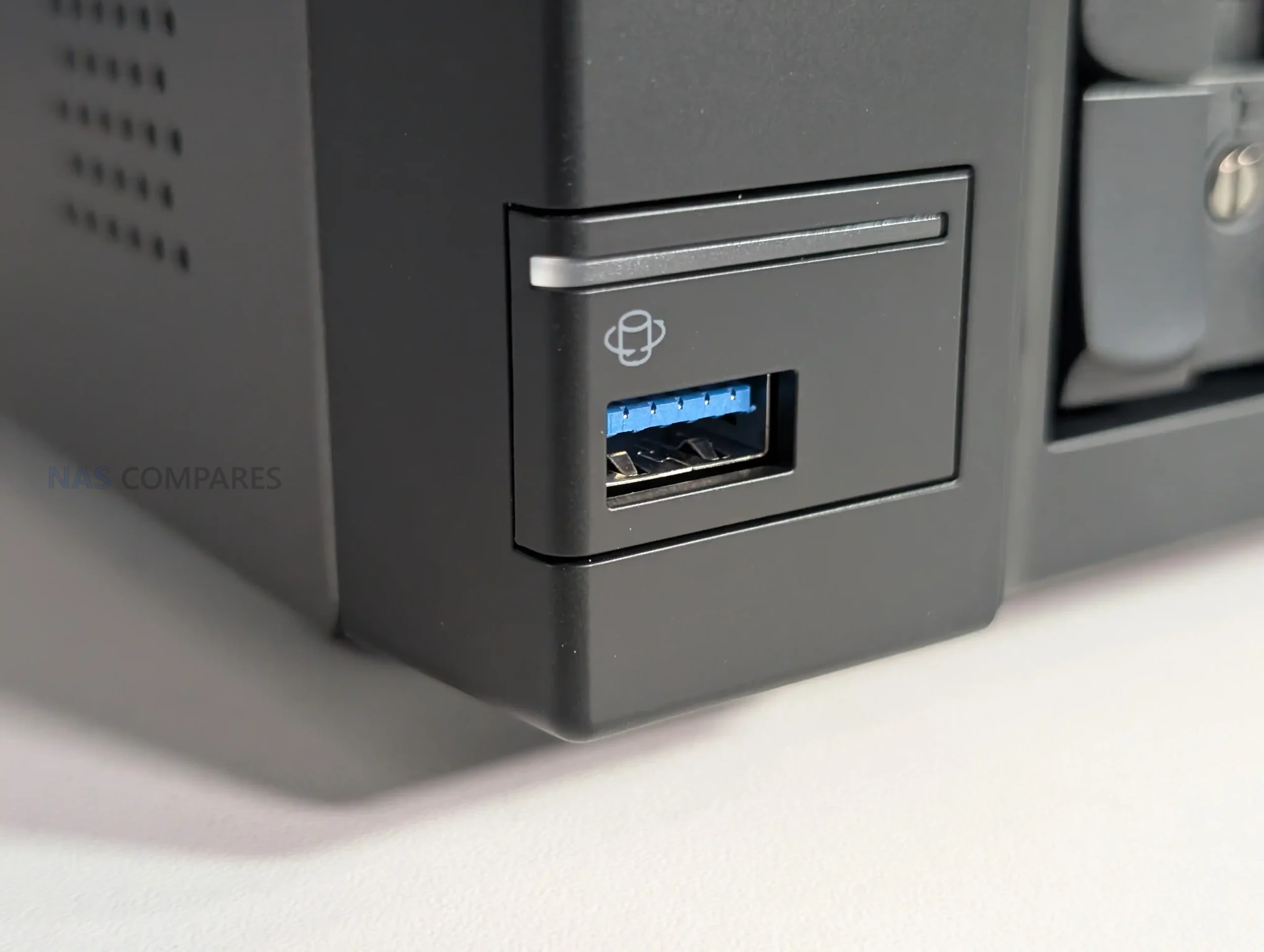
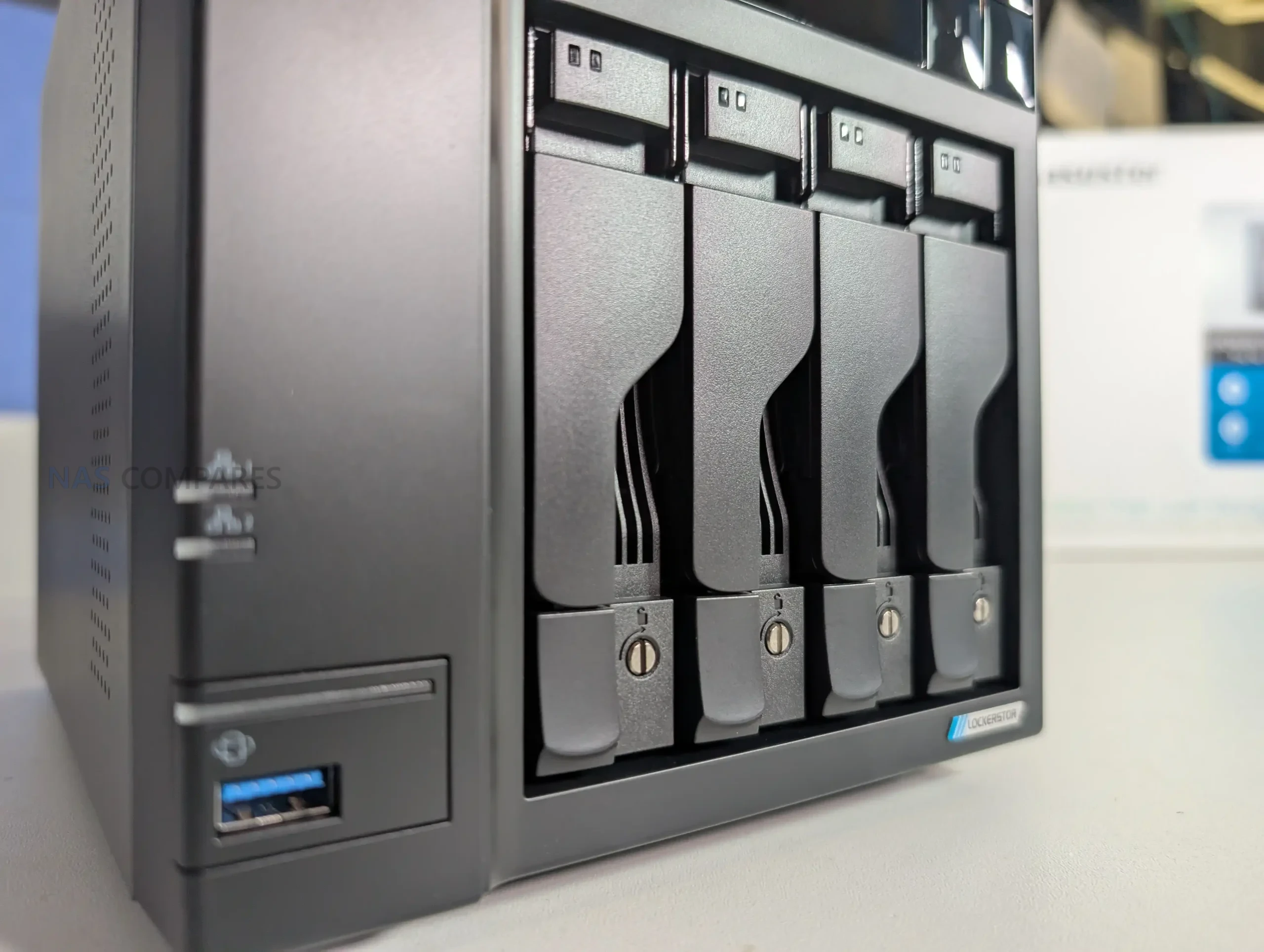
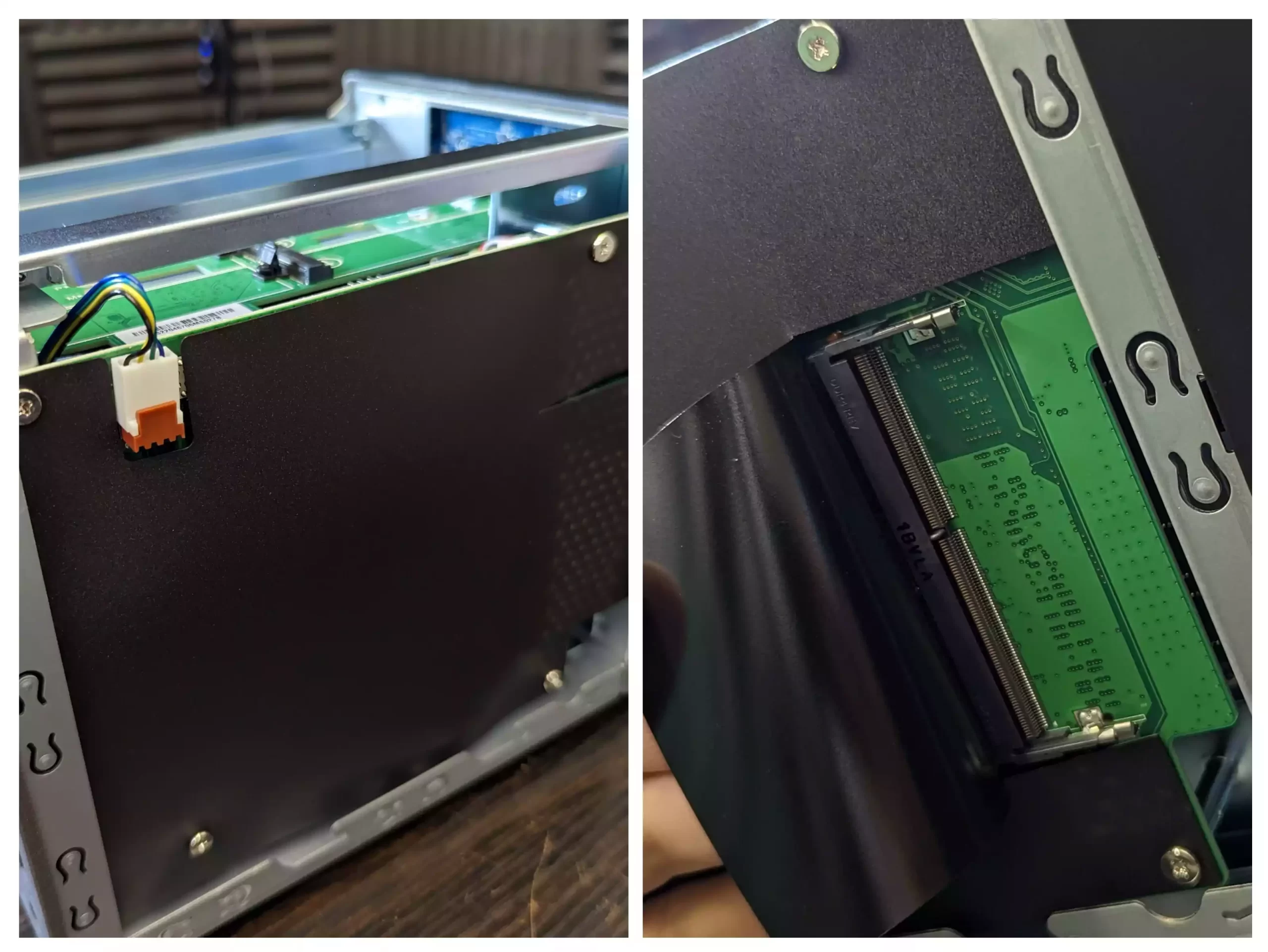
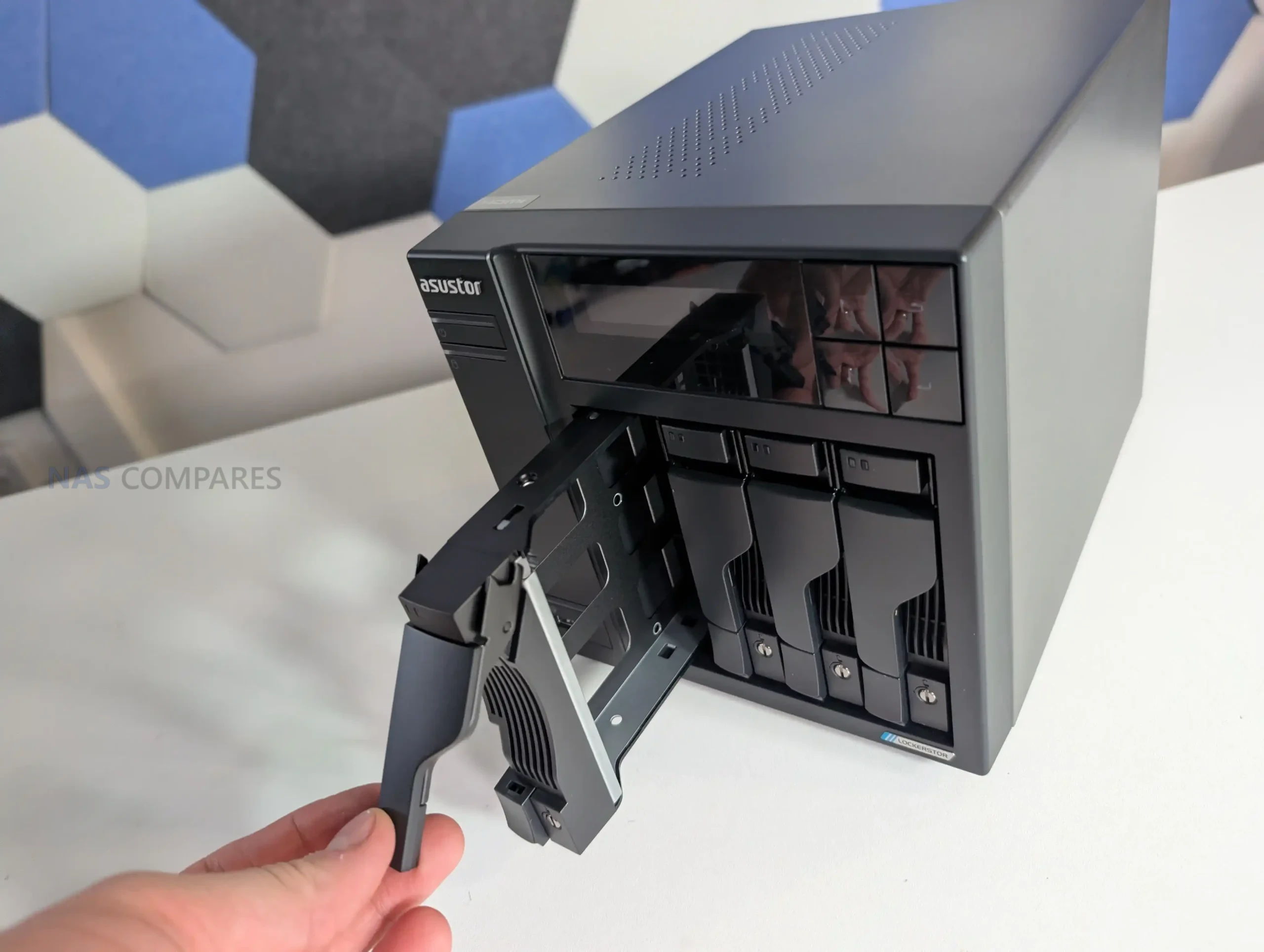
The TerraMaster F2-425 takes the same underlying hardware platform as the F4-425 and adapts it to a smaller 2 bay format aimed at simpler home and small office environments. With the same Intel Celeron N5095 processor, 4GB of upgradeable DDR4 memory, and single 2.5GbE connection, it delivers comparable compute capability in a more compact enclosure that prioritizes quiet operation and minimal physical footprint. The appeal of the F2-425 is less about expansion and more about practicality, targeting users who want centralized storage, backups, and media services without managing a larger multi drive system. It fits particularly well in scenarios where space, noise, and cost matter more than raw throughput or long term capacity growth. Rather than competing with higher end 2 bay NAS units that include NVMe caching or faster networking, the F2-425 focuses on providing a straightforward Intel based NAS experience that covers common use cases while leaving room for memory upgrades or alternative operating systems if requirements change later.


7.8
 Accessible Entry Into Intel NAS for Smaller Setups in the F2-425Simplified Capacity Planning for Home Users on the F2-425Quiet, Consistent Performance in a Compact Chassis of the F2-425Straightforward Management for Individual and Family Use with the F2-425Long Term Flexibility Beyond the Default Software of the F2-425
 Network Bandwidth Ceiling Reached Quickly in the F2-425No SSD Cache or High Speed Tier Options on the F2-425Limited Headroom for Future Software Demands of the F2-425Hardware Feature That Adds Little Day to Day Value in the F2-425Narrow Upgrade Path Compared to Nearby Alternatives of the F2-425
Where to Buy a Product



VISIT RETAILER ➤

VISIT RETAILER ➤
 |
||
| Amazon in Your Region | Terramaster F2-425 PLUS | B&H NAS Shop |
 |
 |
 |
Accessible Entry Into Intel NAS for Smaller Setups in the F2-425
The F2-425 stands out by bringing an Intel x86 platform into the more compact and cost sensitive 2 bay NAS category. Many 2 bay systems at this size and price rely on ARM processors, which can limit software compatibility and long term flexibility. By contrast, the F2-425 provides an Intel based environment that supports a broader range of applications, containers, and services, while remaining relatively affordable for home and small office users. Its value is less about raw performance and more about flexibility, giving users access to an x86 ecosystem without stepping up to more expensive 2 bay models that add NVMe caching or higher speed networking. For buyers who want a simple, compact NAS that can comfortably handle file sharing, backups, and media services, but who also want the option to expand functionality through third party applications or alternative operating systems, the F2-425 offers a balanced and practical entry point.

Simplified Capacity Planning for Home Users on the F2-425
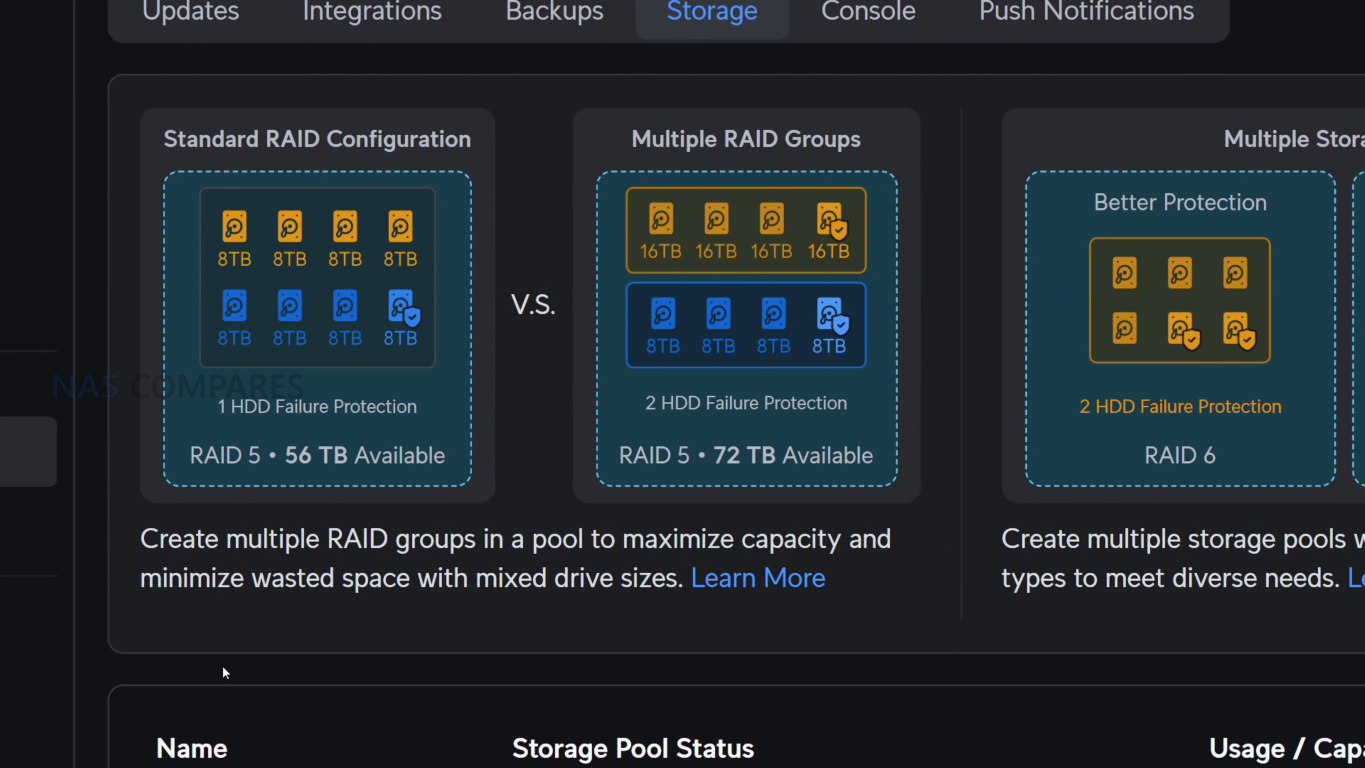
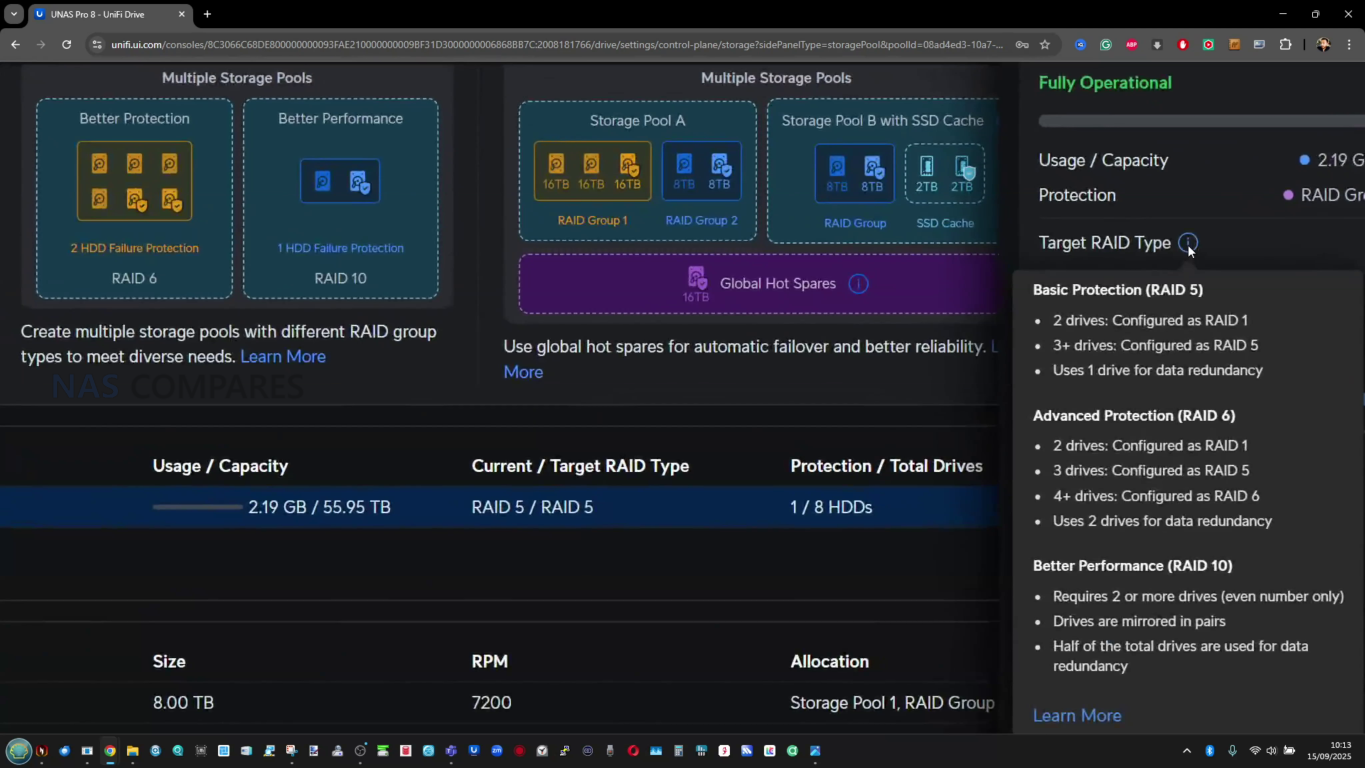
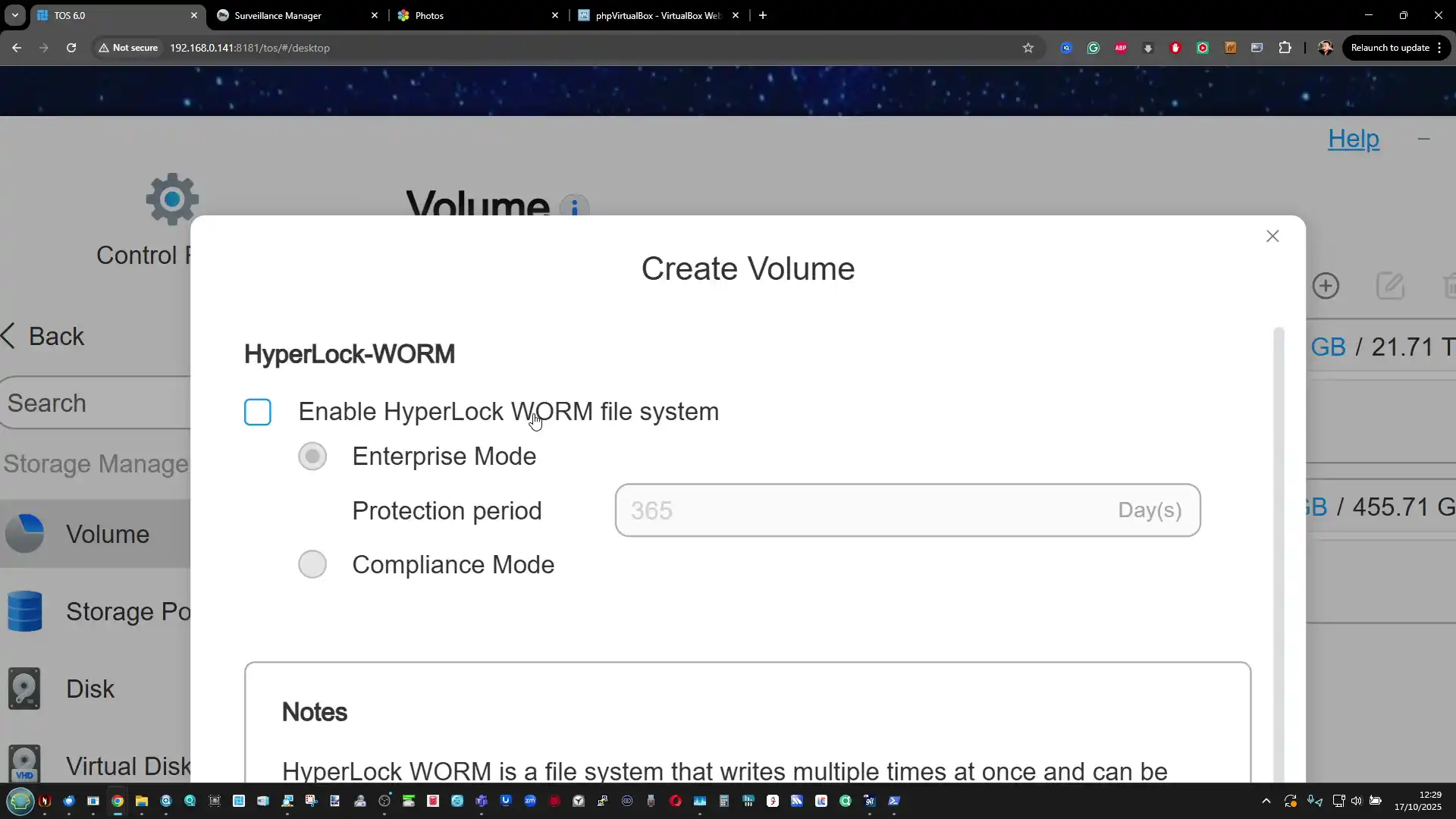
On the F2-425, TRAID plays a slightly different role and aligns more closely with simplicity than scale. In a 2 bay NAS, users are often limited to RAID 1 or single disk configurations, which can make capacity upgrades feel restrictive. TRAID allows the F2-425 to handle mismatched drive sizes more gracefully, reducing the penalty of upgrading one drive at a time. This is particularly useful for home users who may start with smaller disks and later replace them individually rather than investing in a matched pair upfront.
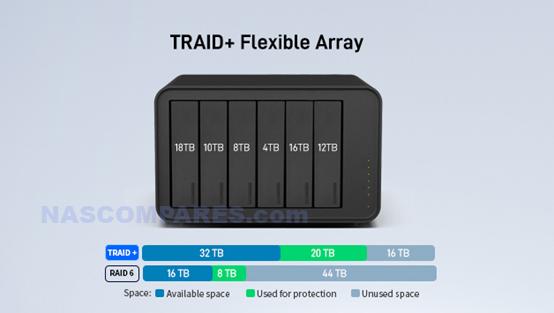
The system abstracts much of the complexity away from the user, making storage expansion more approachable for those who do not want to manually manage RAID levels or rebuild arrays. While the absolute capacity ceiling is lower than on the 4 bay model, the F2-425 benefits from a storage system that prioritizes ease of use and gradual growth rather than strict optimization.

Quiet, Consistent Performance in a Compact Chassis of the F2-425
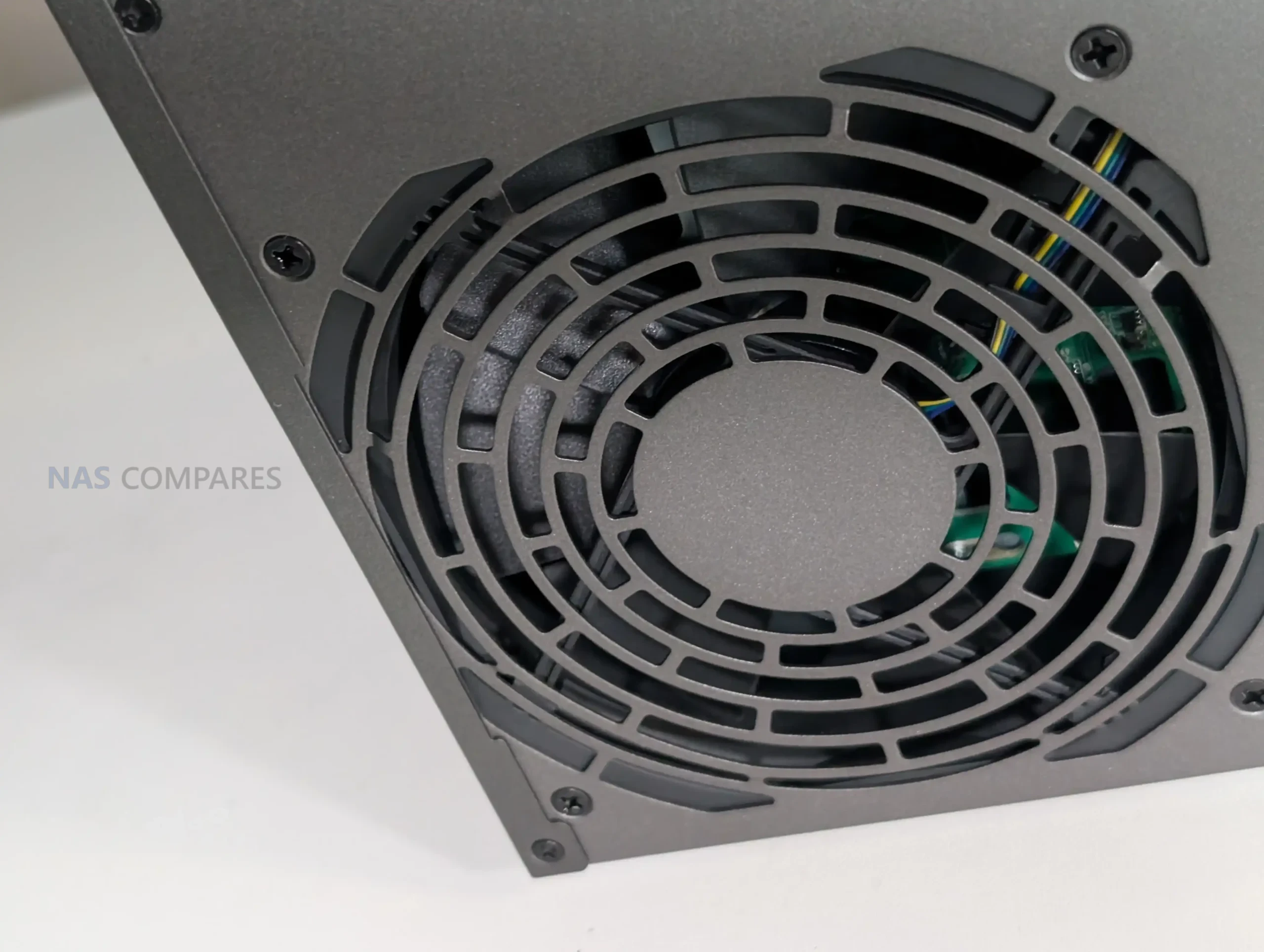
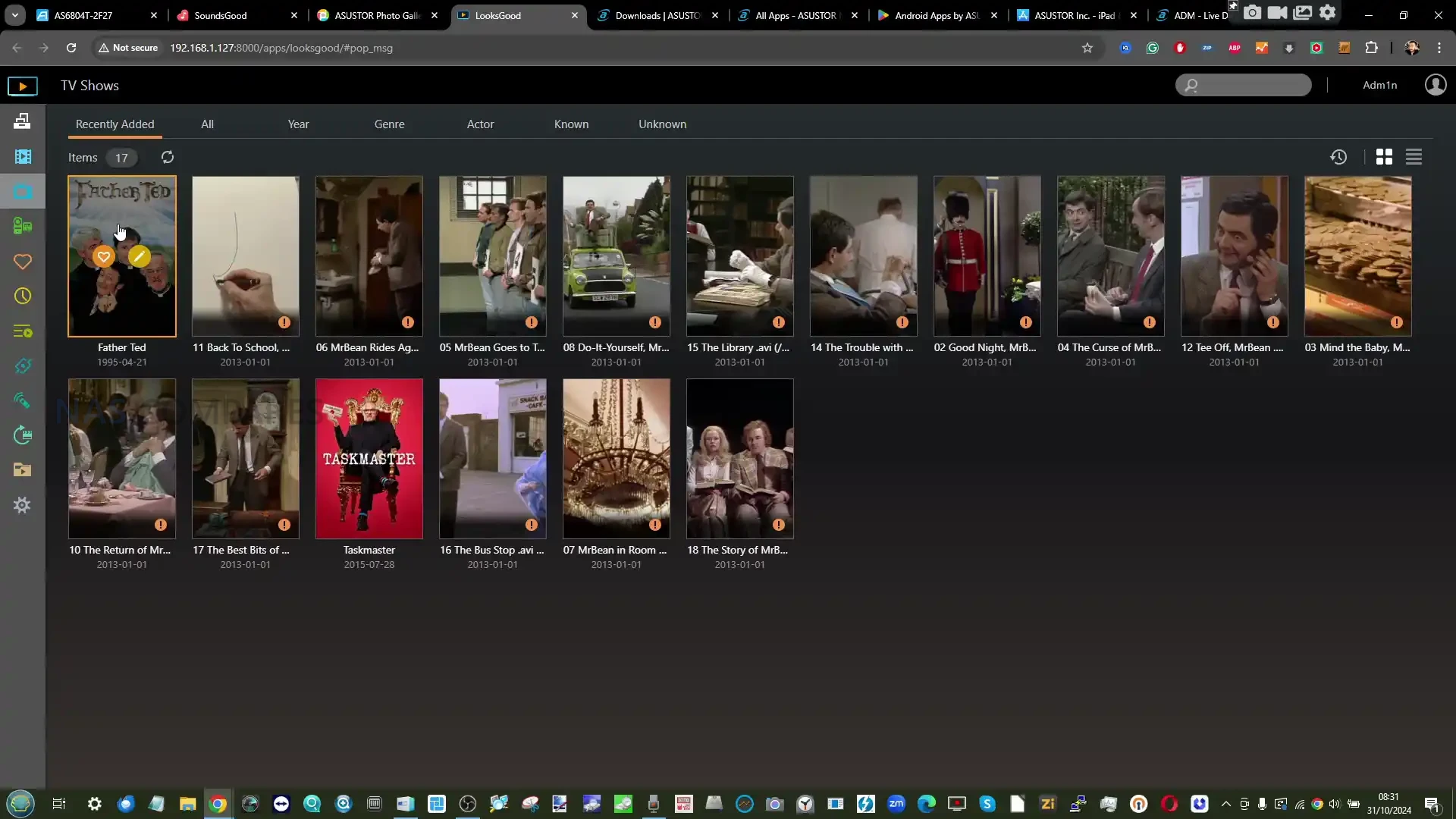
The F2-425 emphasizes steady and predictable performance rather than raw throughput, which aligns well with its smaller enclosure and typical use cases. With fewer drive bays and a lower likelihood of simultaneous high demand from multiple users, the Intel Celeron N5095 is generally sufficient for file serving, media playback, and routine background tasks. Hardware assisted video decoding allows the system to handle 4K media streaming with reduced CPU load, helping maintain responsiveness even during playback. The smaller chassis and lower overall thermal output also contribute to consistent behavior under everyday workloads, without aggressive fan ramping in most scenarios. For users placing the NAS in a living space or home office, this balance between performance and noise control can be more relevant than peak throughput figures.

Straightforward Management for Individual and Family Use with the F2-425
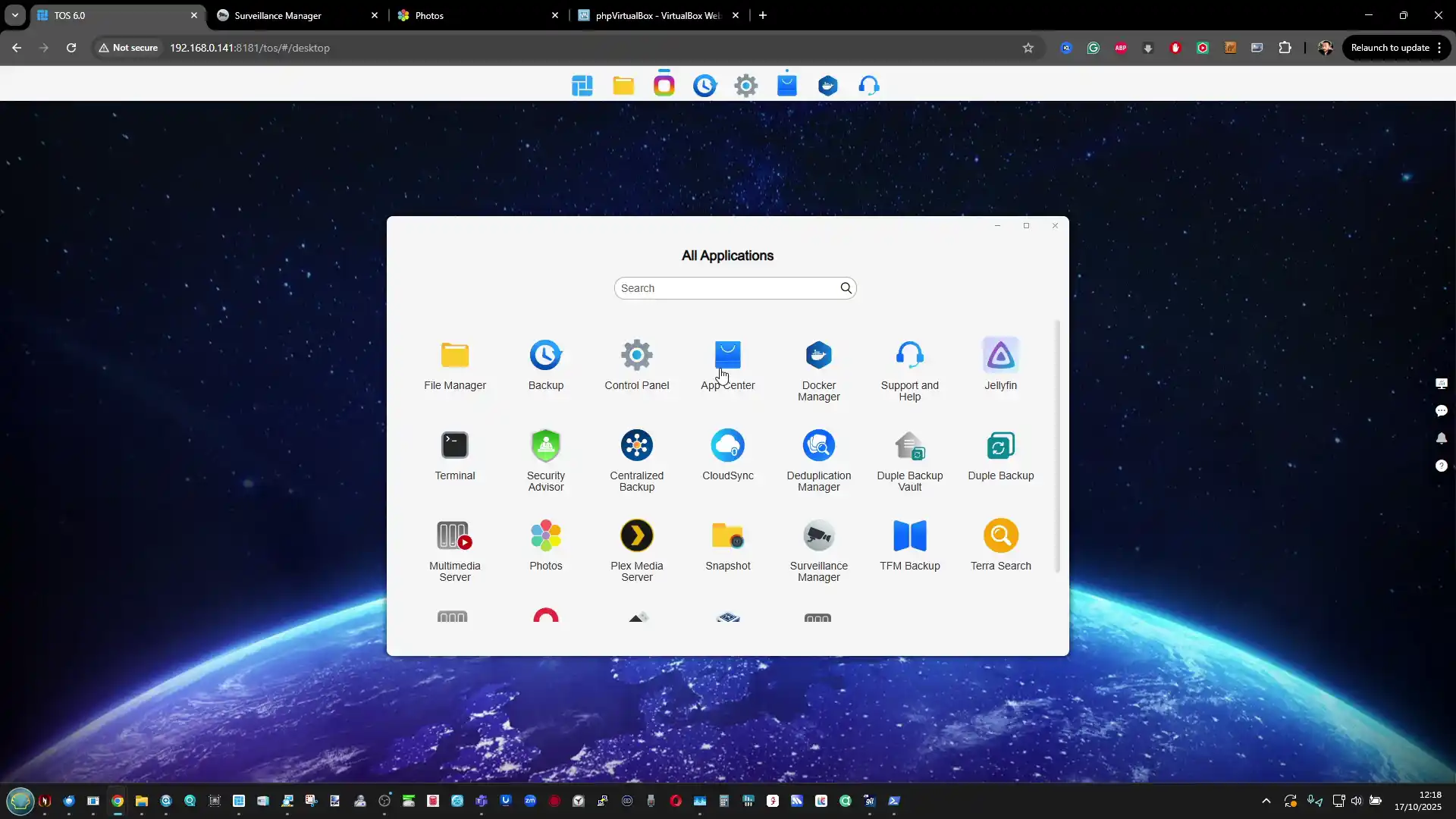
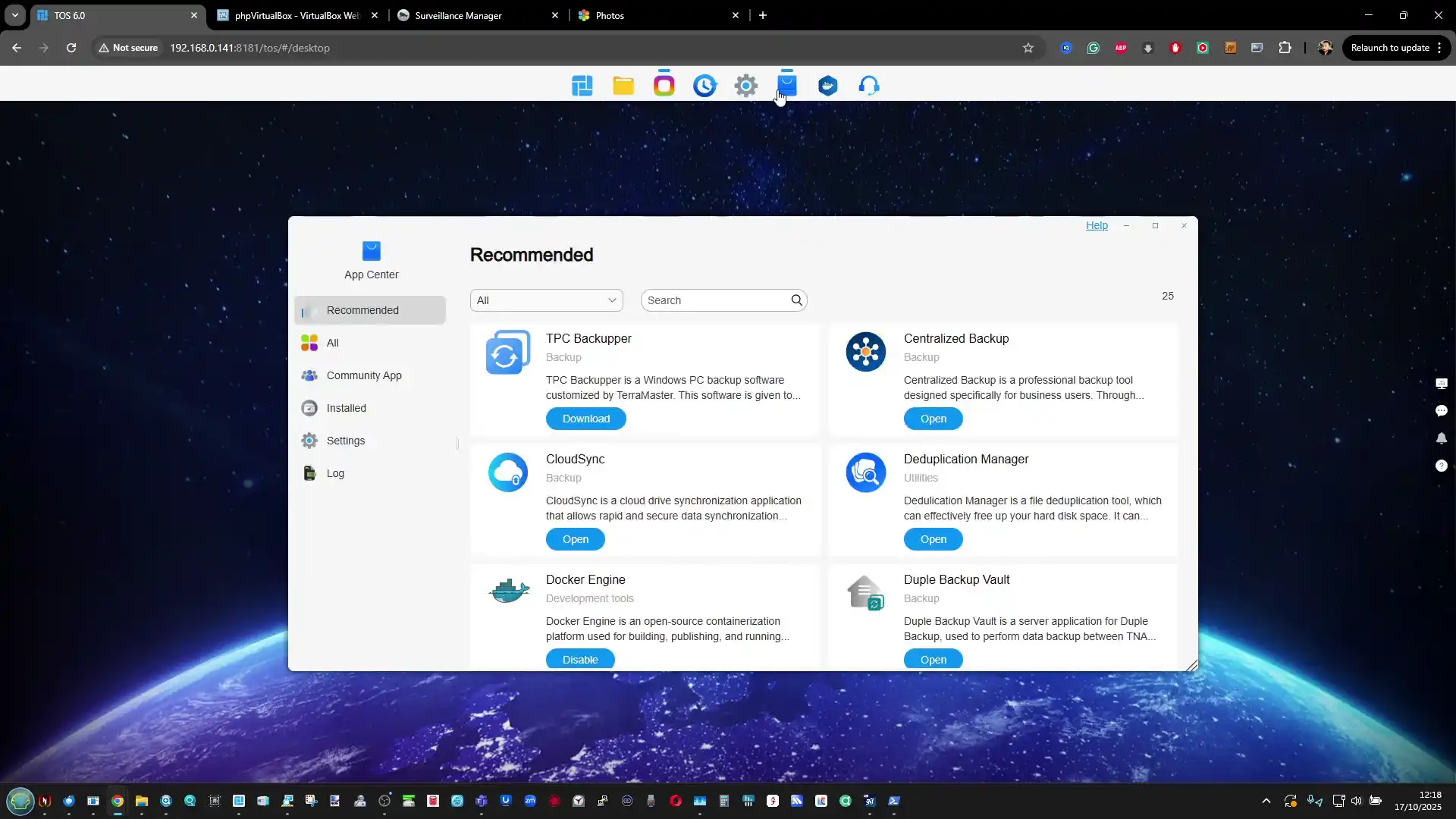
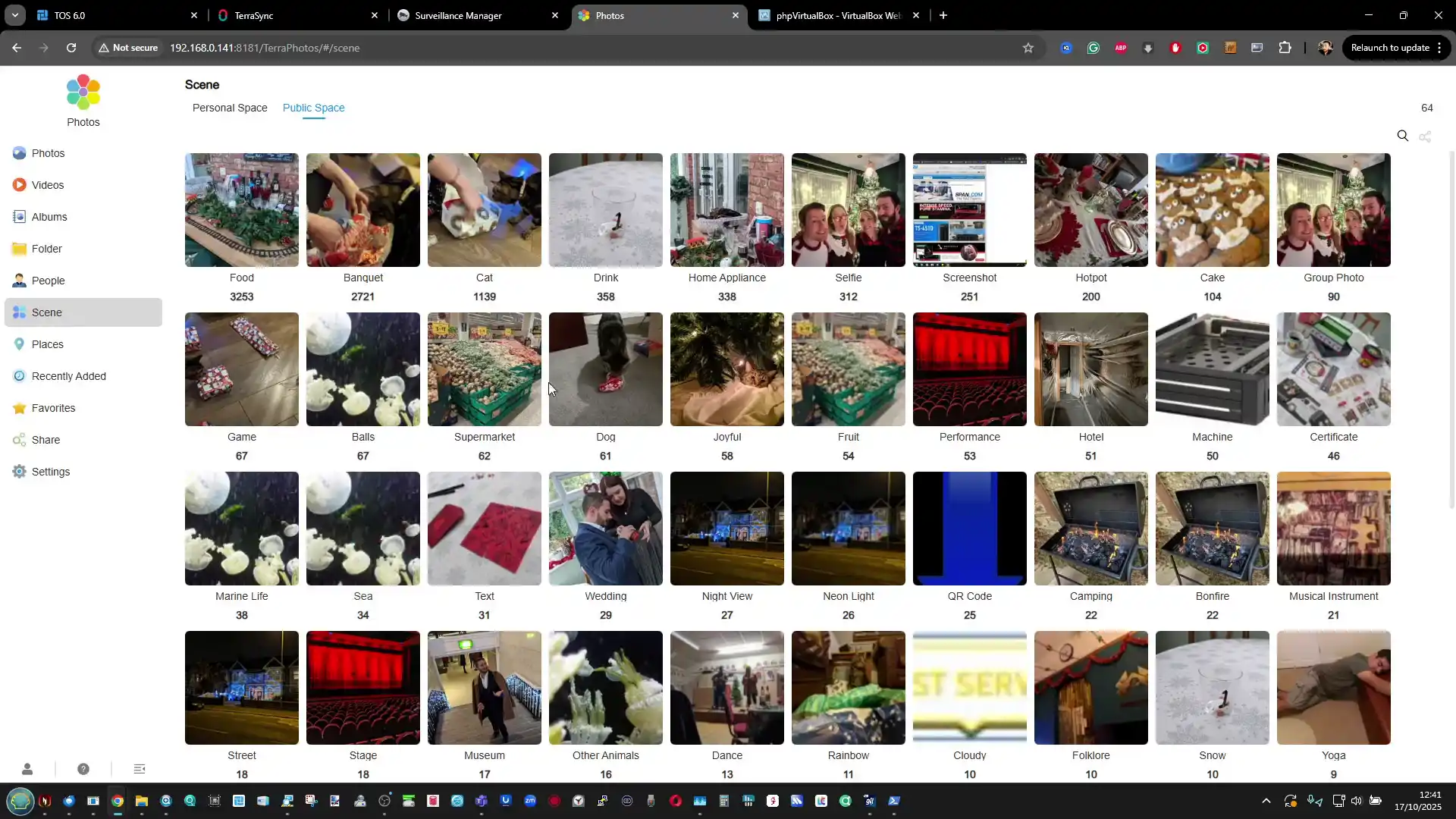
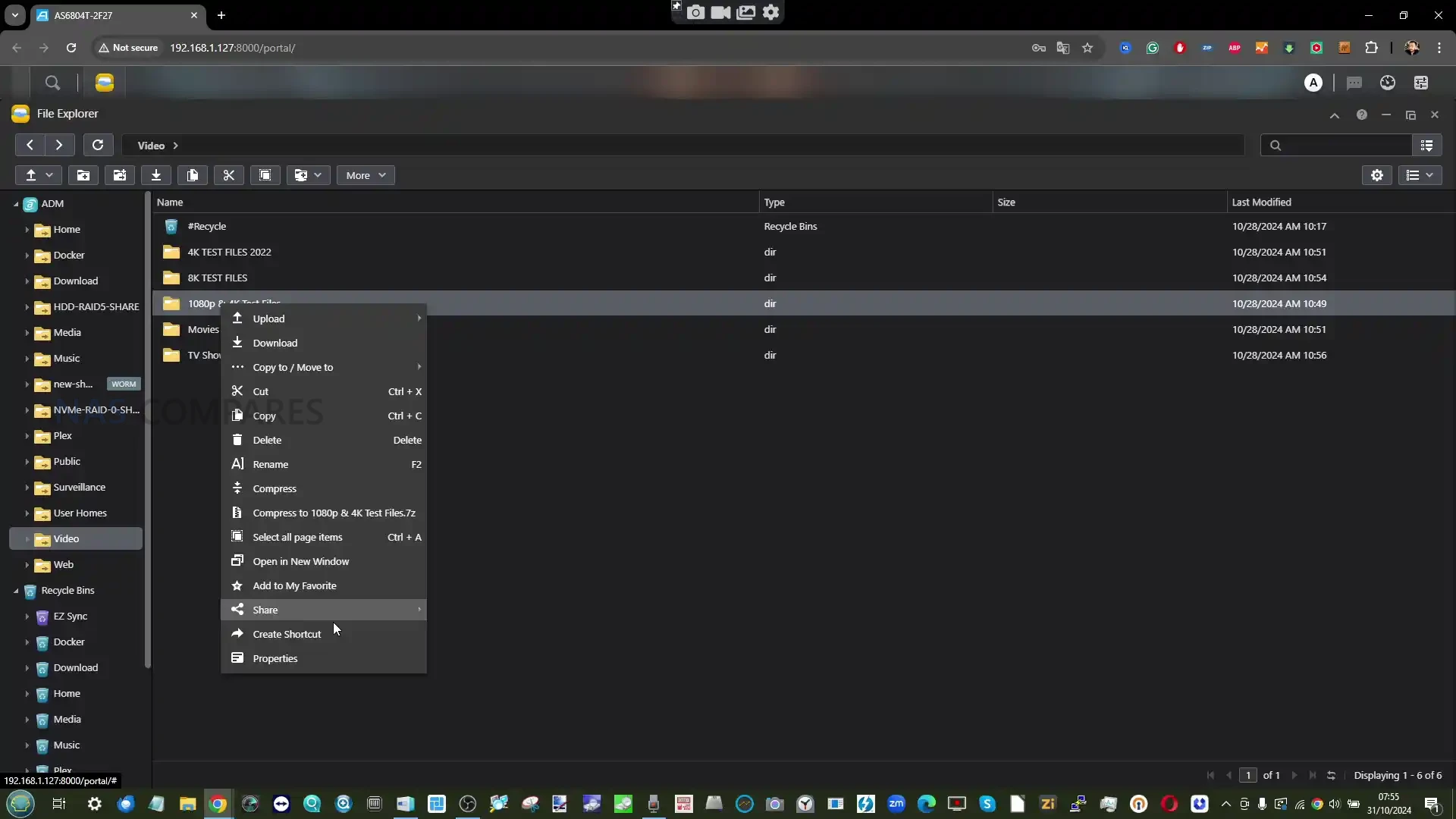
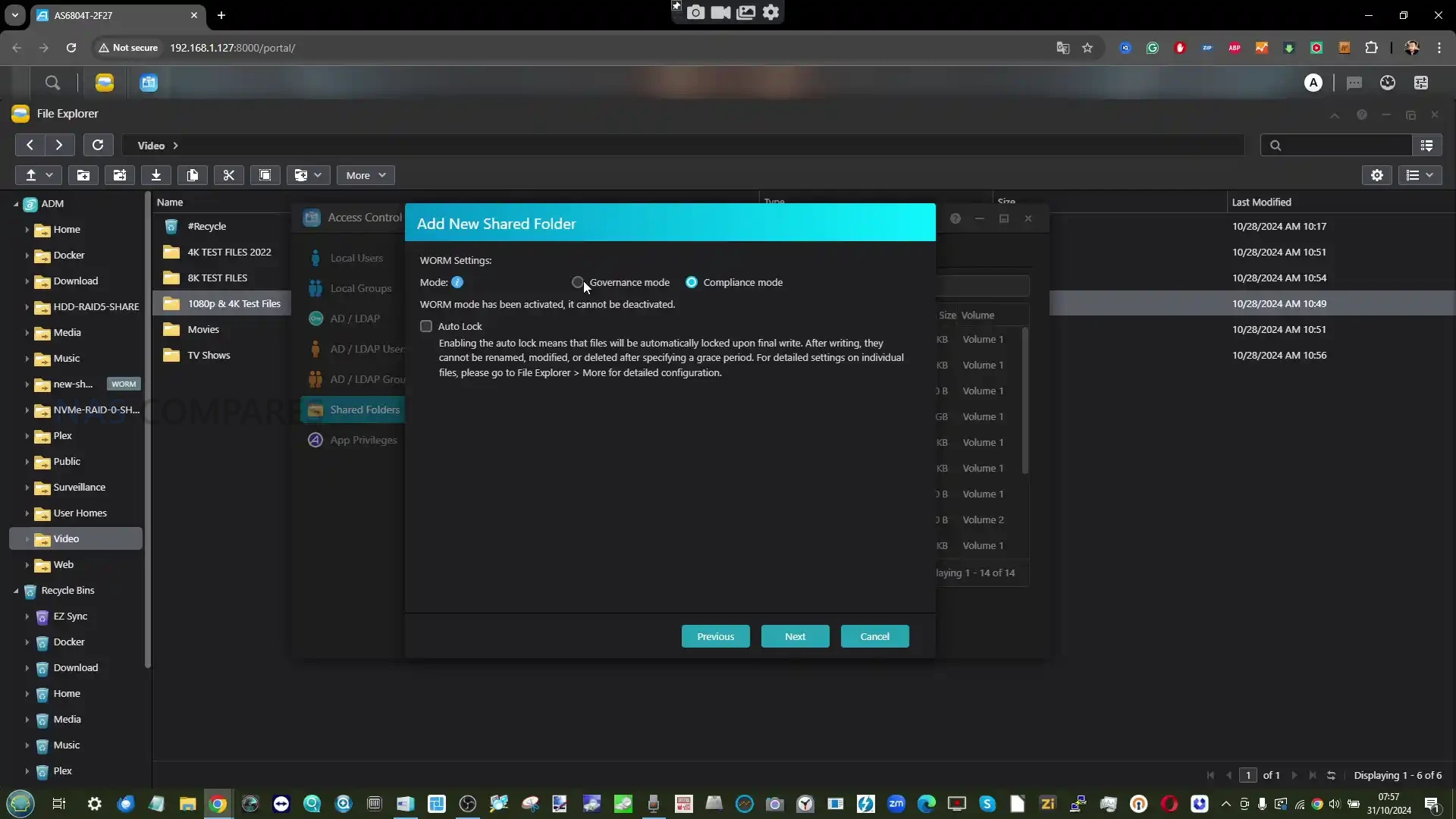
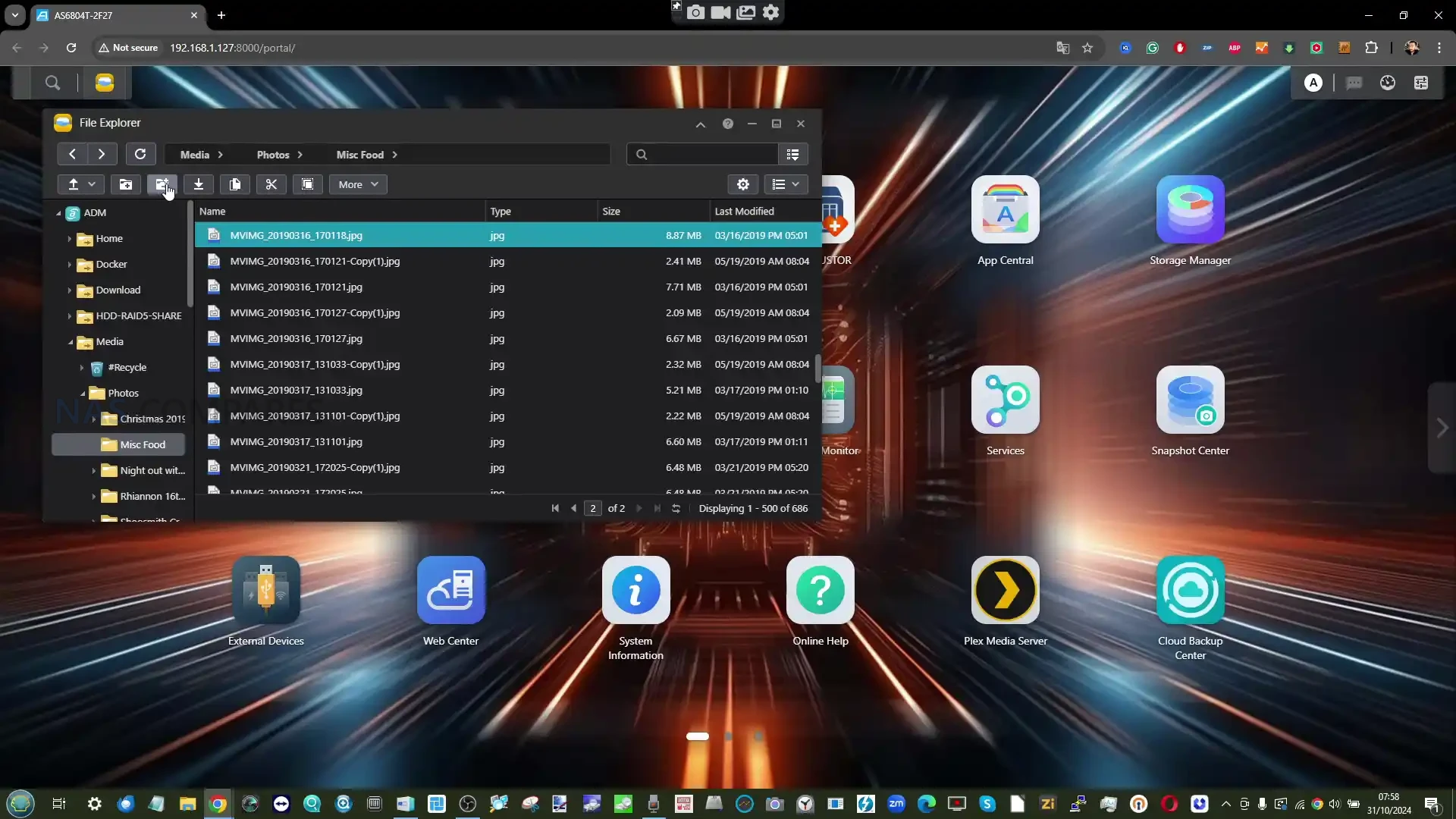
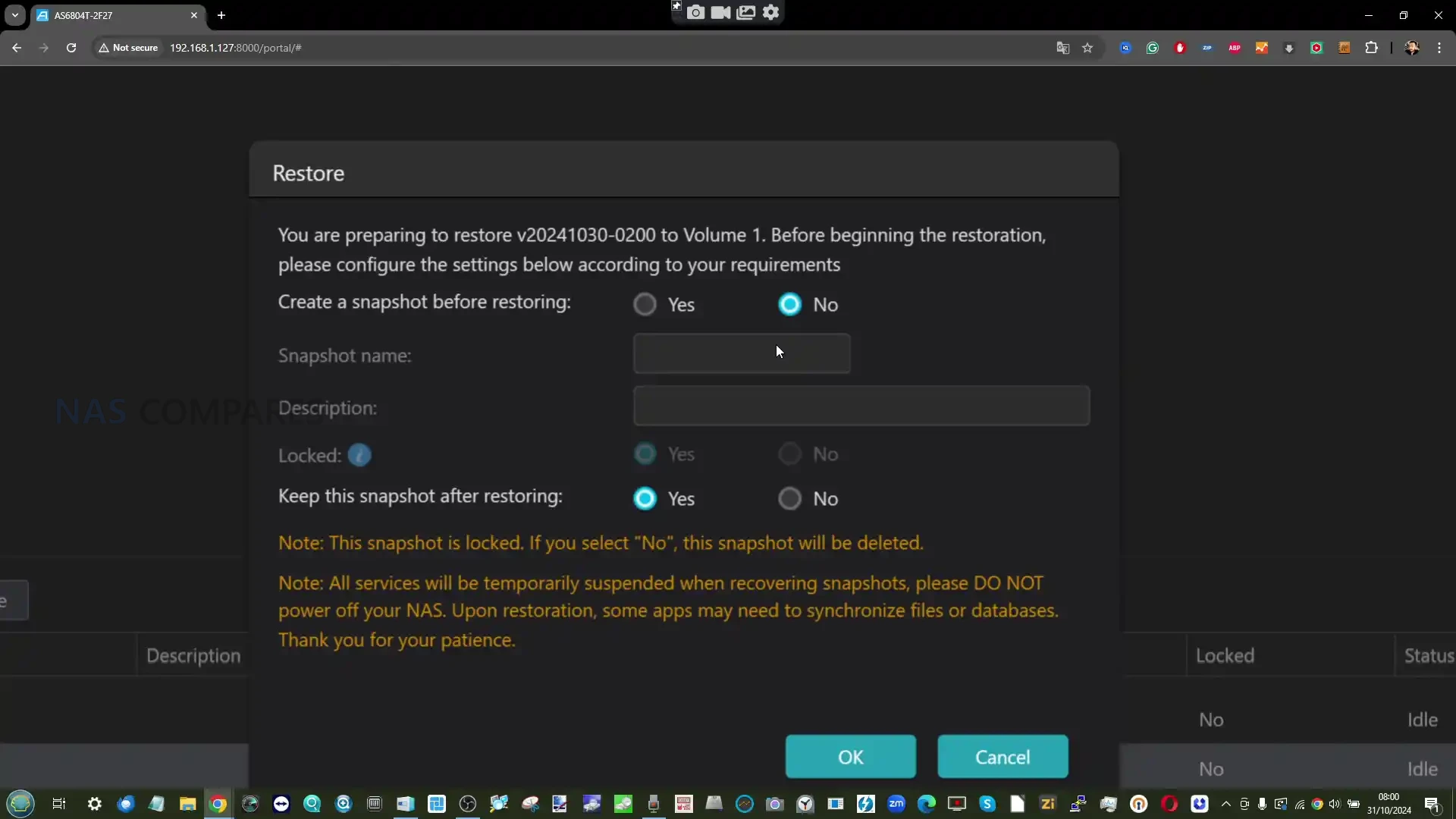
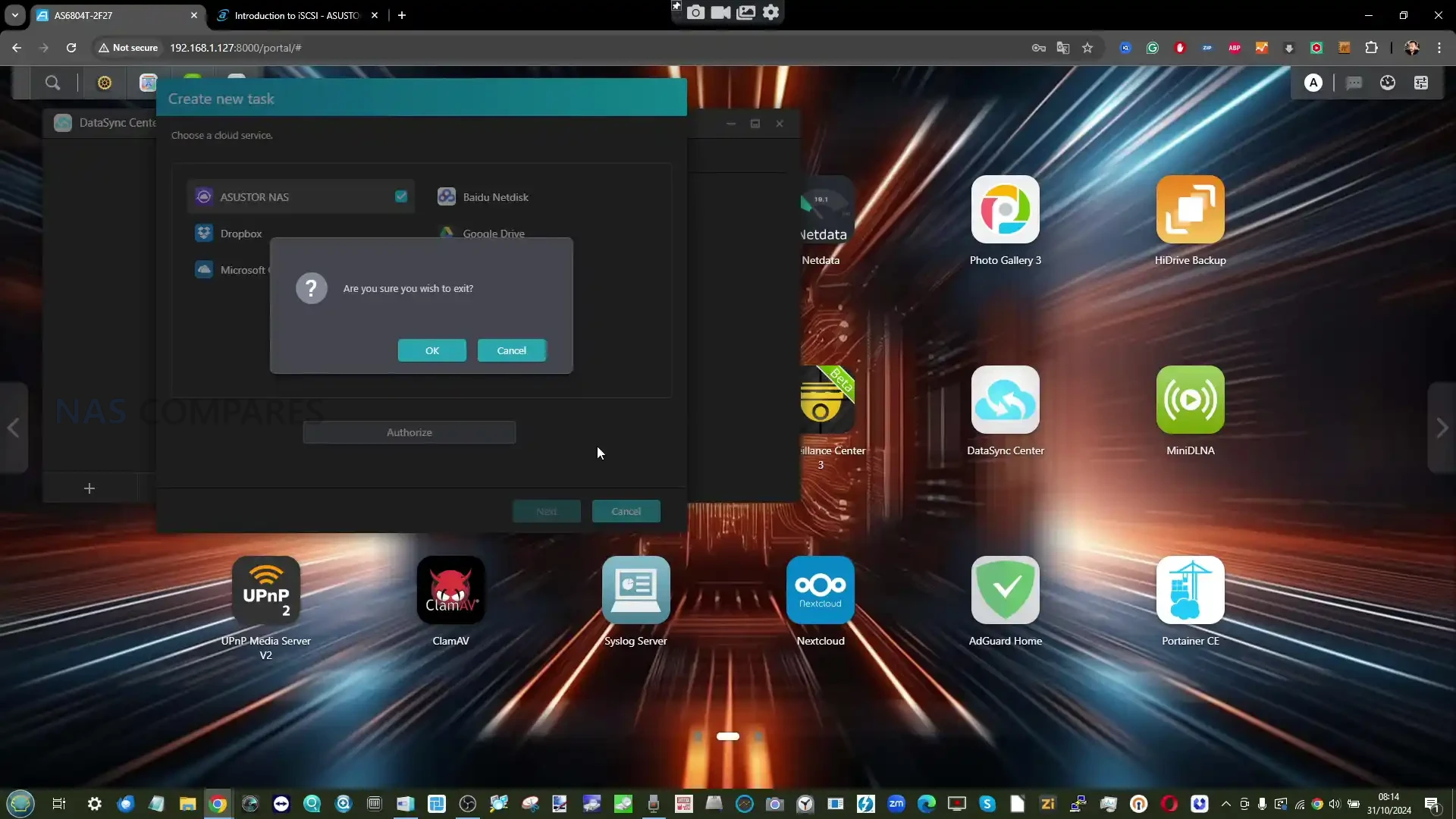
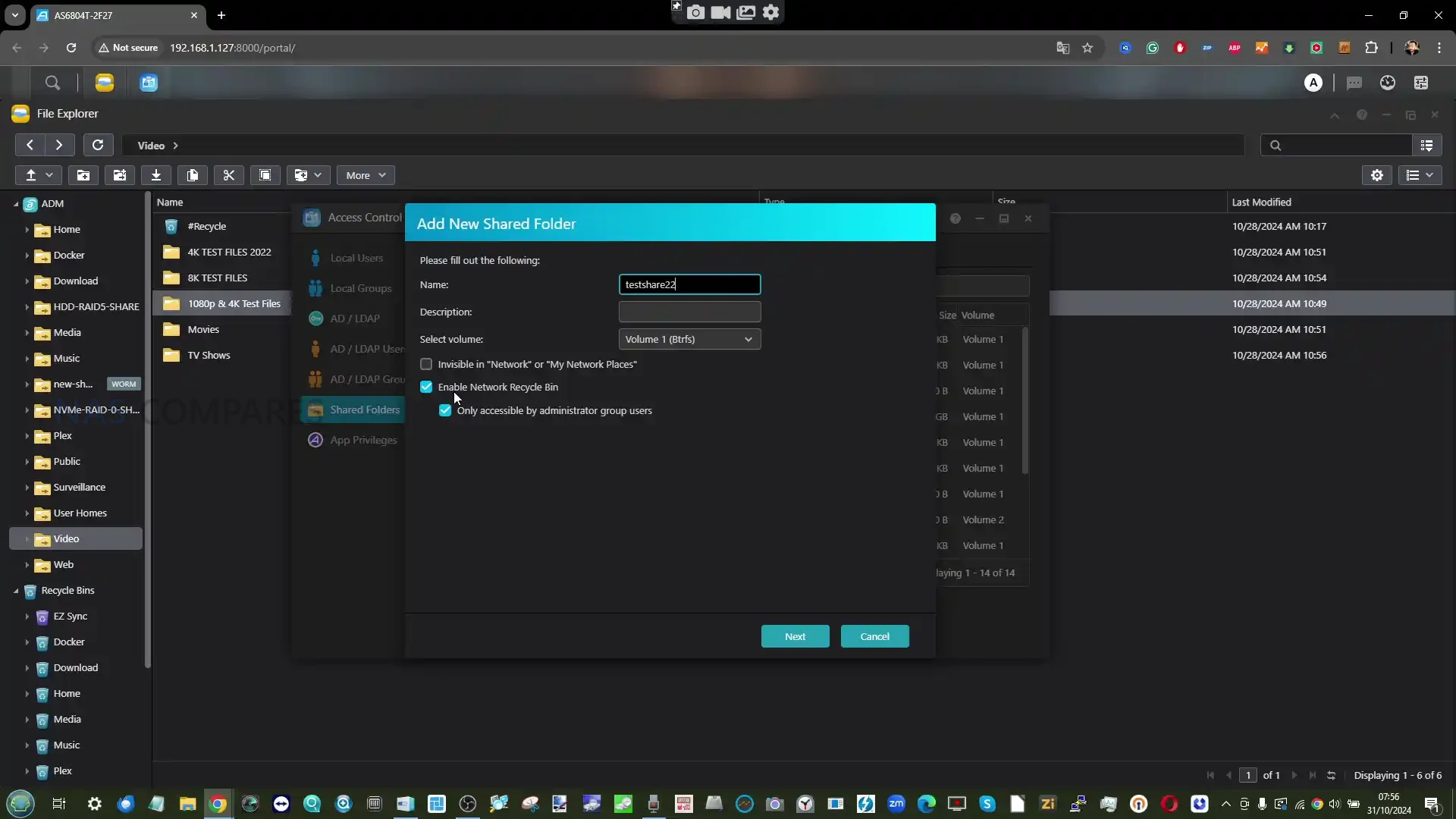
On the F2-425, the same TOS 6 platform is presented in a context that favors simplicity and accessibility. The interface is largely self contained and can be managed through a browser or the TNAS mobile application, which is useful for users who want basic control without learning advanced system administration. Features such as automated photo backups, shared folders, and user account isolation are easy to configure and align well with typical home usage.
In a smaller NAS, the emphasis is less on complex workflows and more on reliability and ease of access, and TOS 6 supports this by consolidating most tasks into a single interface. For users moving from external drives or cloud storage, the software environment on the F2-425 provides a relatively gentle transition into centralized network storage.
 |
 |
 |
 |
Long Term Flexibility Beyond the Default Software of the F2-425
The F2-425 also benefits from its openness as an x86 based system, which can be especially relevant in a smaller NAS that may change roles over time. While many users will initially deploy it as a simple file server or media box using TOS 6, the ability to switch to a different operating system later allows the hardware to be repurposed rather than replaced. This could include running a lightweight home server, experimenting with container workloads, or using it as a learning platform for NAS and Linux based systems. In a compact 2 bay device, this flexibility helps offset the more limited expansion options by giving the hardware multiple potential use cases across its lifespan. For users who want a small NAS that is not locked into a single software path, the F2-425 offers a degree of freedom that is less common in this size and price range.
Network Bandwidth Ceiling Reached Quickly in the F2-425
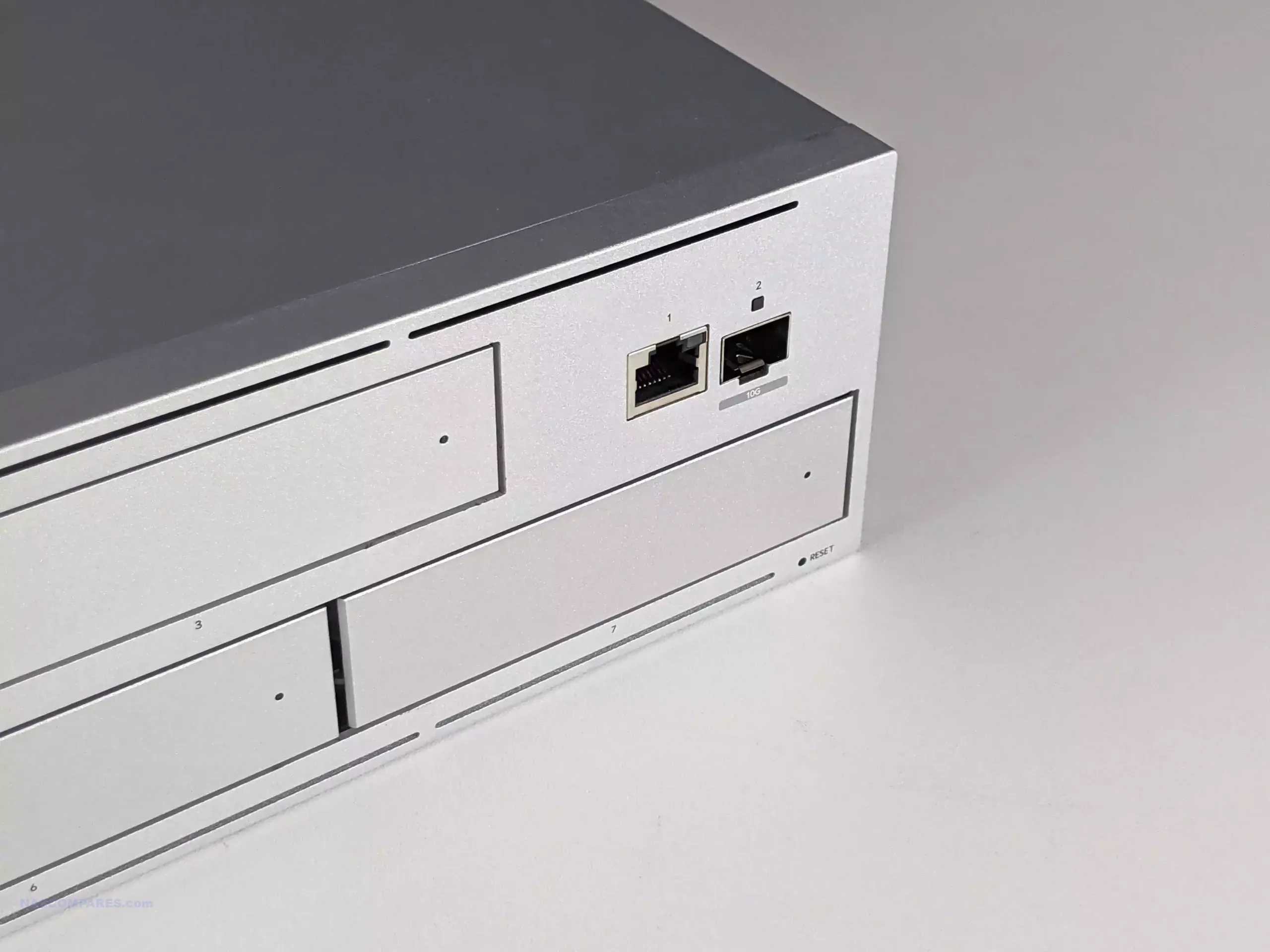
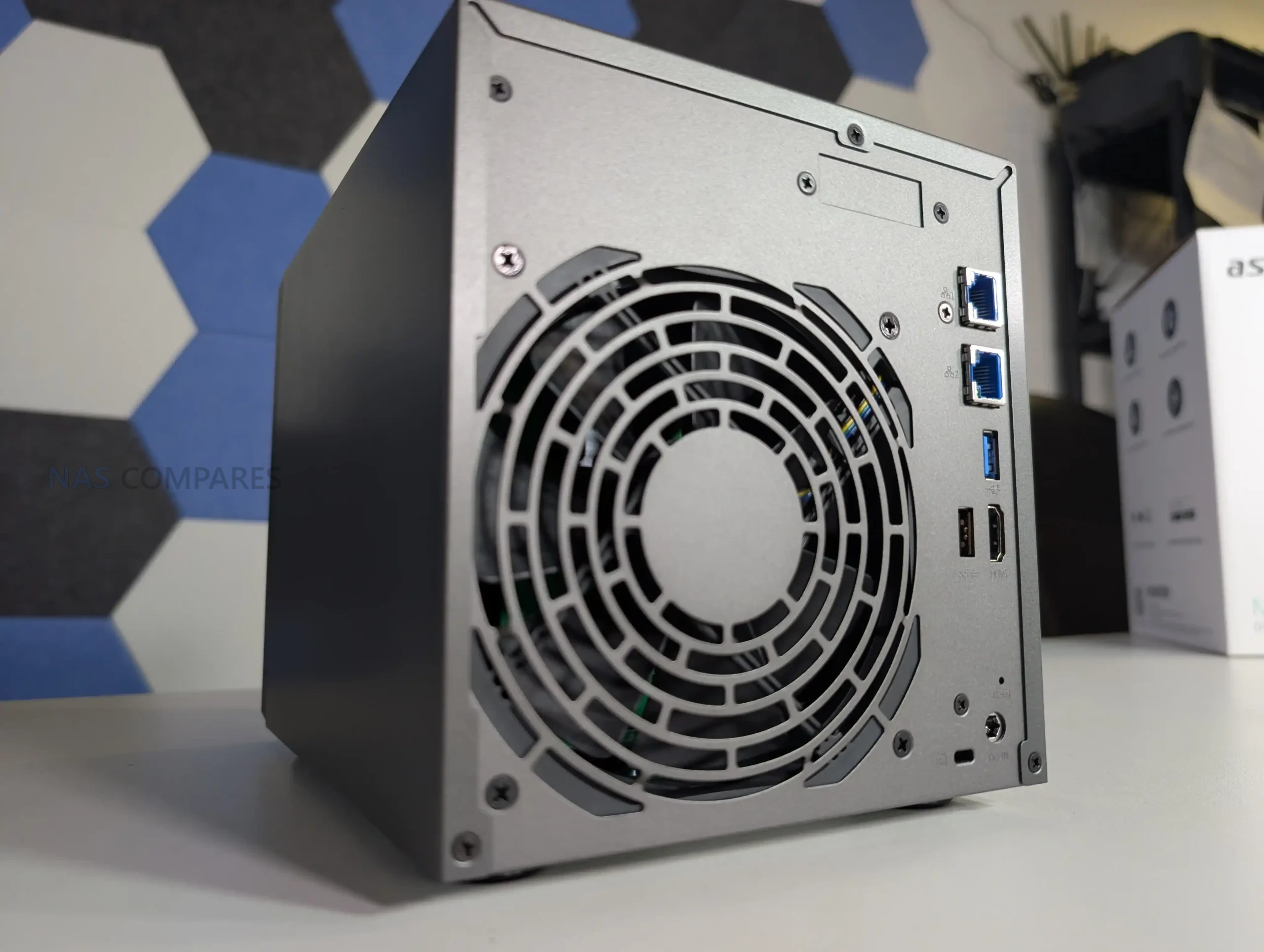
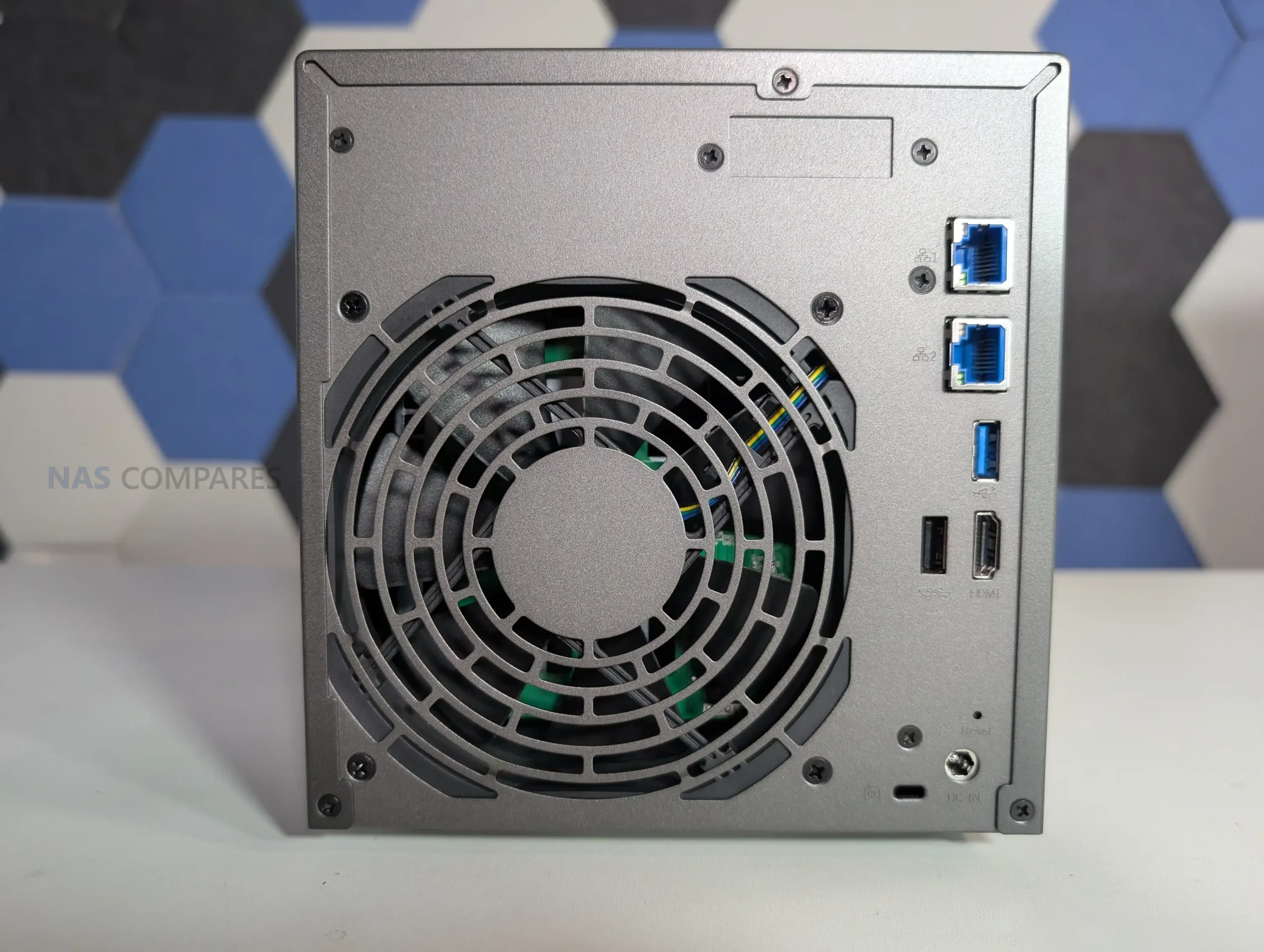
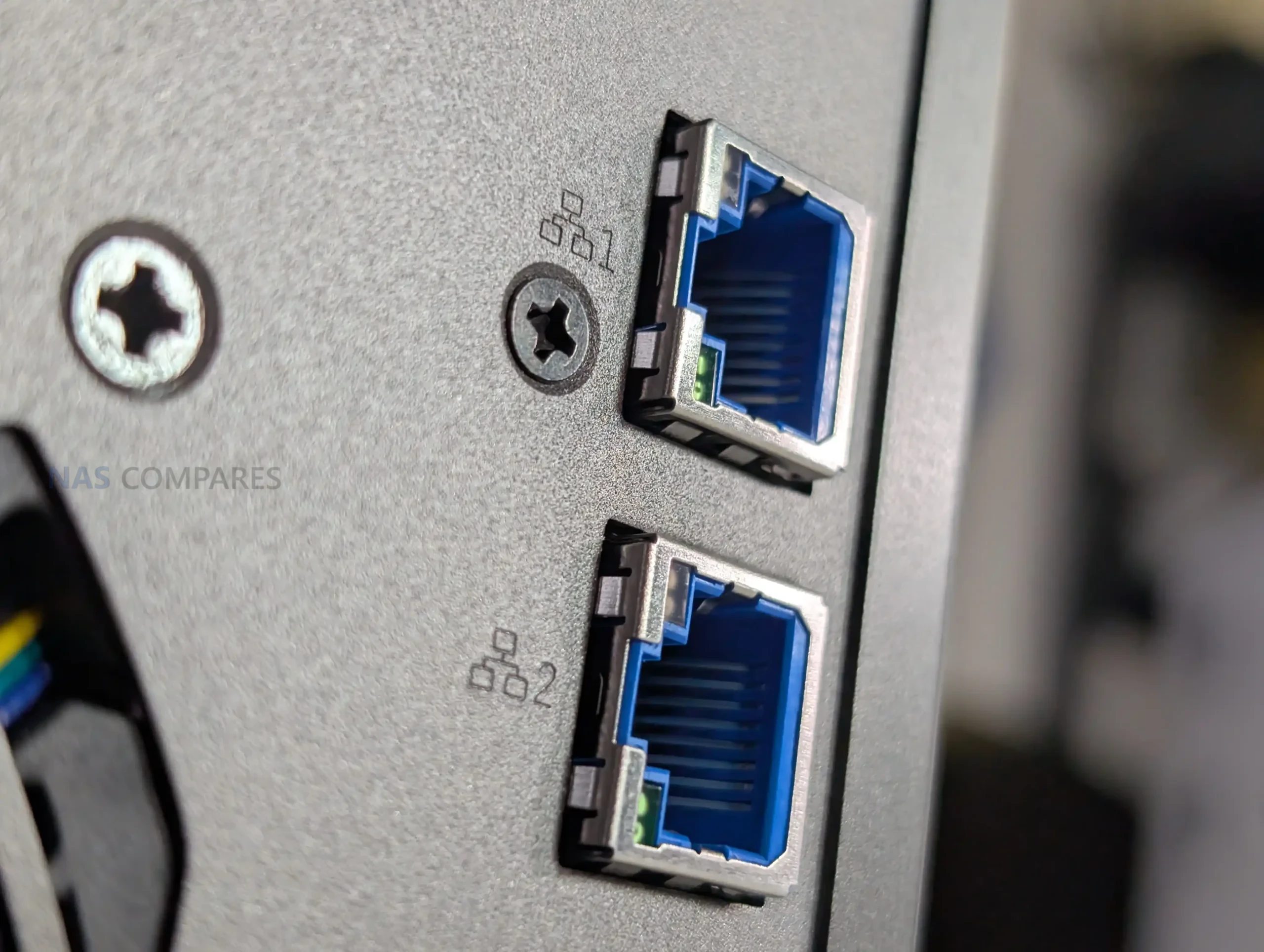
On the F2-425, the same single 2.5GbE port presents a different but still relevant constraint. Although a 2 bay NAS is less likely to push extreme throughput compared to a 4 bay system, even a pair of modern hard drives in RAID 0 or during parallel access can approach the limits of a 2.5GbE connection. This reduces the benefit of faster drives and makes performance gains from certain configurations less noticeable in real world use.

For users who plan to use SSDs or who already have a multi gigabit home network, the absence of faster native networking may feel restrictive. As with the F4-425, expansion via USB adapters is possible, but it adds another dependency rather than providing a clean, integrated solution. For a device positioned as an Intel based NAS, the networking capabilities may feel conservative relative to current expectations.
No SSD Cache or High Speed Tier Options on the F2-425
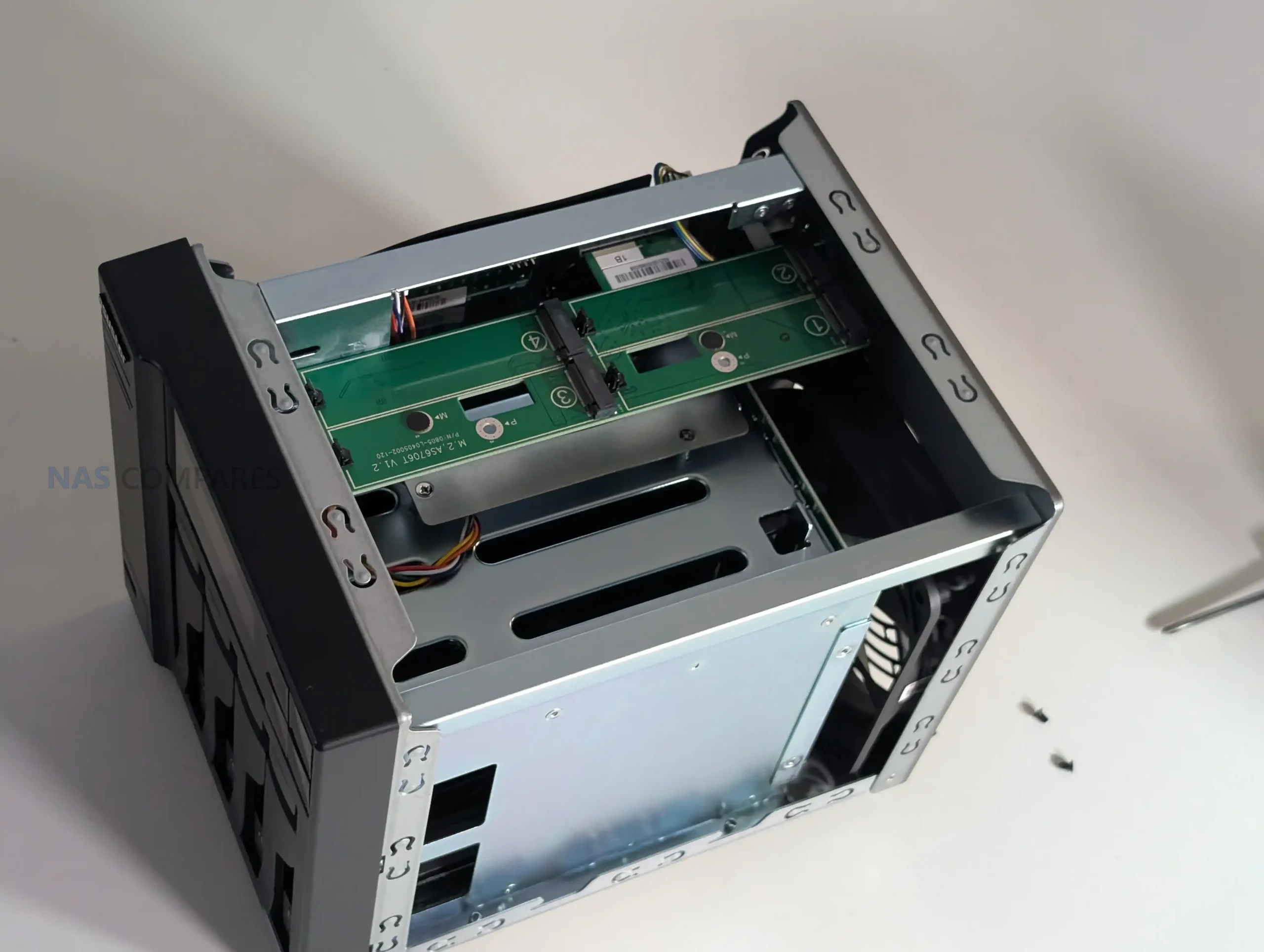
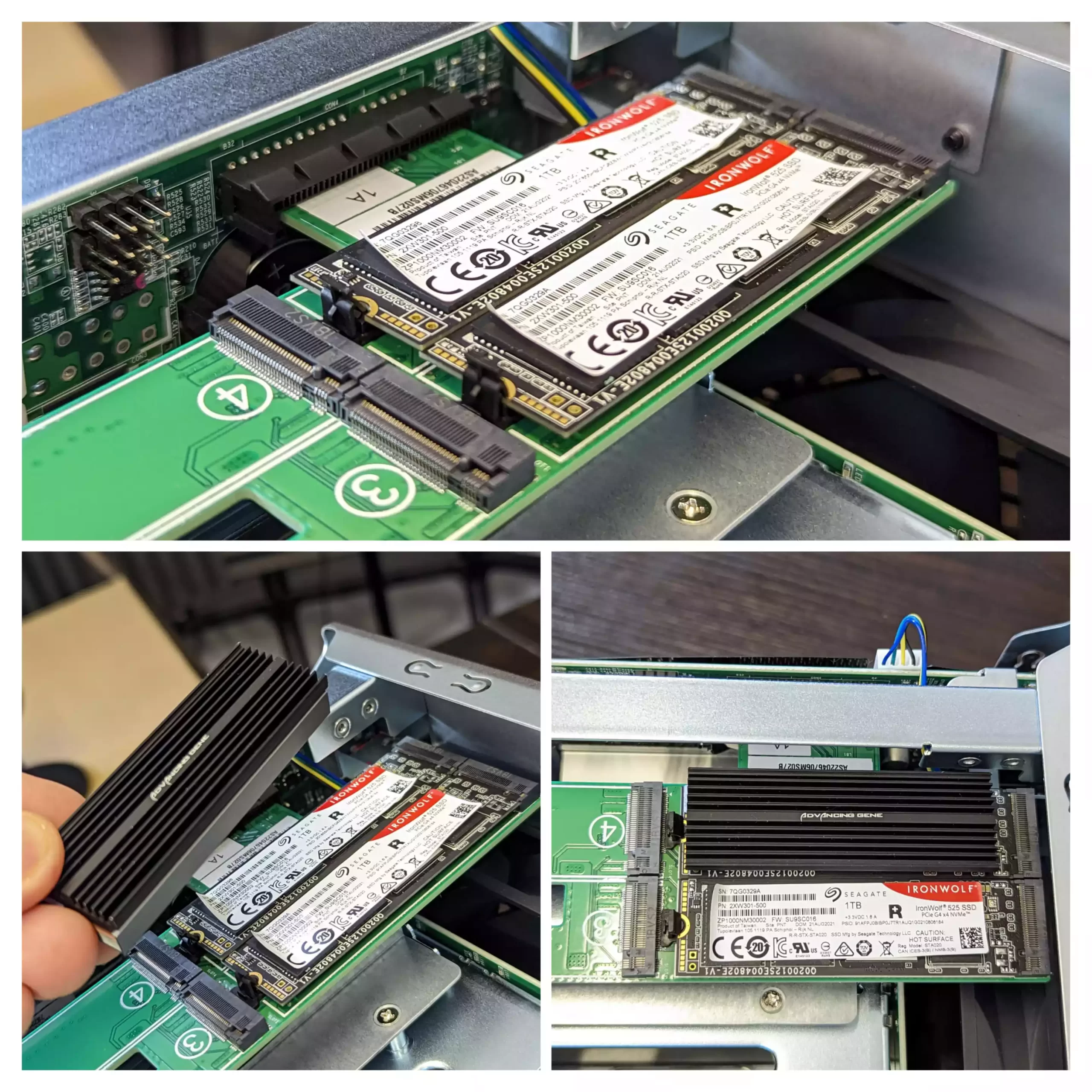
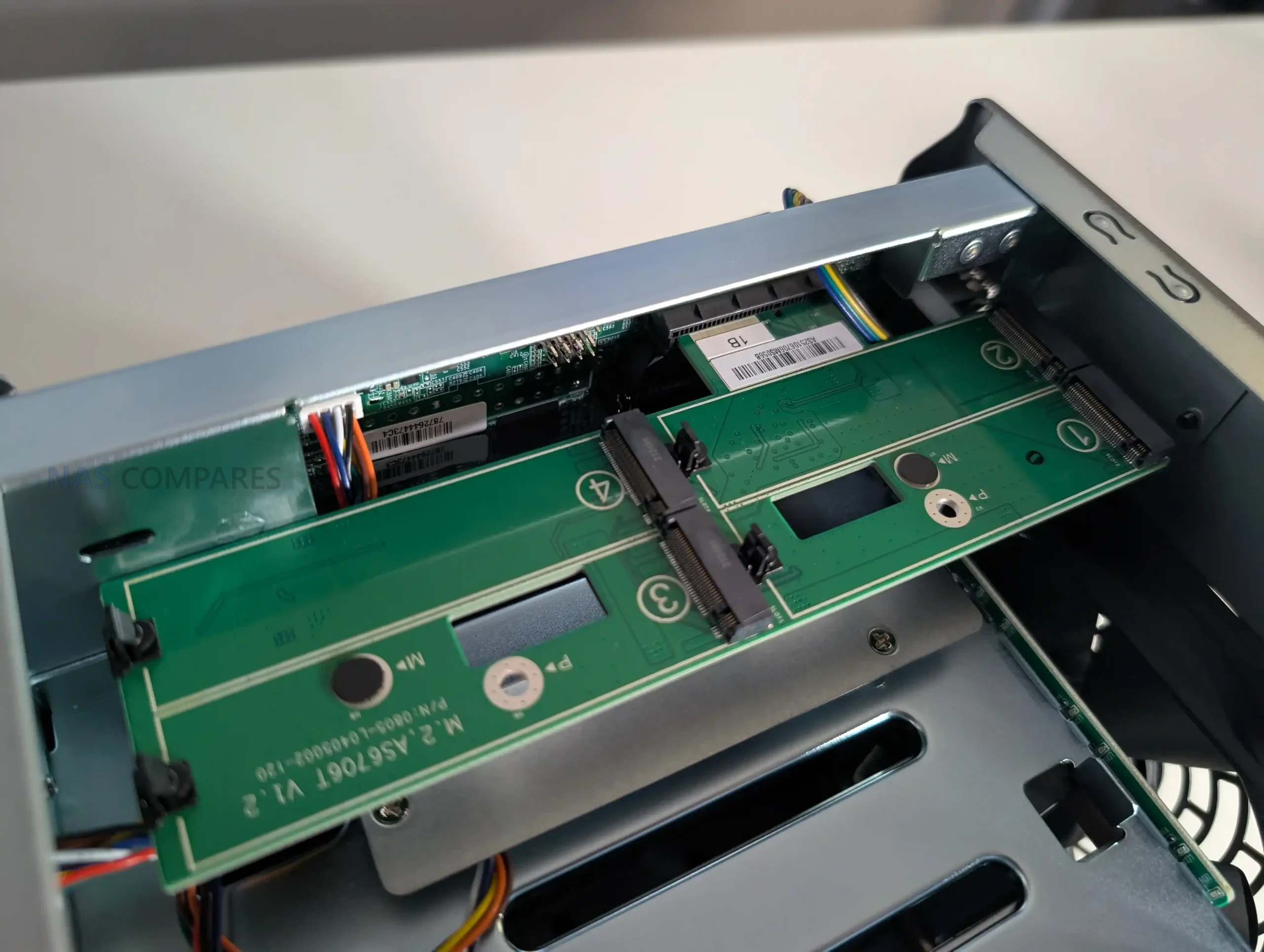
On the F2-425, the lack of NVMe support affects usability in a more subtle but still meaningful way. A 2 bay NAS often benefits from SSD caching to compensate for limited drive count, improving responsiveness during file browsing, small file access, and application use. Without NVMe slots, users are restricted to SATA based storage, and dedicating a drive bay to an SSD for caching or fast storage comes at the cost of usable capacity or redundancy. This reduces flexibility, especially for users who want to mix performance and safety in a compact system. While the F2-425 can still perform well for basic file serving and media playback, it does not offer a clear upgrade path for users who later want faster storage tiers without replacing the system entirely. In this size class, the absence of NVMe support reinforces its role as a straightforward storage appliance rather than a performance tunable platform.

Limited Headroom for Future Software Demands of the F2-425
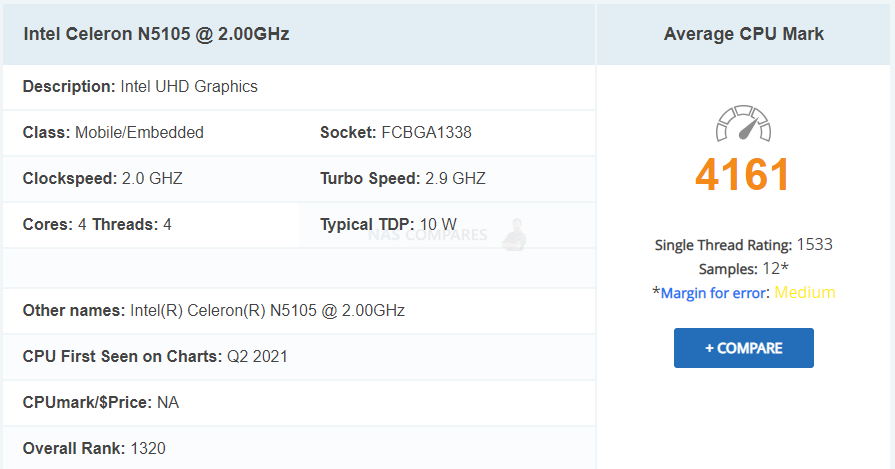
In the F2-425, the same N5095 processor is generally adequate for its intended use cases, but it still represents a compromise when viewed against newer entry level Intel CPUs. For a compact NAS, the processor is sufficient for file sharing, backups, and media playback, but it offers less margin for expanding into additional services or more demanding applications. As operating systems and third party tools evolve, performance expectations tend to rise, and the older architecture may reach its limits sooner than more recent alternatives. This does not prevent the F2-425 from performing its current role effectively, but it does mean that users planning to grow their usage beyond basic tasks may encounter constraints earlier in the system’s lifespan. The CPU choice reinforces the device’s position as an entry level Intel NAS rather than a long term performance platform.

Hardware Feature That Adds Little Day to Day Value in the F2-425
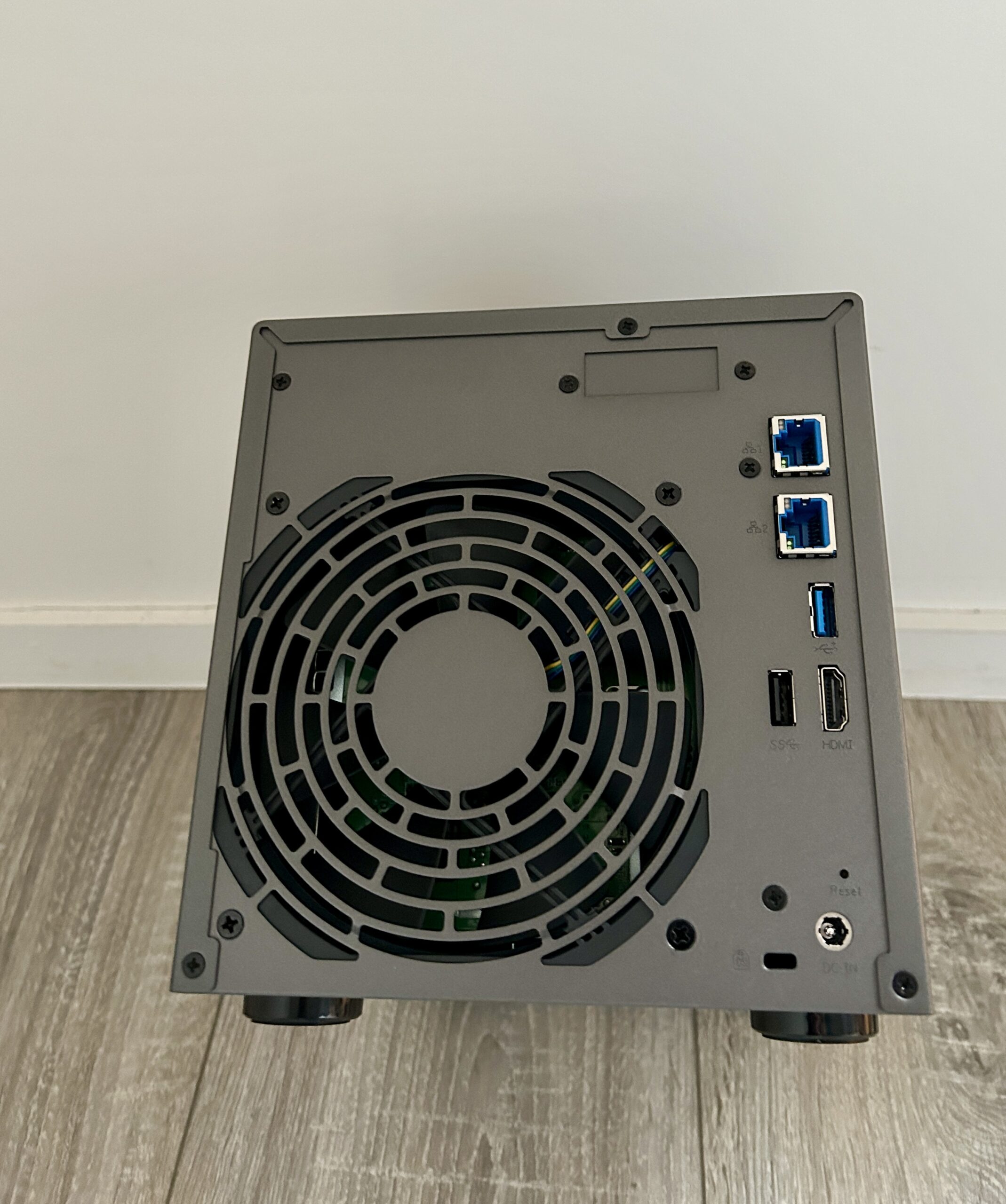
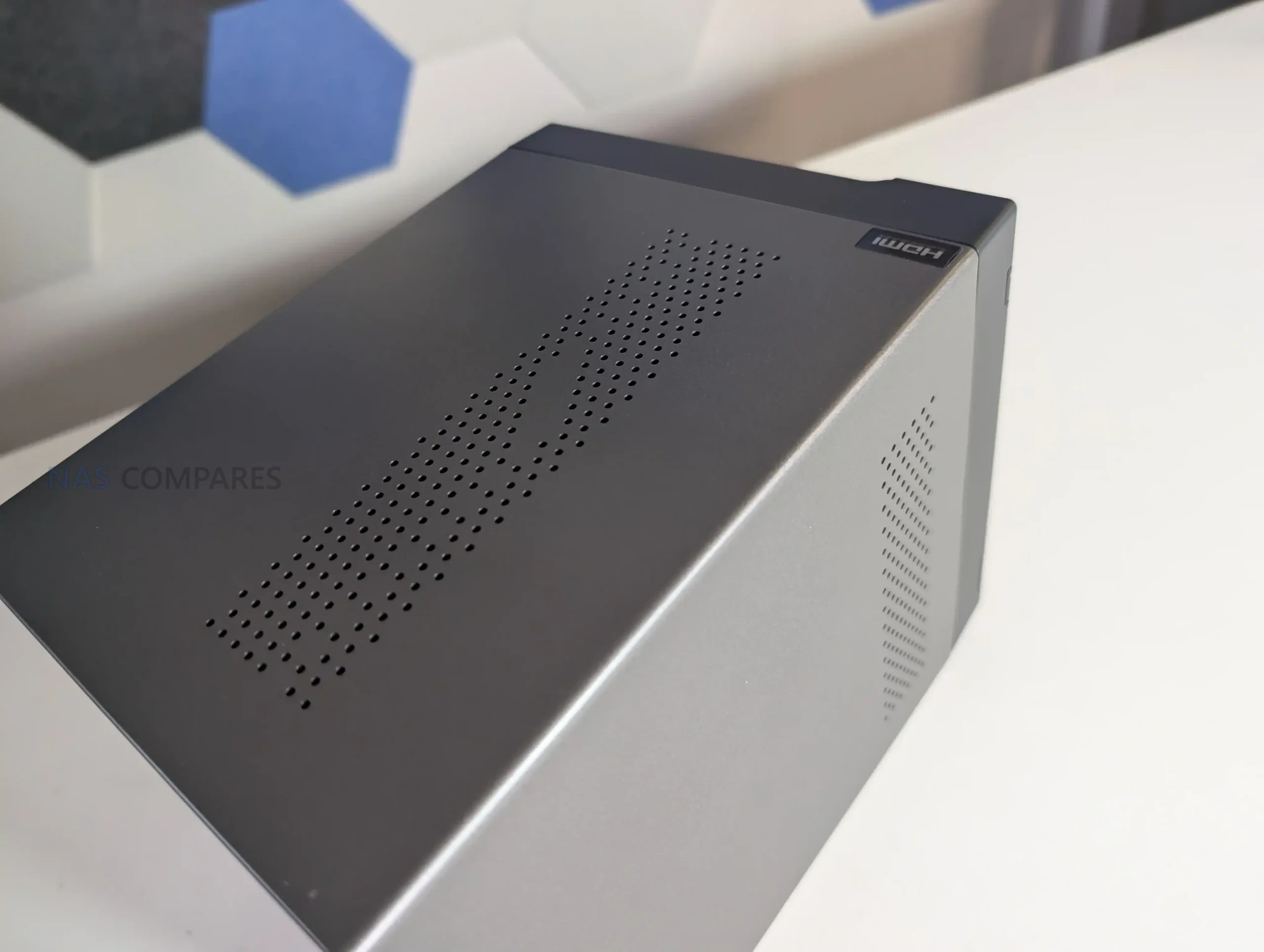
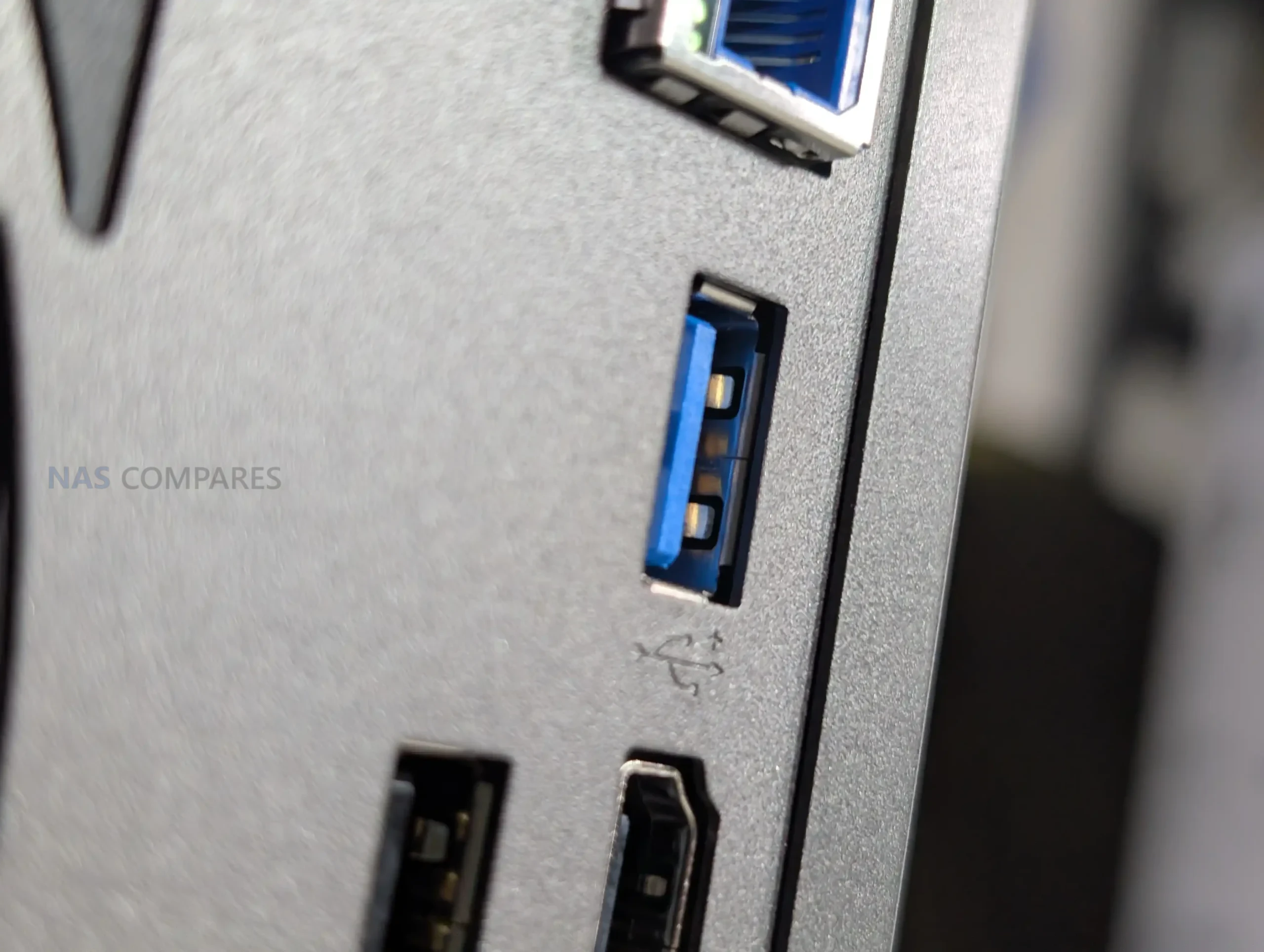
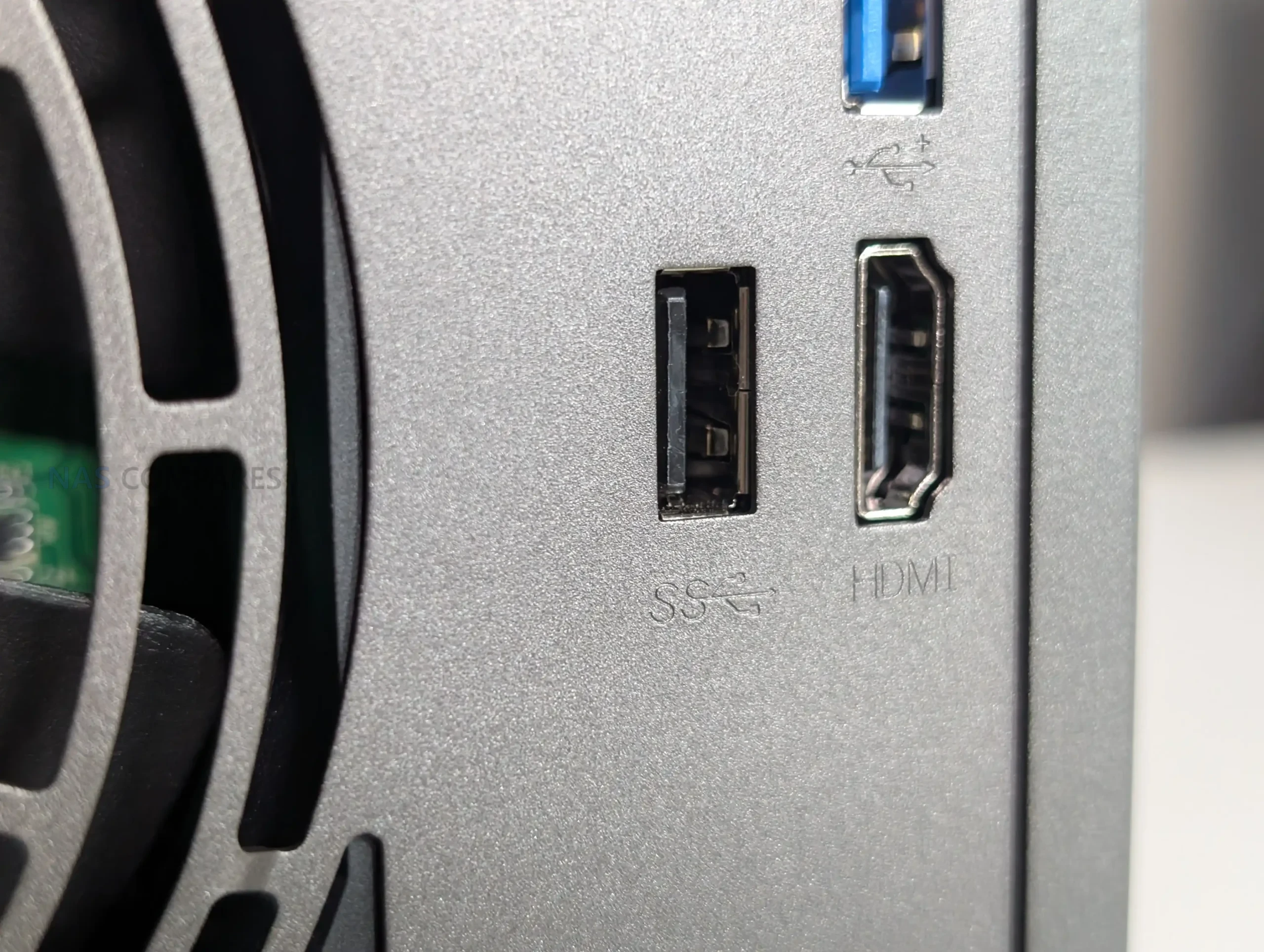
On the F2-425, the HDMI port has even less practical relevance for most users. Given the device’s smaller size and typical placement in home environments, it is unlikely to be connected directly to a display for regular interaction. As with the larger model, the HDMI output does not provide access to a graphical interface or media center functionality under the default operating system. This limits its usefulness to diagnostics or alternative OS installation scenarios.

For users expecting local playback or direct control via a monitor and keyboard, the presence of HDMI may create expectations that are not met in practice. In everyday use, the port remains largely unused, making it more of a technical inclusion than a functional feature for the target audience.

Narrow Upgrade Path Compared to Nearby Alternatives of the F2-425
The F2-425 faces a similar issue within TerraMaster’s broader range, particularly when compared to other compact Intel based NAS models that include NVMe slots or more efficient processors. While the initial cost is lower, the lack of internal expansion options means users are largely locked into the performance profile they purchase on day 1. For buyers who later decide they want faster storage tiers, improved networking, or more responsive application performance, there is limited scope to evolve the system without replacing it entirely. In this context, the F2-425 works best for clearly defined and stable use cases, but it is less forgiving if requirements change. The presence of more flexible alternatives nearby in the lineup makes this limitation more noticeable when evaluating long term ownership.
 |
 |
Conclusion and Verdict of the F2-425 Review – Should You Buy?
The TerraMaster F2-425 offers a compact and accessible route into Intel based NAS ownership, focusing on everyday storage, backups, and media services rather than advanced performance tuning. Its smaller form factor, quieter operation, and simpler capacity planning align well with home and small office environments where space and ease of use matter more than throughput. The inclusion of TOS 6 and support for alternative operating systems provides flexibility at the software level, helping extend the usefulness of the hardware across different roles over time. However, like its 4 bay counterpart, the F2-425 has clearly defined limits. The lack of NVMe support and faster native networking means there is little room to grow into more demanding workloads, and the aging processor reinforces its position as an entry level Intel NAS. For users with modest, stable requirements, it can serve reliably as a central data hub. For those who anticipate expanding performance needs or experimenting with higher speed storage and networking, nearby alternatives may offer better long term value, even if they come at a higher initial cost.
 |
||
| Amazon in Your Region | Terramaster F2-425 PLUS | B&H NAS Shop |
|
|
|
 SUBSCRIBE TO OUR NEWSLETTER
[contact-form-7]
 Join Inner Circle
 Get an alert every time something gets added to this specific article!
Subscribe
This description contains links to Amazon. These links will take you to some of the products mentioned in today's content. As an Amazon Associate, I earn from qualifying purchases. Visit the NASCompares Deal Finder to find the best place to buy this device in your region, based on Service, Support and Reputation - Just Search for your NAS Drive in the Box Below
Need Advice on Data Storage from an Expert?
Finally, for free advice about your setup, just leave a message in the comments below here at NASCompares.com and we will get back to you. Need Help?
Where possible (and where appropriate) please provide as much information about your requirements, as then I can arrange the best answer and solution to your needs. Do not worry about your e-mail address being required, it will NOT be used in a mailing list and will NOT be used in any way other than to respond to your enquiry.
[contact-form-7]
Need Help?
Where possible (and where appropriate) please provide as much information about your requirements, as then I can arrange the best answer and solution to your needs. Do not worry about your e-mail address being required, it will NOT be used in a mailing list and will NOT be used in any way other than to respond to your enquiry.
[contact-form-7]
 TRY CHAT
Terms and Conditions
TRY CHAT
Terms and Conditions
 Ko-fi or old school Paypal. Thanks!To find out more about how to support this advice service check HEREIf you need to fix or configure a NAS, check Fiver
Have you thought about helping others with your knowledge? Find Instructions Here
Ko-fi or old school Paypal. Thanks!To find out more about how to support this advice service check HEREIf you need to fix or configure a NAS, check Fiver
Have you thought about helping others with your knowledge? Find Instructions Here





|
 |
 ;
;


































 Aucun
Aucun