
 Connexion
Gl.iNet Beryl 7 vs Slate 7 Travel Router Comparison
Gl.iNet Slate 7 vs Beryl 7 Travel Router – Which Should You Buy?
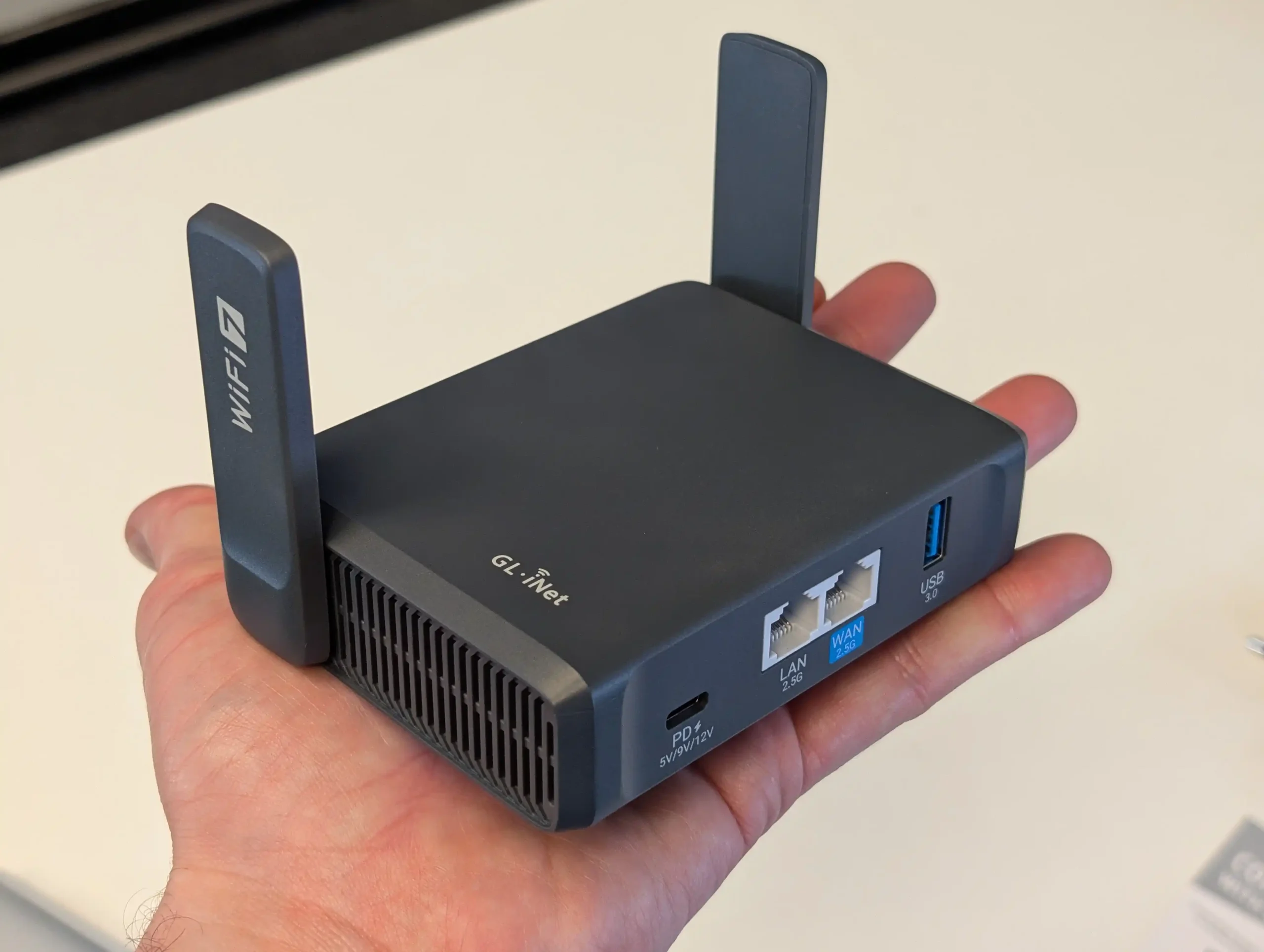
At first glance, the GL.iNet Beryl 7 (GL-MT3600BE) and the GL.iNet Slate 7 (GL-BE3600) appear very closely matched. Both are compact dual band WiFi 7 travel routers, both include dual 2.5GbE ports, USB 3.0 expansion, OpenWrt based firmware, and support for VPN client and server deployment. They are designed for similar use cases such as securing public WiFi in hotels and airports, creating a private subnet for multiple personal devices, or acting as a portable gateway for temporary work setups. On paper, their wireless speed ratings are identical, and their overall feature sets overlap significantly. However, there is a clear price separation, with the Beryl 7 typically retailing at $139.99 and the Slate 7 positioned higher at $169.99. Given how similar they appear in specification tables, this comparison focuses on what justifies that difference, looking beyond headline WiFi 7 support and examining hardware platform choices, memory configuration, interface design, performance ceilings, and overall positioning within the travel router lineup.
| If you are in a hurry – here is the TL;DR – the Slate 7 is $30-40 more, and for that you get a touchscreen LCD panel to allow for client-less configuration on the fly, it arrives with double the base memory (1GB, as opposed to 512MB) and a much more performance focused processor (a Qualcomm, rather than a Mediatek, which is much more widely supported and used in router applications and services). If you can spare the $30-40, get the Slate 7! |

Gl.iNet Beryl 7 Travel Router |
Gl.iNet Slate 7 Travel Router |
||
| Buy From Gl.iNet
|
Buy From Amazon
|
Buy From Gl.iNet
|
Buy From Amazon
|


Gl.iNet Beryl 7 vs Slate 7 – Wireless Connectivity
Both the GL.iNet Beryl 7 (GL-MT3600BE) and the GL.iNet Slate 7 (GL-BE3600) are dual band WiFi 7 routers operating across 2.4GHz and 5GHz, with identical rated wireless speeds of 688Mbps on 2.4GHz and 2882Mbps on 5GHz, for a combined 3600Mbps class rating. Neither device includes 6GHz support, which means both are technically WiFi 7 implementations without access to the expanded 6GHz spectrum or 320MHz channel widths. Instead, they focus on delivering WiFi 7 features such as improved OFDMA efficiency, 4K QAM, preamble puncturing, and Multi Link Operation within the existing 2 band framework.
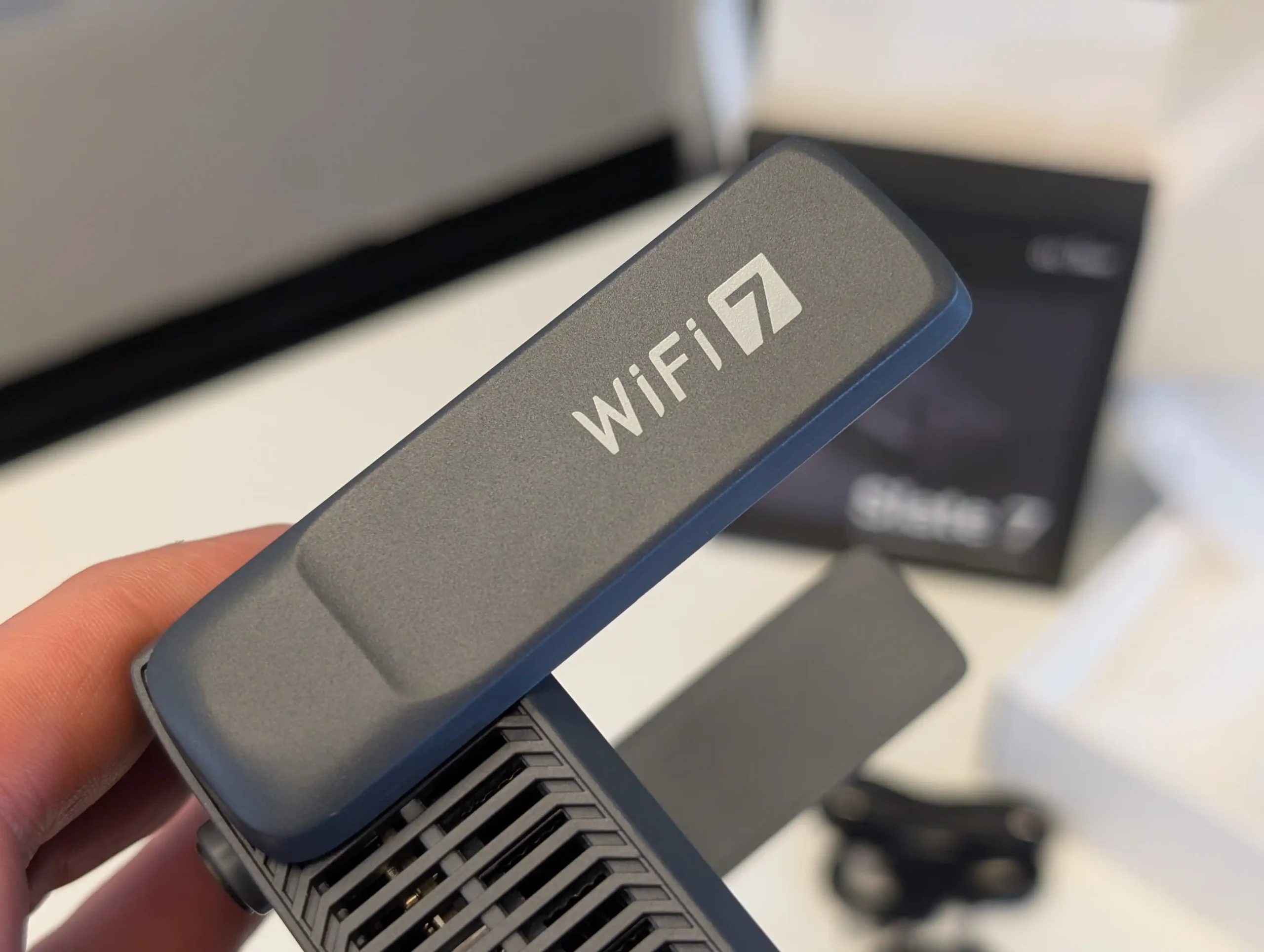
In practical use, this means the wireless experience between the two routers is very similar when connecting modern WiFi 7 client devices. Multi Link Operation allows compatible devices to aggregate traffic across 2.4GHz and 5GHz simultaneously rather than choosing a single band. This can improve stability and reduce latency under load, particularly when multiple devices are active. However, because neither router supports 6GHz, both are limited to 160MHz channels, which caps the theoretical advantage compared to tri band WiFi 7 platforms. For most travel environments where surrounding networks are congested and spectrum is shared, the absence of 6GHz may not be the primary limiting factor.

It is also relevant that WiFi 7 client adoption is still developing, and many connected devices will continue to operate using WiFi 6 or earlier standards. In those cases, both routers fall back to backward compatible modes with similar performance characteristics. Since their radio specifications are aligned and both omit 6GHz, there is no material wireless generation advantage of one over the other. The distinction between these two models therefore lies less in raw WiFi 7 capability and more in the hardware platform and resource allocation that supports that wireless layer.

Gl.iNet Beryl 7 vs Slate 7 – Wired Connectivity
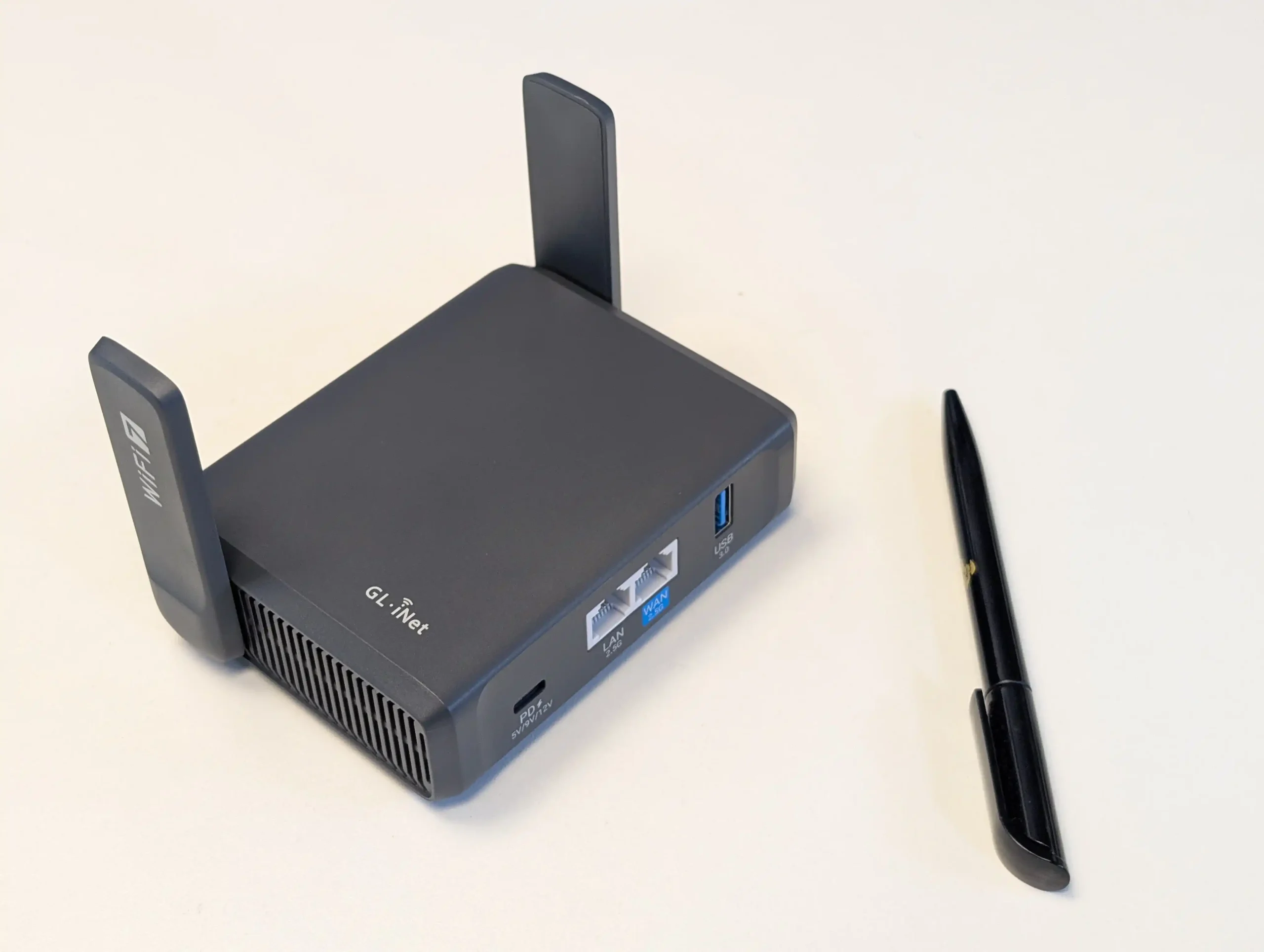
From a wired networking perspective, both the GL.iNet Beryl 7 (GL-MT3600BE) and the GL.iNet Slate 7 (GL-BE3600) are equipped with dual 2.5GbE ports. Each device includes 1 port typically designated as WAN and 1 as LAN, but both allow role reassignment within the software. This means either router can be configured to accept a multi gigabit internet uplink while simultaneously providing a 2.5G wired connection to a local client such as a workstation, NAS, or switch. In contrast to earlier travel routers limited to 1G LAN outputs, both of these models are capable of sustaining multi gigabit throughput on both ingress and egress.
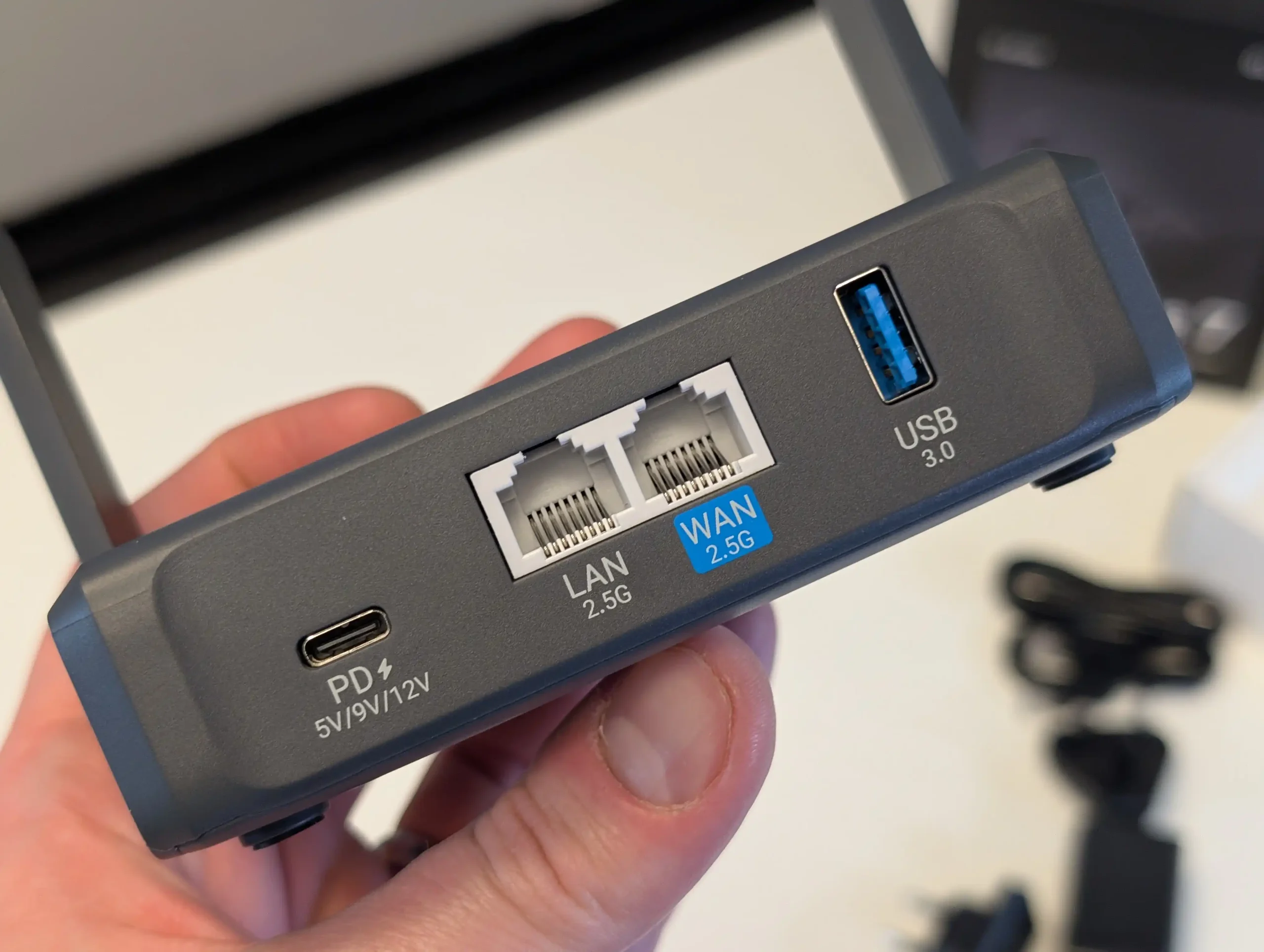
In practical deployment, this gives both devices flexibility in scenarios where internet speeds exceed 1Gbps or where high speed local transfers are required. For example, a user connecting to a fiber service above 1G can feed that into the WAN port and still provide full 2.5G bandwidth to a wired LAN device. This configuration also supports load balancing or failover setups when combined with USB tethering or repeater modes. Since both routers share this dual 2.5G configuration, there is no structural limitation on either side in terms of raw Ethernet throughput.

The differences in wired behavior emerge more subtly in how the internal hardware handles sustained traffic across those ports, rather than in port specification alone. On paper, the Ethernet configuration is effectively matched between the two models. Both remove the earlier compromise seen in WiFi 6 travel routers where users had to choose between multi gigabit WAN or LAN, and both provide the same baseline flexibility for wired high speed connectivity in a compact travel format.

Gl.iNet Beryl 7 vs Slate 7 – Internal Hardware
Although their wireless ratings and Ethernet layouts are nearly identical, the internal hardware platforms of the GL.iNet Beryl 7 (GL-MT3600BE) and the GL.iNet Slate 7 (GL-BE3600) are based on different SoCs with distinct design goals. The Beryl 7 uses a MediaTek quad core processor operating at 2.0 GHz per core, paired with 512 MB of DDR4 memory and 512 MB of NAND flash. The Slate 7 instead uses the Qualcomm IPQ5018 platform, which integrates a quad-core ARM Cortex-A53 CPU running at about 1.0 GHz with additional packet processing and network subsystem features, and pairs that with 1 GB of DDR4 memory and 512 MB of NAND flash.
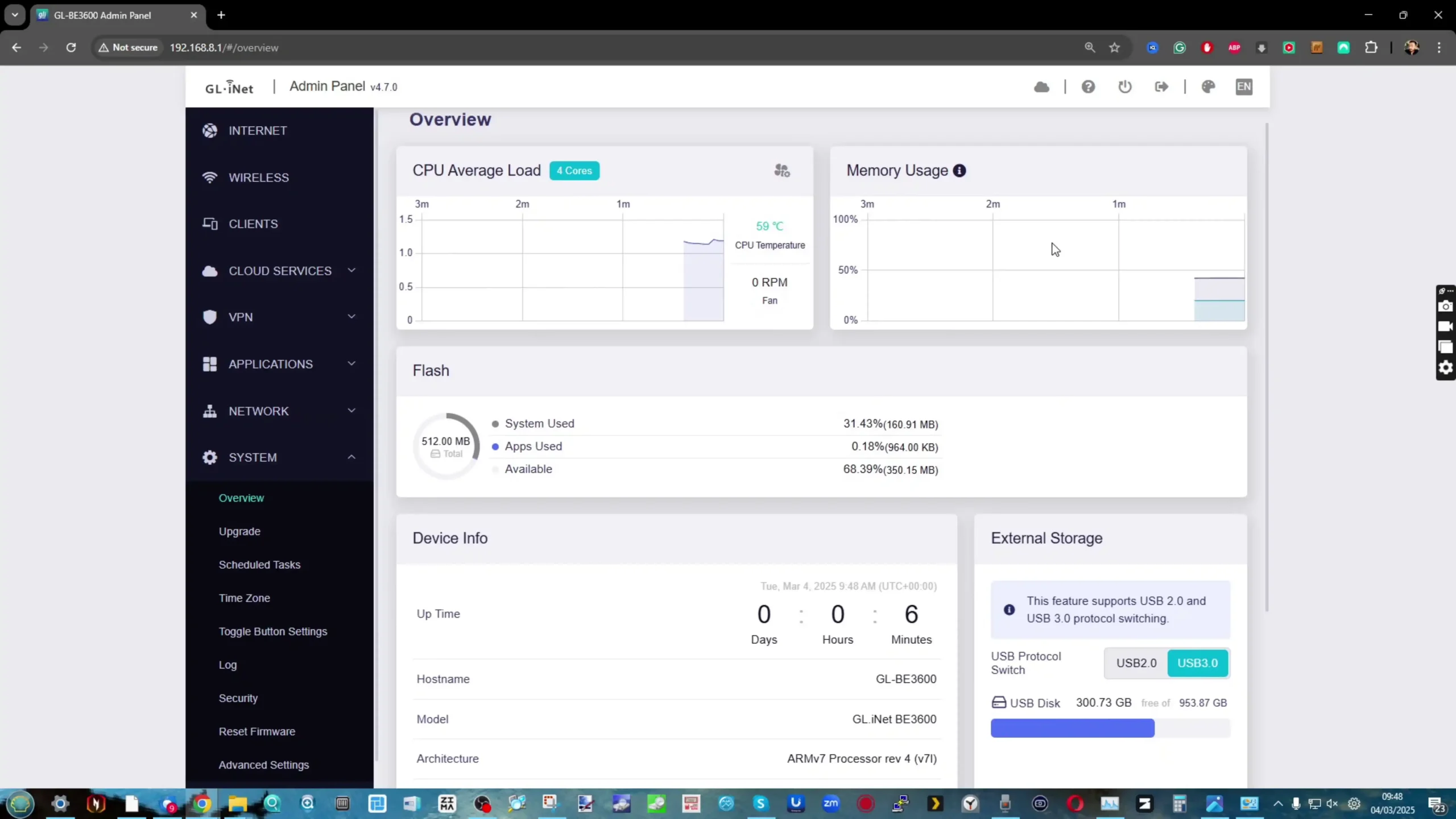
In real-world router workloads, CPU architecture and memory allocation each play a role. A higher clock speed like that in the Beryl 7 tends to benefit single threaded tasks such as some encryption operations and packet inspection. The Qualcomm IPQ5018’s emphasis on networking, hardware acceleration, and integrated network subsystem may offset its lower clock speed, particularly in tasks like NAT, traffic classification, or other system-level switching operations, and the doubled memory of the Slate 7 provides more space for concurrent services, queuing, and package expansions without immediate memory contention. In practice, the two platforms reflect different design priorities rather than a simple faster/ slower division.

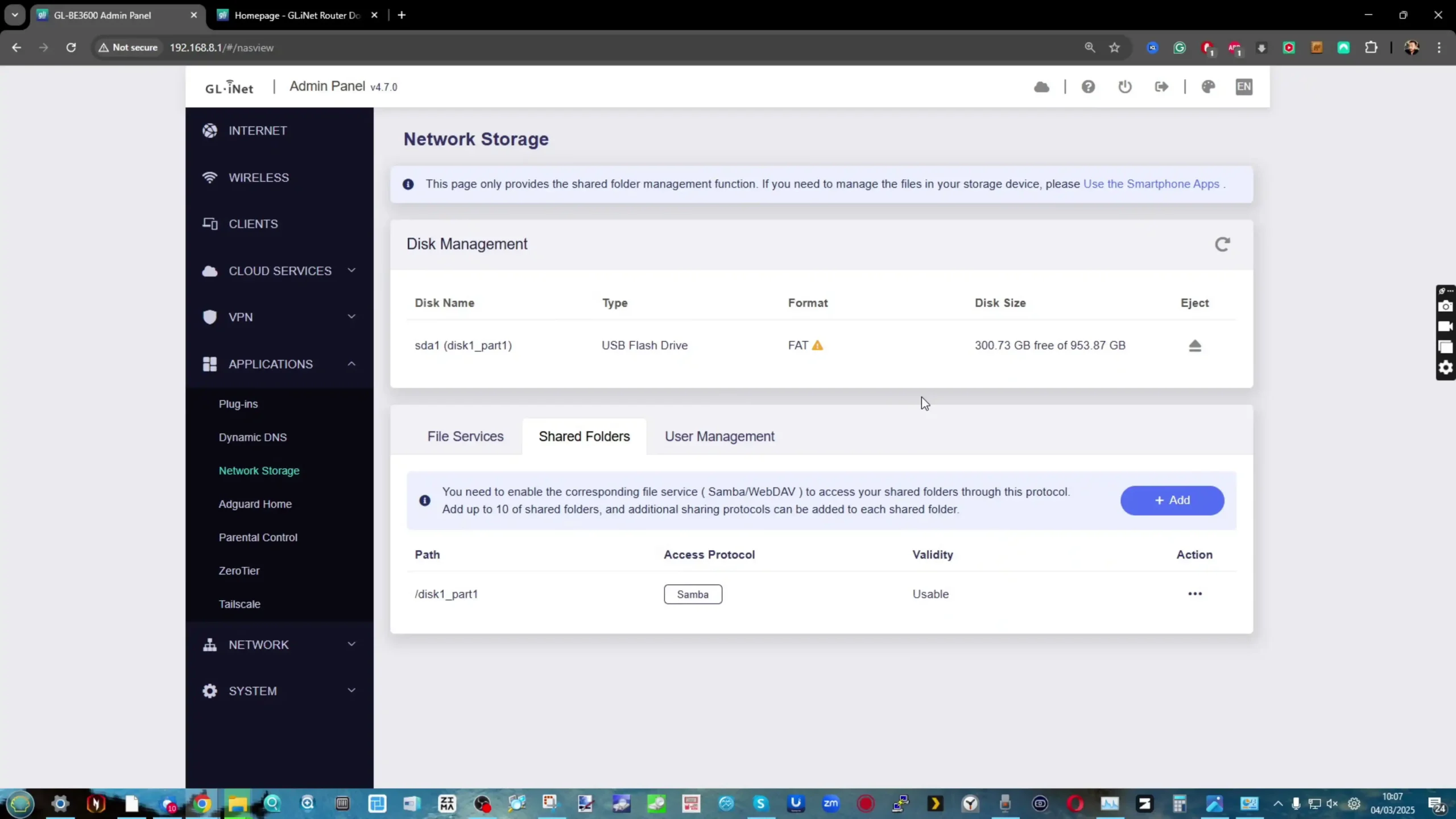
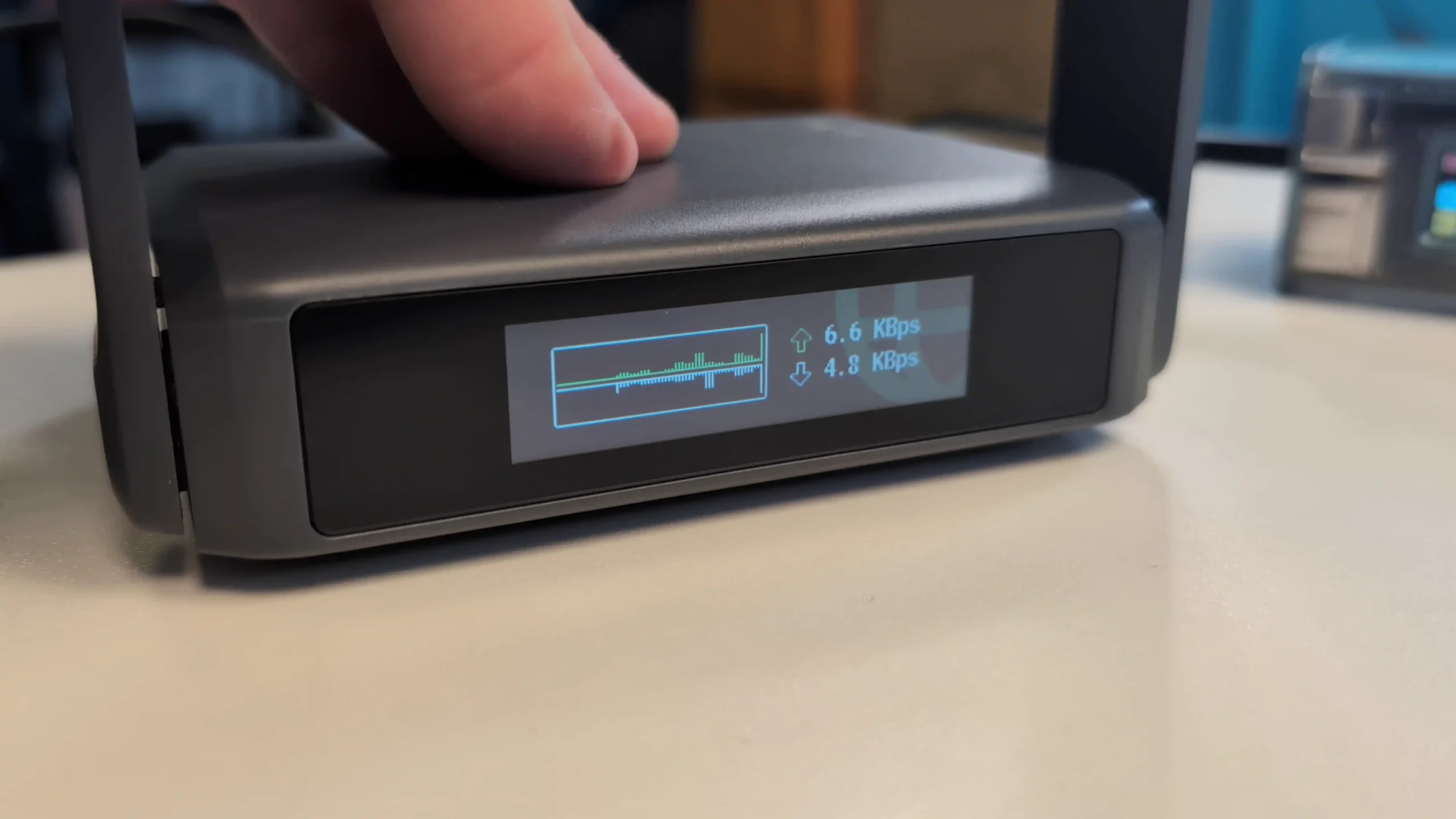
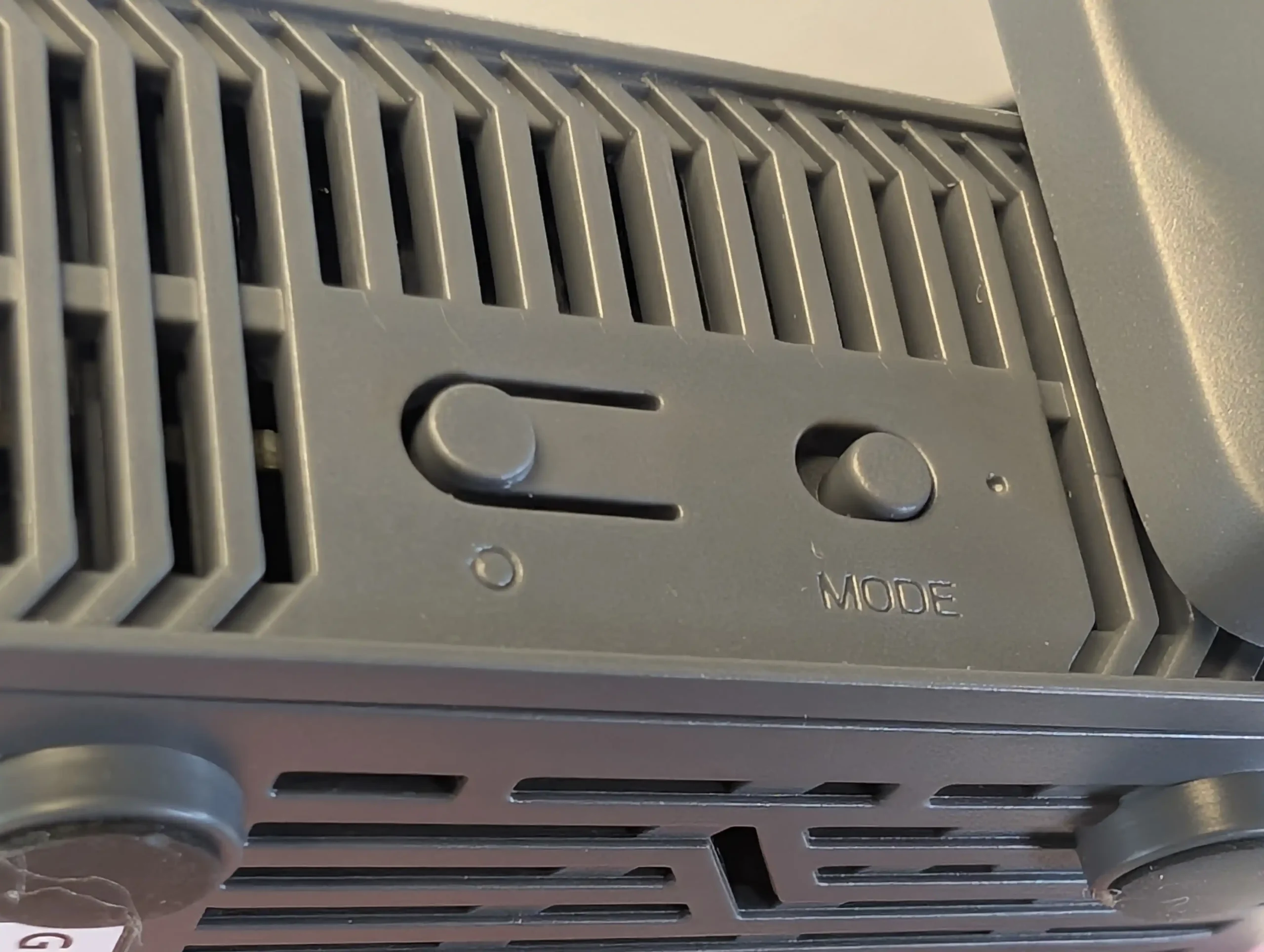
Both devices provide a single USB 3.0 port for data expansion alongside a USB Type-C port for power input, meaning external storage, USB tethering, or a cellular dongle must share the same data port; using one function prevents the simultaneous use of the others. The Slate 7 also includes an integrated touchscreen display that provides real-time status information and direct toggling of features such as VPN or network mode, while the Beryl 7 relies solely on web and mobile app based controls. Internally, the distinction therefore is not just MediaTek versus Qualcomm, but a trade-off between frequency-focused CPU design, expanded system memory, and user interface enhancements.

Gl.iNet Beryl 7 vs Slate 7 – Deployment
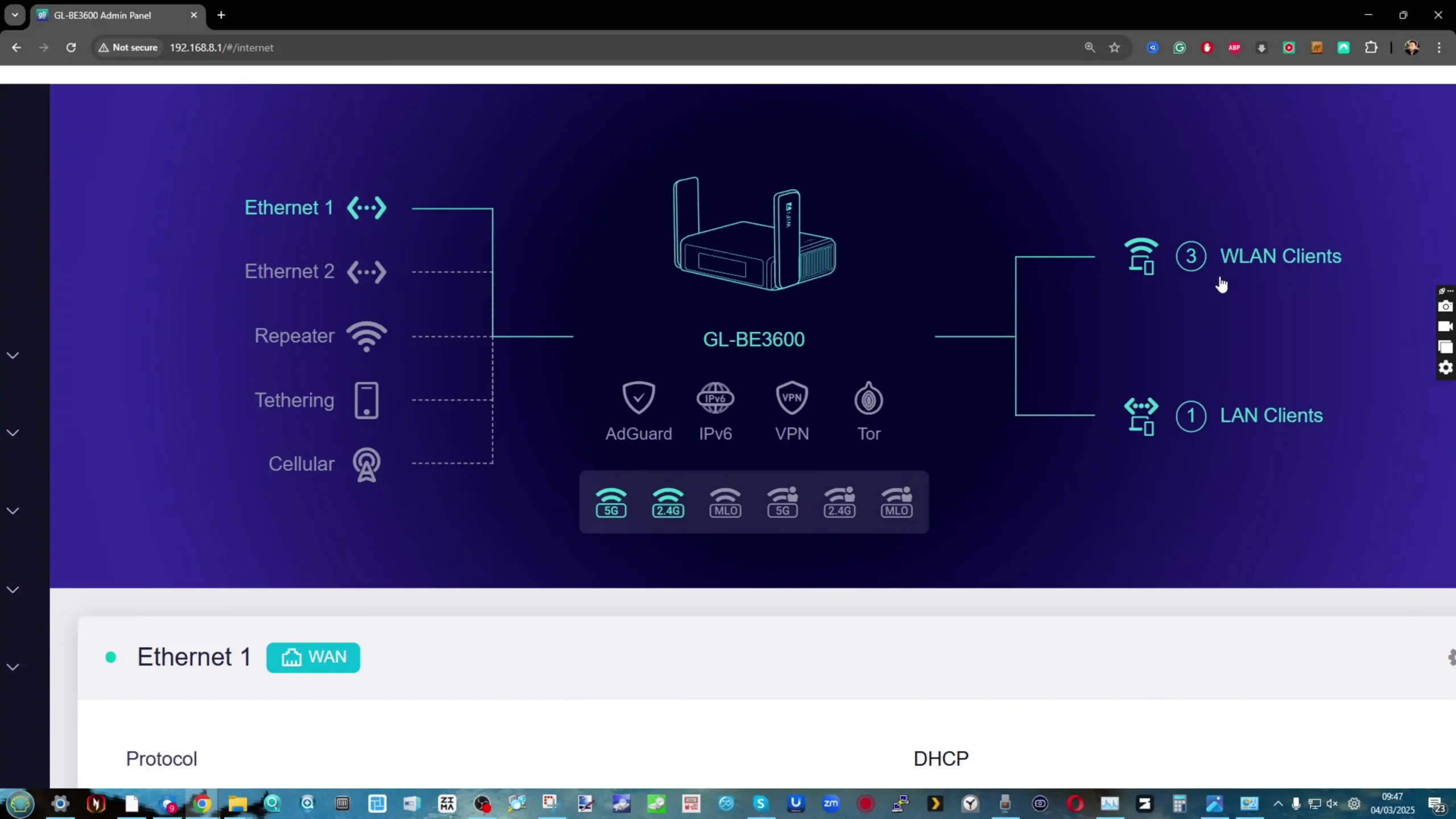
When translating specifications into practical deployment behavior, the most measurable difference between the GL.iNet Beryl 7 (GL-MT3600BE) and the GL.iNet Slate 7 (GL-BE3600) appears in VPN throughput. The Beryl 7 is rated at up to 1100Mbps with WireGuard and up to 1000Mbps with OpenVPN DCO in client mode. The Slate 7, powered by the Qualcomm IPQ5018 platform, is rated at up to 490Mbps with WireGuard and up to 385Mbps with OpenVPN DCO. Although the Qualcomm platform is well optimized for routing and packet handling, the higher clock speed MediaTek processor in the Beryl 7 provides substantially more headroom for encrypted throughput. In scenarios where the internet connection exceeds 500Mbps and VPN encryption is permanently enabled, the Beryl 7 is less likely to become the limiting factor.
 |
 |
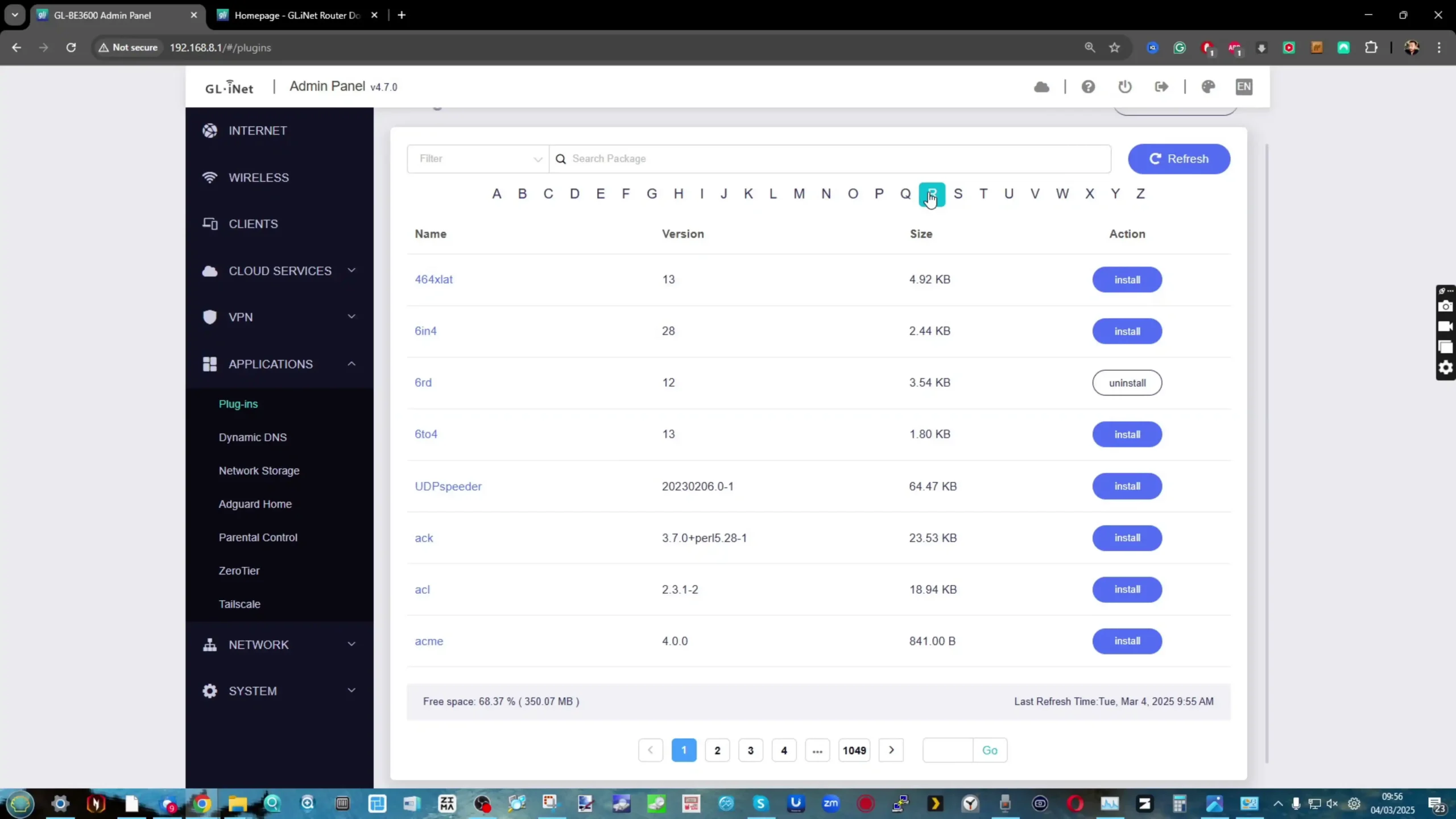
In raw LAN and WiFi performance, both devices operate within a similar ceiling due to identical wireless radios and dual 2.5GbE ports. Real world file transfers over 2.5GbE typically settle below theoretical maximums, often in the 230MB/s to 240MB/s range depending on workload and protocol overhead. Neither device consistently saturates the full 2.5GbE line rate under mixed routing and wireless conditions, which reflects internal processing overhead rather than port limitation. From a pure switching and routing standpoint without heavy encryption, both platforms are capable of sustaining high multi gigabit traffic within expected travel router boundaries.
 |
 |
Both units are rated to support up to 120 concurrent devices, which exceeds typical travel usage but provides insight into scheduler and resource allocation capacity. The Slate 7’s 1GB memory pool may provide additional stability when multiple OpenWrt services, monitoring tools, DNS filtering, and USB storage sharing are active simultaneously. The Beryl 7, meanwhile, demonstrates a clear advantage when encrypted traffic volume is high relative to available WAN bandwidth. As a result, the performance distinction depends less on wireless speed and more on whether the primary workload is VPN intensive broadband use or service heavy multi feature deployment.
 |
 |
Gl.iNet Beryl 7 vs Slate 7 – Which One Should You Buy?
The GL.iNet Beryl 7 (GL-MT3600BE) and the GL.iNet Slate 7 (GL-BE3600) are closer in capability than their price difference might initially suggest. Both deliver dual band WiFi 7 across 2.4GHz and 5GHz, both provide dual 2.5GbE ports, both support OpenWrt with extensive plugin flexibility, and both are designed for securing public internet connections while travelling.

From a purely wireless and Ethernet standpoint, they are effectively matched. The practical separation appears in internal resource allocation and user interface design. The Beryl 7, priced at $139.99, offers significantly higher rated VPN throughput and a faster clocked processor, making it better suited to users with high speed broadband connections who intend to run persistent encrypted tunnels. The Slate 7, priced at $169.99, provides double the system memory and integrates a touchscreen interface that allows direct device control without relying entirely on a browser or mobile app.
The decision therefore depends on workload priorities rather than headline WiFi generation. If the primary requirement is maximizing encrypted throughput over fast WAN connections, the Beryl 7 presents stronger performance value at a lower price. If the focus is on memory headroom for multiple services, a more integrated on device interface, and a Qualcomm based networking platform, the Slate 7 may justify its higher cost. Neither device includes 6GHz support, meaning both are dual band WiFi 7 implementations rather than full tri band models.
 |
 |
For users specifically seeking 6GHz spectrum and 320MHz channel capability, a different tier of hardware would be required. Within the compact dual band travel router segment, the distinction between these two models is defined less by WiFi 7 itself and more by how each device balances CPU performance, memory allocation, and interface design within a portable form factor.

Gl.iNet Beryl 7 Travel Router |
Gl.iNet Slate 7 Travel Router |
||
| Buy From Gl.iNet
|
Buy From Amazon
|
Buy From Gl.iNet
|
Buy From Amazon
|
| PROs | CONs | PROs | CONs |
| + Cheaper
+ Smaller & Lighter + Lower Power Consumption |
– Less RAM
– Lesser CPU |
+ LCD Control Screen
+ Better Hardware Inside + Better Build Quality |
– More Expensive
– Larger – Slate Pro Model Coming Soon |
 SUBSCRIBE TO OUR NEWSLETTER
[contact-form-7]
 Join Inner Circle
 Get an alert every time something gets added to this specific article!
Subscribe
This description contains links to Amazon. These links will take you to some of the products mentioned in today's content. As an Amazon Associate, I earn from qualifying purchases. Visit the NASCompares Deal Finder to find the best place to buy this device in your region, based on Service, Support and Reputation - Just Search for your NAS Drive in the Box Below
Need Advice on Data Storage from an Expert?
Finally, for free advice about your setup, just leave a message in the comments below here at NASCompares.com and we will get back to you. Need Help?
Where possible (and where appropriate) please provide as much information about your requirements, as then I can arrange the best answer and solution to your needs. Do not worry about your e-mail address being required, it will NOT be used in a mailing list and will NOT be used in any way other than to respond to your enquiry.
[contact-form-7]
Need Help?
Where possible (and where appropriate) please provide as much information about your requirements, as then I can arrange the best answer and solution to your needs. Do not worry about your e-mail address being required, it will NOT be used in a mailing list and will NOT be used in any way other than to respond to your enquiry.
[contact-form-7]
 TRY CHAT
Terms and Conditions
TRY CHAT
Terms and Conditions
 Ko-fi or old school Paypal. Thanks!To find out more about how to support this advice service check HEREIf you need to fix or configure a NAS, check Fiver
Have you thought about helping others with your knowledge? Find Instructions Here
Ko-fi or old school Paypal. Thanks!To find out more about how to support this advice service check HEREIf you need to fix or configure a NAS, check Fiver
Have you thought about helping others with your knowledge? Find Instructions Here





|
 |









 WiFi 7 Support – Offers Genuine 6GHz connectivity with 320MHz channels, enabling faster speeds and lower latency.
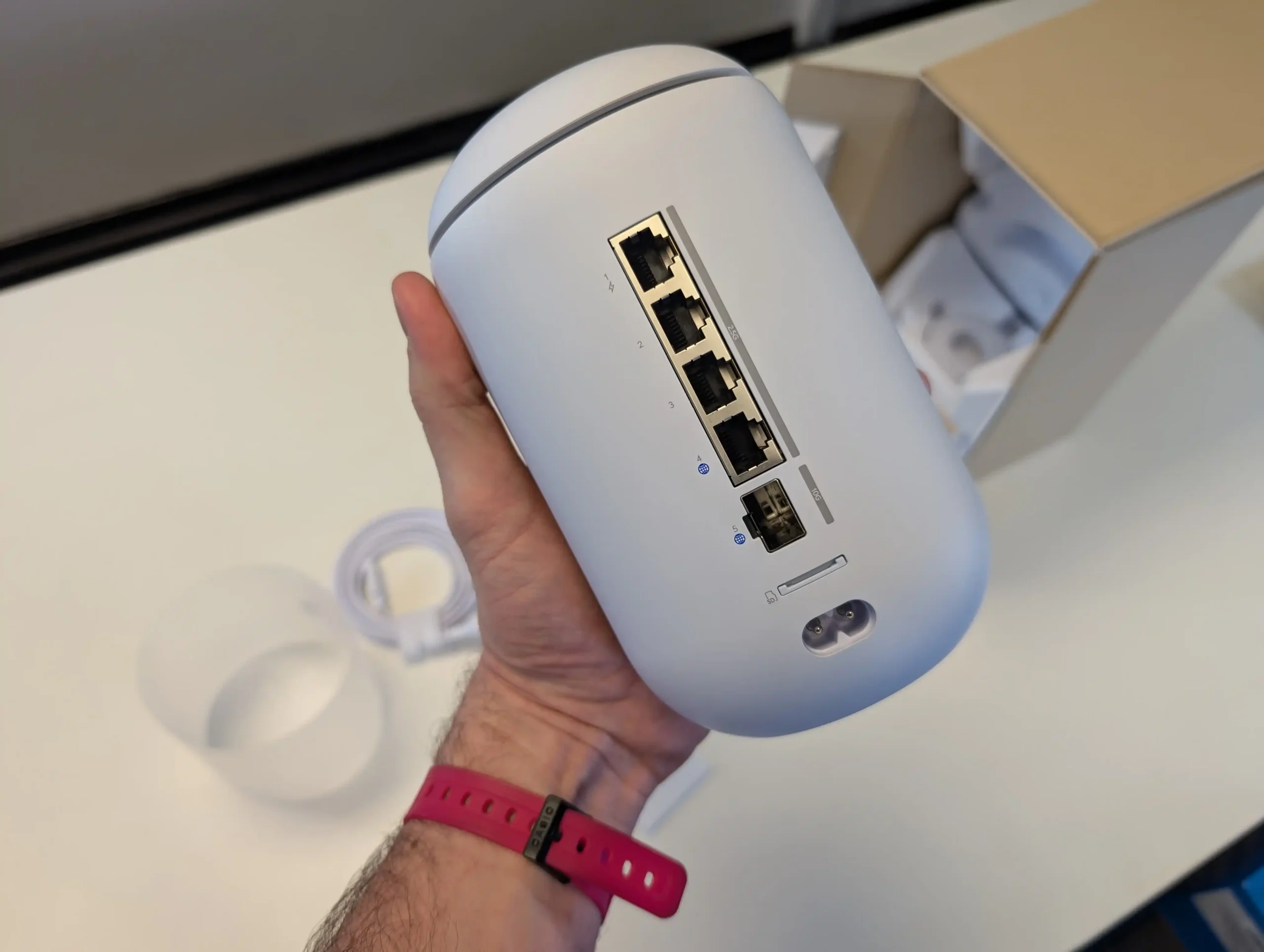
 Limited PoE Support – Only includes one PoE-enabled 2.5GbE port, which may be a drawback for users looking to power multiple UniFi cameras or access points.









 Aucun
Aucun





































 où technicité et entraide coexistent harmonieusement.

 Docker pour les nuls – la révolution du conteneur


