Connexion
UniFi UNAS 4 Review
UniFi UNAS 4 NAS Review – Simple Safe Storage?
The UniFi UNAS 4 is Ubiquiti’s desktop 4 bay NAS and part of the company’s growing UniFi storage portfolio. Positioned as a compact network storage appliance, it is designed to provide centralized file storage, backups, and shared access within a local network, while also integrating with the wider UniFi management platform. The 4 bay form factor is widely considered a practical starting point for NAS deployments, offering enough capacity for RAID redundancy while maintaining a relatively small physical footprint suitable for offices, home labs, and small business environments. At $379, the UNAS 4 enters the market as a relatively affordable turnkey NAS that includes both hardware and the UniFi Drive software platform. The system combines traditional SATA storage bays with NVMe SSD caching support and 2.5GbE networking, while also introducing PoE+++ power as a deployment option. On paper, the device aims to deliver a straightforward storage solution that focuses on core NAS functionality rather than attempting to compete directly with more feature heavy platforms.

UniFi UNAS 4 Review – Quick Conclusion
TLDR: The UniFi UNAS 4 is a compact $379 4 bay NAS aimed at straightforward file storage and backups, with a clean UniFi oriented deployment that includes PoE+++ power plus data over a single cable and a bundled 90W adapter for non PoE setups. It combines 4 SATA bays with 2 M.2 NVMe slots for SSD caching, simple click and load drive trays, and a small front status display, while UniFi Drive provides the expected NAS services such as SMB and NFS access, RAID options, snapshots, encryption, share links, and multi user management, plus backup support that can include other UNAS targets, SMB destinations, and several cloud providers. The main compromises are the single 2.5GbE port that caps throughput and offers no redundancy, NVMe trays not being included despite the slots being present, and a USB C port that currently functions mostly for basic external storage rather than broader expansion, so it fits best when the goal is uncomplicated storage within a UniFi managed environment rather than a more flexible, performance oriented NAS platform.



8.2
 $379 pricing is competitive for a turnkey 4 bay NAS with UniFi Drive included4 bay 2.5 inch and 3.5 inch SATA support for flexible capacity planning2 x M.2 NVMe slots for read and write SSD cachingPoE+++ support enables single cable power plus data deployment90W PoE+++ mains adapter included, so PoE infrastructure is optionalSimple click and load HDD trays with straightforward access for drive installs and swapsFront 1.47 inch color LCM display provides basic status and activity visibilityUniFi Drive software includes RAID options, snapshots, encryption, share links, and user management
 Single 2.5GbE port limits throughput and provides no network redundancy or aggregationM.2 NVMe trays not included, adding cost to use SSD cachingUSB C port is currently limited in utility beyond basic external storage attachment
| Here are all the current UniFi NAS Solutions & Prices: |
You can buy the UniFi UNAS 4 NAS via the link below – doing so will result in a small commission coming to me and Eddie at NASCompares, and allows us to keep doing what we do!

UniFi UNAS 4 Review – Design & Storage
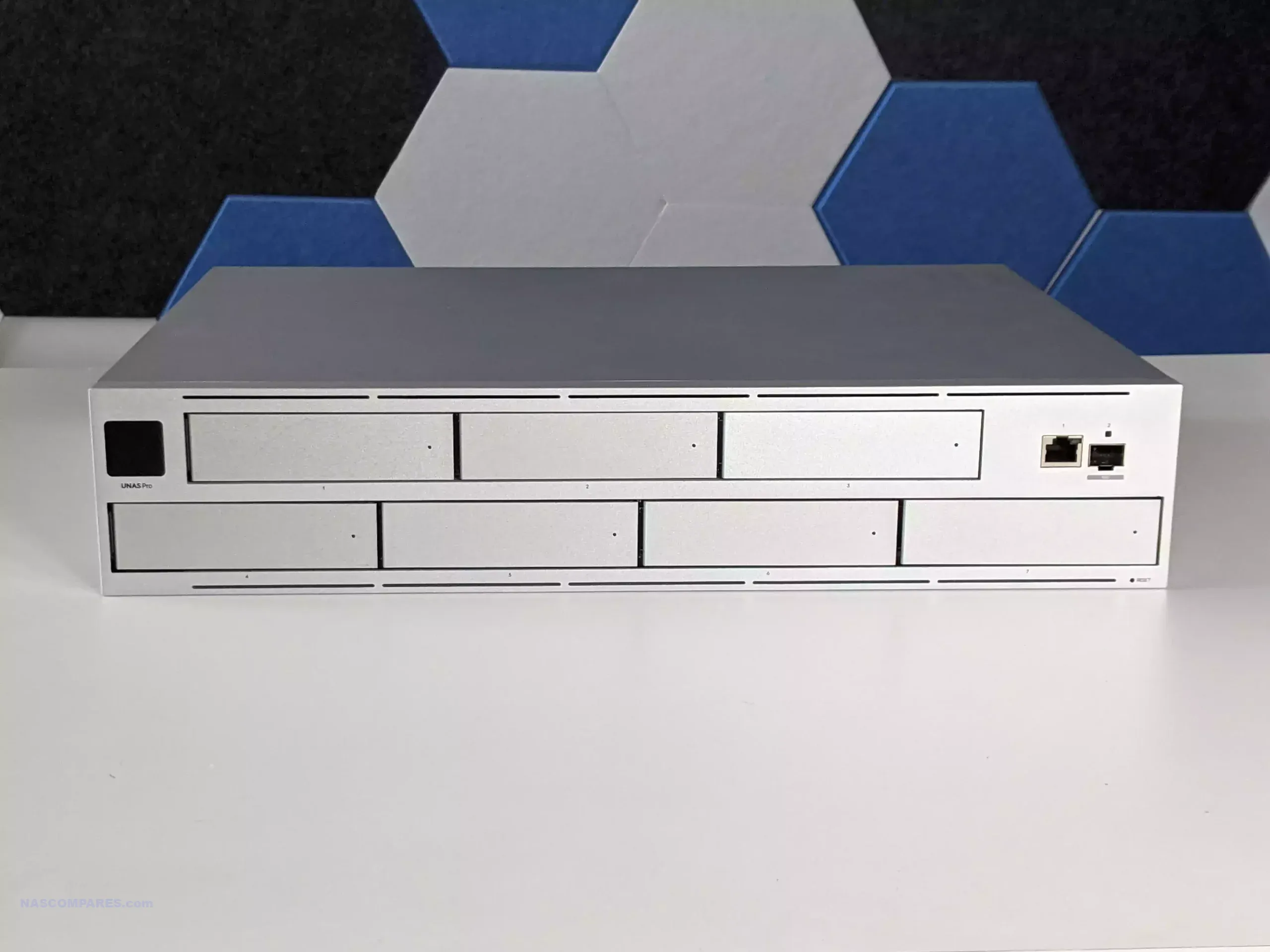
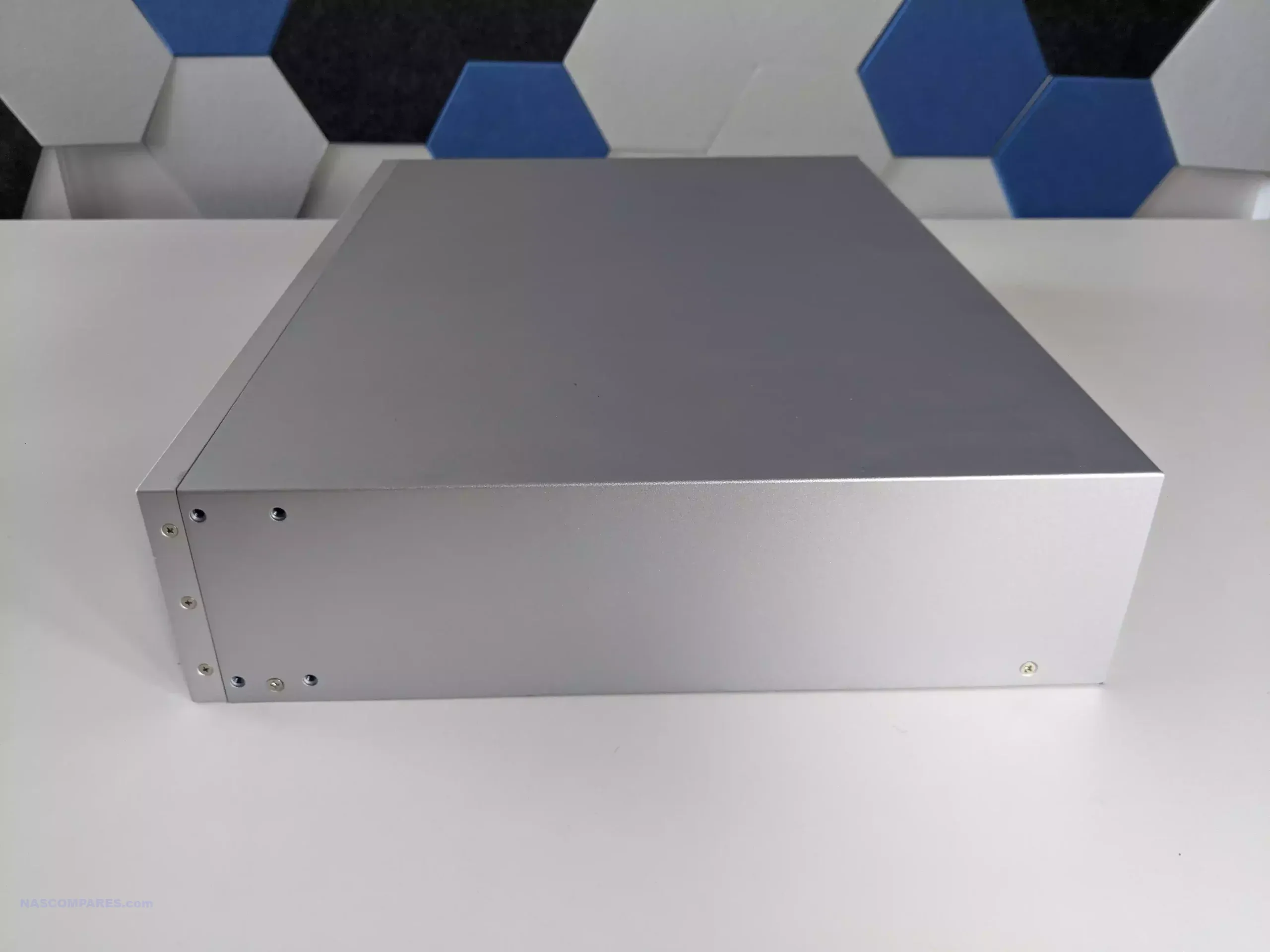
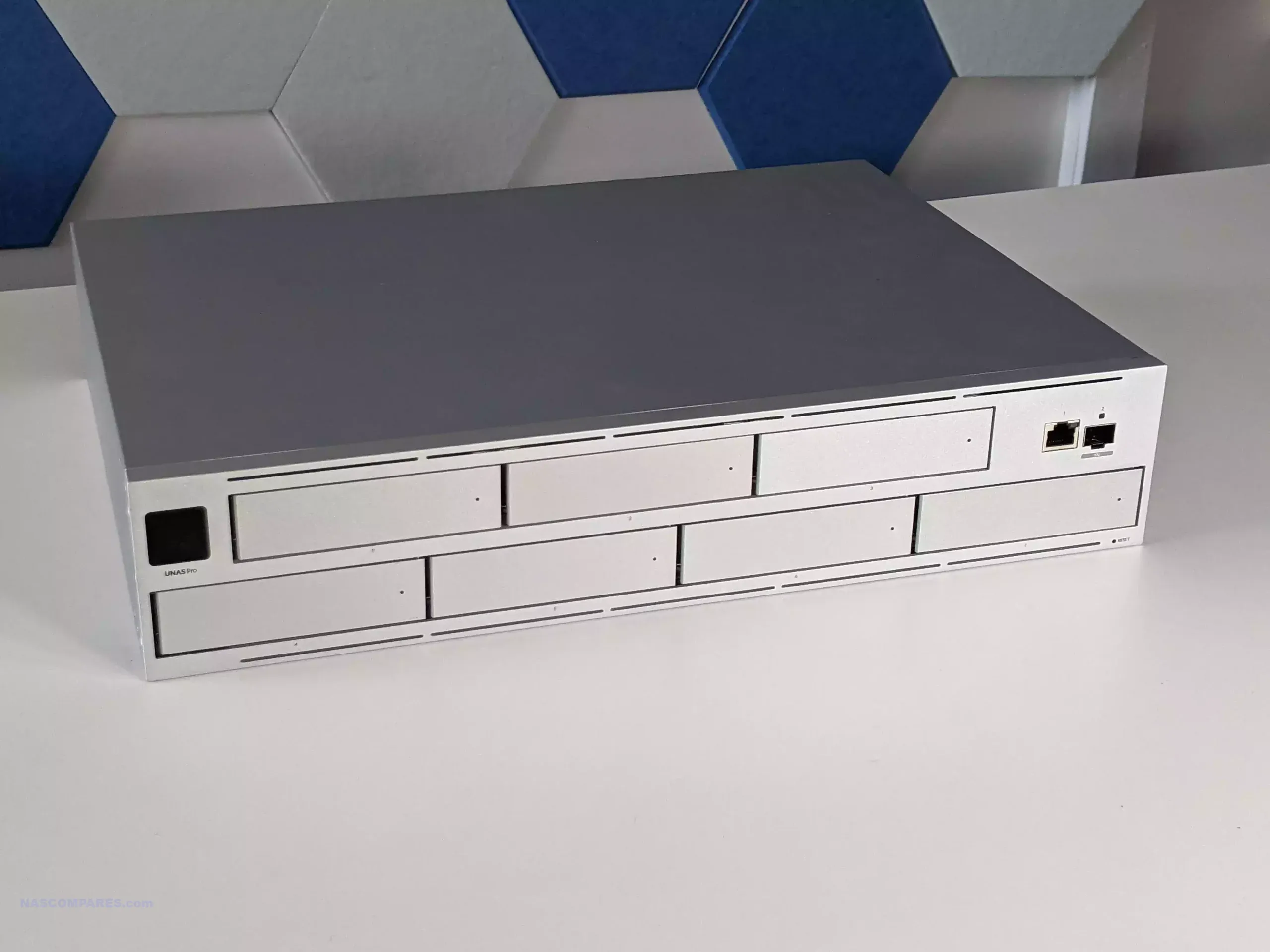
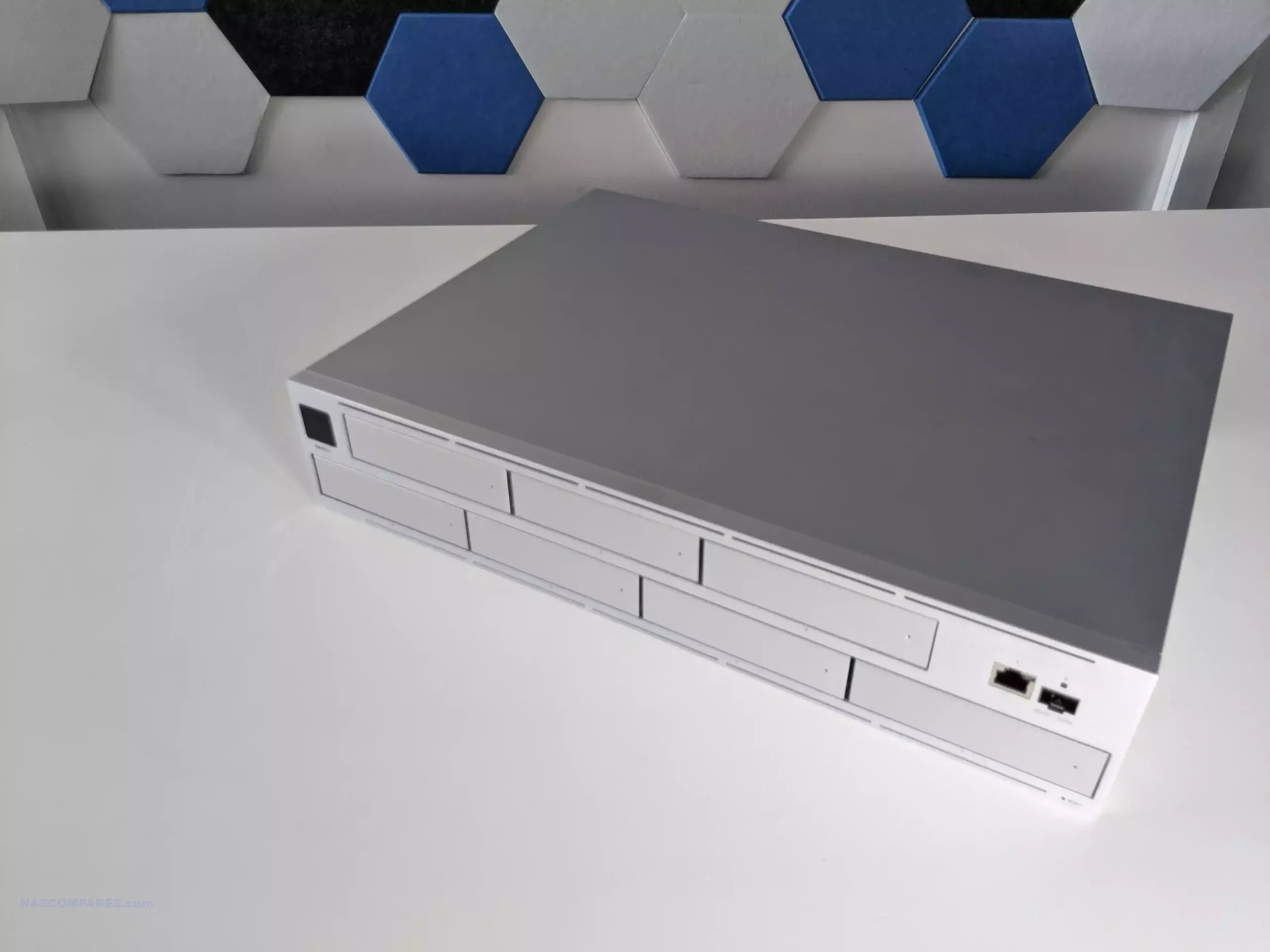
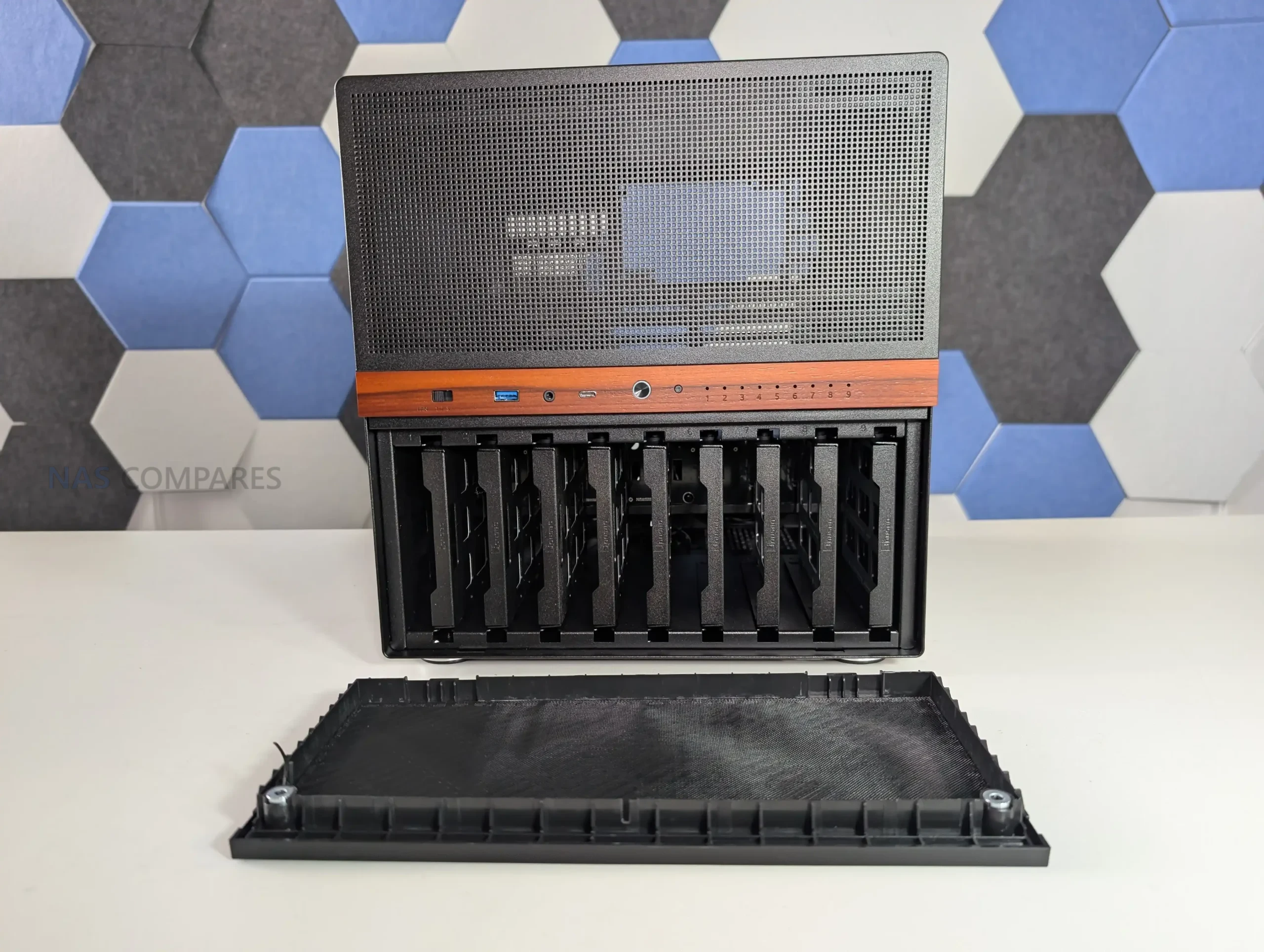
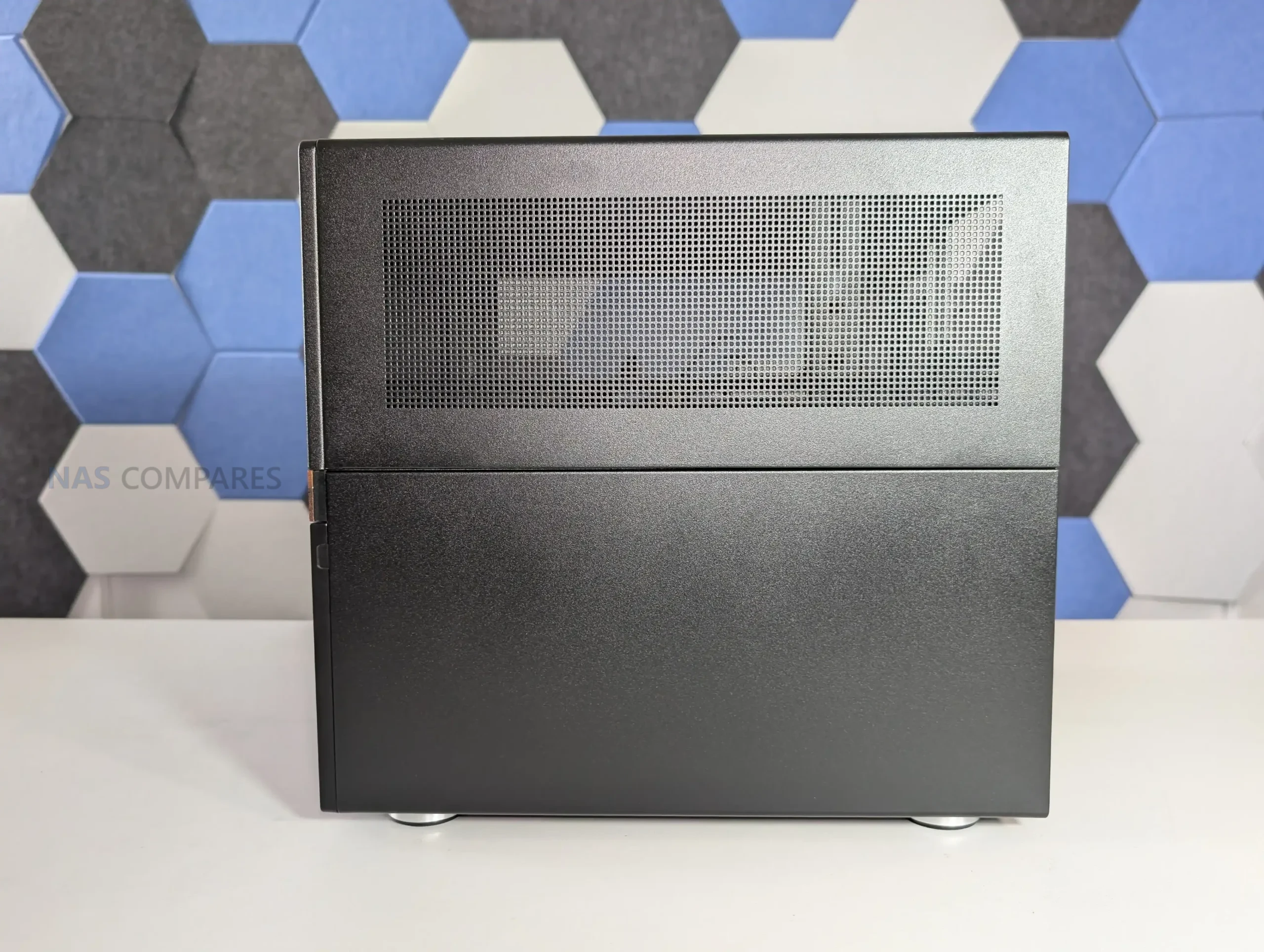
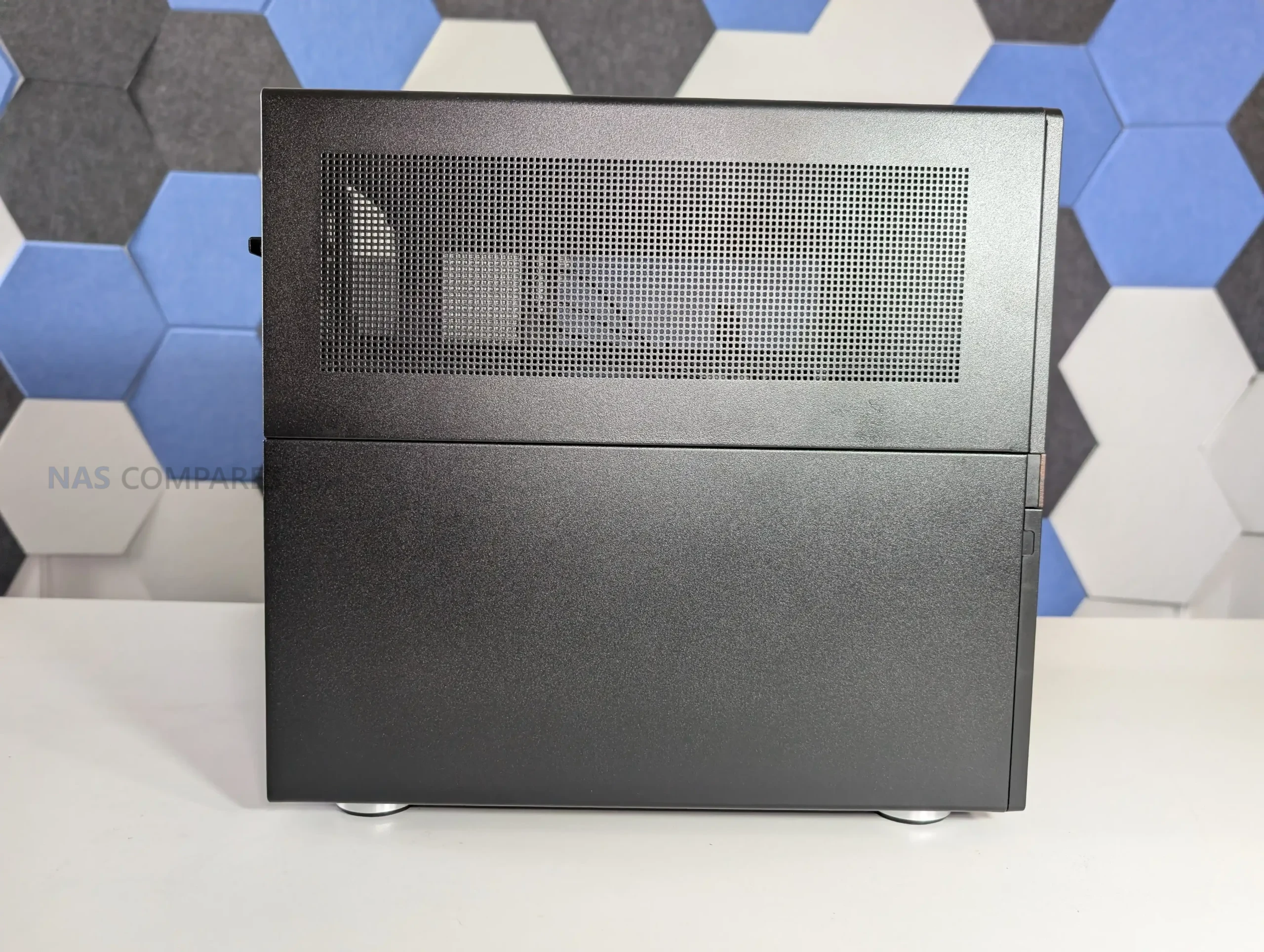
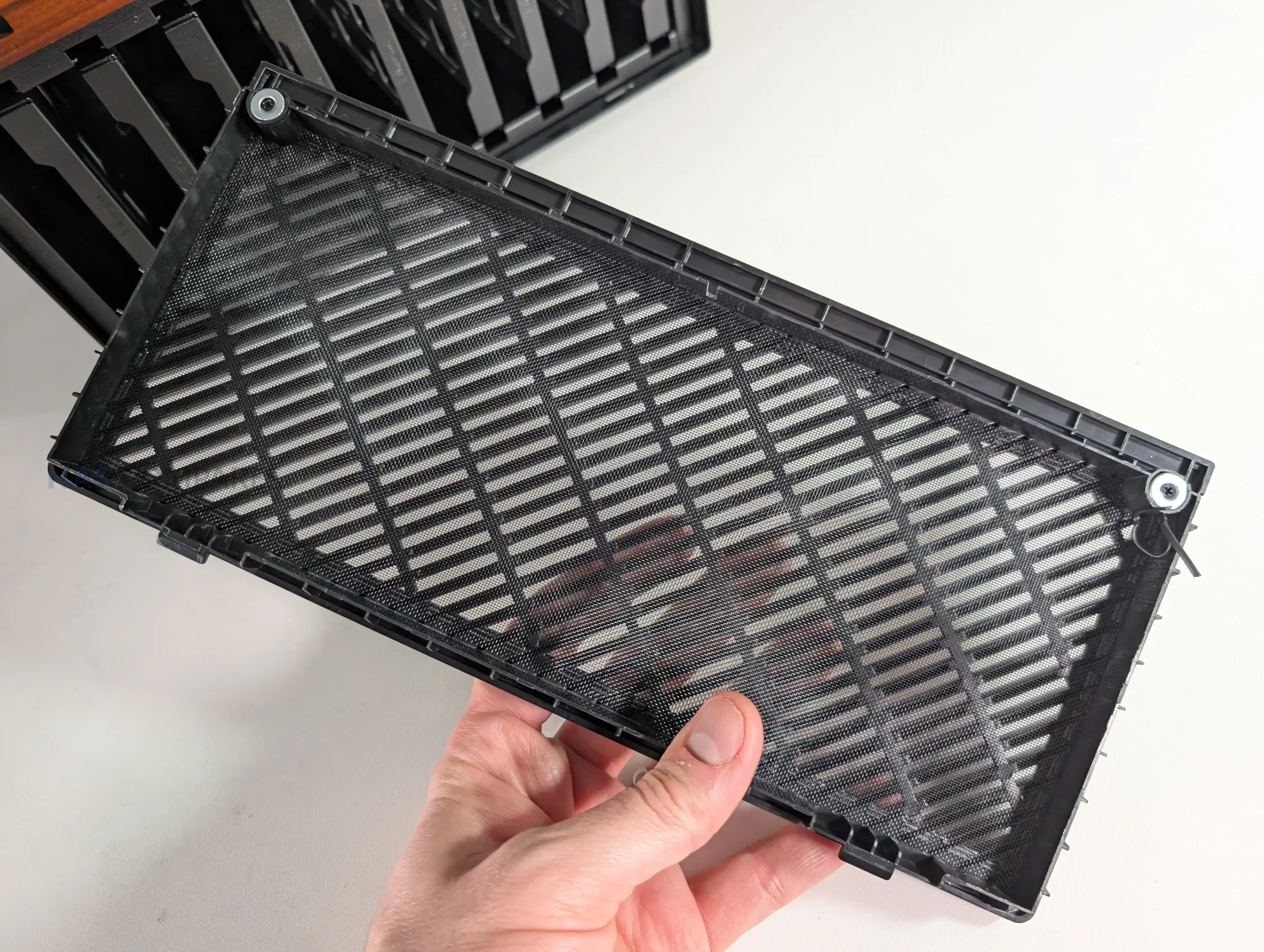
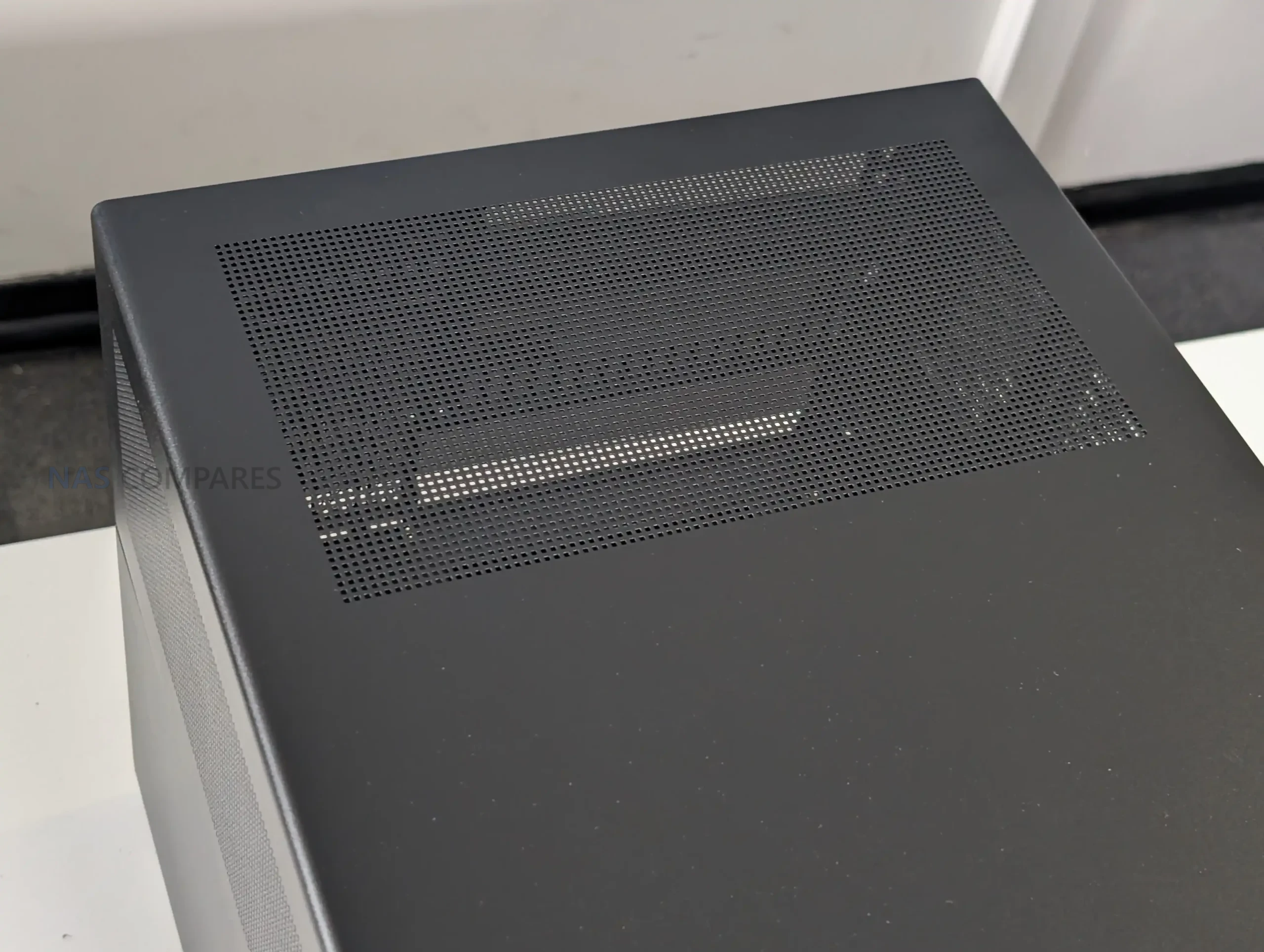
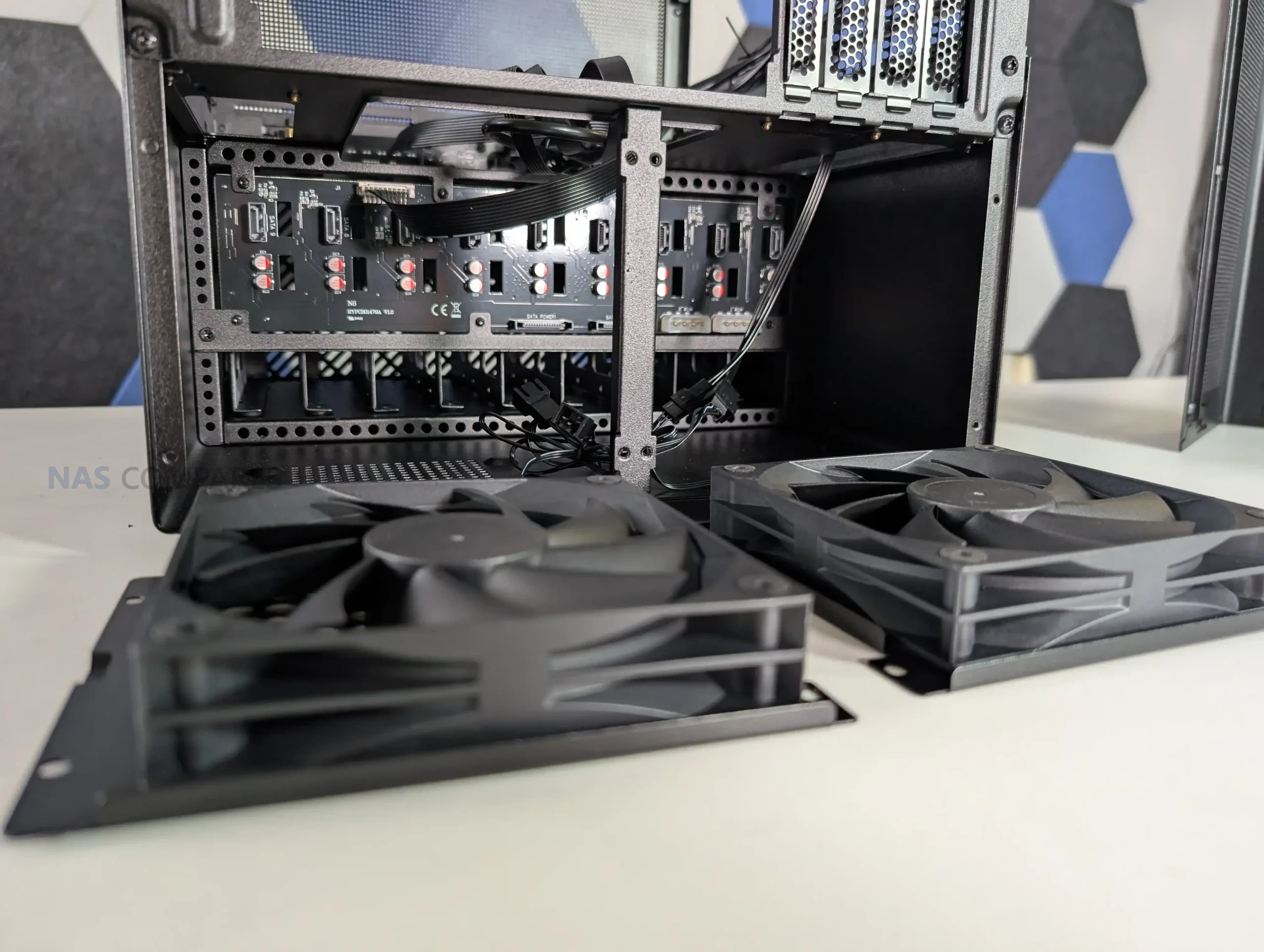
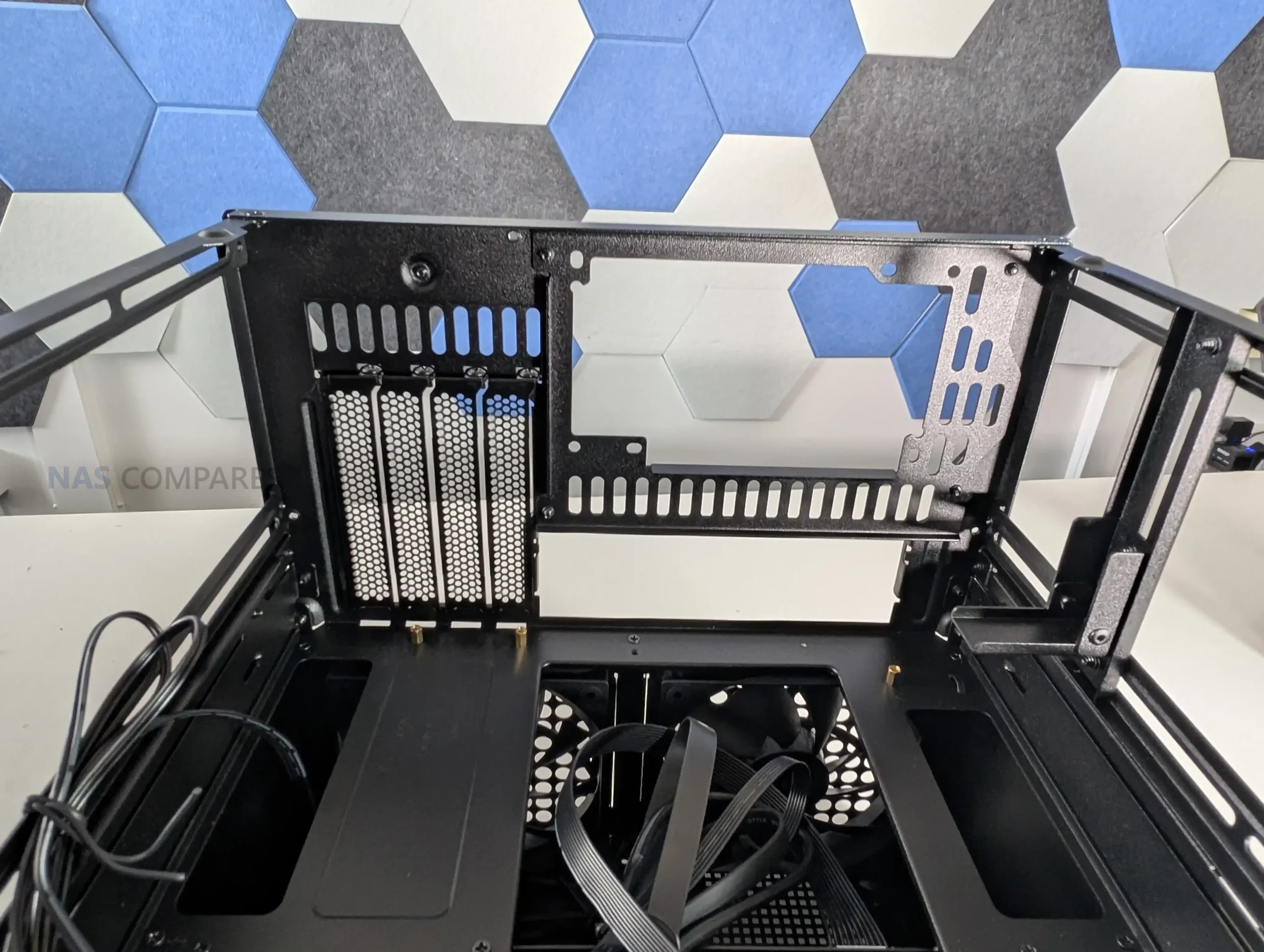
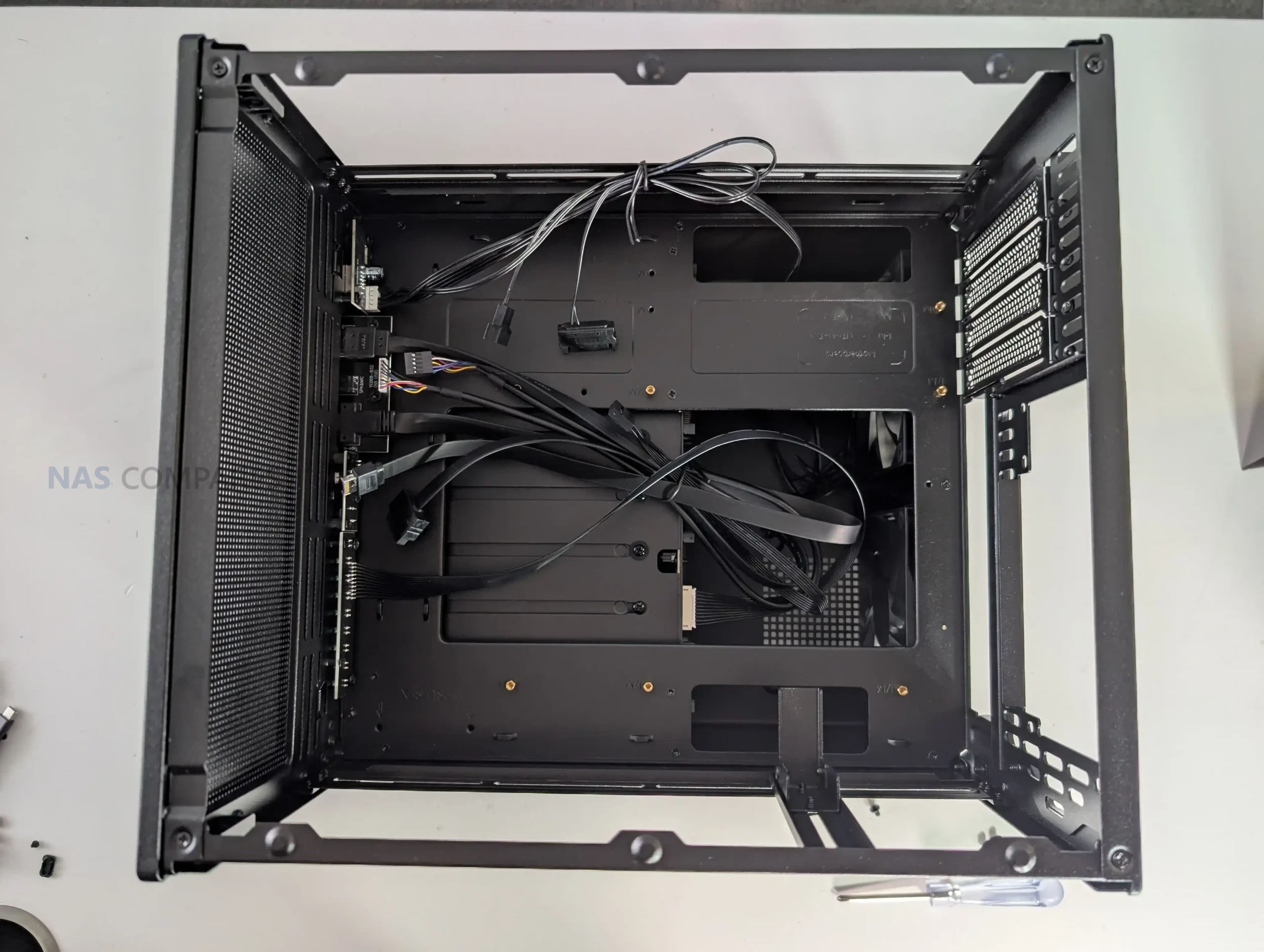
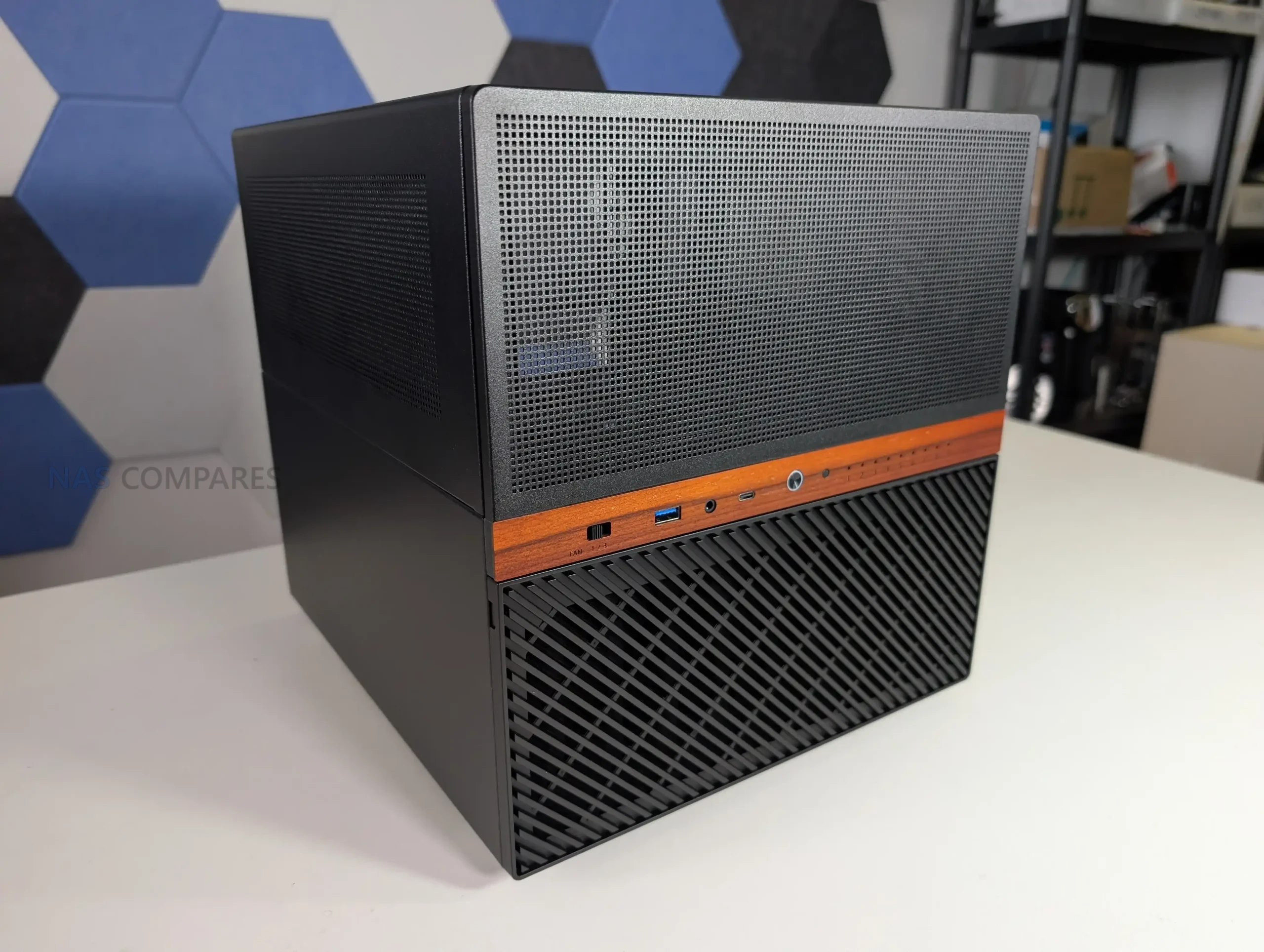
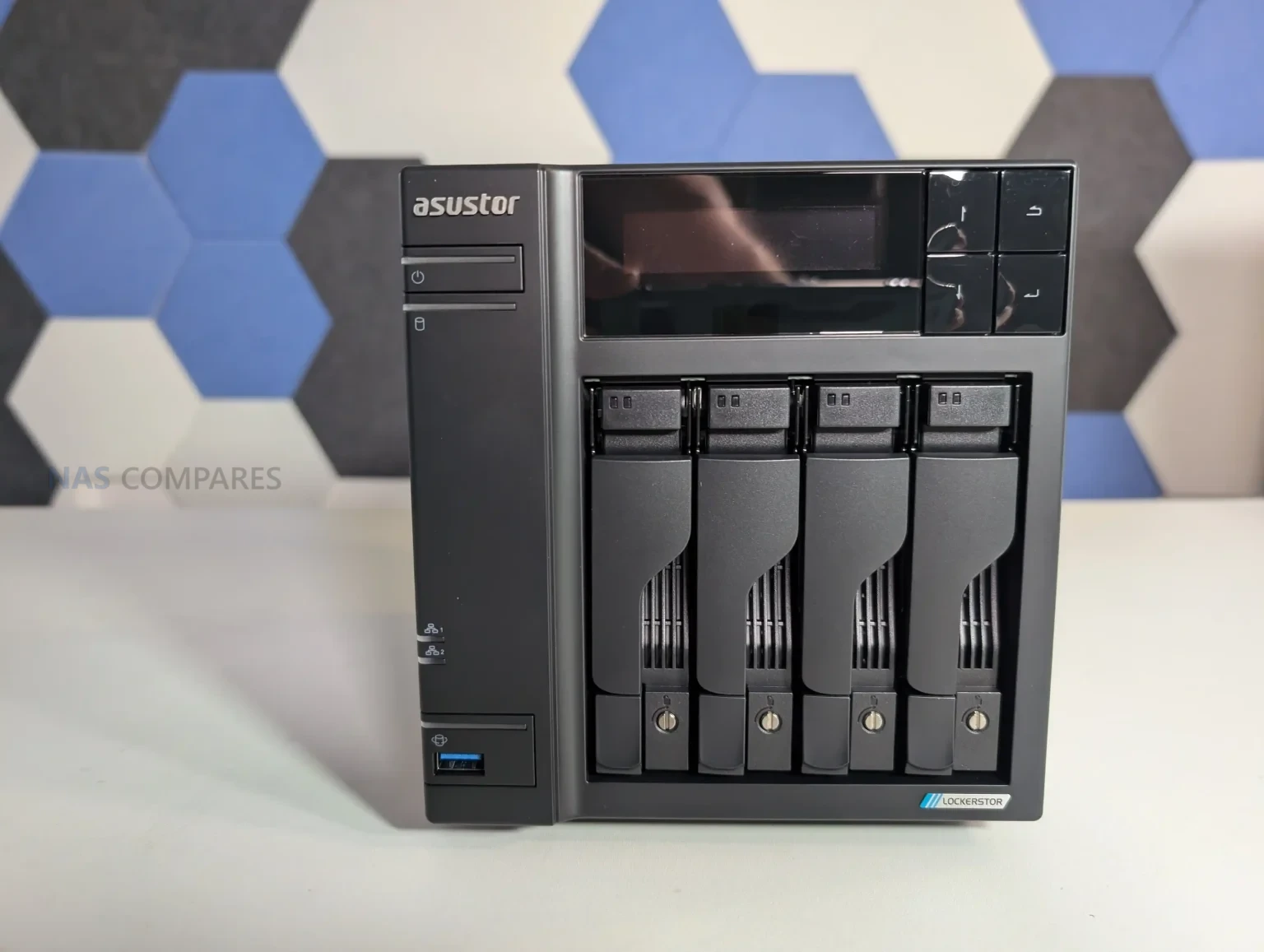
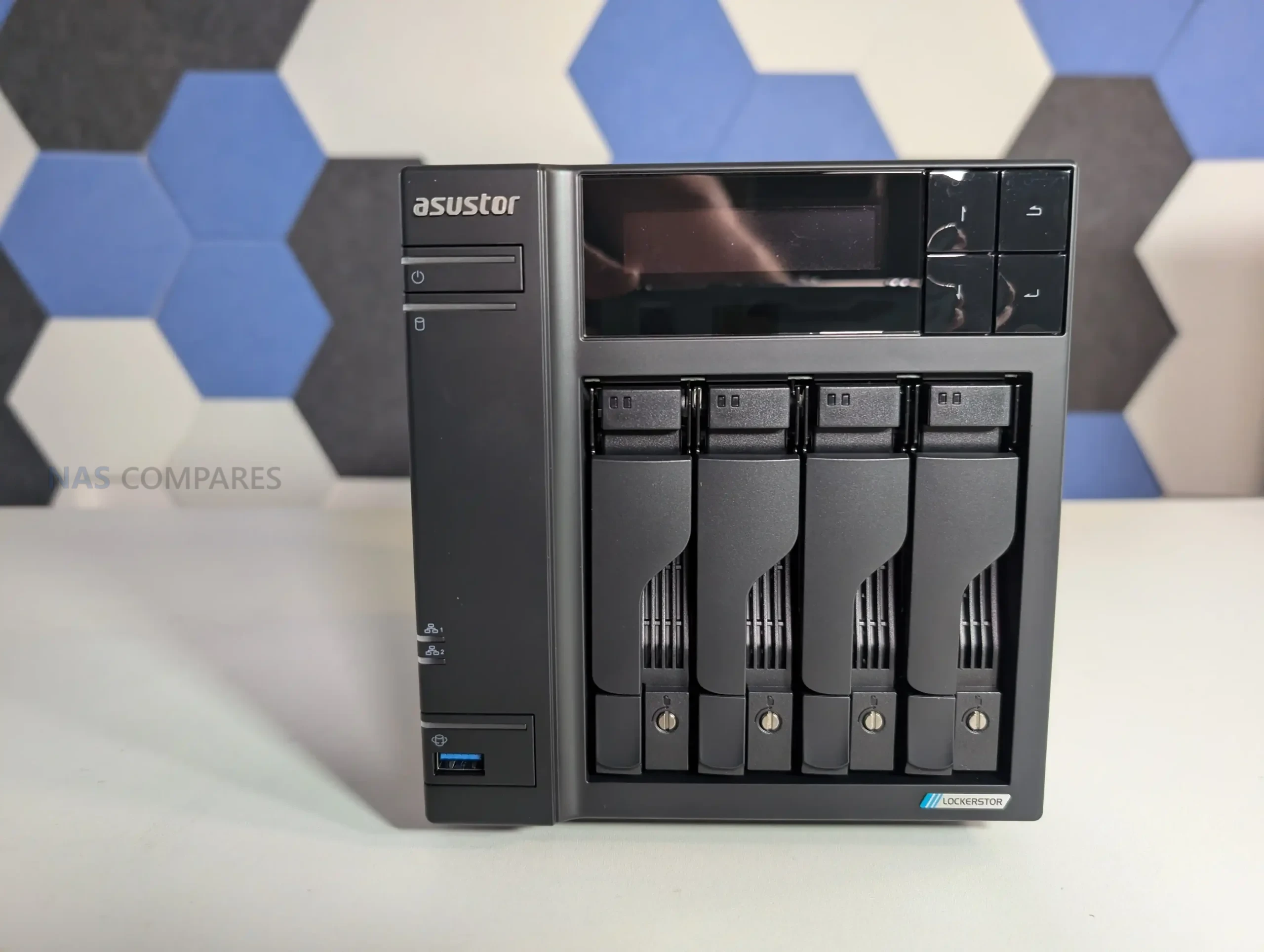
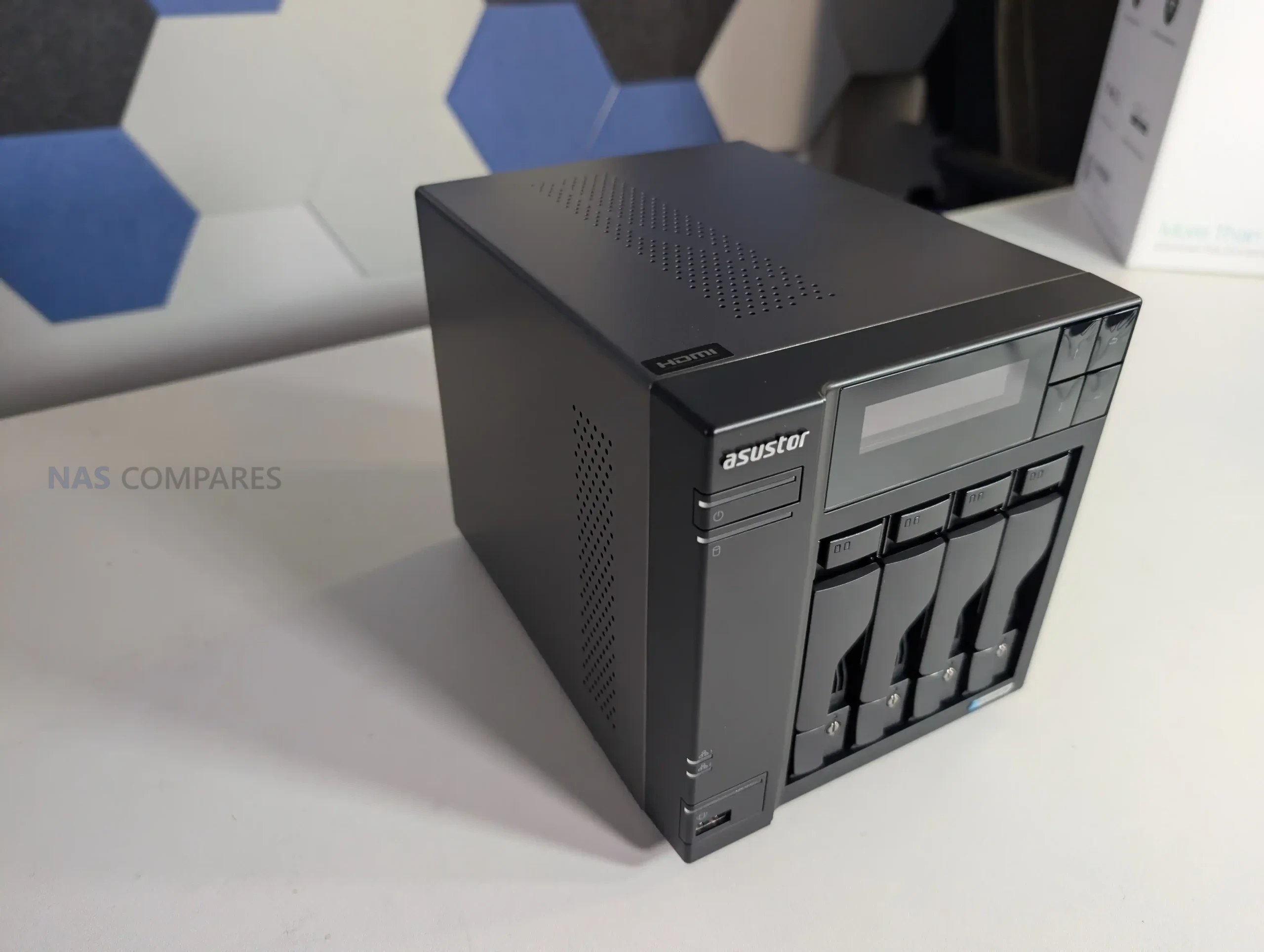
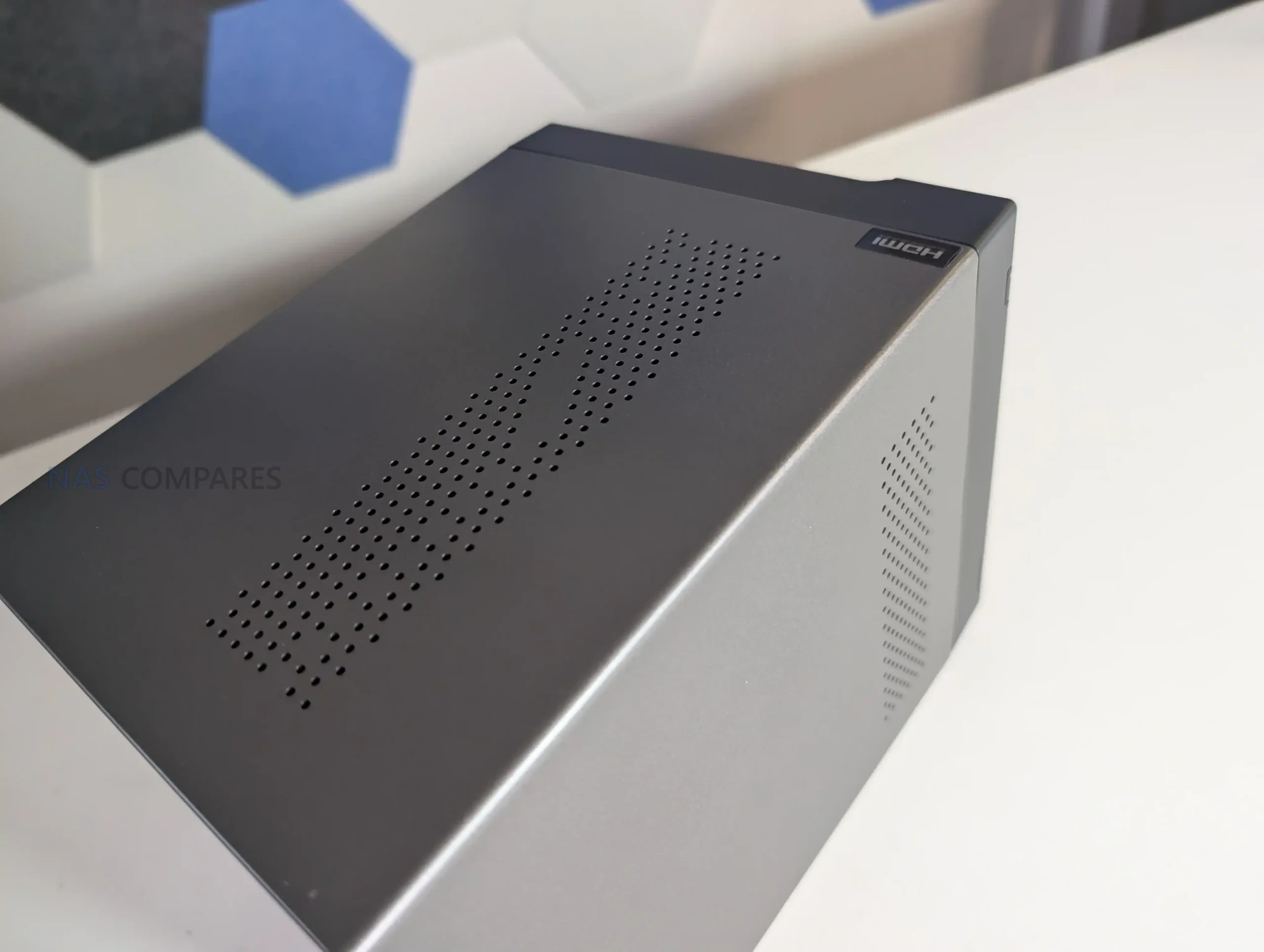
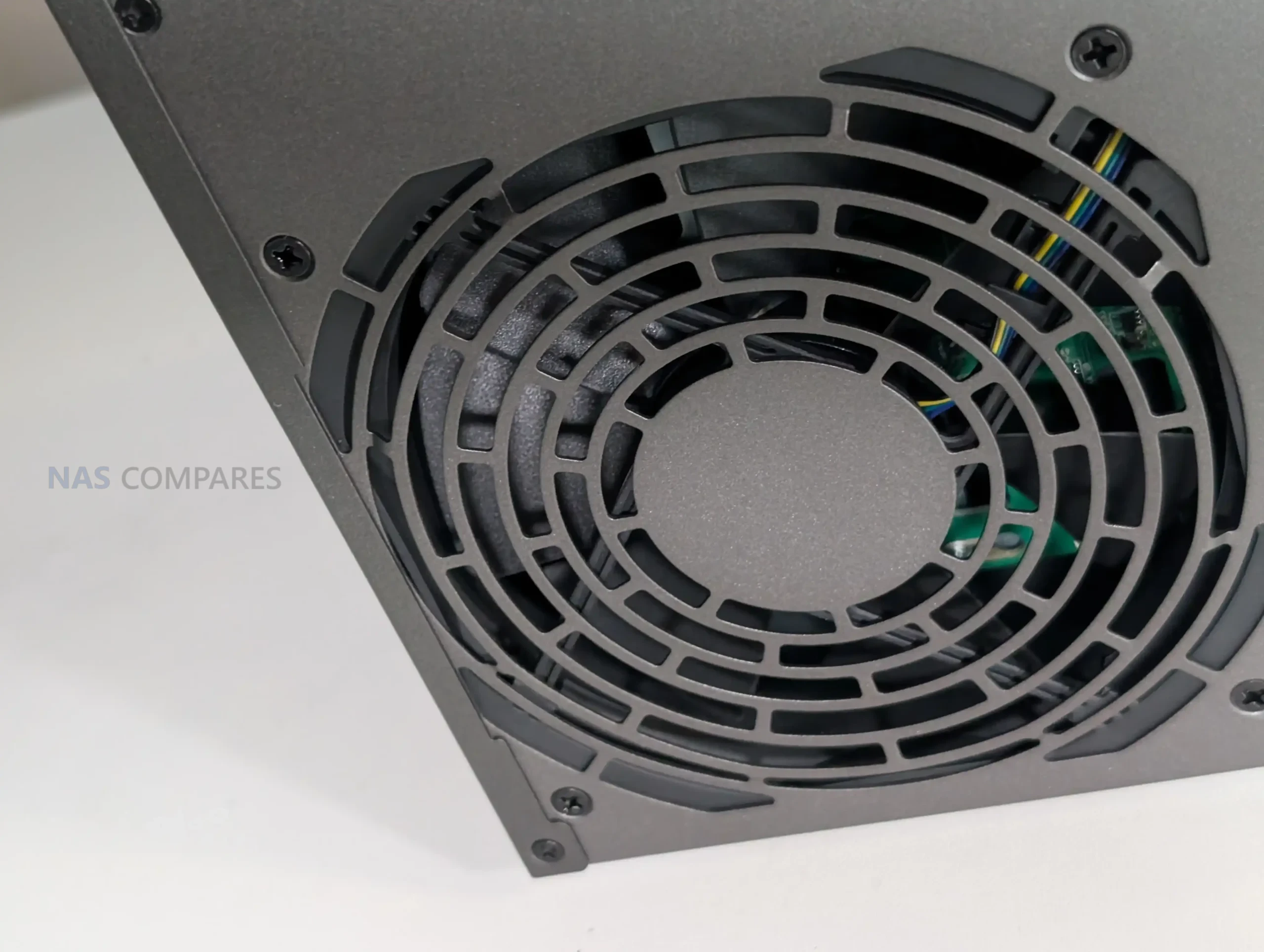
The UniFi UNAS 4 uses a compact desktop chassis that differs from the more traditional box shaped NAS designs seen from many competing brands. The enclosure is relatively narrow and deep, giving it a vertical appearance that resembles some earlier consumer NAS designs. The casing itself is constructed from polycarbonate rather than metal, which keeps overall weight down to around 2.6 kg without drives installed. Ventilation is primarily handled through openings along the upper portion of the chassis, with airflow directed toward a rear mounted cooling fan.

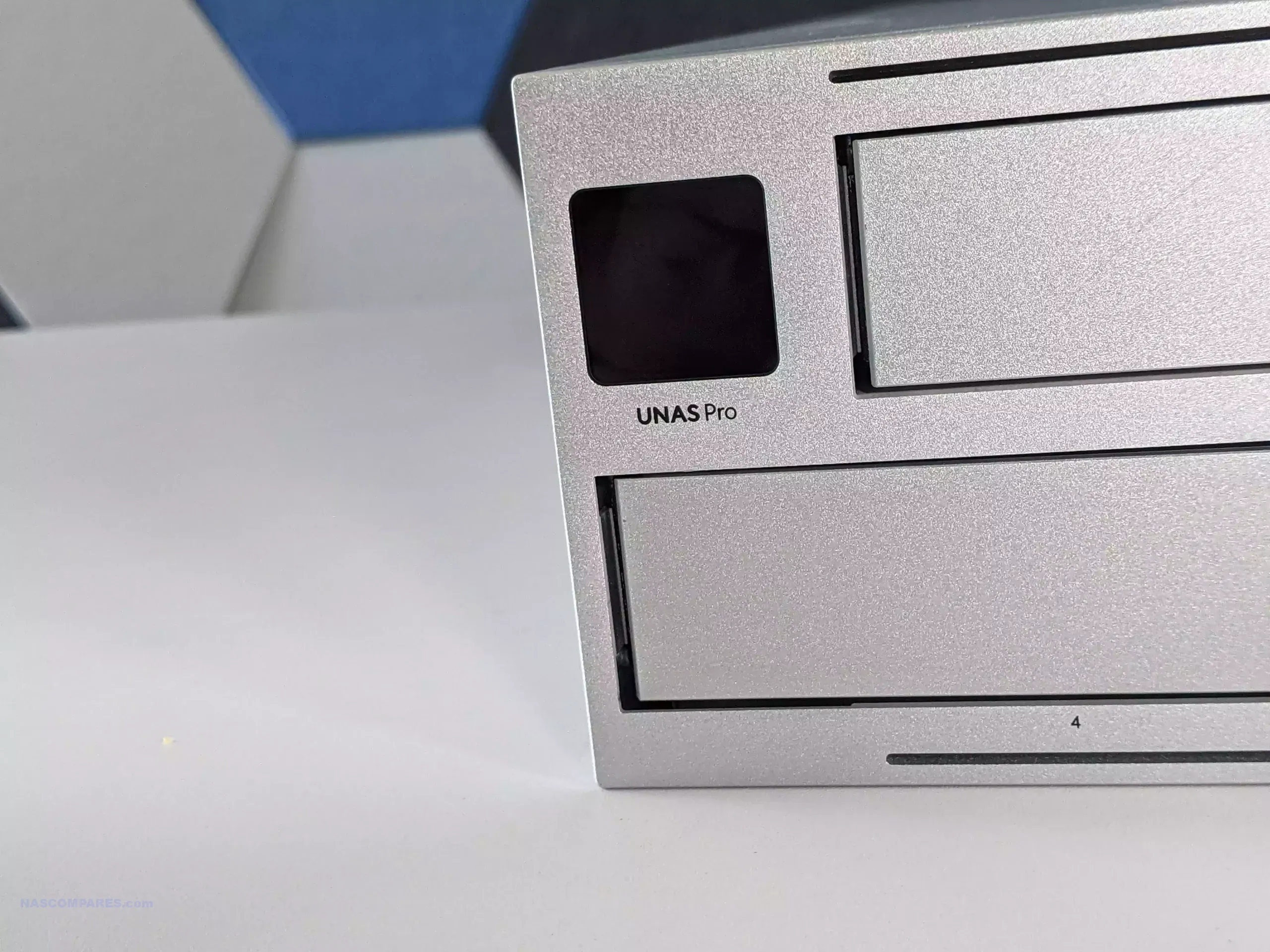
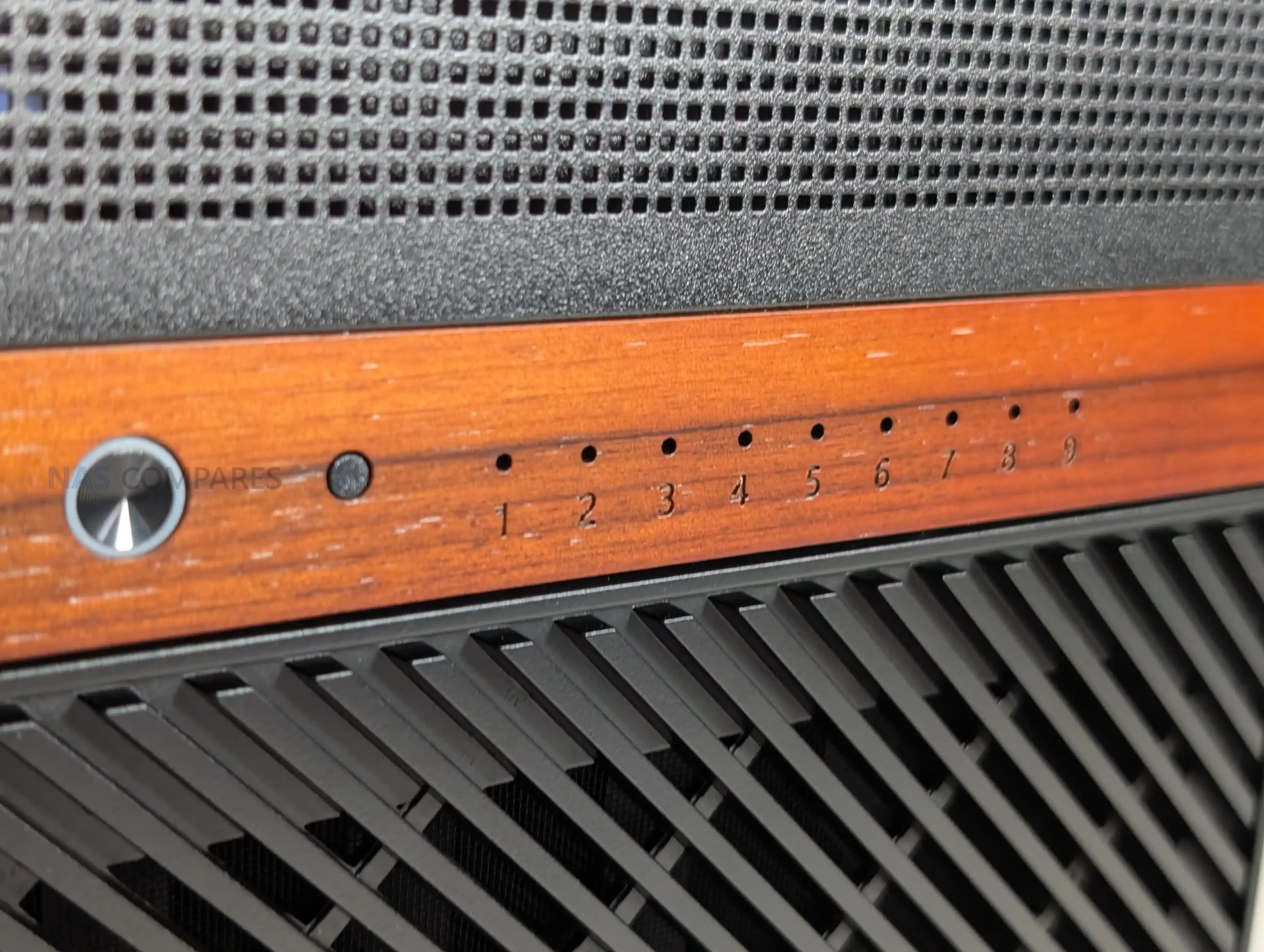
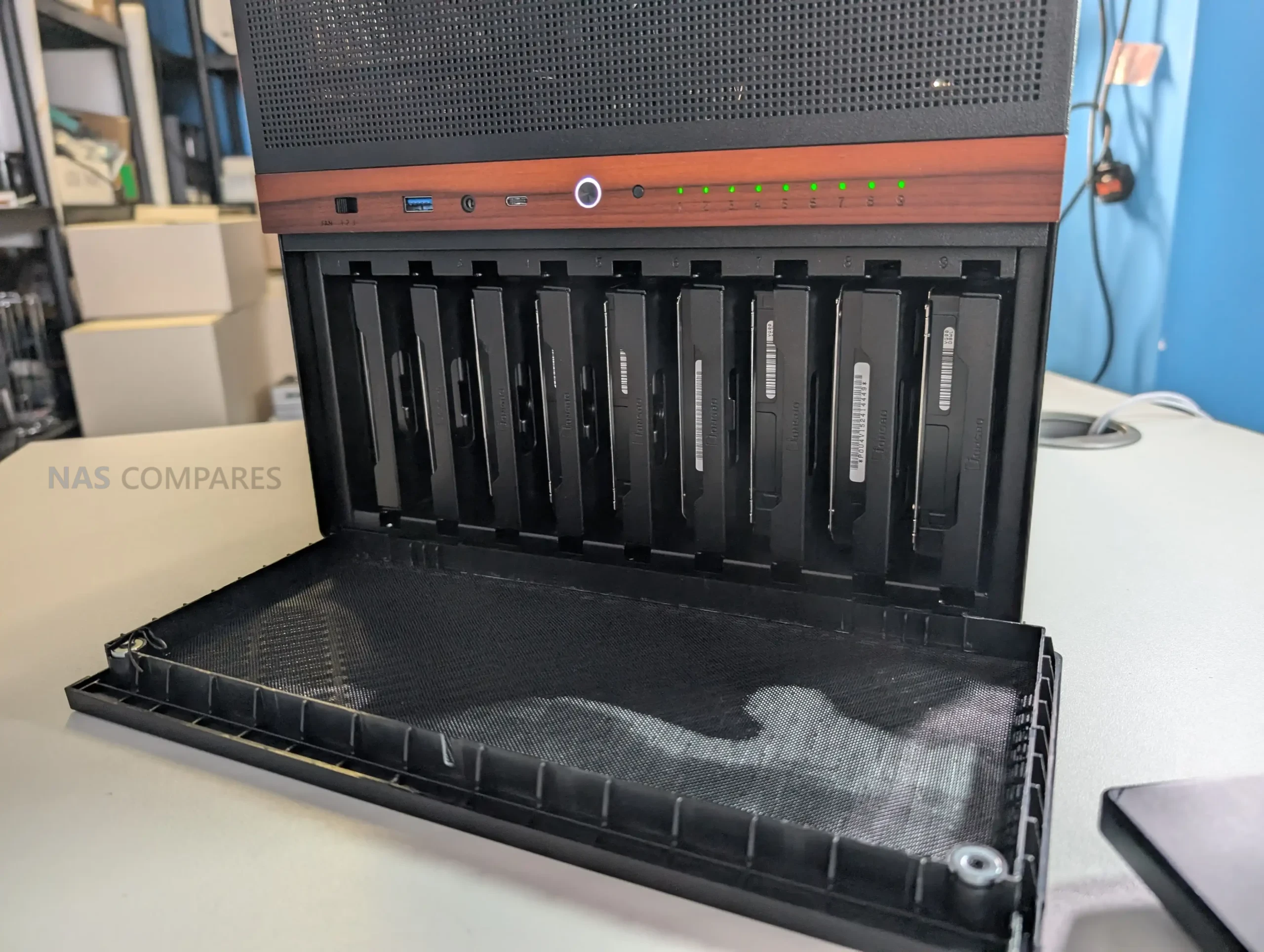
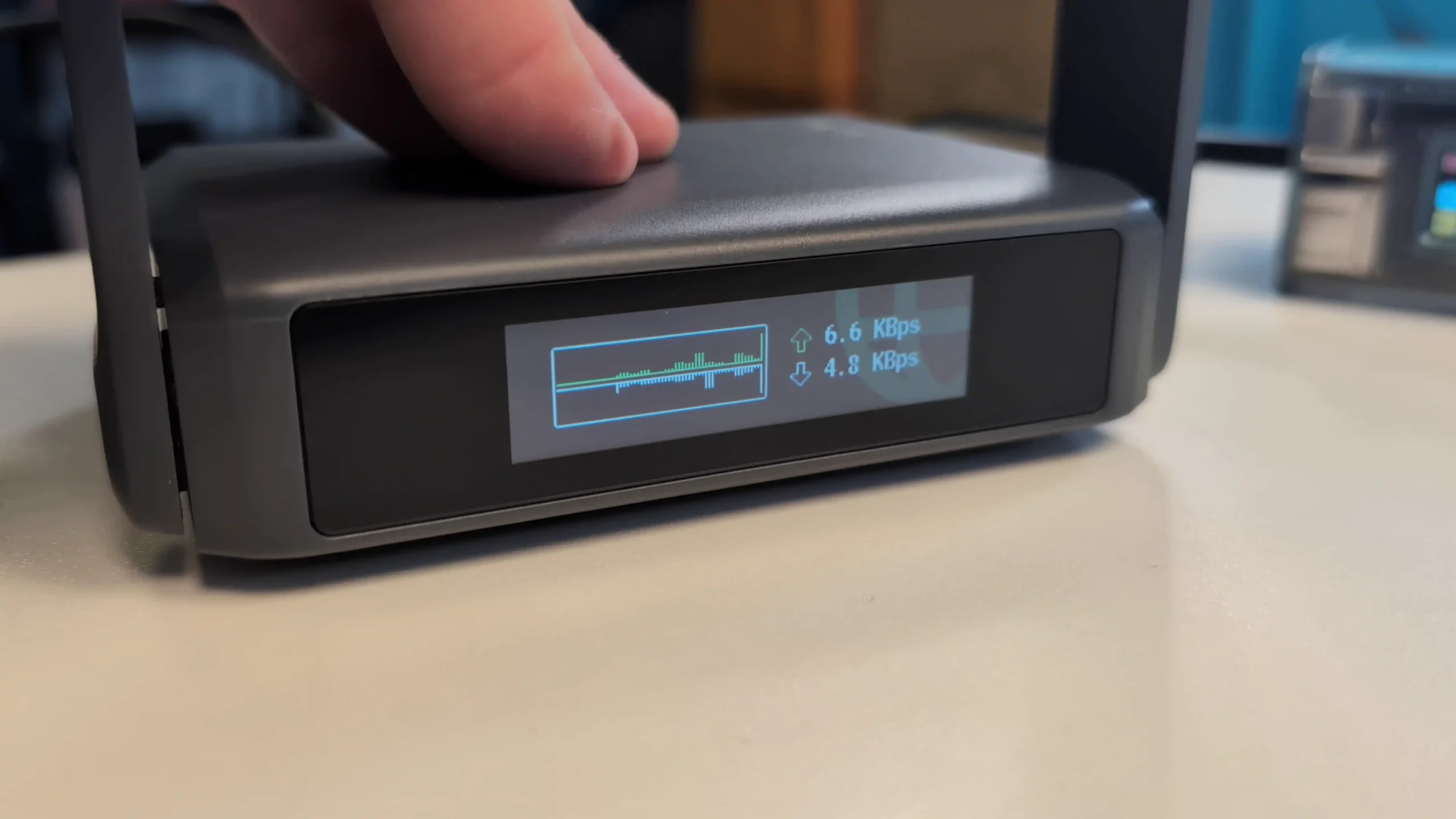
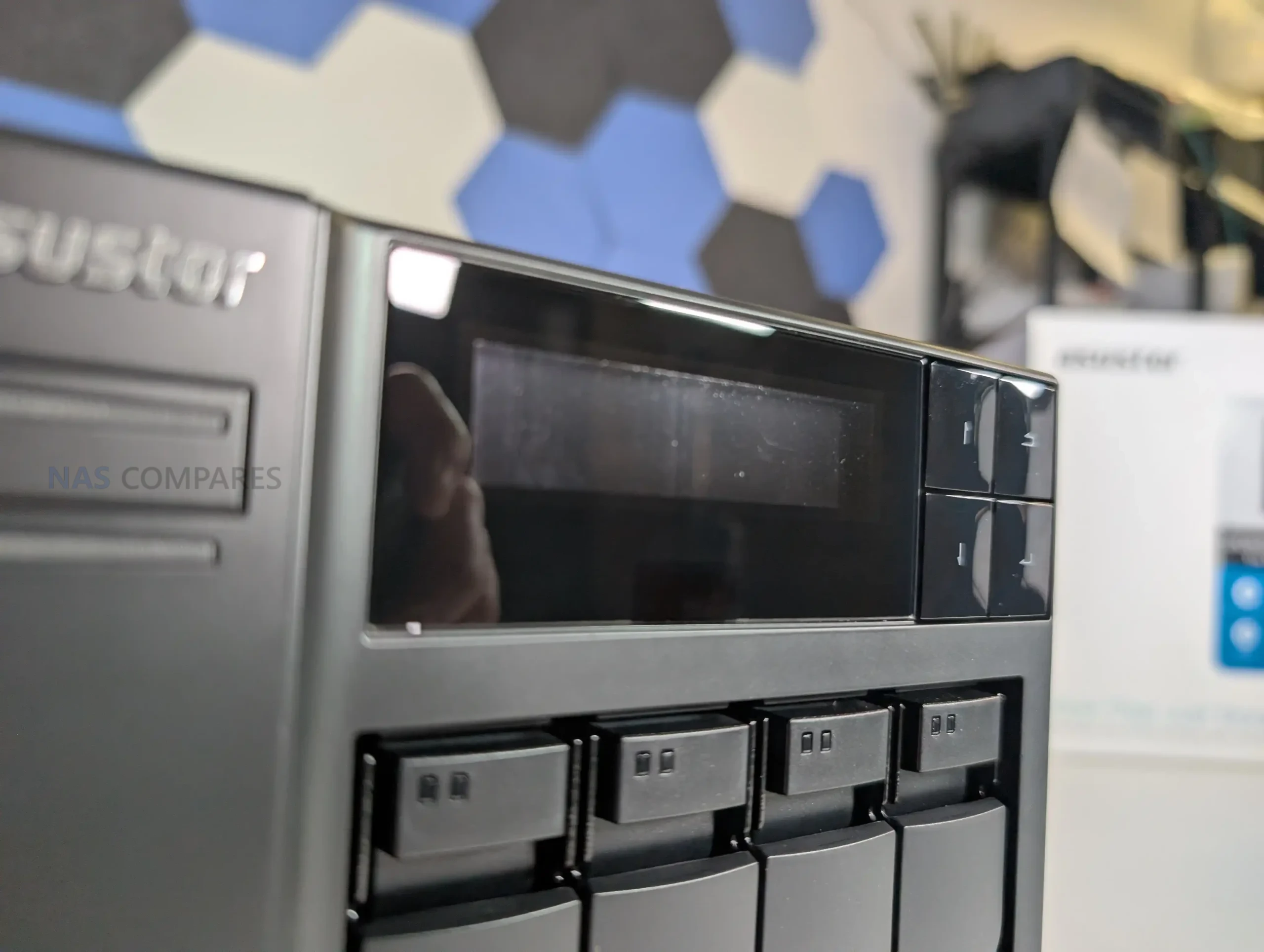
At the front of the unit is a small 1.47 inch color LCM display that provides basic system information. This panel is not touch enabled but can show details such as drive activity, network activity, and general system status. It acts primarily as a quick visual reference rather than a full control interface. For most configuration and monitoring tasks, the system is intended to be managed through the UniFi Drive interface via a web browser or mobile application.

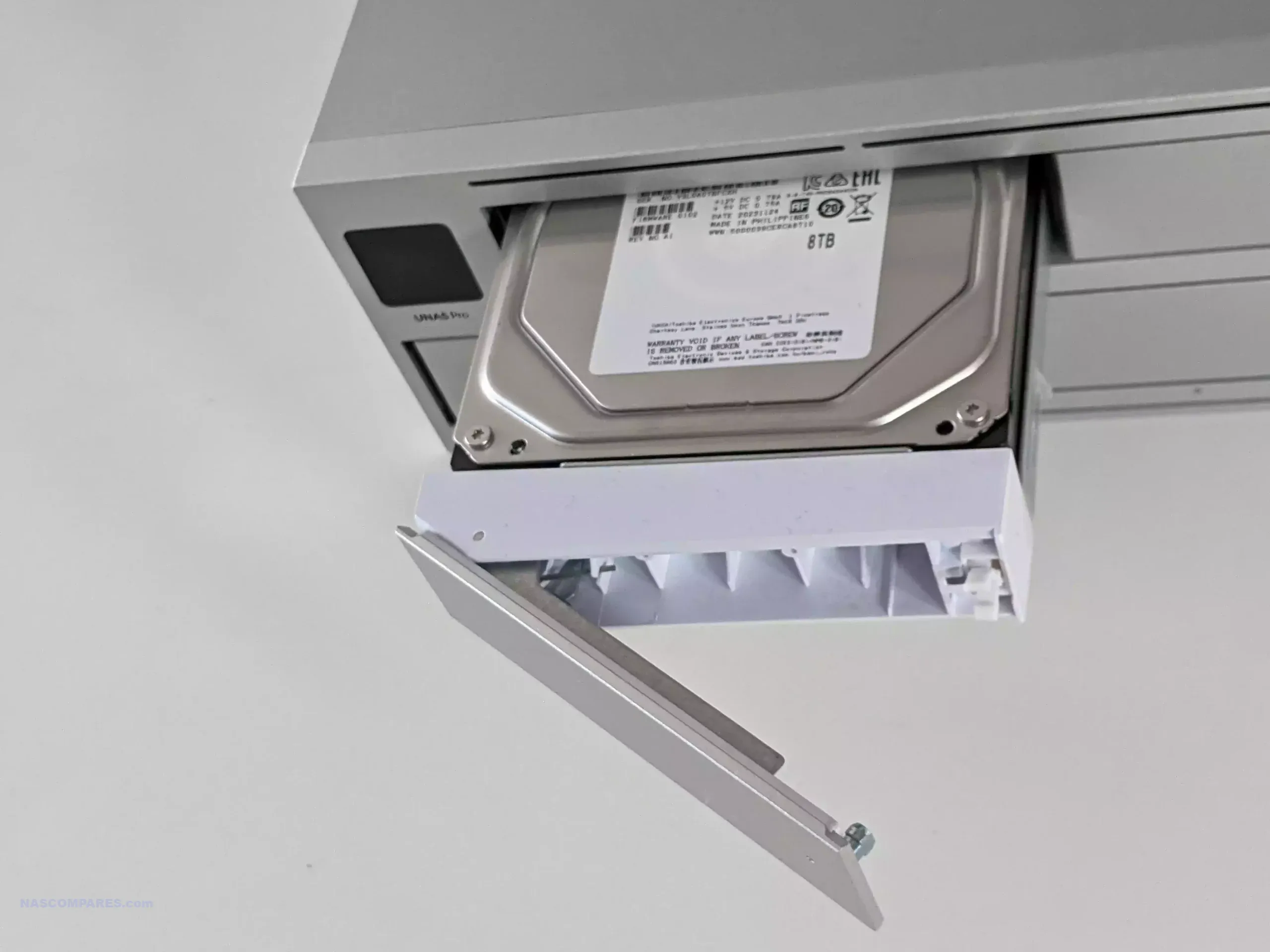
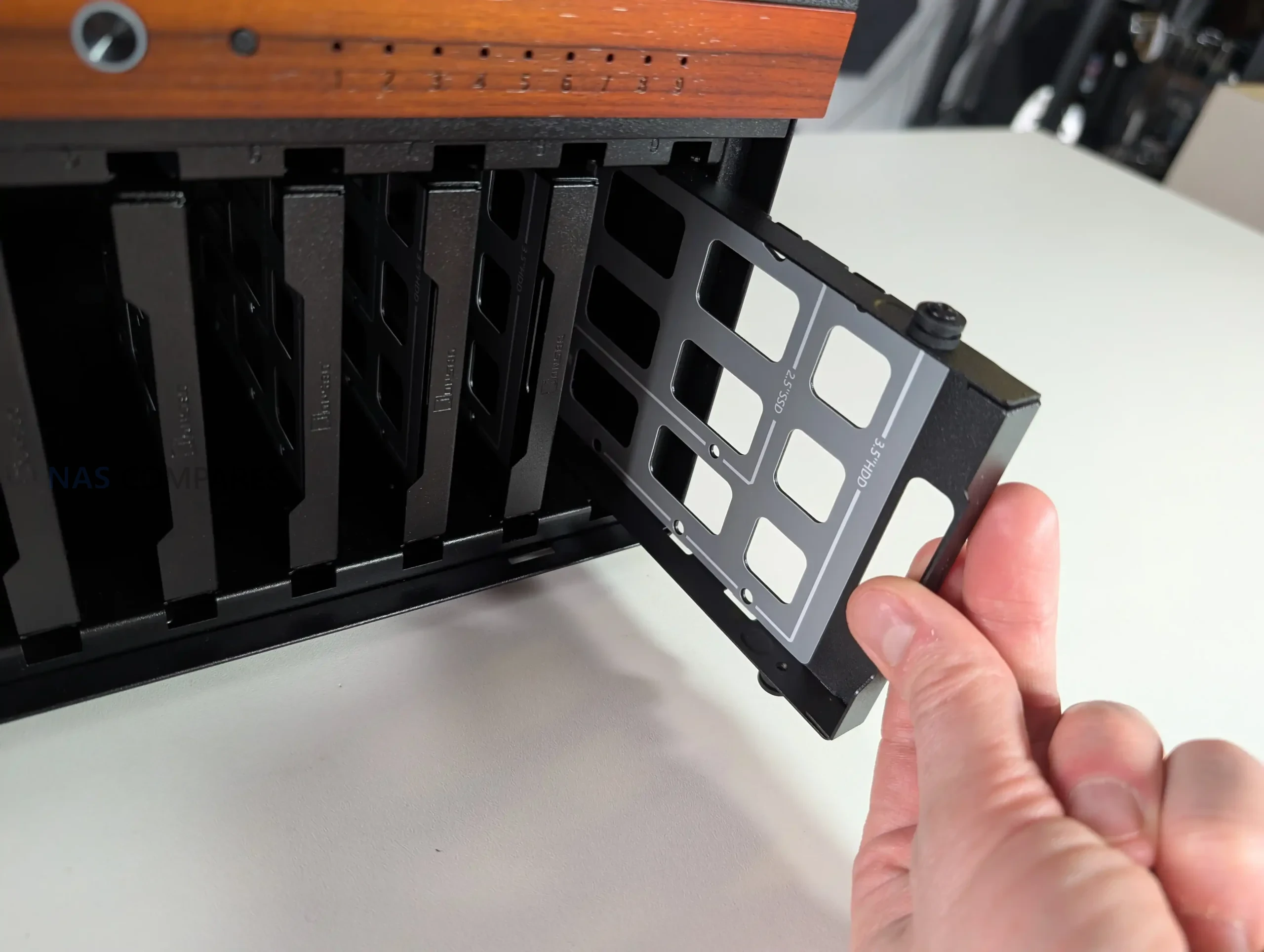
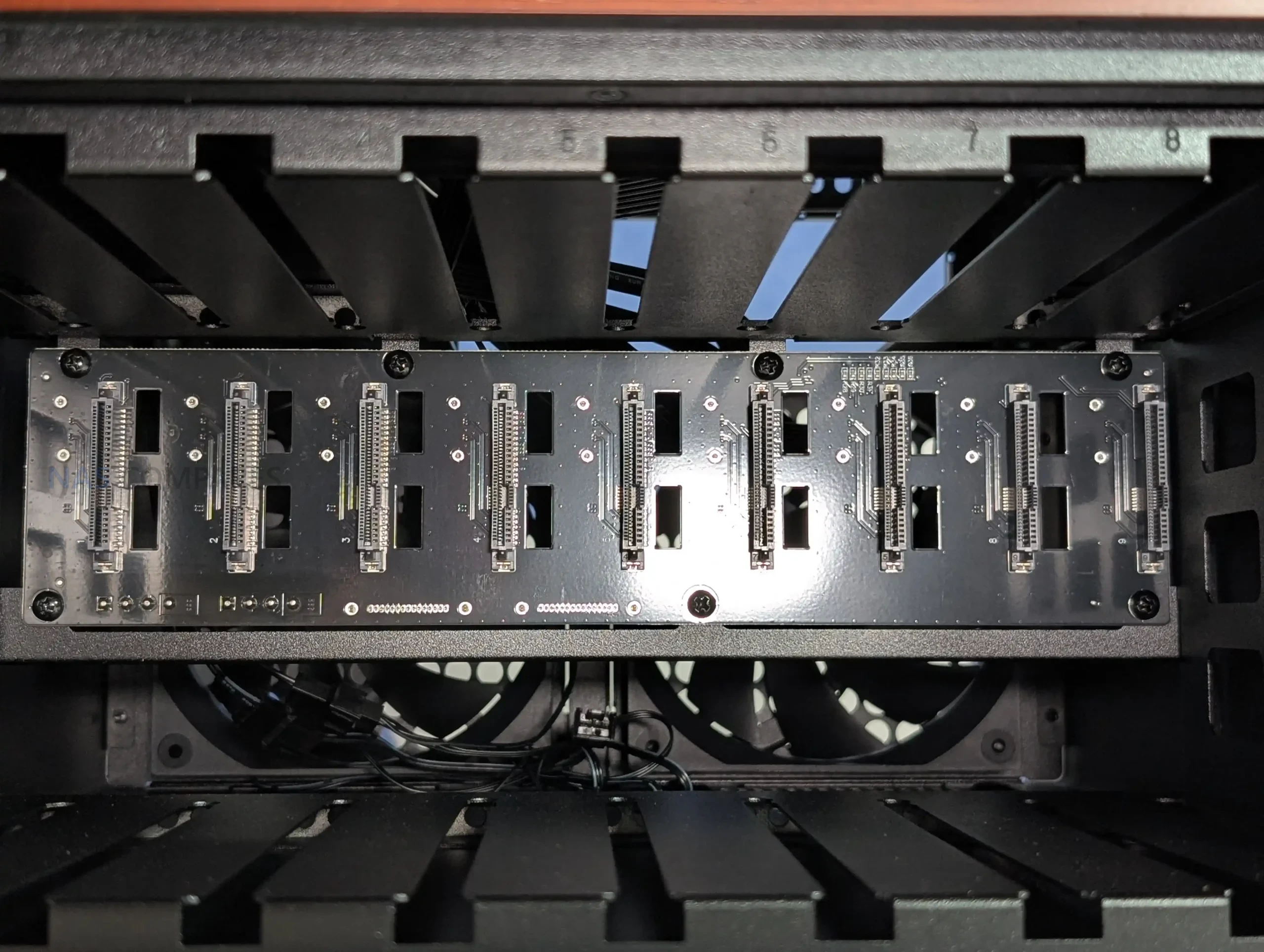
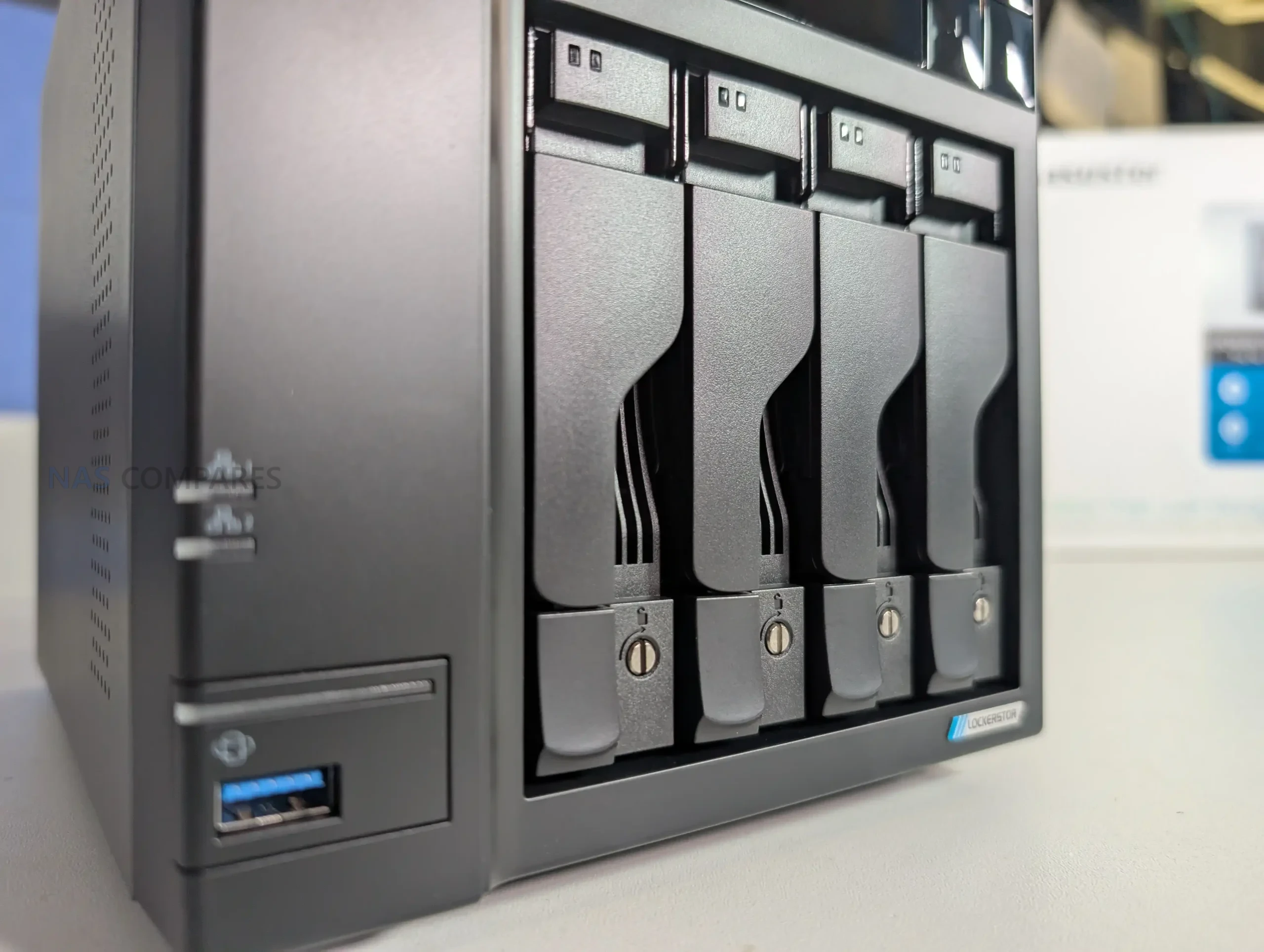
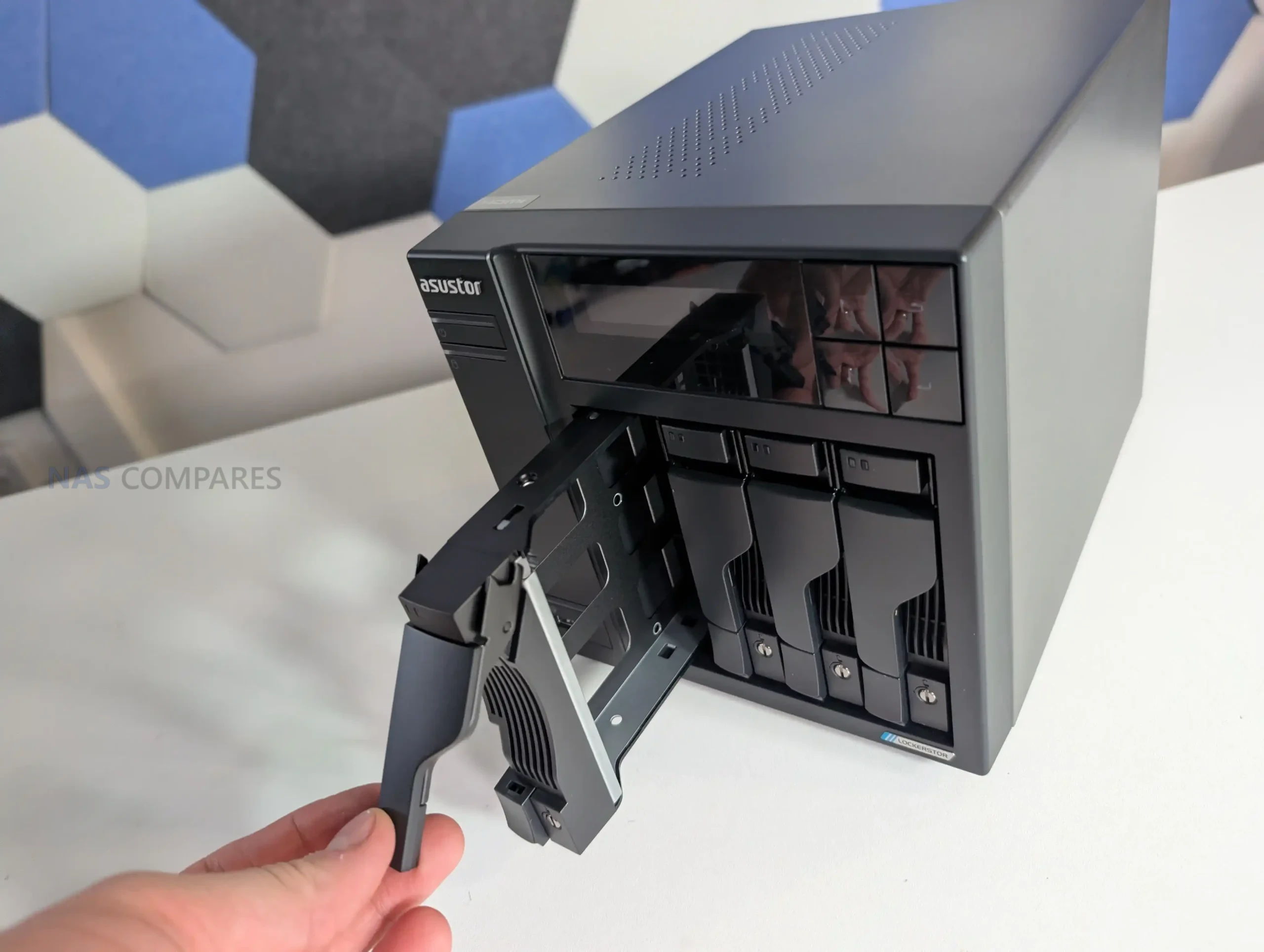
The primary storage configuration consists of 4 drive bays supporting either 3.5 inch or 2.5 inch SATA drives. Each drive uses an individual tray that slides into the chassis and clicks into place without requiring screws for 3.5 inch drives. The trays are ventilated and designed for relatively straightforward installation or replacement, although they are not lockable. Compared with earlier UniFi NAS designs that grouped multiple drives into a single tray, the use of separate trays simplifies drive access and improves hot swap usability.

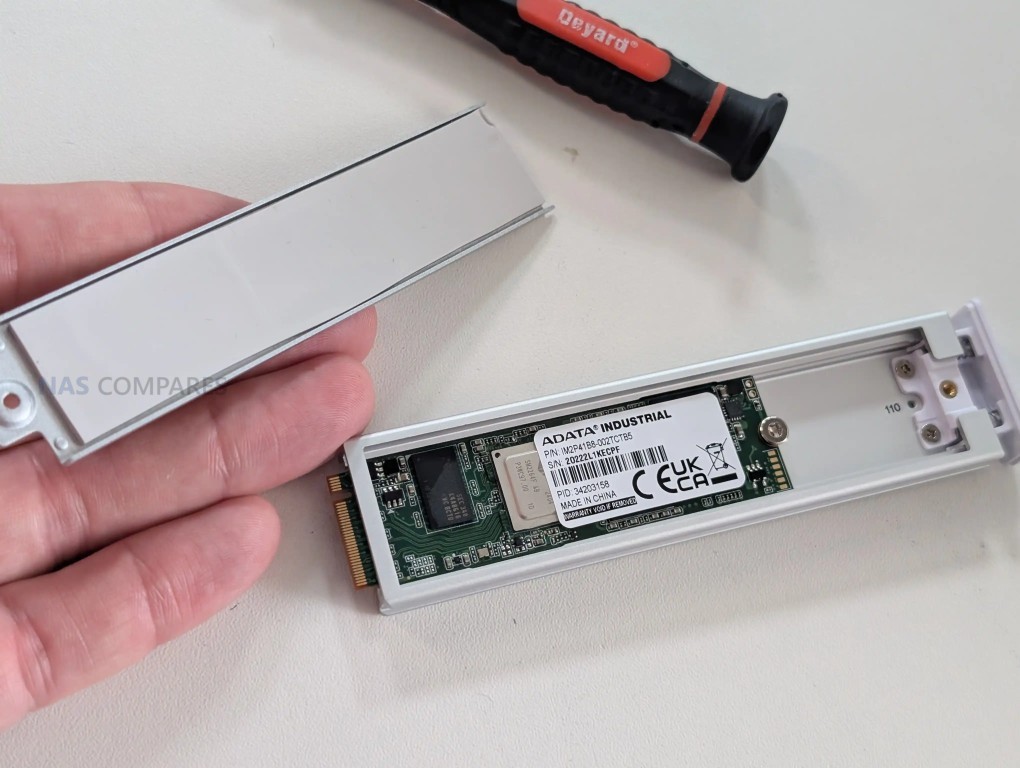
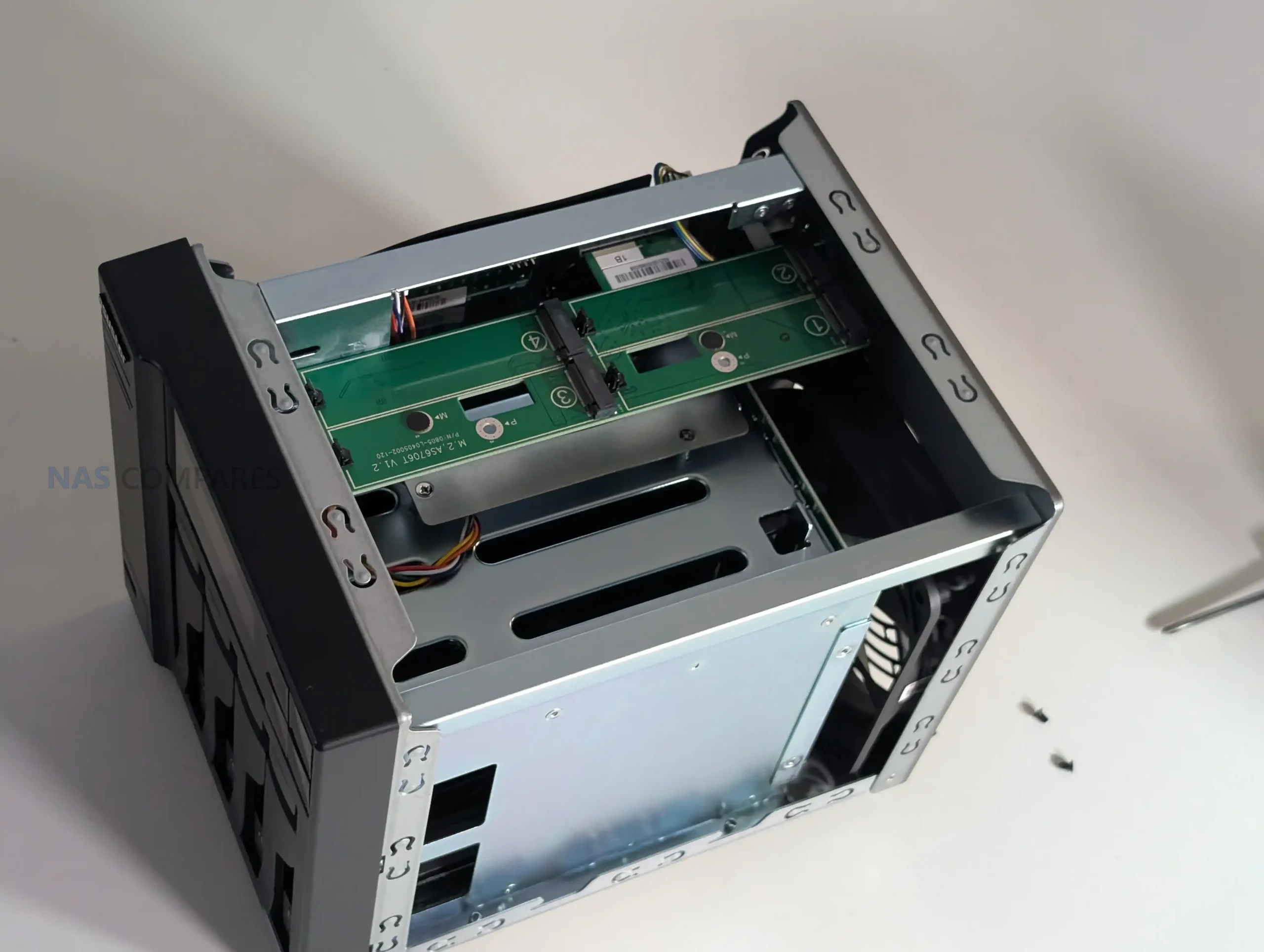
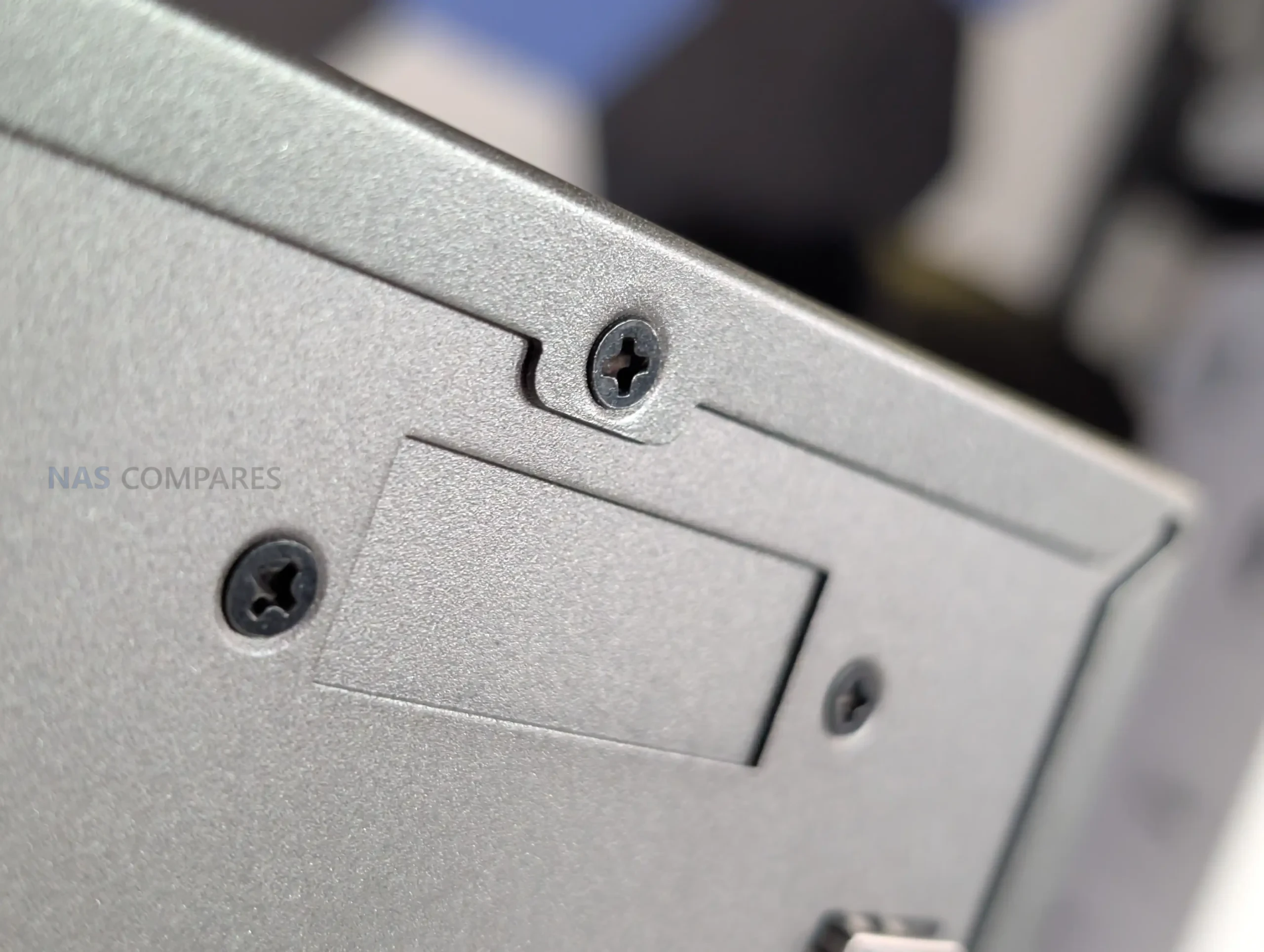
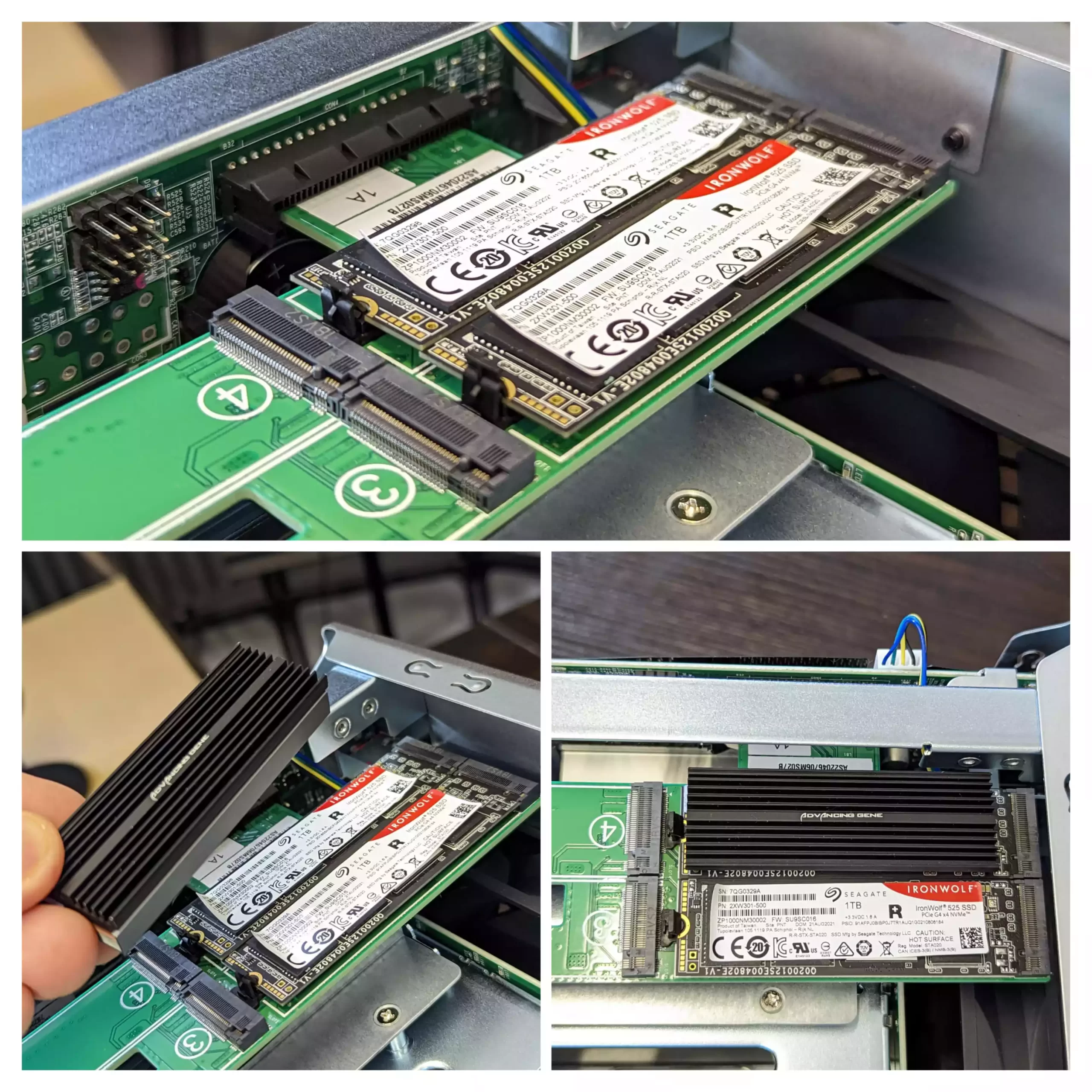
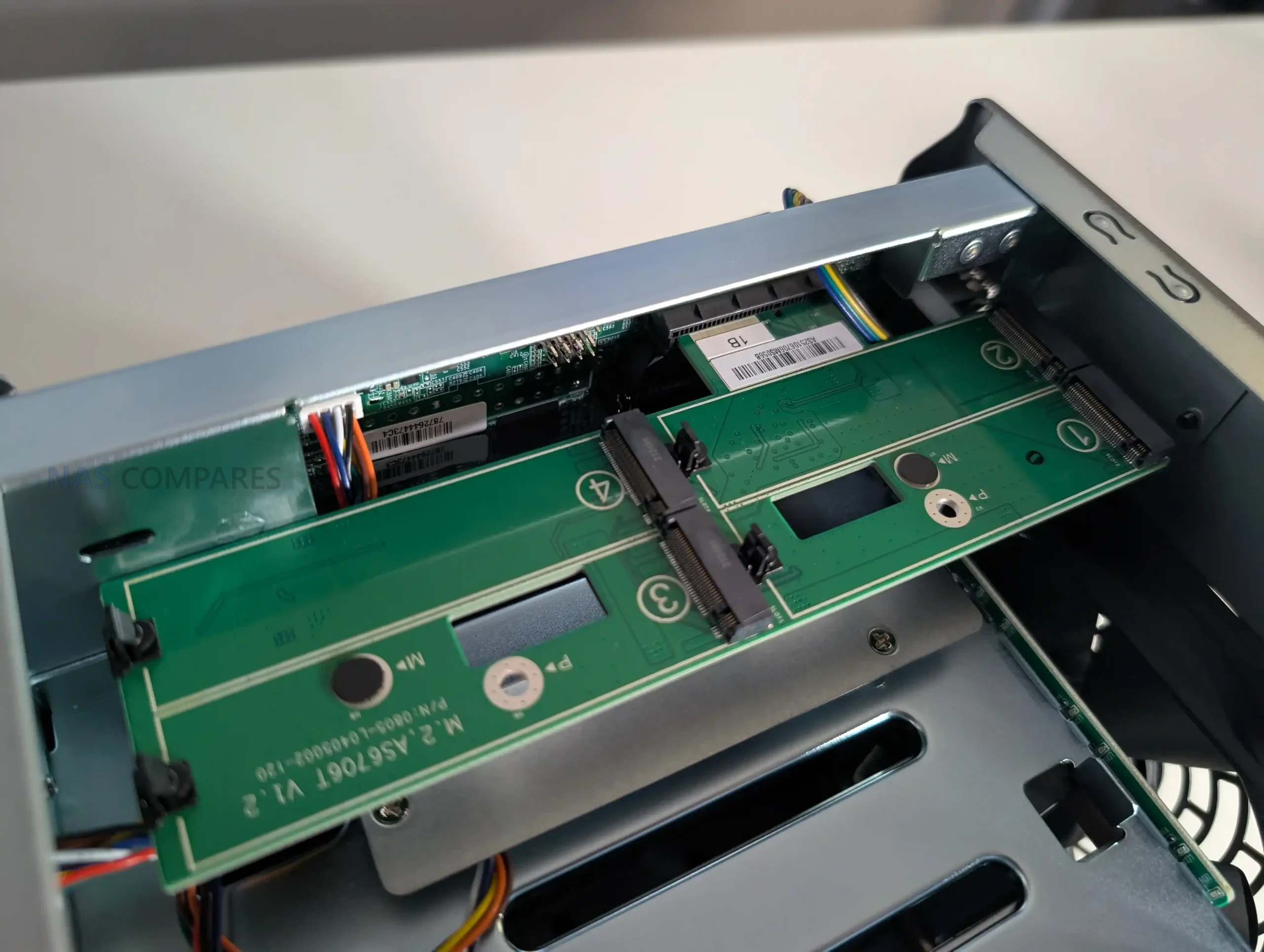
In addition to the main hard drive bays, the system includes 2 M.2 NVMe slots intended for SSD caching. These slots are located in a separate compartment on the base of the device and can be accessed by removing a small cover using the included key. Once installed, these SSDs can be used to provide read and write caching to improve responsiveness when working with frequently accessed data. At the time of writing, these NVMe drives cannot be used as independent storage pools and are limited to caching roles.

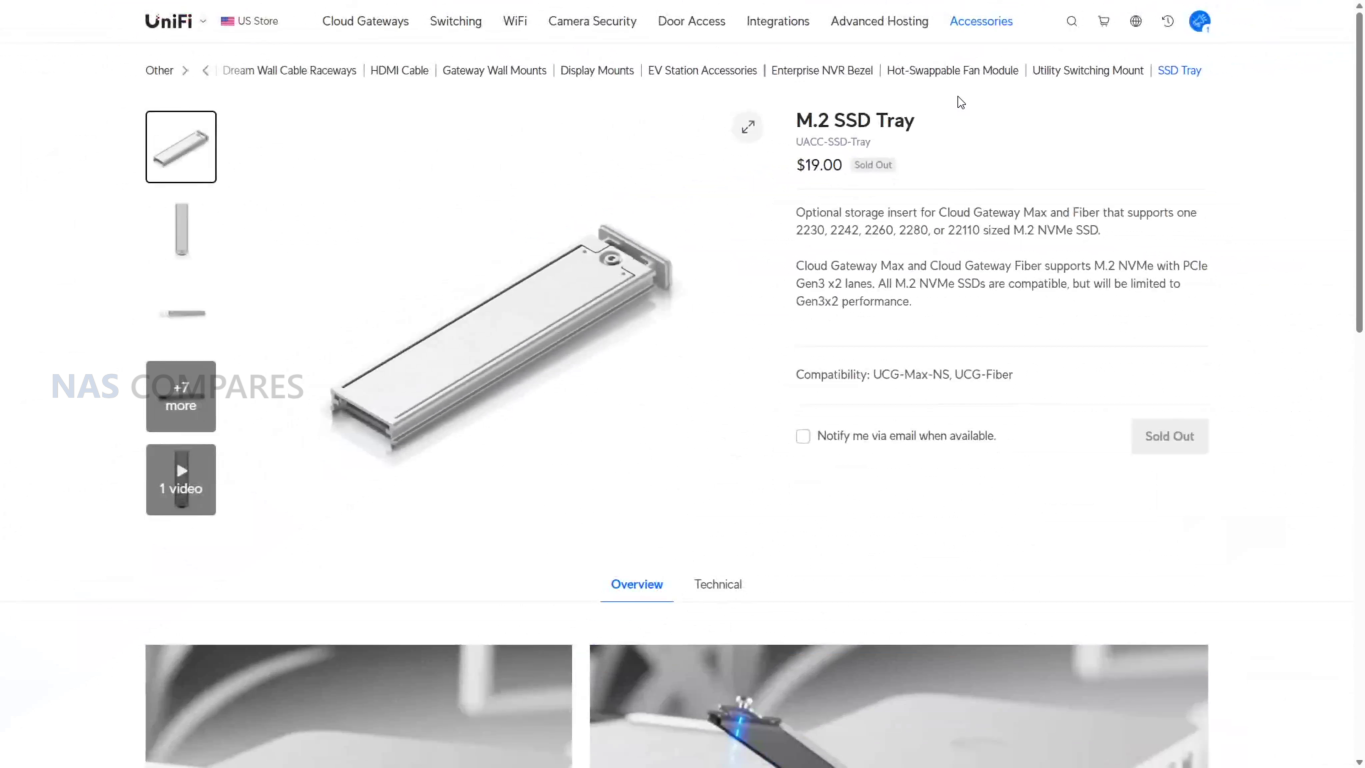
One design choice that may affect installation is that the trays required to hold the NVMe SSDs are not included in the retail package. Instead, they must be purchased separately or obtained as part of pre populated SSD modules from Ubiquiti. While the M.2 slots themselves are built into the device, the lack of included trays adds an additional step and cost for users who intend to make use of SSD caching alongside the main hard drive storage.

UniFi UNAS 4 Review – Internal Hardware
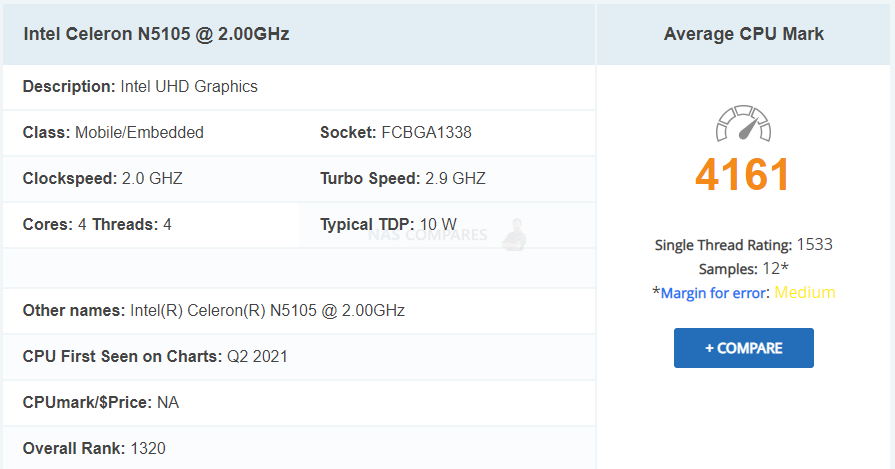
Internally, the UniFi UNAS 4 is built around a quad core ARM Cortex A55 processor running at 1.7 GHz. This type of processor is commonly used in embedded networking hardware and lower power storage appliances, where efficiency and reliability are prioritized over raw processing performance. Ubiquiti has extensive experience deploying ARM architectures across its networking and infrastructure products, and the choice here aligns with the system’s intended role as a dedicated storage appliance rather than a general purpose server platform.

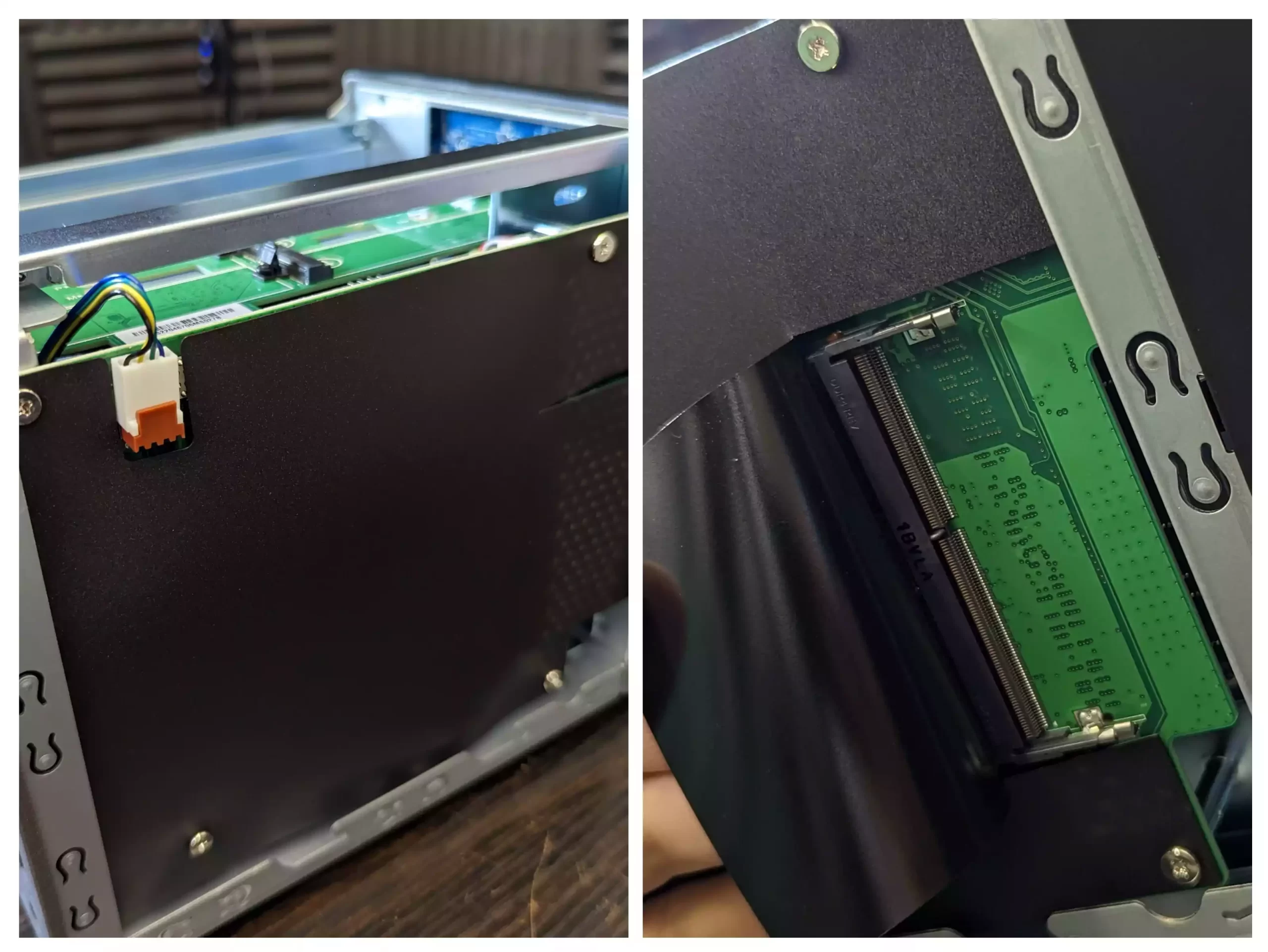
The system includes 4 GB of LPDDR4 memory, which is fixed and not user upgradeable. For the core functions the device is designed to handle, such as file transfers, backups, and storage management, this amount of memory is generally sufficient. However, the fixed memory configuration does place a ceiling on how much additional functionality the hardware could realistically support in the future, particularly if the software platform expands with additional services or heavier workloads.

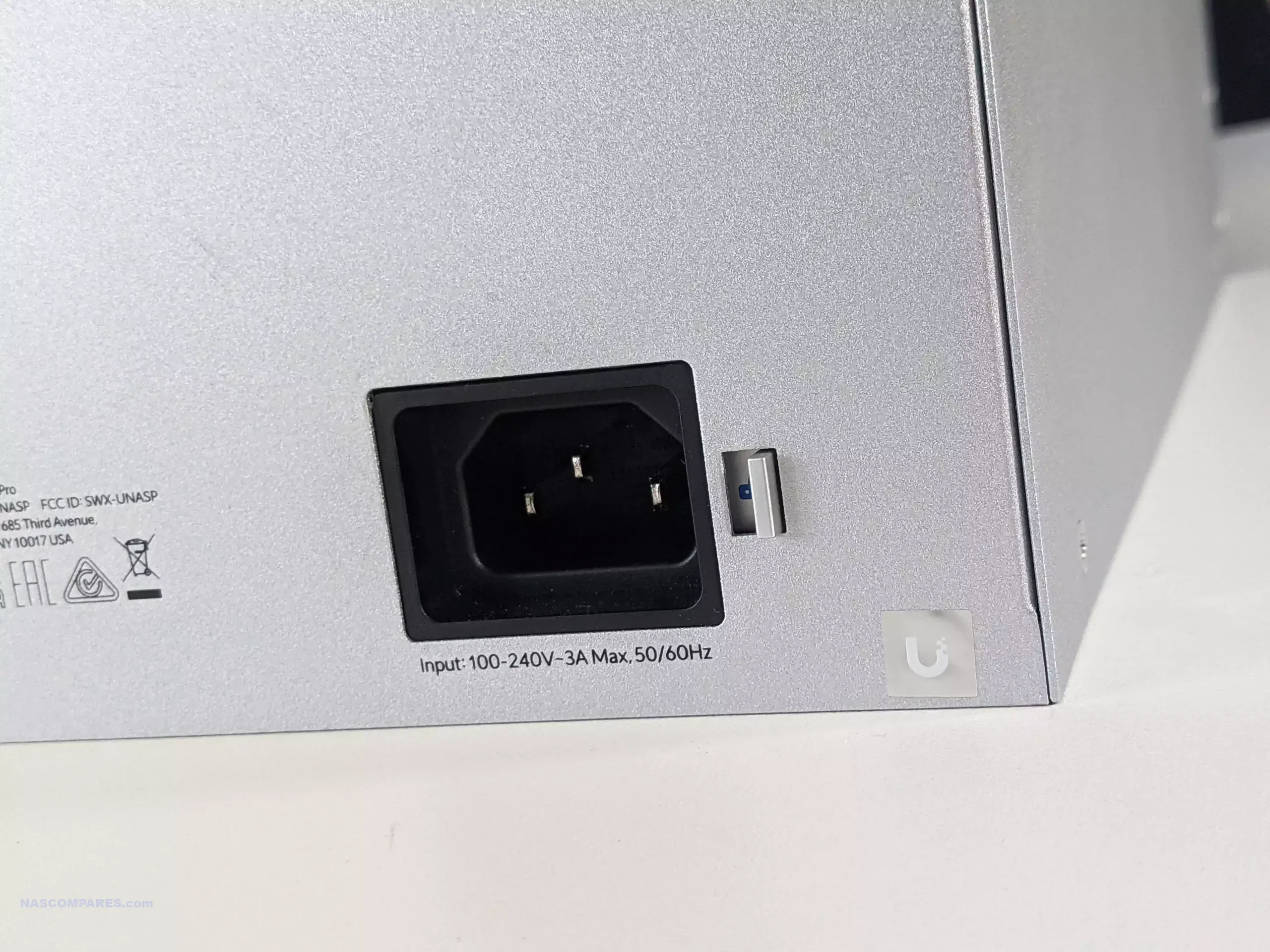
From a power perspective, the system is designed to operate within a relatively modest power envelope. The maximum system power consumption is rated at 90 W, with a maximum drive power budget of 80 W. Power delivery is handled through PoE+++, allowing both data and power to be carried through the same Ethernet connection when used with compatible infrastructure. For deployments without PoE support, the device ships with a 90 W PoE+++ adapter, allowing it to be powered from a standard mains outlet while still maintaining the same connection layout.

UniFi UNAS 4 Review – Ports and Connections
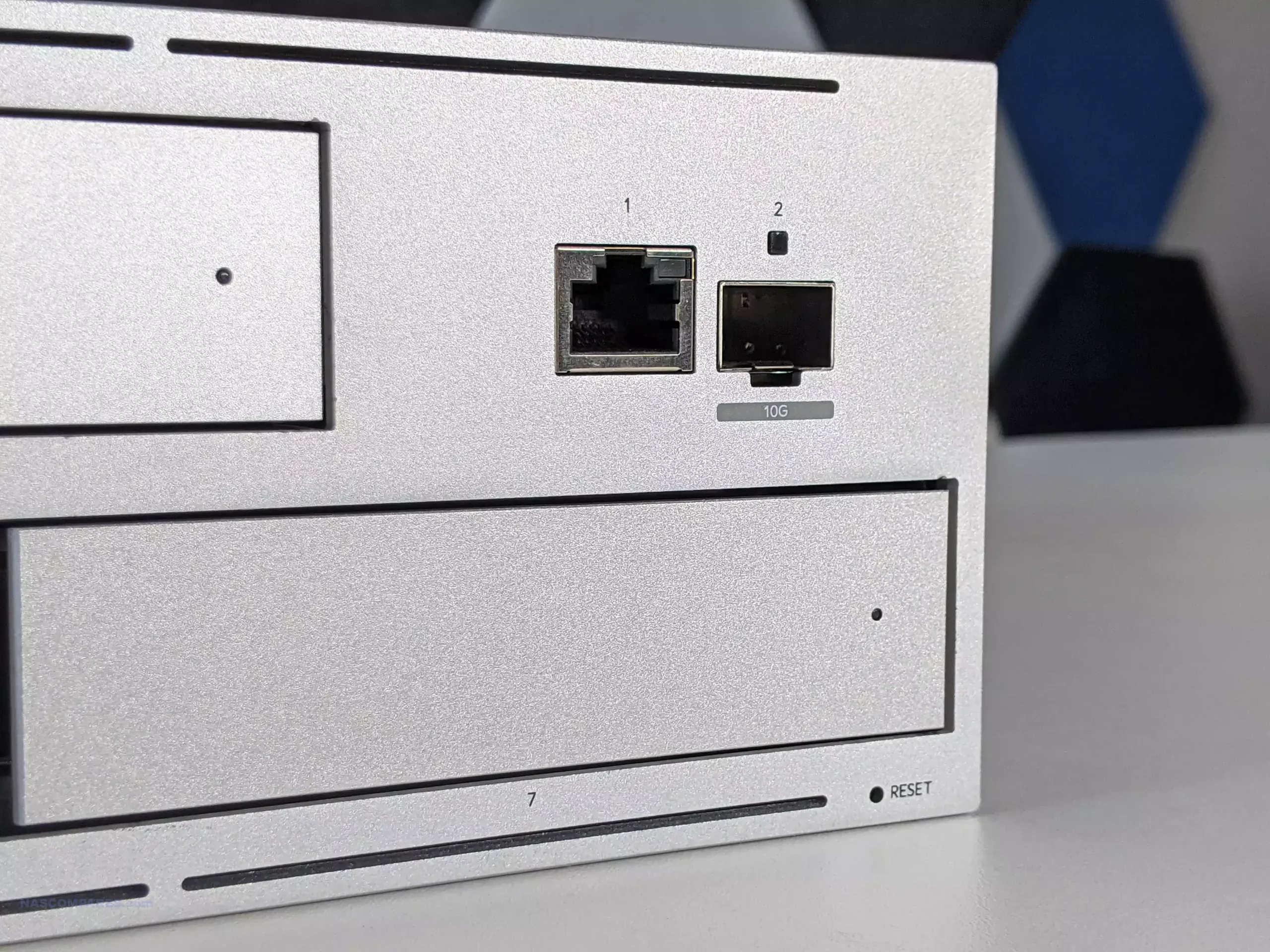
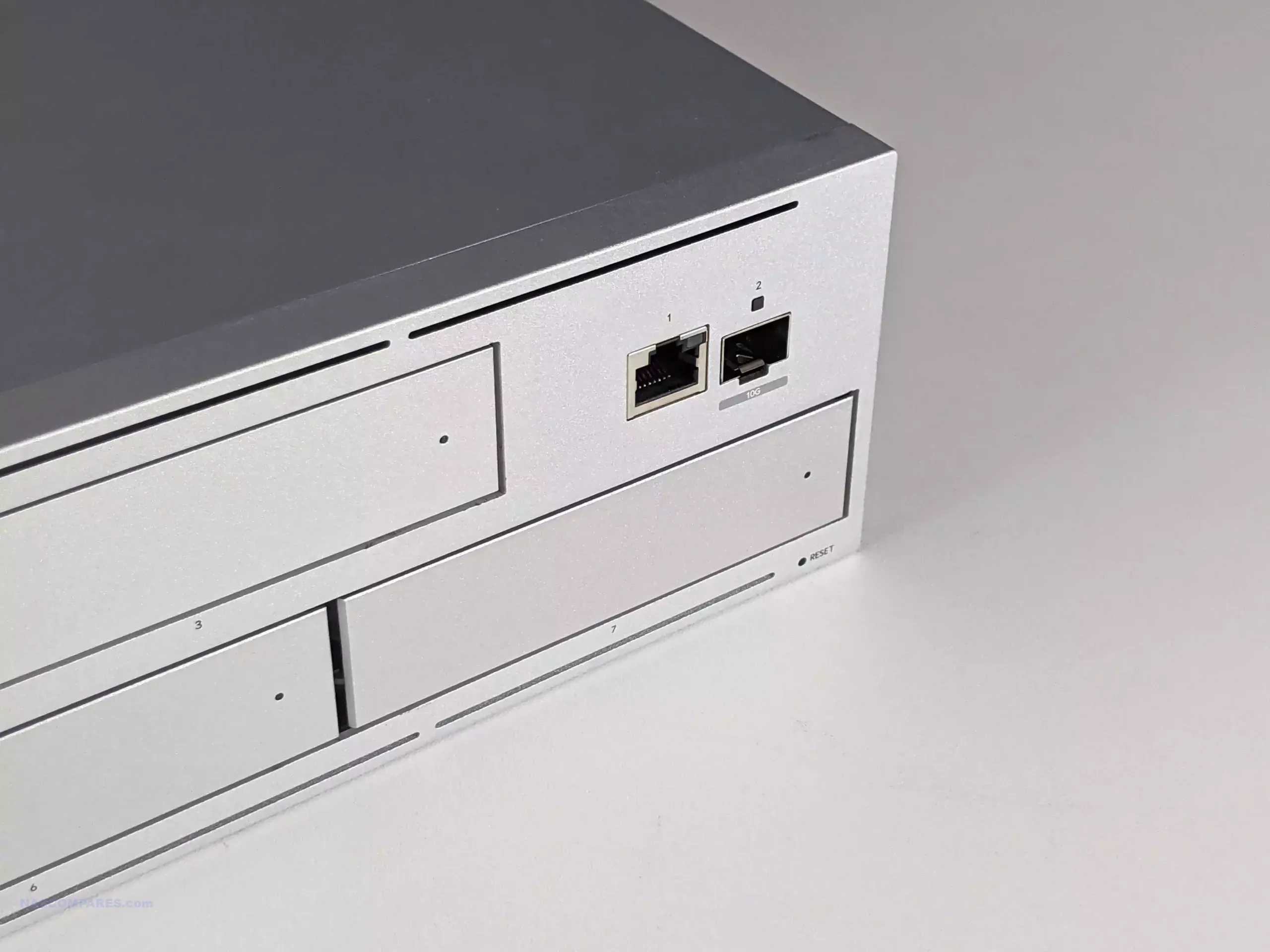
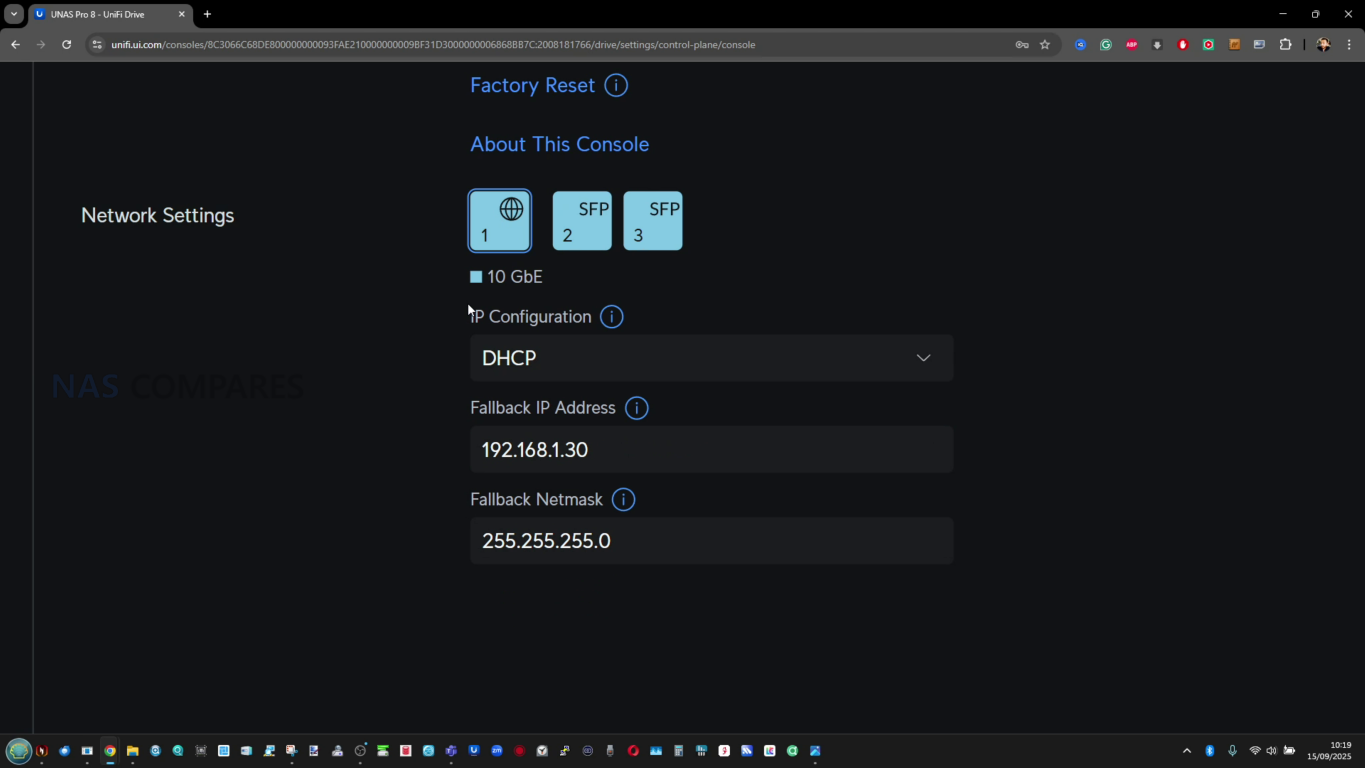
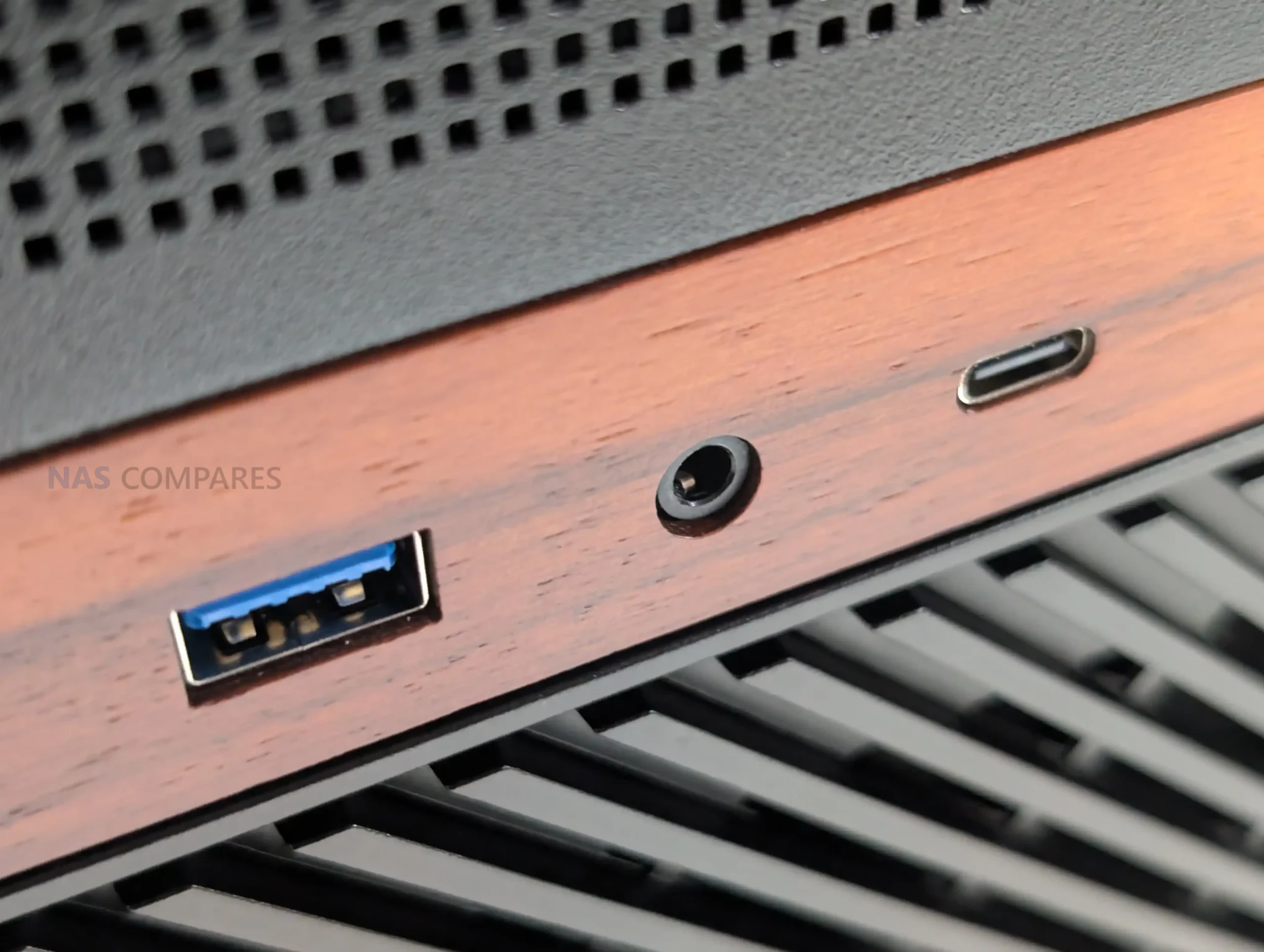
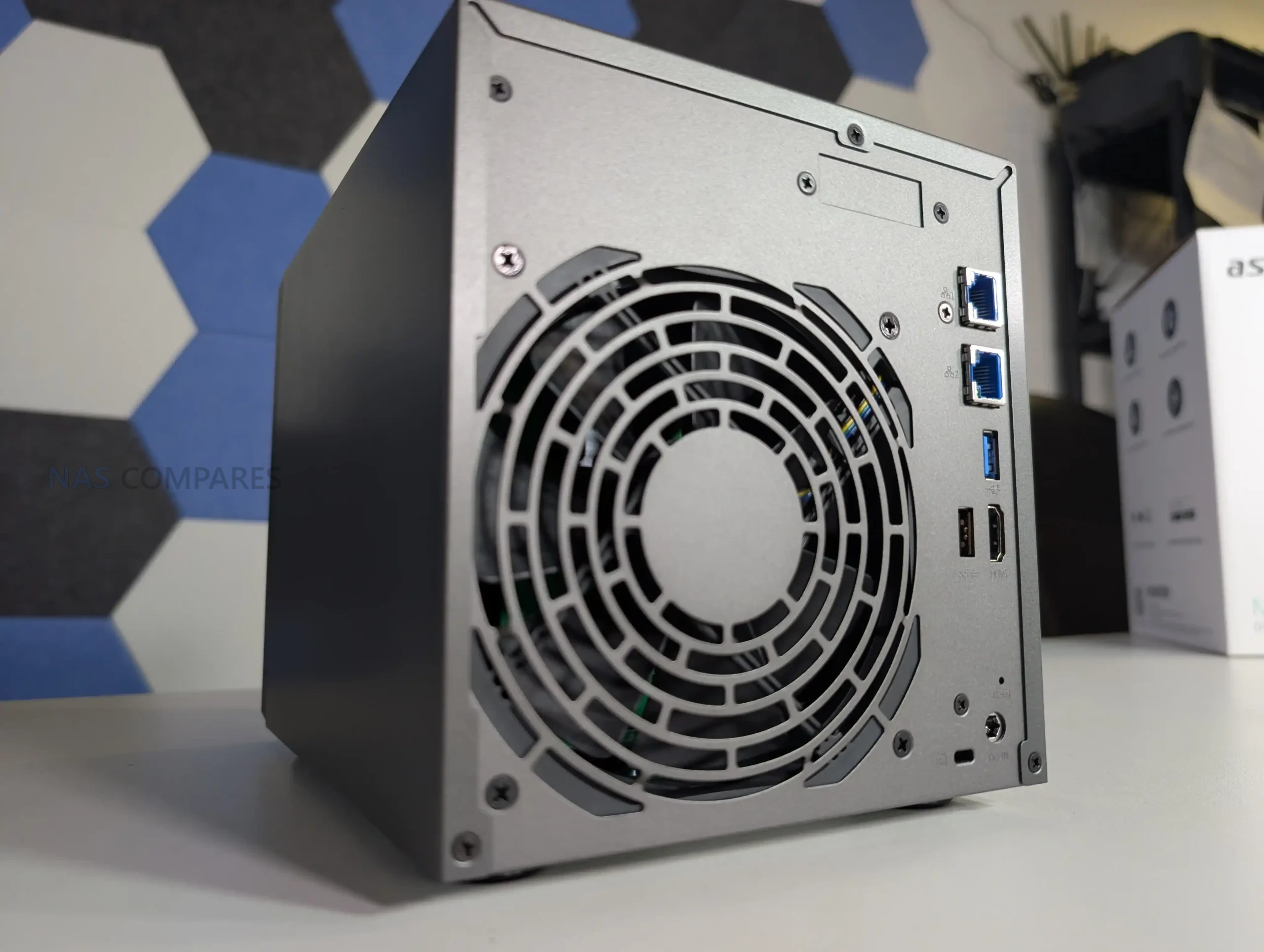
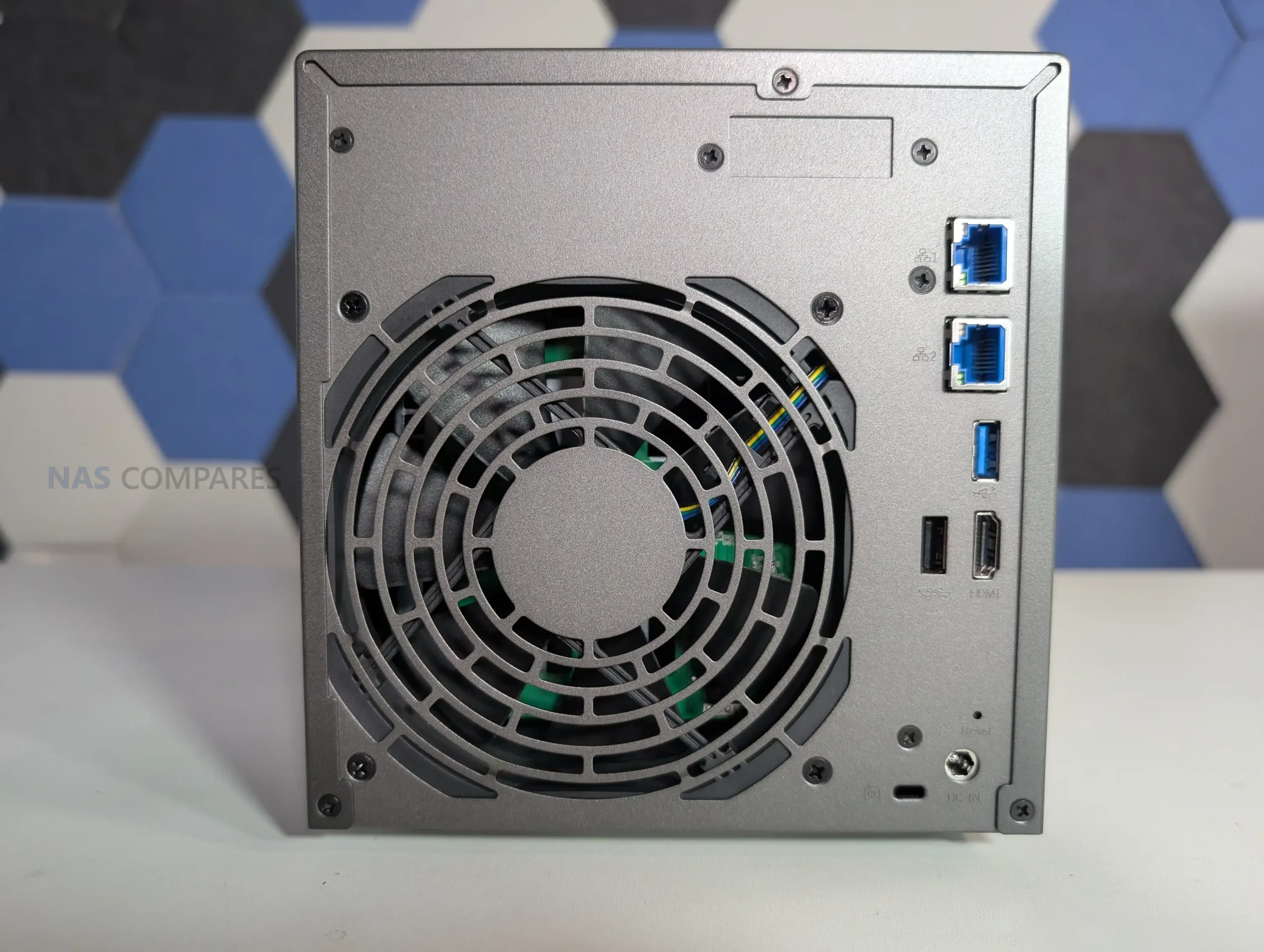
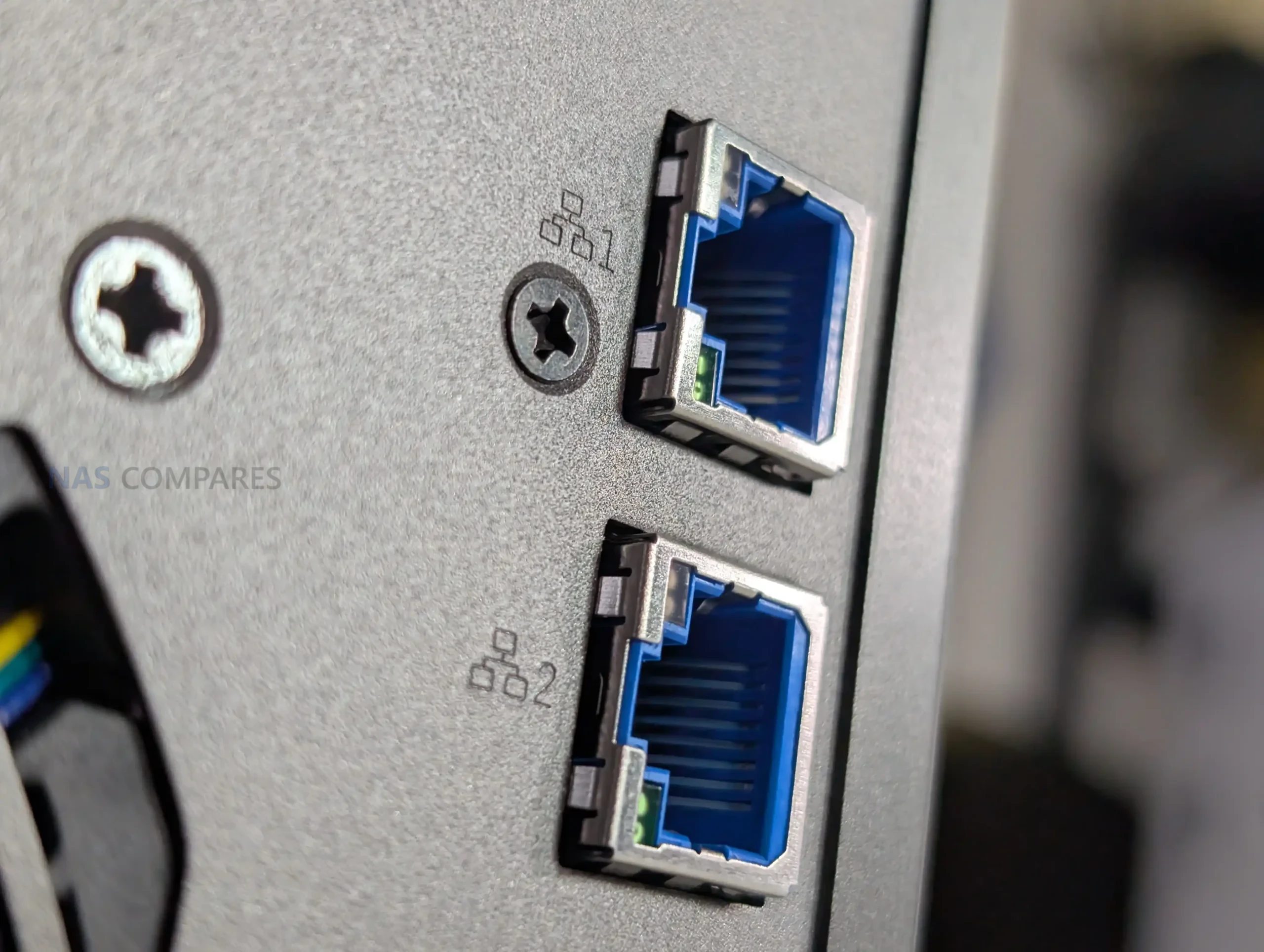
The UniFi UNAS 4 keeps connectivity simple, with a single 2.5GbE RJ45 port handling both network data and PoE+++ power delivery. This allows the unit to be deployed with a single cable when used with compatible switches or injectors, which can reduce cable clutter and simplify placement compared with NAS systems that require separate power and network connections. The port supports 2.5G, 1G, 100M, and 10M link speeds, so it can operate in mixed networks even if 2.5GbE infrastructure is not available.

The main limitation is that there is only 1 network interface, with no secondary port for link aggregation, redundancy, or dedicated management traffic. In practical terms, this reduces options for failover and makes the network connection a single point of dependency. It also places a hard ceiling on throughput, which is relevant on a 4 bay system where aggregate drive performance can exceed what a single 2.5GbE link can sustain in some workloads.

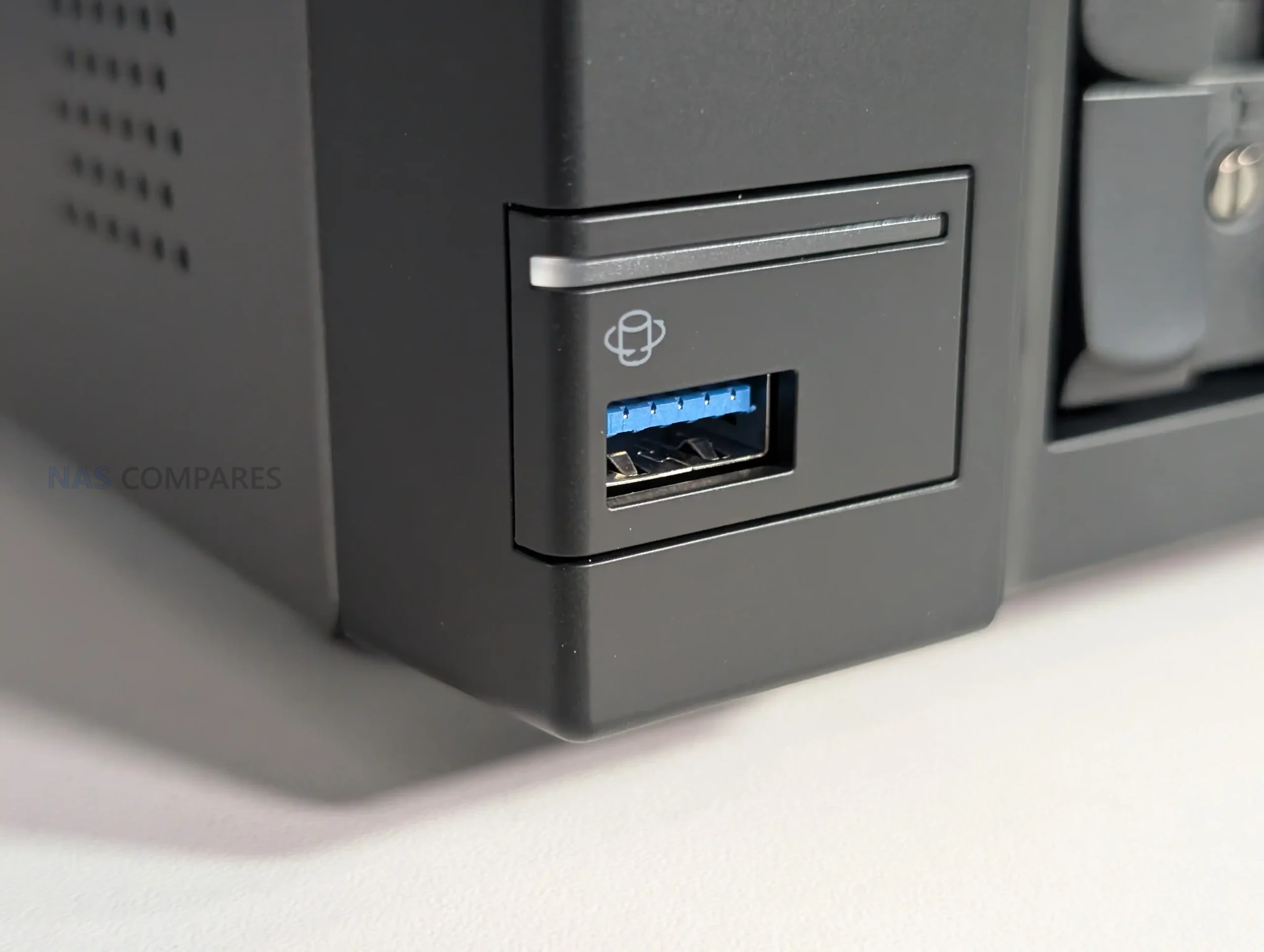
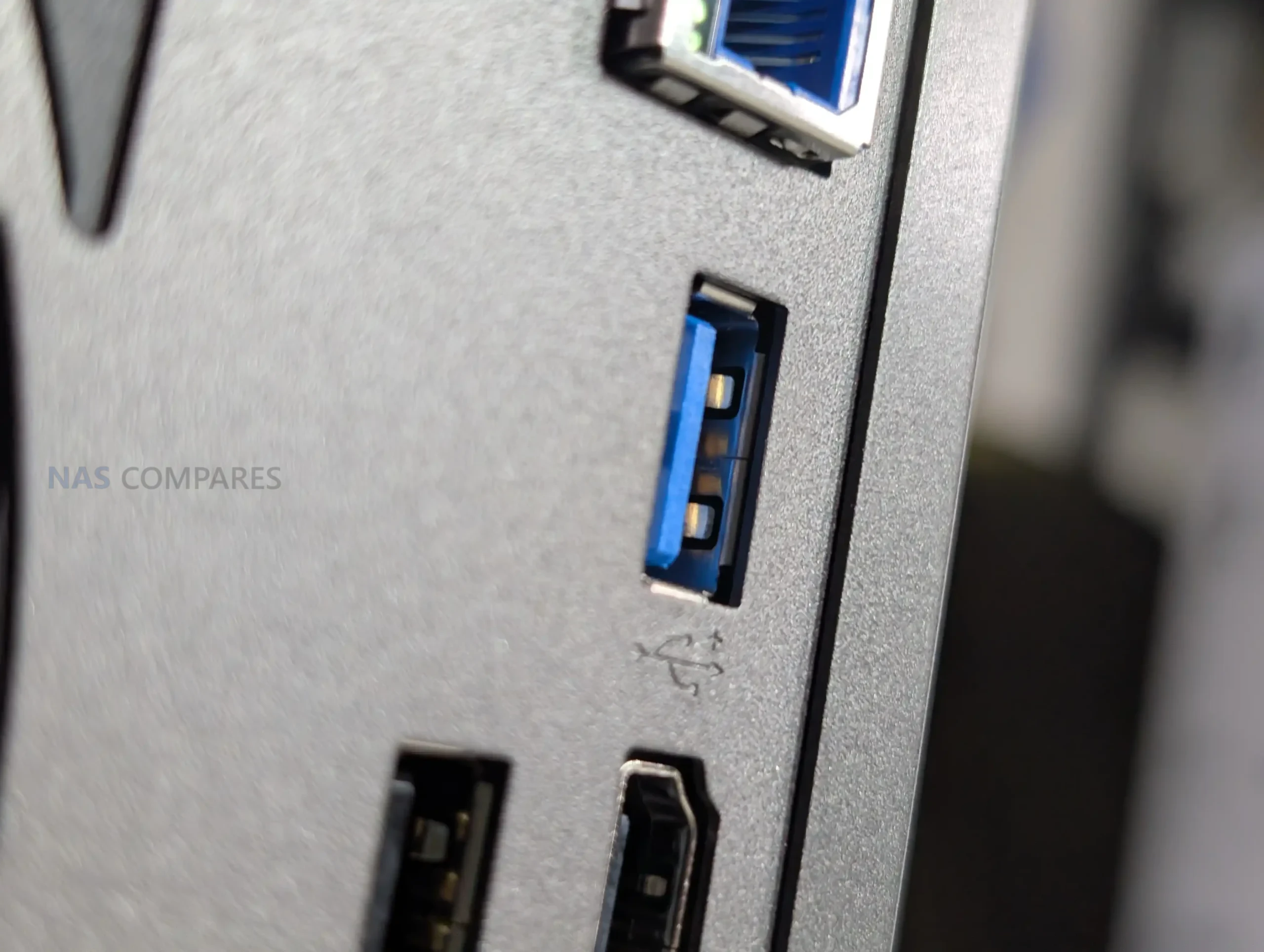
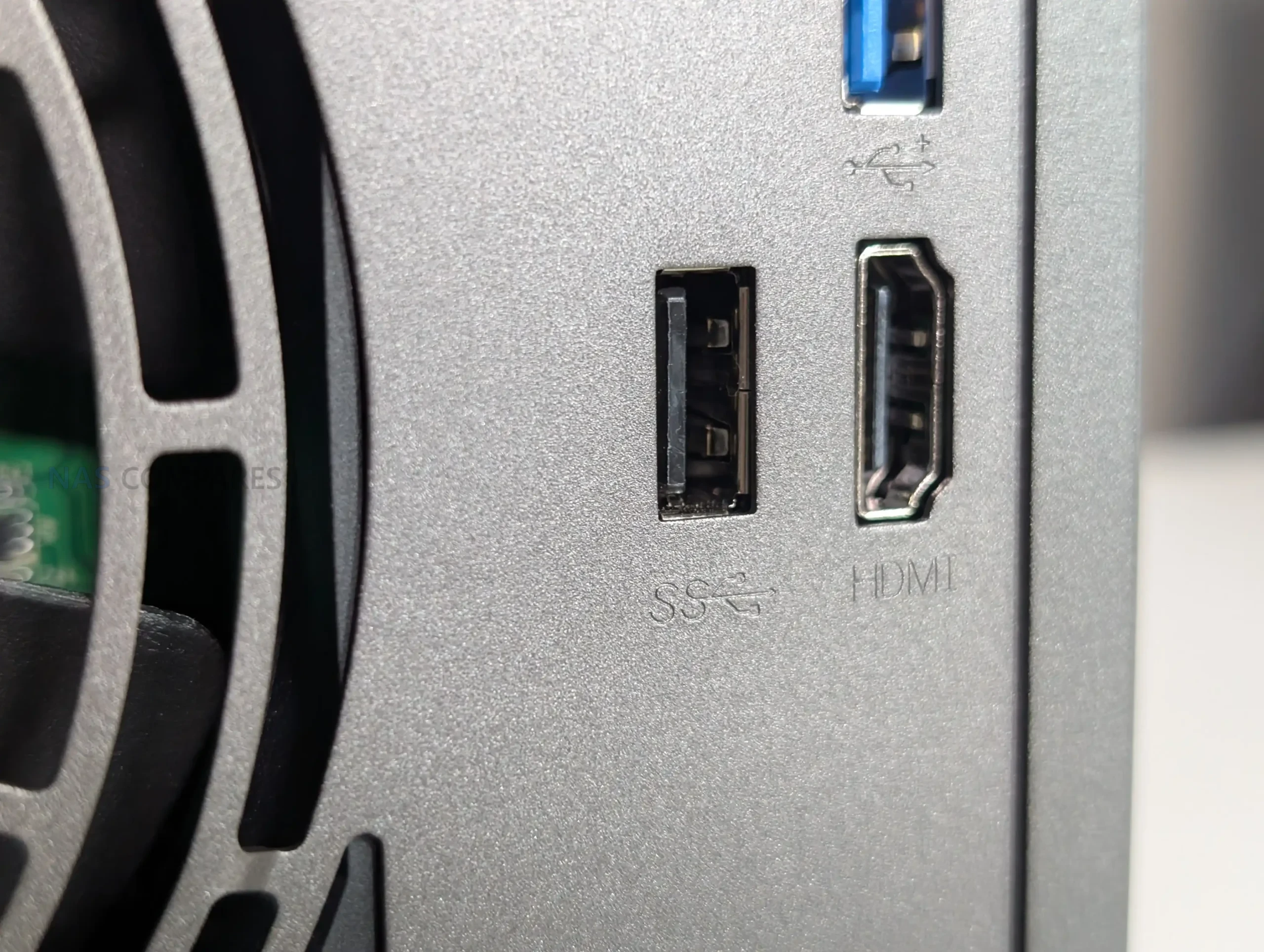
For external expansion, the device includes a 5 Gbps USB C port intended for attaching external storage. In its current form, it functions primarily as a straightforward way to connect a USB drive for basic transfers rather than as a broader expansion interface. The hardware capability suggests potential for wider use cases, but the available functionality is mainly determined by what UniFi Drive supports at the software level.

UniFi UNAS 4 Review – Software and Services
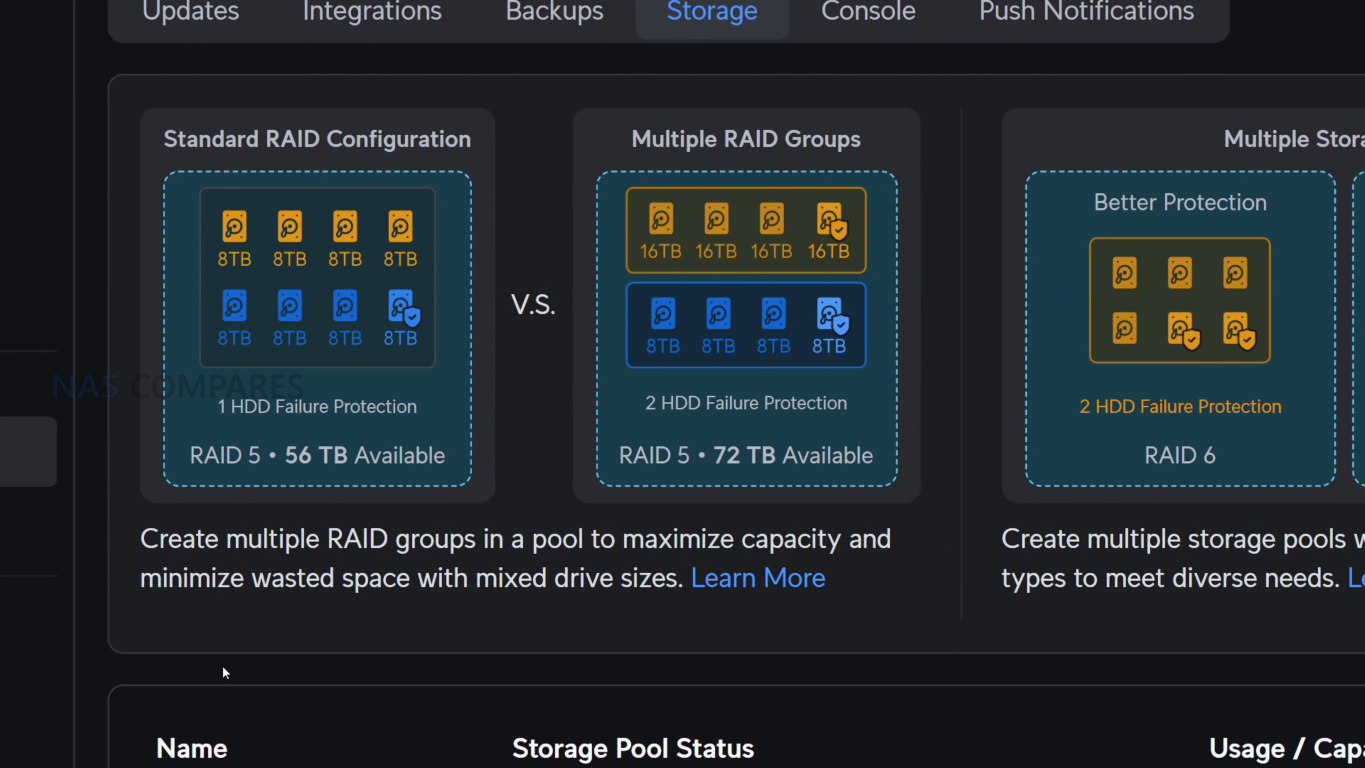
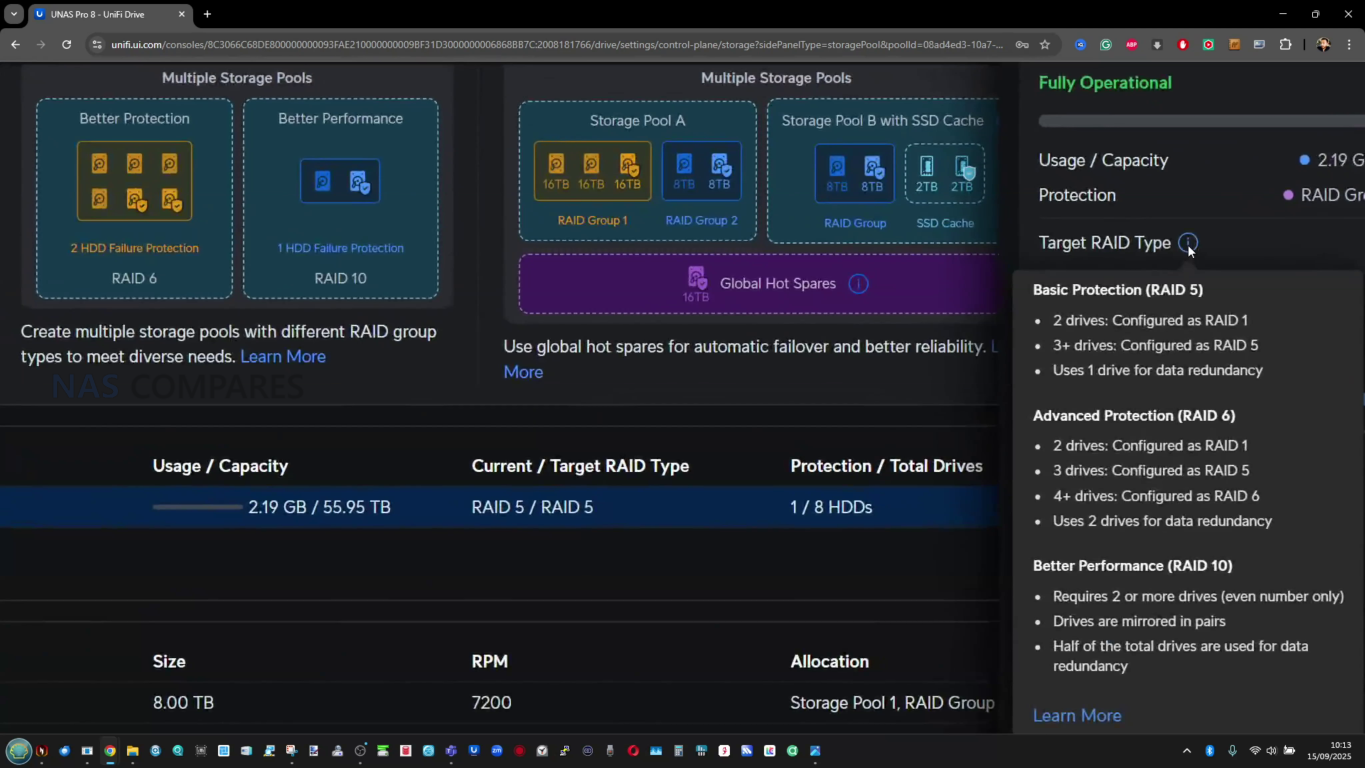
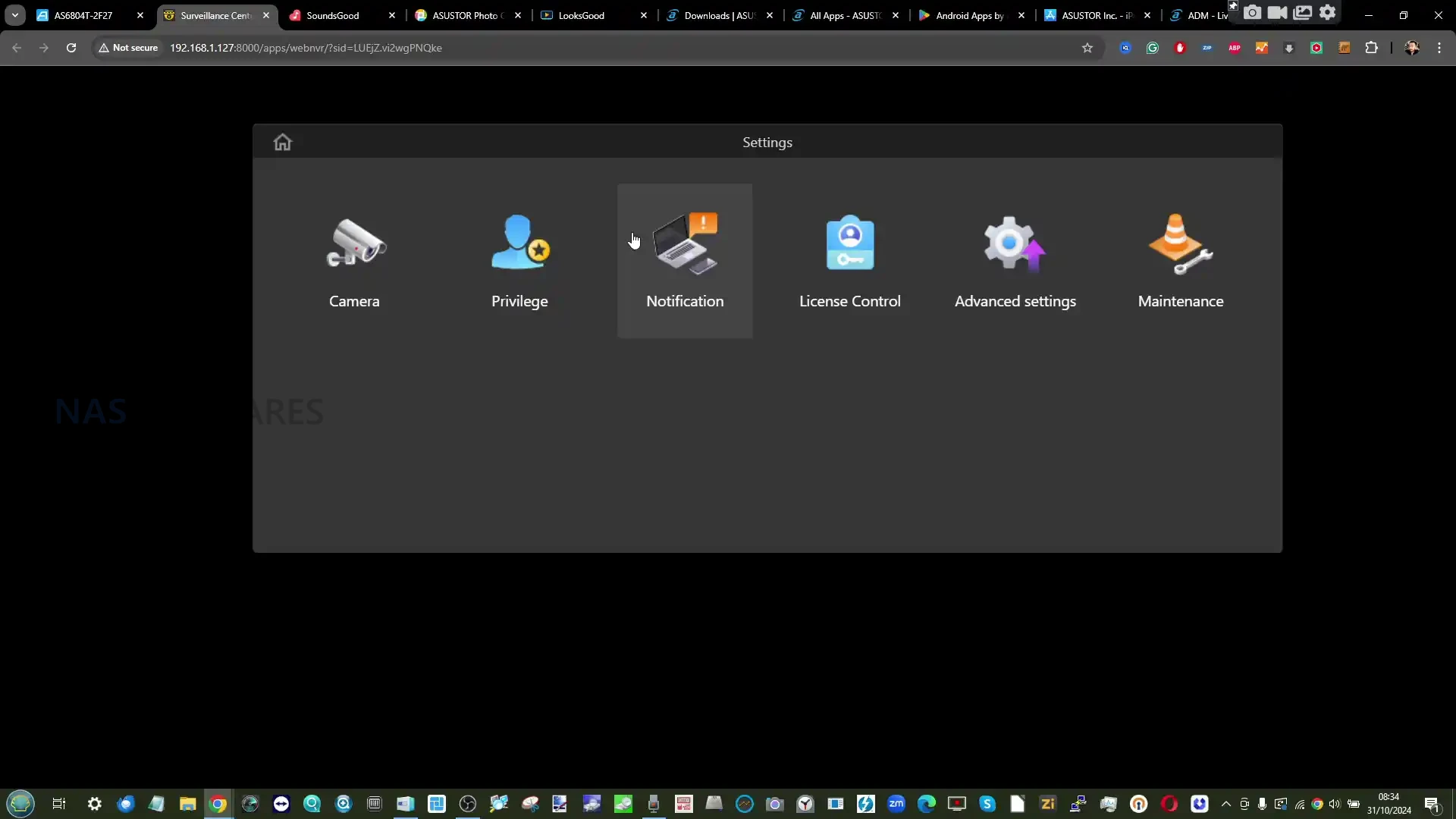
The UNAS 4 runs UniFi Drive and is managed through the same UniFi style web interface used across the wider portfolio, with system status, storage, backups, and user access presented through a single dashboard. For typical NAS use, the core functions are in place: initializing drives, building RAID storage, creating shared and personal drives, enabling file services, and checking drive health information. The interface is mostly structured around completing common tasks quickly and keeping administration consistent with other UniFi products, rather than exposing a long list of granular configuration controls. That approach makes initial setup and day to day management relatively straightforward, but it also means experienced NAS users may notice limits in how far the system can be tuned.
 |
 |
File access is centered on SMB and NFS, with browser based file management available for basic upload, download, and folder navigation. The web file manager covers essential functions and includes share link creation plus thumbnail and preview handling, but it is not designed as a full productivity layer with collaborative editing or advanced file workflow tools. Client access is largely built around standard network shares and UniFi’s account-driven identity layer, and while the system can be deployed locally without relying on a UniFi account, the most integrated remote workflow is clearly designed around UniFi’s own UI and identity services rather than third party remote networking options.
 |
 |
Data protection features cover most of what is expected for a general purpose file NAS. UniFi Drive supports snapshots, encrypted storage, and configurable retention policies, which covers common rollback needs and basic ransomware recovery strategy when paired with sensible scheduling. Backup tooling is one of the stronger areas in terms of scope, supporting tasks to another UniFi NAS, to SMB targets, and to cloud services such as Google Drive, OneDrive, Dropbox, Amazon S3, Backblaze B2, and Wasabi. Time Machine support is also present for macOS environments, and Microsoft 365 backup is part of the broader UniFi Drive direction, even if the overall feature set remains more storage and protection focused than application focused.
 |
 |
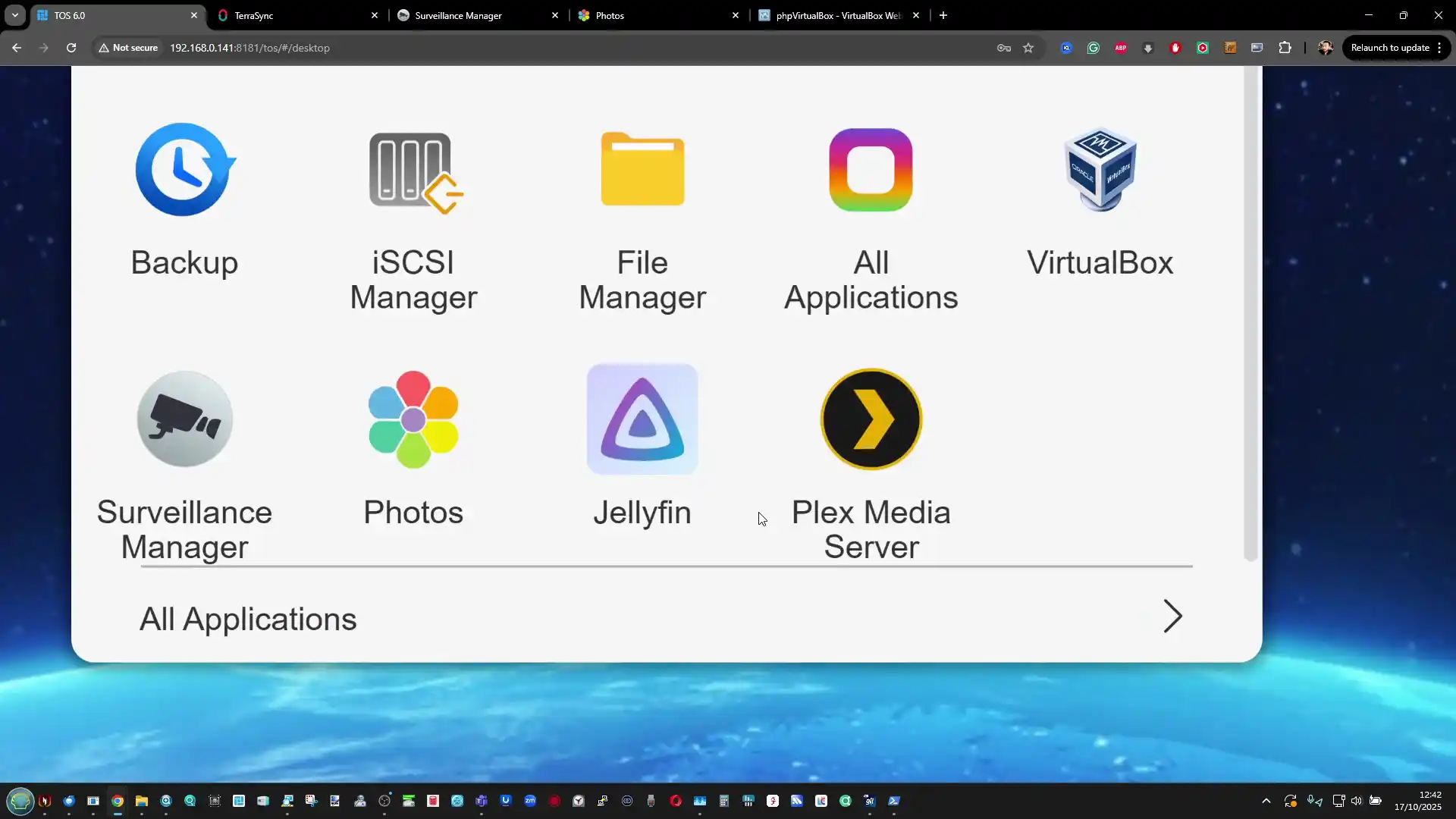
The limitations are consistent with the UNAS 4’s role and its hardware profile. There is no iSCSI target support, which restricts certain virtualization, hypervisor, and block storage workflows, and there is no container or VM layer intended for running third party services directly on the device. NVMe support remains limited to SSD caching rather than separate pools, and on the UNAS 4 that caching is also constrained by the single 2.5GbE connection, which can cap how much of the cache benefit is visible over the network in sustained sequential transfers. More broadly, system level configuration remains relatively contained, with fewer advanced networking and scheduling controls than many established NAS platforms provide.
 |
 |
Client side tooling is also still relatively limited compared with ecosystems that offer a more developed sync, selective download, and offline pinning experience across desktop and mobile. UniFi Drive does provide client app support and identity driven access, but the overall workflow remains closer to traditional network share usage than to a full cloud drive style experience. As it stands, the software aligns with the UNAS 4’s positioning as a storage and backup appliance with a clean management layer, rather than a platform intended to replace a more feature dense NAS operating system.
 |
 |
UniFi UNAS 4 Review – Noise, Temp, Temp & Performance
In practical use, performance on the UNAS 4 is largely shaped by its single 2.5GbE connection. With mechanical drives, the system can deliver consistent transfer rates that sit within the expected ceiling of a 2.5GbE link, but it does not have the networking headroom to take full advantage of what a 4 drive array can potentially deliver under sustained sequential workloads. This is most noticeable when using higher capacity 7200 RPM drives, where the combined throughput of multiple disks can exceed the network limit even before SSD caching is factored in.
 |
 |
Testing with mixed file transfers showed typical throughput in the range of roughly 180 to 250 MB/s depending on file type and workload, with higher results generally observed once NVMe caching was enabled. A 50 GB Windows transfer completed at a pace that aligned with these figures, with sustained rates remaining stable rather than spiking briefly and then dropping sharply. The overall behaviour suggests that the device can maintain steady network limited transfers, but it is not designed to chase peak throughput beyond what 2.5GbE allows.
 |
 |
NVMe caching improved responsiveness and helped maintain higher sustained transfer speeds, particularly during repeated reads and writes where the cache could play an active role. However, the caching implementation is limited to acceleration rather than acting as a separate storage tier, and the benefit is workload dependent. Large sequential transfers still remain constrained by the network port, while smaller or more frequently accessed data sees more practical gains from the cache layer.
 |
 |
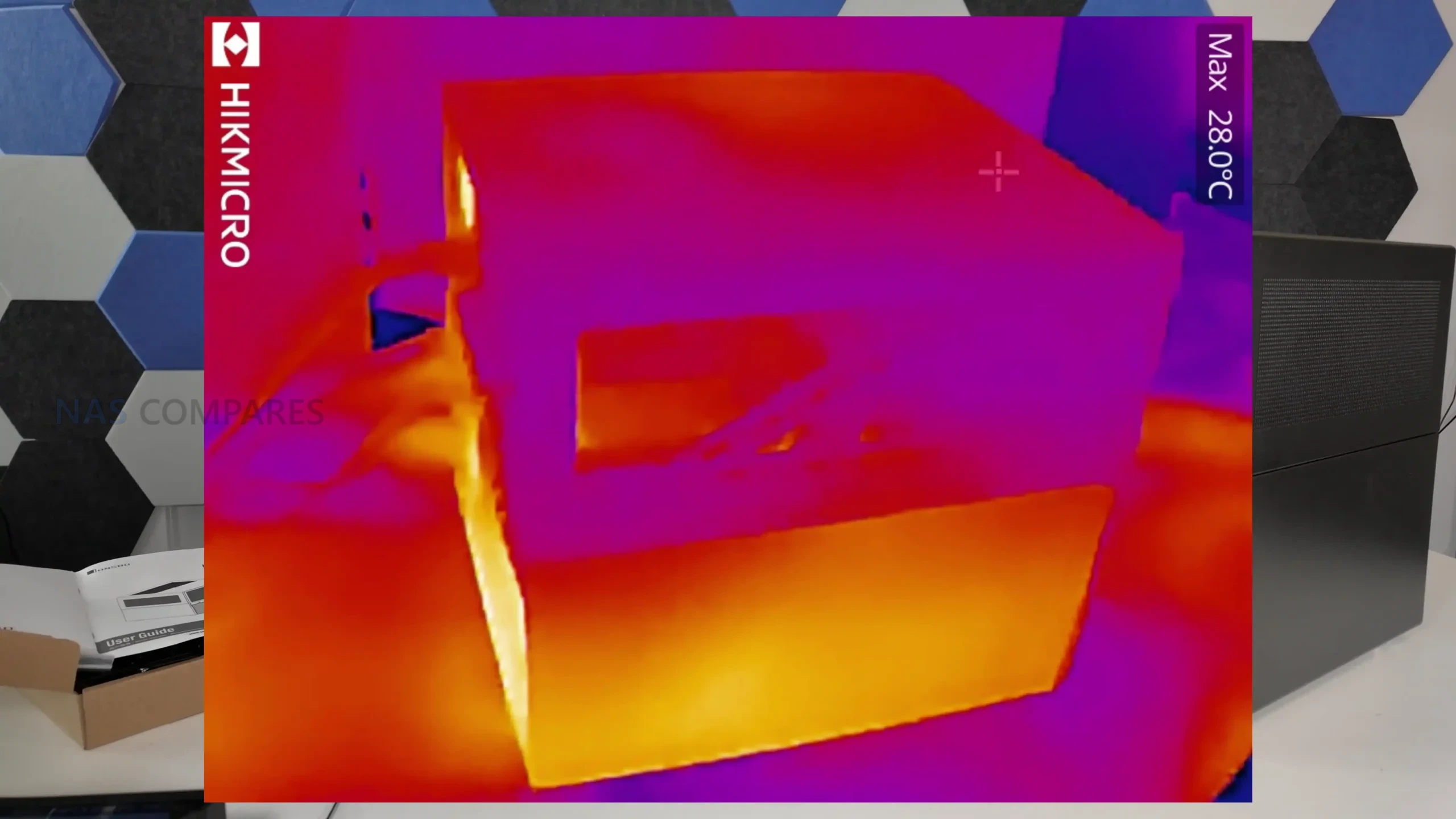
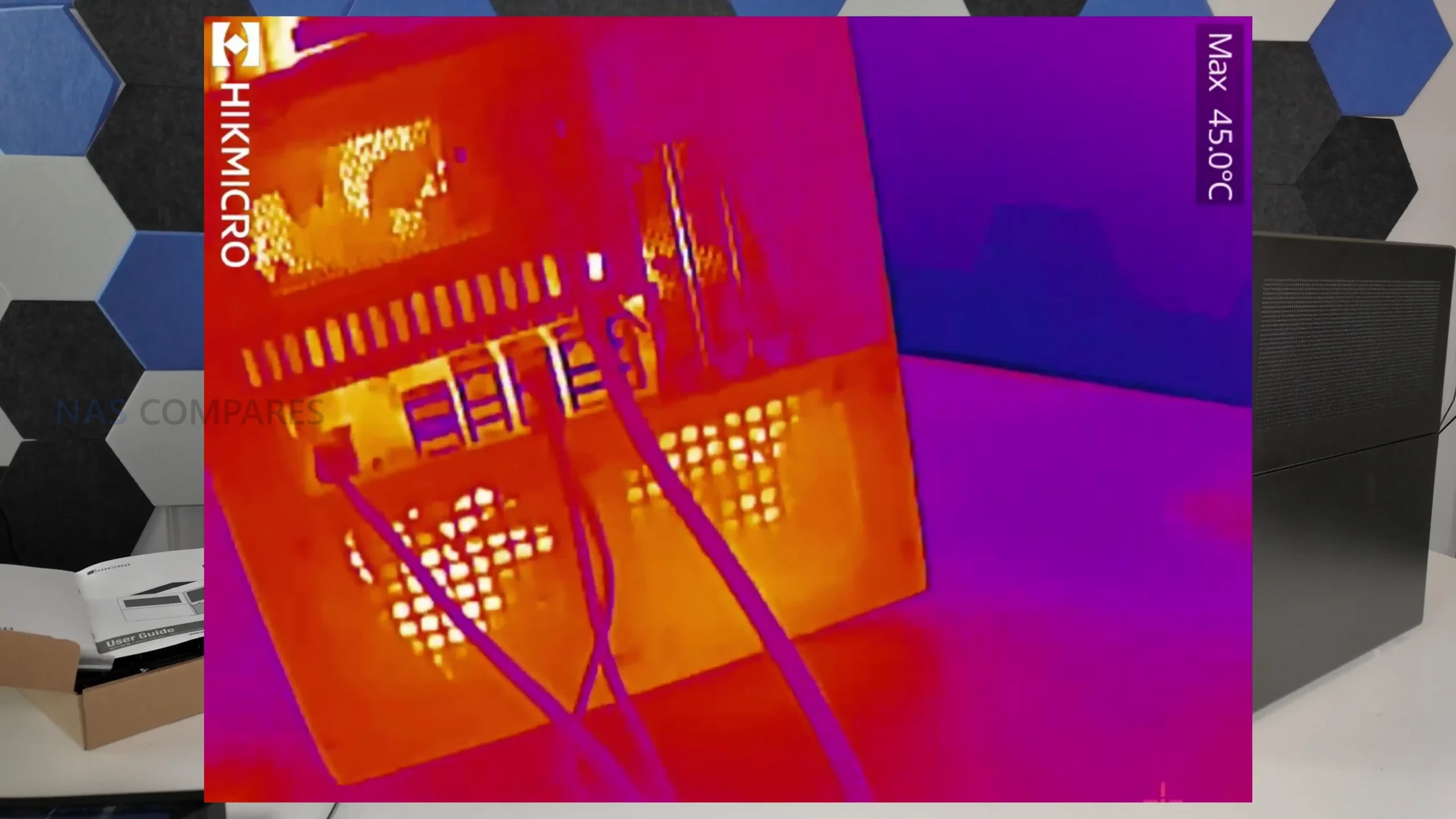
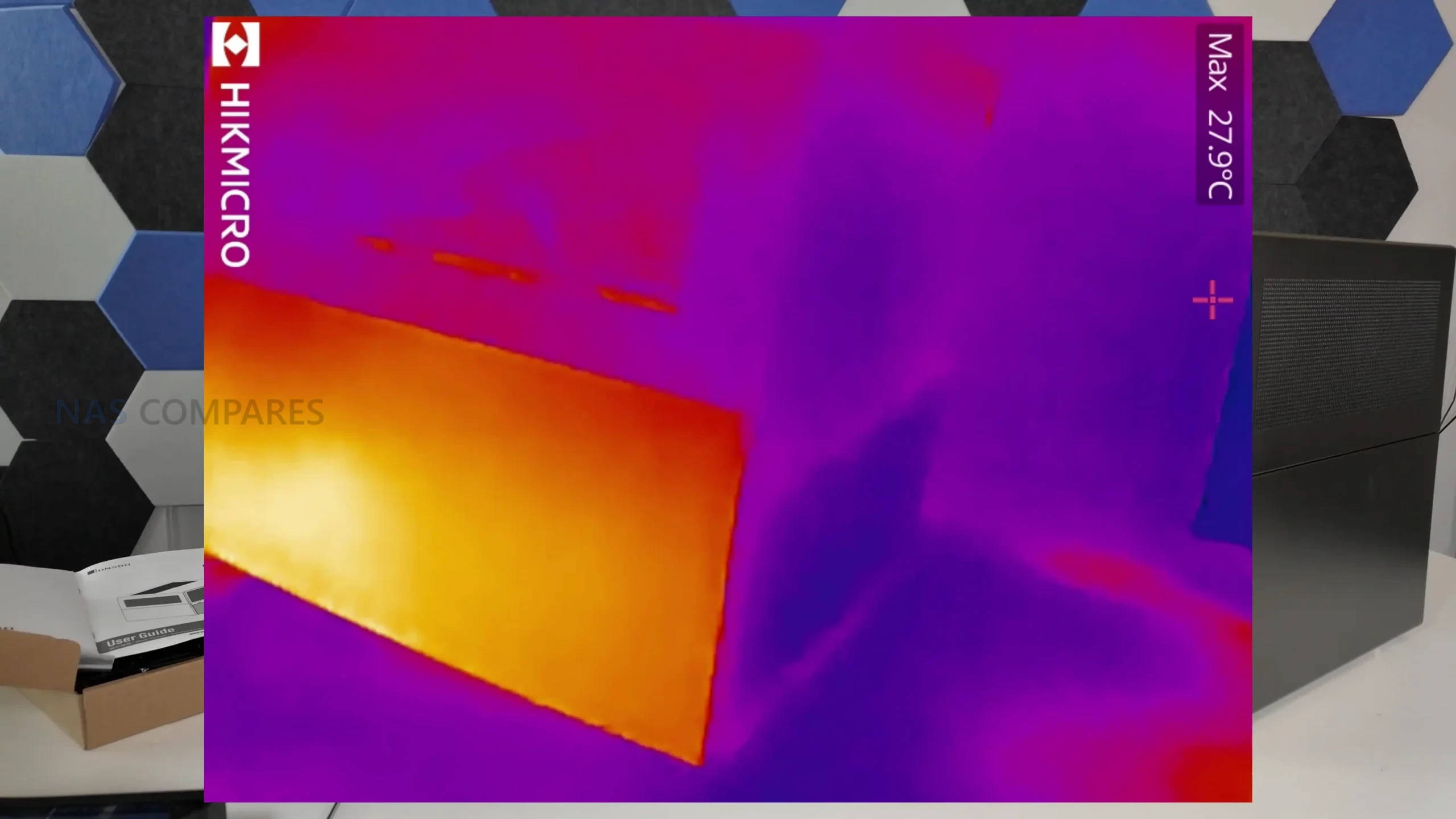
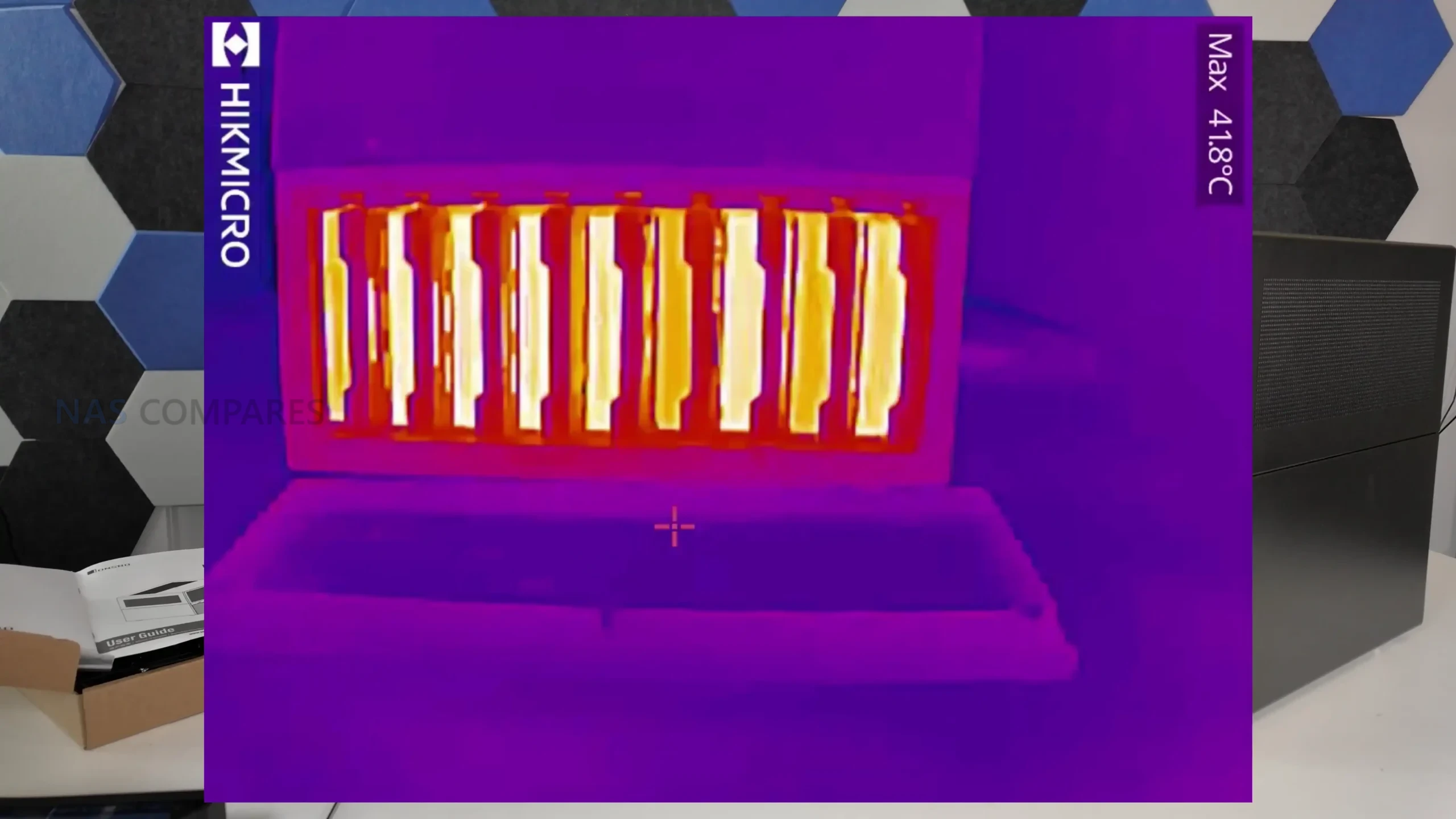
From an operational standpoint, power draw remained relatively modest for a 4 bay system. A baseline measurement with no drives installed was around 14.1 W. With 4 HDDs and 2 NVMe SSDs installed, idle power use was observed at around 46 W, rising to roughly 50 to 51 W under active read and write workloads with moderate CPU and memory utilization. The relatively small gap between idle and active indicates that drive idle draw forms a significant portion of the total consumption in typical day to day use.
 |
 |
 |
 |
UniFi UNAS 4 Review – Conclusion & Verdict
The UniFi UNAS 4 is a compact 4 bay NAS that prioritizes straightforward storage deployment, particularly for users already running UniFi hardware and UniFi management. Its pricing, PoE+++ support with an included adapter, NVMe caching capability, and generally simple physical drive access make it a practical option for core NAS tasks such as shared folders, backups, and centralized file storage. The hardware choices are consistent with that goal, and the platform is best assessed as a storage appliance rather than a general purpose server. On the software side, UniFi Drive provides the expected baseline services for this category, including SMB and NFS file access, RAID options, snapshots, encrypted storage, share links, and multi user management. Backup support is broader than the basics, with options that can include remote UNAS targets, SMB destinations, and several mainstream cloud services, along with Time Machine support for macOS. Management is clearly aimed at keeping configuration simple through a unified interface, but it also remains more limited than mature NAS platforms in areas such as deeper system tuning, third party remote access alternatives, and broader application style features.

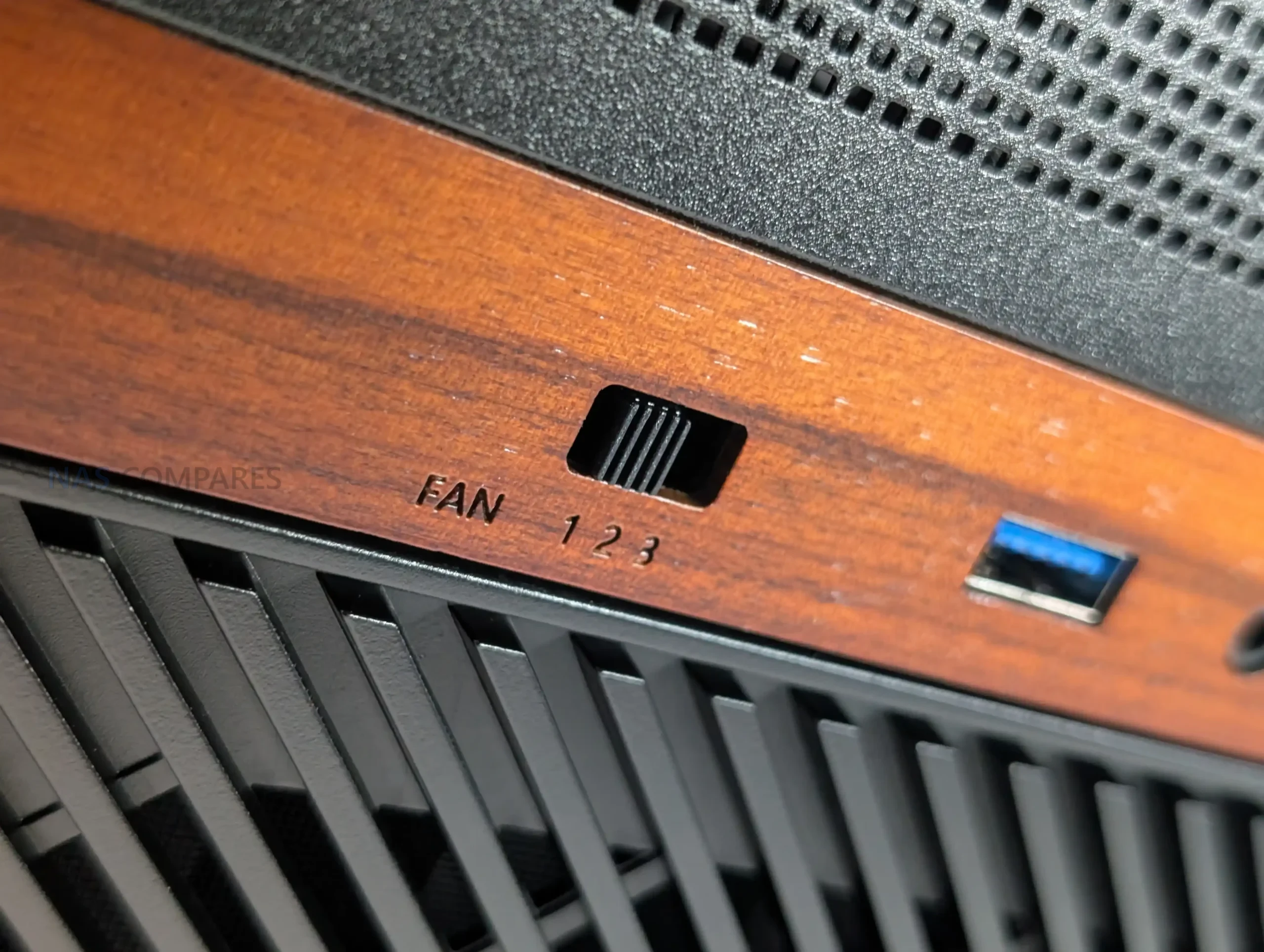
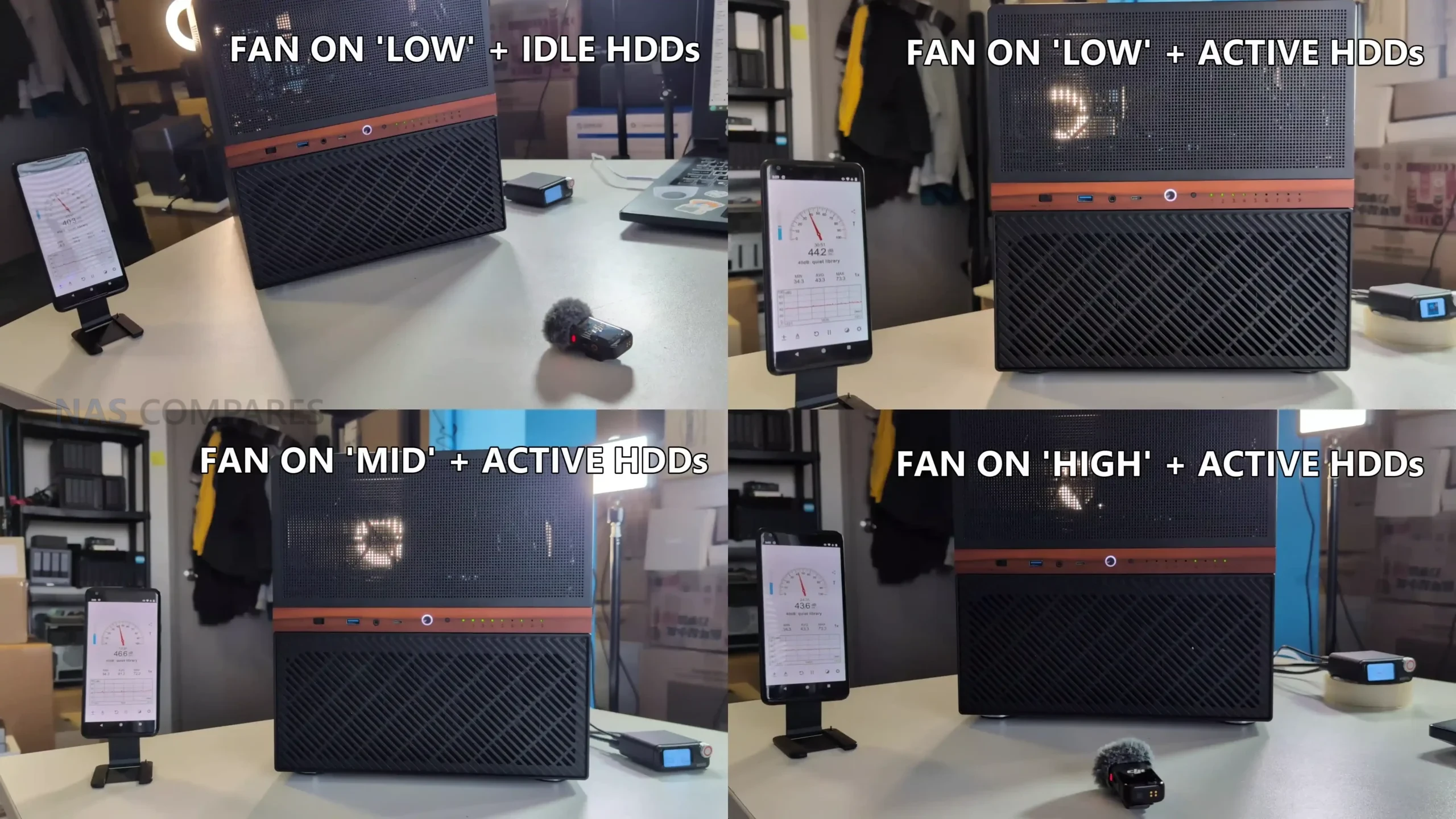
The trade offs are easy to identify. A single 2.5GbE port limits peak throughput and removes options such as link aggregation or network failover, which matters more on a 4 bay system than it would on a smaller unit. The NVMe slots are limited to caching rather than independent pools, and using them adds cost due to trays not being included. Cooling behaviour can become more noticeable if fan speed increases, and the USB C port currently operates mainly as an external drive attachment point rather than a broader expansion interface. Overall, the UNAS 4 makes the most sense when its role is kept narrow, and when UniFi Drive’s storage and backup feature set, alongside UniFi ecosystem integration, is a meaningful part of the purchase decision.
You can buy the UniFi UNAS 4 NAS via the link below – doing so will result in a small commission coming to me and Eddie at NASCompares, and allows us to keep doing what we do!
| PROs of the UniFi UNAS 4 | CONs of the UniFi UNAS 4 |
|
|
| Here are all the current UniFi NAS Solutions & Prices: |
 SUBSCRIBE TO OUR NEWSLETTER
[contact-form-7]
 Join Inner Circle
 Get an alert every time something gets added to this specific article!
Subscribe
This description contains links to Amazon. These links will take you to some of the products mentioned in today's content. As an Amazon Associate, I earn from qualifying purchases. Visit the NASCompares Deal Finder to find the best place to buy this device in your region, based on Service, Support and Reputation - Just Search for your NAS Drive in the Box Below
Need Advice on Data Storage from an Expert?
Finally, for free advice about your setup, just leave a message in the comments below here at NASCompares.com and we will get back to you. Need Help?
Where possible (and where appropriate) please provide as much information about your requirements, as then I can arrange the best answer and solution to your needs. Do not worry about your e-mail address being required, it will NOT be used in a mailing list and will NOT be used in any way other than to respond to your enquiry.
[contact-form-7]
Need Help?
Where possible (and where appropriate) please provide as much information about your requirements, as then I can arrange the best answer and solution to your needs. Do not worry about your e-mail address being required, it will NOT be used in a mailing list and will NOT be used in any way other than to respond to your enquiry.
[contact-form-7]
 TRY CHAT
Terms and Conditions
TRY CHAT
Terms and Conditions
 Ko-fi or old school Paypal. Thanks!To find out more about how to support this advice service check HEREIf you need to fix or configure a NAS, check Fiver
Have you thought about helping others with your knowledge? Find Instructions Here
Ko-fi or old school Paypal. Thanks!To find out more about how to support this advice service check HEREIf you need to fix or configure a NAS, check Fiver
Have you thought about helping others with your knowledge? Find Instructions Here





|
 |



































 Aucun
Aucun