❌

Vue lecture

Il y a de nouveaux articles disponibles, cliquez pour rafraîchir la page.

Winhanced 0.9.9.9 fixes my biggest complaints of Windows gaming handhelds

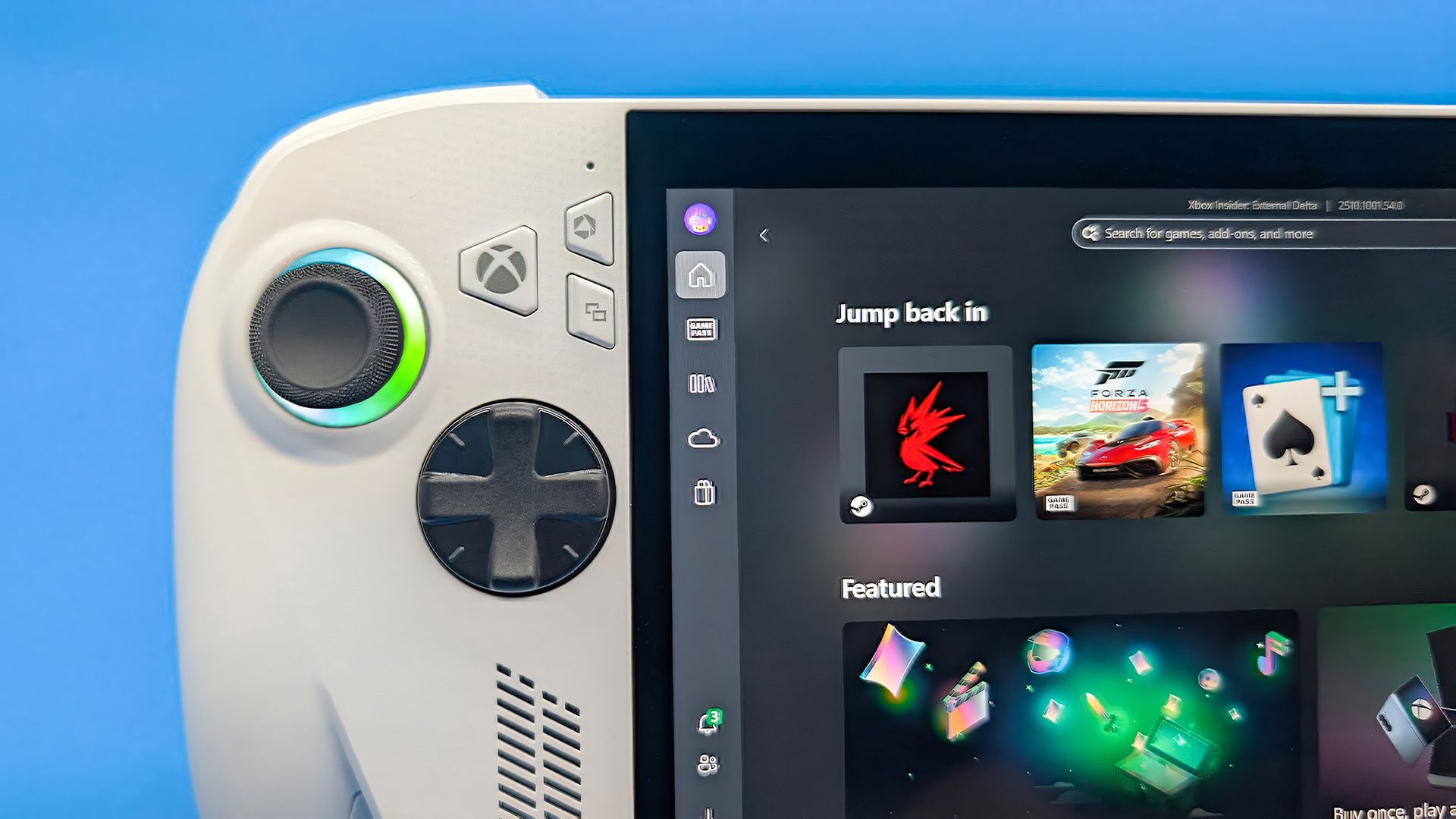
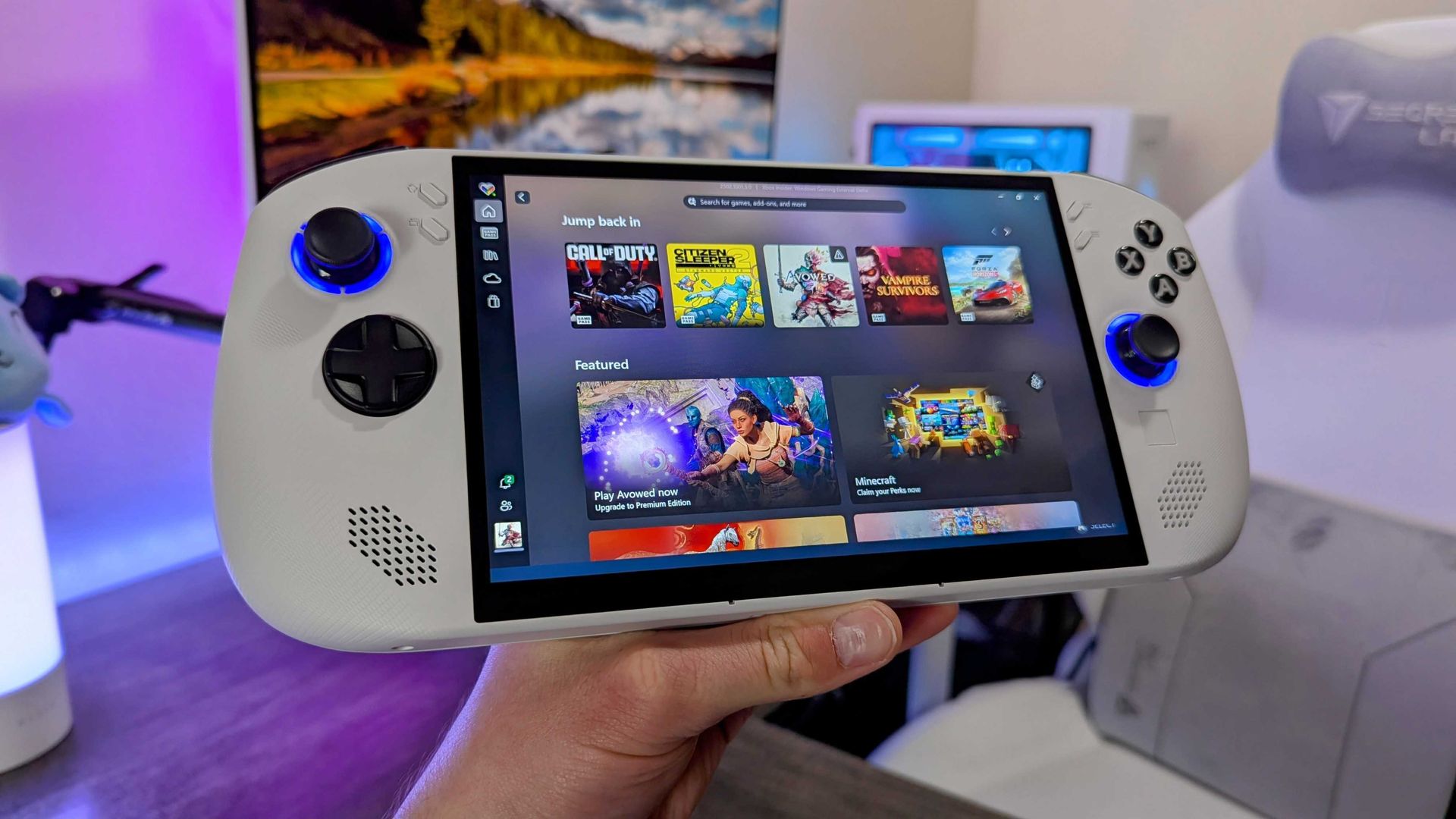
Winhanced is a launcher that essentially replaces Xbox Mode on your Windows handheld. Instead of simply fullscreening the Xbox app, Winhanced gives you a fully featured user interface that connects to your Xbox, Steam, GOG, and Epic libraries, alongside support for emulators, other apps, and much more.

I've talked quite extensively about Winhanced here on Windows Central, using the launcher for quite some time on my own handhelds, and seen it in both its current, near-complete state and its not-so-complete state a few months back.

The launcher is nearing version 1.0, which I’m sure I’ll cover when it releases, as the sneak peek I’ve seen — and will discuss closer to release — is extremely exciting. However, version 0.9.9.9 is available today and boasts new features and improvements. These are just a few that caught my attention:

  • Friend cards, letting you message your friends, see what they’re doing, view their profiles, and more. (Public)
  • Better integration with Discord, Steam, Xbox, and PlayStation. (Public)
  • PC streaming through the new Winhanced Streaming Companion. (Public)
  • Install Windows updates without leaving Winhanced. (Public)
  • Improved driver detection for updating your handheld’s drivers through Winhanced. (Public)
  • Game theme music, including the option to choose your own tracks. (Public)
  • Improved Epic and GOG downloads, including resumable downloads. (Public)
  • Create your own collections for easier access to different groups of games. (Early Access)
  • A Discord server browser that can be navigated with a controller. (Early Access)

Those are just a handful of the additions, and 0.9.9.9 also includes substantial behind-the-scenes work to improve how Winhanced works in general, making it a pretty seamless experience. If you're interested, I urge you to join the Winhanced Discord and check out the full release notes because there’s simply far too much for me to reasonably cram into one overextended post without getting into the weeds.

I’ve moaned since the day I got my Xbox Ally X about just how unpolished and, frankly, disappointing the user experience was. Winhanced has genuinely changed that for me, though, and made me much more willing to pick up my Xbox Ally X and actually play games on it, which isn’t something I can say for the other launchers I’ve tried.

If you’ve tried Winhanced before and found it too buggy, I’d suggest giving it another shot now. A big part of 0.9.9.9 focused on squashing hardware-related bugs and improving consistency across supported handhelds, with the developer describing this release's device consistency as finally at a "1.0 level."

If Winhanced isn’t your thing, though, that’s okay too. Xbox Mode is improving, but I'll still use this instead. Let me know your thoughts in the comments, or just drop a vote on the poll!

Click to join us on r/WindowsCentral

Join us on Reddit at r/WindowsCentral to share your insights and discuss our latest news, reviews, and more.
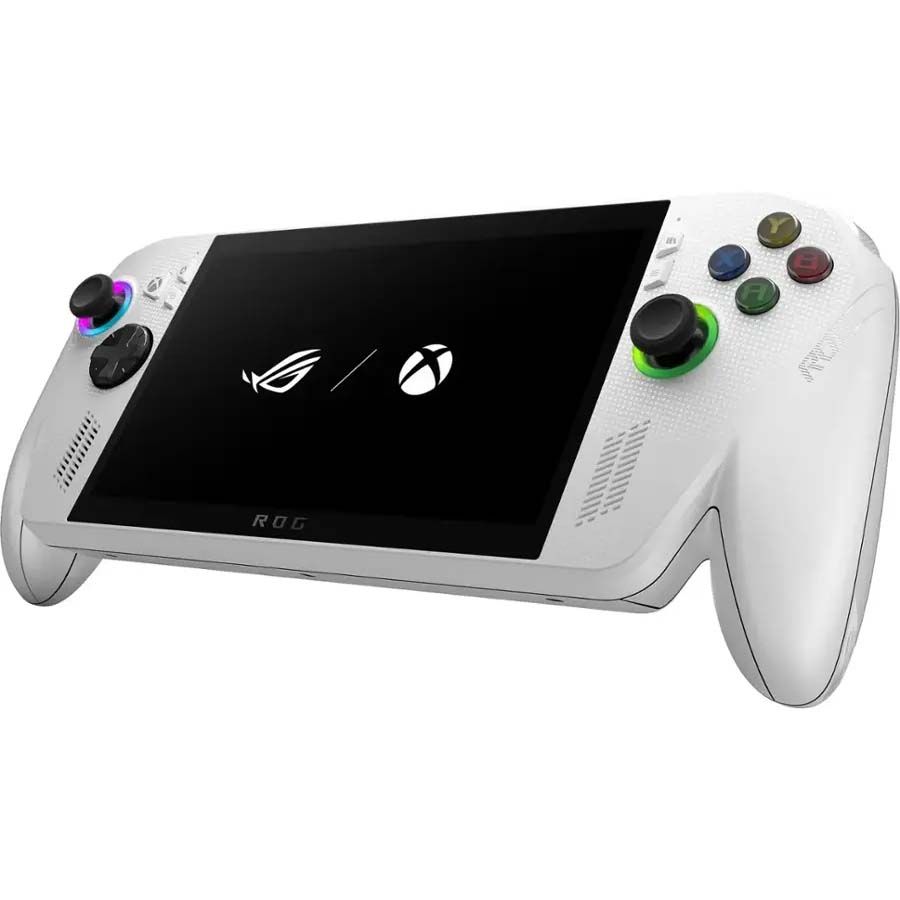
As the Steam Deck loses its affordable appeal, the XBOX Ally could be an unexpected handheld gaming champion

I've been a PC gamer for as long as I can remember, pushing my earliest family desktop computers to their limits by installing a single copy of Command and Conquer to their tiny hard drives, before eventually building my own rigs with a meager part-time job wage and a bright-eyed idea of what good value components looked like.

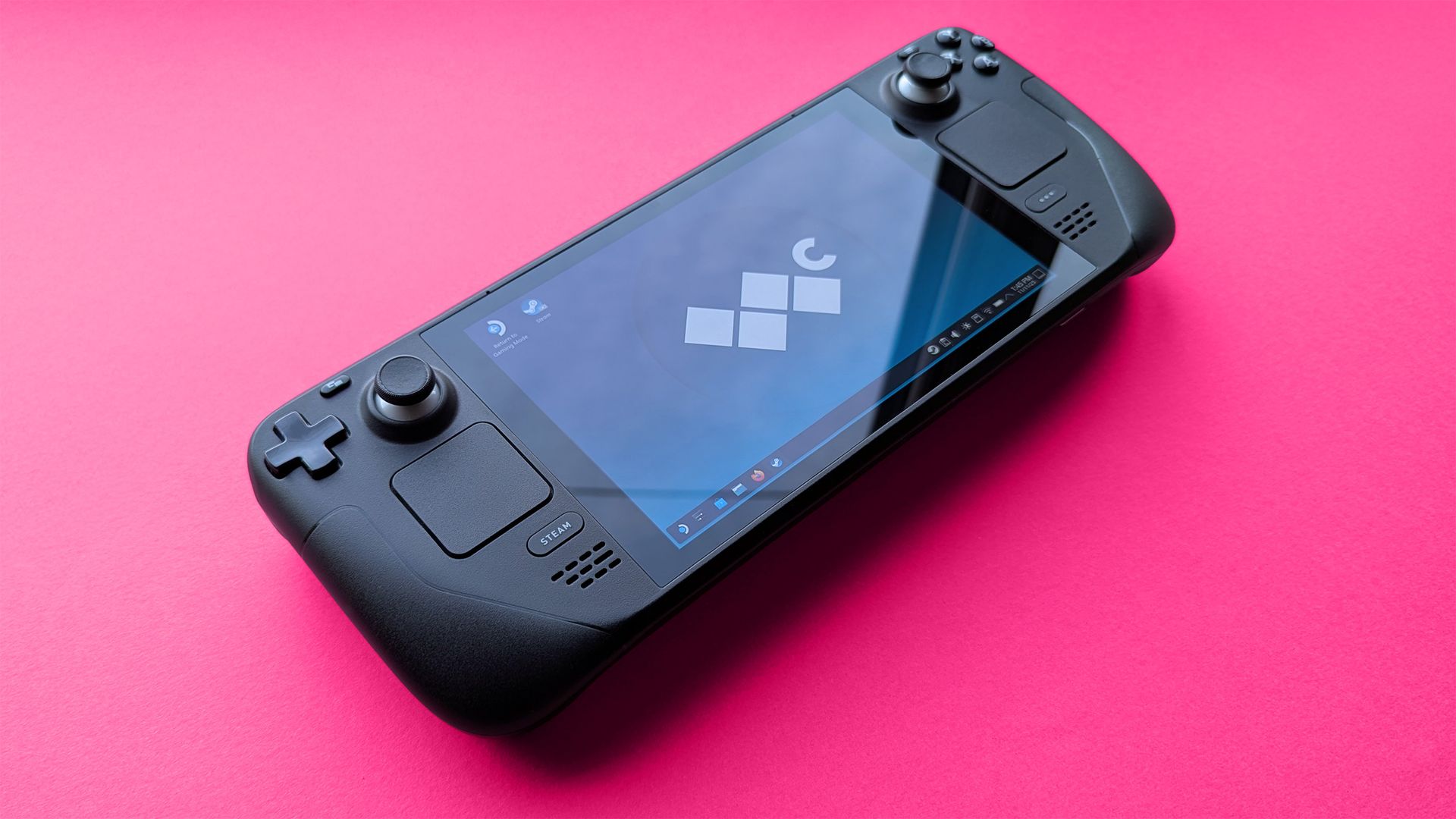
These days, I do most of my gaming on my still-loved Steam Deck, the Linux-based handheld from the same company behind the massive PC game storefront, Steam. It runs practically every game originally designed for Windows, and for the ones that it struggles with, I fall back on cloud gaming on services like GeForce NOW and Xbox Cloud.

Until now, I've pushed as many curious gamers as possible toward handheld gaming PCs, easing them in with budget-friendly options before watching them grow an appetite for high-end examples of excess that squeeze the capabilities of traditional gaming laptops into a compact form factor. However, one seems to have stuck closer to its MSRP, while many others become pipe dreams.

XBOX Ally: $599.99

"Power of XBOX. Freedom of Windows. Craftmanship of ROG."View Deal

Somehow, the XBOX Ally is holding strong

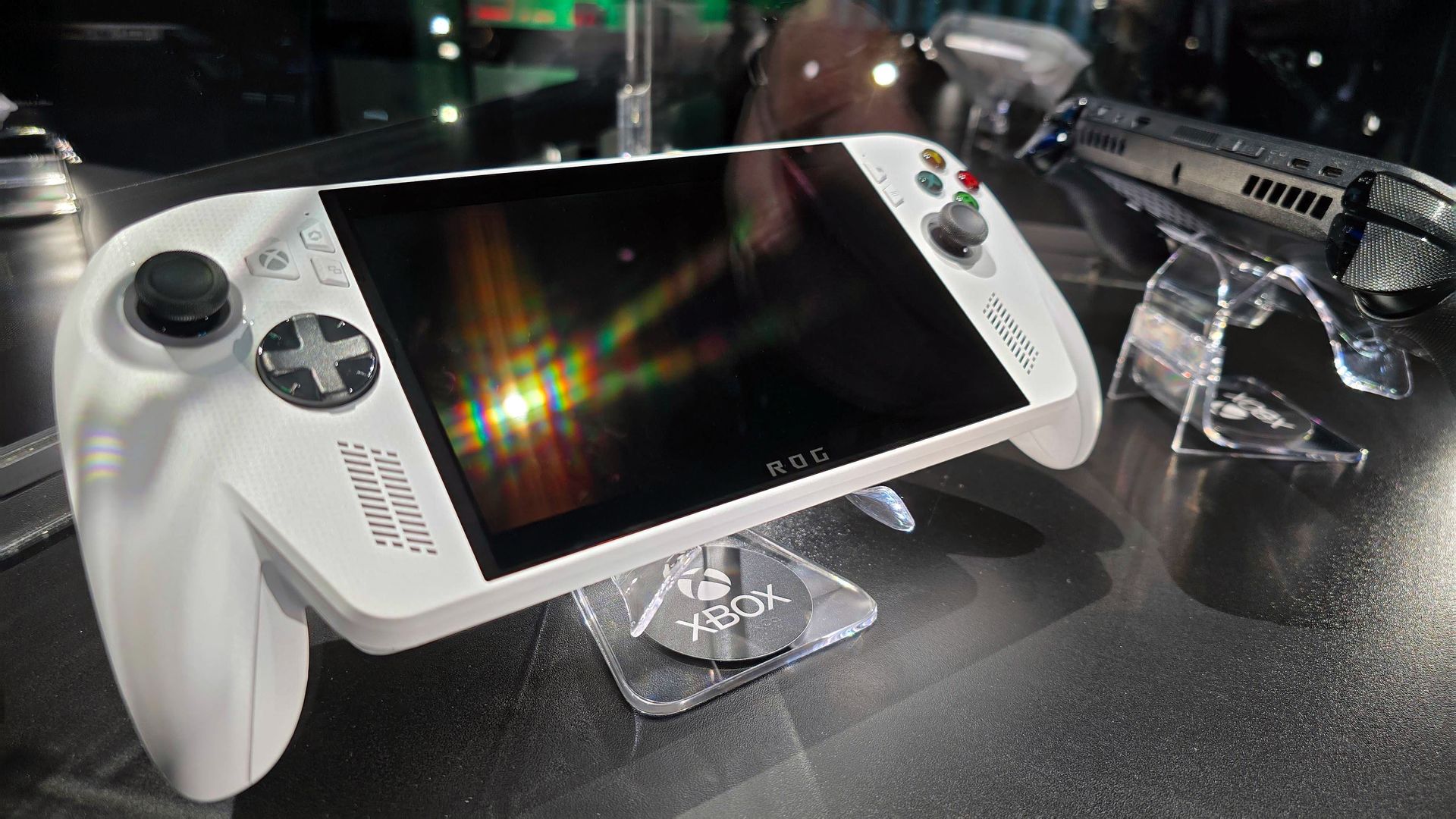
ASUS ROG Xbox Ally (white) and ROG Xbox Ally X (black) in a glass display case at Gamescom in August, 2025.

It's a modest machine inside, but the ergonomics make the ROG Xbox Ally worth your attention. (Image credit: Jez Corden | Windows Central)

As it stands, the ROG XBOX Ally sells for $599.99 at Best Buy, which is the same price it launched at when we tested it for our XBOX Ally review. Right now, it holds an average 4.4/5 rating among at least 930 customer reviews from that listing alone, and they seem quite happy with its price-per-performance ratio.

The white ROG XBOX Ally relies on AMD's Ryzen Z2 A processor, a relatively older Zen 2 chip with performance more comparable to Valve's long-standing Steam Deck than its high-end black ROG XBOX Ally X sibling or its predecessors like the (discontinued) original ASUS ROG Ally, built as a modern entry-level pick.

So, in what feels like an unexpected turn of events, Microsoft and ASUS offer the best price in handheld PC gaming with the ROG XBOX Ally, since the cheapest Steam Deck starts at $789 for a 512GB model, though Valve has an edge with an OLED screen that offers stronger contrast. If nothing else, it's certainly a different vibe than the price hikes on the Xbox Series X|S consoles.

Then again, the ROG XBOX Ally can reach a higher 120Hz refresh rate than the Steam Deck OLED's 90Hz, though you'll have to find a lightweight PC game that runs well enough to show those theoretical benefits of smoother visuals, with support for the Ally's variable refresh rate (VRR) that helps to reduce screen tearing and frame pacing inconsistencies.

"But, it runs Windows!"

The Lenovo Legion Go S held in a hand with the Xbox app opened.

Lenovo's Legion Go S arrived without too much fanfare. (Image credit: Windows Central | Zachary Boddy)

Usually snared by the inevitable cost of a Windows license for each corresponding handheld, the appeal of Valve's in-house 'SteamOS' operating system became obvious in the category's formative years. However, alternatives initially designed around that prospect, such as Lenovo's Ryzen Z2 Go-based Legion Go S, now cost around $989.99.

That's a disappointing increase from the $599.99 MSRP we saw during our Lenovo Legion Go S review, with another rise to $1,579.99 for the Ryzen Z1 Extreme Legion Go S model that we tested (dropping to $999.99 in occasional sales). Suddenly, a Windows-based handheld that comes, in part, from XBOX itself doesn't sound so bad.

Of course, the repeated blame for these price hikes lands squarely on the memory crisis driven by massive-scale AI hardware infrastructure, which shows no signs of slowing down in the near future. Gamers are essentially stuck between a rock and a hard place as most components become unaffordable, which somewhat softens the OS argument on the PC side.

Because ultimately, there's nothing stopping anyone from installing SteamOS on a ROG XBOX Ally (or any other Windows-based handheld, for that matter). The experience will vary between devices, but to date, none of the major players have arbitrarily locked their products to Windows 11. If, despite all the awful odds, the Ally can maintain its price, it could become the mainstream choice.

Availability also seems fine for the white XBOX Ally, unlike ultra-high-end variants like the "mind-blowing" MSI Claw 8 EX AI+ and its $1,799 price tag, which apparently convinced flush gamers to spend, but its stock couldn't keep up. For handhelds targeting far below $1,000 — the realm of sensible spending — XBOX is surprisingly beating Valve. Will it last? I'd love to believe it.

Click to join us on r/WindowsCentral

Join us on Reddit at r/WindowsCentral to share your insights and discuss our latest news, reviews, and more.
Valve says Steam Deck 2 plans haven't been affected by the RAM crisis

Valve's popular Steam Deck handheld pushed handheld gaming PCs into the mainstream with its affordable, Linux-based console, and its potential successor seemingly aims to make the same impact. Speaking to IGN's Jacqueline Thomas, Valve software developer Pierre-Loup Griffais touched on the fabled 'Steam Deck 2' and whether the ongoing RAM crisis could affect its development.

We want to make sure there's a very delineated performance improvement for something like a future Steam Deck.

Pierre-Loup Griffais, Valve

When asked whether ongoing hardware shortages — which have already affected pricing for its Steam Machine PC and Steam Frame VR headset — have changed how Valve thinks about a Steam Deck successor, Griffais answered, "Not really." For now, it sounds like any potential 'Steam Deck 2' will target the same balance of performance and affordability as before, but is that realistic?

Steam Deck performance was crushed years ago

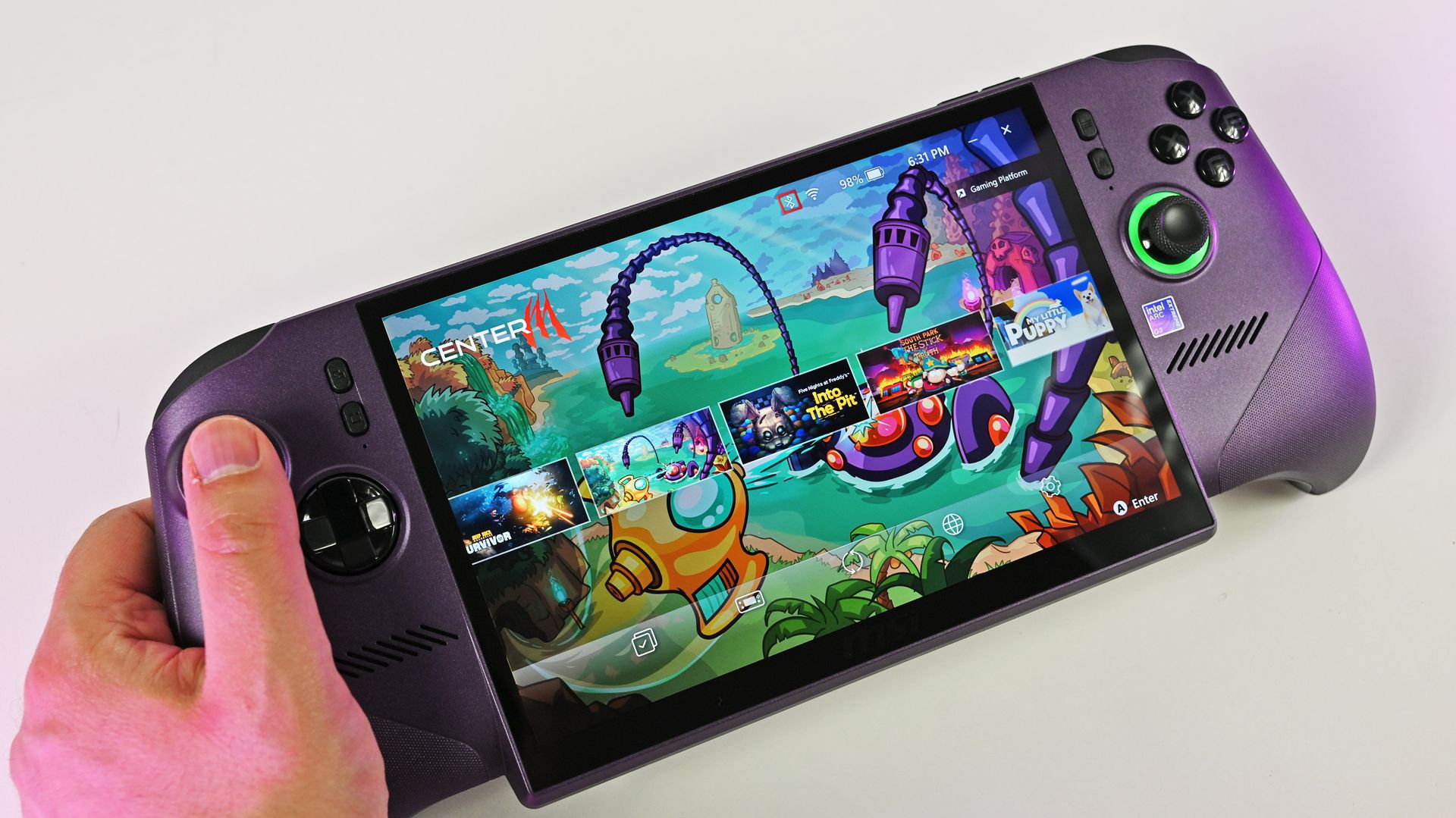
A person holds the metallic purple MSI Claw 8 EX AI+ handheld gaming PC, showcasing its large screen running the MSI Center M game launcher.

MSI Claw 8 EX AI+ stands as one of the best Windows-based handhelds today. (Image credit: Daniel Rubino)

For clarity, I use my Steam Deck almost every day, and it still powers through my library of built-for-Windows PC games with relative success. However, there's no denying its age, and the custom-made Zen 2/RDNA 2 APU doesn't stand a chance in many of the AAA games released in the past few years. For those demanding titles, plenty of Windows-based handhelds are far better suited.

Of course, higher-end options like ASUS ROG's "next-gen" Xbox Ally X and the all-out powerhouse MSI Claw 8 EX AI+ don't offer higher performance without asking for more cash. On the contrary, the Ally X starts at $999.99, while the Claw 8 EX AI+ moves closer to $1,800, which is a far cry from the $399 to $649 window that the Steam Deck originally targeted.

Unfortunately, much like the Claw [8 EX AI+], the Steam Machine is a premium engineering marvel suffering from historically terrible macroeconomic timing.

Daniel Rubino, Windows Central

In that, I'm trying to stay grounded when I hear that Valve's plans haven't changed for the Steam Deck 2 (or whatever it might be called), because that never necessarily meant it would target the same price point as its first handheld. After all, the company just launched its new Steam Frame VR headset for $1,059, which is higher than it originally planned (via PC Gamer).

So, Valve is stuck between a rock and a hard place: sourcing a follow-up (presumably also custom-made) processor and the corresponding components for a mass-produced handheld without pricing it so high that it loses mainstream appeal. It won't be easy, and I wouldn't be surprised if we don't hear anything concrete about the Steam Deck 2 for a few years.

Click to join us on r/WindowsCentral

Join us on Reddit at r/WindowsCentral to share your insights and discuss our latest news, reviews, and more.
❌